This Is The Amish Summer Garden Habit Pennsylvania Homeowners Wish They Knew Sooner
Drive through Lancaster County in July and the gardens tell their own story. Rows sit thick and layered, soil dark and moist underneath, while neighboring yards bake dry under the afternoon sun.
Amish families have leaned on this trick for generations, long before anyone coined the term “mulching hack” online. A simple layer between plants blocks sunlight from reaching weed seeds and locks moisture where roots actually need it.
Pennsylvania gardeners are picking up on this now, mostly because their tomatoes and squash keep outperforming everyone else’s on the block. Less kneeling in the dirt, less time hauling the hose around twice a day.
Once that layer goes down, the garden practically runs itself for weeks at a stretch. That’s the kind of payoff most people spend a whole season chasing.
The One Habit Behind Every Thriving Amish Summer Garden
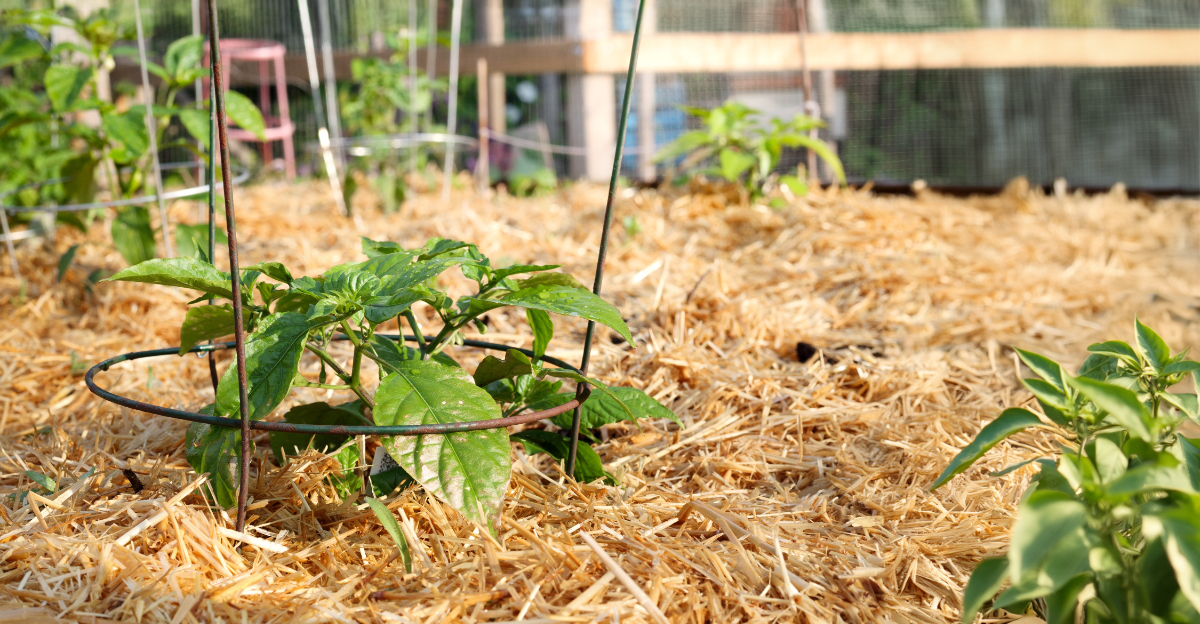
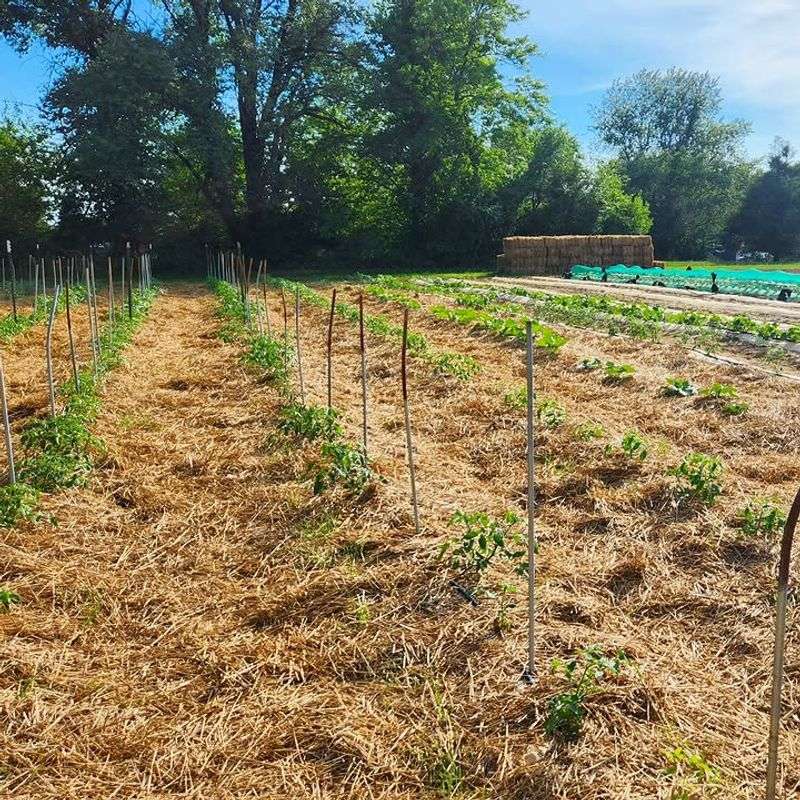
Straw is everywhere on a working Amish farm in summer. It lines the garden paths, cushions the vegetable rows, and sits thick between the tomato cages and bean poles.
Straw does the heavy lifting here, quietly solving problems most gardeners fight all summer long. It is not complicated equipment or a fancy fertilizer blend.
It is simply straw, laid down in generous handfuls across bare garden soil. The practice is passed down through families the same way recipes and quilting patterns are shared.
Most modern gardeners skip mulching altogether, thinking it is an optional extra step. Amish gardeners treat it as non-negotiable, the same way they treat watering or planting depth.
A garden without straw in July struggles in ways that show up fast: dry soil, stressed plants, and weeds moving in. The soil suffers, the plants stress, and the weeds take full advantage of every gap.
Straw changes how a summer garden behaves, often more than people expect the first time they try it. Moisture stays in the ground longer, soil temps drop by several degrees, and weed seeds struggle to sprout.
The habit takes about twenty minutes to set up after planting. Once the straw is down, the garden essentially runs itself through the hardest weeks of the season.
Amish gardeners rarely needed a YouTube tutorial to figure this out. They learned it by watching, doing, and growing food that actually feeds a family all summer long.
Straw Slows Evaporation During Dry Summer Stretches
A two-inch layer of straw can significantly cut soil moisture loss on a hot July afternoon. That number sounds dramatic until you feel how cool and damp the soil stays underneath.
During dry summer stretches, unprotected garden soil bakes hard and fast. Water from the morning hose evaporates before roots even get a chance to absorb it.
Straw acts like a slow-release sponge sitting right on top of the ground. It catches the water, holds it close, and lets it seep down gradually instead of vanishing into the air.
Amish gardeners in dry-summer regions figured this out long before anyone was selling drip irrigation systems at the hardware store. Their water source was often a hand pump or a rain barrel, so every drop counted.
Your Pennsylvania Garden Changes Every Week. Your Plan Should Too.
Gardening in Pennsylvania changes quickly throughout the season. Every Friday you’ll receive a simple weekly plan showing exactly what to plant, prune, fertilize, harvest, and protect so you never miss the right timing.
Laying straw after a good watering or a rainstorm locks in that moisture right when the soil is at its most saturated. Timing matters, and the Amish have long understood that rhythm.
For Pennsylvania homeowners dealing with mid-August dry spells, this habit can mean the difference between a struggling garden and one that keeps producing. Zucchini, cucumbers, and squash especially love the consistent moisture that straw helps maintain.
Cutting watering frequency significantly is a realistic outcome once straw is properly applied. That saves time, lowers water bills, and reduces plant stress all at once.
Your Pennsylvania garden will thank you with stronger stems, brighter leaves, and a harvest that does not quit when the heat rolls in.
Soil Temperatures Stay Steadier Under A Layer Of Straw
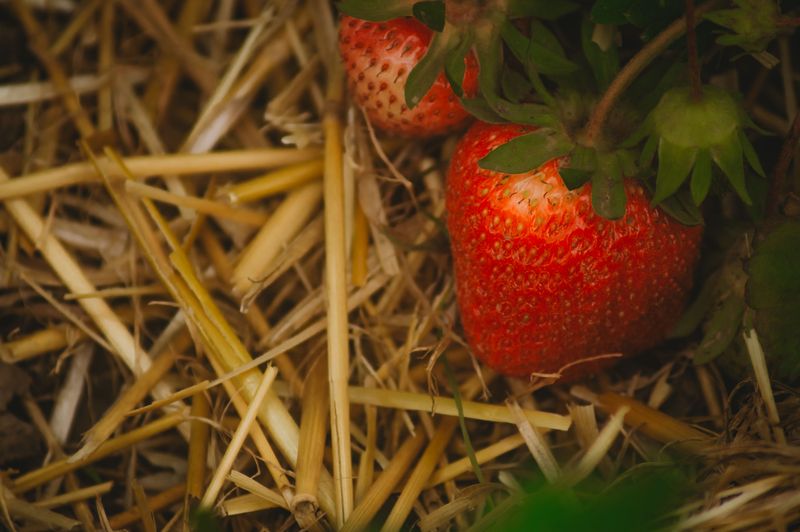
Bare soil in full summer sun can reach temperatures that push plant roots into stress. Unprotected garden soil can hit well over 120°F on a clear July day.
Root systems are not built for that kind of heat. When soil gets too hot, plants slow their nutrient uptake, wilt faster, and stop flowering as efficiently as they should.
Straw insulates the ground the way a thick blanket insulates a cold body. It keeps the wild temperature swings from reaching the roots where the real growing happens.
Amish gardens often sit in full sun with little to no shade, yet the plants tend to look healthy through August. The straw is doing the quiet, invisible work that makes that possible.
Cooler soil also supports the underground ecosystem that healthy gardens depend on. Earthworms, beneficial fungi, and soil bacteria all thrive in moderate temperatures and retreat when things get too extreme.
A garden with active soil life produces better results than one that relies mostly on added fertilizers. Straw keeps that underground community alive and working through the hottest months.
Temperature consistency also matters for germination if you are doing succession planting mid-summer. Lettuce and radish seeds sprout more reliably in soil that holds steady rather than swinging between extremes.
Steadier soil means steadier plants, and steadier plants mean a harvest you can actually count on. That kind of reliability is exactly what generations of Amish families have built their food supply around.
Weed Emergence Drops Once Straw Covers Bare Soil
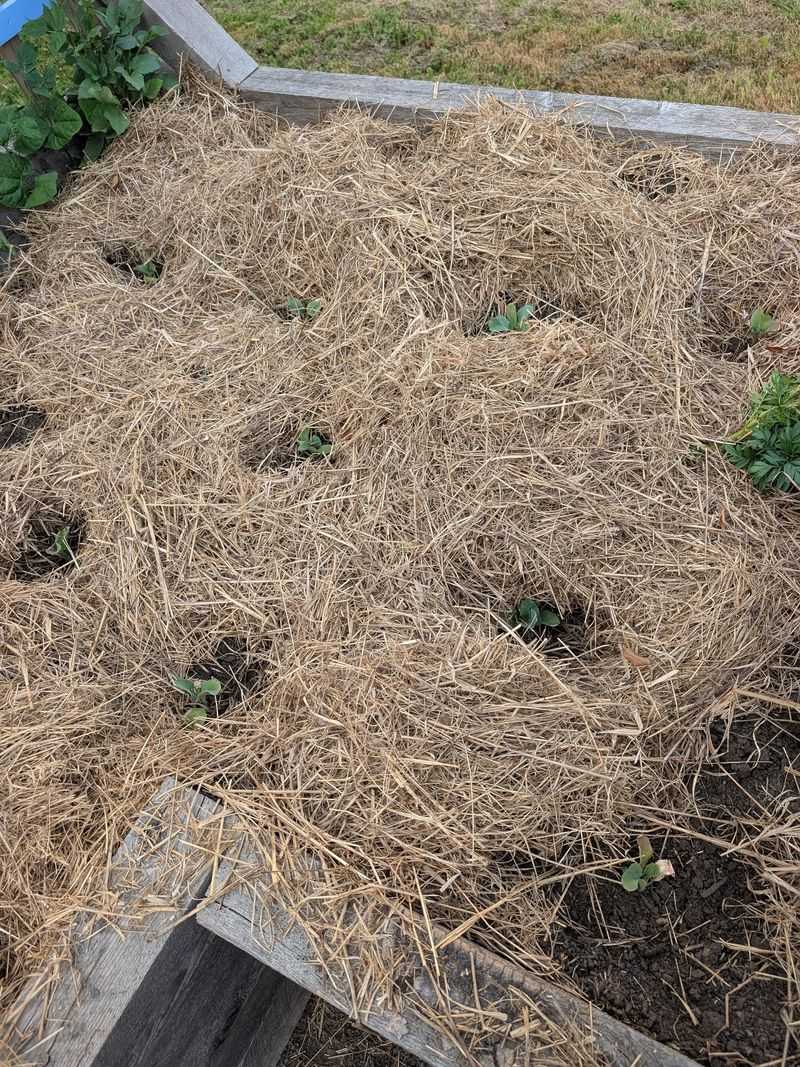
Weed seeds need two things to sprout: warmth and light. Straw blocks both from reaching the soil surface, which is why Amish gardens stay so remarkably clean through the summer months.
Most weeds that plague home gardens are what gardeners call opportunists. They germinate fast, grow faster, and steal water and nutrients before you even notice they are there.
A three-inch layer of straw creates a physical barrier that most weed seeds simply cannot push through. The few that do manage to germinate are weak and easy to pull with almost no effort.
Amish women and men are not spending their summer mornings on their knees yanking crabgrass. They laid the straw down in late spring and let it handle the problem before it started.
Prevention beats reaction in most garden situations, and straw is one of the most affordable prevention tools available at most farm supply stores. A bale costs just a few dollars and covers a surprisingly large area.
For Pennsylvania homeowners who spend hours each week weeding raised beds and row gardens, this habit can make a real difference. Cutting weeding time significantly is a realistic result when straw is applied correctly.
The key is applying straw before weed seeds have a chance to germinate in spring and refreshing the layer mid-summer if it thins out. Consistency is what makes the method work season after season.
Less weeding means more time enjoying the garden instead of fighting it, which is a shift every home grower deserves to experience.
Rainstorms Stop Splashing Soil Onto Low-Growing Crops
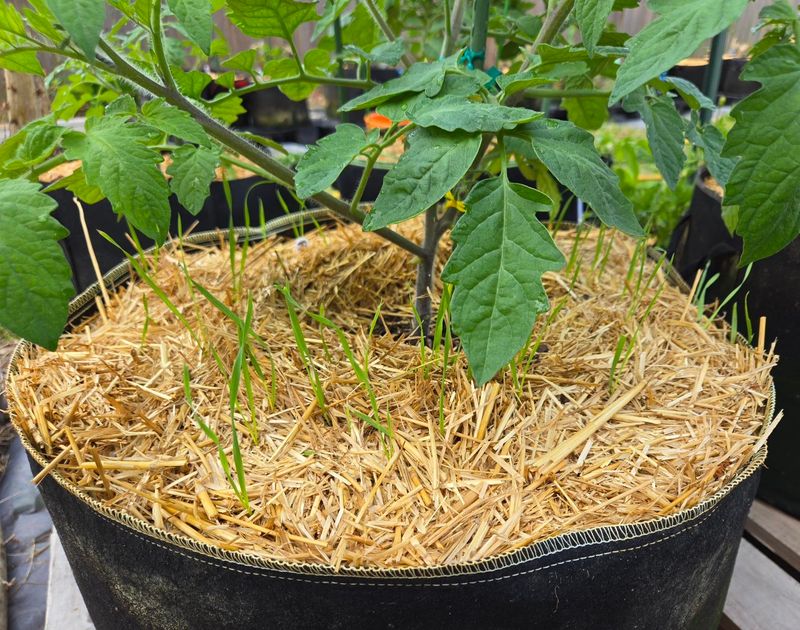
Heavy summer rain hits bare soil hard, sending muddy droplets flying up to eighteen inches in the air. Those droplets carry soil-borne bacteria and fungal spores straight onto plant leaves.
Tomato blight, leaf spot, and several other common garden diseases spread exactly this way. A single rainstorm on unprotected soil can set off a chain of plant health problems that lasts for weeks.
Straw absorbs the impact of raindrops before they ever reach the ground. The force dissipates through the straw layer, and the soil underneath stays undisturbed and clean.
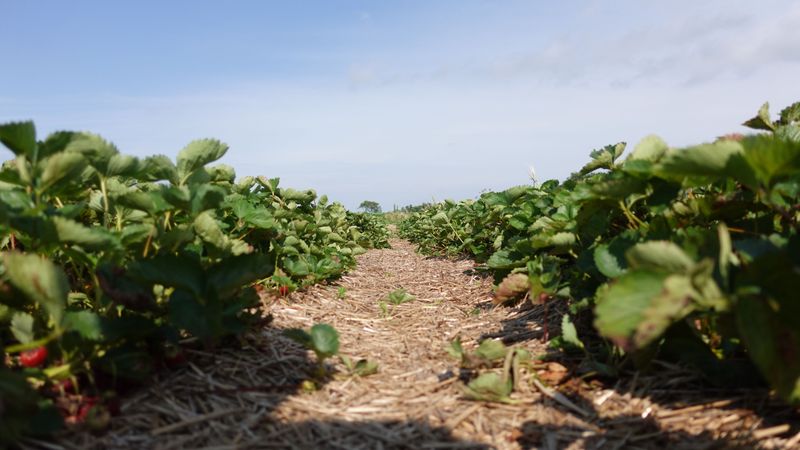
Amish gardeners growing low crops like lettuce, strawberries, and bush beans have long known that keeping leaves clean makes a real difference against disease. Straw makes that protection automatic and effortless.
Clean leaves also photosynthesize more efficiently than leaves coated in dried mud. Better photosynthesis means faster growth and more energy directed toward fruit and vegetable production.
After a big rainstorm, walk through a straw-mulched garden and then walk through a bare-soil garden. The difference in leaf cleanliness and soil condition is immediately obvious and honestly a little shocking.
This benefit is especially valuable for gardeners growing heirloom tomatoes or other disease-sensitive varieties that struggle in wet summers. Straw gives those plants a real advantage when the weather does not cooperate.
Protecting your plants from the ground up is the Amish approach, and it turns out that simple thinking produces some of the most resilient gardens around.
Straw Breaks Down And Feeds The Soil Over Time
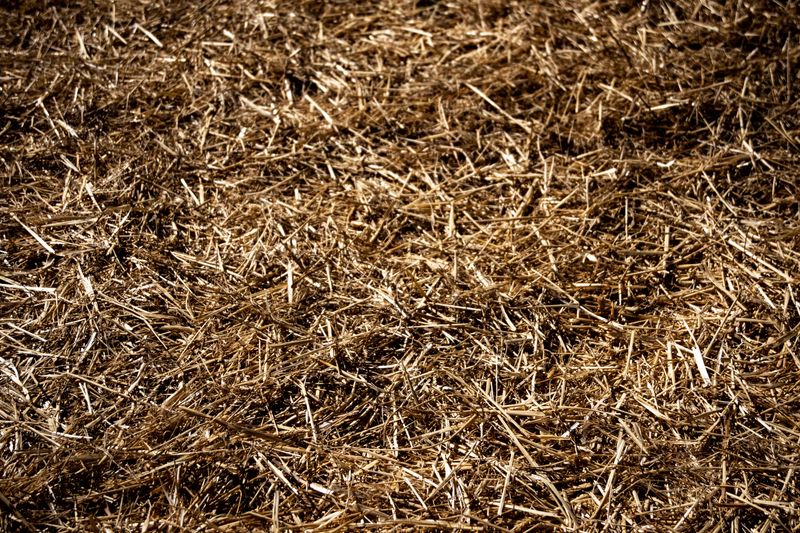
By the time October arrives, that golden straw you laid down in May looks nothing like it did at the start. It has darkened, softened, and begun its slow transformation into something even more valuable.
Decomposing straw feeds soil microbes, which in turn feed your plants. It is a quiet recycling system that costs nothing extra and improves your Pennsylvania garden bed a little more each year.
Amish families rarely haul in truckloads of expensive compost because their soil builds itself season after season. The straw they use in summer becomes part of the soil by the following spring.
Organic matter is one of the most important factors in long-term garden productivity. Straw adds carbon-rich material that improves drainage in clay soils and helps sandy soils hold moisture longer.
Working old straw into the garden bed at the end of the season takes about ten minutes with a garden fork. By planting time next spring, it will have broken down enough to blend right in.
Some gardeners worry that straw will introduce weed seeds into their garden. Using proper straw rather than hay greatly reduces that concern, since straw is the stem left after grain harvest and contains very few seeds.
The long-term payoff of this Amish summer garden habit is a garden that gets easier and more productive with every passing year. Soil that improves annually is soil that works with you instead of against you.
Start with one bale this season and watch what happens by fall. You will not need convincing twice.