The Common Texas Landscaping Habits That Attract Roaches
Most Texas homeowners dealing with roaches around the outside of their home assume the source is something beyond their control.
A neighboring property, the general reality of living in a warm climate, some external factor they can’t do much about.
But for a surprising number of people, the real contributors to the problem are habits they’re carrying out themselves, in their own yard, as part of completely routine landscaping maintenance.
Several common Texas landscaping practices are quietly attracting roaches with a consistency that most homeowners never connect to their own habits.
None of these habits look like a problem on the surface. They seem tidy, practical, or simply normal.
But from a roach’s perspective, each one creates conditions that signal shelter, moisture, or food in close proximity to your home. Together, they can turn an ordinary Texas yard into a reliable destination for roaches that find their way inside with frustrating regularity.
The fix for most of them is simple once you know what to look for. Here’s what to stop doing and why it actually makes a difference.
1. Thick Mulch Piled Against The Foundation
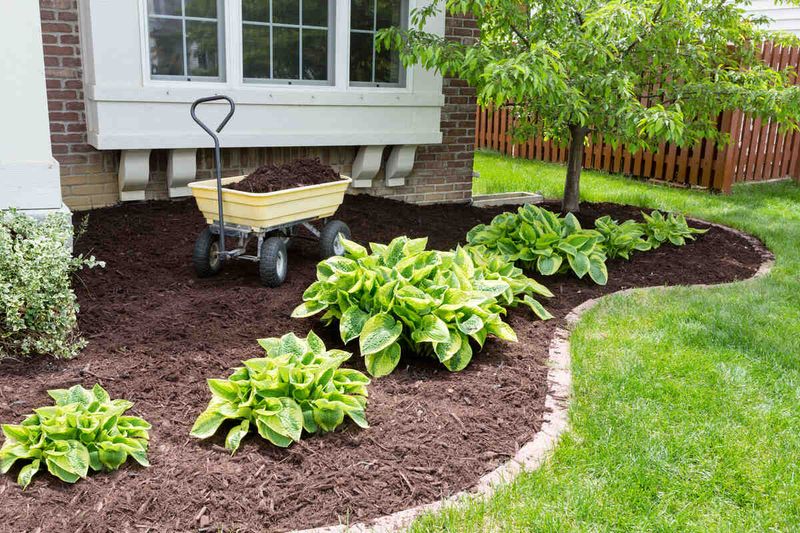
Walk around almost any Texas neighborhood and you will spot it right away. Thick layers of dark hardwood mulch pushed right up against the foundation of a home.
It looks neat and tidy, but underneath that mulch, something less welcome is setting up camp. Cockroaches absolutely love moist, dark, and warm spaces, and a thick mulch bed pressed against your house gives them exactly that.
Standard hardwood mulch holds water like a sponge. After a Texas rainstorm or a heavy watering session, that moisture gets trapped close to the soil and stays there for days.
Roaches are drawn to these moist areas the same way people are drawn to air conditioning on a hot summer day. The mulch also provides cover, making it easy for roaches to hide and breed without being disturbed.
Pest control experts recommend keeping mulch at least 12 inches back from your foundation. That small gap removes the bridge between your garden bed and your home.
It also allows the soil near the foundation to stay drier, which roaches find much less appealing.
Even better, consider switching from standard hardwood mulch to cedar chips. Cedar contains natural oils that roaches actively avoid.
It still looks great in garden beds and does the same job of retaining soil moisture for your plants, but it adds a natural layer of roach deterrence at the same time.
Keeping your mulch depth at two to three inches also helps. Thick layers that go four inches or deeper trap far more moisture and create deeper hiding spots.
Thin it out, pull it back from the house, and swap to cedar. Those three steps alone can significantly reduce roach activity around your foundation.
2. Leaf Litter And Yard Debris Left To Collect
Nobody loves raking leaves, but letting them pile up around your yard is one of the fastest ways to attract cockroaches. Leaf litter that collects along fence lines, under shrubs, or against the edge of a patio creates the kind of habitat roaches are always searching for.
Your Texas Garden Changes Every Week. Your Plan Should Too.
Gardening in Texas changes quickly throughout the season. Every Friday you’ll receive a simple weekly plan showing exactly what to plant, prune, fertilize, harvest, and protect so you never miss the right timing.
It is damp, sheltered, and full of decaying organic material, which is basically a five-star meal for them.
Roaches are scavengers. They feed on decaying plant matter, fungi, and anything organic that is breaking down.
A pile of wet leaves tucked against your back fence is not just a hiding spot. It is also a food source.
The same goes for grass clippings left in thick piles, old cardboard boxes stored outside, and rotting wood scraps from a home project that never got cleaned up.
The tricky part is that these debris piles often sit right next to the house. Leaves blow against the foundation, stack up under a porch, or settle beneath a deck.
That puts roaches just inches away from gaps, cracks, and entry points into your home. Once they are comfortable living that close, it is only a matter of time before they start exploring indoors.
Making yard cleanup a regular habit is one of the simplest prevention strategies available. Rake leaves promptly after they fall and bag them or compost them away from the house. Remove old cardboard, wood scraps, and other debris from around the yard regularly.
Pay extra attention to hidden spots like the area under your deck, behind storage sheds, and along the base of fences. Those out-of-sight corners are exactly where roaches set up their favorite hideouts, and a quick cleanup can take away their welcome sign fast.
3. Overwatering Or Poor Drainage In Landscaping Beds
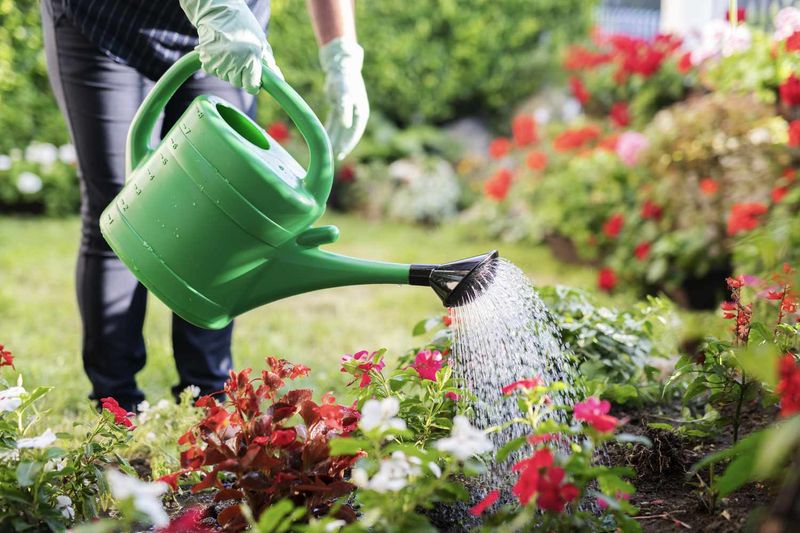
Water is life, and cockroaches know it well. In Texas, where summers can push temperatures past 100 degrees, moisture becomes one of the most powerful attractants for outdoor roaches.
Landscaping beds that stay wet for long periods after watering or rainfall are like a neon sign telling roaches exactly where to go. The combination of Texas heat and trapped soil moisture creates near-perfect breeding conditions.
Overwatering is more common than most homeowners think. Sprinkler systems set on automatic timers often water more than the plants actually need, especially during cooler months or after rain.
That excess water has to go somewhere, and if drainage is poor, it just sits in the soil. Wet, compacted soil near the foundation is a roach magnet, plain and simple.
Beyond sprinklers, other moisture sources deserve attention too. Leaky outdoor pipes, dripping hose bibs, and birdbaths that are not regularly emptied all create standing water spots that roaches gravitate toward.
Even an air conditioning condensate line that drips onto the soil near the house can be enough to draw them in close.
Fixing drainage issues does not always require major landscaping work. Sometimes it is as simple as adjusting your sprinkler timer, fixing a dripping pipe, or adding a layer of gravel in a low-lying bed to improve water flow.
Raised garden beds can also help keep moisture more controlled and away from the foundation.
Checking your yard after a heavy rain is a smart habit. Look for spots where water pools and sits for more than a few hours.
Those puddles and soggy patches are exactly the areas where roaches will gather first, especially when the rest of the yard dries out quickly under the Texas sun.
4. Firewood And Clutter Stacked Near The House
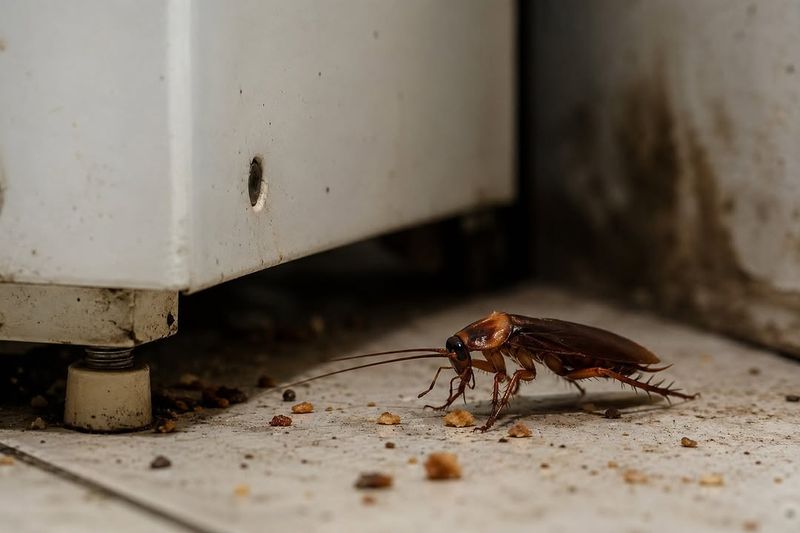
There is something satisfying about having a good stack of firewood ready to go for a cool Texas evening. But if that firewood is stacked up against your house, you might be giving roaches the perfect apartment complex.
Firewood piles are warm, dark, and full of crevices. They also attract wood-boring insects, which then attract roaches looking for an easy meal nearby.
The problem gets worse when the wood sits directly on the ground. Moisture from the soil wicks up into the bottom logs, creating damp, decaying wood that roaches find irresistible.
Over time, those bottom logs can start to rot, and rotting wood is one of the top nesting materials for several cockroach species common in Texas. Once a colony gets established in a woodpile right next to your house, it is a very short trip inside.
Experts consistently recommend storing firewood at least 20 feet away from the house whenever possible. If space is a concern, even moving it 10 feet away and elevating it off the ground makes a real difference.
A simple firewood rack that keeps the stack at least six inches off the soil reduces moisture exposure and makes the pile far less attractive to roaches.
Yard clutter in general follows the same rules. Old pots, unused garden equipment, broken furniture, and piles of landscaping stones all create hiding spots.
Roaches are not picky. Any cluttered, undisturbed space near the house gives them shelter and a place to reproduce.
Do a seasonal walkthrough of your yard and remove anything that has been sitting untouched for weeks. Clearing clutter is one of the easiest and most overlooked ways to reduce roach pressure around your home.
5. Clogged Gutters Full Of Debris
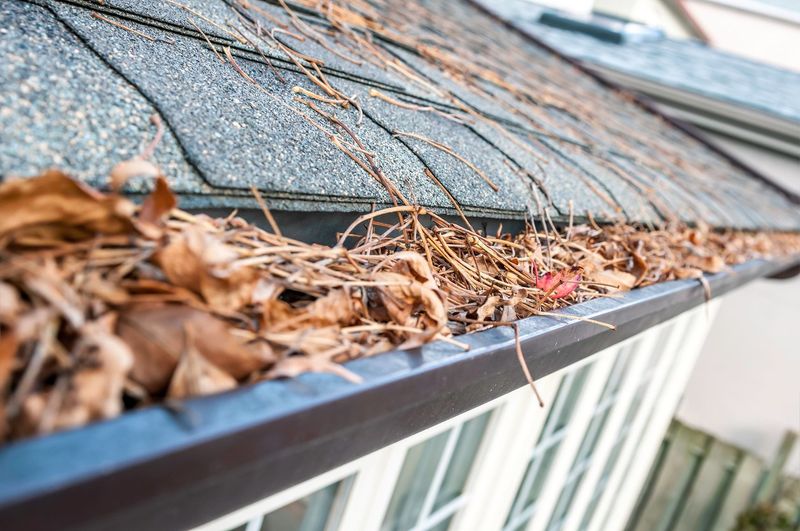
Most people think of gutters as a roofing concern, not a pest control issue. But clogged gutters are one of the sneakiest ways that moisture builds up right at the edge of your home, and roaches take full advantage of it.
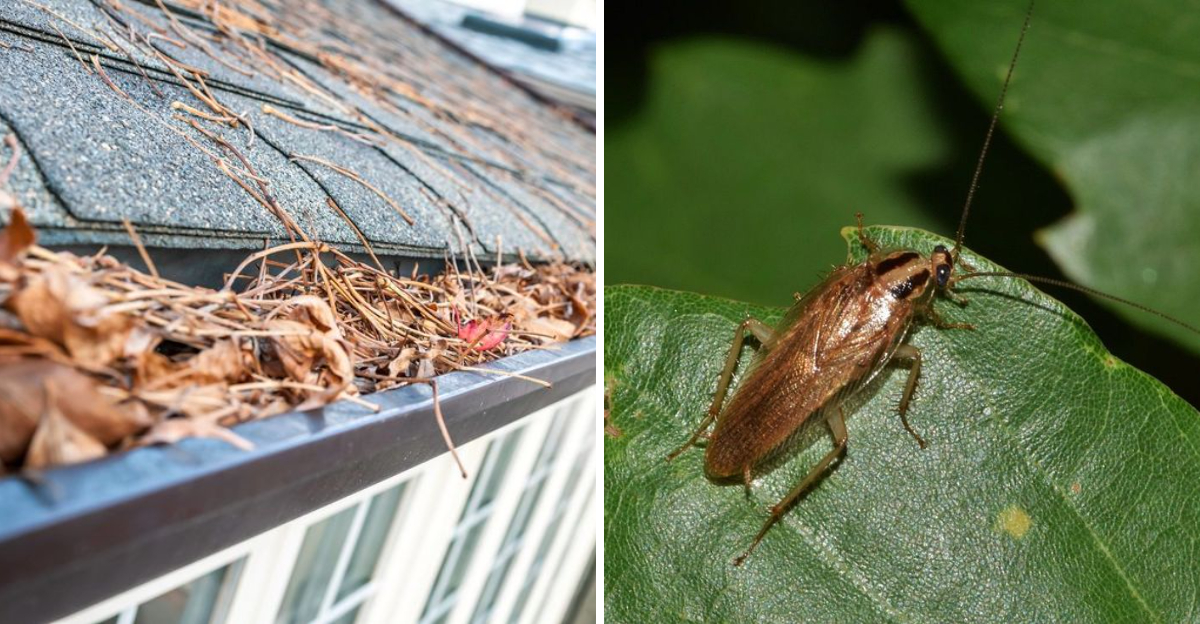
When gutters fill up with leaves, twigs, and dirt, they stop draining properly. Water backs up, sits in the trough, and creates a long, moist, shaded channel running along your roofline.
That standing water and decomposing debris is exactly the kind of environment cockroaches seek out. American cockroaches, one of the most common outdoor species in Texas, are especially drawn to high-up moist areas.
They are strong climbers and regularly explore gutters, downspouts, and roof edges. A clogged gutter gives them food, water, and shelter all in one spot, right at the top of your exterior walls.
From there, roaches can find their way into the home through roof gaps, attic vents, and areas where the roofline meets the siding.
Gutters that overflow also send water cascading down the side of the house and pooling at the foundation, creating a second moisture problem at ground level.
So one clogged gutter can create roach-friendly conditions at both the top and bottom of your exterior at the same time.
Cleaning gutters twice a year is the standard recommendation, but in Texas, where trees drop debris year-round, quarterly cleaning may be more effective. Gutter guards can also help reduce how quickly debris accumulates inside the trough.
While you are up there, check downspouts to make sure water flows freely away from the house. A downspout extender that directs water at least four feet from the foundation can dramatically reduce pooling near the base of your home.
6. Overgrown Dense Vegetation Around The Perimeter
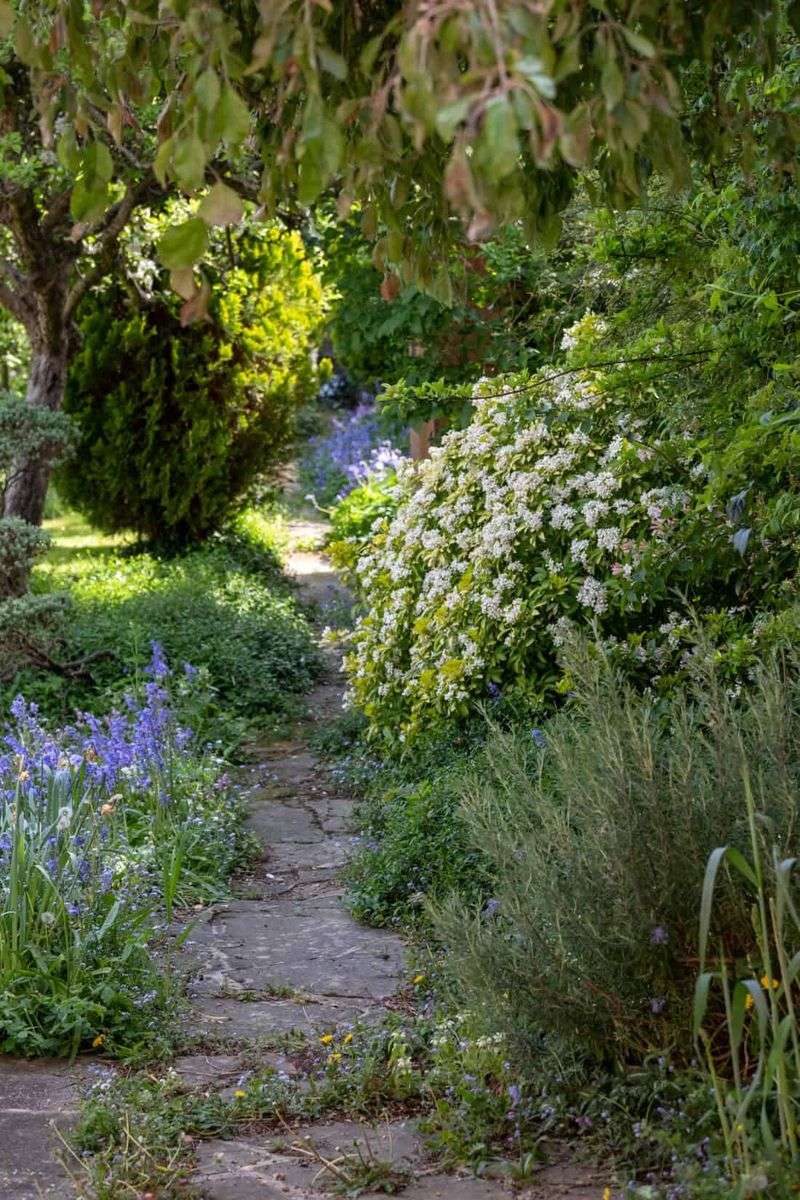
Lush landscaping can make a Texas home look stunning, but when shrubs, groundcover, and ornamental grasses grow thick and untrimmed right against the house, they create a roach superhighway along your entire perimeter.
Dense vegetation traps humidity close to the ground, shades the soil so it stays wet longer, and gives roaches a sheltered corridor to move around without being exposed to predators or sunlight.
During Texas heat waves, outdoor roaches search aggressively for water sources. Thick plantings near the foundation hold moisture in the soil and on the leaves, giving roaches exactly what they need to survive the hottest parts of summer.
The denser the vegetation, the more reliable that moisture source becomes. It is not just about hiding spots. It is about creating a microclimate that supports roach survival right next to your home.
Trimming back shrubs and groundcover so they do not touch the exterior walls is a simple but powerful step. Aim to keep at least a six-inch gap between any vegetation and your siding or foundation.
That gap allows sunlight and airflow to reach the base of the house, drying out the soil and removing the cool, damp corridor roaches prefer to travel through.
Thinning out dense plantings also helps. Plants that are overcrowded hold more moisture and create deeper shade at ground level.
Pruning them back improves air circulation, which speeds up how quickly soil dries after watering or rain.
Replacing moisture-loving groundcovers near the foundation with drought-tolerant plants is another smart long-term strategy.
Texas native plants like lantana or salvia thrive in dry conditions and do not create the damp microenvironments that attract roaches. Beautiful landscaping and roach prevention can absolutely go hand in hand.