The Bird Feeder Placement Mistake Putting Kentucky Backyard Birds At Risk
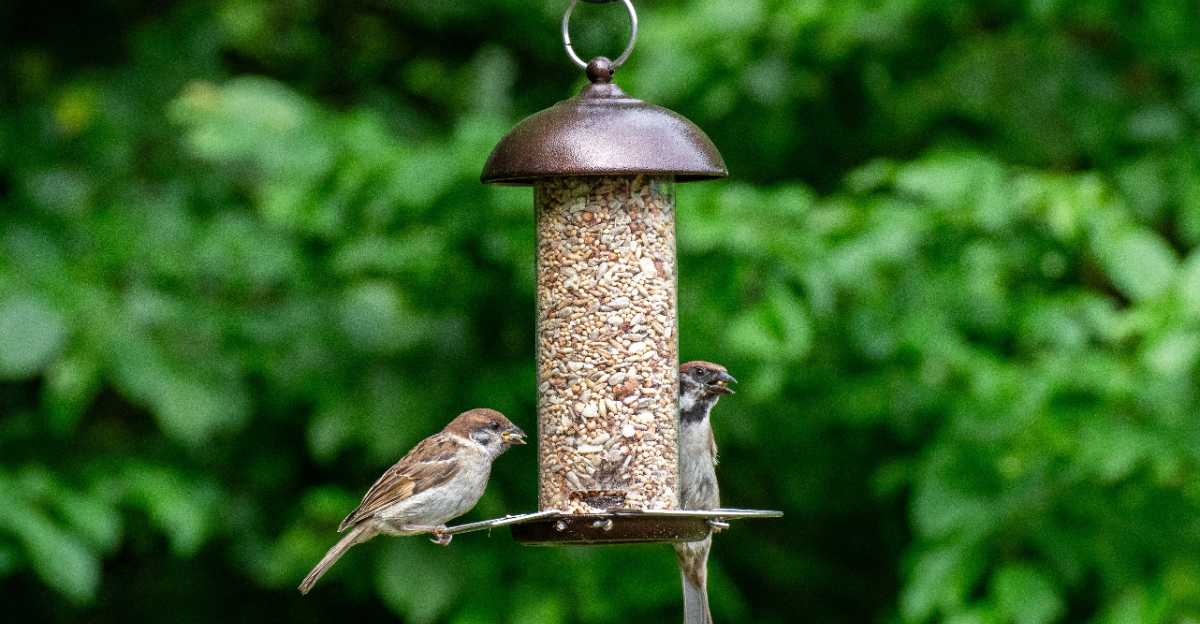
There is a particular kind of quiet that settles over a Kentucky yard right before the birds arrive. Wings flash past the porch, feet grip the perch, and for a moment everything feels perfectly in place.
Then comes a sound nobody wants to hear, something sharp and startling against glass. Most homeowners never trace it back to the one choice they made months earlier.
They blame the weather, the seed, even the birds themselves, when the real answer sits somewhere else entirely. A tiny detail in your own backyard could already be working against you.
Once you see what is actually happening, you will not look at your yard the same way again. Keep reading, because the explanation is simpler than you think.
Mid-Distance Feeders Sit In The Most Dangerous Zone
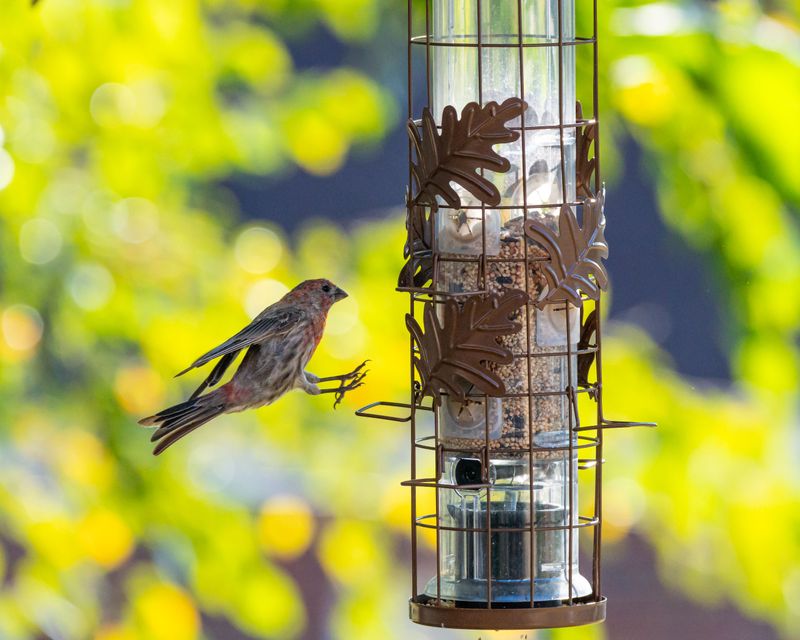
That sweet spot feels perfect but it is not. Placing a bird feeder between four and nine feet from your window puts birds in serious danger every single day.
At that distance, a bird has just enough room to build real flying speed. By the time it spots the glass reflection, stopping is physically impossible for most small species.
Window strikes are one of the leading causes of bird injury in residential neighborhoods across the country. Studies suggest up to one billion birds are affected by glass collisions annually in the United States alone.
Kentucky backyards host dozens of beloved species like cardinals, chickadees, and goldfinches. Each of those birds is vulnerable when feeders sit in this mid-range danger zone.
Many homeowners choose this placement because it feels like a safe compromise. It looks far enough from the glass to seem harmless, but it is actually the worst possible spot.
The reflection problem makes things worse. Windows mirror trees and sky so convincingly that birds do not register the glass as a solid surface at all.
Bird feeder placement in this zone is one of the top mistakes wildlife experts warn against. Moving your feeder just a few feet in either direction could significantly reduce the risk.
Think of mid-distance placement like leaving a trap in plain sight. The birds cannot see the danger, and neither can most well-meaning bird lovers who set the feeder up.
Birds Build Up Speed Before They Ever See The Glass
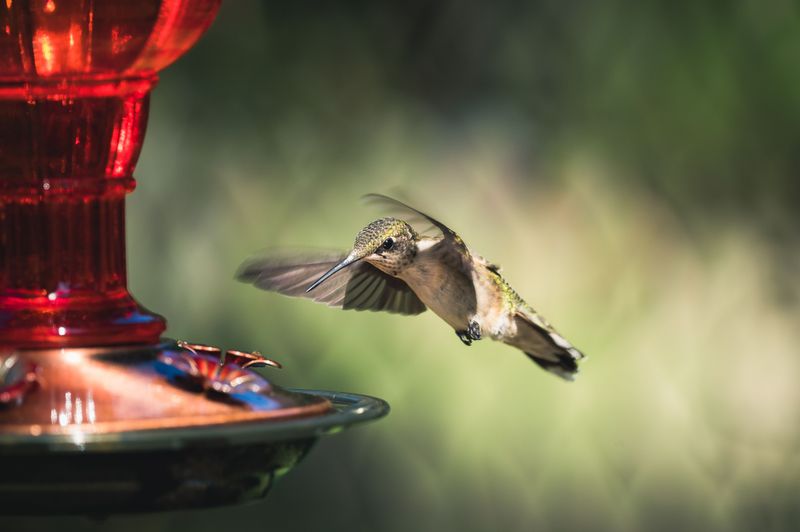
Speed is the real culprit in this whole situation. A small songbird can reach flight speeds of fifteen to thirty miles per hour within just a couple of wingbeats.
That acceleration happens fast, and the bird is focused entirely on the feeder ahead. The window behind it or beside it barely registers as a threat.
Glass reflections create a convincing illusion of open sky or tree branches. The bird is not being careless. It genuinely cannot tell the difference between real space and reflected space.
By the time a bird is four feet from the glass, it is already traveling too fast to stop in time. Physics simply does not allow for a safe landing at that speed and distance.
Your Kentucky Garden Changes Every Week. Your Plan Should Too.
Gardening in Kentucky changes quickly throughout the season. Every Friday you’ll receive a simple weekly plan showing exactly what to plant, prune, fertilize, harvest, and protect so you never miss the right timing.
Smaller birds like wrens and warblers are especially vulnerable because their bodies are light. A high-speed collision with glass delivers a surprising amount of force for such a tiny creature.
Larger birds like mourning doves or blue jays hit even harder because of their body mass. Even a brief stun from impact can leave them exposed to outdoor cats or other predators.
Understanding bird speed helps explain why feeder placement matters so much. It is not just about where the feeder hangs. It is about how much runway you are giving each bird before it reaches danger.
Fixing bird feeder placement before a strike happens is usually easier than watching it unfold. Your window might look harmless, but to a fast-moving bird, it is an invisible wall.
Feeders Within Three Feet Are Actually The Safer Choice
This one surprises almost everyone who hears it. Hanging your feeder within three feet of the window, or right against it, is actually one of the safest options available.
At that close range, birds do not have enough space to build dangerous speed. Even if they fly toward the glass, the impact force is minimal and rarely causes serious harm.
Window-mounted feeders are a fantastic solution for small yards or apartment balconies. They attach directly to the glass with suction cups and keep birds within inches of the surface.
Some Kentucky birders worry that close placement will stress the birds out. In reality, many species like nuthatches and titmice become remarkably comfortable feeding just inches from a window.
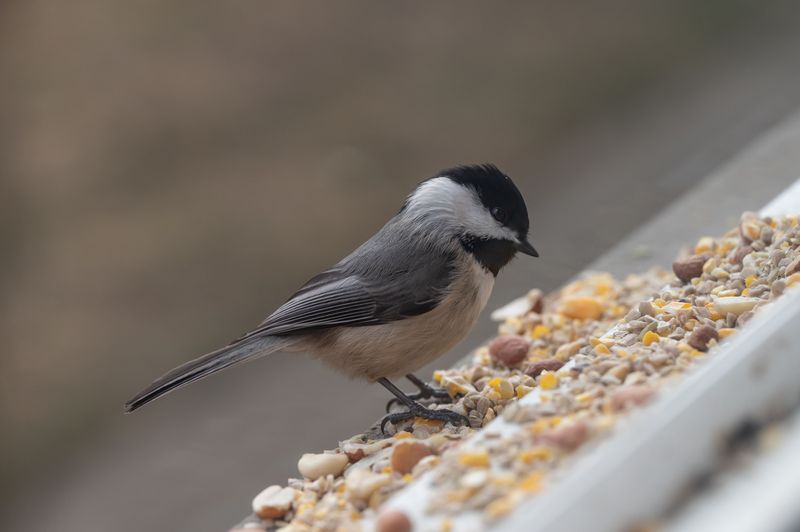
The bonus here is that you get an incredible view. Watching a black-capped chickadee crack open a sunflower seed from two feet away is one of the simplest pleasures backyard birding offers.
Close placement also makes it easier to monitor feeder hygiene. You can spot mold, empty trays, or unwanted pests without ever stepping outside in cold weather.
Bird feeder placement at close range does require a clean window surface. Dirty or smudged glass can still create misleading reflections, so keeping the pane clear helps birds read the surface accurately.
Short distances take most of the guesswork out of the equation. Place the feeder close, enjoy the view, and let the birds land safely every single time they visit your yard.
Distances Beyond Ten Feet Give Birds Room To Adjust
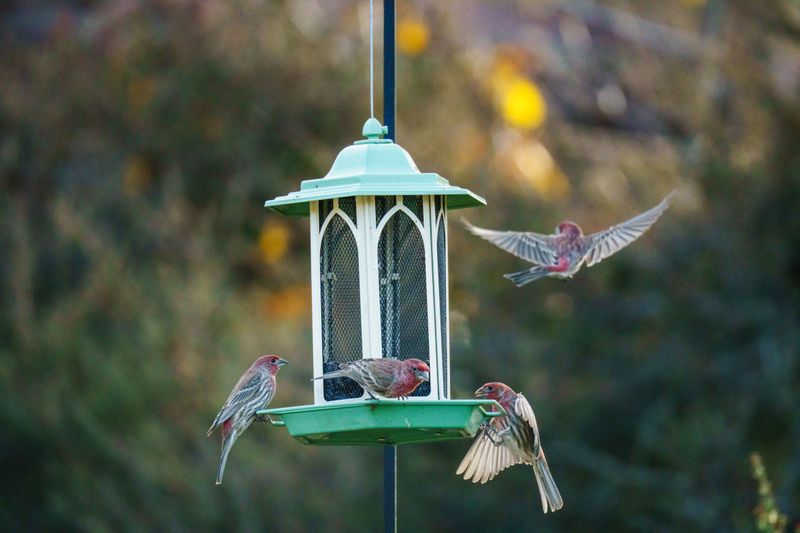
Open space changes everything for a bird in flight. Feeders placed ten or more feet from any window give birds enough room to see, react, and steer away from danger.
At that distance, a bird approaching from the feeder toward the house has time to process what it sees. The angle of approach changes, and the glass reflection becomes less deceptive.
Pole-mounted feeders work beautifully for this setup. A sturdy pole planted in the middle of your yard keeps the feeder far from structures while still offering birds a clear landing zone.
Native Kentucky plants like serviceberry or elderberry bushes placed near the feeder add extra value. They give birds a natural perch to pause on before flying toward or away from the feeder.
One thing to watch at this distance is predator cover. Cats and hawks can hide more easily when a feeder sits far from the house and surrounded by thick plantings.
Balancing predator safety with window safety is a real consideration for backyard birders. Open ground around the feeder pole gives birds a clear view of approaching threats from any direction.
Keeping the feeder clean at this distance takes a little more effort. A quick weekly walk to check seed levels and rinse the tray keeps the feeding station healthy and active.
Bird feeder placement beyond ten feet rewards patient birders with a lively, safe yard. Give your backyard birds the room they need, and they will reward you with daily visits.
Window Decals Add A Second Layer Of Protection
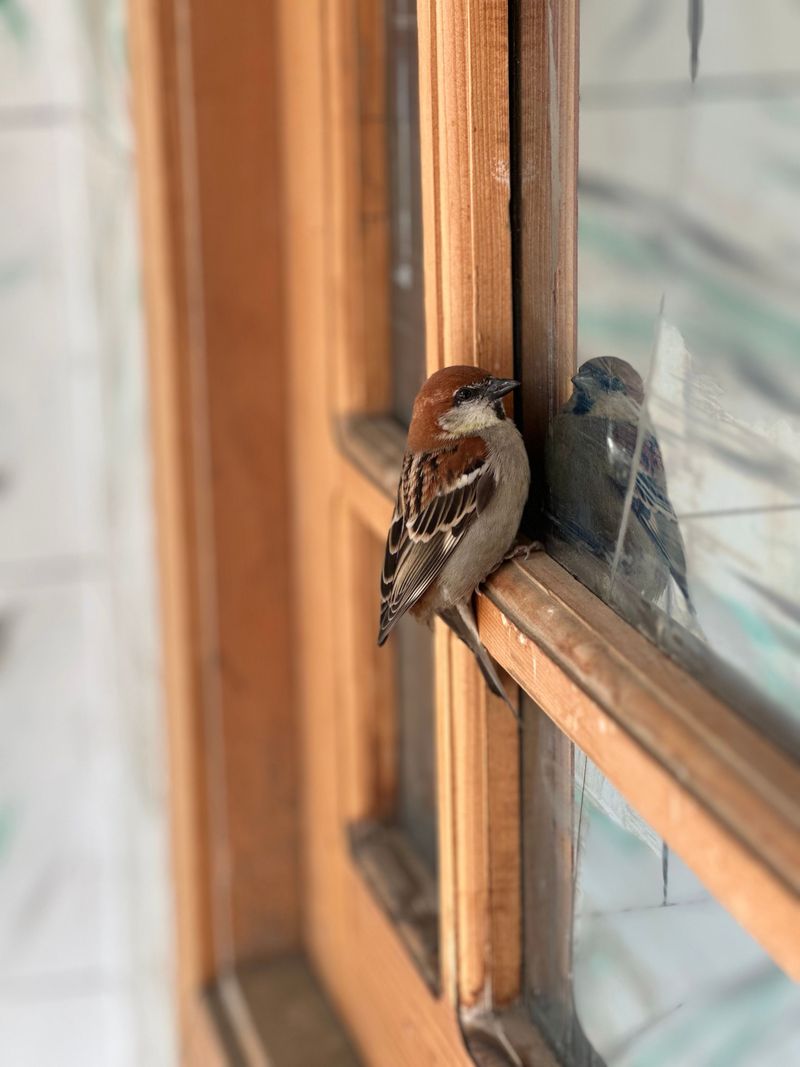
Decals do something no feeder adjustment can do alone. They break up the mirror-like reflection that makes glass invisible to approaching birds in the first place.
Most standard window decals are only partially effective because birds need pattern coverage across the entire glass surface. A single hawk silhouette sticker in the center does almost nothing to stop strikes.
Experts recommend spacing decals no more than two to four inches apart across the whole window. That tight pattern disrupts the reflection enough that birds recognize the surface as a solid barrier.
UV-reflective decals are a popular modern option worth exploring. They appear nearly invisible to human eyes but glow brightly to birds, which see ultraviolet light naturally.
Tape strips, tempera paint dots, and even soap markings can work as budget-friendly alternatives. Any pattern that breaks up the smooth reflection gives birds a fighting chance to avoid the glass.
Kentucky homeowners with large picture windows face the biggest challenge. Those wide, uninterrupted panes of glass create the most convincing sky reflections and cause the most strikes per household.
Pairing smart bird feeder placement with window decals creates a two-layer safety system. One fix addresses the feeder distance. The other addresses the glass itself.
Think of decals as the backup plan that catches what distance alone might miss. Together, these two simple strategies make your yard safer for every feathered visitor that stops by.
A Few Feet Of Difference Can Prevent A Dangerous Strike
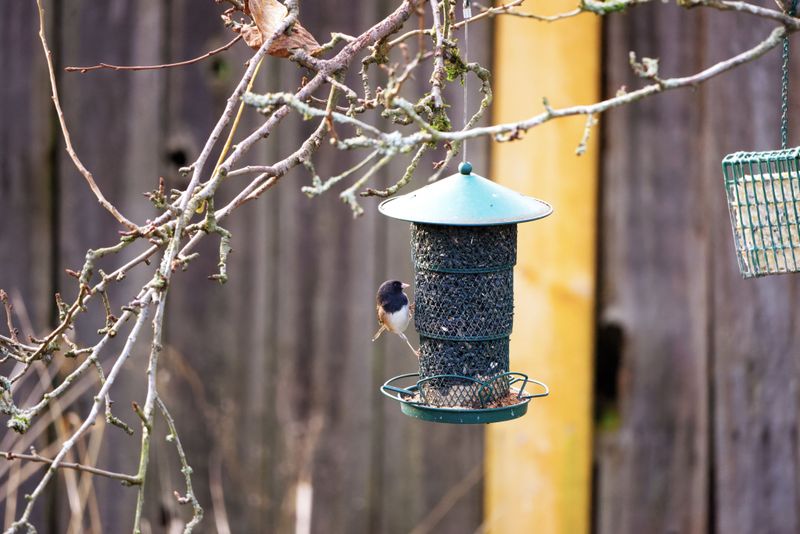
Small changes carry big consequences in backyard birding. Moving a feeder from six feet away to either under three or over ten feet can protect dozens of birds each season.
Most people do not realize how often strikes happen because injured birds often recover quickly or disappear before being noticed. The damage is real even when you never see it.
A bird that survives a window hit may fly off but suffer a concussion. Disoriented birds become easy targets for neighborhood cats, hawks, and other predators waiting nearby.
Checking your current feeder distance takes about thirty seconds. Grab a tape measure, walk outside, and see exactly where your setup falls on the safety spectrum.
If your feeder sits in the danger zone between four and nine feet, do not panic. Simply moving the hook or pole to a new spot solves the problem almost immediately.
Backyard birding in Kentucky is one of the most rewarding hobbies a person can pick up. The state sits along major migration routes, meaning your yard can attract dozens of species each season.
Protecting those visitors starts with one honest look at your current setup. No special equipment is needed, no expert training required, just a willingness to make a small adjustment.
Bird feeder placement is the simplest fix with the biggest payoff. Shift your feeder a few feet today and turn your backyard into a genuinely safe haven for Kentucky birds year-round.