This Florida Vine Gets Less Attention Than A Cottonmouth But Its Seeds Contain One Of The Most Toxic Compounds On Earth
Most Florida toxin warnings come with obvious signals. A rattle, a warning color, a shape that evolution designed to communicate danger.
This vine skips all of that. It looks cheerful.
Small flowers, bright berries, the kind of thing that gets planted on purpose because nobody told the homeowner what they were actually bringing into the yard. The seeds inside those berries have been used as a weapon.
Not historically, not theoretically. In documented cases, across multiple countries, by people who understood exactly what they were working with.
Florida’s climate suits this vine perfectly. It spreads without much help and climbs whatever is nearby.
The seeds it produces sit in the yard, the garden bed, within reach of children and pets who have no way of knowing what they are holding. It is here.
It is growing. And it looks completely harmless.
1. Rosary Pea Looks Harmless Until The Pods Open
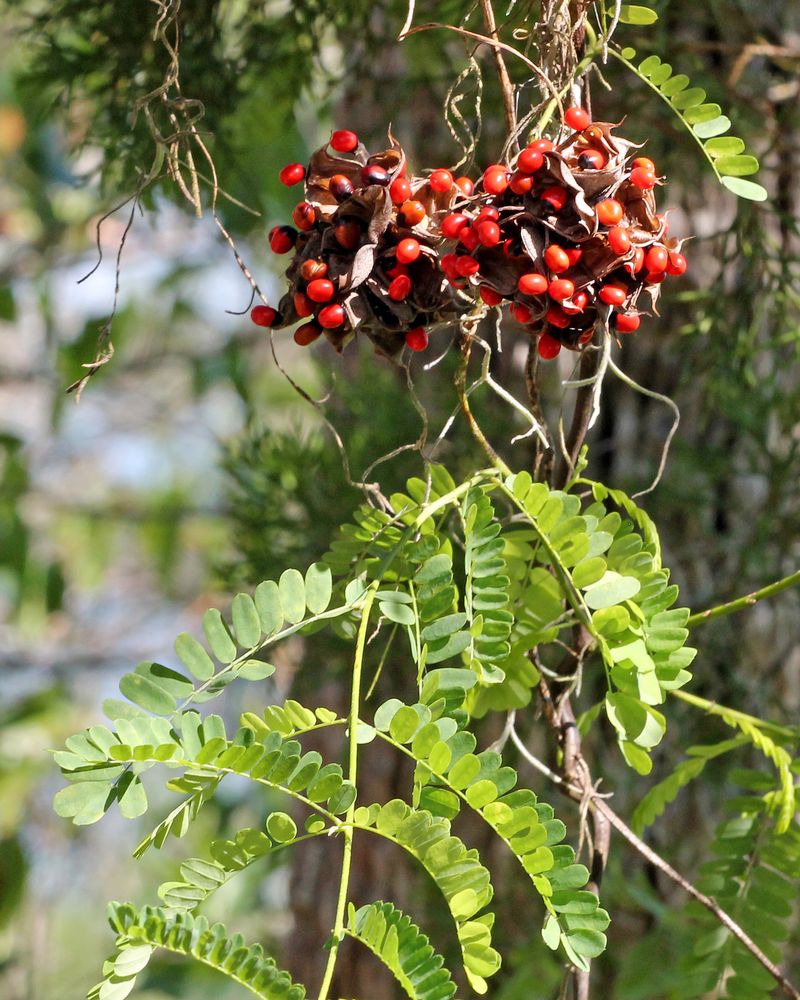
A vine with delicate, feathery leaflets and soft lavender-pink flowers is easy to overlook. Most people walk right past rosary pea without a second thought, assuming it is just another wild climber threading through a hedge or fence line.
The plant itself looks gentle, even pretty, during most of the growing season.
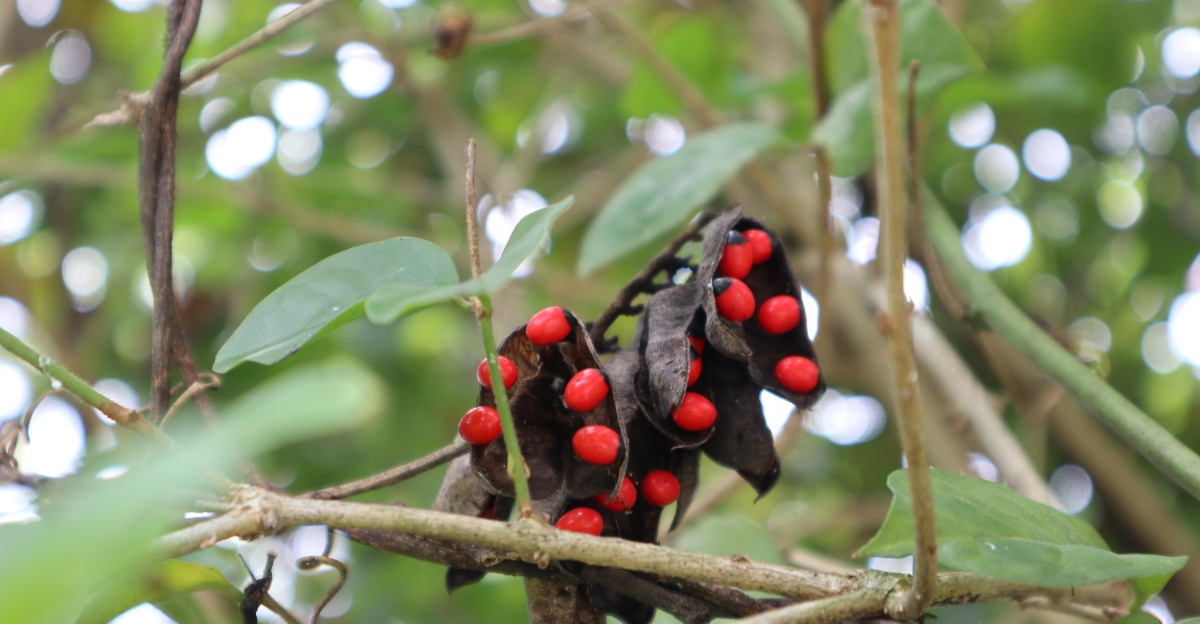
What changes everything is the seed pod. As pods mature and dry out, they curl open and reveal seeds that are hard to miss.
Each seed is bright red with a bold black spot at one end. That striking look is exactly what makes rosary pea both recognizable and concerning once you know what you are seeing.
Rosary pea, known scientifically as Abrus precatorius, is native to tropical Asia and Africa. It arrived in the Sunshine State long ago and has since spread widely across warm-weather landscapes.
It tends to grow in disturbed areas, roadsides, woodland edges, and fence lines where vegetation is already mixed and tangled.
The key point for homeowners is this: the vine looks ordinary right up until those pods split open. Learning to recognize the leaves, the flowers, and especially the seed pods is the first step toward keeping your yard safe.
Do not touch or collect the seeds for identification purposes. If you spot what looks like rosary pea, step back and seek guidance from a local extension office.
2. Those Red Seeds Contain Abrin
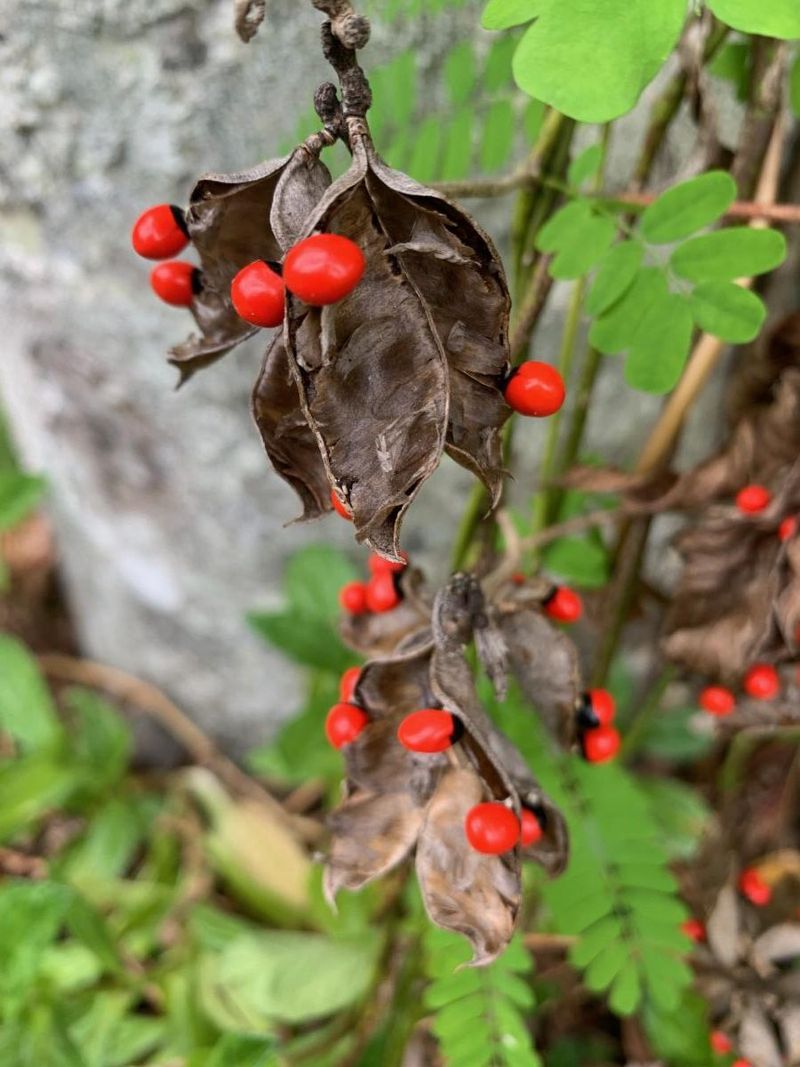
Bright colors in nature often carry a warning, and rosary pea seeds are a clear example of that pattern. Those glossy red-and-black seeds contain a compound called abrin, which is classified as a highly toxic biological substance.
Credible sources including Poison Control and university extension programs have documented this hazard for years.
Abrin belongs to a group of compounds known as toxalbumins. Without going into technical detail, the key point is simple.
The seeds should never be chewed, swallowed, or handled in ways that expose the interior. Intact seeds with an undamaged coat present a different level of risk than seeds that have been broken or compromised.
That distinction does not mean the seeds are safe to handle casually. The guidance from safety professionals is straightforward: avoid contact with the seeds entirely.
Your Florida Garden Changes Every Week. Your Plan Should Too.
Gardening in Florida changes quickly throughout the season. Every Friday you’ll receive a simple weekly plan showing exactly what to plant, prune, fertilize, harvest, and protect so you never miss the right timing.
Do not store them, carry them, or allow children or pets to access them under any circumstances.
If you believe a person has been exposed to rosary pea seeds, contact Poison Control immediately at 1-800-222-1222. If a pet may have been exposed, contact a veterinarian or an animal poison hotline right away.
Do not wait for symptoms to appear before making that call. Early contact with medical or veterinary professionals is always the right move when seed exposure is suspected.
3. The Vine Climbs Quietly Through Shrubs And Fences
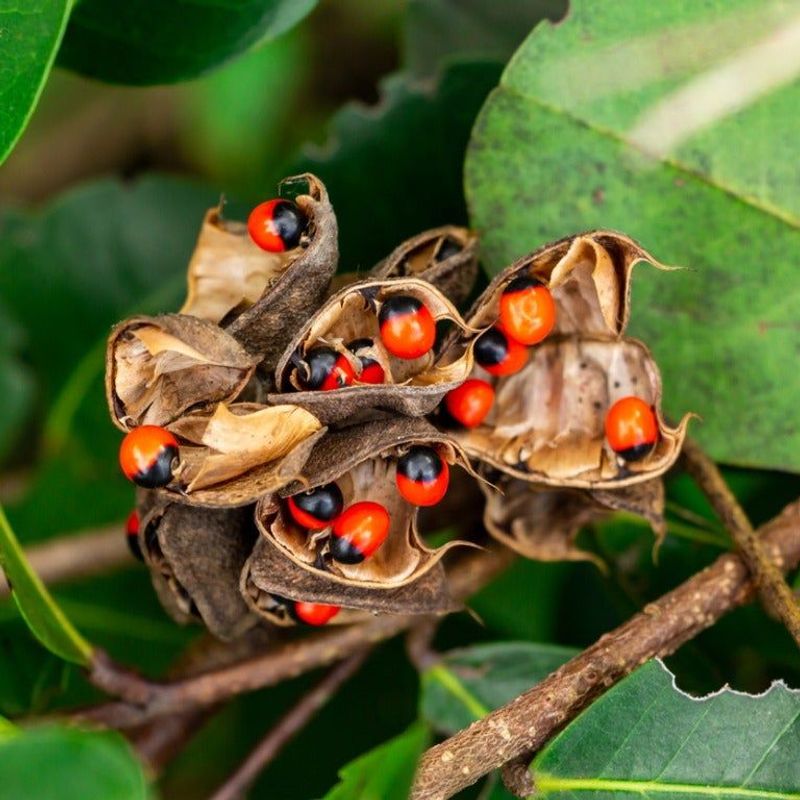
One reason rosary pea causes concern among extension professionals is how easily it blends into a landscape. The vine twines and climbs through existing shrubs, hedges, and fences without dramatically altering the look of the surrounding plants.
A homeowner might spend months tending a yard without realizing rosary pea has been quietly growing along the fence line the entire time.
The vine thrives in disturbed soil areas, which are common in yards, vacant lots, and roadsides across warm regions of this state. It tends to spread along woodland edges, drainage areas, and anywhere that existing vegetation gives it something to climb.
Its small leaflets, each arranged in pairs along a central stem, can look similar to several other common climbing plants.
Growth tends to accelerate during warm, wet months, which in this state covers a large portion of the year. The vine can cover significant ground before seed pods become visible.
By the time pods appear and open, seeds may already be dropping and spreading to new locations nearby.
Checking fence lines, shrub borders, and garden edges regularly is a practical habit for any homeowner in areas where rosary pea has been reported. If you notice a climbing vine you cannot identify with confidence, do not pull it or disturb it until you know what it is.
Contact your county extension office for help with identification before taking any action.
4. Florida Lists It As A Prohibited Invasive Plant
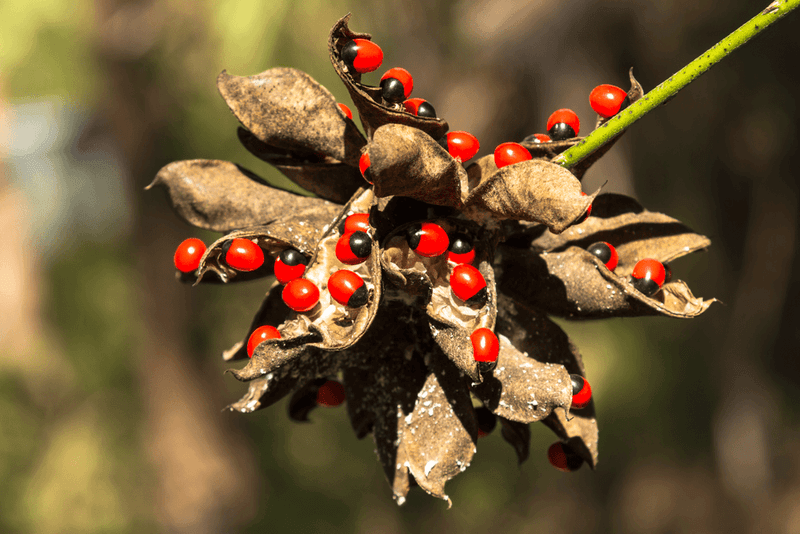
Rosary pea is not just a backyard nuisance. It carries official invasive plant status in this state.
The Florida Exotic Pest Plant Council, commonly known as FLEPPC, has included Abrus precatorius on its list of invasive species. The UF/IFAS Assessment of Non-Native Plants in Florida’s Natural Areas has also evaluated this plant and flagged it as a species of concern for natural ecosystems.
Under Florida law, rosary pea is listed as a prohibited aquatic plant and noxious weed through the Florida Department of Agriculture and Consumer Services (FDACS). Prohibited status means the plant cannot legally be introduced, possessed, moved, or released in the state.
Homeowners should not plant it, trade it, or give it away under any circumstances.
The invasive concern goes beyond individual yards. Rosary pea spreads into natural areas, roadsides, and disturbed habitats where it can crowd out native plants and alter local ecosystems.
Birds and other wildlife can carry seeds over distances, making spread difficult to control once a population is established.
If you are unsure whether rosary pea is present on your property or how local disposal rules apply in your county, reach out to your local UF/IFAS Extension office. Extension agents can provide region-specific guidance on handling, removal, and reporting.
Getting that expert input before doing anything with the plant is the responsible first step.
5. Children And Pets Face The Biggest Backyard Risk
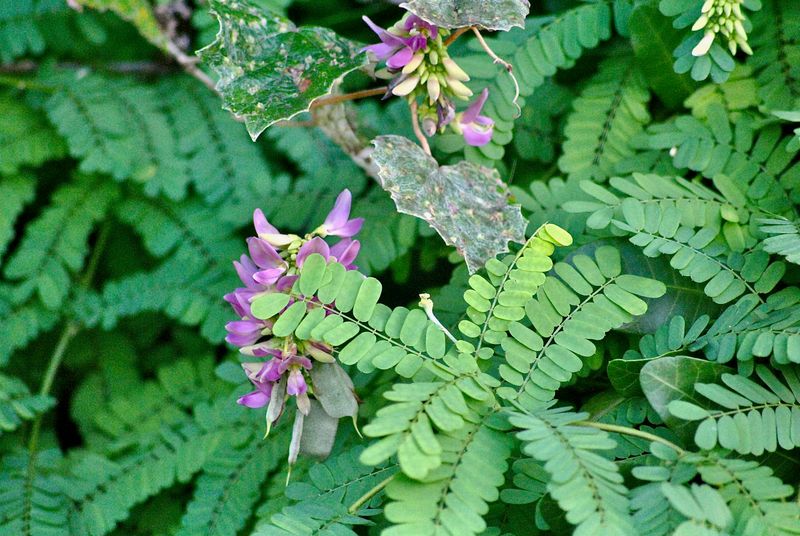
Small children and curious pets share one thing in common: they explore the world by touching and mouthing things they find on the ground. That natural behavior becomes a serious concern when rosary pea seeds are present in or near a yard.
The seeds are small, smooth, and visually striking, which makes them exactly the kind of object a toddler or young child might pick up and put in their mouth.
Dogs and cats can also encounter fallen seeds near fence lines, garden borders, or in areas where the vine has been growing. Pets do not know to avoid unfamiliar seeds, and they may chew on plant material they find while roaming a yard or patio area.
Keeping pets away from areas where rosary pea is growing is an important precaution.
Parents and caregivers should check play areas, patios, and garden edges near any climbing vines they cannot fully identify. If rosary pea is confirmed or suspected in a yard, children should not play in that area until the vine has been addressed by a professional.
Storing or displaying the seeds anywhere accessible to children or animals is not safe.
If a child or pet may have been exposed to rosary pea seeds, act immediately. For children, call Poison Control at 1-800-222-1222.
For pets, contact a veterinarian or the ASPCA Animal Poison Control Center. Do not wait to see if anything happens before making that call.
6. Old Jewelry And Craft Seeds Can Still Be Dangerous
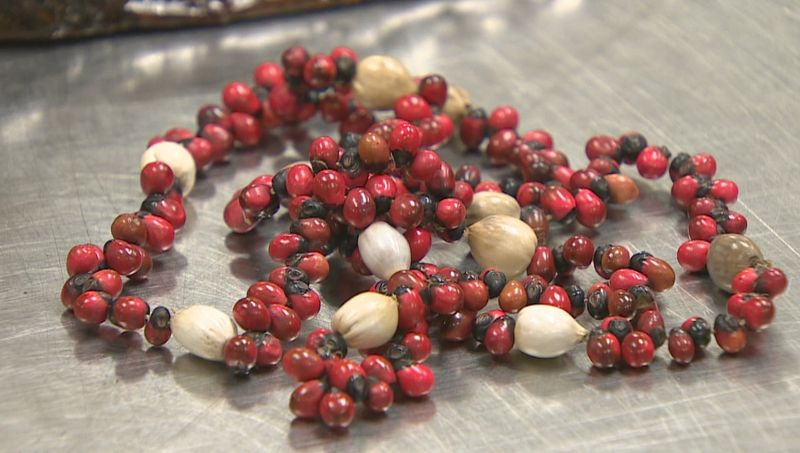
Rosary pea seeds have a long history of being used in decorative items. Their vivid red-and-black coloring made them popular in handmade jewelry, prayer beads, rattles, and decorative crafts.
They were used in parts of Latin America, the Caribbean, and other tropical regions. Some of those items have made their way into the United States through travel, trade, or family collections.
What matters now is that age does not reduce the risk associated with these seeds. An old bracelet or necklace made with rosary pea seeds should not be treated as a harmless keepsake.
The seeds retain their properties even after years of storage, and items that have been worn or handled repeatedly may have seeds with compromised coatings.
If you have jewelry or decorative items that may contain rosary pea seeds, avoid handling them. Keep them completely out of reach of children and pets.
Do not attempt to identify the seeds by breaking, soaking, or testing them in any way.
Contact your local poison control center or health department if you need guidance on what to do with suspected rosary pea seed items. They can direct you to the right resources.
This is not a situation to manage with a quick internet search. Getting verified safety guidance from a qualified source is the right approach when old craft seeds are involved.
7. Removal Calls For Gloves And Professional Guidance
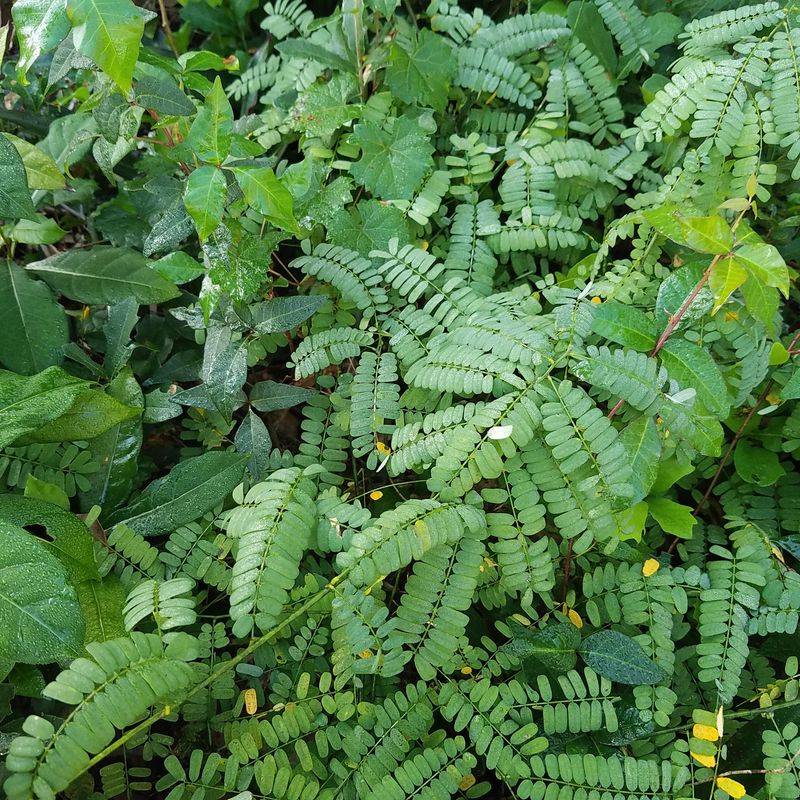
Spotting rosary pea in your yard does not mean you should grab it and start pulling. Removal requires a careful approach, especially once seed pods have formed.
Disturbing a vine covered in open or mature seed pods can scatter seeds and make the problem worse. Getting ahead of the situation before pods develop is always preferable.
At a minimum, wear sturdy gloves if you need to handle any part of the vine. Avoid touching seed pods with bare hands.
Do not mow over areas with heavy seed coverage, as that can spread seeds further across the yard or into adjacent areas. Burning plant material is not a recommended option, and composting seed pods is not safe because seeds can survive composting conditions.
Broad-spectrum herbicides can be part of a management plan for rosary pea, but label instructions and local extension guidance should always direct that process.
Applying herbicides incorrectly can harm nearby desirable plants and may not address the root system effectively.
This is not a job for guesswork.
The most reliable path forward is to contact your local UF/IFAS Extension office or a licensed landscape professional with experience in invasive plant removal.
They can assess the extent of the infestation, recommend appropriate removal methods, and advise on proper disposal of plant material according to local guidelines.
Reporting rosary pea to local authorities or invasive plant programs is also responsible. It helps protect neighboring properties and natural areas.
8. Respect The Vine Without Touching The Seeds
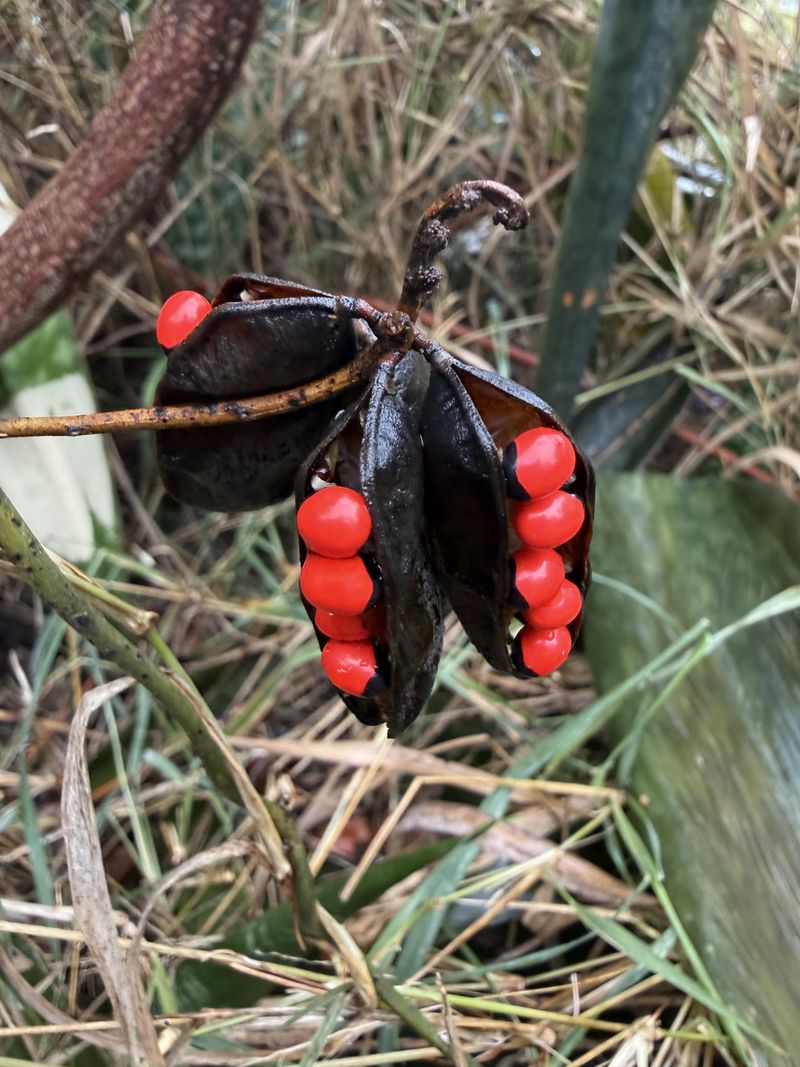
A cottonmouth sunning itself on a trail gets immediate attention. People freeze, back up, and give it space.
Rosary pea rarely gets that same reaction because it looks like just another vine until the seed pods split open and those bright seeds appear.
The title of this article uses that comparison to make a point about awareness, not to rank one hazard above another.
What both the snake and the vine share is that informed, respectful distance is the right response. You do not need to panic when you spot rosary pea.
You do need to take it seriously, step back, and avoid handling it without proper guidance and protection.
Awareness is the most practical tool available to homeowners. Learn what rosary pea looks like, where it grows, and why the seeds should never be touched or collected.
That knowledge helps protect your household without overreacting. Share that awareness with neighbors, especially those with young children or pets who spend time in shared outdoor spaces.
The clear takeaway from everything covered here is straightforward. Do not touch the seeds.
Keep children and pets away from any vine you cannot confidently identify. Contact your county extension office before attempting removal.
Call Poison Control or a veterinarian immediately if seed exposure is ever suspected. Rosary pea is manageable with the right knowledge and the right help.
Treat it with the respect it deserves.