The Amish August Garden Habit New York Homeowners Wish They’d Started Sooner
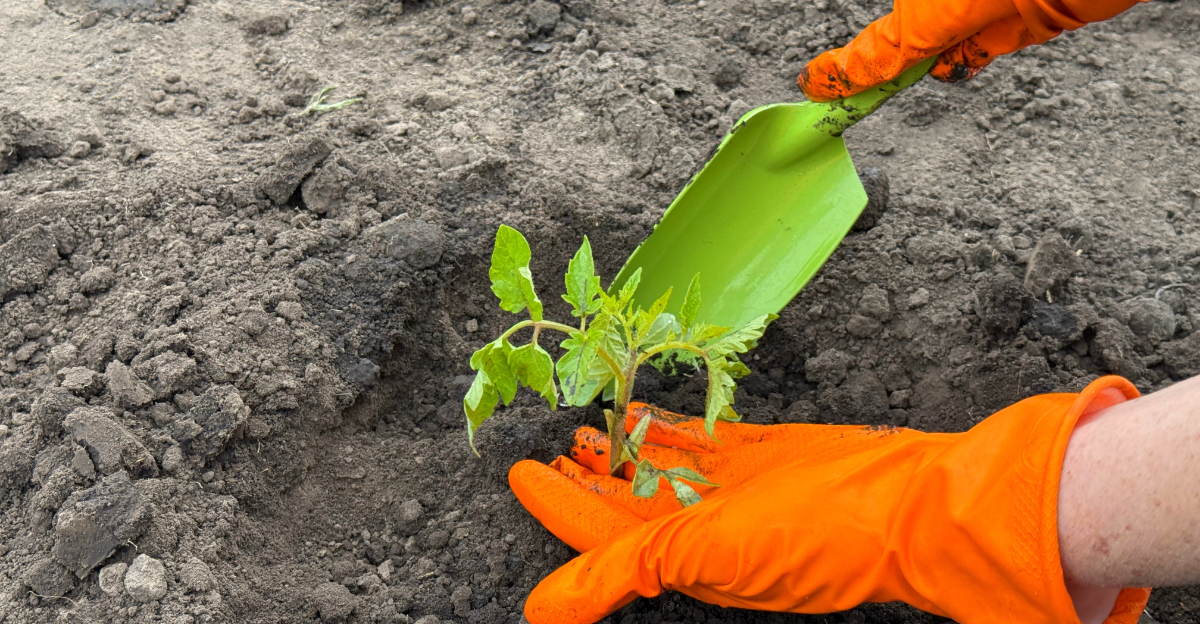
August in a New York garden usually means gaps. A tomato plant collapses, a bean row goes yellow, and the space just sits there until frost.
Drive past an Amish farm that same week, though, and something looks off. Nothing empty, nothing wasted, no bare space waiting for next spring.
The difference comes down to one small habit most gardeners never think to try. It costs nothing, takes minutes, and changes everything about how a plot looks by September.
New York gardeners who try this once tend to keep doing it every year after.
Empty Beds Get Replanted The Moment A Crop Comes Out
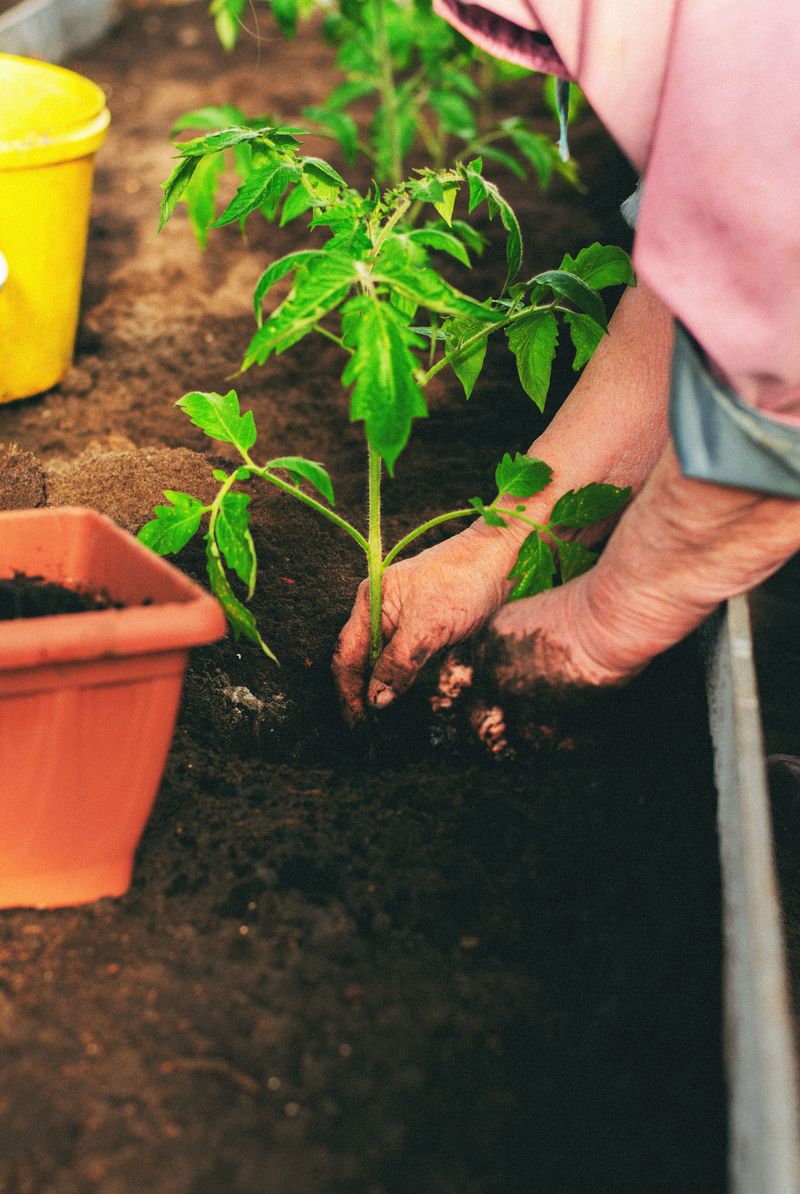
The soil is still warm, and that matters more than most gardeners realize. Amish families treat an empty bed like a missed opportunity, not a resting spot.
The moment a bean plant or early tomato comes out, seeds go right back in. There is no waiting, no planning later, no leaving soil bare until spring.
Bare soil loses moisture fast under August sun. It also invites weeds to take hold before you even notice them creeping in.
Replanting immediately keeps the ground covered and productive. It also tells your garden that the growing season is not finished yet.
New York summers stretch further than most homeowners give them credit for. August still offers six to eight solid weeks before the first hard frost hits upstate regions.
Amish gardeners know every one of those weeks counts. They squeeze productivity from each square foot without letting a single good growing day slip past.
Homeowners who try this habit for the first time are often shocked by the results. A bed that looked exhausted in early August can produce a fresh round of greens and roots by late September.
The trick is speed. Hesitate for two weeks, and the planting window shrinks noticeably.
Act the same day the old crop comes out, and the garden rewards you generously. That urgency is the core of the Amish August garden habit that so many wish they had learned sooner.
Early August Marks New York’s Second Planting Window
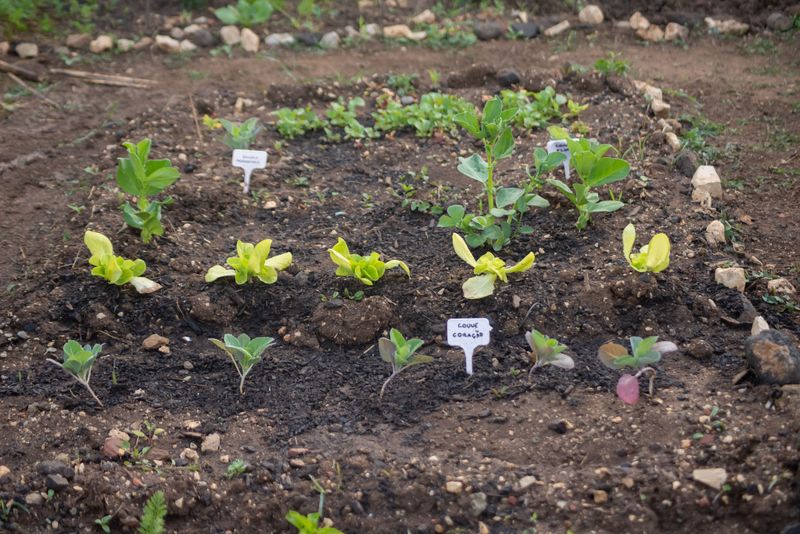
August feels like the end, but it is actually a beginning. For gardeners who know their frost dates, early August is a second chance hiding in plain sight.
Much of upstate and inland New York sees its first frost somewhere between late September and mid-October, though coastal and metro areas often hold out until November. That gap is bigger than it sounds when you plant the right crops.
The Amish August garden habit relies on understanding this window precisely. Knowing your local frost date changes everything about how you approach late-summer beds.
Zone 6 gardeners around the Hudson Valley have until mid-October in many years. Zone 5 gardeners upstate need to move a bit faster, but the window still exists.
Checking your average first frost date takes about two minutes online. That two-minute lookup can add weeks of fresh food to your fall harvest.
Amish communities have passed this seasonal knowledge down for generations. They do not need a phone app because the calendar is already in their heads.
Your New York Garden Changes Every Week. Your Plan Should Too.
Gardening in New York changes quickly throughout the season. Every Friday you’ll receive a simple weekly plan showing exactly what to plant, prune, fertilize, harvest, and protect so you never miss the right timing.
For suburban homeowners, the lesson is the same even if the tools differ. August is not the time to wind down your garden thinking.
Pull out your seed packets, check the days-to-maturity numbers, and count backward from your frost date. If the math works out, you plant today.
This second planting window is the foundation of the entire Amish August garden habit. Miss it once, and you will never let it slip past again.
Succession Planting Keeps Harvests Coming Instead Of Arriving All At Once
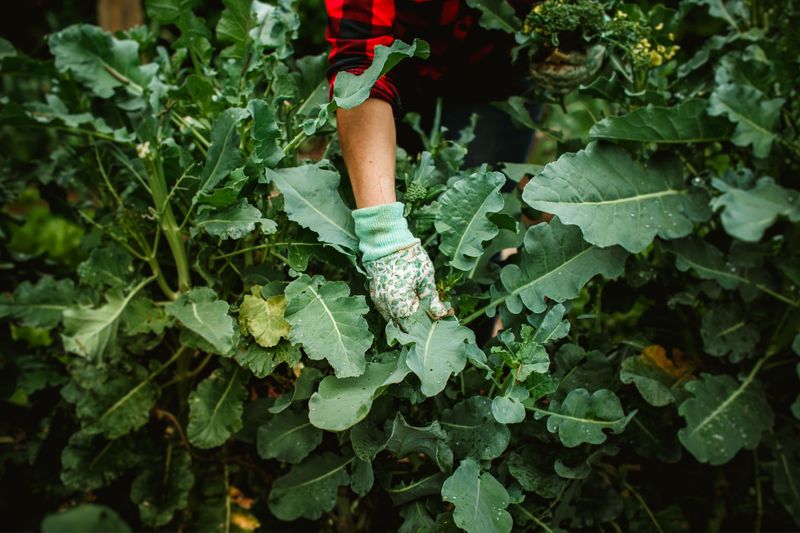
Picture this: every head of lettuce matures on the same Tuesday, and you cannot eat it all. That is the frustration succession planting solves completely.
Instead of planting an entire row at once, Amish gardeners stagger small batches every ten to fourteen days. Each batch matures slightly later than the one before it.
The result is a steady stream of fresh food rather than one overwhelming wave. Your kitchen stays stocked without anything rotting on the vine.
This approach works especially well with fast crops like radishes, spinach, and salad greens. Radishes and salad greens go from seed to table in under forty days, with spinach following close behind.
Starting a new small batch every two weeks through August means fresh greens well into October. That is a serious upgrade from the typical one-and-done summer planting.
Succession planting also reduces pressure on the cook. Nobody wants to process forty pounds of zucchini in a single weekend.
Spreading out the harvest makes preservation easier and meals more varied. A little planning in August pays off every single week through fall.
The Amish approach this method with quiet discipline. Each week, a small section of the garden gets attention, not the whole thing at once.
New York homeowners who adopt this rhythm often describe it as transformative. The garden stops feeling like a chore and starts feeling like a reliable pantry that refills itself on schedule.
Fast-Maturing Crops Fill Gaps Before Cooler Weather Arrives
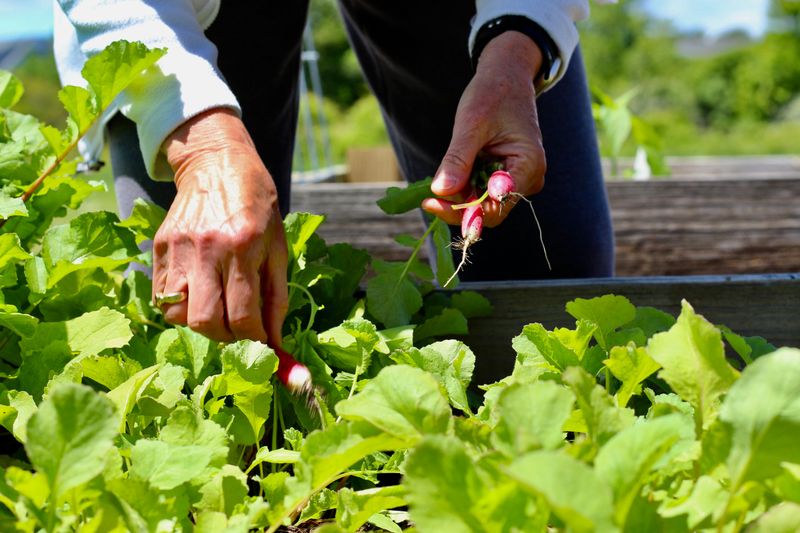
Not every vegetable needs a full summer to thrive. Some crops sprint from seed to harvest in thirty to fifty days, making them perfect for August gaps.
Radishes are the speed champions of the vegetable world. Plant them today and pull them in under a month, sometimes sooner in warm August soil.
Spinach is another powerhouse for late-season planting. It actually grows better as temperatures drop, making fall the ideal time to enjoy its tender leaves.
Bush beans can also mature fast enough for an August planting in most of New York. Choose a variety with fifty days or fewer on the seed packet.
Arugula, turnip greens, and Asian greens all fit comfortably into this fast-maturing category. They fill empty beds quickly and deliver real food before October closes in.
Amish gardeners know these crops by heart because they rely on them every single year. Choosing the right plant for the right time is a skill built over seasons.
Homeowners sometimes make the mistake of planting slow crops too late. A full-season tomato started in August will not produce before frost in most zones.
Matching crop speed to available time is the key insight here. Fast growers bridge the gap between summer’s end and fall’s first freeze with impressive efficiency.
This is a cornerstone of the Amish August garden habit. Choose fast, plant now, and eat well before the season closes the door on you.
Cooling September Temperatures Actually Improve Certain Flavors
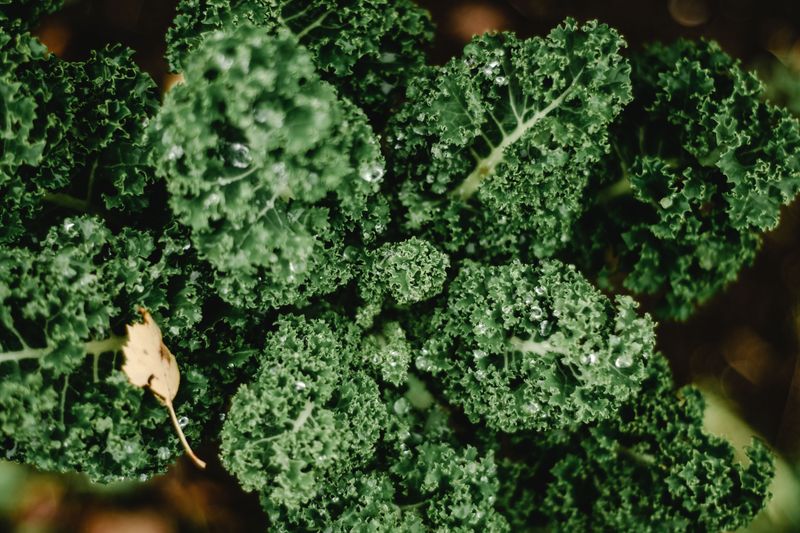
Here is something that surprises most first-time fall gardeners: cold makes certain vegetables sweeter. It sounds backward, but the science is straightforward and delicious.
When temperatures drop below 50 degrees Fahrenheit, plants like kale and carrots convert starches into sugars. That natural process is why fall-harvested kale tastes nothing like its August version.
Carrots pulled after a light frost are noticeably sweeter than summer-harvested ones. Many experienced gardeners say fall carrots are some of the sweetest ones worth eating raw.
Spinach, arugula, and beets all benefit from the same cool-weather sweetening effect. Planting them in August means they hit their flavor peak right when September cools down.
Amish cooks have long known that the best produce of the year comes from fall beds. Their August planting is partly a flavor strategy, not just a productivity one.
New York homeowners who grow fall greens for the first time often become devoted to them. The difference in taste compared to summer crops is genuinely striking.
This flavor bonus also makes fall gardening more rewarding emotionally. You are not just squeezing extra productivity from the season, you are getting the best-tasting food of the year.
The combination of cool air, shorter days, and frost-kissed soil creates conditions no summer garden can match. August planting is the ticket to experiencing that flavor transformation firsthand.
Start those seeds now, and September will reward you with produce that tastes like it came from somewhere special.
Waiting Until Fall Often Means Missing The Window Entirely
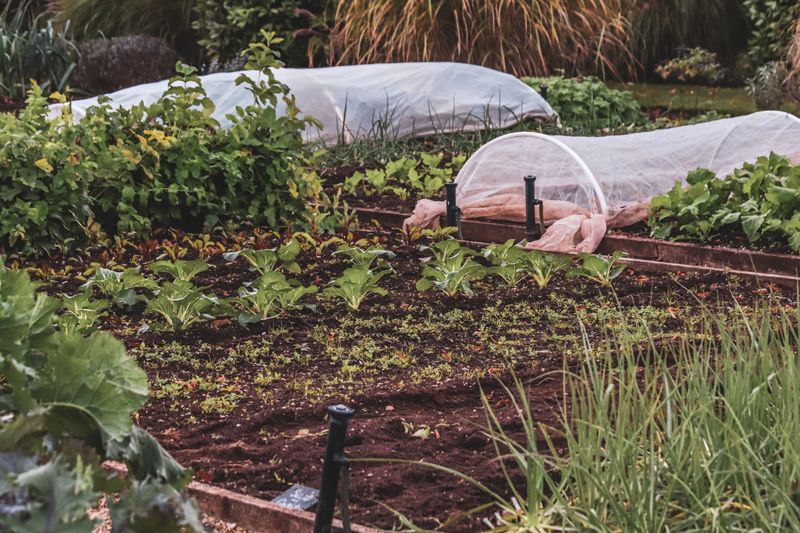
Procrastination has a cost in the garden, and August is where that cost becomes painfully clear. Every day of hesitation is a day subtracted from your harvest window.
Many New York homeowners think about fall planting in September. By then, the math rarely works out for most crops worth growing.
A crop needing fifty days planted on September 10th needs to survive until October 30th. In zones 5 and 6, that is a gamble most gardeners lose.
The Amish do not gamble with their food supply. They plant in August because that is when the numbers actually work in their favor.
Waiting feels safer because it gives you more time to plan. But planning without planting produces exactly nothing when October arrives.
The Amish August garden habit is built on action over intention. Seeds in the ground on August 1st outperform a perfect plan made on September 15th every single time.
Homeowners who miss this window often resolve to try again next year. Then August comes around, and the same hesitation creeps back in.
Breaking that cycle requires treating early August like a checkpoint, not a suggestion. Mark it on your calendar the same way you mark bill payments or school schedules.
The whole point of the Amish August garden habit is that timing is everything. Act in August, eat in October, and wonder why you ever waited so long to start.