Skip Dusty Miller In North Carolina Front Borders And Plant This Silvery Native Instead
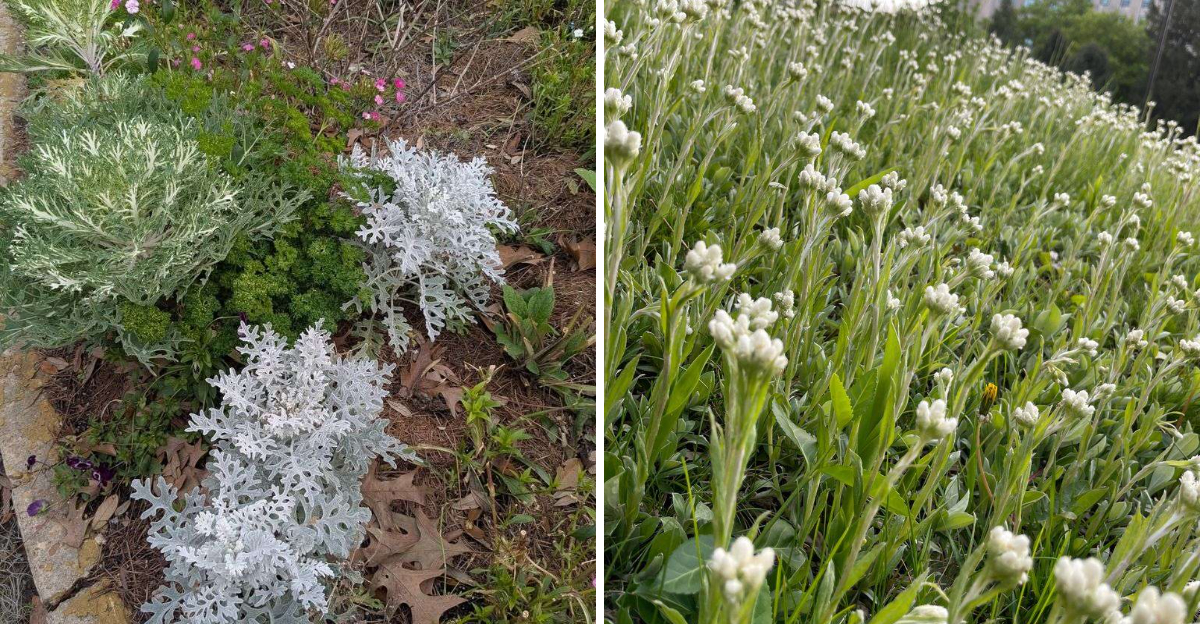
Silver sedge gives North Carolina gardeners a native alternative to dusty miller that offers similar silvery texture without the same maintenance struggles.
Dusty miller often battles fungal issues in North Carolina’s humid summers, especially when moisture lingers on its fuzzy, light colored leaves.
Silver sedge handles humidity far better while maintaining that soft, muted color that pairs beautifully with brighter flowering plants nearby.
Its clumping growth habit works well along front borders, providing structure without requiring frequent trimming or upkeep.
This native option also tolerates both sun and partial shade, offering more flexibility than dusty miller typically allows. Reduced disease pressure means less time spent troubleshooting rot or mildew throughout the growing season.
Silver sedge supports local ecosystems in ways ornamental, non native plants simply cannot. Making this swap gives front borders a resilient, low fuss alternative built for local conditions.
1. Dusty Miller Is Not Native To North Carolina
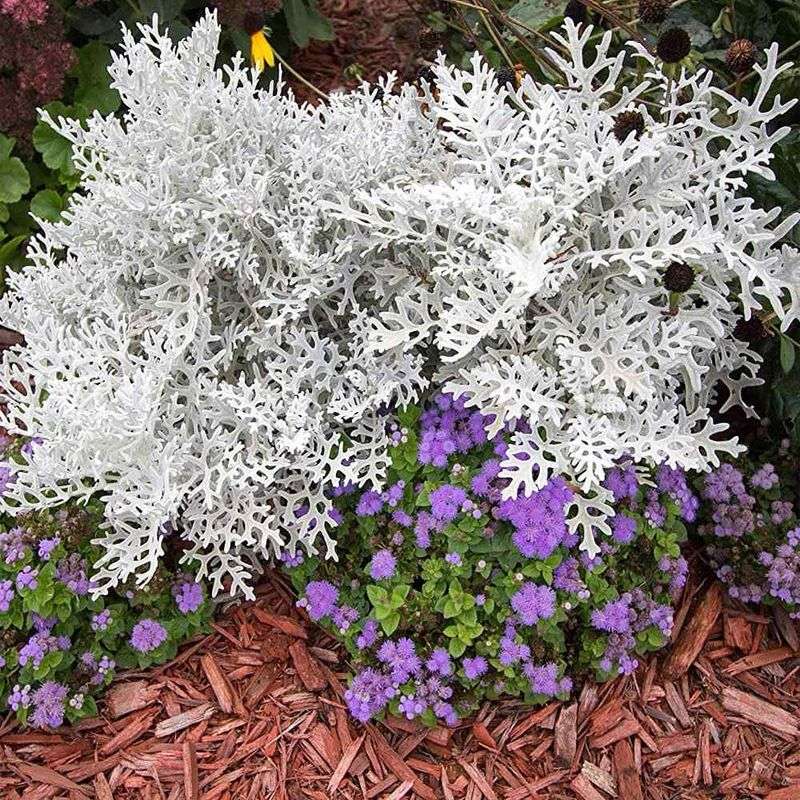
Most gardeners who reach for Dusty Miller at the nursery are thinking about one thing: those stunning silver leaves.
The plant earns its place in plenty of gardens across the country, but there is an important detail that often gets overlooked at the checkout counter.
Dusty Miller, most commonly sold as Senecio cineraria or Jacobaea maritima, originates from the Mediterranean region, which means it is a long way from home when it ends up in a garden border.
Because it is not native to this region, Dusty Miller does not support the local food web the way a native plant would.
It offers little to native insects, pollinators, or birds that have evolved alongside the plants already growing in North Carolina.
That gap matters more than most gardeners realize, especially in front borders that could otherwise become small habitat zones right outside your door.
In North Carolina, Dusty Miller is most often grown as an annual because it does not reliably survive cold winters here.
That means buying new plants every season, spending more money, and putting in extra work just to keep the same silver look going.
Plantain Pussytoes, known scientifically as Antennaria plantaginifolia, is a true North Carolina native perennial. It comes back every year on its own, asks for very little, and offers real habitat value to the wildlife that calls your region home.
Choosing a native plant from the start is a smarter, longer-lasting investment for any gardener who wants beautiful borders with genuine regional roots.
2. Dusty Miller Does Not Always Keep Its Best Silver Appearance
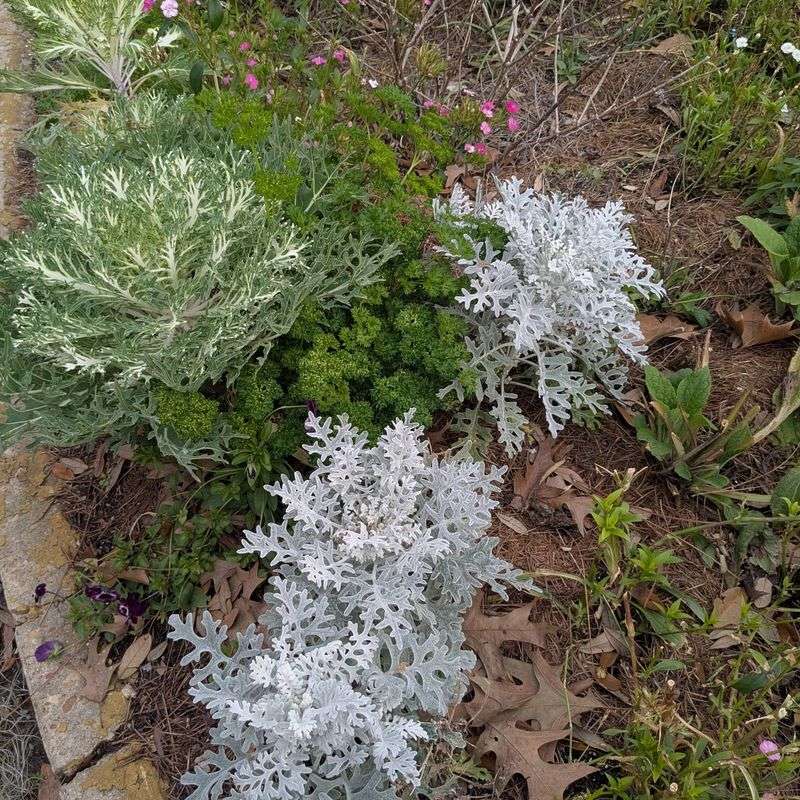
There is a certain magic to Dusty Miller when it is growing under exactly the right conditions. Full sun, sharp drainage, and just the right amount of water can produce leaves so silver they almost glow.
However, that perfect silver look is not guaranteed in every North Carolina garden, and understanding why can save you a lot of frustration during the growing season.
Humidity plays a real role here. North Carolina summers are famously hot and sticky, and that moisture in the air can affect how Dusty Miller looks and performs.
Your North Carolina Garden Changes Every Week. Your Plan Should Too.
Gardening in North Carolina changes quickly throughout the season. Every Friday you’ll receive a simple weekly plan showing exactly what to plant, prune, fertilize, harvest, and protect so you never miss the right timing.
In shadier spots, the plant tends to stretch out and become leggy rather than staying compact and dense.
When foliage stays wet for extended periods, the fine silver hairs that give the plant its color can mat down slightly, allowing the green tissue beneath to show through more than most gardeners would like.
None of this means Dusty Miller is a bad plant. In the right spot with excellent drainage and plenty of direct sun, it can look wonderful.
The honest truth is just that maintaining its best appearance in North Carolina requires more effort and more specific conditions than many front border situations actually provide.
Plantain Pussytoes, on the other hand, is built for the climate and soil conditions already present across much of the state.
Its woolly gray-green foliage holds its natural character through heat and humidity without needing special placement or extra management.
For a reliable silver look season after season, the native option simply holds up better under real North Carolina conditions.
3. Plantain Pussytoes Provides Woolly Silver Native Foliage
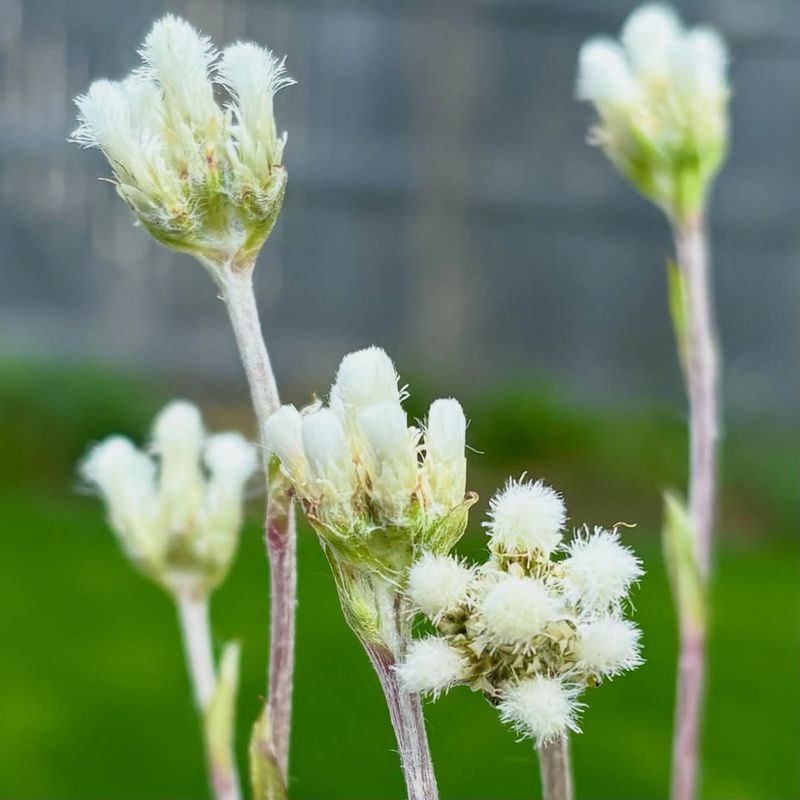
Antennaria plantaginifolia goes by the charming common name Plantain Pussytoes, and once you see it in person, the name makes perfect sense.
The leaves form low, soft rosettes that sit close to the ground, and their woolly texture gives them a muted silver-green color that catches light beautifully without being too flashy.
It is the kind of plant that looks completely at home in a natural setting, which makes sense because it genuinely is at home in North Carolina. The foliage has a quieter, more naturalistic quality compared to Dusty Miller.
Where Dusty Miller tends to read as a formal bedding plant with crisp, almost felt-like leaves, Plantain Pussytoes has a softer, wilder look that pairs beautifully with native wildflowers, ornamental grasses, and woodland-edge shrubs.
Gardeners who want their front borders to feel more like part of the landscape rather than a planted display often find that Plantain Pussytoes fits that vision perfectly.
Because it evolved in North Carolina’s forests, meadows, and rocky slopes, the plant already knows how to handle the local conditions. It does not need coaxing or special soil amendments to look good.
The woolly leaves help the plant manage moisture loss during dry spells, which is a real advantage during our summers.
Pairing it with other low native plants along the border front creates a layered, textured edge that feels intentional and polished while still carrying that naturalistic charm.
Few plants can bridge the gap between ornamental beauty and ecological value as quietly and effectively as this one.
4. Plantain Pussytoes Stays Low Along Border Fronts
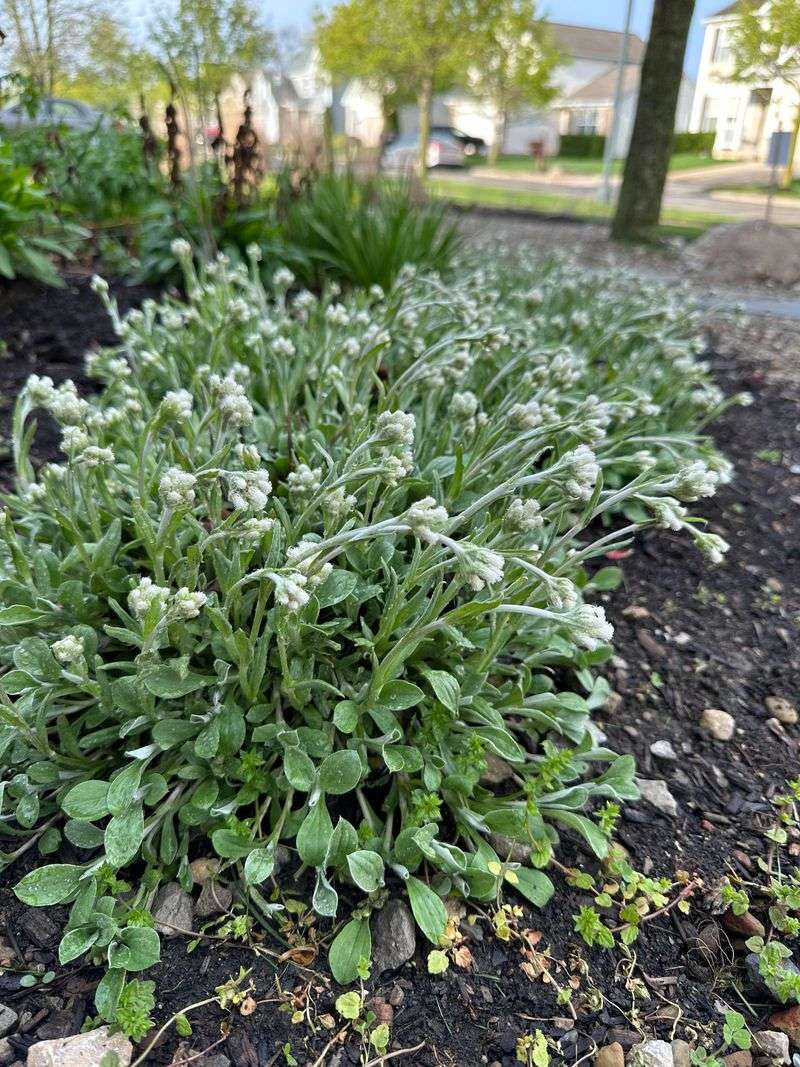
Height matters a lot at the front of a garden border. Plants that grow too tall end up blocking the view of everything behind them, which throws off the whole design.
Plantain Pussytoes solves that problem naturally by staying right around four to six inches tall during its main foliage season, making it one of the most well-behaved edging plants a North Carolina gardener can choose.
That low profile keeps the entire border open and readable. Taller perennials behind it stay visible, shrubs look properly framed, and pathways remain clearly defined.
Along a front walkway, Plantain Pussytoes creates a soft, finished edge that feels intentional without looking stiff or high-maintenance.
Tuck it between rocks in a dry border, let it spill gently along the edge of a stepping stone path, or use it to fill the small open spaces that always seem to pop up at the base of larger plants.
One of the best ways to use Plantain Pussytoes is as a transition plant between a lawn edge and a planted border.
Its low growth keeps it from competing visually with neighboring plants while its soft woolly texture adds contrast against harder surfaces like stone, brick, or gravel.
It also works beautifully around the base of ornamental shrubs, where it fills in bare soil without crowding root zones.
Compared to other low edging options, this plant requires almost no trimming or shaping to maintain its clean appearance, which means less time managing the border and more time enjoying it throughout the season.
5. Spreading Stolons Help Create A Connected Ground Layer
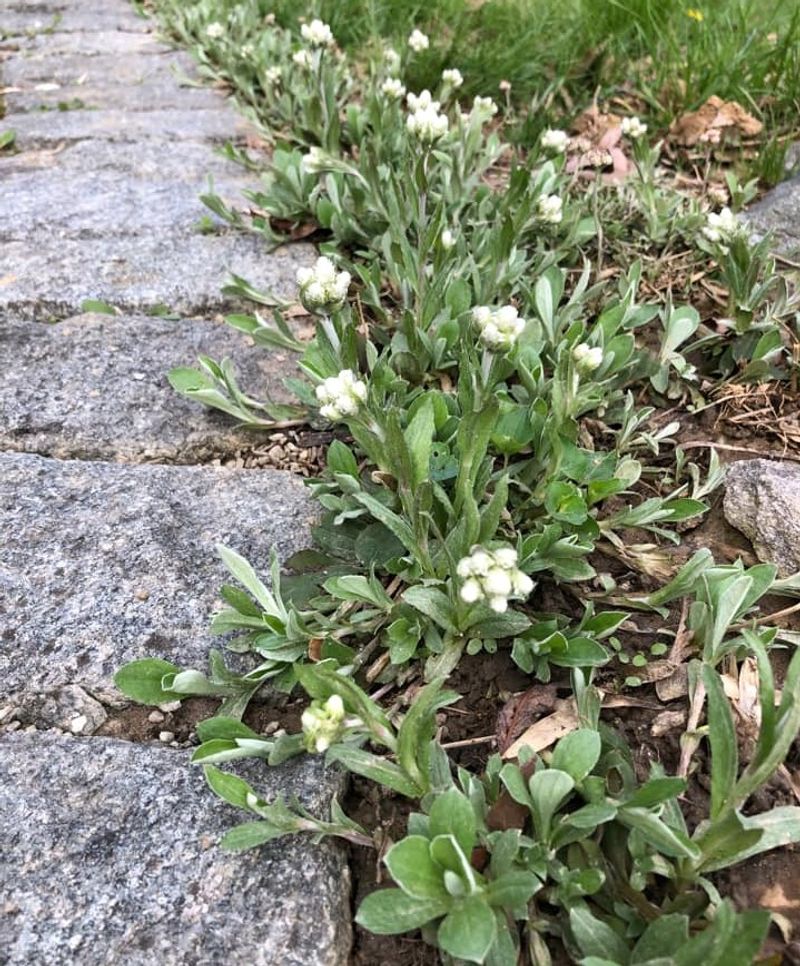
One of the most satisfying things about Plantain Pussytoes is watching it slowly fill in a border over time. The plant produces stolons, which are horizontal stems that creep along the soil surface and root down near the parent plant.
Over a growing season or two, a single small transplant can grow into a connected colony of rosettes that covers a foot or two of ground without any extra effort from you.
That spreading habit is genuinely useful for gardeners who want a finished-looking border without planting every square inch from the start. As the plants spread, they knit together into a low, soft mat that covers bare soil naturally.
Bare soil in a garden border is basically an open invitation for weeds, so having a low native plant gradually closing those gaps is a real practical benefit.
The key is to clear existing weeds thoroughly before planting, since established weeds can slow things down during the early stages of growth.
Spacing transplants about eight to twelve inches apart gives each plant enough room to establish its stolon network without crowding. Within a season or two, those gaps fill in on their own.
The connected colony also looks more cohesive than individual plants placed at random intervals, which gives the front of the border a polished, intentional appearance.
Unlike aggressive spreaders that can take over a bed, Plantain Pussytoes moves at a manageable pace and stays easy to redirect or thin if it starts creeping somewhere you did not intend.
It is a slow, steady, and rewarding process to watch unfold year after year.
6. Lean Dry Soil Brings Out Its Best Growth
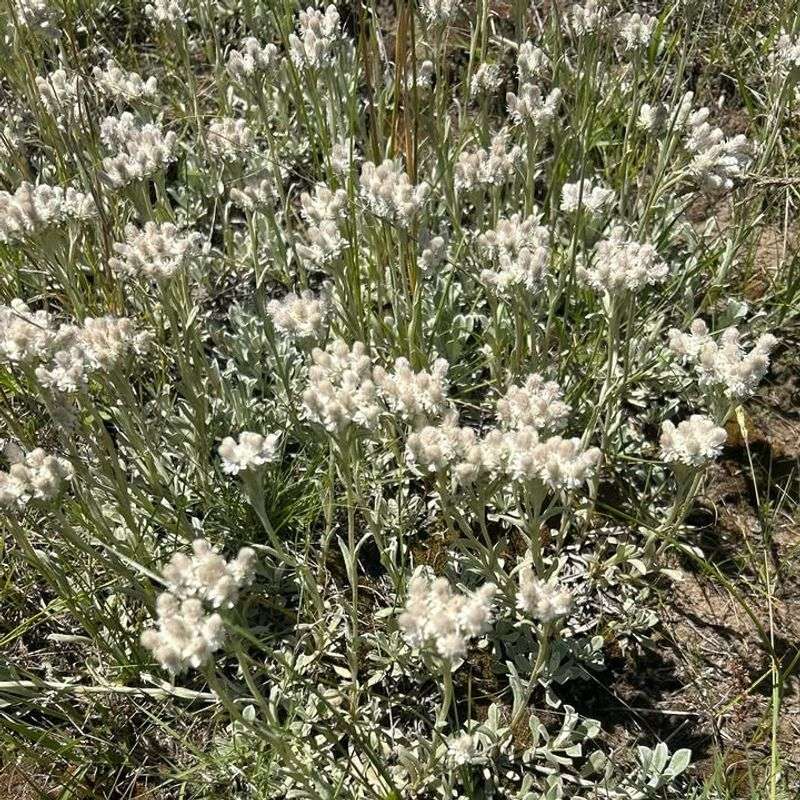
Rich garden soil sounds like a good thing for most plants, but Plantain Pussytoes actually prefers the opposite.
This native thrives in lean, dry conditions, including rocky slopes, sandy banks, and thin woodland edges where most garden plants would struggle.
That preference is not a drawback. For North Carolina gardeners dealing with dry, sandy, or gravelly spots that are hard to plant successfully, Plantain Pussytoes is practically made for those areas.
Full sun to partial shade suits it well, but drainage is the factor that matters most. Soil that stays wet after rain, or beds amended heavily with compost and moisture-retaining materials, can actually reduce the plant’s vigor over time.
Too much fertility encourages soft, lush growth that does not hold up well under stress, and overly wet conditions can lead to crown rot and a general decline in plant health. The less you fuss over this plant, the better it tends to perform.
Placing Plantain Pussytoes in the driest section of your front border is the single best thing you can do for its long-term success. Sandy or gravelly soil with no extra irrigation once established is ideal.
If your border sits on a slight slope or has naturally fast-draining soil, you have already found the perfect spot. Skip the fertilizer, skip the bark mulch piled against the crowns, and skip the extra watering once roots are settled in.
Lean conditions keep the rosettes compact, the foliage looking its best, and the spreading growth steady. North Carolina has plenty of dry, sunny spots just waiting for a plant that genuinely loves them.
7. Spring Flowers Support North Carolina Pollinators
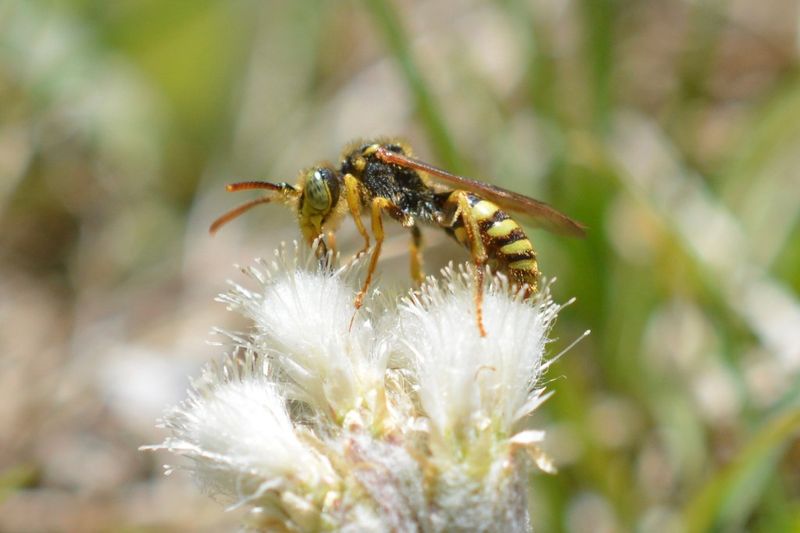
Most gardeners discover Plantain Pussytoes for its foliage, but the flowers deserve just as much attention.
In spring, small clusters of fuzzy white to cream-colored blooms rise on short stems above the leaf rosettes, giving the plant a delicate, cloud-like appearance for a few weeks.
The blooms are not flashy, but they carry real value for the insects that visit them during one of the most important times of the gardening year.
Bees and small butterflies are drawn to the flowers during early spring when not many other plants are blooming yet.
That timing makes Plantain Pussytoes especially valuable as a pollinator resource, since early season nectar and pollen sources are often in short supply.
Beyond general pollinators, the plant also serves as a larval host plant for the American Lady Butterfly, one of the most recognizable and beloved butterflies in North Carolina.
Female American Lady Butterflies actively seek out plants in the Antennaria genus to lay their eggs, so having Plantain Pussytoes in your border gives those butterflies a place to complete their life cycle right in your yard.
That combination of ornamental appeal and ecological function is rare in a single low-growing border plant. Dusty Miller offers the silver look without the pollinator support, while Plantain Pussytoes delivers both.
Watching bees work the spring flowers and spotting American Lady Butterflies resting on the foliage later in the season adds a whole new layer of enjoyment to what might otherwise just be a pretty edging plant.
A small patch of this native can quietly become one of the most active corners of your entire garden.
8. Simple Care Keeps The Border Looking Natural
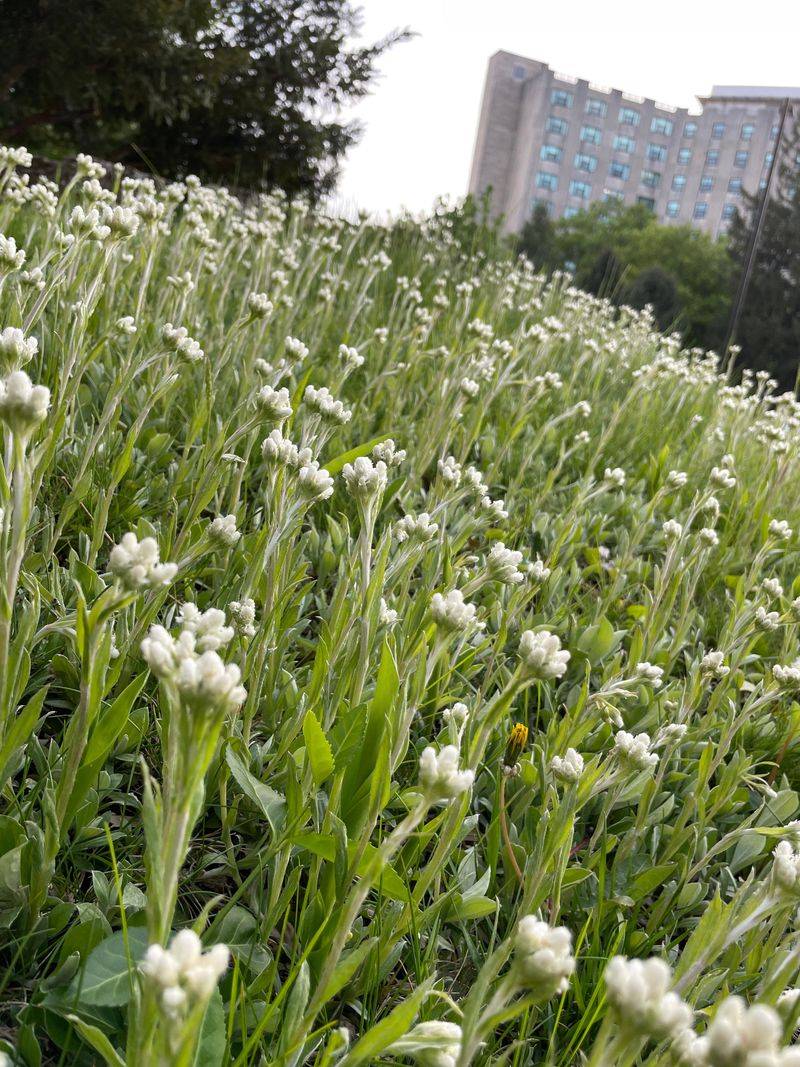
Getting Plantain Pussytoes established in a North Carolina front border is straightforward, and maintaining it once it settles in is even easier. Start by preparing the planting area with good drainage in mind.
If your soil holds water or has heavy clay, mixing in a bit of coarse grit or planting on a slight slope can make a significant difference.
Remove any existing weeds thoroughly before planting, since a clean start helps new transplants spread without competition during those first critical months.
Space plants about eight to twelve inches apart to give each rosette room to push out stolons and gradually fill the gaps between them.
Water consistently for the first few weeks after planting to help roots establish, but pull back on supplemental irrigation once you see new growth appearing.
Established plants are surprisingly drought-tolerant and actually prefer drier conditions over regular watering.
Heavy fertilizer and thick mulch piled around the crowns can do more harm than good here, so resist the urge to treat this plant like a typical garden bed perennial.
Plantain Pussytoes is semi-evergreen in North Carolina, meaning the foliage often persists through winter but may look a bit worn or discolored by late winter.
A gentle tidy in early spring, removing any tatty outer leaves by hand, is all it usually needs to look fresh again before new growth kicks in.
There is no need for hard pruning, deadheading, or seasonal cutting back. The plant takes care of most of its own maintenance, which leaves you free to enjoy the border rather than constantly working in it.