The Florida Native Plant That HOAs Keep Trying To Ban But Legally Cannot
Plant a native grass in your front yard, and weeks later, an angry letter shows up. The HOA calls it a “nuisance” and demands removal fast.
Florida law tells a different story. Certain native plants are actually shielded from this kind of demand, regardless of what most boards assume.
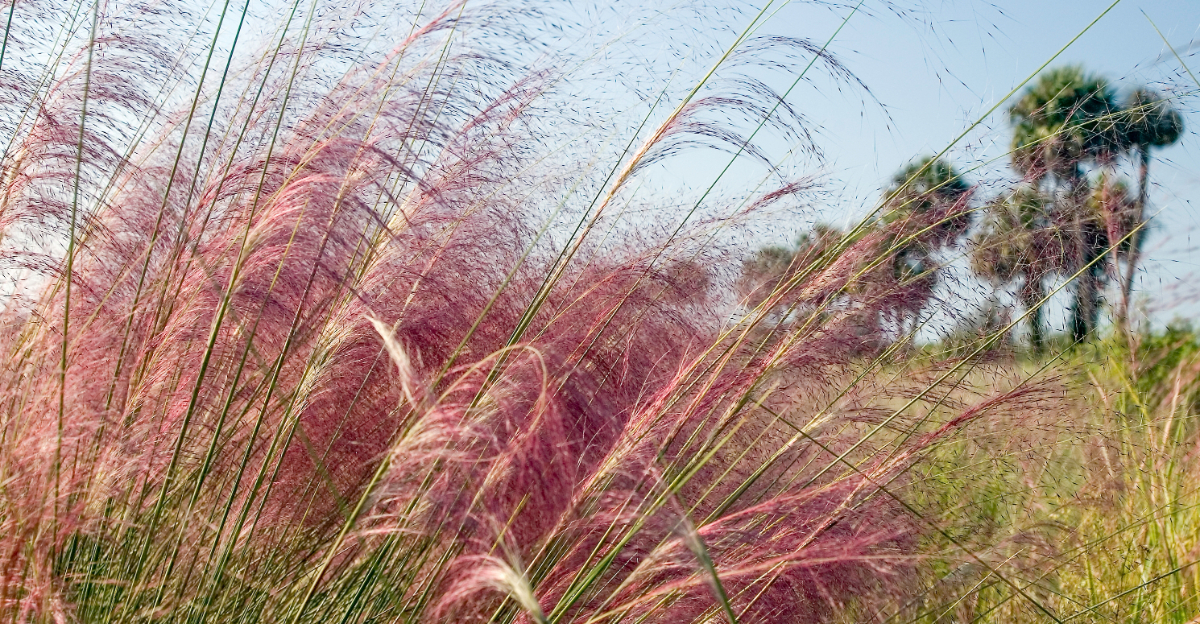
That soft, feathery growth swaying through fall yards isn’t just pretty. It’s protected in ways most homeowners never realize until a dispute lands on their porch.
Across subdivisions statewide, this fight keeps repeating. Boards push, residents push back, and the law usually favors the plant.
This Feathery Native Grass Keeps Landing On HOA Violation Notices
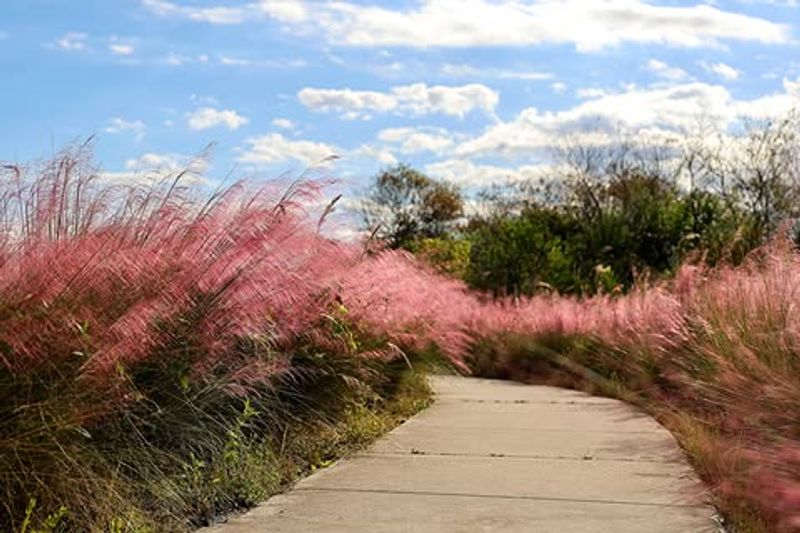
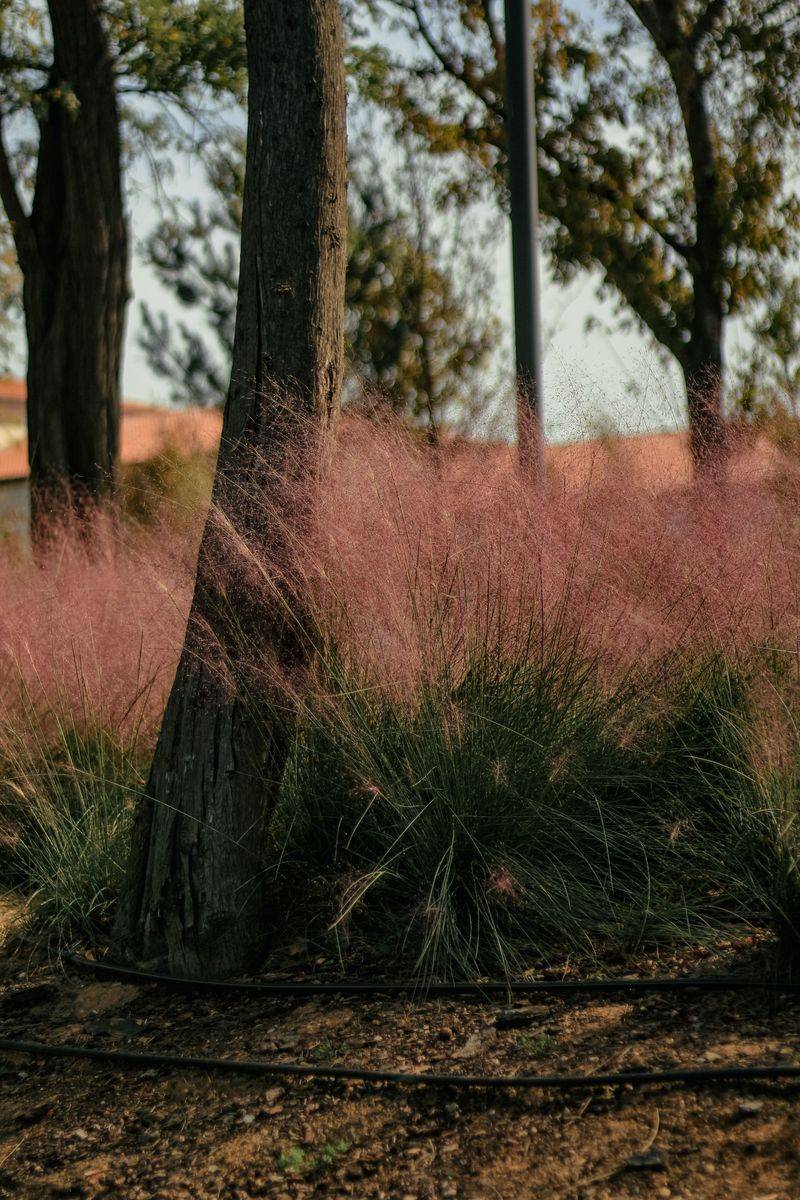
Pink clouds in your front yard sound dreamy. Muhly grass, known scientifically as Muhlenbergia capillaris, delivers exactly that every October and November.
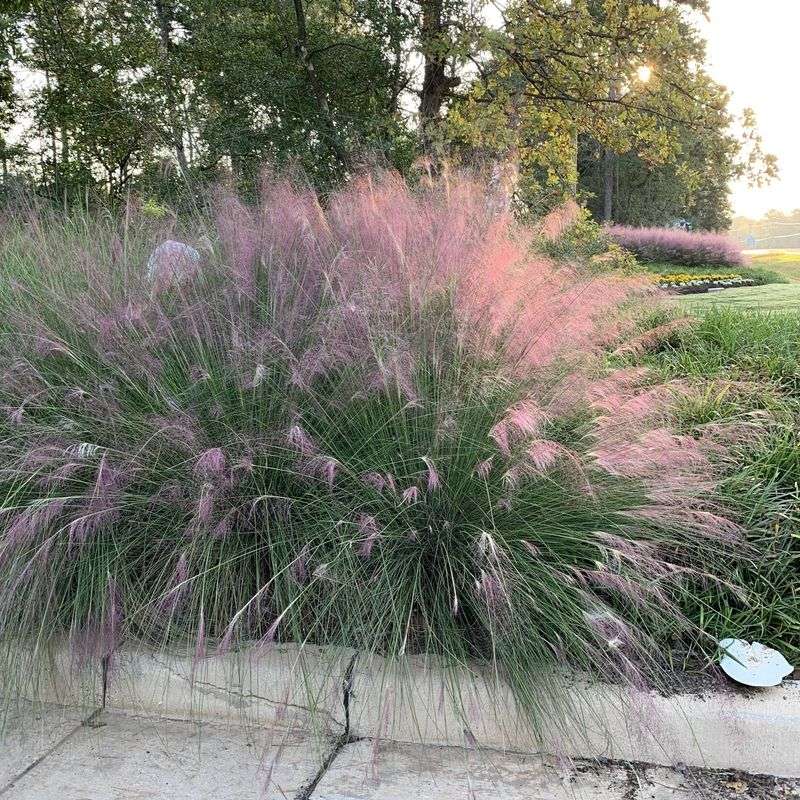
This native grass grows in clumps about three feet tall. Its feathery pink plumes shoot up another foot or two, creating a display that draws attention from the street.
HOAs across the state have flagged it as overgrown, weedy, or unmaintained. Inspectors often confuse its natural, flowing shape with neglect.
The grass does not look like a traditional lawn plant. It does not stay low, neat, or trimmed like St. Augustine turf, and that difference makes HOA board members nervous.
Neighbors sometimes complain before they even know what the plant is. One glance at those tall, wild-looking plumes and someone reaches for the violation form.
Some homeowners try to head off complaints early, planting Muhly grass along fence lines or away from street view. Others learn the hard way, only after a violation notice already lands in the mailbox.
What makes this situation frustrating is that Muhly grass is actually one of the best plants you can put in a Florida yard. It tolerates drought, survives poor soil, and needs almost zero maintenance once established.
Wildlife loves it too. Birds and small pollinators take shelter in its clumps, and butterflies flock to its blooms each season.
This grass is not a weed, no matter how many violation notices suggest otherwise. Calling it one reveals a serious gap in landscaping knowledge among many HOA enforcement teams.
Florida Statute 720.3075 Makes Native Landscaping Bans Unenforceable
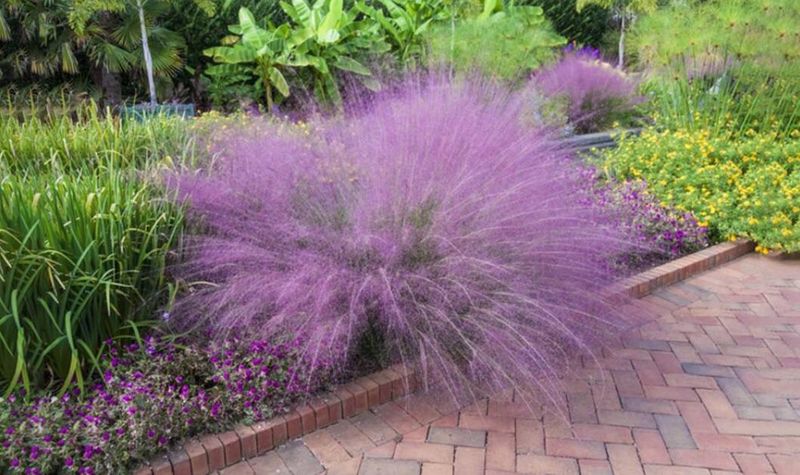
Florida drew a legal line in the sand years ago. Statute 720.3075 prohibits HOA rules that ban Florida-friendly or native landscaping outright.
The law was strengthened over time as native plant advocacy grew louder. Legislators recognized that HOA aesthetic preferences were clashing with environmental goals.
Under this statute, an HOA cannot reject a landscape plan simply because it looks different from traditional turf. The plan must meet a reasonable maintenance standard, but native species cannot be banned by name.
Muhly grass qualifies as a Florida-Friendly Landscaping plant under the state program. That designation gives it specific legal protection that most homeowners never know exists.
HOAs are allowed to regulate placement and general upkeep. They are not allowed to demand removal of a plant solely because it is tall, wispy, or unfamiliar to the board.
Many HOA attorneys quietly advise boards against pursuing these cases. A citation targeting a named native species is a lawsuit waiting to happen.
Your Florida Garden Changes Every Week. Your Plan Should Too.
Gardening in Florida changes quickly throughout the season. Every Friday you’ll receive a simple weekly plan showing exactly what to plant, prune, fertilize, harvest, and protect so you never miss the right timing.
Some boards learn this the hard way, only after a homeowner’s attorney sends a single response letter. Legal fees add up fast, and most HOAs would rather revise a rule than defend it in front of a judge.
Homeowners who receive violation notices should pull up the statute immediately. Citing 720.3075 in a written response often stops the process cold before it escalates further.
This native grass has a legal shield most boards underestimate. Knowing that shield exists is the first step toward keeping your landscape intact.
The “Right Plant, Right Place” Standard That Protects It
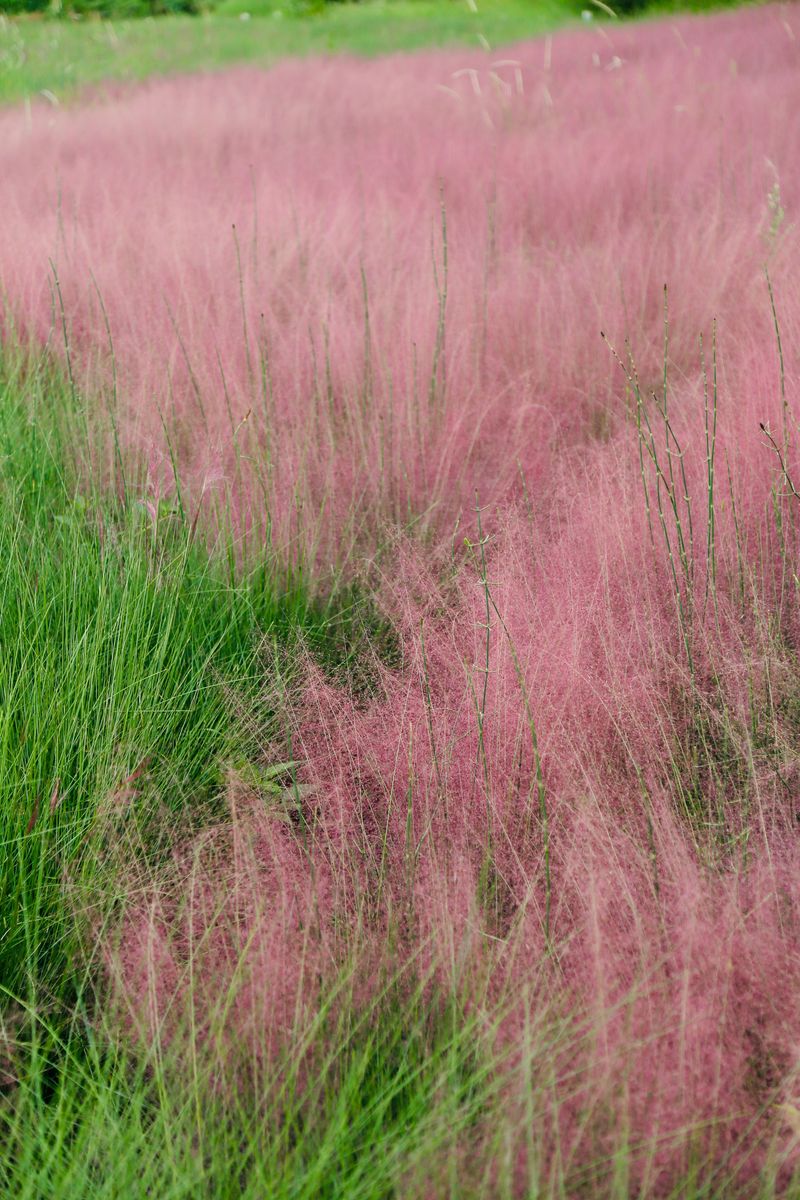
“Right plant, right place” is not just a catchy garden slogan. It is the guiding principle behind Florida-Friendly Landscaping, a state-endorsed program with real legal weight.
The program encourages plants that fit the local climate, soil, and water conditions. Muhly grass checks most of those boxes with ease.
It thrives in sandy, nutrient-poor soil that would stress most ornamental plants. Full sun and occasional rainfall are genuinely enough to keep it healthy and vibrant year-round.
Placing it in a well-defined bed with clean edging satisfies most HOA maintenance concerns. A mulched border around the clump signals intentional design, not neglect.
The “right place” part matters for HOA disputes too. Positioning Muhly grass away from sidewalks and sightlines reduces the chance of a complaint in the first place.
Pairing it with low-growing native ground covers like sunshine mimosa creates a layered look. That layered effect reads as planned landscaping rather than an abandoned yard.
When a homeowner can show that a plant was chosen intentionally for its environment, the HOA argument weakens significantly. Design intent is hard to argue against in front of a review board.
Empowerment grows from preparation. Knowing the standard, meeting it visually, and documenting your choices puts you in a strong position before any dispute begins.
Why HOAs Still Send Cease-And-Desist Letters Anyway
Legal protection exists on paper. Enforcement culture inside an HOA often operates on habit, not legal research.
Many HOA boards rely on management companies that use automated inspection software. Those systems flag anything that deviates from a pre-set visual standard of manicured turf.
A tall, pink-plumed grass clump triggers the algorithm. A violation notice gets generated before any human being actually reviews the situation.
Board members are often volunteers with no landscaping background. They see something unfamiliar and assume the rule book covers it, even when it does not.
Some boards also receive pressure from neighbors who simply prefer conformity. A single complaint from one homeowner can set the whole enforcement machine in motion.
There is also a power dynamic at play. HOAs count on homeowners not knowing their rights, and many people simply comply rather than fight a letter.
Cease-and-desist letters cost the HOA almost nothing to send. Defending against a lawsuit, however, costs real money, which is why most boards back down when challenged directly.
The letters keep coming because the system rewards sending them. Until more homeowners push back with confidence and legal knowledge, boards have little reason to change their approach.
Understanding why this happens removes the sting from the letter. It is not personal, it is procedural, and procedure can be challenged.
How To Get Approval Before The HOA Board Pushes Back
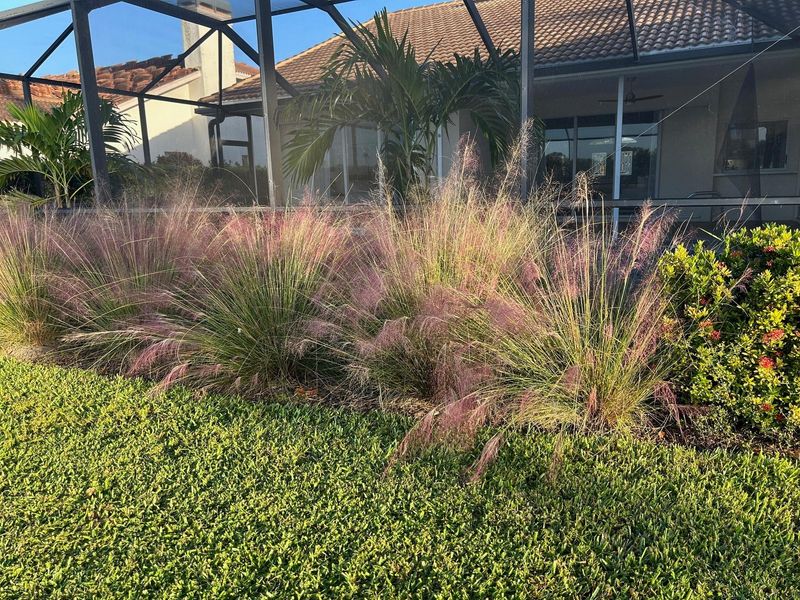
Getting ahead of conflict saves enormous time and stress. Submitting a landscaping plan before planting is the single smartest move any homeowner can make.
Most HOAs have an Architectural Review Committee, often called the ARC. Submit a simple one-page proposal with a photo of Muhly grass, its mature size, and your planned placement.
Include a note referencing Florida-Friendly Landscaping principles. Boards respond better when they see that a homeowner has done research and is not just acting on impulse.
Ask your county extension office for a free plant profile sheet. These documents come from the University of Florida and carry credibility that a random website printout does not.
Photos of Muhly grass in bloom are genuinely persuasive. Show the board what the plant looks like at its peak, not just a green clump in a pot.
Offer to include defined edging or a mulch border in your plan. That small visual concession often satisfies board members who are really just worried about perceived messiness.
Get written approval before any shovel hits the ground. Verbal agreements with HOA representatives mean nothing if the board changes members or reverses course later.
Proactive homeowners rarely end up in disputes. A little paperwork up front keeps this feathery grass safely in your yard all season long.
What Happens When A Homeowner Fights The Fine And Wins
Real stories change minds faster than any statute. Homeowners across the state have pushed back against HOA fines for native plants and won, sometimes without ever stepping into a courtroom.
One Sarasota-area case involved a fine for Muhly grass planted in a defined bed, resolved simply by citing 720.3075 and attaching a University of Florida plant guide.
The HOA board dropped the fine within two weeks. No attorney was needed, no hearing was required, just a calm and well-documented response letter.
In a similar Tampa-area situation, a homeowner escalated to the state’s HOA dispute resolution process, and the outcome favored the homeowner, prompting a revision of the board’s landscaping policy.
These wins matter beyond the individual yard. Each successful challenge creates a precedent that makes the next homeowner’s battle a little easier to win.
Community Facebook groups and neighborhood forums have become powerful sharing tools. One posted win story can inform dozens of neighbors who had no idea they had legal protection.
Attorneys who specialize in HOA law report that native plant cases rarely go far once a homeowner shows legal awareness. Boards calculate risk quickly when liability becomes visible.
This native grass has more allies than ever. Plant it with confidence, document everything, and know that the law is genuinely on your side.