What It Means When Hummingbirds Keep Returning To Your Arizona Patio
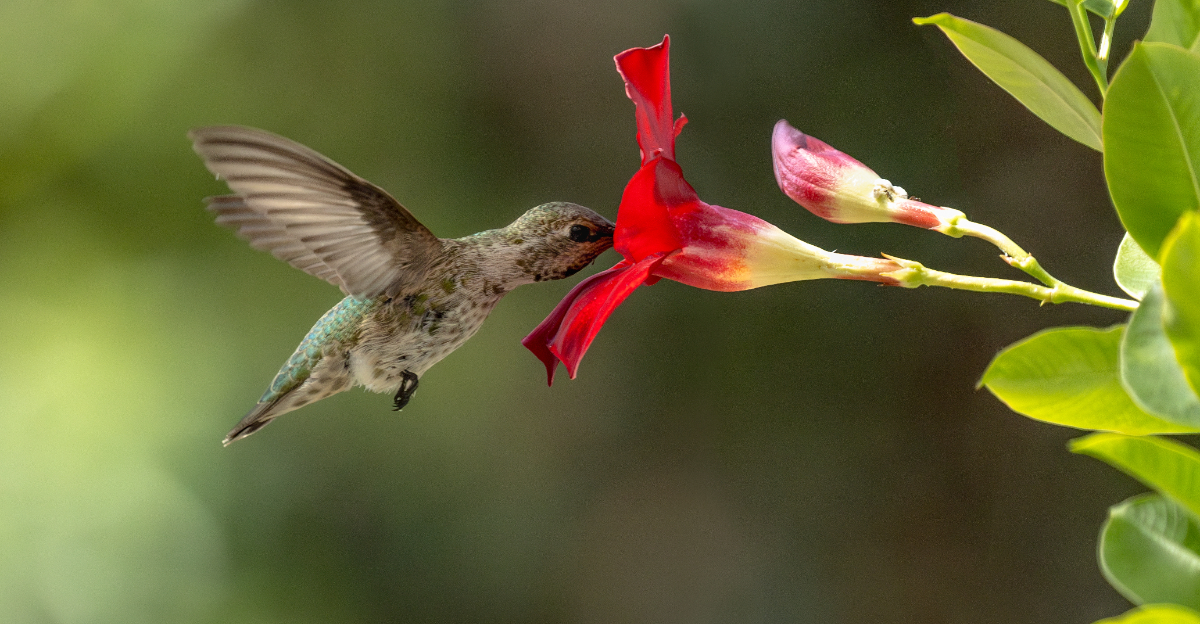
Some visitors never stay for long, yet they keep coming back. Hummingbirds can appear in a flash, disappear just as quickly, then return again a few minutes later.
When that happens day after day, it is usually not a coincidence.
These tiny birds spend every hour searching for reliable food, safe resting places, and shelter from the heat.
Once they find all three in one spot, they are likely to visit again and again instead of wasting energy looking elsewhere.
Patios in Arizona often provide exactly what hummingbirds need, especially during long stretches of hot, dry weather when dependable resources are harder to find.
Their repeated visits are a good sign that your outdoor space is offering something valuable. Knowing what keeps drawing them back can help you make your patio even more inviting throughout the season.
1. Reliable Nectar Keeps Them Coming Back
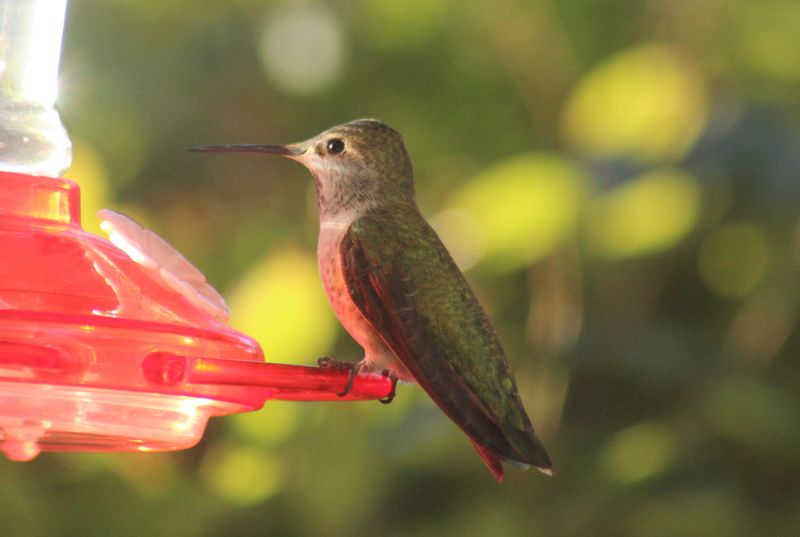
Nectar is the number one reason hummingbirds return to the same spot. When a feeder stays clean and full, hummingbirds notice.
They are remarkably good at remembering food sources from season to season.
Sugar water made with a four-to-one ratio of water to plain white sugar is a reliable option many patio owners use. Avoid honey or artificial sweeteners, as those can cause problems for small birds.
Red dye is not necessary either, since the feeder color does the work of attracting attention.
In warm desert climates, nectar ferments faster than you might expect. Changing the solution every two to three days during hot stretches keeps it fresh and safe.
A feeder that smells off will send hummingbirds elsewhere in a hurry.
Placement also matters. Hanging the feeder in a shaded spot helps slow fermentation and keeps the liquid cooler.
Hummingbirds tend to feel safer feeding near some cover rather than out in the open. A spot near a shrub or patio overhang often works well.
Once a hummingbird locks in your feeder as a reliable stop, it may visit dozens of times per day. Consistency is what builds that habit.
Keep the nectar fresh, keep the feeder clean, and the visits will likely continue.
2. Safe Perches Make Resting Easier
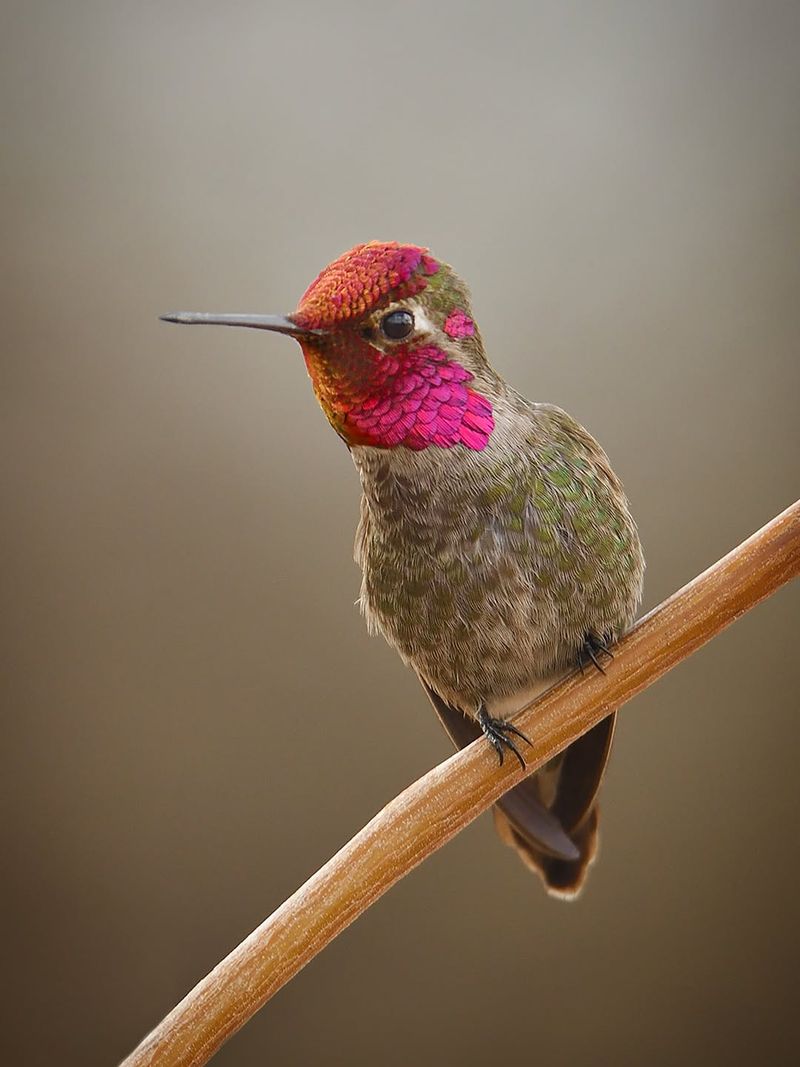
Hummingbirds do not spend every moment flying. Resting is a bigger part of their day than most people realize.
When your patio offers good perch spots, it becomes a place they want to hang around.
Thin branches, wire trellises, and small plant stakes all work as perches. Hummingbirds prefer spots with a clear sightline so they can watch for other birds and potential threats.
A perch near a feeder but slightly above it tends to be a favorite position.
Patios with a mix of open space and nearby plants tend to attract more lingering visitors.
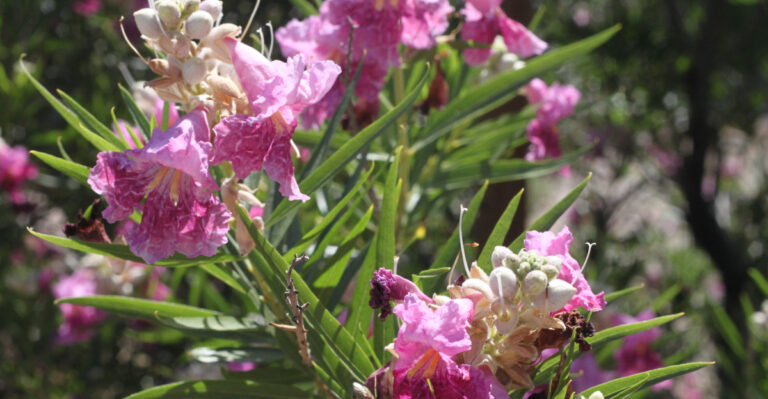
Ocotillo, desert willow, and other native shrubs found across the Sonoran Desert region offer natural perch points that hummingbirds seem to prefer over artificial ones.
Adding a simple wooden dowel or decorative branch near your feeder can make a noticeable difference. Position it at a height where the bird has a clear view in multiple directions.
Your Arizona Garden Changes Every Week. Your Plan Should Too.
Gardening in Arizona changes quickly throughout the season. Every Friday you’ll receive a simple weekly plan showing exactly what to plant, prune, fertilize, harvest, and protect so you never miss the right timing.
Hummingbirds are territorial, and a good perch helps them keep watch over their feeding area.
When a hummingbird feels comfortable enough to rest on your patio, that is a strong sign your space feels safe. Repeated perching behavior in the same spot usually means the bird has claimed it as part of its regular territory.
That is a good sign for continued visits.
3. Small Insects Provide Extra Protein
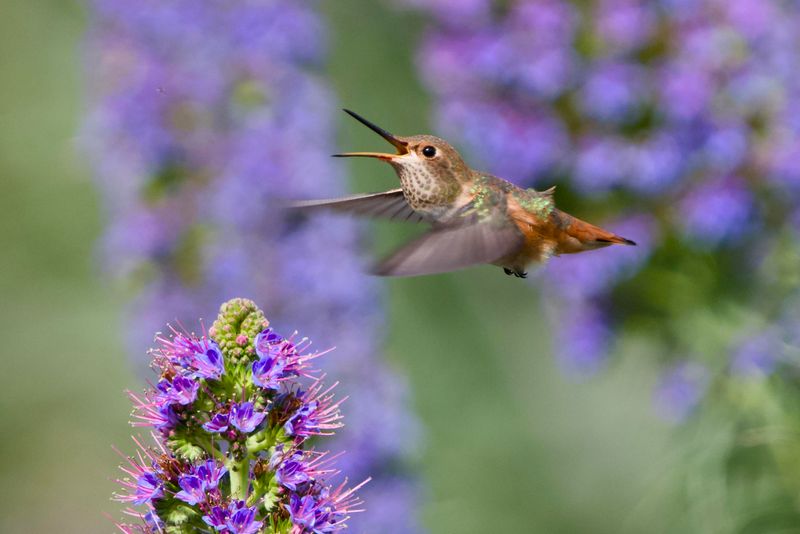
Sugar water and flower nectar fuel a hummingbird’s energy, but insects build its body. Protein from tiny bugs supports feather growth, muscle development, and overall health.
A patio with a natural insect presence is quietly more attractive than one without.
Gnats, fruit flies, small spiders, and aphids are all fair game. Hummingbirds often hunt insects near flowering plants, spider webs, and even around outdoor lights that draw bugs at night.
Watching a hummingbird dart and snap at invisible specks is a sign it is actively hunting, not just passing through.
Avoiding pesticide use near your patio can help keep this natural food source available. Chemical sprays tend to reduce the insect populations that hummingbirds rely on.
A light touch with pest control near flowering plants is usually the better approach for attracting wildlife.
Planting native flowers that attract pollinators will naturally bring in more small insects too. Plants like desert marigold or globe mallow tend to support a busy insect community.
That activity draws hummingbirds in for more than just nectar.
Hummingbirds that find both nectar and insects in the same location have less reason to wander. A patio that meets multiple needs becomes a preferred stop.
Over time, birds that feed and hunt in the same area tend to return more predictably and stay longer during each visit.
4. Fresh Water Helps During Hot Weather
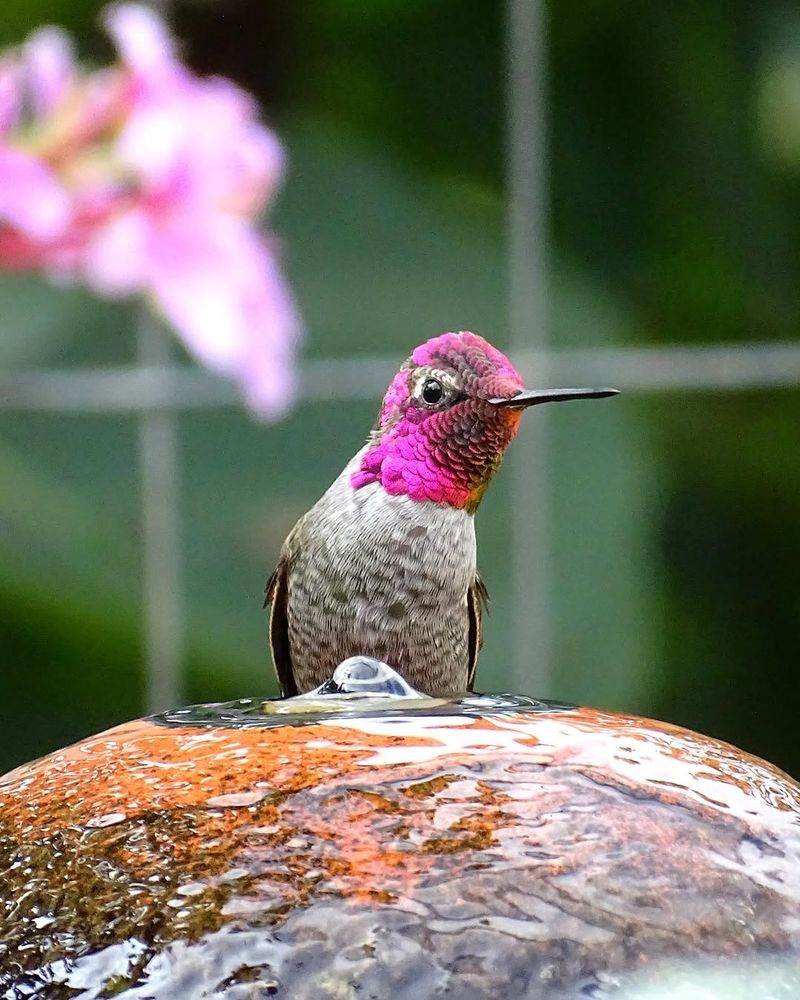
Heat in the desert Southwest is no joke, and hummingbirds feel it. Freshwater access becomes especially valuable during the hottest months, when temperatures can stay above 100 degrees for days at a stretch.
Hummingbirds do not bathe the same way larger birds do. They prefer a light mist or a very shallow trickle of water.
A standard deep birdbath is less useful than a mister or a fountain with a gentle spray. Movement in the water also helps them locate it more easily.
Misters attached to patio railings or garden hoses are a popular option in desert yards. Hummingbirds will fly through the mist, which cools their feathers and helps with preening.
Some birds return to the same mister spot multiple times on a single hot afternoon.
Water placement near shade makes it more appealing. Full-sun water features can get uncomfortably warm and may evaporate quickly.
A shaded corner of the patio, close to existing plants, tends to work better for both the birds and the water supply.
Keeping water clean is just as important as keeping it available. Stagnant or dirty water gets ignored quickly.
A quick rinse every day or two keeps the source fresh. Hummingbirds that discover a reliable water spot in a hot climate will often return to it regularly throughout the season.
5. Bright Flowers Catch Their Attention
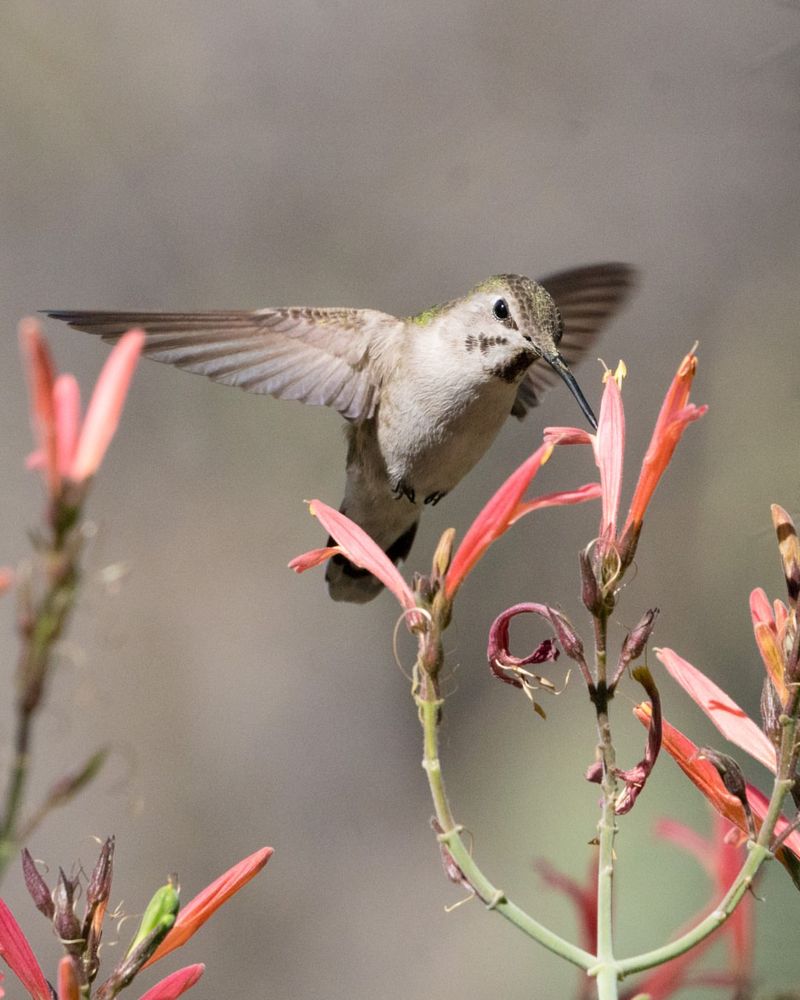
Color is one of the first things that pulls a hummingbird toward a new location. Red, orange, and pink tubular flowers are especially attractive to them.
A patio with blooming plants in those colors can act like a signal that food is nearby.
Native plants tend to work best because they are already adapted to local conditions and bloom reliably without heavy maintenance. Desert honeysuckle, red salvia, and penstemon are solid choices for attracting hummingbirds in the Southwest.
These plants also tend to bloom across a longer stretch of the season than many non-native varieties.
Potted plants work just as well as in-ground gardens for patio setups. Arranging a few containers with tubular flowers near a feeder creates a layered feeding environment.
Hummingbirds often move between natural flowers and feeders during a single visit.
Flower placement at different heights adds visual variety and gives hummingbirds multiple approach angles. Hanging baskets, ground-level pots, and mid-height containers together create a more dynamic space.
Birds tend to linger longer when there are several options to explore.
Keeping plants healthy and well-watered encourages longer and more consistent blooming. Stressed or wilting plants produce fewer flowers and less nectar.
A well-maintained patio garden with rotating blooms across the season gives hummingbirds a reason to keep checking back throughout spring, summer, and fall.
6. Shelter Protects Them From Predators
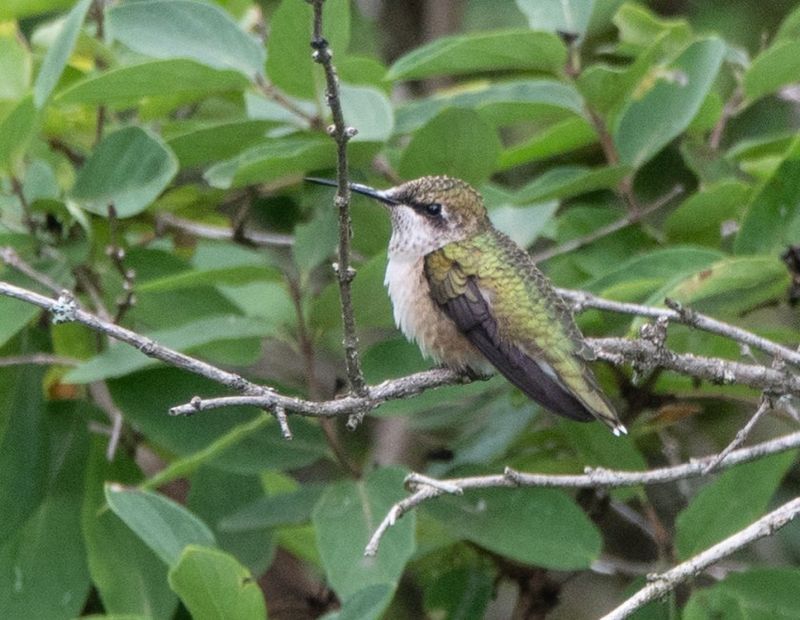
Open spaces feel risky to a small bird. Hummingbirds weigh less than a nickel, and predators like cats, larger birds, and even praying mantises pose real threats.
A patio with nearby cover gives them a place to retreat quickly when danger feels close.
Dense shrubs, climbing vines, and leafy trees near the patio edge all serve as shelter. Hummingbirds tend to feed more confidently when a quick escape route is nearby.
Patios that feel too exposed often get shorter, more cautious visits.
Cats are one of the more common threats in residential yards. Keeping feeders and flowers above a height that a cat can easily reach reduces the risk.
A height of five feet or more is a reasonable starting point for feeder placement.
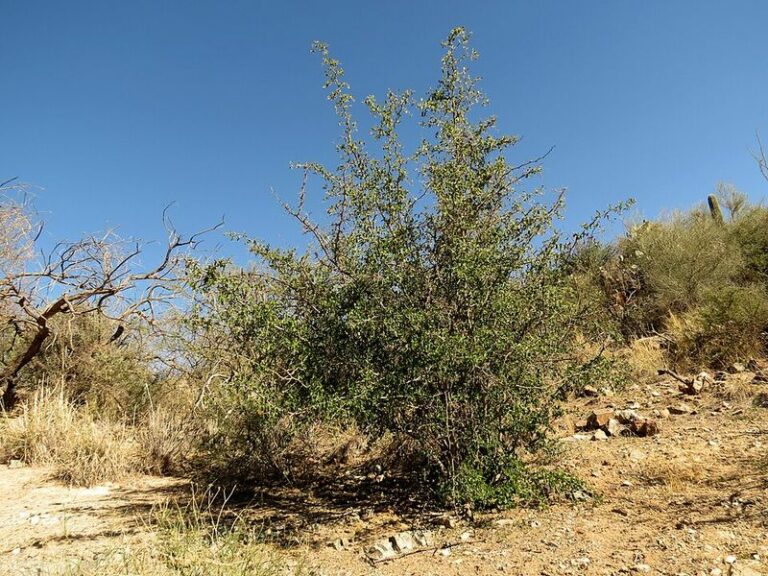
Thorny or dense native plants like desert hackberry or wolfberry can act as natural protective barriers. Birds often nest and roost in these plants because their structure makes it harder for predators to move through them.
Having one or two of these plants near your patio can increase how safe the space feels to visiting hummingbirds.
A hummingbird that feels protected will spend more time in your yard. Repeated shelter use in the same location often leads to nesting nearby.
In Arizona, Anna’s hummingbirds have been known to nest year-round in yards that consistently offer both food and safe cover.
7. Familiar Feeding Spots Build Daily Habits
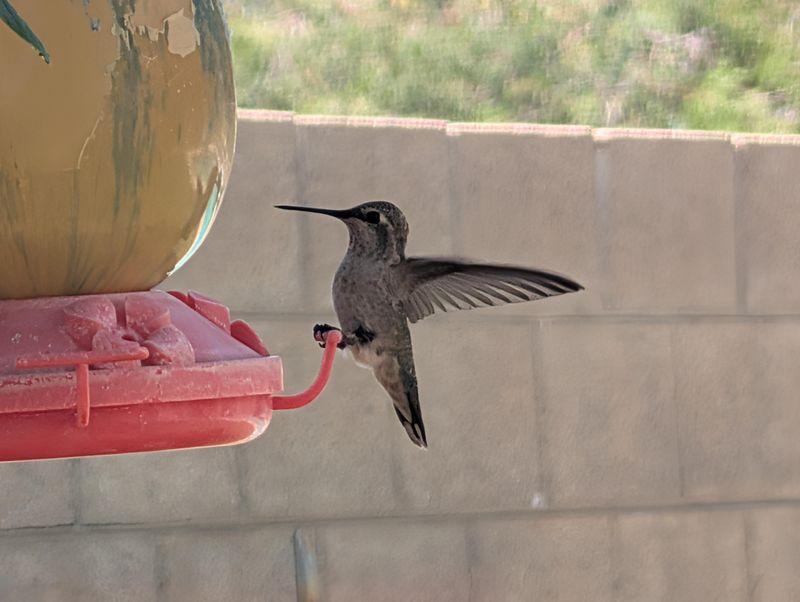
Hummingbirds have surprisingly strong spatial memory. Once a bird learns where a reliable food source is, it tends to follow a regular circuit back to it.
Your patio can become a fixed stop on that daily route without much effort on your part.
Consistency is what locks in the habit. A feeder that is refilled on schedule, flowers that bloom reliably, and a calm environment all signal to the bird that this spot is worth revisiting.
Disrupting the setup, even temporarily, can cause a bird to reroute.
Territorial behavior also plays a role. A hummingbird that claims your feeder as its own will return repeatedly just to defend that resource.
You might notice it chasing off other hummingbirds or perching nearby between feedings. That behavior is a sign of strong attachment to the location.
Returning visitors often show up at predictable times. Early morning and late afternoon are common feeding peaks.
Paying attention to when your hummingbirds appear can help you plan when to have fresh nectar ready and when to avoid disturbing the area.
Over multiple seasons, the same individual birds may return to your patio year after year.
Broad-tailed and rufous hummingbirds migrate through Arizona seasonally, and some individuals have been observed returning to the same feeding locations in successive years.
A well-maintained patio can become a landmark on their migration path.