The Most Underrated California Patio Plant That Deters Both Ticks And Mosquitoes
Ticks and mosquitoes can ruin a patio faster than an overturned drink. One hides near the edges, while the other arrives the second dinner reaches the table.
Very considerate. A certain low-growing plant offers a clever way to make that space less appealing to both pests.
Its fragrant leaves release natural compounds that insects tend to avoid, yet the scent feels fresh and pleasant around people.
California heat does not scare it easily. Once its roots settle in, the plant handles sunny patios without constant fuss.
Its soft flowers also bring a relaxed cottage-garden feel to containers and borders.
No plant can replace basic pest prevention, but this one earns its spot near outdoor seats. It looks beautiful without much work and adds a useful layer of protection where people gather.
Place it close to the patio, then let its fragrance do some quiet work.
1. This Is The Best Patio Plant To Try
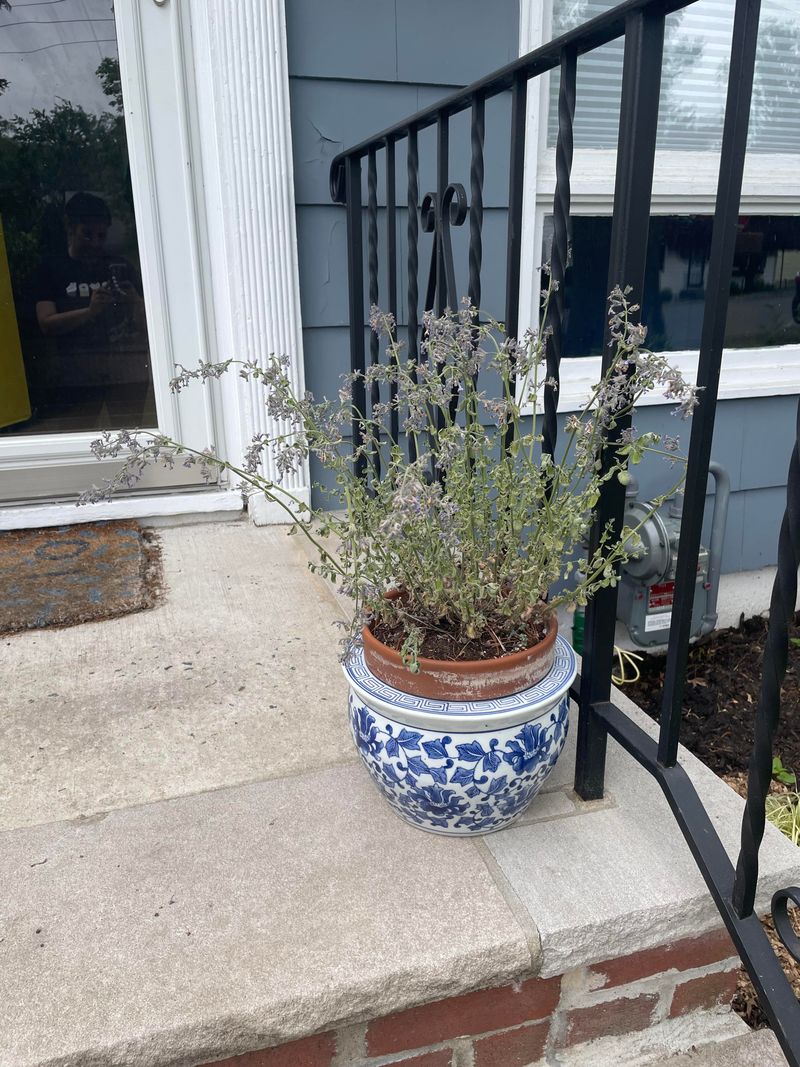
Not every great patio plant gets the spotlight it deserves, and catmint is the perfect example of that. Most people walk right past it at the nursery without knowing what they are missing.
Catmint, or Nepeta, is a perennial herb that comes back every year and stays low-maintenance the whole time.
It grows well in containers, raised beds, and garden borders. For patio use, a medium-sized pot works great.
The plant stays compact, usually growing between one and three feet tall, which makes it easy to tuck near chairs or along a railing.
California’s warm and dry climate suits catmint very well. It handles heat, drought, and poor soil better than most plants.
You do not need to be an experienced gardener to keep it thriving. Water it lightly, give it full sun, and it will reward you with months of blooms.
What really sets it apart is its dual purpose. It looks good and acts as a natural pest barrier.
That combination is rare and valuable for anyone who loves spending time outside. Many gardeners who try it once end up planting it in several spots around their yard.
Once you see how well it works, you will wonder why you waited so long to try it.
2. Its Scent Makes Patios Less Inviting
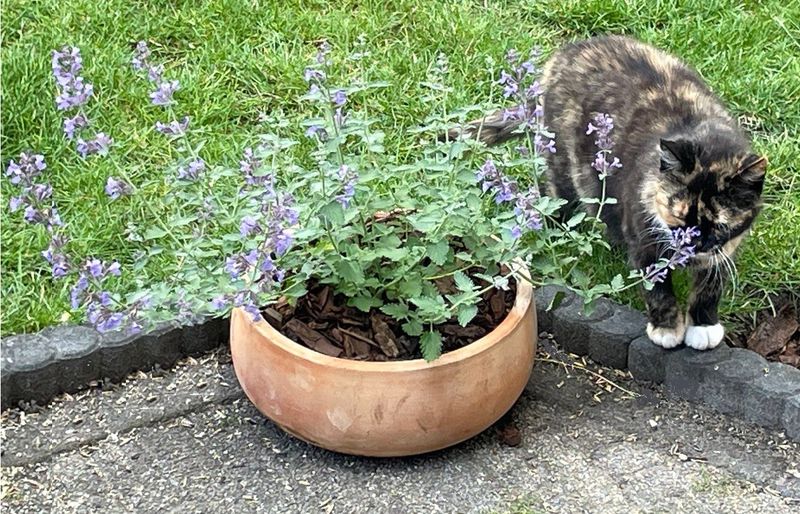
Catmint has a strong, herby scent that most people find pleasant and fresh. To mosquitoes and ticks, though, that same smell is overwhelming and off-putting.
Research has shown that nepetalactone, the natural compound found in catmint, is a powerful insect repellent.
Some studies suggest it may even be more effective than DEET at keeping mosquitoes away. That is a big deal, especially for people who prefer not to spray chemicals on their skin.
Having the plant nearby gives you a passive layer of protection just by sitting close to it.
The scent is strongest when the leaves are brushed or lightly crushed. Placing catmint where people naturally bump into it, like along a walkway edge or next to a seat, helps release more of that repelling aroma.
You get the benefit without doing anything extra. Ticks, which are a growing concern in many parts of our state, also tend to avoid areas where catmint grows.
Your California Garden Changes Every Week. Your Plan Should Too.
Gardening in California changes quickly throughout the season. Every Friday you’ll receive a simple weekly plan showing exactly what to plant, prune, fertilize, harvest, and protect so you never miss the right timing.
The essential oils in the plant interfere with their ability to detect hosts.
Northern regions, where wooded areas meet residential yards, can especially benefit from having this plant on the patio or near garden edges. It is a simple, natural solution that smells great and actually works.
3. Dry Pots Are Less Pest-Friendly
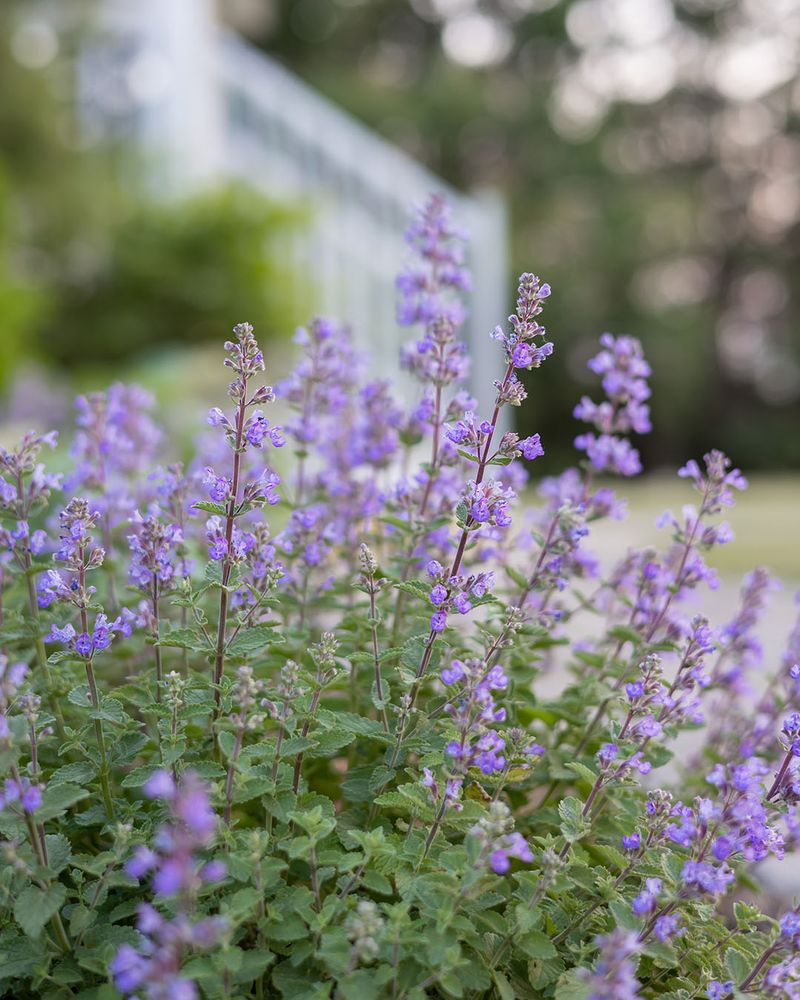
One thing many gardeners do not realize is that how you water catmint matters a lot. Overwatering is actually one of the most common mistakes people make.
Wet, soggy soil creates the perfect environment for mosquito larvae to develop, which is the opposite of what you want.
Catmint naturally prefers dry conditions. It is drought-tolerant and does not need frequent watering once it is established.
Letting the soil dry out between waterings is not just okay for the plant, it is actually better for pest control too.
When you water lightly and allow the pot to drain fully, you remove the standing moisture that mosquitoes need to breed. A dry pot means fewer bugs hanging around your patio.
That is a win for both the plant and your comfort outdoors.
Using a pot with good drainage holes is important. Terra cotta pots work especially well because they are porous and help wick moisture away from the roots.
Avoid plastic pots that trap water at the bottom. Sandy or well-draining potting mix is also a smart choice for catmint.
The combination of dry soil and good drainage keeps the plant healthy and makes your patio a less attractive spot for pests looking for moisture and shade. It is a small change with a big payoff.
4. Purple Blooms Keep The Patio Pretty
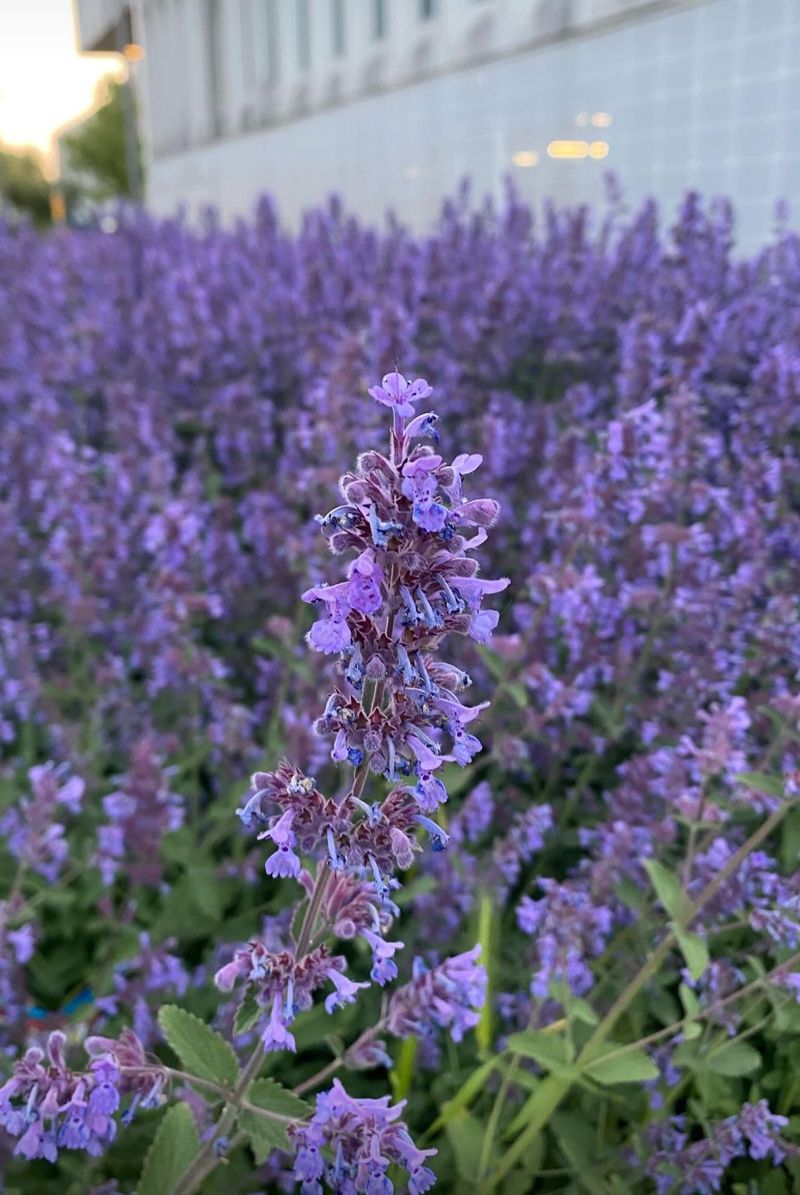
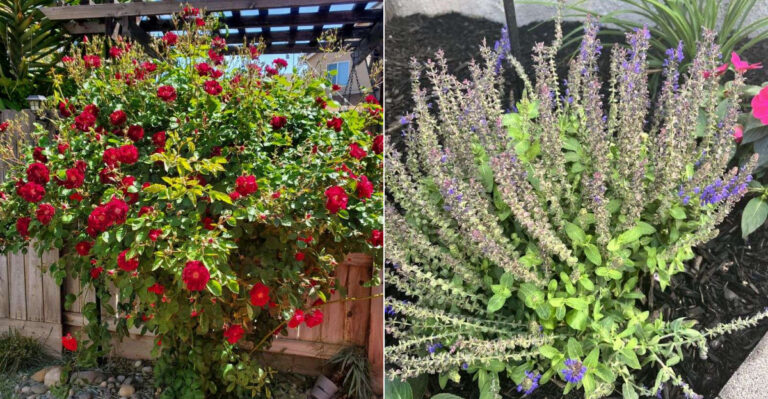
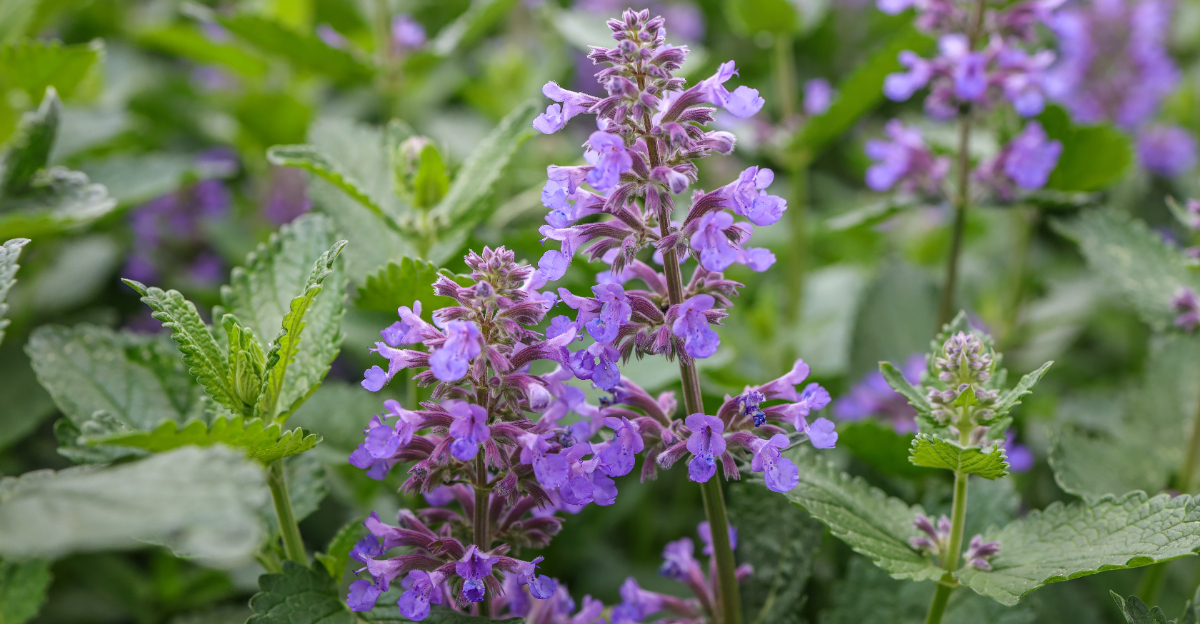
Beyond pest control, catmint is genuinely beautiful. The soft purple and lavender-blue flowers bloom in long, airy spikes that sway gently in the breeze.
They have a cottage-garden look that feels relaxed and welcoming without being high-maintenance.
Blooms typically appear in spring and can continue through summer, especially in the warmer parts of California.
If you trim the plant back after the first big bloom, it often flowers again later in the season. That second flush of color keeps the patio looking fresh for longer.
The gray-green foliage stays attractive even when the plant is not in bloom. It has a soft, velvety texture that adds visual interest and pairs well with other patio plants like salvia, lavender, or ornamental grasses.
You can mix and match without much effort. For patios that need a pop of color without a lot of upkeep, catmint is a great answer.
It does not need deadheading constantly, and it holds its shape without frequent pruning.
The overall look is neat but natural, which suits most outdoor spaces well. Whether your patio style is modern, rustic, or somewhere in between, catmint blends in easily.
It adds color, texture, and charm while quietly doing the work of keeping unwanted pests at bay. That kind of beauty with purpose is hard to beat.
5. Pollinators Like It More Than Mosquitoes Do
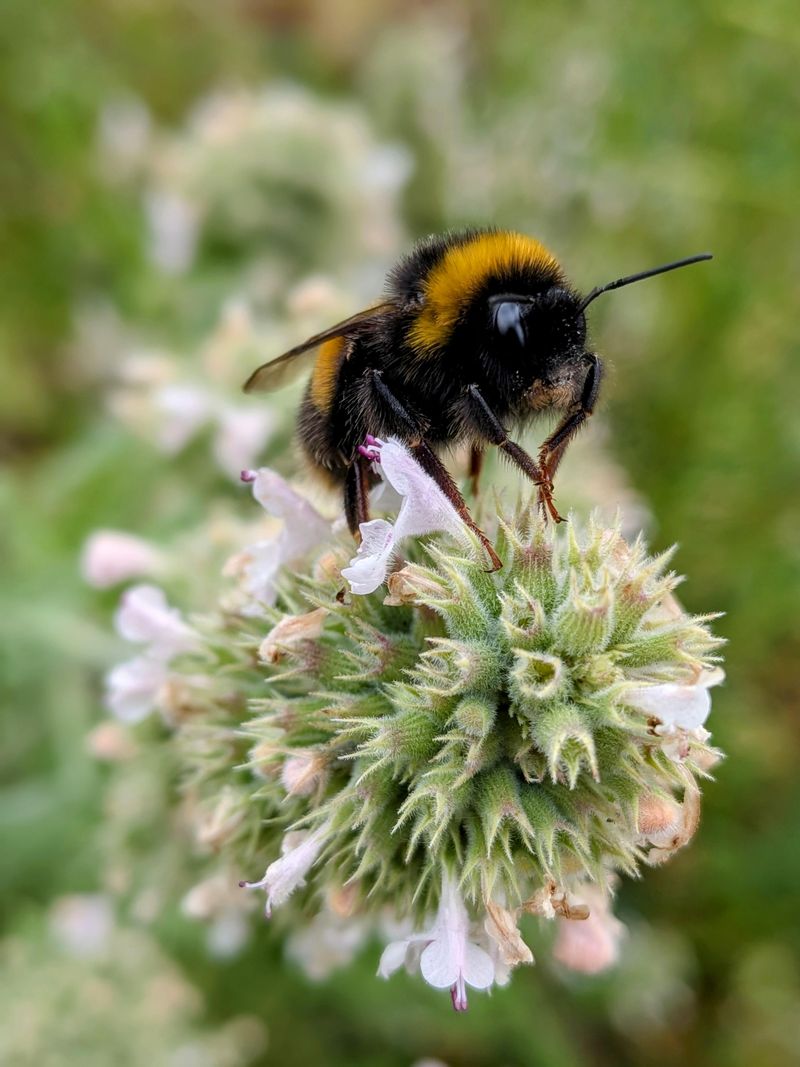
Here is something fun to watch: plant catmint on your patio and you will soon notice bees, butterflies, and hummingbirds showing up regularly.
These pollinators are drawn to the abundant nectar in catmint’s small tubular flowers. They love it.
While helpful insects flock to the plant, mosquitoes and ticks tend to stay away. That contrast is part of what makes catmint so useful.
You are not just repelling bad bugs, you are actively welcoming the good ones that help your garden thrive.
Bees are especially fond of catmint. Native bee species in particular, including bumblebees and solitary bees, visit the blooms frequently.
Supporting native pollinators is good for the local ecosystem and helps other plants in your yard produce better too.
Butterflies like swallowtails and painted ladies also visit catmint regularly. Watching them float around a pot of purple blooms while you relax on the patio is one of those simple pleasures that makes outdoor time feel special.
It turns your patio into a mini habitat. You get pest control, pretty flowers, and a front-row seat to nature all at once.
Not many plants can offer that kind of package. If you care about supporting local wildlife while keeping your outdoor space comfortable, catmint earns its spot without question.
6. Keep It Trimmed Instead Of Scraggly

Catmint is easygoing, but giving it a light trim every now and then makes a real difference. Without any pruning, the plant can get leggy and sprawling after a while.
A quick trim keeps it compact, tidy, and more productive with blooms.
The best time to cut it back is right after the first big flowering period ends in late spring or early summer. Use clean garden scissors or shears and cut the stems back by about one-third.
This encourages fresh new growth and often triggers a second round of flowers.
A scraggly, overgrown plant is also less effective as a pest deterrent. When stems flop over and crowd together, airflow decreases and the plant can become stressed.
Stressed plants are less fragrant, which means less repellent power around your patio.
Trimming does not have to be complicated or time-consuming. Even a rough, casual cut is better than no cut at all.
After trimming, water the plant lightly and give it a few days to bounce back. You will notice new green shoots appearing quickly, especially during the warmer months when growth is fast.
Keeping the plant looking neat also makes your patio feel more put-together overall. A tidy catmint plant sends the message that your outdoor space is cared for, and it rewards that attention with better blooms and stronger pest-fighting ability.
7. Avoid Soggy Saucers Under The Pot
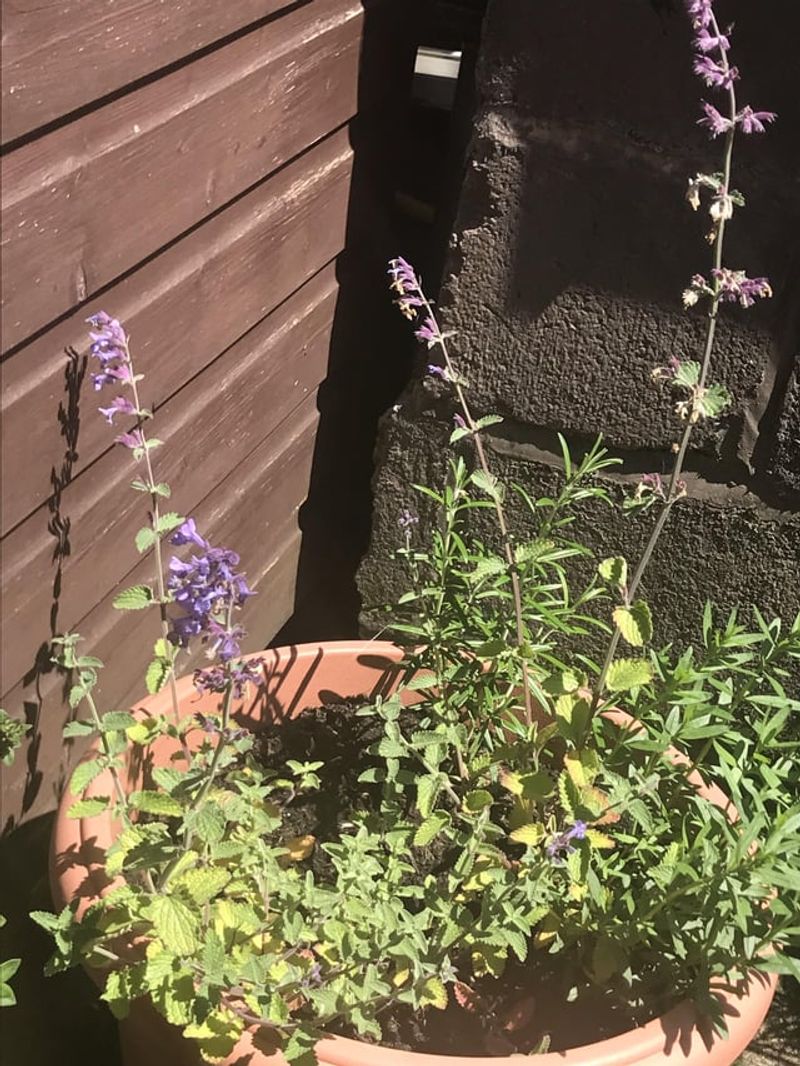
A lot of people use saucers under pots to protect their patio surface from water stains. That is a smart habit in general, but when it comes to catmint, soggy saucers become a problem fast.
Standing water in a saucer is one of the top breeding spots for mosquitoes.
Even a small amount of water sitting in a saucer for a few days is enough for mosquito eggs to hatch. That completely cancels out the pest-repelling benefit of having catmint in the first place.
You end up attracting the very insects you are trying to repel.
The fix is simple. After watering, empty the saucer so no water sits in it overnight.
You can also use pot feet or small risers to lift the pot slightly, which allows water to drain away more freely. Some gardeners skip saucers altogether and use decorative gravel under the pot instead.
Keeping the area around catmint dry and clean also helps. Remove any fallen leaves or debris that collect moisture near the base of the pot.
Moisture-rich hiding spots are attractive to pests, so a clean, dry patio surface works in your favor.
Small habits like emptying saucers and clearing debris take almost no time but add up to a noticeably less buggy outdoor experience.
Paired with catmint’s natural repellent properties, these simple steps make a real difference.
8. Place It Near Seating, Not Door Gaps
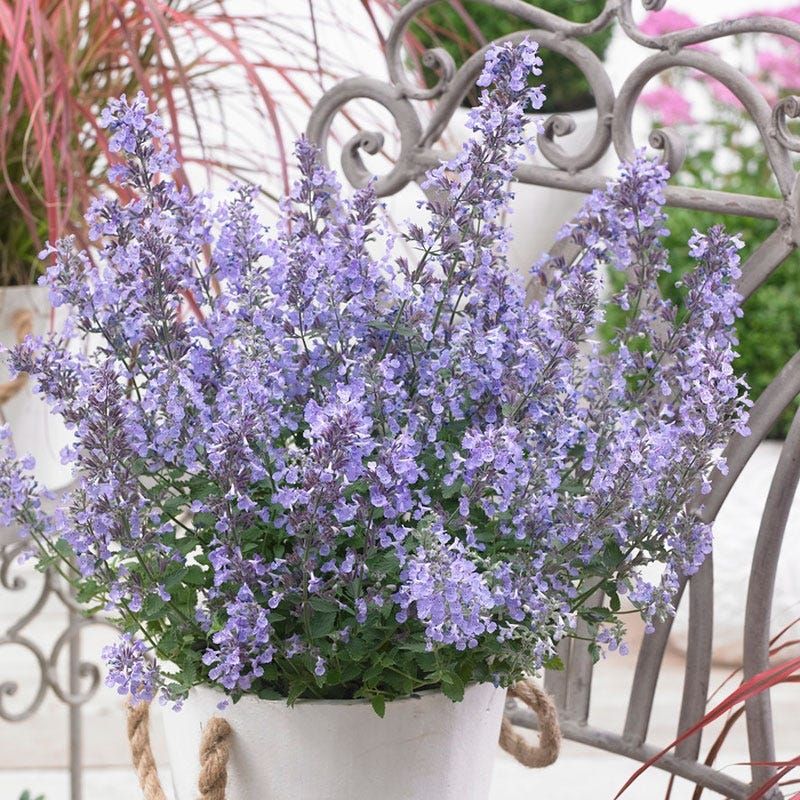
Where you put catmint on your patio matters more than most people expect. Placing it right next to where you sit is the smartest move.
When the plant is close to your seating area, its scent creates a natural buffer zone that keeps mosquitoes and ticks from getting too comfortable nearby.
Many homeowners make the mistake of putting pest-repelling plants near the door or along the house wall.
While that might seem logical, gaps around doors and windows can actually pull pests indoors.
Plants near entry points do not always block bugs from sneaking inside.
A better placement is beside outdoor chairs, along a table edge, or at the corners of your seating area. Think of catmint as a scented barrier that surrounds the space where you spend the most time.
That is where the repellent effect matters most.
In southern parts of California where evenings stay warm and people spend a lot of time outside, this placement tip is especially useful. Use two or three pots of catmint arranged around a seating area for better coverage.
Pair it with other repelling plants like rosemary or lemon thyme for an even stronger effect. The goal is to create a comfortable, pest-resistant zone where you can relax without constantly swatting bugs away.
A little thought about placement goes a long way toward making your patio truly enjoyable year-round.