Why Ohio Hydrangea Blooms Turn Green In Late Summer (And Whether That’s A Problem)
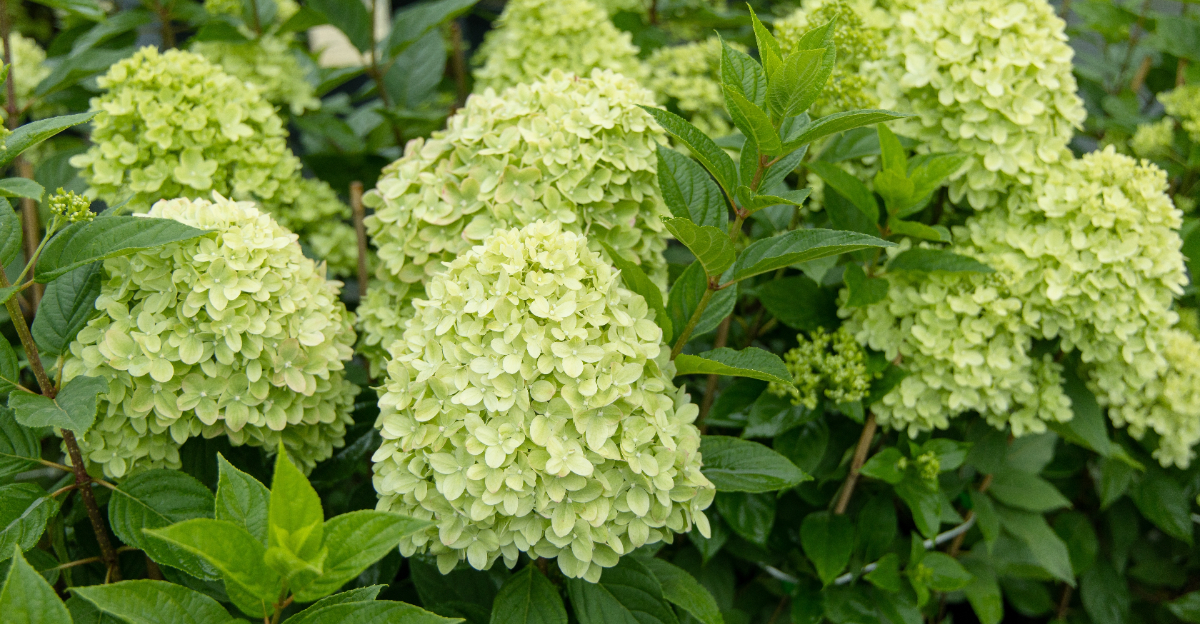
Green blooms should not exist, yet here they are, staring at you. Curiosity feels natural, so pause before reaching for the shears. Ohio gardeners see this shift every August, and few understand why.
Chlorophyll sneaks into petals as summer heat lingers longer than expected. Nothing about this transformation signals trouble or neglect on your part. Science, not chance, drives this quiet color shift.
Sunlight, temperature, and aging petals all work together. Blooms shift pigments the way skin responds to stronger light. Humid Ohio summers, unpredictable as ever, speed up this natural chemistry.
Understanding this process changes how you see your garden entirely. Wonder replaces worry once the mechanism becomes clear. Every hydrangea tells a different story depending on variety and soil.
Timing matters more than most gardeners realize. What happens next in your garden depends on choices today. The reason behind this color shift will change how you garden forever.
Aging Flowers Lose Pigment Over Time
Flowers are not meant to stay perfect forever. Just like a sunset fades after its peak, hydrangea blooms naturally lose their color as they age.
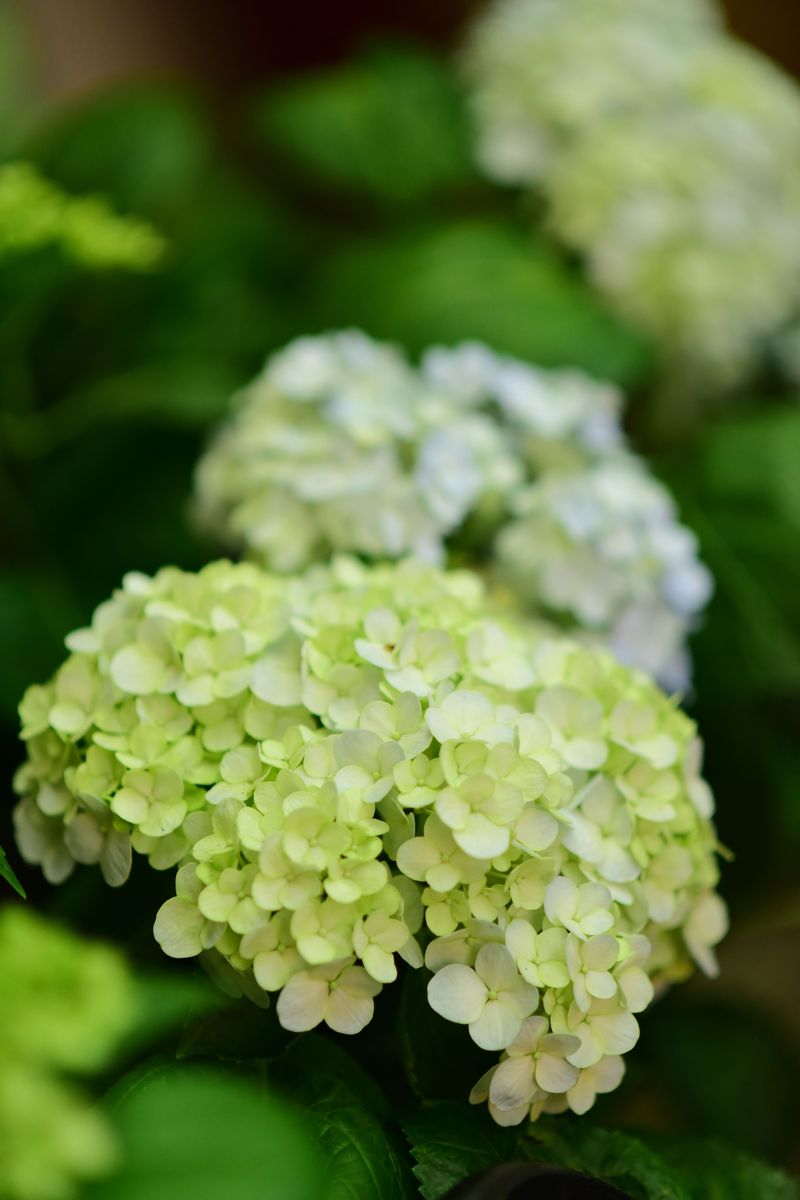
When a bloom first opens, it is packed with pigments that give it that bold pink, white, or blue color. Those pigments break down gradually as the flower gets older.
Think of it like a piece of fabric left in the sun too long. The color drains away slowly, not all at once.
By late summer, most Ohio hydrangea blooms have been open for several weeks. That is plenty of time for pigment breakdown to take hold.
Gardeners sometimes mistake this for a disease or nutrient problem, but it is simply biology doing its thing. The bloom is not sick; it is just getting older.
This process happens across nearly every hydrangea variety grown in Ohio. The timeline might differ slightly depending on when the plant bloomed.
Blooms that opened in early July will often start turning green by mid-August. Ones that opened later may hold their color a little longer into September.
Understanding that aging is the root cause of hydrangea color shifts helps you stop worrying. Your plant is healthy, and the green you see is just a natural part of its life cycle.
Chlorophyll Builds Up Past Peak Bloom
Here is something that surprises most gardeners: hydrangea petals can produce chlorophyll. That is the same green pigment that makes leaves green.
At peak bloom, the flower’s colorful pigments are dominant and mask any chlorophyll present. But as the bloom ages, the balance shifts dramatically.
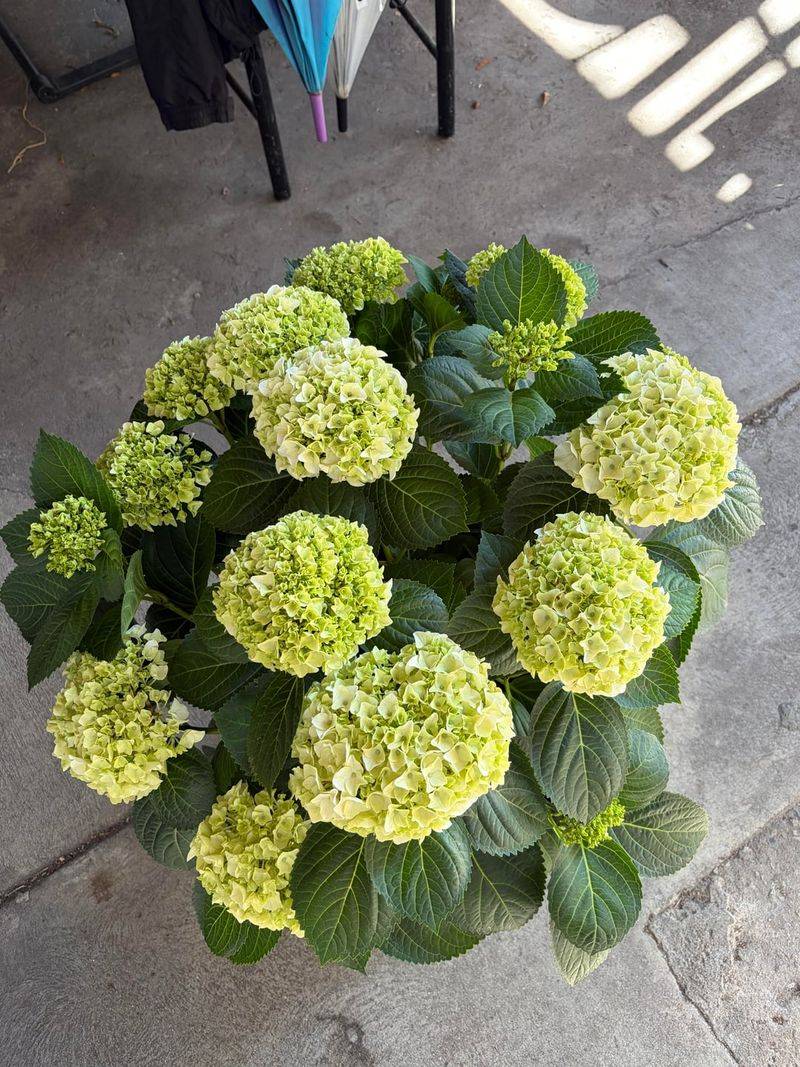
Chlorophyll starts to build up in the petal tissue, and since the other pigments are fading, the green becomes visible. It is almost like the flower is slowly turning back into a leaf.
Scientists call this process re-greening, and it is well-documented in hydrangeas. Ohio hydrangea blooms are especially prone to it because of the region’s late summer light conditions.
Longer exposure to late-season sunlight actually encourages chlorophyll production in petal tissue. The plant is essentially responding to its environment in real time.
Your Ohio Garden Changes Every Week. Your Plan Should Too.
Gardening in Ohio changes quickly throughout the season. Every Friday you’ll receive a simple weekly plan showing exactly what to plant, prune, fertilize, harvest, and protect so you never miss the right timing.
This is not a sign of poor soil or bad watering habits. Chlorophyll buildup is a biological response, not a gardening mistake.
Some gardeners find the green tones surprisingly beautiful. The blooms take on an antique, layered look that many florists actually seek out for arrangements.
Once you know that chlorophyll is behind the green shift in Ohio hydrangea blooms, the whole thing feels less alarming. Your garden is just showing you a little plant science in action.
Anthocyanin Production Slows In Late Season
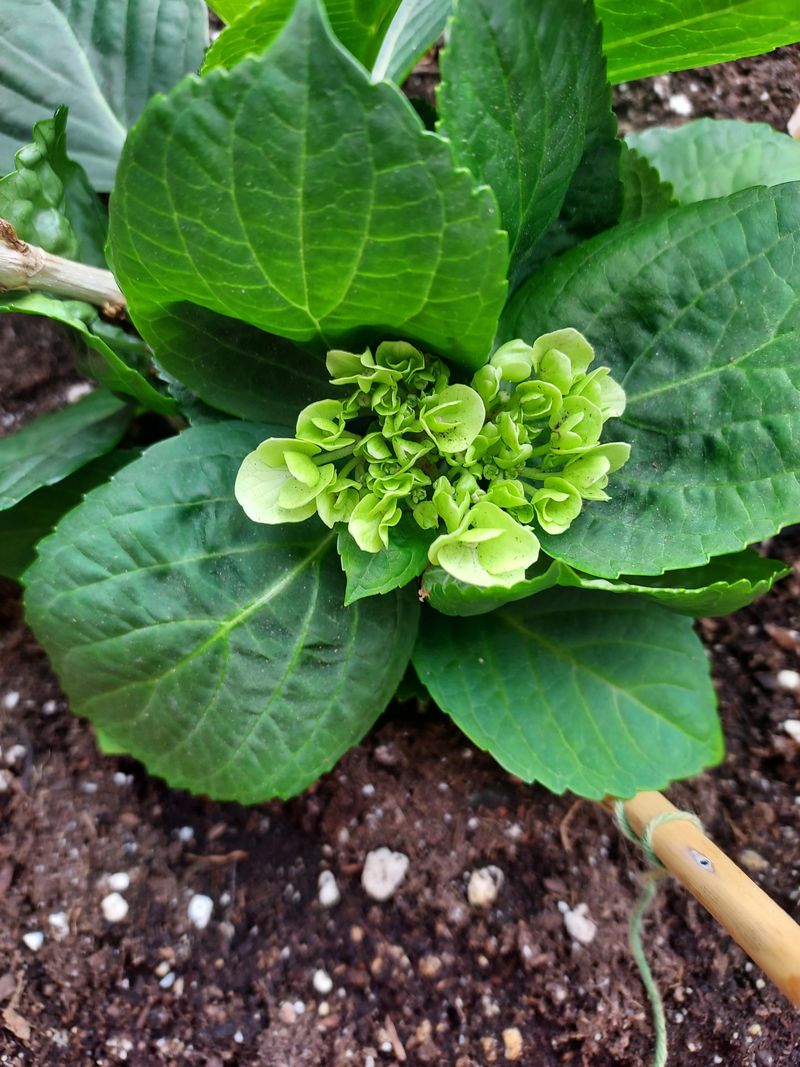
Anthocyanins are the pigments responsible for pink, purple, and red tones in hydrangea blooms. Without them, flowers lose their color fast.
Late summer is when anthocyanin production naturally starts to slow down. The plant shifts its energy away from producing new pigments and toward storing nutrients for winter.
This is a survival strategy, not a flaw. The hydrangea is preparing itself for the cold months ahead, and pigment production is one of the first things to get cut back.
As anthocyanin levels drop, the green tones from chlorophyll become more obvious. The bloom does not change overnight, but the shift becomes clear over a few weeks.
Ohio summers are warm and long enough to push hydrangeas through a full bloom cycle. By the time August rolls around, many plants are already winding down their pigment factories.
Soil pH plays a role in anthocyanin production too, particularly in bigleaf hydrangea varieties. Acidic soils tend to produce bluer tones, while alkaline soils lean pink in those types, but either way, production slows as the season ends.
Gardeners who want to extend bold color can try feeding with a bloom-boosting fertilizer in early summer. Getting nutrients in before the slowdown gives pigments a better chance of lasting longer.
Still, no amount of fertilizer will stop the seasonal clock entirely. The anthocyanin slowdown is built into the plant’s biology.
Cooler Nights Trigger This Color Shift
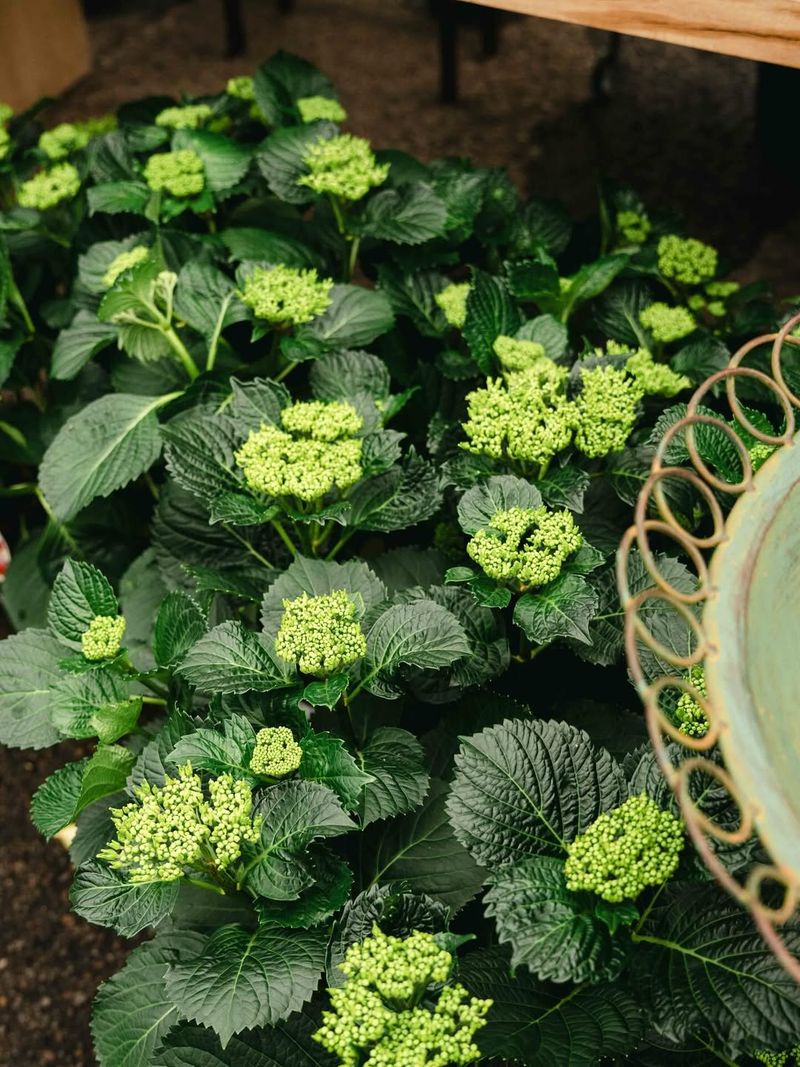
Ohio nights get noticeably cooler starting in late August. That temperature drop sends a clear signal to your hydrangeas that summer is wrapping up.
Plants are remarkably sensitive to temperature changes. Even a few degrees of difference at night can affect how pigments are produced and maintained in flower tissue.
Cooler temperatures slow down the chemical reactions that keep anthocyanins active in petals. When those reactions slow, the pigment fades faster than the plant can replace it.
At the same time, chlorophyll production remains more stable in cooler conditions. So the green takes over simply because it has less competition from fading pigments.
Gardeners in northern Ohio may notice the green shift happening slightly earlier than those in the southern part of the state, though this can vary by microclimate and cultivar. That tracks perfectly with the cooler night temperatures in the north.
This temperature response is the same reason autumn leaves change color. The plant is reacting to seasonal cues, not struggling to survive.
You cannot stop cooler nights from coming, and you would not want to. They are part of what makes Ohio gardens so dynamic and beautiful through the seasons.
The good news is that cool-night greening is completely harmless. Your hydrangea is just reading the calendar in its own quiet, botanical way.
Shorter Days Reduce Pigment Production
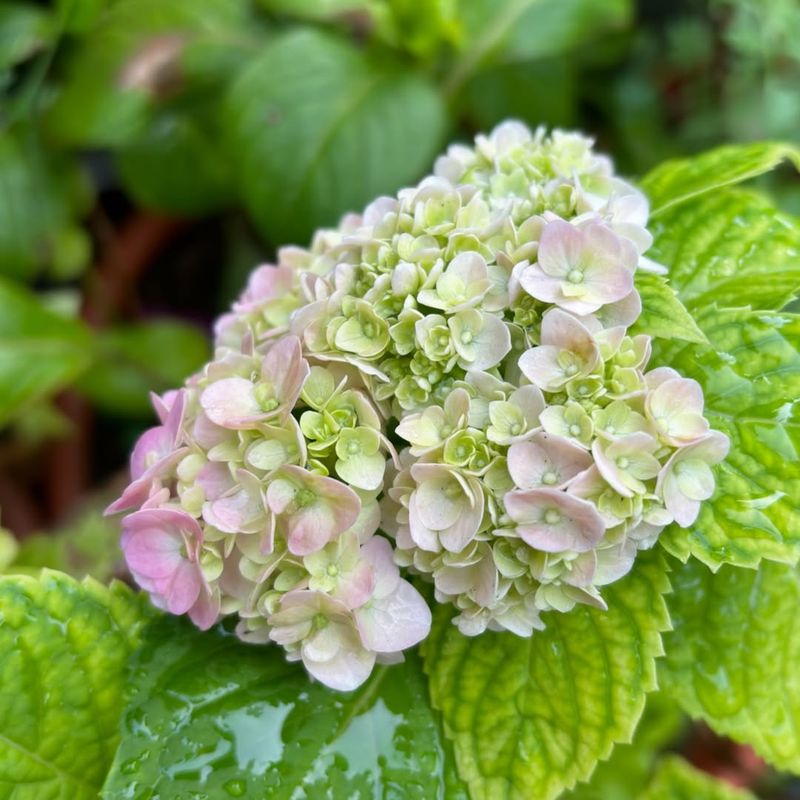
Sunlight is one of the biggest drivers of flower pigment production. As days get shorter in late summer, hydrangeas simply get less of the light they need to keep making color.
Hydrangeas are photoperiod-sensitive plants, meaning they respond to changes in day length. Once the days start shortening after the summer solstice, the plant begins adjusting its internal chemistry.
Pigment production requires energy, and energy comes from sunlight. Less light means less energy available for making anthocyanins and other colorful compounds.
By August in Ohio, days are noticeably shorter than they were in June. That reduction in light hours adds up quickly for a plant that is already past its bloom peak.
Shorter days also signal the plant to start preparing for dormancy. Pigment production is one of the first luxuries the plant gives up when it starts conserving resources.
This is why blooms that open later in the season tend to fade to green faster. They simply do not get as many long, bright days as earlier blooms enjoyed.
Planting hydrangeas in a spot that gets morning sun can help extend color a bit longer. Morning light is gentler and more consistent through late summer than afternoon sun.
But eventually, the shorter days will win. Green blooms in late season are the plant’s natural response to changing light conditions.
Certain Varieties Naturally Shift Toward Green
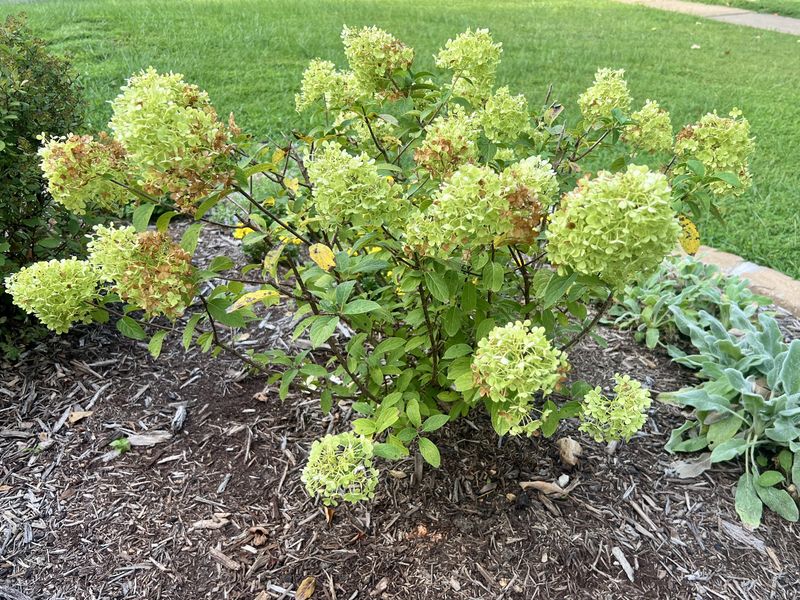
Not all hydrangeas are equally prone to going green, but some varieties seem almost designed to do it. Limelight hydrangeas are the most well-known example of this.
Limelight panicle hydrangeas start out creamy white and naturally shift to a lime green as summer progresses. Many gardeners actually plant them specifically for that green-to-pink-to-burgundy fall color show.
Annabelle hydrangeas, a smooth variety popular in Ohio gardens, also tend to develop green tones as their white blooms age. The greening on Annabelles is especially noticeable in late August and September.
Oakleaf hydrangeas follow a similar pattern, with their white cone-shaped blooms fading to a papery green-tan by late summer. Each variety has its own pace and intensity of color change.
If your hydrangea is one of these naturally green-shifting types, no intervention is needed. The plant is performing exactly as it was bred to perform.
Gardeners sometimes buy a new variety expecting it to stay white or pink all season, then feel let down by the green shift. Knowing your variety ahead of time saves a lot of confusion.
Check the plant tag or look up your specific cultivar to understand its normal color progression. A little research goes a long way toward setting realistic expectations.
Some of the most visually striking fall arrangements feature these naturally green-shifting blooms. Knowing your variety helps you set accurate expectations.
Heat Stress Can Speed Up The Fade
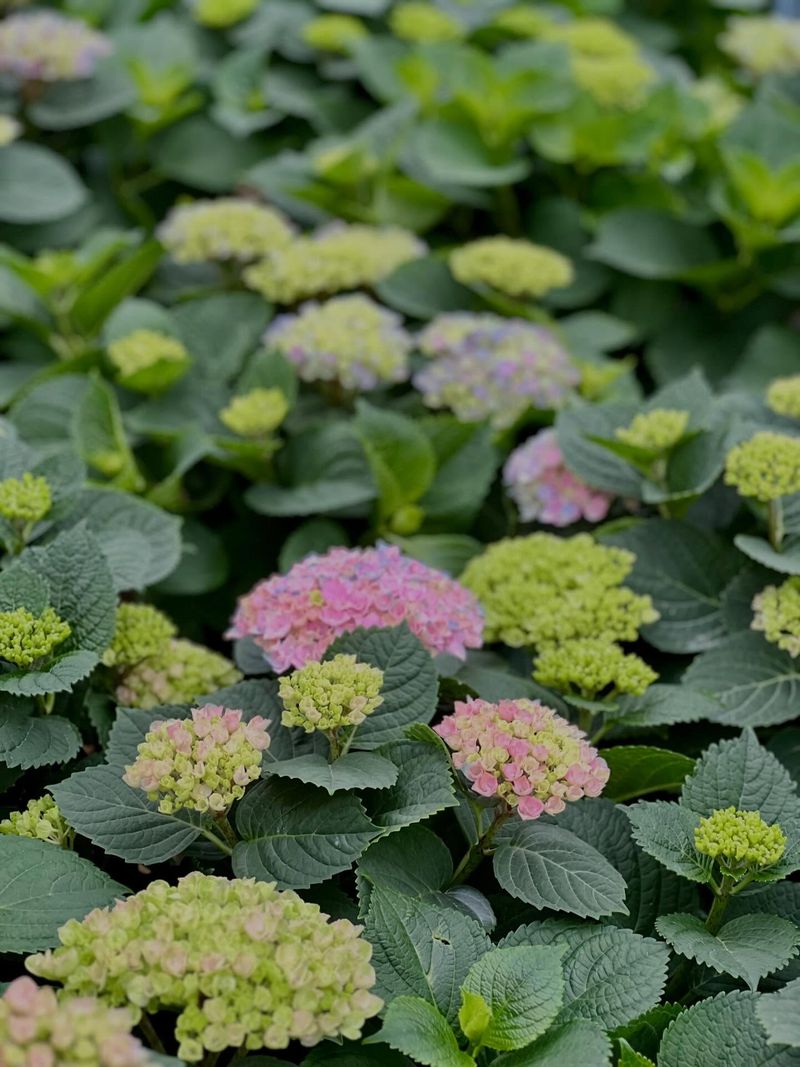
Ohio summers can get very hot, and hydrangeas are not big fans of extreme heat. When temperatures spike, the color-fading process accelerates noticeably.
Heat stress pushes the plant into a resource-conservation response. It prioritizes keeping its roots and leaves alive over maintaining the color of its blooms.
During a heat wave, pigment breakdown in petals speeds up significantly. A bloom that might otherwise have held its color longer can fade to green much faster during extreme heat.
This is especially common in Ohio gardens that do not have adequate mulch or consistent watering. Dry, hot soil stresses the plant from the roots up.
Applying a 2 to 3 inch layer of mulch around the base of your hydrangea helps keep soil moisture steady. Consistent moisture reduces heat stress and can slow the color fade a bit.
Watering deeply once or twice a week during hot spells is more effective than light daily watering. Deep watering encourages roots to grow down where the soil stays cooler.
Afternoon shade is another great tool for protecting blooms from heat-related fading. Even a few hours of shade during the hottest part of the day makes a real difference.
You cannot control Ohio’s summer heat, but smart garden habits can soften its impact on your blooms.
Green Blooms Still Work Well For Cutting
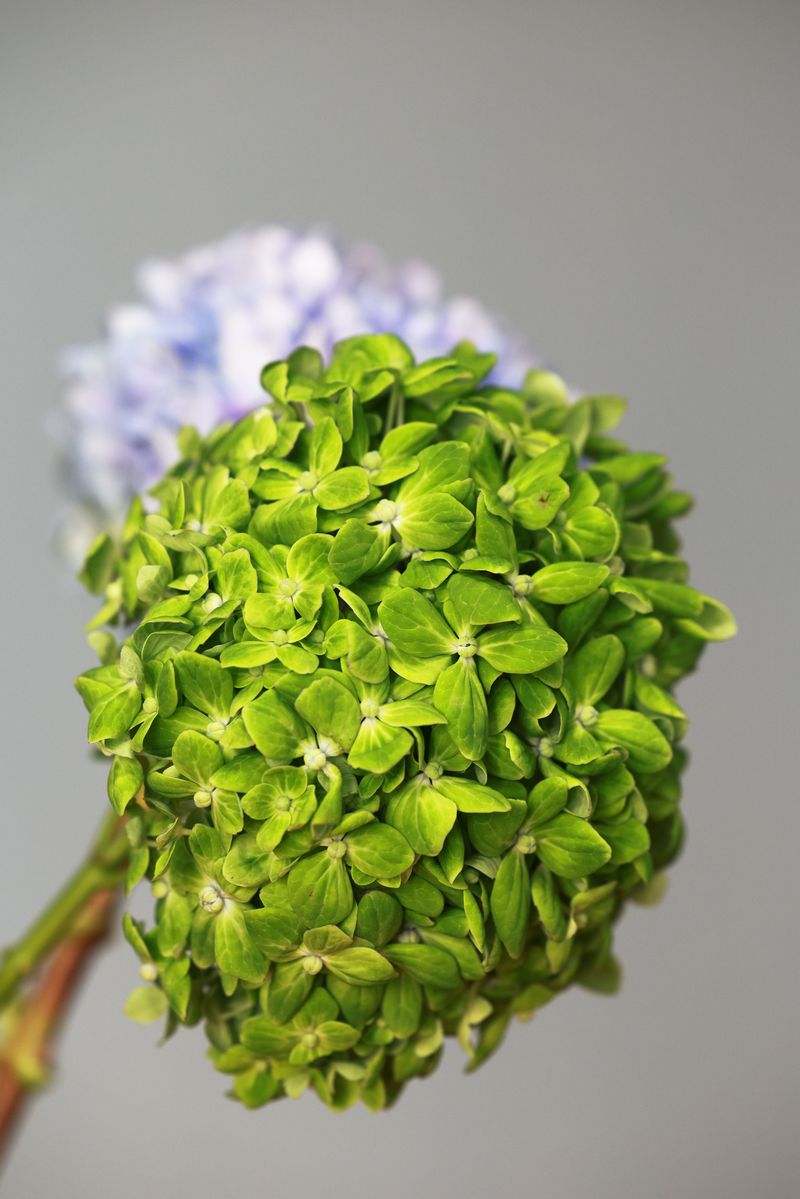
Just because your Ohio hydrangea blooms have gone green does not mean they are done being useful. Green hydrangea blooms are an increasingly popular choice in the floral design world.
Florists and home decorators love green hydrangeas for their fresh, natural look. They pair beautifully with white flowers, eucalyptus, and other greenery in arrangements.
Cutting green blooms at the right time extends their usefulness beyond the garden. Blooms that have fully transitioned to green tend to dry better than those still holding pink or white pigment.
To cut them, use clean sharp shears and snip the stem at an angle. Place them immediately in a clean vase with cool water and a drop of flower preservative.
Green hydrangeas also air-dry beautifully if left in a vase with just a little water. As the water evaporates, the blooms dry in place and hold their shape for months.
Dried green hydrangeas make attractive wreaths, fall centerpieces, and mantle decorations. The color mellows to a soft sage or antique green as they dry, giving it a refined look.
Some Ohio gardeners now intentionally wait for the green stage before cutting their blooms. They have discovered that the green phase is not the end of the show. Green blooms represent an extended stage of visual interest in the garden.
Nothing To Worry About, It’s A Normal Seasonal Cycle
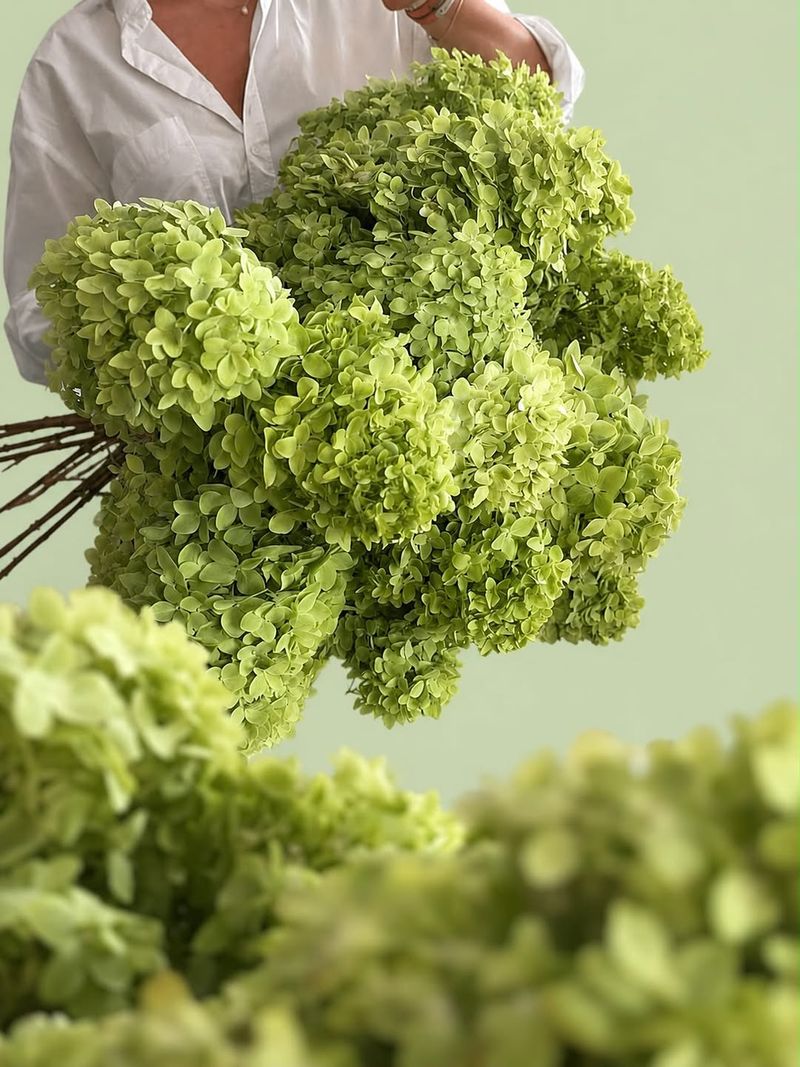
If your Ohio hydrangea blooms have turned green, you can officially stop worrying. This is one of the most normal things that happens in a garden every single year.
The shift from colorful to green is not a sign of disease, poor soil, or bad gardening. It is the plant moving through a predictable, natural seasonal cycle.
Every factor covered here, from aging petals to shorter days to cooler nights, works together to produce this color change. The hydrangea is not struggling; it is simply responding to late summer the way it always has.
Ohio hydrangea blooms going green is something gardeners across the state see every August and September. You are in very good company.
If you have been fertilizing, watering, and caring for your plant all season, you have done your job well. The green is a reward, not a red flag.
Going forward, you can even plan around this color shift. Cut blooms early for pink or white arrangements, or wait for green if you want long-lasting dried decor.
Either way, your hydrangea is healthy, happy, and doing exactly what nature intended. The seasonal cycle of Ohio hydrangea blooms is something to celebrate, not fix.
Consider the green stage part of your hydrangea’s natural cycle, and enjoy the seasonal variation it brings.