This Long-Blooming Perennial Is A Low-Fuss Coneflower Alternative For Michigan Garden Beds
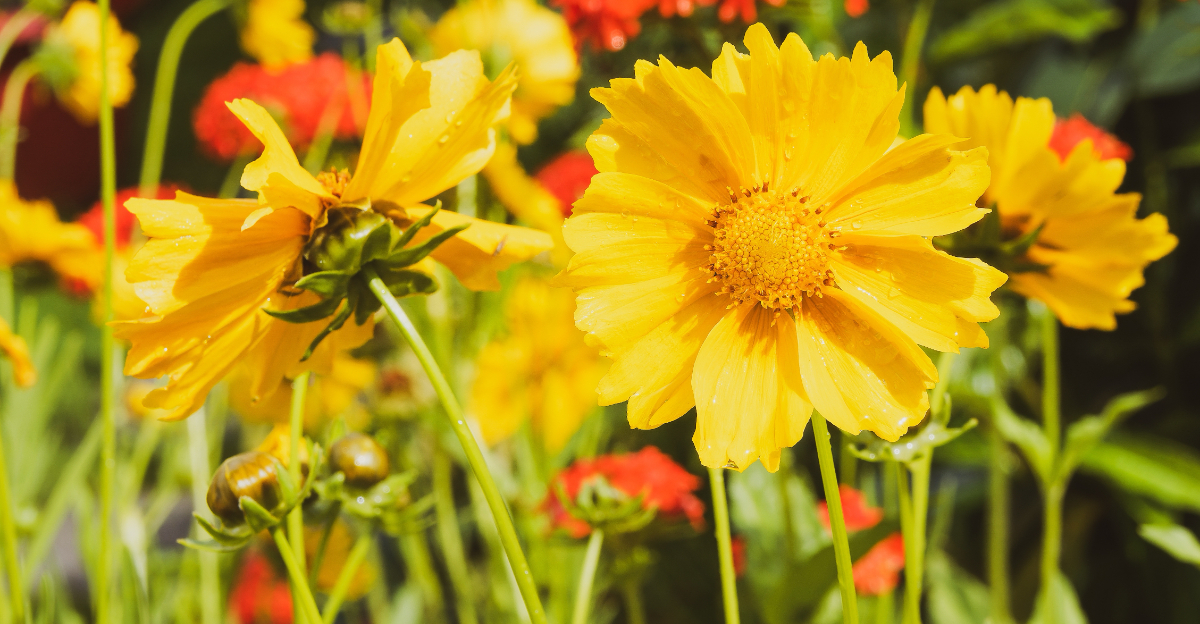
Sand coreopsis offers Michigan gardeners a bright, cheerful alternative to coneflower that blooms just as long with even less required maintenance.
This native perennial produces bold yellow flowers throughout summer, often continuing well into early fall with minimal deadheading needed.
Unlike coneflower, sand coreopsis thrives in poor, sandy soil, making it a strong choice for challenging areas where other perennials struggle. Its drought tolerance means fewer watering concerns during Michigan’s occasional dry summer stretches.
This plant also spreads modestly over time, filling in garden gaps without becoming difficult to control or manage.
Pollinators are drawn to its abundant blooms just as strongly as they are to coneflower, supporting bees and butterflies throughout the season.
Sand coreopsis pairs beautifully with taller native perennials, adding a reliable pop of color at a lower height. Choosing this low fuss option gives gardens long lasting color without the extra care coneflower sometimes demands.
1. Sand Coreopsis Blooms From June Through August
Few garden plants deliver summer color as dependably as Sand Coreopsis.
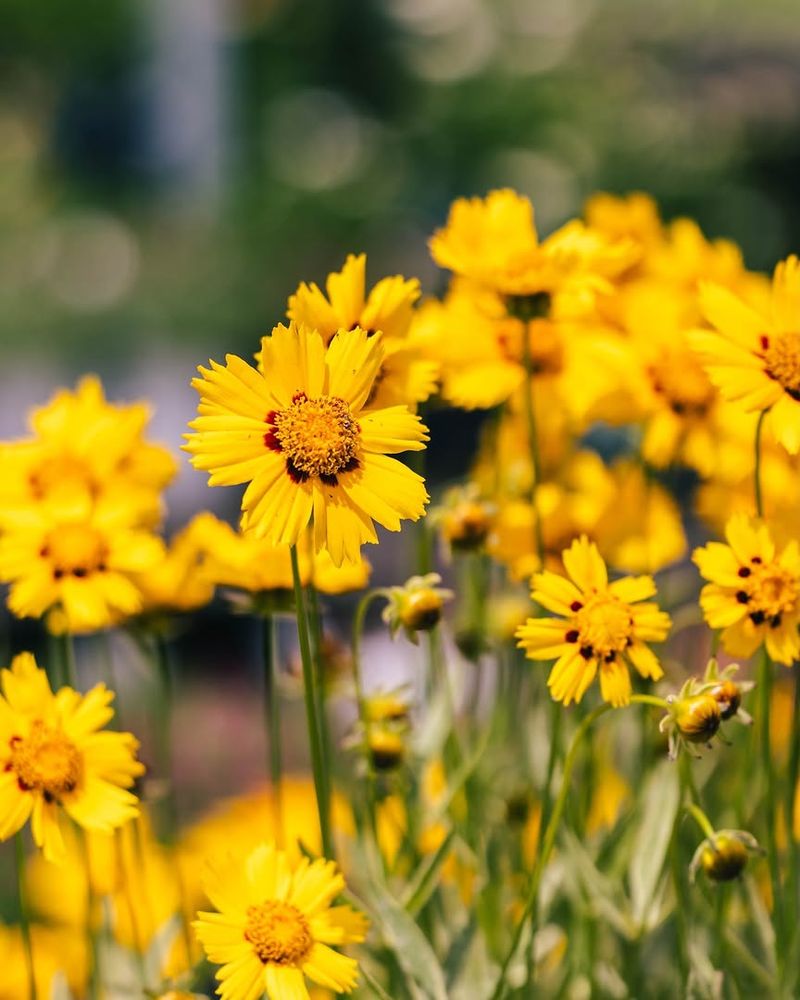
Michigan State University observed the strongest flowering period happening in June, when plants burst into a wave of cheerful golden yellow blooms that immediately catch the eye.
That peak display is just the beginning of what this plant has to offer. Throughout July and August, Sand Coreopsis continues producing fresh flowers, extending the season well beyond what many shorter-blooming perennials can manage.
This makes it a smart pick for gardeners who want steady color without replanting every few weeks. Not every single flower stays open the whole summer, of course, but new buds keep replacing older ones at a reliable pace.
Several factors can nudge the flowering timeline a little earlier or later depending on your specific yard. Sunlight exposure, soil quality, drainage conditions, and how mature your plant is can all influence when blooms appear and how long they last.
A plant growing in full sun with well-drained soil tends to perform the best.
Planting Sand Coreopsis alongside other summer perennials can help fill any short gaps between flushes of new blooms. Think of it as a reliable teammate in your garden lineup rather than a solo performer.
Its long season of color, especially during Michigan summers when garden interest can dip, makes it a genuinely valuable addition to any sunny bed.
2. Bright Yellow Flowers Create A Cheerful Summer Display
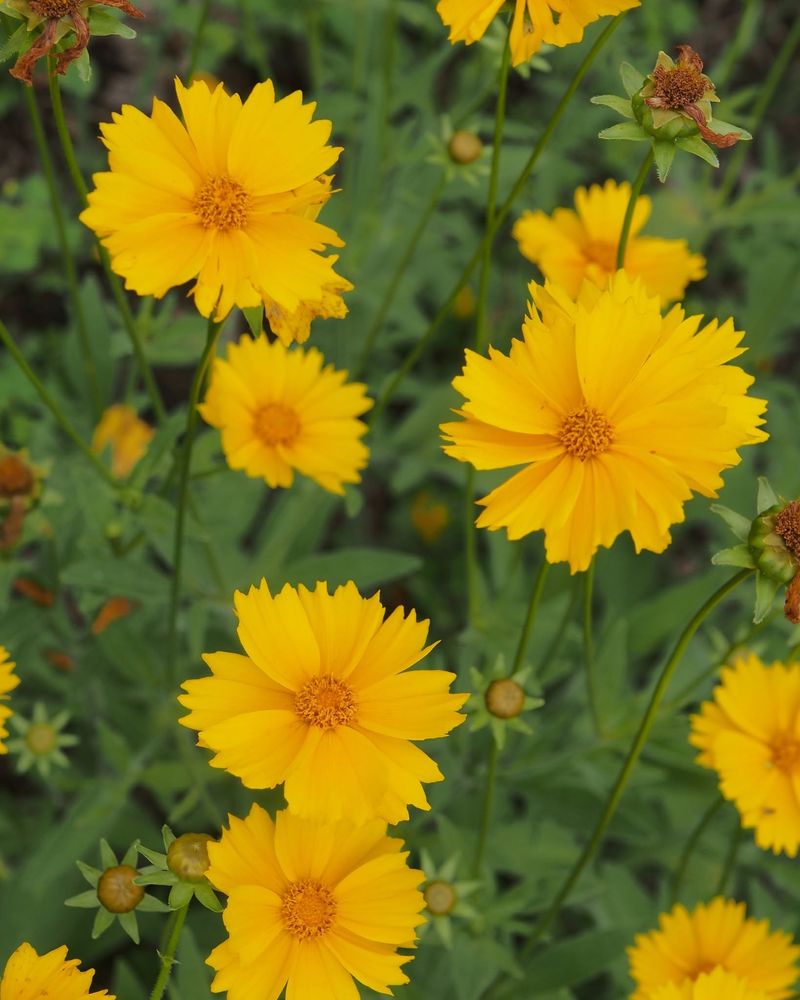
There is something instantly uplifting about a patch of bright yellow flowers on a warm summer morning.
Sand Coreopsis produces cheerful, daisy-shaped blooms with golden yellow petals surrounding a small central disk, giving garden beds a warm, sunlit look that feels fresh and welcoming.
Unlike the bold pink and purple tones of Purple Coneflower, this plant brings a lighter, airier color palette to the landscape.
That difference in color makes Sand Coreopsis a great option for gardeners who want sunny borders, cottage-style plantings, or native plant beds that feel bright without being overpowering.
It pairs beautifully with blue or purple flowering perennials like salvia or wild bergamot, where the color contrast really pops.
Your Michigan Garden Changes Every Week. Your Plan Should Too.
Gardening in Michigan changes quickly throughout the season. Every Friday you’ll receive a simple weekly plan showing exactly what to plant, prune, fertilize, harvest, and protect so you never miss the right timing.
Naturalistic meadow-style plantings also benefit from the warm yellow tones scattered throughout the design.
Sand Coreopsis does not look identical to Coneflower, and that distinction matters when you are planning a planting design. The flowers are more delicate in form, with thinner petals and a less pronounced central cone.
The overall growth habit is also shorter and more refined, which gives it a different visual character even though both plants belong to the same broad family of prairie-style perennials.
Planting it in groups of three or more creates a stronger visual impact than a single specimen.
When a cluster of plants blooms together, the effect is a generous sweep of yellow that draws the eye naturally across the garden. That kind of bold, simple beauty is hard to beat.
3. Its Compact Height Fits Smaller Beds
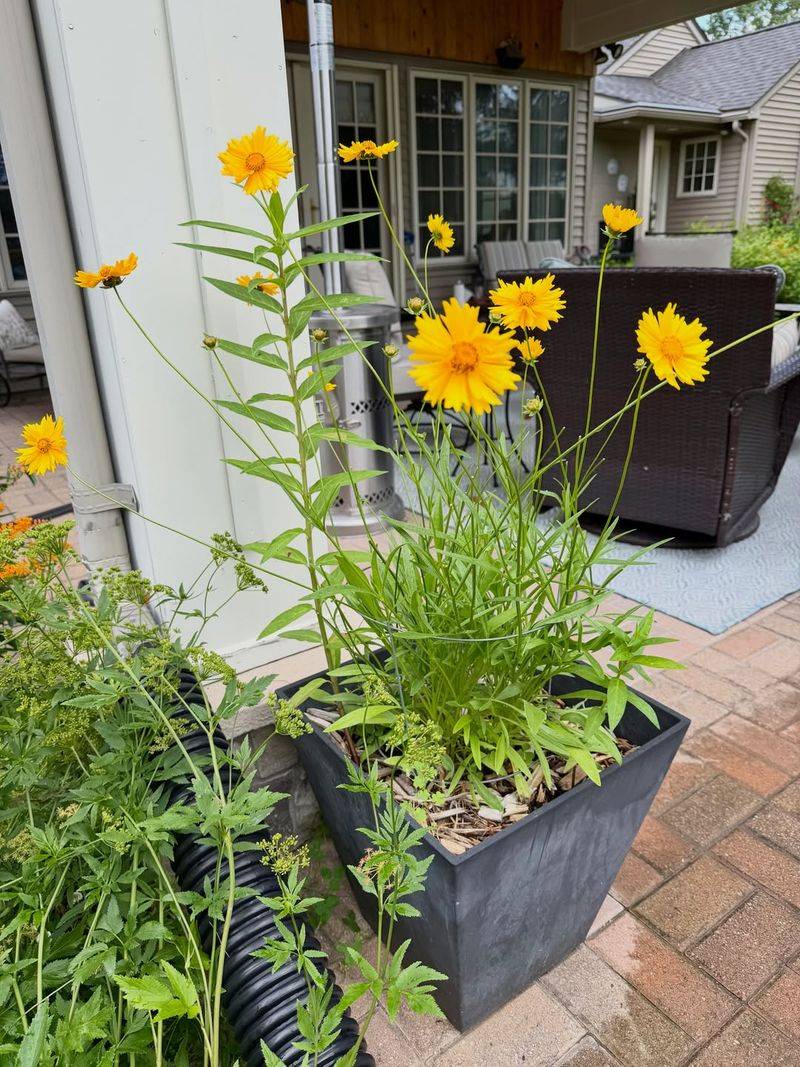
Not every Michigan garden has room for tall, sprawling perennials. Sand Coreopsis solves that problem beautifully by keeping its flowering stems at a tidy one to two feet in height, making it one of the more manageable choices for smaller or more structured beds.
That compact size gives gardeners a lot of flexibility when planning where it fits into a planting design.
Placing Sand Coreopsis near the front or middle section of a perennial border works especially well. Taller plants like Purple Coneflower or ornamental grasses can sit behind it without blocking its sunny yellow blooms from view.
This layered approach creates depth and visual interest without any one plant overshadowing another.
Along garden paths, Sand Coreopsis makes a particularly appealing edging plant. Its low, mounding form stays neat enough to line a walkway without flopping over or spreading aggressively into the path.
Visitors walking by will notice the bright flowers at just the right eye level, especially when paths wind through a larger planting area.
Repeating groups of Sand Coreopsis at intervals throughout a bed is another effective design strategy. Planting clusters of three to five every few feet creates a connected sweep of yellow that ties the whole design together visually.
This repetition technique works especially well in naturalistic or cottage-style gardens where a relaxed but intentional rhythm keeps the space feeling cohesive. The plant earns its place in any size garden.
4. Sand Coreopsis Is Native Across Michigan
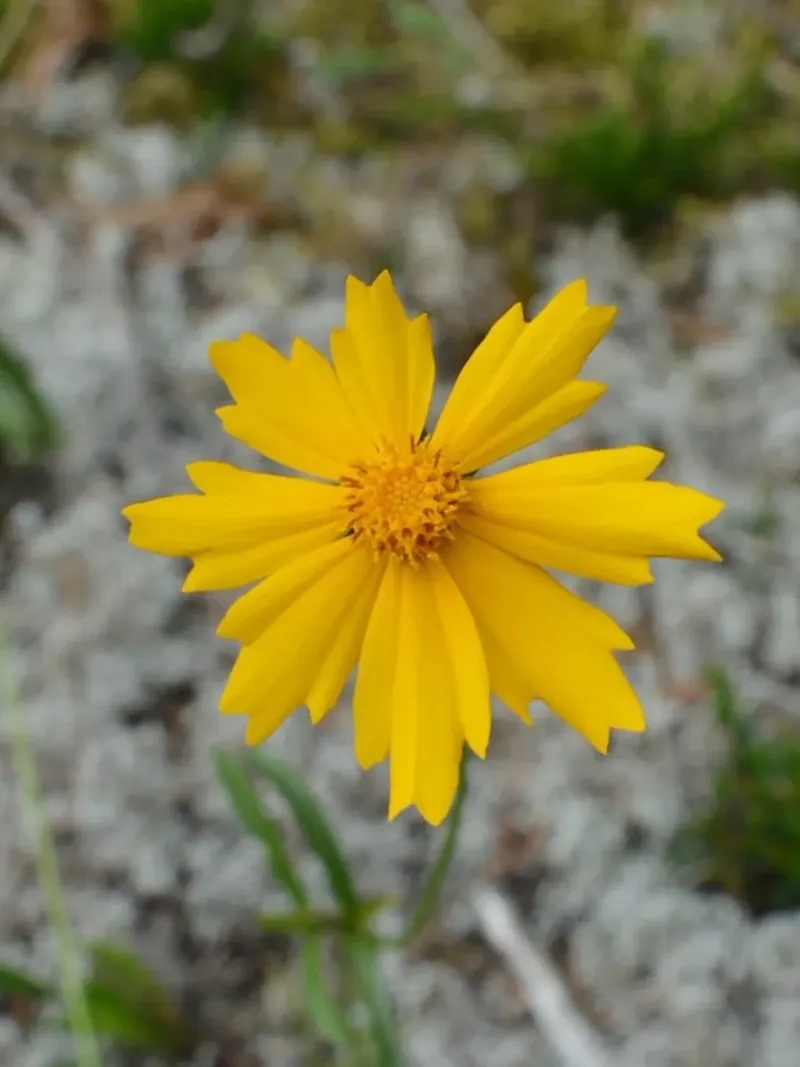
Sand Coreopsis has deep roots in Michigan, quite literally.
Michigan State University recognizes it as native to all three major regions of the state, including the Southern Lower Peninsula, the Northern Lower Peninsula, and even the Upper Peninsula.
That broad native range is a strong sign that this plant is genuinely adapted to these conditions rather than just tolerating them.
Out in the wild, you can find Sand Coreopsis growing in open grasslands, along sandy banks, on roadsides, and across bluffs overlooking the water.
It also appears in open woodlands and along the dune systems near Lakes Michigan and Huron, where sandy, nutrient-poor soils challenge most other plants.
Its ability to thrive in those tough natural settings speaks directly to its resilience and adaptability.
Choosing a native plant for your garden bed comes with real practical benefits beyond just beauty. Native species have co-evolved with local soils, rainfall patterns, and seasonal temperature swings over thousands of years.
That long history of adaptation means less intervention from you once the plant is established and growing well in the right conditions.
For gardeners who care about supporting Michigan ecosystems, native plants like Sand Coreopsis also provide habitat and food sources for local insects and wildlife that depend on familiar regional plants.
Planting natives is one of the most impactful choices a home gardener can make for local biodiversity.
Sand Coreopsis checks every box, offering ornamental beauty and genuine ecological value at the same time.
5. Sunny Well-Drained Soil Keeps Care Simple
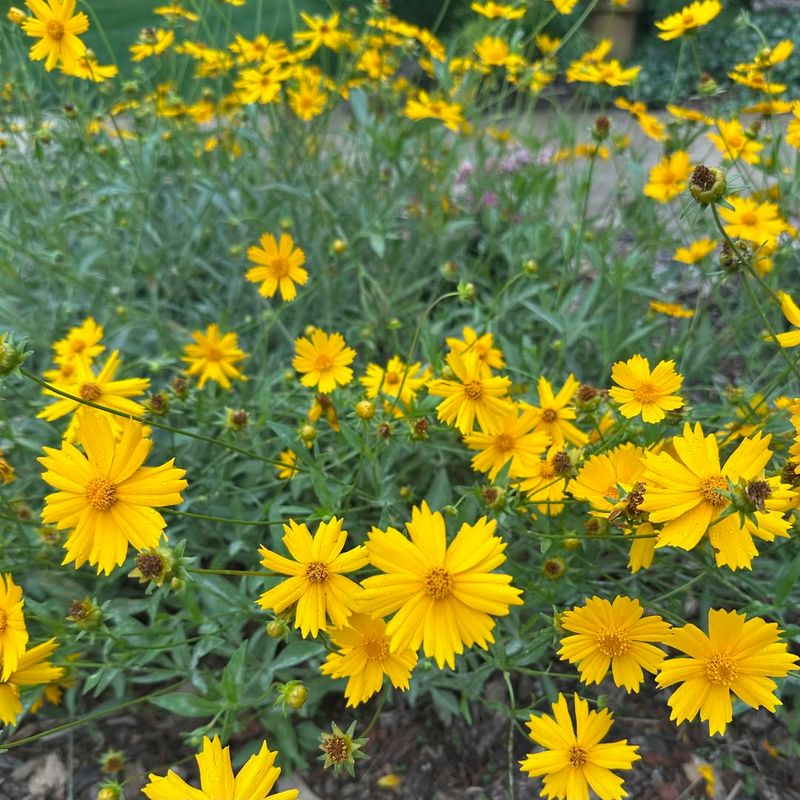
One of the best things about Sand Coreopsis is how straightforward its growing requirements really are.
Full sun to partial sun is the sweet spot for this plant, and it performs best when it receives at least six hours of direct sunlight each day.
Pair that with freely draining soil, and you have a recipe for a low-maintenance perennial that practically takes care of itself.
Soil moisture matters more than most gardeners initially expect with this plant. Sand Coreopsis tolerates dry to moderately moist conditions quite well, but it struggles in spots where water collects and stays after a rainstorm.
Low-lying areas, heavy clay soils, and spots near downspouts are generally poor choices for this plant. A raised bed, a gentle slope, or a sandy border will serve it much better.
Sandy garden borders and gravel gardens are actually ideal environments for Sand Coreopsis, mimicking the natural dune and grassland habitats where it grows wild in Michigan.
Open perennial beds with good air circulation around the plants also reduce the risk of fungal issues during humid Michigan summers.
Sunny slopes are another excellent option where drainage happens naturally. Matching this plant to the right spot is really the key to keeping maintenance low.
When Sand Coreopsis grows in the conditions it prefers, it rarely needs extra watering once established, does not require rich fertilized soil, and generally stays healthy season after season.
Getting placement right from the start saves a lot of effort over the long run.
6. Established Plants Fill Out Into Attractive Clumps
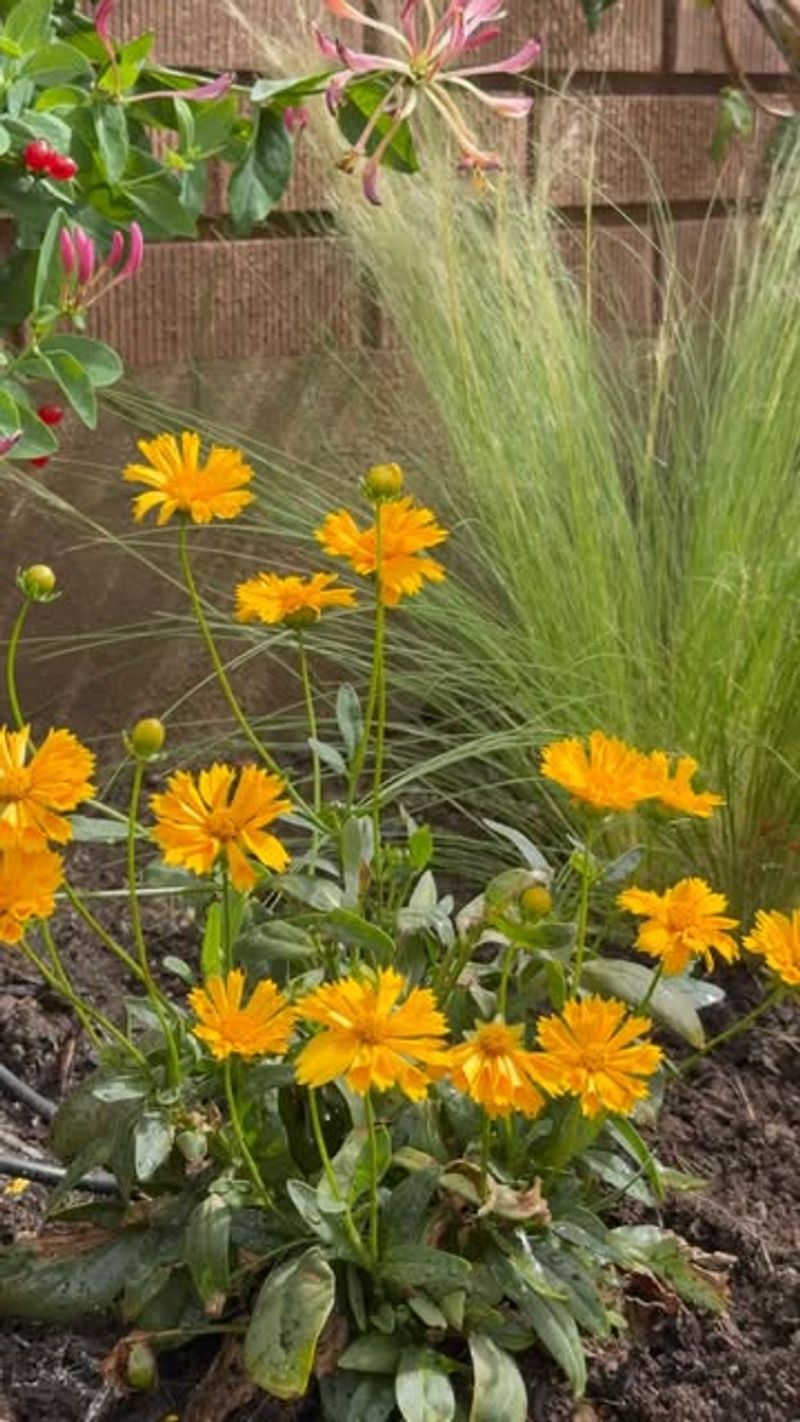
Patience pays off with Sand Coreopsis. Michigan State University trials showed that plants really hit their stride during their second summer of growth, filling in nicely into attractive, rounded clumps that create a fuller and more satisfying garden display.
That second-year payoff is one of the most rewarding moments for gardeners who stuck with the plant through its first season.
During the first year, young plants focus much of their energy on building a strong root system rather than producing a large number of flowers.
That investment underground is what powers the impressive growth and blooming that follows in year two and beyond.
Knowing this ahead of time helps gardeners stay patient and avoid the temptation to pull a plant that looks modest in its first season.
Weeding around young plants while they establish is one of the most helpful things you can do during that first growing season. Competing weeds steal moisture, nutrients, and light from small plants that are still finding their footing.
Keeping the area around each young Sand Coreopsis clear gives it the best possible chance to develop into a strong, floriferous clump by the following summer.
Spacing plants correctly from the start also matters for the long-term display. Allowing enough room for mature clumps to spread without crowding each other produces a cleaner, more attractive result than planting too densely.
Several well-spaced clumps growing together can create a generous sweep of yellow that rivals the visual impact of much taller perennials in the same bed.
7. The Flowers Attract Helpful Garden Insects
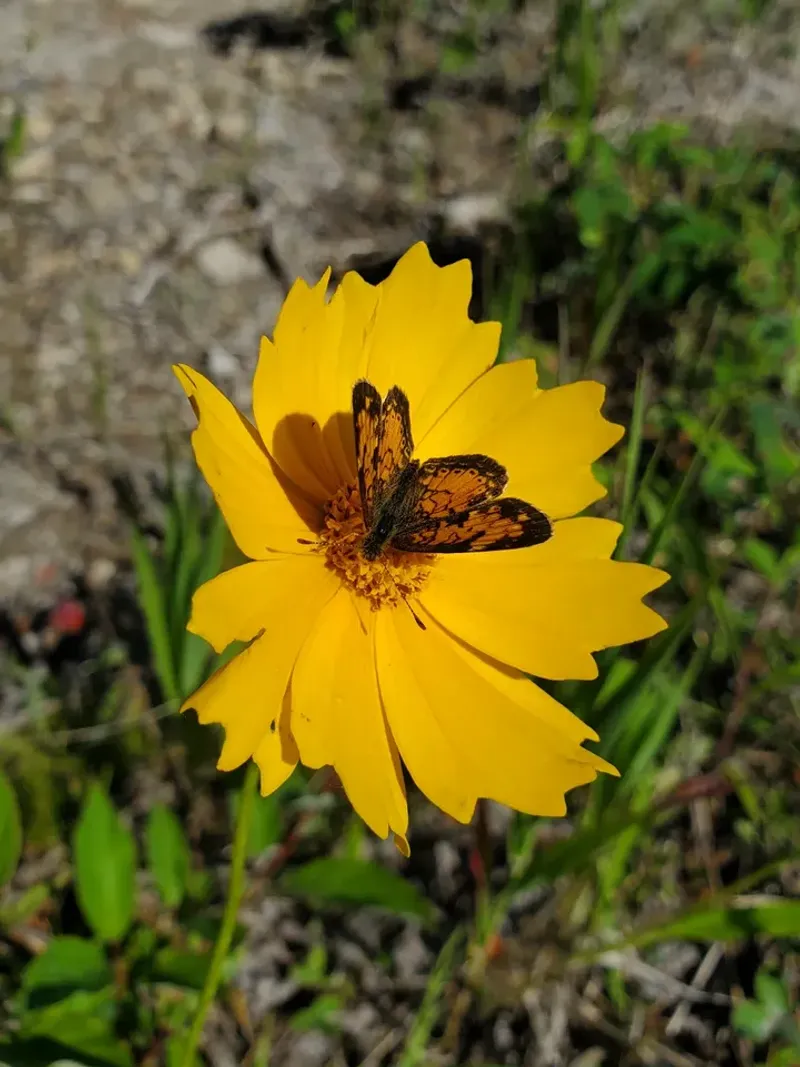
Sand Coreopsis does more than just look good in your garden.
Its open, daisy-shaped flowers are particularly attractive to sweat bees, a group of small native bees that are highly effective pollinators for both garden plants and nearby crops.
Having these bees visiting your beds regularly is a genuine bonus that goes well beyond aesthetics.
Michigan State University research found that Sand Coreopsis draws in minute pirate bugs along with other beneficial insects that act as natural enemies of common garden pests.
Minute pirate bugs are small but surprisingly effective predators that feed on aphids, thrips, and spider mite eggs.
Encouraging their presence by planting flowering species they are attracted to is one of the smartest low-input pest management strategies available to home gardeners. The key to maximizing these benefits is diversity.
Planting Sand Coreopsis alongside several other flowering species that bloom at different times through the season creates a more consistent food source for beneficial insects throughout summer and into fall.
A garden with varied bloom times supports a richer, more balanced community of helpful insects than a garden relying on a single species.
Sand Coreopsis alone will not solve every pest challenge or support every type of pollinator in your yard, and that is perfectly fine. Its role is as one valuable contributor among many in a thoughtfully planted garden ecosystem.
Even so, the combination of ornamental appeal and genuine ecological function makes it one of the most well-rounded native perennials you can add to a garden bed.
8. Starting With Plugs Produces Faster Results
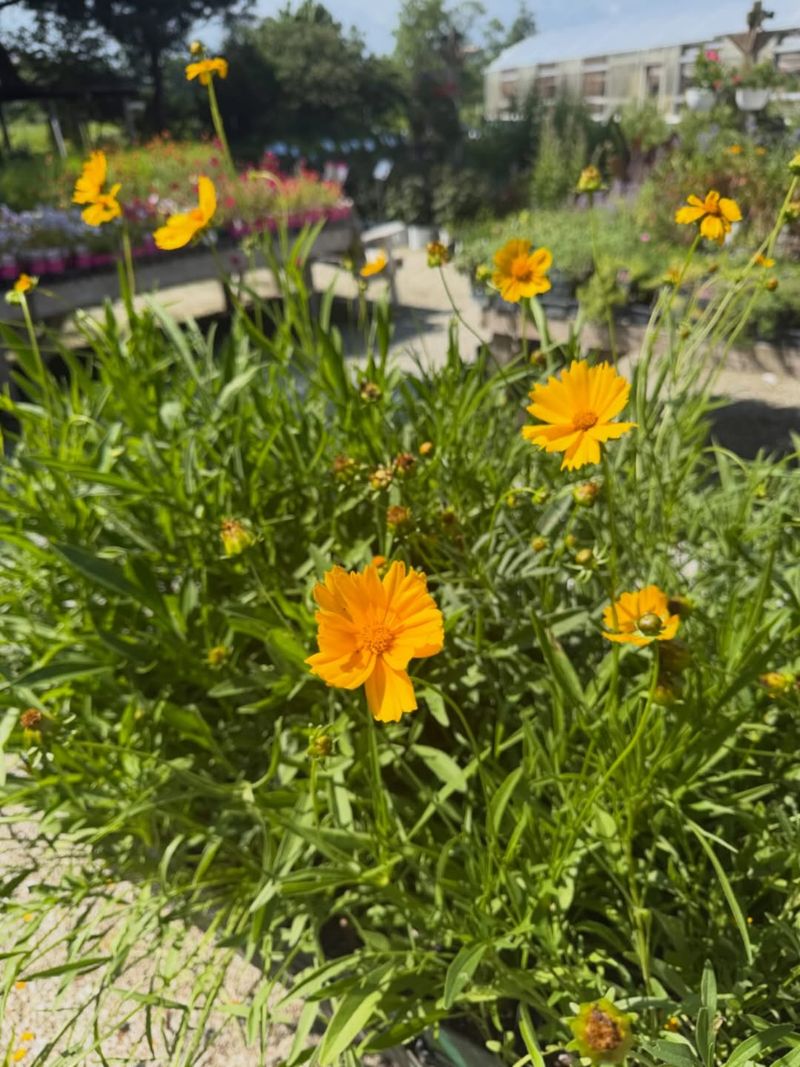
Getting Sand Coreopsis into your garden is easier than you might think, and the method you choose will shape how quickly you see results. Plants can be started from seed, grown from plugs, or purchased as container-grown specimens from a nursery.
Each approach has its own timeline and best use case depending on what you are trying to achieve.
Michigan State University guidance points out that plants grown from seed typically focus on root and foliage development during their first growing season and usually begin flowering in their second year.
That slower pace is perfectly fine for large naturalistic plantings or prairie-style areas where gradual establishment over a broader space is the goal.
Seed is also the most economical option when you need to cover a lot of ground.
Plugs are the smarter choice when you want flowers sooner. Small plug plants that are already established in their root systems have a head start over seeds, and many will produce blooms during their very first growing season in your garden.
For gardeners who want that cheerful yellow color showing up this summer rather than next, plugs are well worth the slightly higher investment.
No matter which starting method you choose, first-season care makes a meaningful difference. Water new plants regularly during dry spells until their roots are firmly established in the soil.
Keep the area around young plants free of competing weeds, and make sure placement in a sunny, well-drained spot is correct from day one. Getting those basics right sets up every Sand Coreopsis plant for a long and rewarding life in your Michigan garden.