The September Task Your Michigan Elderberry Needs Before It Fruits Well Next Year
Early September in Michigan smells like damp leaves, warm dust, and the very last of the sweet corn. Mornings turn crisp, the light goes gold, and the whole backyard suddenly looks a little worn out.
Your harvest baskets sit empty in the shed, and your fingers finally lost that stubborn purple stain. The season feels finished, though something under the soil strongly disagrees with that comfortable idea.
Down in the dark, a quiet decision is already being made about next summer’s berry crop. Roots are either stocking the winter pantry or quietly running toward empty, dusty shelves.
One short September chore, plus about ten minutes of patience, quietly tips that decision in your favor. Skip it, and your shrub will hold a grudge far longer than your grumpiest neighbor does.
The Post-Harvest Root Soak That Sets Next Season’s Canes
Think of your elderberry patch as a bank account, with the roots handling every deposit. Each September, that account either grows richer or slips quietly into the red.
The September task is simple, a slow deep soak of the root zone after harvest. Water goes down about twelve inches, not just across the top mulch.
Elderberry flowers form on brand new shoots each spring, not on old wood. Those shoots are built from sugars stored in roots during autumn.
Dry roots in September cannot store much of anything, so spring canes come up short and thin. Thin canes mean smaller flower heads and fewer berries in July.
Michigan growers often relax once the last cluster is picked in late August. Meanwhile the shrub keeps working, moving food downward for six or seven more weeks.
Give each mature plant roughly fifteen gallons, poured slowly so nothing runs off the bed. A soaker hose looped around the crown does the job without any fuss.
Repeat the soak every week or ten days whenever rain stays under an inch. Cool cloudy days fool people, yet sandy Michigan soil still dries out fast.
Check your work with a screwdriver pushed into the soil beside the plant. If it slides in easily, moisture reached the depth that matters most.
Nothing about it is fancy, just water, patience, and a calendar reminder. Next summer’s heavy purple clusters begin with this quiet September habit.
Your future self, elbow deep in berry juice, will thank you. Trust the hose.
Michigan’s Late Summer Dry Streak And Shallow Elderberry Roots
Michigan hands out plenty of rain in May, then tightens the tap in late summer. August and September often run dry across the Lower Peninsula.
Elderberry roots stay shallow, mostly in the top foot and a half of soil. That upper layer heats up and dries out faster than anything below.
Wild elderberry grows along ditches and creek banks for a reason. Those plants have wet feet nearly all season, something a backyard bed rarely offers.
Sandy soils around Grand Rapids or Traverse City drain almost as fast as you pour. Heavier clay near Lansing holds water, yet cracks open when it bakes.
Your Michigan Garden Changes Every Week. Your Plan Should Too.
Gardening in Michigan changes quickly throughout the season. Every Friday you’ll receive a simple weekly plan showing exactly what to plant, prune, fertilize, harvest, and protect so you never miss the right timing.
Ripening a hundred berry clusters is hard work for a shrub. By September the plant is drained, stressed, and low on stored energy.
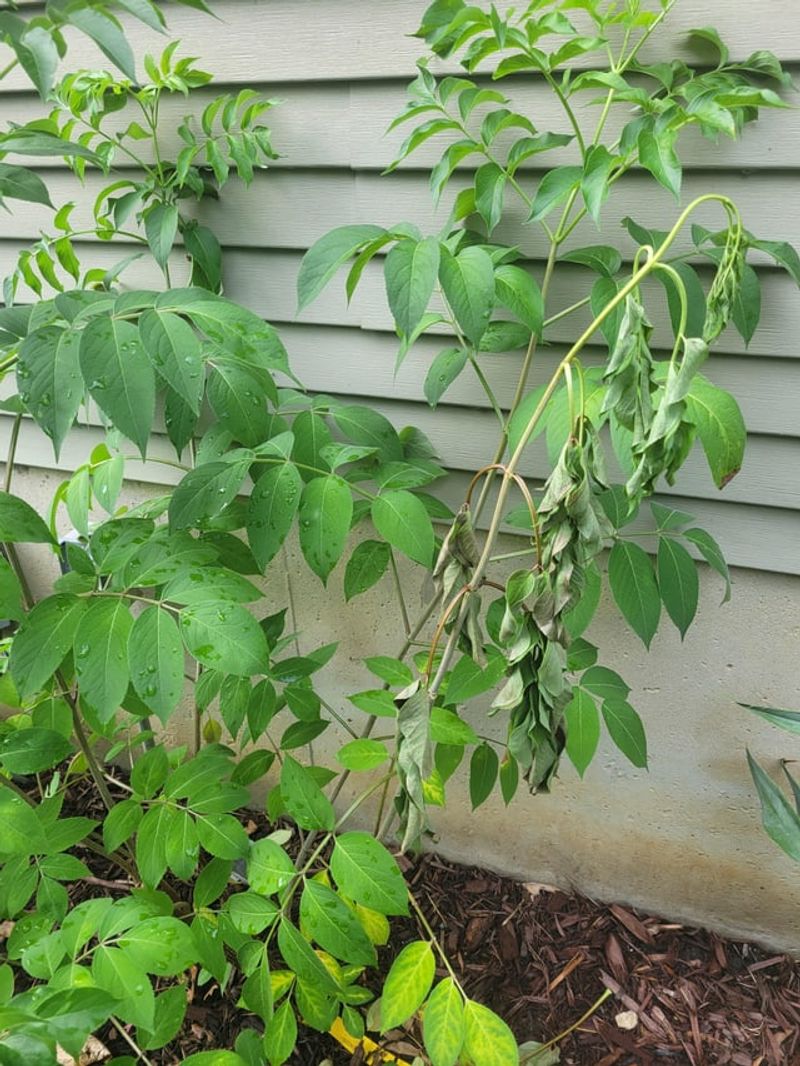
A tired plant in dry soil simply shuts down early and drops leaves. Leaves that fall in September stop feeding roots weeks ahead of schedule.
Scattered thunderstorms make matters confusing, since one town gets an inch and the next gets nothing. Checking a rain gauge beats trusting the sky or your memory.
Lake effect moisture helps western counties in winter, not during a warm September. Fall drought is common, and elderberry feels it before most other shrubs.
Knowing your soil type tells you how often to haul the hose out. Sand may need water weekly, while loam can stretch closer to ten days.
Once you match watering to your ground, September stops being a gamble. The shrub relaxes, and so do you.
Right Timing Between Labor Day And The First Hard Frost
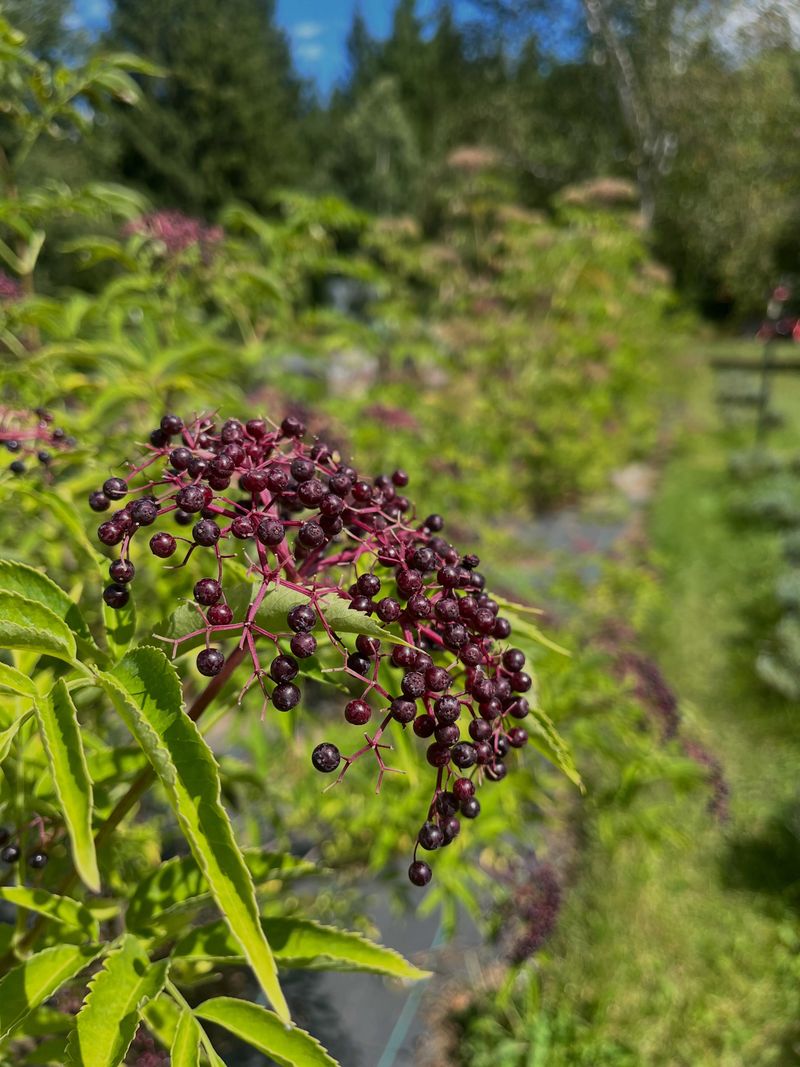
Timing matters as much as the water itself. The window opens the week harvest ends and closes when leaves finally let go.
Most Michigan elderberry finishes ripening between mid August and the first week of September. Start soaking within a few days of picking that final cluster.
Roots keep pulling sugars down from the leaves until frost arrives. In southern counties that can mean mid October, while northern gardens cool off sooner.
The Upper Peninsula often sees frost by mid September, so the soaking window is short. Detroit area gardeners get several extra weeks of useful growing time.
Watering in the morning gives leaves the whole day to dry. Damp foliage overnight invites leaf spot, which nobody wants in a crowded hedgerow.
One more soak after the first light frost is worth the trouble. Roots stay active in soil above forty degrees, long after branches look bare.
Stop once the ground begins to freeze hard, usually late November downstate. Water sitting in frozen soil helps nobody and can heave shallow roots.
Mark the watering dates on a kitchen calendar or a phone reminder. September gets busy with school, canning, and football, and shrubs get forgotten.
Late starts still help, so a first soak on September twentieth beats skipping it. Roots accept every gallon they can get before the soil chills.
Six weeks of steady, even moisture is the goal, rather than one heroic flood. Slow and boring wins here, which suits September just fine.
The Quick Sprinkle Mistake That Leaves Roots Thirsty
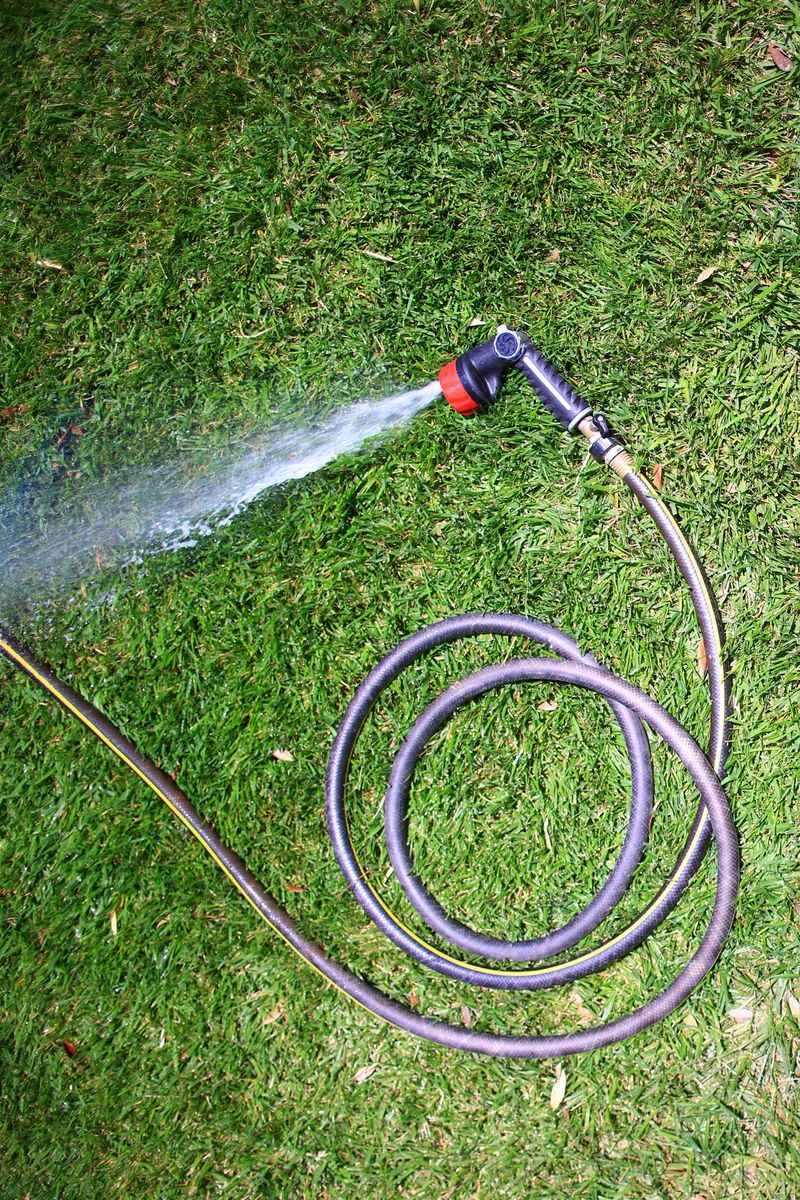
Here is where good intentions go sideways. A five minute pass with the hose wand feels helpful and accomplishes almost nothing.
Light sprinkles wet the mulch, maybe two inches of soil, then evaporate by noon. Roots twelve inches down hardly notice the visit.
Frequent shallow watering also trains roots to stay near the surface. Surface roots suffer first during a hot, windy stretch of typical Michigan weather.
Overhead sprinklers add another problem by soaking leaves instead of soil. Wet leaves in warm weather encourage spots and mildew on crowded canes.
Another common slip is dumping water fast onto hard, dry ground. The soil seals, water runs toward the lawn, and roots stay parched.
Grass growing right against the crown quietly drinks your water first. Pulling that turf back two feet makes every gallon count more.
Some gardeners reach for nitrogen fertilizer in September, hoping to help. Soft new growth appears, then frost bites it, and the plant wastes energy.
Skipping water because the air feels cool is the sneakiest mistake of all. September sun still pulls moisture from soil at a surprising rate.
Fix the pattern by watering less often and far longer each time. One deep hour beats seven quick minutes, every single week.
Dig a small hole afterward and look at the moisture line. Seeing damp soil a foot down is oddly satisfying proof.
Old habits break slowly, though your berry count will argue for change. Give the hose time to be boring.
Soaker Hoses, Mulch, And Soil That Holds Moisture
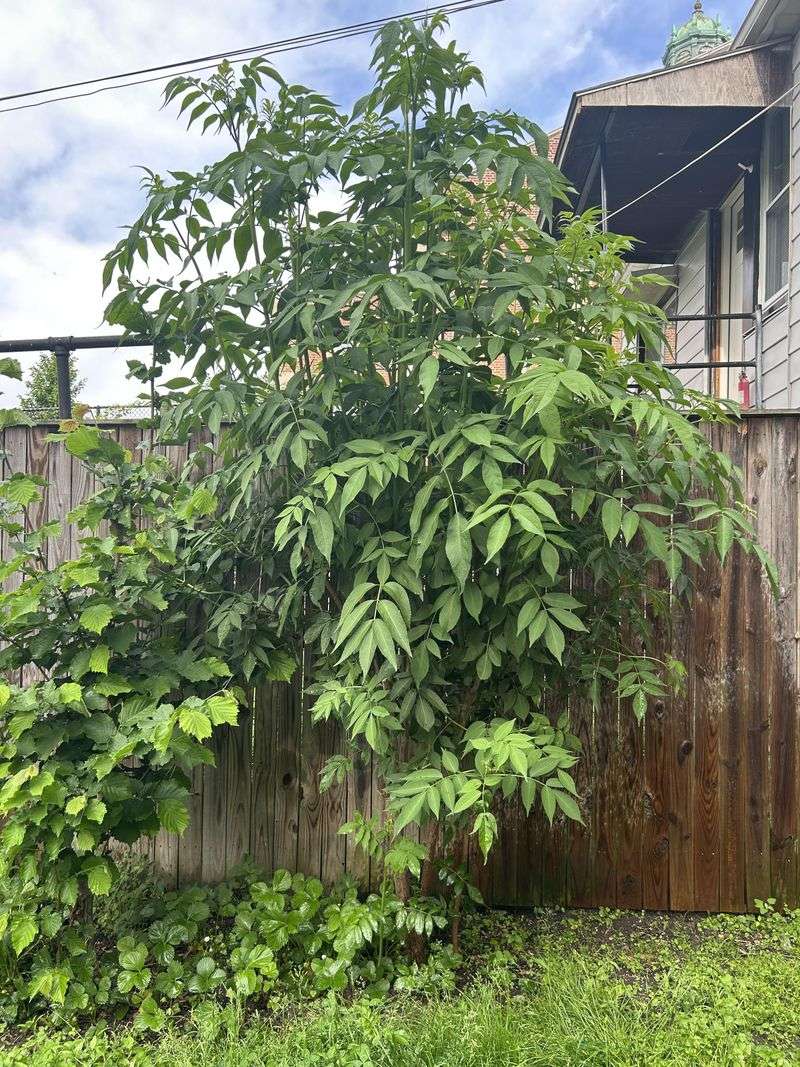
Making the soak easy is the secret to actually doing it. Gear matters less than setting things up so the job takes minutes.
A soaker hose coiled in a wide ring around the plant works beautifully. Turn it on low, set a timer, and walk away.
No soaker hose in the garage? Drill small holes in the bottom of two five gallon buckets and let them trickle.
Build a shallow berm of soil about three feet across the root zone. Water stays inside that ring instead of wandering into the lawn.
Mulch is the quiet hero here, holding moisture that would otherwise vanish. Three or four inches of wood chips cuts evaporation dramatically.
Keep mulch a few inches off the stems to discourage voles and rot. Michigan tree crews often drop free chips if you ask politely.
Sandy ground improves fast with an inch of compost spread under the mulch. Compost acts like a sponge, stretching each watering by days.
A cheap moisture meter or a long screwdriver settles arguments about dryness. Push it down eight inches and trust what you feel.
Rain gauges cost about five dollars and put an end to guessing. Anything under one inch weekly means the hose still has work.
Group young plants on one hose line so a single faucet handles everything. Simple systems get used, and fancy ones gather dust in the garage.
Setup takes one Saturday afternoon and pays off for years. The shrubs are not picky, only thirsty.
Heavier Clusters And Sturdier Canes The Following Summer
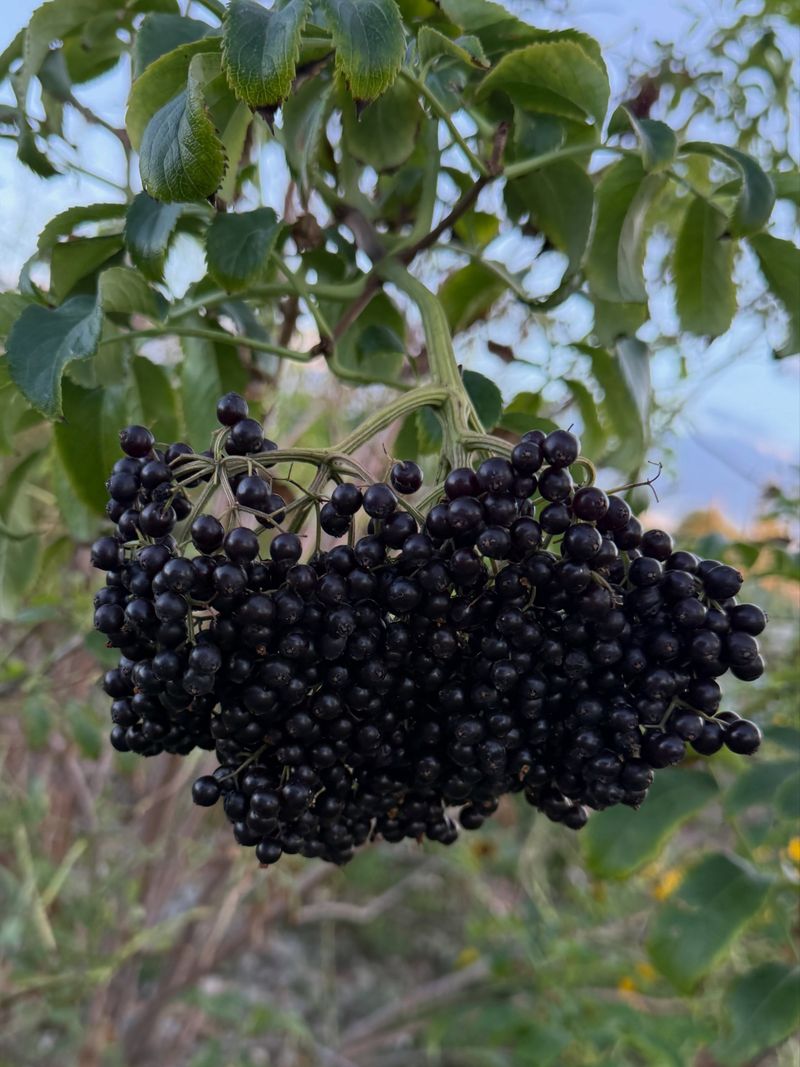
The payoff shows up in June, long after you forgot the hose. New canes come up thicker, taller, and far more numerous.
Well watered plants often push canes six to eight feet in one season. Those big canes carry the widest flower heads, sometimes eight inches across.
More flowers means more berries, and berries on strong canes fill out fully. Juicy fruit weighs more, which matters if you make jelly or syrup.
Growers who soak in fall often see noticeably fuller harvests within a season or two. Stressed plants, meanwhile, give small clusters with loose, seedy berries.
Winter hardiness improves too, since plump roots handle cold better than shriveled ones. Michigan winters test shallow roots, especially in years with little snow cover.
Vigorous shrubs also shrug off borers and leaf diseases more easily. Pests tend to pick on weak plants first, in gardens and orchards alike.
Pair the fall soak with late winter pruning for the best results. Cut older canes near the ground while everything sleeps in February or March.
Keep a simple note each year listing rain, soaking dates, and harvest weight. Patterns appear quickly, and your notes become better advice than any book.
Young plants respond fastest, often tripling cane count by their third summer. Older stands wake up too, just at a calmer pace.
Elderberry rewards steady care rather than heroics, which is good news for busy people. Ten minutes in September buys you buckets in August.
Purple stained fingers are the only real report card. Yours should look guilty by next summer.