Is It Legal To Catch And Relocate Nuisance Wildlife In Your California Yard?
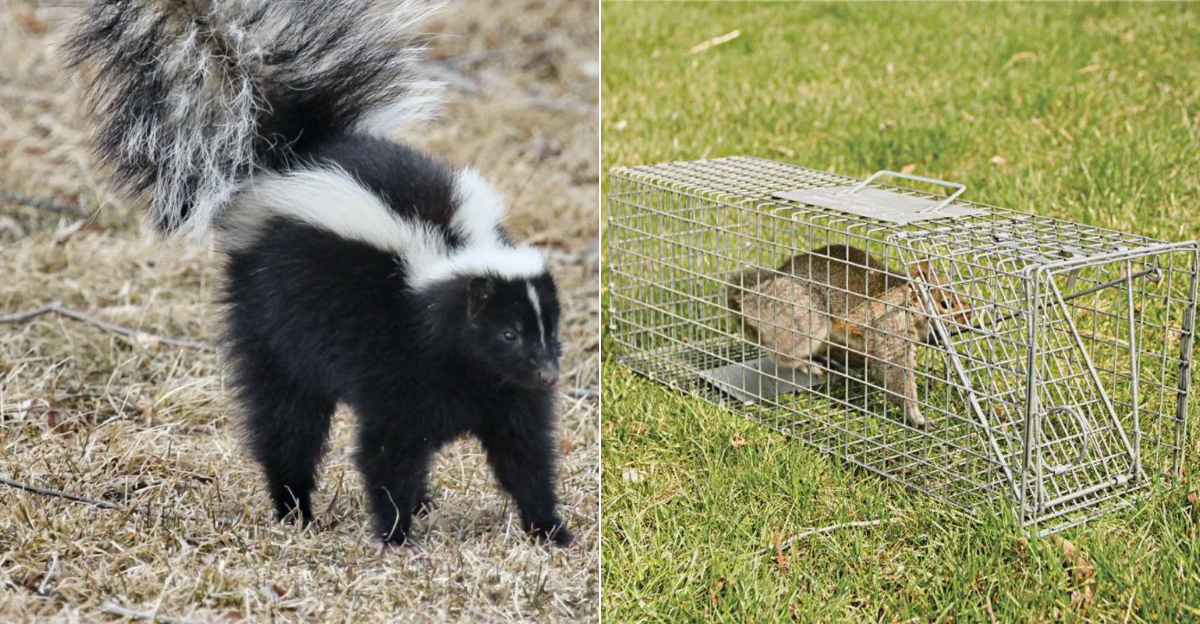
A raccoon tips over the trash cans again. A skunk settles beneath the deck. Suddenly, a live trap starts to look like the fastest path back to peace.
California wildlife rules can make that plan much more complicated than expected. An animal may cause damage on private property, but that does not always give a homeowner permission to capture it and drive it somewhere else.
The species matters. So does the method used. Local restrictions may also shape what happens next. Wildlife law loves details almost as much as raccoons love unsecured garbage.
A well-meant relocation can harm the animal or create problems in another neighborhood. It may even leave the homeowner with a legal headache on top of the original mess.
That makes it worth checking the rules before the trap comes out. The safest solution may look very different once California law enters the yard.
1. Relocation Is Usually Not Legal
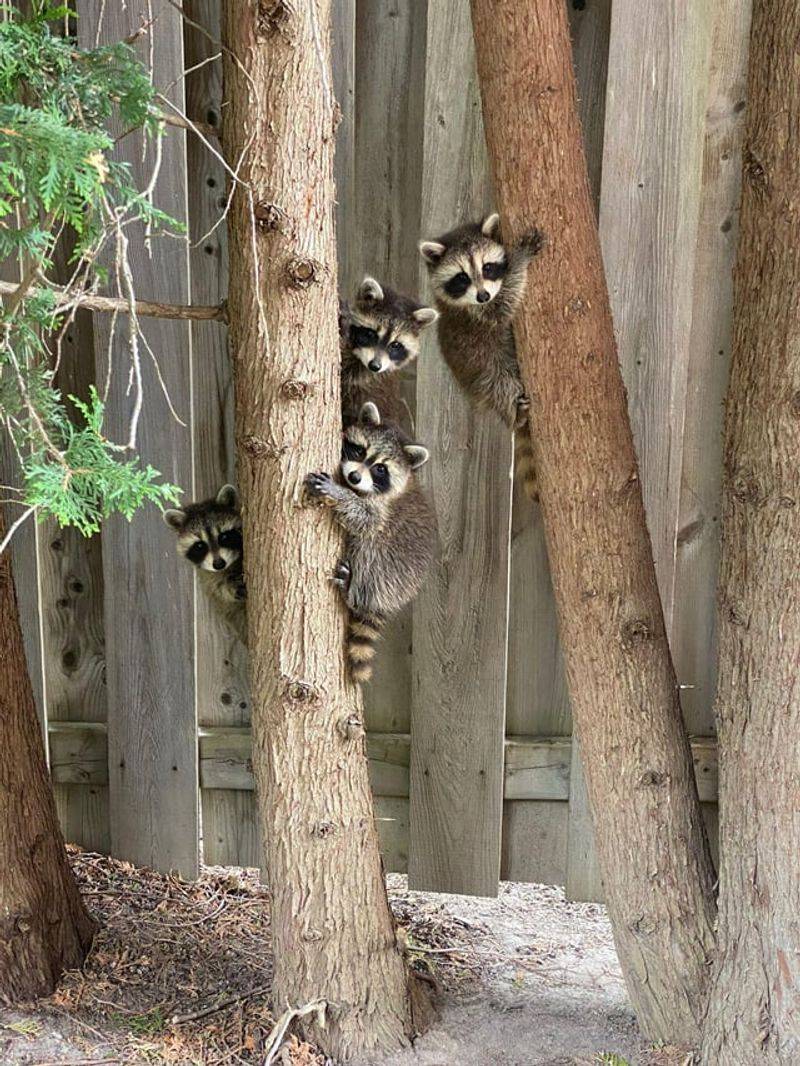
Most people assume that catching a nuisance animal and releasing it somewhere else is a harmless solution. In reality, our state law makes this practice illegal in most situations.
The California Department of Fish and Wildlife strictly regulates what you can and cannot do with trapped wild animals.
When you trap a wild animal and move it to another location, you are considered to be transporting wildlife. Without the proper permits, this act is a violation of state fish and game codes.
Even if your intentions are good, the law does not make exceptions for well-meaning homeowners.
Many people are surprised to learn that relocating an animal can actually cause more harm than leaving it alone. Animals have established territories, and moving them into a new area can cause stress and confusion.
They may struggle to find food, water, or shelter in an unfamiliar place.
The rules exist for good reasons. Relocation can spread disease, disrupt local ecosystems, and create new problems for other communities.
Knowing the law before you act is the smartest first step any homeowner can take when dealing with unwanted wildlife on their property.
2. Trapping Does Not Mean You Can Move It
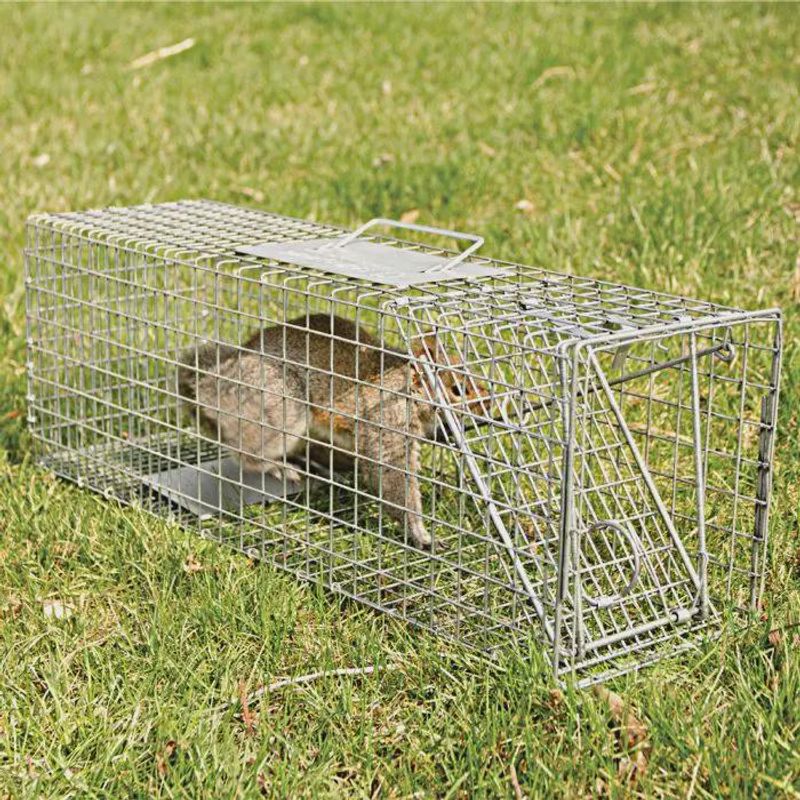
Setting a trap in your yard might feel like a reasonable solution when wildlife keeps causing damage.
However, legally setting a trap and legally moving the animal afterward are two very different things. One does not automatically allow the other.
In our state, some homeowners are allowed to trap certain nuisance animals under specific conditions. But trapping permission does not come with built-in relocation rights.
Once you catch an animal, you are still bound by strict rules about what happens next.
For most species, you cannot simply load the trap into your car and release the animal at a park or open field. Doing so without a permit puts you at risk of breaking wildlife transport laws.
Authorities can issue citations that come with real financial penalties.
Some people believe that releasing an animal far from their home solves the problem for good.
Studies show that relocated animals often travel long distances trying to return to their original territory. Others do not survive the stress of being moved at all.
Your California Garden Changes Every Week. Your Plan Should Too.
Gardening in California changes quickly throughout the season. Every Friday you’ll receive a simple weekly plan showing exactly what to plant, prune, fertilize, harvest, and protect so you never miss the right timing.
Before you ever set a trap, contact your local animal control agency or the California Department of Fish and Wildlife.
Ask what is legally allowed for the specific animal causing you trouble. Getting clear answers upfront can save you from a costly mistake later.
3. California Treats Wildlife By Species
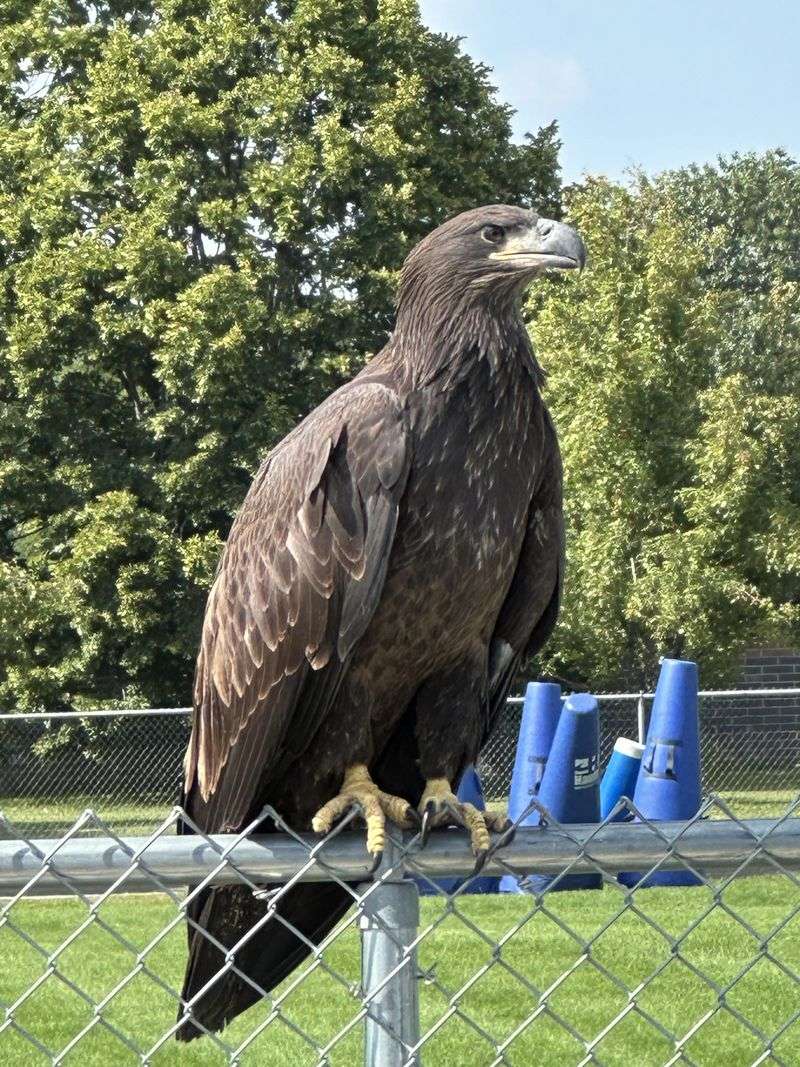
Not every wild animal in our state is treated the same way under the law. The rules for handling a gopher are very different from the rules for handling a coyote or a bobcat.
Species-specific regulations exist for a reason, and they are strictly enforced.
The California Department of Fish and Wildlife classifies animals into different categories. Some are considered non-game animals, some are classified as furbearers, and others fall under protected or fully protected status.
Each classification comes with its own set of rules for trapping, handling, and relocation.
For example, opossums are non-game animals and may be trapped under certain conditions. Raccoons, on the other hand, are classified as furbearers and face much stricter regulations.
Fully protected species like golden eagles cannot be trapped or handled by private citizens at all.
Knowing exactly what animal is causing problems on your property is the first step toward understanding your legal options. Misidentifying an animal and treating it under the wrong set of rules can lead to serious legal consequences.
Wildlife laws in our state are detailed and sometimes confusing. The best approach is always to consult with your local animal control office or a licensed wildlife professional before taking any action.
They can confirm the species and explain exactly what is and is not permitted.
4. Some Animals Require A Depredation Permit
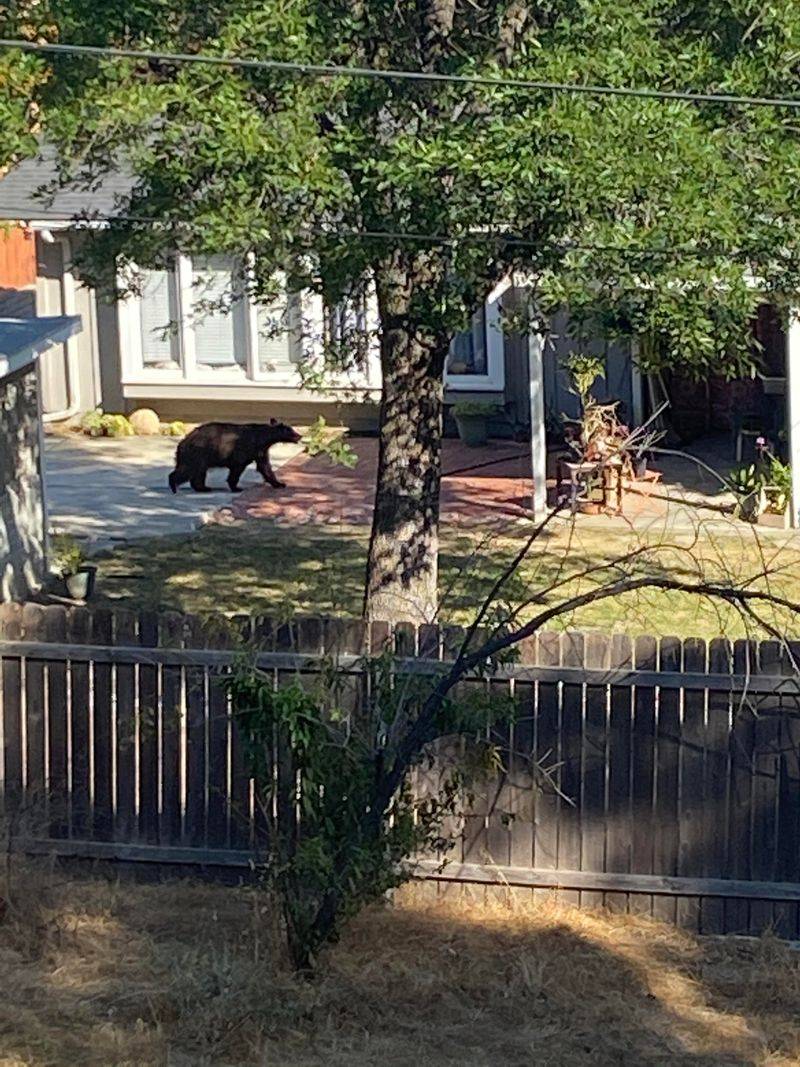
When certain wildlife species cause significant damage to your property, crops, or livestock, you may be eligible for something called a depredation permit.
This permit is issued by the California Department of Fish and Wildlife and grants specific legal rights to address the problem animal.
A depredation permit is not a general license to do whatever you want. It outlines exactly what actions are permitted, which species are covered, and under what circumstances those actions are allowed.
The permit is tied to a specific situation and a specific location.
Animals like deer, bears, and mountain lions sometimes require a depredation permit before any trapping or removal can take place. These are species that carry added protections under state law.
Attempting to trap or relocate them without the proper paperwork can result in heavy fines or even criminal charges.
Applying for a depredation permit involves documenting the damage the animal has caused. You may need to provide photos, written descriptions, or other evidence.
The process takes time, so acting early is always a wise move if the damage is ongoing.
Not everyone qualifies for a depredation permit. The damage must meet certain criteria before the state will approve the request.
Working with a licensed wildlife control professional can help you navigate the application process and improve your chances of getting approved quickly.
5. Raccoons And Skunks Are Not Free To Haul Away
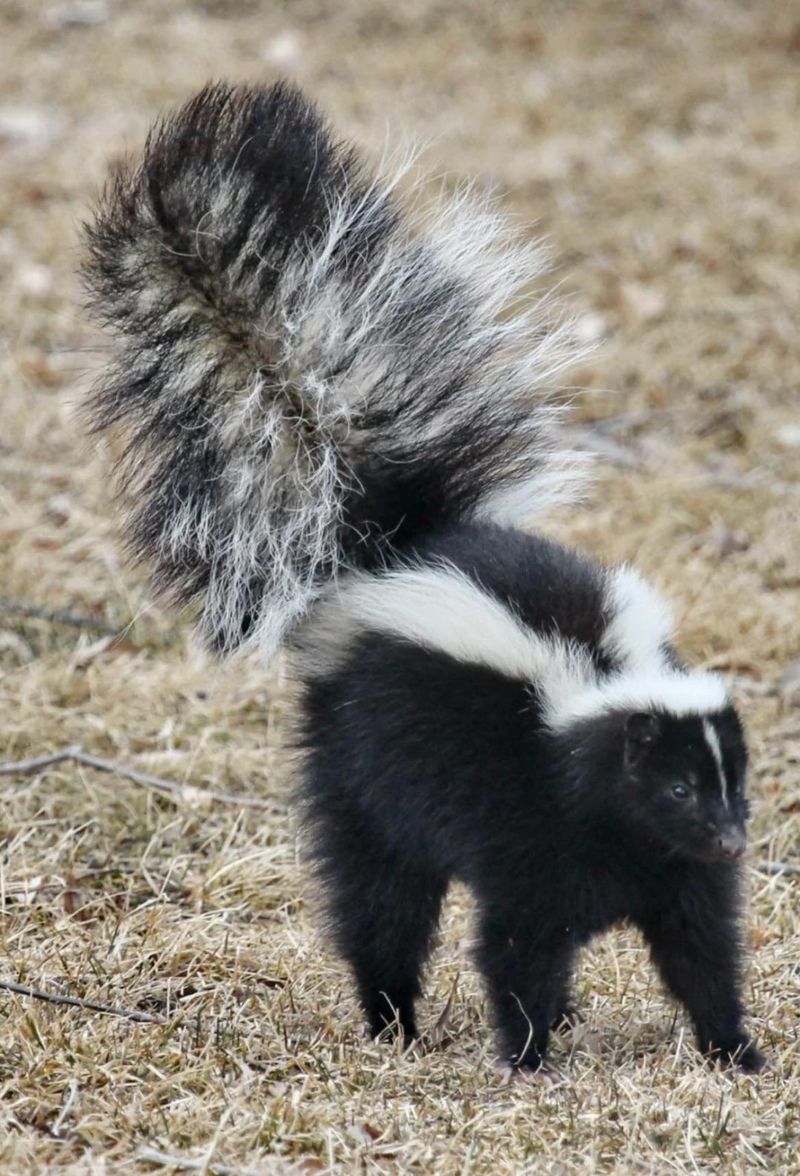
Raccoons and skunks are two of the most common nuisance animals homeowners deal with across the state.
Many people assume these animals are easy to trap and relocate without any legal issues. That assumption is incorrect and can lead to real trouble.
Raccoons are classified as furbearers under California state law. Furbearers have specific regulations that govern how they can be trapped, handled, and disposed of.
Moving a trapped raccoon to another location without a permit is a direct violation of those regulations.
Skunks face a similar set of restrictions. They are also classified as furbearers, which means the same strict rules apply.
Additionally, skunks are known carriers of rabies in many parts of the state, adding a public health layer to any decisions about their handling.
Even if an animal seems healthy, relocating it to a new area can introduce diseases to wildlife populations that had no previous exposure. This is one of the main reasons the state restricts relocation so strongly for these species.
If a raccoon or skunk is causing problems on your property, the right move is to call a licensed wildlife control operator. These professionals know the legal methods for addressing furbearer issues.
They also carry the permits and equipment needed to handle the situation safely and legally without putting you at risk.
6. Releasing Wildlife Elsewhere Can Spread Disease
One of the strongest arguments against wildlife relocation is the very real risk of spreading disease.
Wild animals can carry pathogens that are harmless in their home territory but devastating when introduced to a new population in a different area.
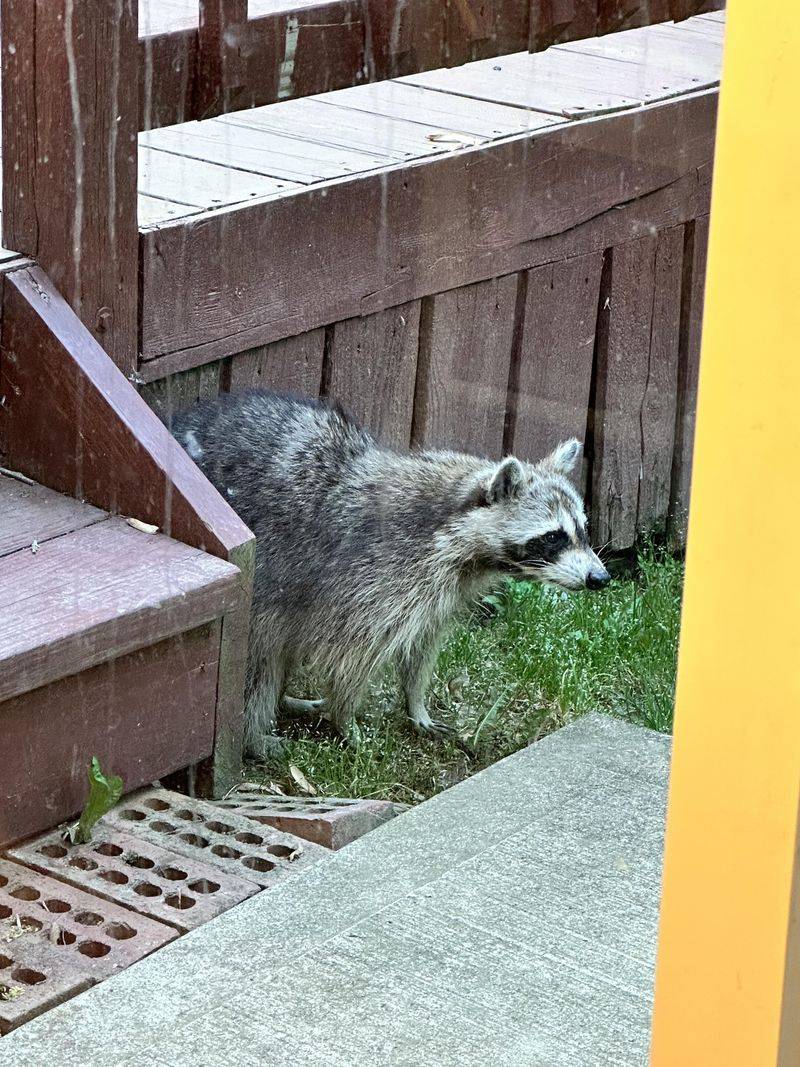
Raccoons are known carriers of raccoon roundworm, a parasite that can infect other animals and even humans. Skunks can carry rabies.
Squirrels in parts of our state have tested positive for plague, a serious bacterial disease. Moving any of these animals exposes new communities to health risks they did not previously face.
State wildlife officials are very aware of these risks. The restrictions on relocation are not just about protecting individual animals.
They are designed to protect entire ecosystems and the human communities that live near them.
When a diseased animal is moved to a new location, it can infect healthy local wildlife before anyone even realizes what has happened. By the time the problem is identified, the disease may have already spread widely.
Reversing that kind of damage is extremely difficult.
Responsible wildlife management means thinking beyond your own yard. The choices you make with a problem animal on your property can have ripple effects across a much larger area.
Following the law is not just about avoiding fines. It is about being a responsible member of the broader community.
7. The Animal May Have To Be Released On Site
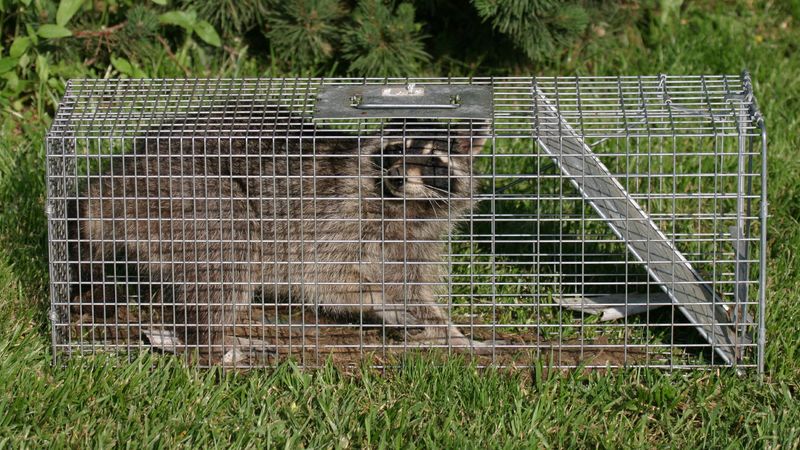
Here is something that surprises many homeowners: in some cases, even after legally trapping a nuisance animal, you are required by law to release it on the same property where it was caught.
This rule feels counterintuitive to most people, but it exists for important reasons.
For certain species, on-site release is the only legal option available to a private citizen. The idea is that the animal belongs to that territory and should be allowed to remain there.
Removing it from its home range causes unnecessary stress and disrupts the local wildlife balance.
On-site release also prevents the spread of disease and reduces the risk of the animal being dumped in an unsuitable environment.
Wildlife agencies prefer that animals stay within their established territories whenever possible.
This approach supports healthier and more stable wildlife populations over time.
For many homeowners, on-site release feels pointless. If the animal caused a problem once, it may cause a problem again.
That frustration is understandable. However, the long-term solution usually involves removing whatever attracted the animal in the first place, not just removing the animal itself.
Securing trash cans, sealing entry points, and removing food sources are all effective ways to make your property less appealing to wildlife.
A licensed professional can help you identify and fix the conditions that keep drawing animals back to your yard in the first place.
8. Animal Control Should Be Your First Call
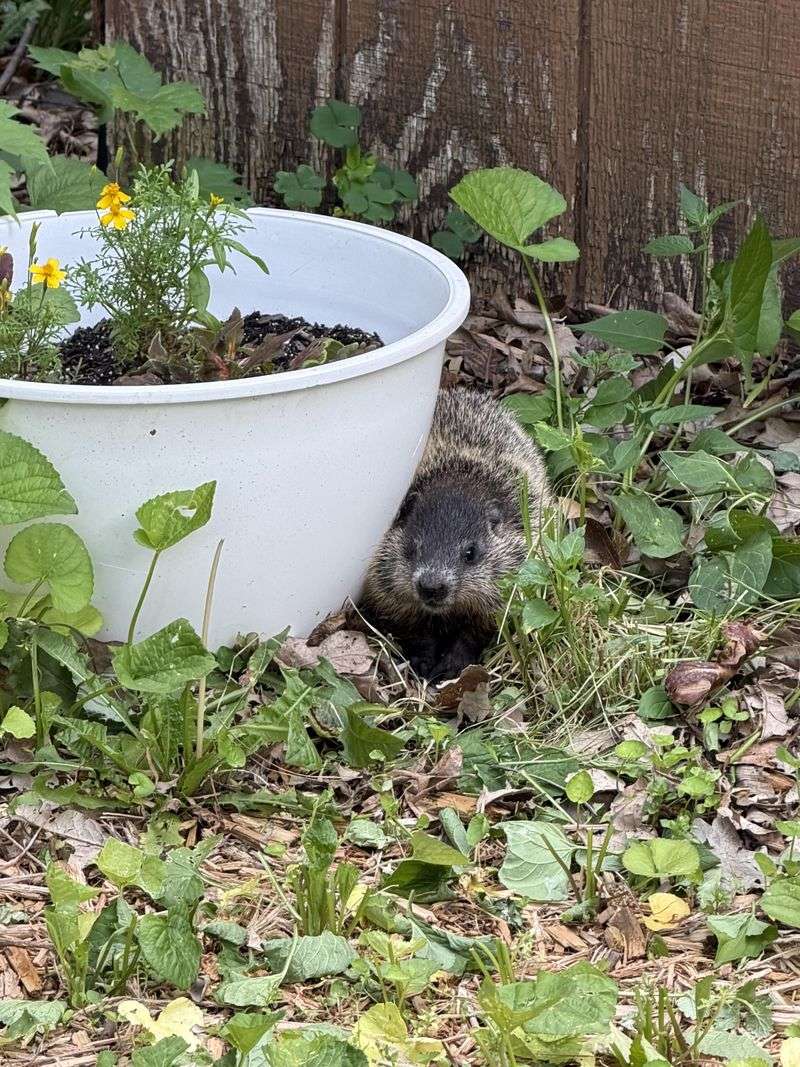
When wildlife shows up in your yard and causes a problem, picking up the phone and calling your local animal control agency is the smartest first step you can take.
Many homeowners skip this step and try to handle things on their own, which often makes the situation worse.
Animal control officers are trained to assess wildlife situations quickly and accurately. They can identify the species, evaluate the level of risk, and recommend the appropriate legal course of action.
Their guidance is free, and it can save you from making a costly mistake.
In many counties across our state, animal control agencies have specific protocols for dealing with common nuisance species.
They may be able to handle the situation directly, or they can refer you to a licensed wildlife control operator who is authorized to take the necessary steps.
Calling animal control also creates an official record of the problem. If the situation escalates or if a permit becomes necessary, having documentation of prior contact with authorities can be very helpful in moving the process forward more smoothly.
Some people worry that calling animal control will result in an animal being harmed. In many cases, agencies work to resolve wildlife conflicts humanely whenever possible.
Being transparent with them about the situation allows them to find the best solution for both you and the animal causing the problem.
9. Licensed Wildlife Pros Know The Rules
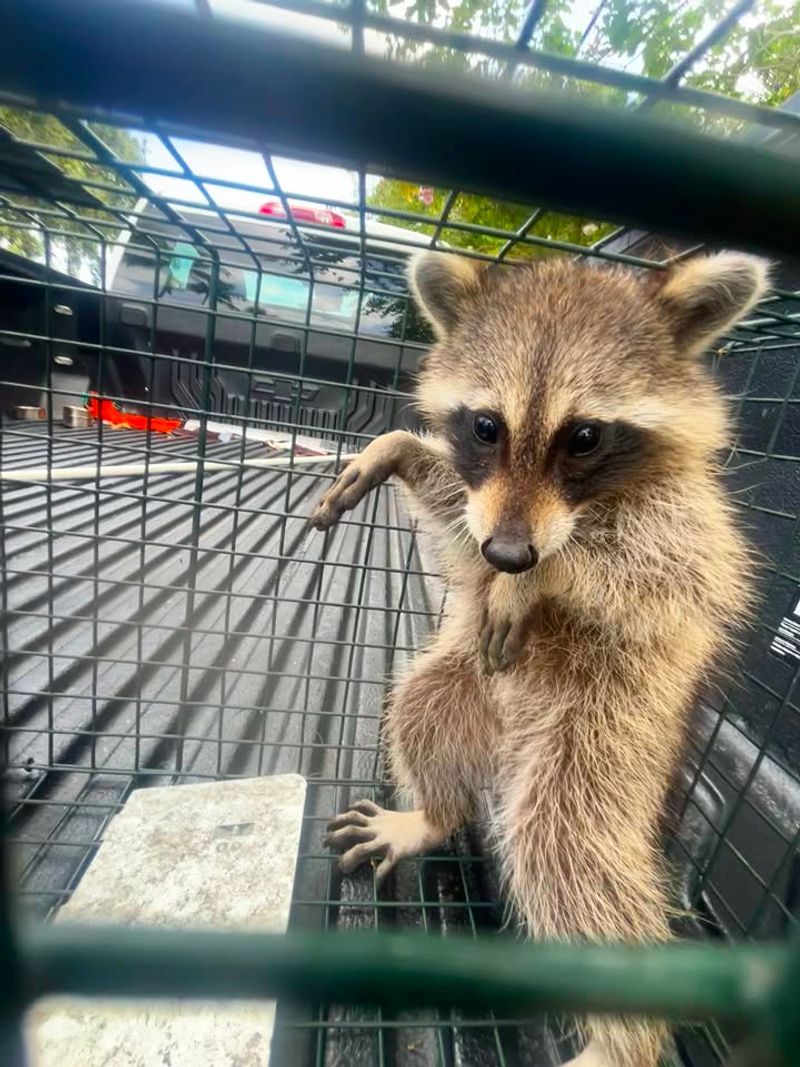
Hiring a licensed wildlife control professional is often the fastest and safest way to resolve a nuisance animal situation on your property.
These experts know the state regulations inside and out, and they carry the permits needed to handle situations that private citizens legally cannot.
In our state, wildlife control operators must be licensed through the Structural Pest Control Board or hold permits from the California Department of Fish and Wildlife, depending on the type of work they perform.
This licensing ensures they have the training and knowledge to handle wildlife situations responsibly.
A qualified professional will assess your property, identify the species involved, and recommend a legally compliant plan of action.
They can also help you address the root causes of the problem, like unsecured food sources or gaps in your home’s exterior that animals are using to get inside.
Hiring someone without proper credentials might seem like a cheaper option upfront. However, unlicensed operators may use illegal methods that expose you to legal liability as the property owner.
Always verify credentials before allowing anyone to trap or handle wildlife on your property.
Across northern regions and southern parts of our state alike, licensed wildlife professionals deal with these situations every day.
They have seen it all and know how to handle even the trickiest situations safely, legally, and with minimal disruption to your daily life.