Never Apply High-Nitrogen Fertilizer To Heat-Stressed Georgia Lawns Right Now
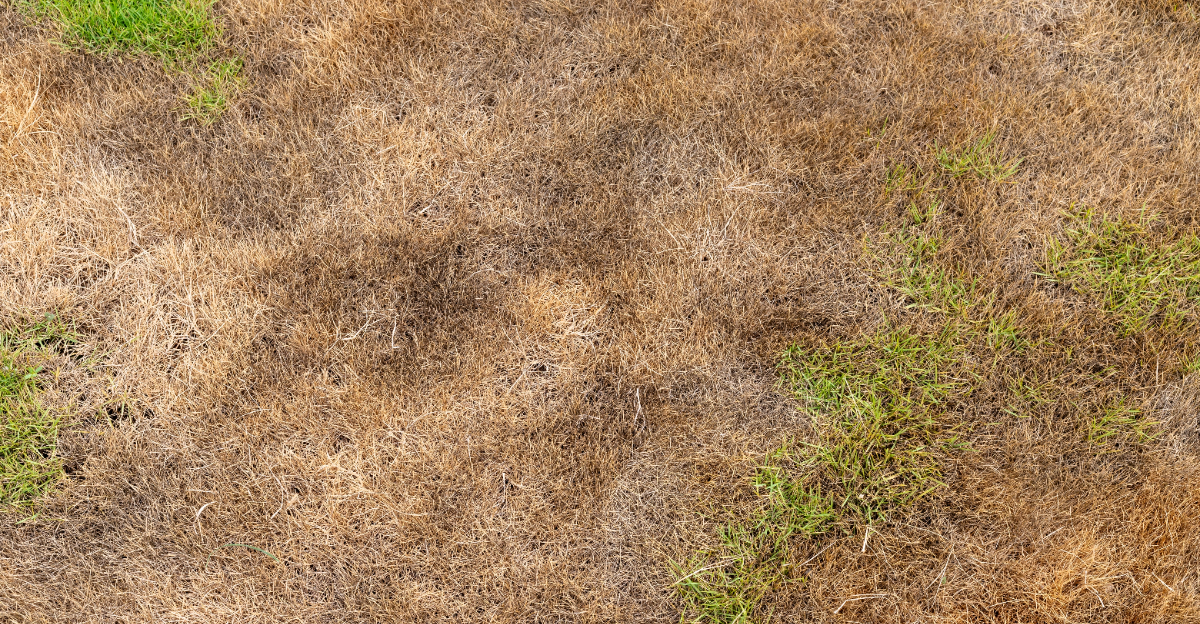
Your Georgia lawn looks worn out, and that bag of high-nitrogen fertilizer in the garage seems like the quick fix. Under summer heat, though, stressed grass has different needs than a healthy one.
Reaching for the wrong solution now can cost you more than a few rough patches. What feels like help on paper can turn into a real setback by the end of summer.
The difference between a lawn that recovers and one that struggles for weeks often comes down to a single choice. And that choice isn’t as obvious as it seems.
Before you grab that bag, it’s worth understanding what your grass actually needs right now, and why this one decision matters so much.
High-Nitrogen Fertilizer Pushes Stressed Grass To Grow, Not Recover
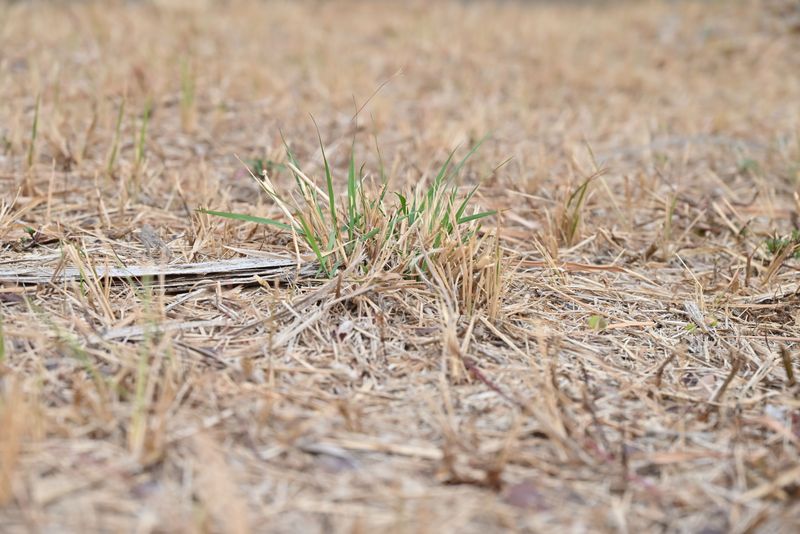
Grass under heat stress is basically in survival mode. It has shut down most growth to protect its roots and crowns from damage.
When you dump high-nitrogen fertilizer on stressed turf, you force it to grow fast. That rapid growth demands enormous energy the plant simply does not have right now.
Think of it like asking someone running on empty to sprint a marathon. The body struggles to handle that demand, and something breaks down.
That surge of nitrogen sends the wrong signal at exactly the wrong time. The nitrogen signals the grass to push out new leaf tissue quickly.
New tissue is soft, tender, and extremely vulnerable to heat damage. It burns faster than established blades, turning brown within days.
The roots also suffer when energy gets pulled upward toward leaf production. Shallow, weakened roots are the last thing your Georgia lawn needs in a harsh Southern summer.
Bermuda, zoysia, and centipede grasses tend to respond poorly to nitrogen spikes during heat waves. Each variety has a specific stress threshold, and high nitrogen pushes them past it.
Fertilizer salts also pull moisture out of the soil. In dry, hot conditions, that extra salt load can scorch roots before rain or irrigation has a chance to dilute it.
Stressed grass needs rest, water, and patience. Giving it nitrogen now is a shortcut that almost always backfires badly.
Georgia’s Summer Heat And Humidity Make This Riskier
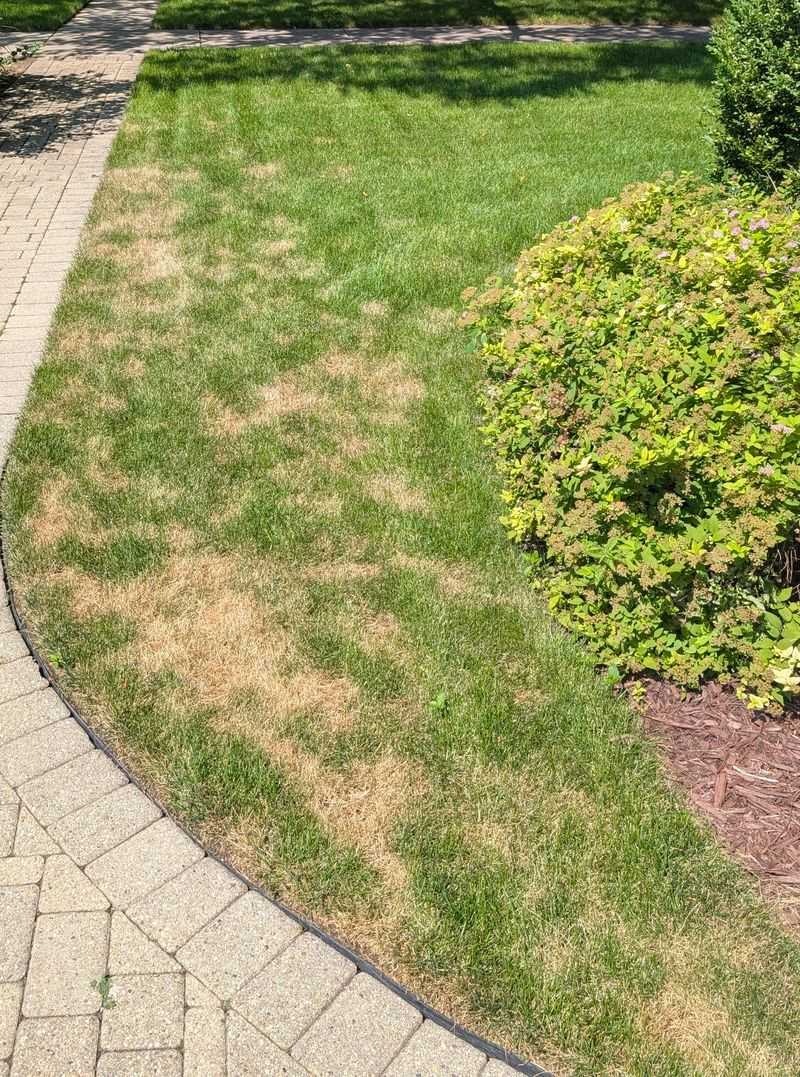
Stepping outside in a Georgia July feels like walking into a hot, wet towel. The combination of intense heat and thick humidity creates a uniquely demanding environment for turfgrass.
Most warm-season grasses thrive between 80 and 95 degrees. Once temperatures push past that range consistently, the grass shifts into stress mode fast.
High humidity adds another layer of trouble. Moisture sitting on blades overnight encourages fungal diseases like brown patch and dollar spot.
Adding nitrogen in these conditions speeds up fungal spread. Lush, nitrogen-fed grass creates a dense canopy that traps moisture and heat at the soil surface.
Southern summers also bring unpredictable rainfall patterns. A heavy rain after fertilizing can wash nitrogen into storm drains or push it deep past the root zone.
That wasted fertilizer barely benefits your lawn at all. Worse, it contributes to runoff pollution in local waterways and streams.
Your Georgia Garden Changes Every Week. Your Plan Should Too.
Gardening in Georgia changes quickly throughout the season. Every Friday you’ll receive a simple weekly plan showing exactly what to plant, prune, fertilize, harvest, and protect so you never miss the right timing.
Nighttime temperatures across much of Georgia rarely drop below 70 degrees during peak summer. Grass struggles to recover properly without cool nights to slow its metabolic rate.
That constant thermal stress compounds the damage from poorly timed fertilizer applications. The lawn rarely gets a break to rebuild its energy reserves.
Local extension offices often warn homeowners about this exact mistake. The risk here is higher than in most other parts of the country, and that matters when you are making lawn care decisions right now.
Signs Your Georgia Lawn Is Too Stressed To Fertilize
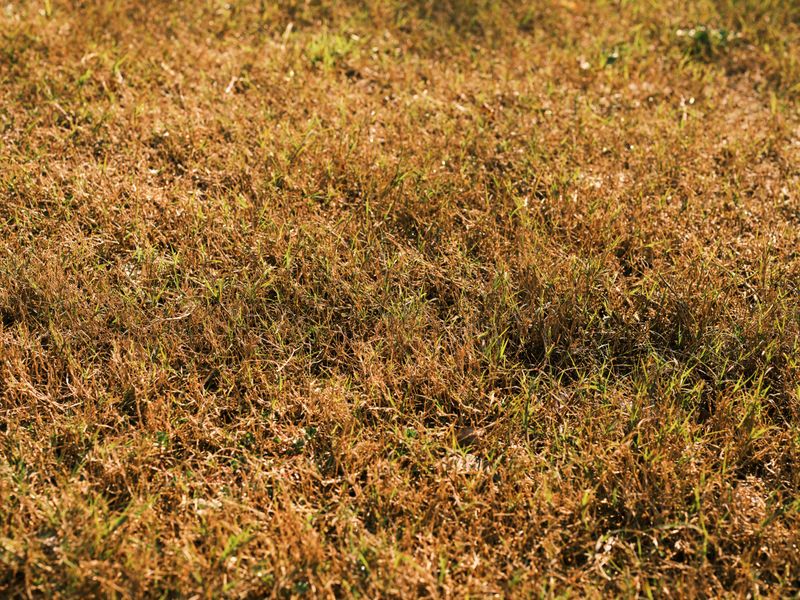
Your lawn tells you when it is struggling, and the signs are surprisingly easy to spot. You just have to know what to look for before reaching for any product.
Footprinting is one of the clearest warning signals. If your footprints stay visible for more than a few seconds, the turf lacks the moisture and energy to spring back.
That slow recovery means the grass is already under significant stress. Fertilizing at this stage would add pressure to a system already running on empty.
Wilting or folded blades are another red flag. Bermuda and zoysia will roll their leaves inward to reduce moisture loss when temperatures spike.
Discoloration is also telling. A lawn shifting from green to grayish-blue or dull olive is signaling that it’s running out of reserves.
Brown patches that appear suddenly without obvious disease or pest damage often signal heat and drought stress. These areas need water, not nutrients.
Check your soil too. Dry, cracked, or powdery soil near the surface means moisture is critically low, and any fertilizer applied now will concentrate into a damaging salt load.
Slow or no growth is actually a protective response, not a growth problem. Grass slows down intentionally to conserve resources during extreme heat.
Trying to force growth with nitrogen during this phase is working against the plant. Let nature lead, and wait for better conditions before feeding.
Smarter Options To Use Right Now
Putting down the nitrogen bag does not mean doing nothing for your Georgia lawn. There are smart, grass-friendly options that support recovery without adding stress to already struggling turf.
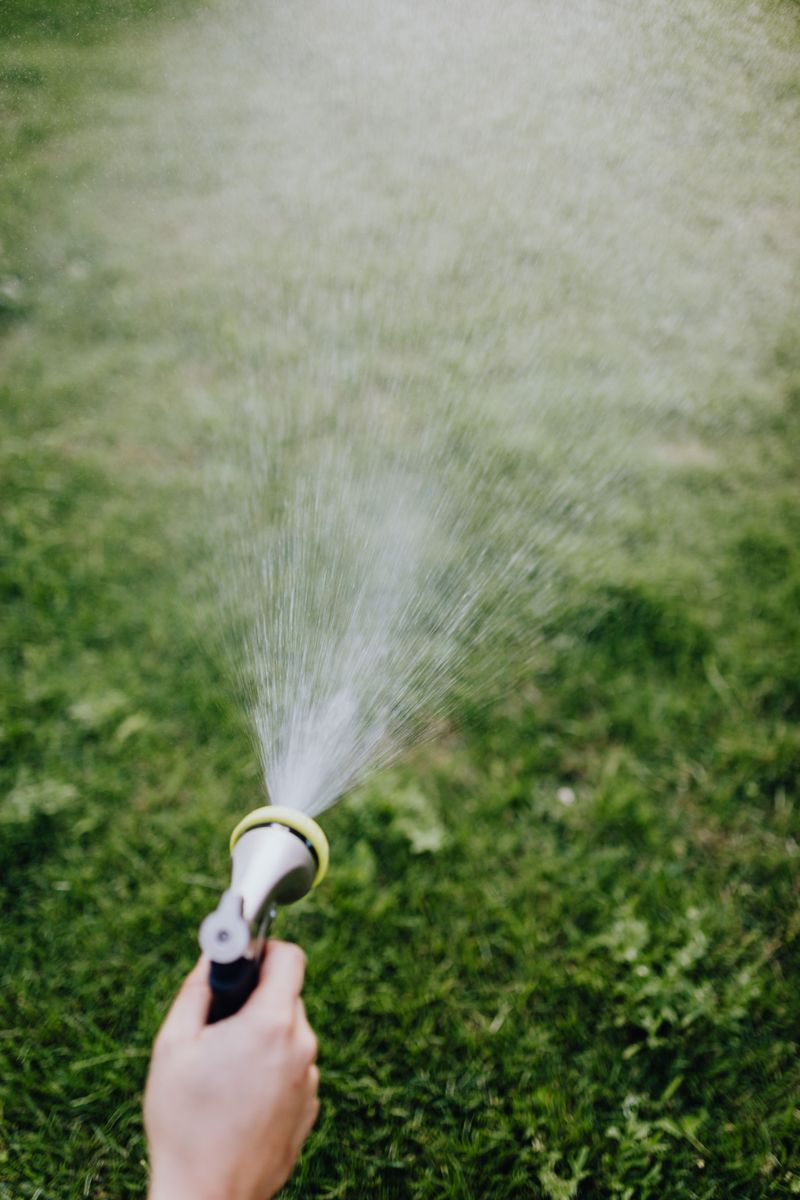
Water is your single most powerful tool right now. Deep, infrequent watering encourages roots to grow downward, which builds drought resilience for the rest of the season.
Aim for about one inch of water per week, applied in the early morning. Early watering reduces evaporation and gives blades time to dry before nightfall.
Biostimulants are worth considering during heat stress periods. Products containing seaweed extract or humic acid help roots absorb existing soil nutrients more efficiently.
These products do not push growth the way nitrogen does. They work with the plant’s natural systems rather than overriding them with a chemical signal.
Potassium-based products can also help. Potassium strengthens cell walls and improves the grass plant’s ability to regulate water internally.
A light application of a low-nitrogen, high-potassium fertilizer may be appropriate in some cases. Check the product label and local extension recommendations before applying anything.
Wetting agents are another underused option. These products break up soil surface tension and help water penetrate deeply rather than running off.
Mowing at the proper height also reduces stress significantly. Raise your mower deck slightly to leave more leaf blade, which shades the soil and keeps roots cooler.
Small adjustments in care right now set the stage for a strong fall recovery season ahead.
The Right Time To Fertilize Again
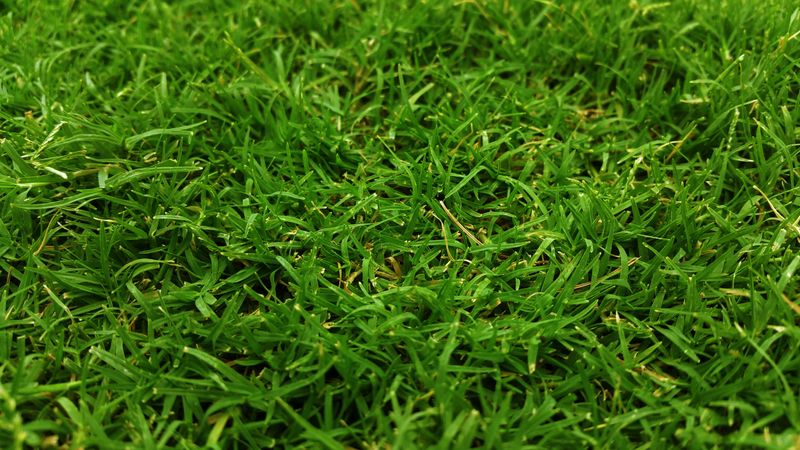
Patience pays off big when it comes to lawn fertilization timing. Knowing when to act is just as important as knowing what to apply.
For Georgia’s warm-season grasses, late summer into early fall is the sweet spot for nitrogen applications. Temperatures begin to moderate, and the grass shifts back into active growth mode.
In most parts of the region, that window opens around late August or early September. Soil temperatures dropping below 90 degrees can be a helpful signal that the turf is ready to handle feeding again.
A soil thermometer is a cheap and genuinely useful tool for making this call. Guessing based on calendar dates alone can lead to mistimed applications.
Bermuda grass responds especially well to a fall nitrogen boost. It helps the lawn build dense, strong turf before dormancy, which improves spring green-up the following year.
Zoysia benefits from a lighter fall feeding. Too much nitrogen too late pushes soft growth that can suffer in an early frost.
Centipede grass is the most sensitive of the common Southern varieties. It needs very little nitrogen overall, so timing and rate both matter more with this type.
Check your local county extension office for specific fertilization calendars. These resources are free, regionally accurate, and updated regularly by turf scientists.
Feeding at the right moment turns a struggling lawn into a thriving one. Bad timing turns a helpful product into a harmful one.
Reviving A Lawn That’s Already Been Over-Fertilized
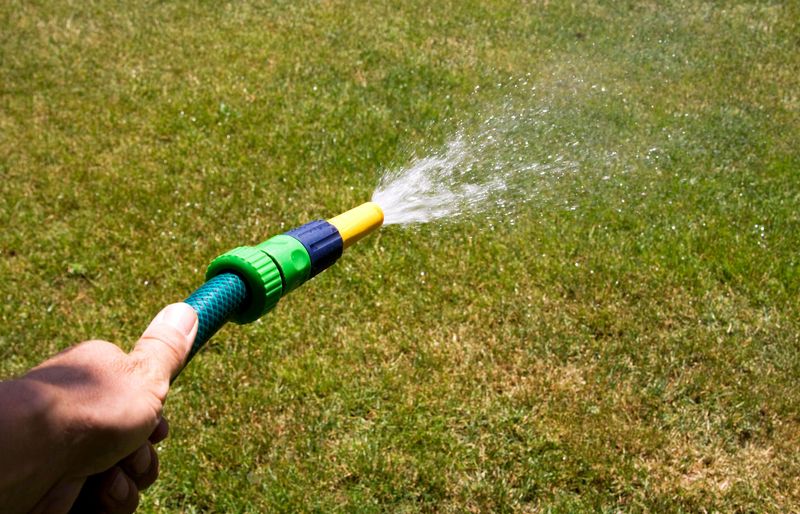
If you already applied nitrogen and now your Georgia lawn looks worse, do not panic yet. There are steps you can take right now to limit the damage.
The first move is water, and lots of it. Heavy irrigation immediately after noticing burn signs helps flush excess fertilizer salts through the soil and away from the root zone.
Water deeply for several days in a row. You want to push those salts past the roots, not just dilute them at the surface where they will concentrate again.
Avoid any additional lawn products during this recovery window. Herbicides, pesticides, and other treatments add more chemical stress to an already overwhelmed plant system.
Check for brown patch and other fungal issues after heavy watering. Wet, warm conditions following fertilizer stress can trigger disease outbreaks in weakened turf.
If disease appears, treat it with an appropriate fungicide promptly. Letting it spread while the grass is already compromised makes recovery much harder.
Raise your mowing height during recovery. Taller blades reduce heat stress at the crown and give the plant more surface area to capture sunlight for energy.
Do not mow stressed or burned areas more often than necessary. Each cut adds a bit of stress, and the lawn needs every bit of energy to bounce back right now.
Most lawns recover within two to four weeks with consistent care. Give your lawn that grace period, and this mistake won’t happen twice.