Why North Carolina Gardeners Seed Collard Greens In July And August For A Long Fall Harvest
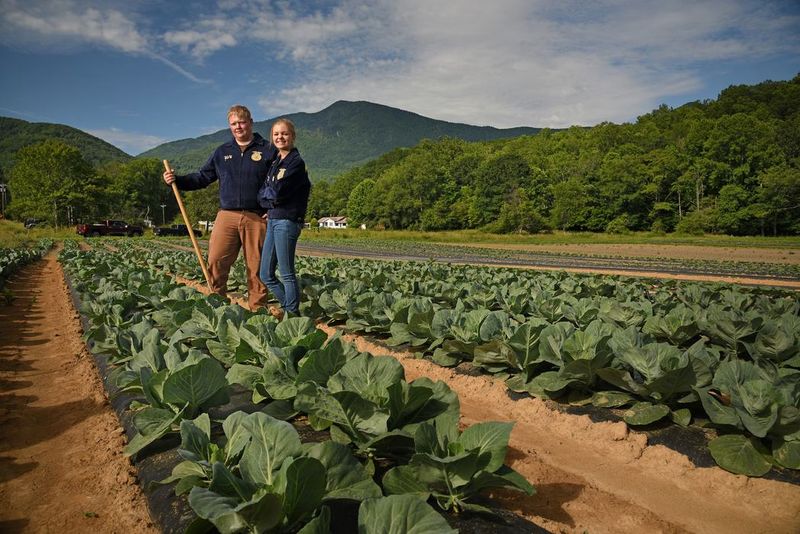
Collard greens have fed North Carolina families for generations, and the gardeners who grow the best ones share one quiet habit: they start seeds in the heat of summer, long before the weather feels like fall. Seeding collards, Brassica oleracea var. acephala, in July or August gives plants time to build a strong root system and a full leaf canopy before cool temperatures slow everything down. An established plant heading into October can keep producing for weeks longer than one that just sprouted. Get the timing right for your corner of the state and you could be pulling fresh greens well into December.
Why Midsummer Gives Collards A Head Start
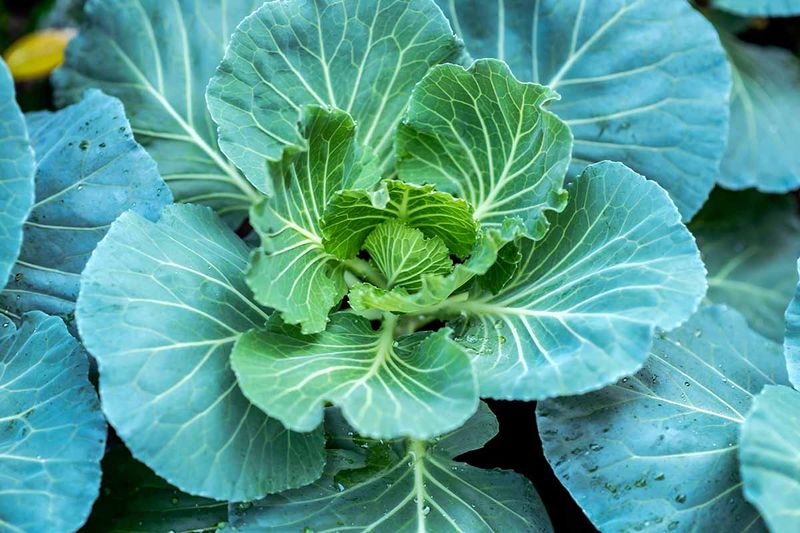
Collards are a cool-season crop with a warm-weather secret: they need a running start. According to NC State Extension’s collard greens guide, this crop performs best as temperatures drop, but it still has to grow large enough to produce a real harvest before the cold arrives. A plant seeded in July has weeks of warm soil to push out roots and stack up leaves. By the time October rolls in and growth slows, that plant is already the size you want it to be.
A collard seeded in late September, by contrast, is still working on its first true leaves when the days get short and cool. It may survive the winter just fine, but it will not hand you a generous harvest before January. The earlier establishment is a real advantage, though it is not a guarantee of outperforming every other fall vegetable in the garden. Regional conditions, variety, soil moisture, and pest pressure all have a say.
Summer heat does come with a cost. NC State’s Extension Gardener Handbook notes that collards grow best when temperatures stay below about 70 degrees Fahrenheit. During the hottest weeks of July and August, heat can slow growth and push leaves toward a tougher texture and a stronger flavor. That is temporary.
As soon as the nights cool down in September and October, the plant shifts gears and the leaves soften. The midsummer struggle is worth it because the plant that weathers it comes out the other side already sized up and ready to deliver.
Choose Timing By Region, Not Calendar Alone
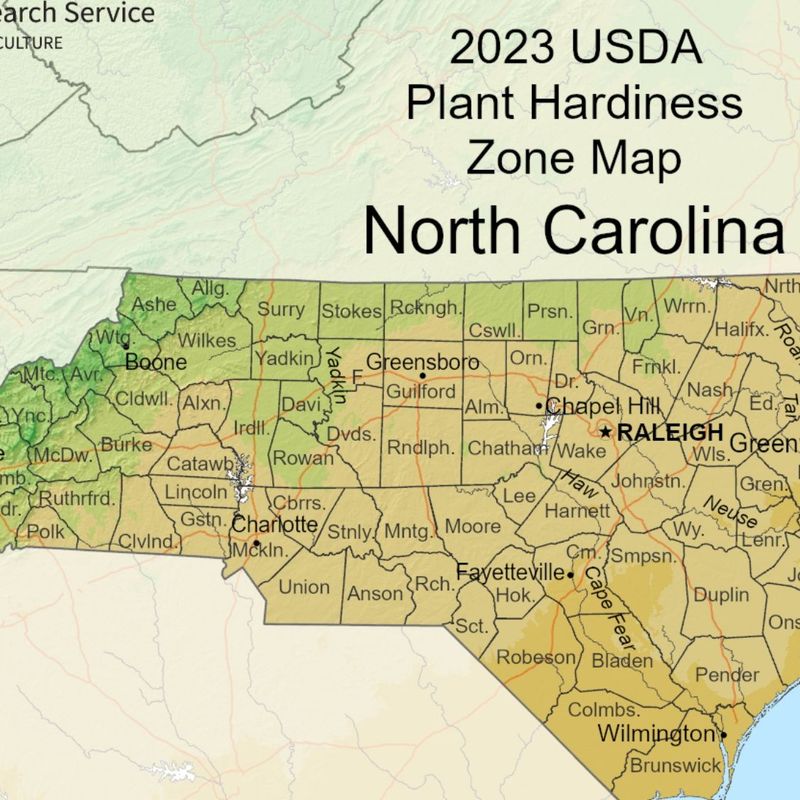
Piedmont gardeners in Raleigh, Greensboro, or Charlotte often treat August 1 as a useful anchor for fall crops with a 60-to-80-day maturity window. NC State’s vegetable gardening handbook uses that date as a general Piedmont reference, while shorter-season leafy greens can often wait until around September 1. Collards fall somewhere in the middle, and that is where July seeding makes sense for growers who want the largest possible plants before cold weather tightens its grip.
The tricky part is that July in the Piedmont is also when North Carolina turns up the heat hardest. Red clay bakes, afternoon storms come and go without soaking the ground, and young seedlings can cook before they ever get going. July seeding can give your plants extra size, but it demands more attention to soil moisture than August planting does. Many Piedmont gardeners find that a well-tended July sowing rewards the extra effort, while others prefer the slightly easier conditions of early August and still end up with a solid fall crop.
Your North Carolina Garden Changes Every Week. Your Plan Should Too.
Gardening in North Carolina changes quickly throughout the season. Every Friday you’ll receive a simple weekly plan showing exactly what to plant, prune, fertilize, harvest, and protect so you never miss the right timing.
Western North Carolina is a different story. NC State’s community food gardening handbook advises mountain and foothill gardeners to finish fall planting about two weeks earlier than Piedmont guidance because winter arrives sooner at higher elevations. If you garden in Asheville, Boone, or anywhere in the Blue Ridge, that means late July is your August. On the other end of the state, Coastal Plain and coastal gardeners from Wilmington to New Bern generally have 7 to 14 more days to work with before the first frost threatens.
Use these as starting points, not strict rules, and adjust based on what your own yard and the local forecast are telling you.
Match Seed And Transplant To Summer Conditions
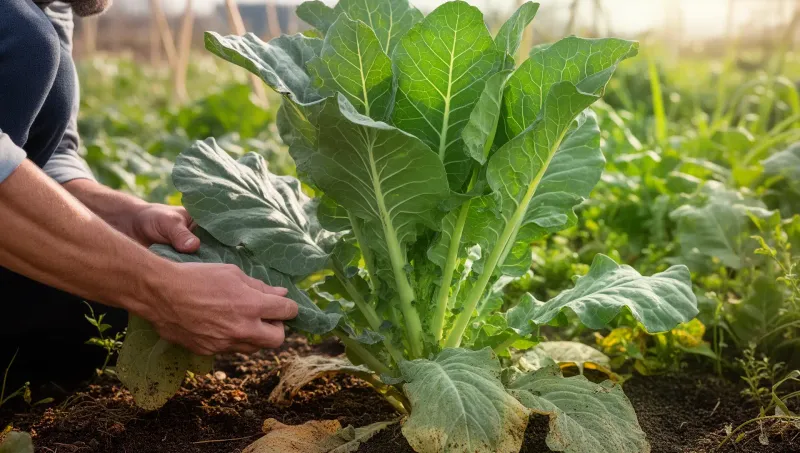
Seed and transplant are not the same tool. A healthy transplant already has roots, a stem, and a few leaves. It hit the ground running. A direct-seeded collard has to crack open, send up a shoot, and build all of that from scratch in whatever conditions your July or August garden hands it.
Both approaches can work, but they call for different conditions and different timing.
When you direct seed, plant no deeper than one-half to three-quarters of an inch. NC State Extension is firm that seed should never go deeper than one inch, and for good reason: collard seed buried too deep in summer soil can exhaust itself trying to reach the surface. The bigger daily challenge is moisture. The top three-quarters of an inch of soil must stay consistently moist while germination is underway, but it should not stay waterlogged.
Hot summer soil dries out fast between those afternoon thunderstorms, and a few dry hours at the wrong moment can end a germination attempt before it ever gets started.
That is where transplants earn their place. If you cannot commit to checking soil moisture every day, or if your summer irrigation is unreliable, a six-week-old transplant purchased from a local nursery or started indoors under a fan gives you a much more forgiving path to a fall harvest. NC State’s vegetable handbook specifically notes that successful fall direct seeding depends on having enough moisture for active seedling growth. In a dry July, a transplant is genuinely the smarter bet.
NC State recommends midsummer for direct seed and late summer for setting transplants, so both windows fit a fall plan, but they do not deliver the same head start.
Prepare The Bed For Strong Fall Growth
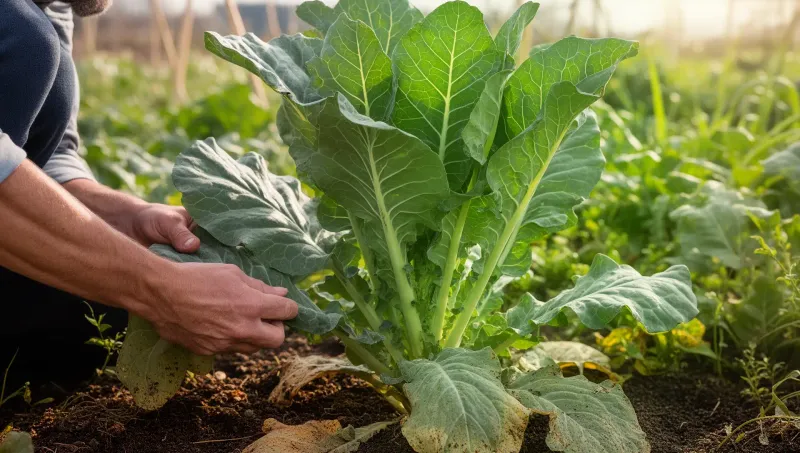
A well-prepared bed does more for your fall collards than almost any other single step. Start at least seven days before you plan to plant. Work about two inches of compost into the top six to eight inches of soil, then follow whatever your soil test recommends for fertilizer. NC State Extension lists a preferred soil pH of 6.0 to 6.5 and emphasizes well-drained soil that is rich in organic matter.
Piedmont red clay benefits especially from that compost addition, which opens up drainage and keeps roots from sitting in water after a heavy rain.
Spacing depends on what you actually want to harvest. For full-size plants you plan to strip leaf by leaf over several months, give each plant 15 to 18 inches of room. For half-grown plants you intend to harvest sooner, 10 to 15 inches works well. If you want tender baby leaves for salads, you can plant as close as 2 to 4 inches apart and cut the whole planting down once or twice.
Where space allows, laying out beds two to four plants wide with 12 to 18 inches between beds gives you easy access from both sides and cuts down on the bare soil that invites weeds and dries out fast in summer heat.
Plan for a side-dressing of fertilizer three to five weeks after seeds emerge or two to three weeks after transplanting. That second feeding catches the plant during a period of fast leaf development. For variety selection, NC State lists Vates, Georgia Southern, Blue Max, Morris Heading, and Heavi Crop as types that have performed consistently across North Carolina. Those are reliable starting points, not a ranked competition.
Your local cooperative extension office or a nearby seed supplier may know which ones have done best in your specific county.
Let Cool Weather Improve Flavor Without Overpromising
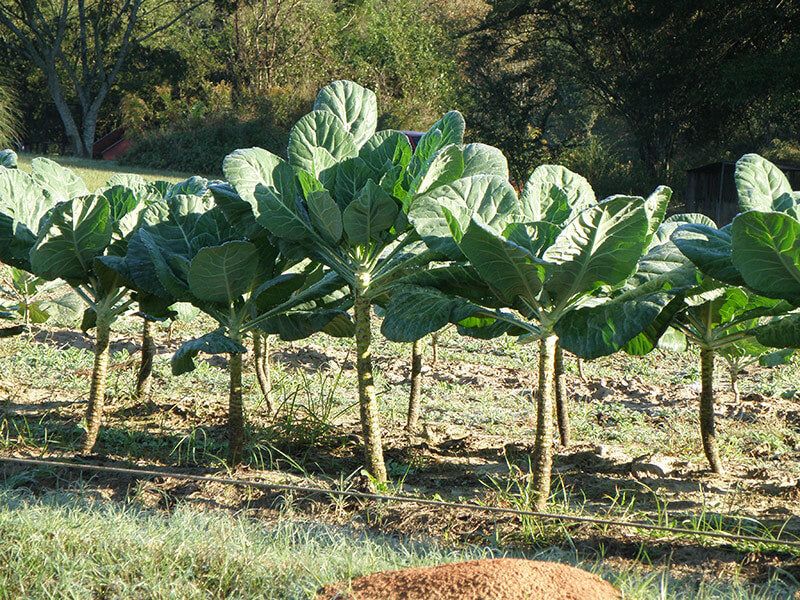
Here is where the fall payoff actually lives. Established collards tolerate frost and light to medium freezes, and they may keep producing leaves through cold weather. NC State Extension notes that fall-planted collards can sometimes overwinter and resume growth in early spring, which means a well-timed midsummer seeding can stretch into a genuinely long harvest. That is the real promise behind July and August planting, and it holds up.
The flavor question is a little more nuanced. Minnesota Extension’s guide to collards and kale explains that cooler fall weather generally improves the flavor of these crops. NC State’s childcare garden production guide suggests waiting until after the first cold night before harvesting for the best taste. Many North Carolina gardeners will tell you the same thing from their own kitchens.
That said, not every frost makes every variety measurably sweeter. The flavor improvement is common and worth counting on as a reasonable expectation, not a guaranteed result.
Cold does slow growth, and severe or prolonged freezes can damage plants. NC State’s vegetable handbook is clear that freezing temperatures eventually stop production and that hard freezes can injure the crop. To keep the harvest going as long as possible, pull older outside leaves when they reach about 8 to 12 inches long and leave the central growing point untouched. That inside bud is where next week’s leaves are coming from.
Protect it and you protect the whole season.
Scout For Pests After Summer Ends
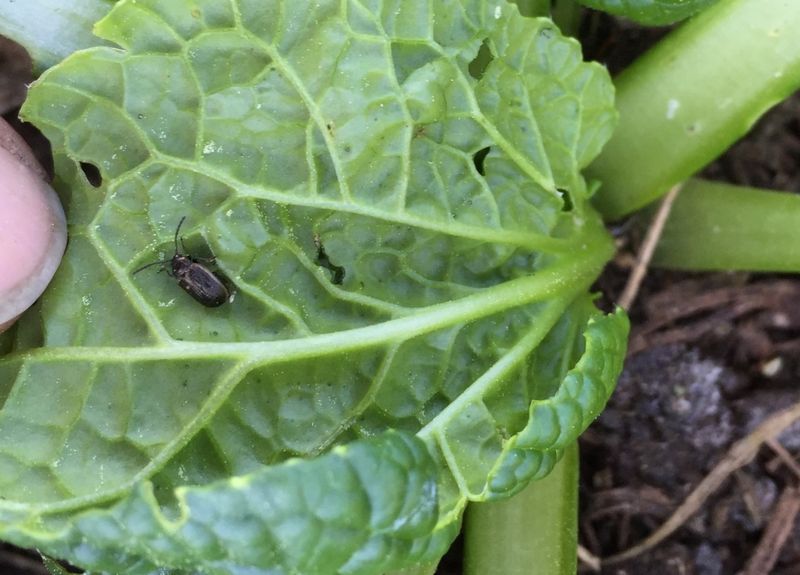
Fall does not come with a pest-free guarantee. Cabbageworms, loopers, diamondback moths, flea beetles, aphids, and slugs can all move into a collard planting regardless of when you seeded it. NC State’s insect pest guide for vegetables recommends scouting regularly, rotating crops from year to year, cleaning up plant debris, and using physical barriers, hand removal, and biological controls like Bacillus thuringiensis before reaching for any chemical treatment. Flea beetles have a trick: they pepper young leaves with tiny holes fast enough to stunt a seedling before you even notice the damage, so check the undersides of leaves early and often.
Cabbage maggot deserves its own mention, but with an important qualifier. NC State’s crucifers pest page reports that this pest is common in many mountain counties west of a line running roughly from Polk County to Surry County and usually does not occur below 3,000 feet in elevation. If you garden in the Piedmont, Coastal Plain, or Sandhills, cabbage maggot is probably not your main concern. If you garden in the western mountains, it is worth watching for and worth protecting against with row cover laid directly over transplants at planting time.
Row cover and frost cloth pull double duty. They can extend your harvest window when a surprise cold snap threatens in October or November, and they physically block some flying insects from reaching your plants. But they cannot replace scouting, and they will not stop every pest or every freeze. Think of row cover as one layer of a broader approach, not a fix-all.
If you reach the point where pests are causing serious damage despite your best efforts, consult the current North Carolina Agricultural Chemicals Manual for product guidance specific to your identified pest.
Use A Simple Plan For A Longer Fall Harvest
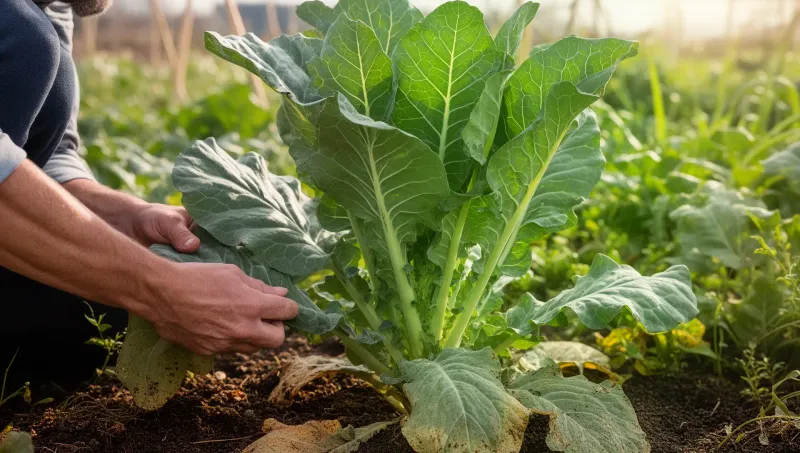
Pull all of this together and the plan is actually straightforward. Start by matching your planting window to your region. Mountain and foothill gardeners in western North Carolina should aim for mid-to-late July. Piedmont gardeners can work the July-to-early-August window depending on how reliably they can water.
Coastal Plain and coastal gardeners have a little more runway and can often push into mid-August without sacrificing much of the fall season.
Once you know your window, look at your soil moisture and your irrigation situation honestly. NC State Extension is clear that direct seed needs consistent moisture to germinate and establish. If summer conditions are dry and irrigation is spotty, start with transplants. If you can water reliably every day or two, direct seed at one-half to three-quarters of an inch deep and keep that top layer of soil moist without letting it stay soggy.
Either way, give young plants enough time to size up before the first cold snap arrives.
Harvest outer leaves repeatedly once they reach 8 to 12 inches, protect the central growing point, and reach for row cover or frost cloth when a hard freeze is in the forecast. NC State’s vegetable handbook and Minnesota Extension’s collard and kale guide both support this approach for extending a cool-season harvest. July or August establishment can make collards one of the most dependable long-fall crops in a North Carolina garden, but local weather, soil moisture, pest pressure, and freeze severity still have the final word on how far into winter your greens actually carry you.