What Michigan Gardeners Should Do With Bee Balm In August For Healthier Plants Next Year
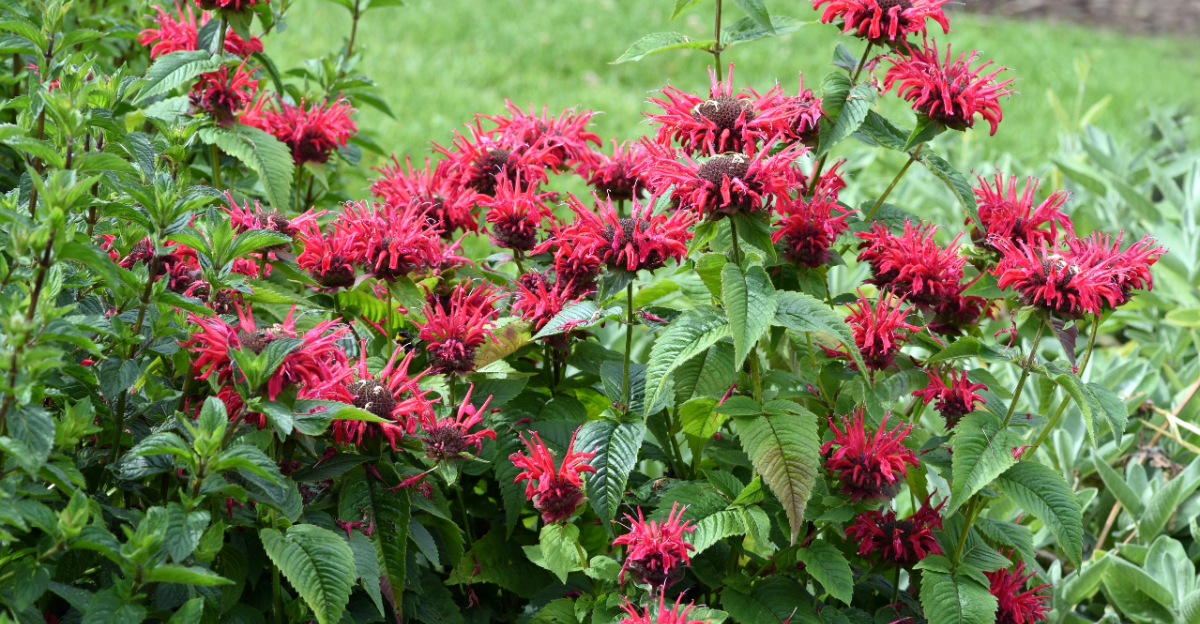
Cutting bee balm back after blooming is an important August task that supports healthier, more vigorous growth for Michigan gardeners next year.
Removing faded flower heads prevents the plant from putting unnecessary energy into seed production once its main blooming period ends.
This timing also helps reduce powdery mildew, a common issue bee balm faces during humid August stretches.
Cutting stems down to about half their height improves airflow around the base, further discouraging fungal problems from taking hold.
Thinning overcrowded clumps at the same time gives remaining stems more room to develop strong roots before winter arrives.
Watering consistently after cutting back helps the plant recover without added stress during the hottest part of summer.
Dividing particularly large clumps every few years also keeps bee balm healthy and prevents it from overtaking nearby plants. This simple August routine sets the stage for fuller, healthier blooms when next summer arrives.
1. Remove Spent Flowers Without Cutting The Whole Plant Down
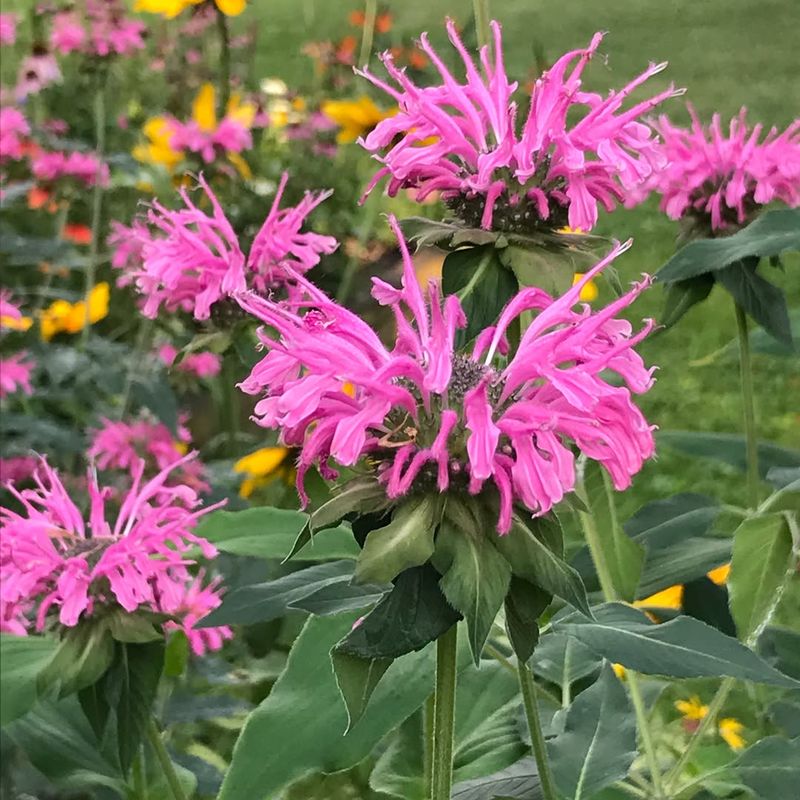
Spent Bee Balm flowers might look a little ragged by August, but that does not mean the whole plant needs to come down.
Removing only the finished flower heads is a smart, targeted approach that keeps the clump looking tidy while protecting the energy the plant still needs.
Grab a clean pair of pruning shears and take a close look at each stem before you cut. The best spot to make your cut is just above a healthy pair of leaves or a strong side branch.
Cutting there encourages the plant to put energy into those remaining growth points, and in some years you may even be rewarded with a second flush of smaller blooms before the season closes out.
That bonus color is always a welcome surprise in a late-summer garden. One thing to avoid is cutting the entire clump straight down to the soil while the foliage is still green and actively growing.
Those leaves are doing important work right now, capturing sunlight and sending energy down into the roots to build strength for next spring.
Stripping the plant bare too early interrupts that process and can leave the roots less prepared for Michigan winters. Selective deadheading strikes the right balance.
Your Bee Balm keeps its shape, the garden looks well cared for, and the plant gets every chance to store up what it needs.
A little patience with your pruning shears in August pays off in a fuller, more energetic clump when warmer weather returns.
2. Inspect The Leaves For Powdery Mildew
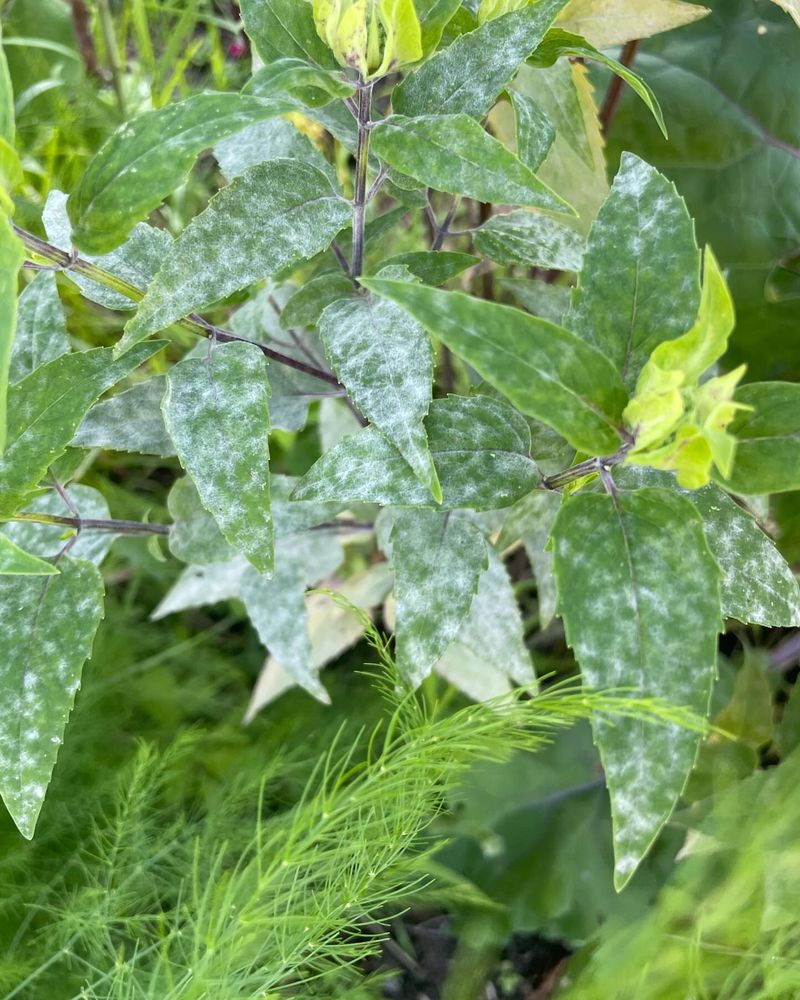
Powdery mildew is practically a rite of passage for Bee Balm growers in Michigan.
Walk out to your garden on a warm August morning and you might notice a chalky, grayish white coating spreading across the upper surfaces of the leaves.
It almost looks like someone dusted the plant with flour overnight, and once you know what to look for, it is hard to miss. Several factors make Michigan summers especially friendly to this fungal condition.
Crowded planting, limited air movement through the clump, partial shade, and stretches of dry weather followed by humidity can all make the symptoms more visible and widespread.
Your Michigan Garden Changes Every Week. Your Plan Should Too.
Gardening in Michigan changes quickly throughout the season. Every Friday you’ll receive a simple weekly plan showing exactly what to plant, prune, fertilize, harvest, and protect so you never miss the right timing.
Gardens where plants are tucked in close together tend to see more of it, simply because air cannot circulate freely between the stems.
The good news is that mild powdery mildew is mostly a cosmetic issue. The plant is still alive, still growing, and still sending energy to the roots where it matters most.
Severe cases, however, can lead to leaf discoloration and earlier than normal leaf drop, which does reduce the plant’s ability to store energy efficiently before winter sets in.
Taking time in August to walk your garden and actually examine the leaves puts you ahead of the problem.
Catching powdery mildew early means you have more options for managing it before it spreads further through the clump.
A quick inspection takes only a few minutes and gives you the information you need to act wisely.
3. Remove Only The Most Affected Foliage
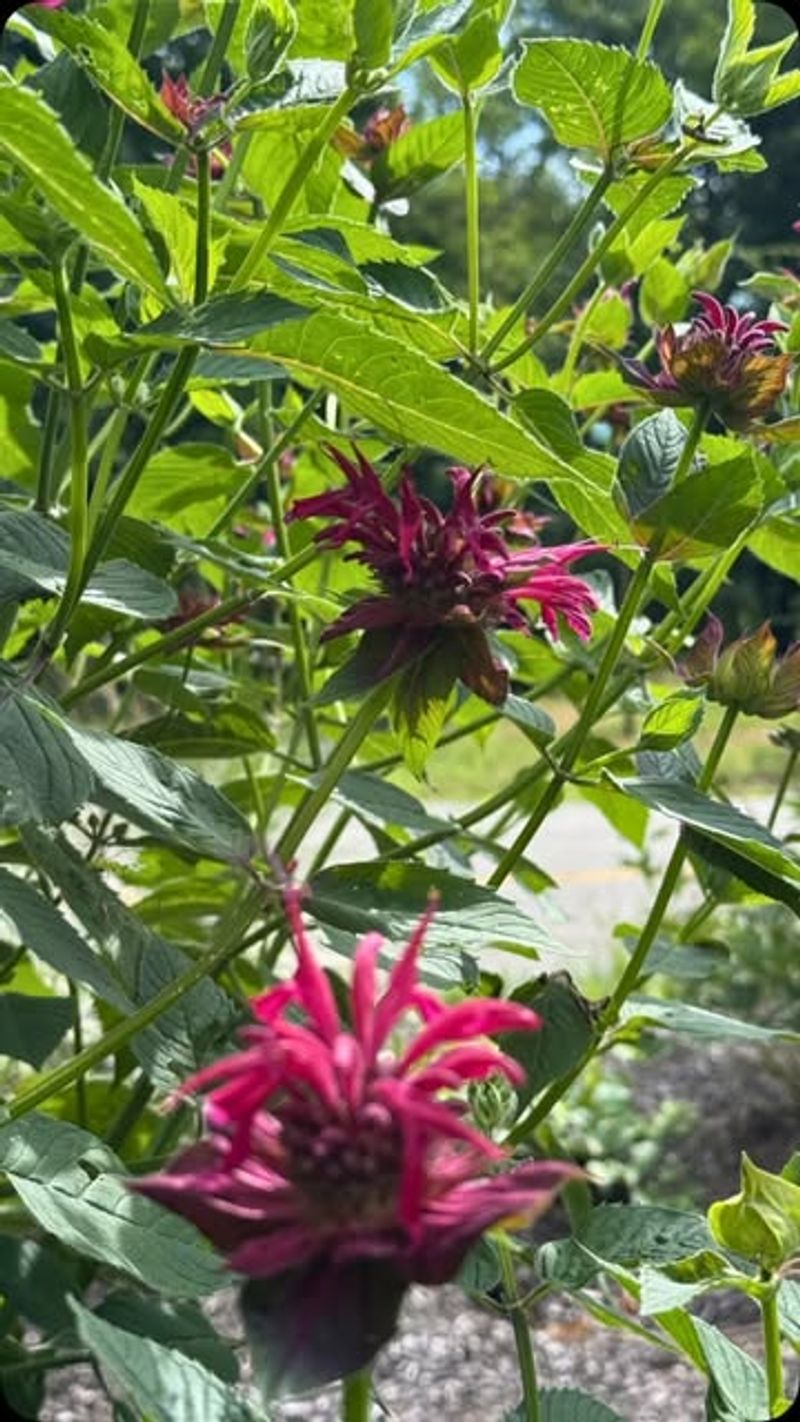
Once you have spotted powdery mildew on your Bee Balm, the natural instinct might be to strip the whole plant bare and start fresh. Resist that urge.
Selective removal of only the most heavily affected leaves and stems is a much smarter strategy, and it protects the overall health of the clump while still reducing the amount of fungal material present in the garden.
Focus your attention on stems and leaves where the white coating covers most of the surface or where the tissue underneath has already turned yellow or brown.
Those are the parts that are contributing the least to the plant’s health and spreading the most spores into the surrounding air.
Removing them makes a real difference without sacrificing the green, healthy foliage the plant still depends on. Tool hygiene matters more than many gardeners realize.
Wiping your pruning blades with a diluted bleach solution or rubbing alcohol between cuts reduces the chance of spreading fungal material from one stem to another.
It takes only a moment and is well worth the habit. Where you put the removed material matters just as much as how you remove it.
Toss affected leaves and stems into your household trash or a municipal yard waste bag rather than leaving them on the soil beneath the plant or adding them to a backyard compost pile.
Leaving diseased material at the base of the clump gives the mildew a convenient place to linger and re-establish, which is exactly the outcome you want to prevent going forward.
4. Improve Air Movement Around The Clump
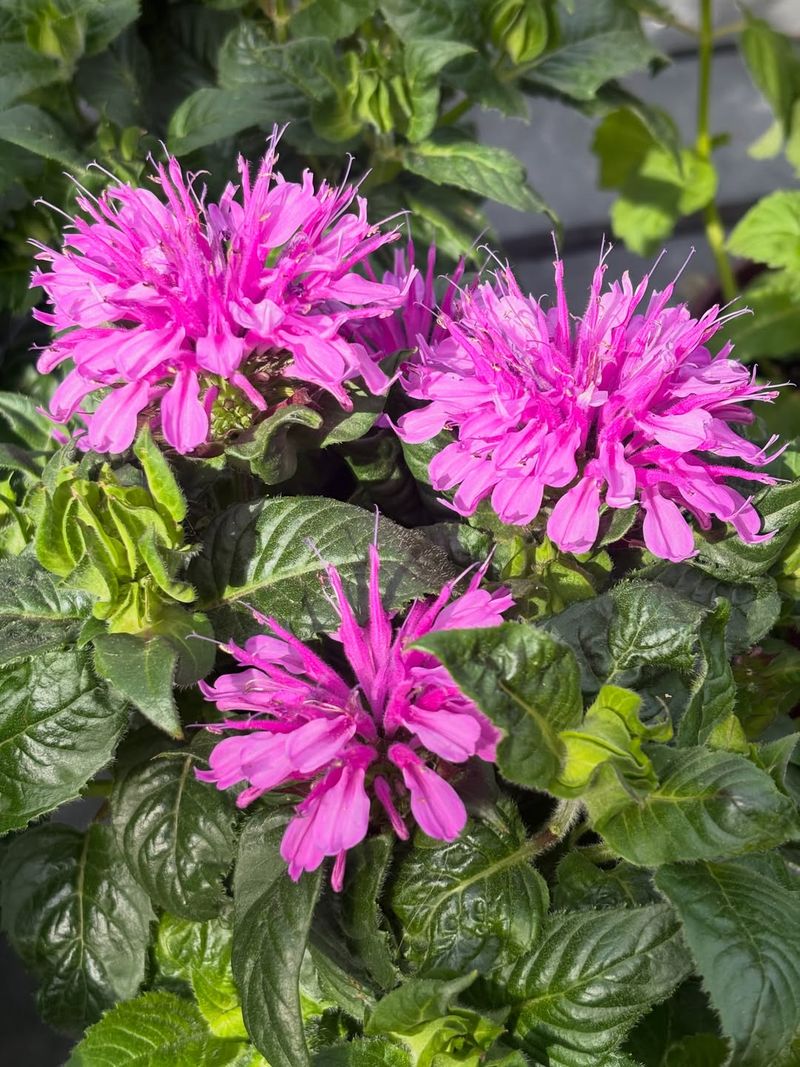
Air movement might not be the first thing that comes to mind when you think about plant health, but for Bee Balm it genuinely makes a big difference.
Crowded stems trap humidity close to the foliage, and that warm, moist microclimate is exactly where powdery mildew thrives.
Opening up the clump a little allows air to flow more freely, and that simple change can slow the spread of the condition noticeably. Start by pulling any weeds that have moved in close to the base of the plant.
Weeds compete for moisture and nutrients, but they also add to the crowding problem by blocking airflow at ground level.
Next, take a look at any neighboring plants that may have crept into the Bee Balm’s personal space over the summer and gently redirect or trim them back.
Inside the clump itself, you can selectively remove a few of the weakest or most heavily affected stems right at the base.
This light thinning creates natural pathways for air to move through without dramatically changing the shape or size of the plant.
Think of it as giving the clump a little breathing room rather than a full haircut. August is absolutely not the right time to shear the entire clump to the ground.
Doing so would remove most of the healthy foliage the plant needs to keep fueling its roots before cold weather arrives.
A targeted, thoughtful approach to thinning achieves the airflow benefit without setting the plant back at a time when it needs all the support it can get.
5. Keep The Root Zone Evenly Moist During Dry Weeks
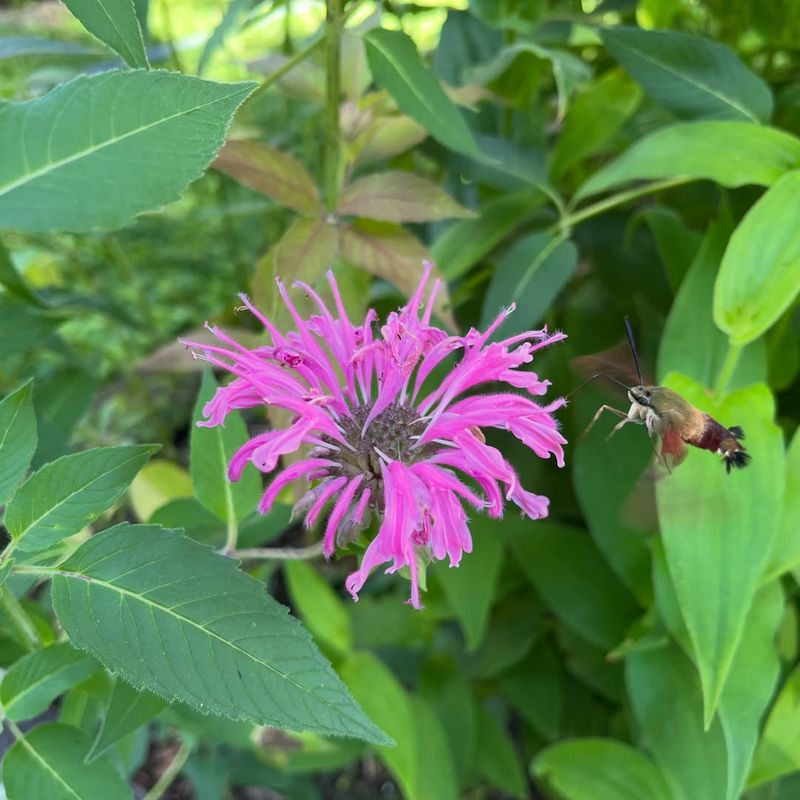
Here is something that surprises a lot of gardeners: drought stress and powdery mildew are actually connected.
When Bee Balm goes without consistent moisture during Michigan’s dry summer stretches, the plant becomes less resilient overall, and powdery mildew symptoms tend to show up more aggressively.
Keeping the root zone reasonably moist is one of the most effective ways to support the plant’s natural defenses.
Before reaching for the hose, push your finger a couple of inches into the soil near the base of the clump.
If it feels dry at that depth, it is time to water. When you do water, go slowly and deeply rather than giving the plant a quick sprinkle.
Deep watering encourages the roots to grow downward, which makes the plant more capable of handling short dry spells on its own. How you water matters as much as how much you water.
A soaker hose or drip line delivers moisture directly to the soil where roots can absorb it, rather than wetting the leaves and stems above.
Wet foliage stays wet longer in humid conditions, and that extra surface moisture can encourage fungal problems. Keeping water at ground level is a simple habit that pays off.
A layer of organic mulch around the root zone, about two to three inches deep, helps the soil hold onto moisture between waterings.
Wood chips, shredded leaves, or straw all work well. Just be sure to keep the mulch pulled back a few inches from the plant crowns to allow for good air circulation right at ground level.
6. Skip Late Summer Fertilizer
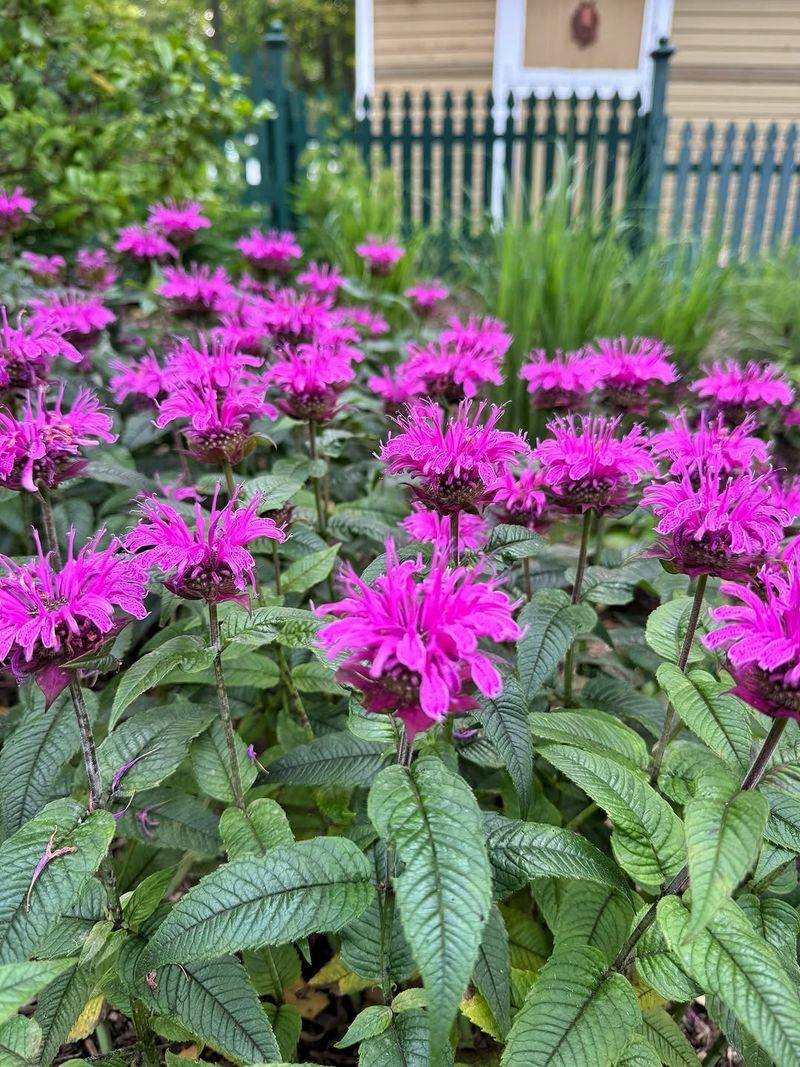
Fertilizing feels productive, and it is tempting to give your plants a late-season boost when they start looking a little tired in August.
With established Bee Balm in Michigan, though, that extra feeding can actually create more problems than it solves.
Michigan State University Extension specifically advises against fertilizing established perennials in late summer, and Bee Balm is a prime example of why that guidance matters.
When you apply fertilizer to Bee Balm in August, the plant responds by pushing out new, tender growth.
That fresh growth sounds like a good thing, but it is soft and vulnerable, and it does not have nearly enough time to harden off before Michigan’s first cold temperatures arrive.
Tender new stems heading into autumn are much more susceptible to frost damage, which can weaken the overall clump going into winter.
Heavy fertilizer applications also tend to produce dense, crowded new growth, and that thick new foliage is the perfect environment for powdery mildew to spread.
You could actually be making your mildew problem significantly worse by trying to pep the plant up at the wrong time of year. The timing of feeding matters just as much as the type of fertilizer you choose.
Save your energy and your fertilizer for early spring, when Bee Balm is just beginning to push new growth from the crown.
If you want to improve your soil over time, base any amendments on actual soil test results from your local MSU Extension office.
That approach gives your plants exactly what they need without the guesswork or the late-season risk.
7. Mark Crowded Clumps For Early Spring Division
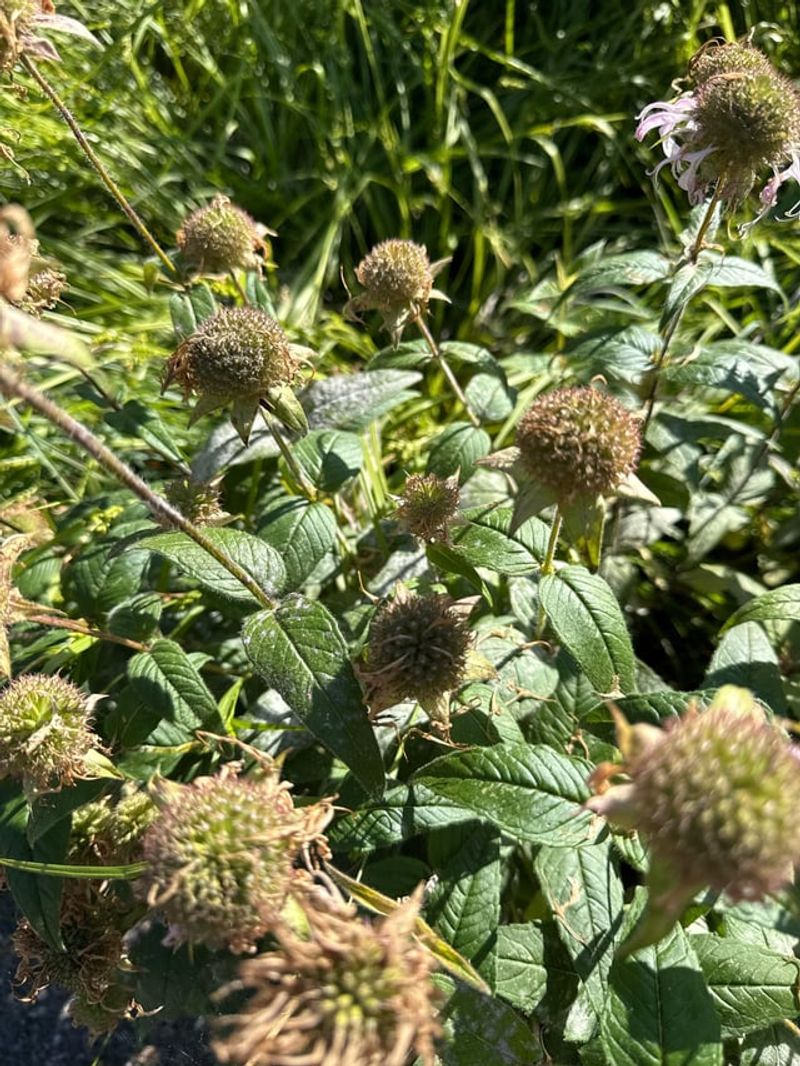
Bee Balm is a generous spreader.
It moves outward through underground rhizomes year after year, and after a few growing seasons, a once-compact clump can turn into a sprawling mass with a hollow, woody center and a ring of new growth pushing out along the edges.
That pattern is a clear signal that the plant is ready to be divided. August is a great time to assess the situation even though division itself should wait until spring.
Walk around the clump and look for the telltale signs: a sparse or open center, stems that are crowded together so tightly that air can barely move between them, or a history of recurring mildew problems season after season.
Plants showing these signs will benefit enormously from being lifted and split. Mark those clumps now so you do not forget them over winter.
A simple garden stake or a small flag pushed into the soil beside the plant is all you need.
Some gardeners even write a quick note in a garden journal so they have a reminder waiting for them when spring arrives and the garden starts waking up again.
Early spring, just as the first new shoots are emerging from the ground, is the ideal window for dividing Bee Balm.
The divisions establish quickly in cool, moist spring soil and have the entire growing season ahead of them to build strong root systems.
Dividing every two to three years keeps the clump vigorous, improves spacing for better airflow, and gives you plenty of healthy new plants to spread around the garden or share with neighbors.
8. Plan A Thorough Fall Cleanup
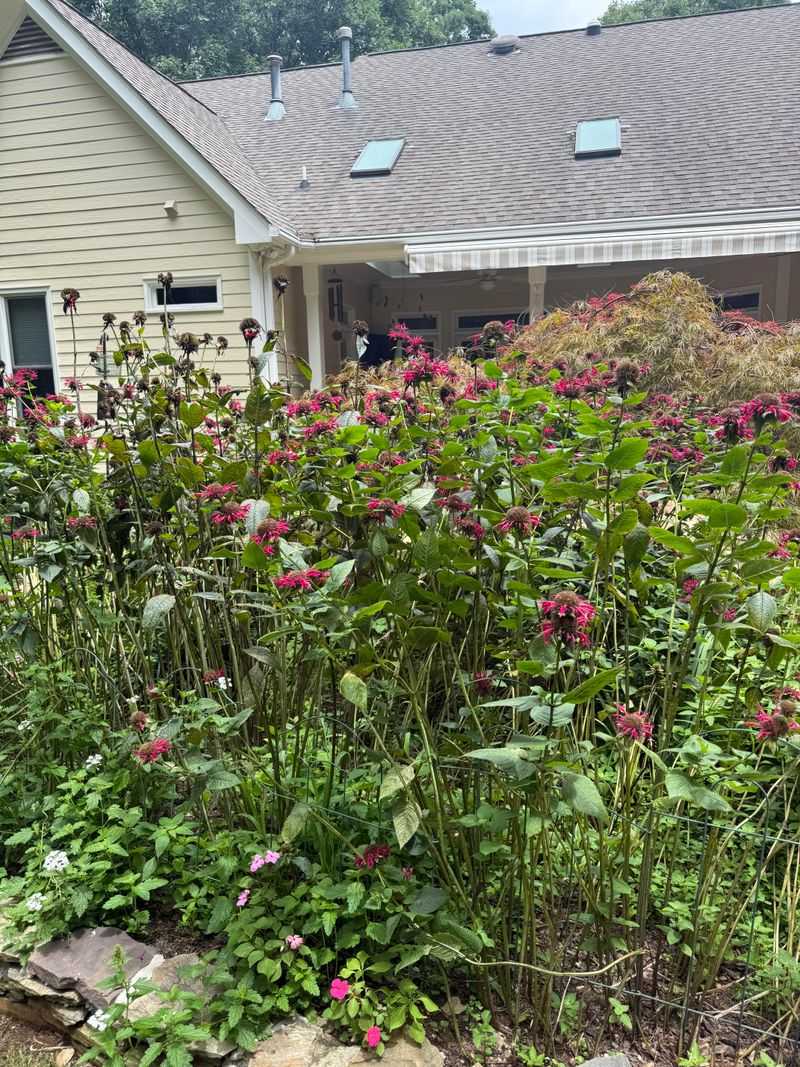
Fall cleanup might feel like the end of the gardening season, but for Bee Balm growers in Michigan, it is really the beginning of next year’s success.
Fungal organisms responsible for powdery mildew can overwinter on infected plant debris and re-emerge when warm spring weather returns.
Giving affected plants thorough autumn cleanup by removing and disposing of fallen foliage prevents the fungus from returning next season.
Once Bee Balm has finished its growing cycle for the year and the foliage has naturally declined, go through the bed carefully and remove the affected stems and fallen leaves.
Do not leave diseased material sitting around the crowns, and avoid adding it to a backyard compost pile where the organisms can persist.
Bagging it for municipal yard waste pickup is the safest and most effective disposal method.
Thorough sanitation alone will not completely prevent powdery mildew from returning, but it meaningfully reduces the amount of fungal material available to cause problems in spring.
Combined with the other steps you have taken through August and into fall, it adds up to a much cleaner starting point for the new season.
Looking ahead, consider pairing your fall cleanup with a plan to grow powdery mildew resistant Bee Balm cultivars.
Varieties like Jacob Cline, Raspberry Wine, and Colrain Red are widely available and have been bred specifically for better mildew resistance in humid conditions.
Combining resistant varieties with proper spacing, consistent moisture, timely division, and good sanitation gives your Bee Balm the strongest possible foundation for a healthy and beautiful season ahead.