How To Deep-Water Established Arizona Trees During The Heat Warning
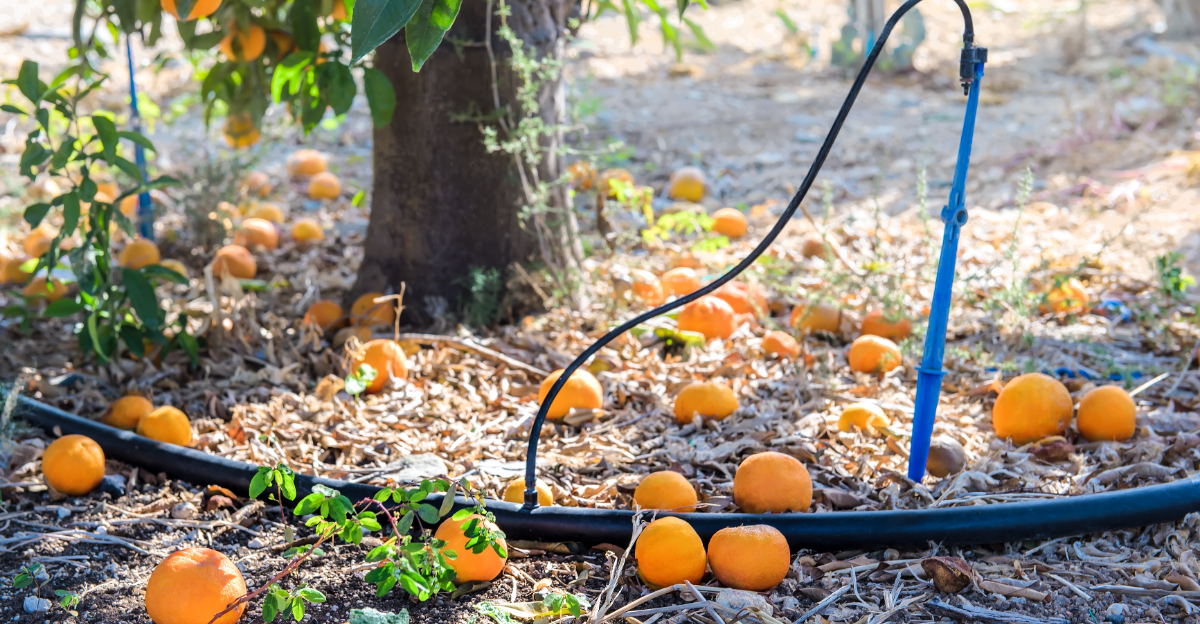
When temperatures spike during a heat warning, mature trees quietly struggle beneath the surface. Root zones can bake as soil heat climbs well past 130 degrees, pulling moisture away faster than the tree can absorb it.
Deep-watering steps in as one of the most effective ways homeowners can shield established trees from this hidden stress. Get it right, and the difference shows up in weeks, not years.
Wait too long, and the stress leaves a mark long after the thermometer cools down. Scorched leaf edges and thinning canopies are usually the first clues something went wrong underground.
Give your Arizona trees the right kind of care now, and they will keep offering shade and structure through many more summers ahead.
Slow, Deep Watering At The Drip Line Reaches Roots Without Wasting Water
Forget spraying water directly at the trunk. That approach barely scratches the surface of what your tree actually needs.
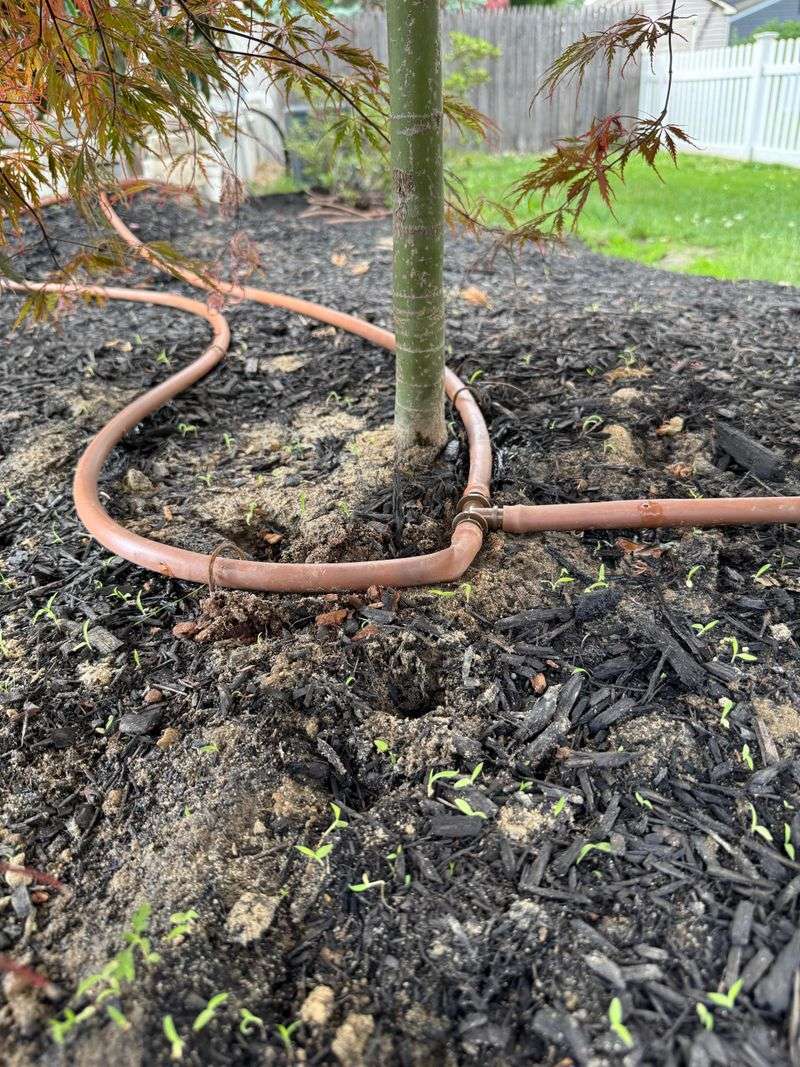
The drip line is the magical circle directly beneath the outermost tips of a tree’s branches. Roots are hungriest out there, not close to the trunk.
Slow watering at the drip line lets moisture sink 18 to 24 inches deep into the soil. That depth is where roots absorb water most efficiently during extreme heat.
A soaker hose laid in a ring at the drip line works beautifully for this job. Set it on low pressure and let it run for two to three hours without rushing.
Fast watering causes runoff before the ground can absorb anything useful. Slow delivery gives clay and sandy desert soils time to pull moisture downward toward root zones.
Positioning matters more than most people realize. Moving the hose slightly inward or outward from the drip line by a foot can improve absorption even more.
Deep-watering established Arizona trees during a heat warning protects your investment and keeps the canopy full. A tree that gets shallow, frequent watering develops weak surface roots that suffer the most in high heat.
Think of slow drip-line watering as feeding your tree a long, satisfying drink rather than a rushed sip. Roots respond by growing deeper and becoming more drought-tolerant over time.
Arizona’s Heat Warnings Call For A Different Watering Approach
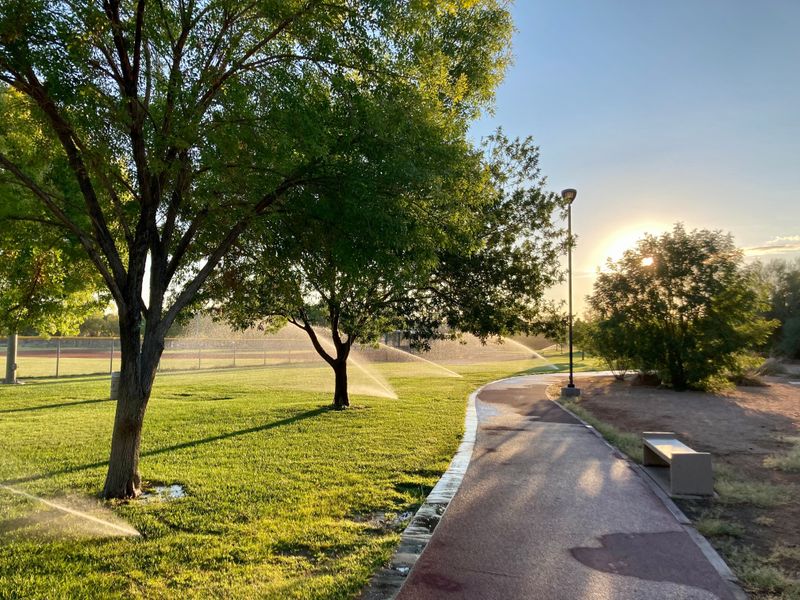
A regular hot day in the desert is one thing. A heat warning is a completely different animal that demands a smarter response.
When temperatures climb past 110 degrees, soil moisture evaporates at an alarming rate. Roots can lose access to water within hours if the ground is not deeply saturated.
Standard surface watering leaves moisture in the top few inches of soil. That top layer heats up first and dries out fastest during a warning event.
Established trees have root systems that stretch wide and deep. Reaching those roots requires a method that pushes water past the hot, dry surface layer efficiently.
The desert soil itself creates a challenge. Caliche layers, hardpan, and sandy compositions all affect how water moves downward toward active root zones.
Heat warnings also increase a tree’s water demand through transpiration. Leaves release moisture faster when temperatures spike, so the roots must replace that loss quickly.
Your Arizona Garden Changes Every Week. Your Plan Should Too.
Gardening in Arizona changes quickly throughout the season. Every Friday you’ll receive a simple weekly plan showing exactly what to plant, prune, fertilize, harvest, and protect so you never miss the right timing.
Deep-watering during a heat warning is not the same as your normal irrigation schedule. You need more volume, slower delivery, and strategic placement to make it count.
Treating a heat warning like a regular watering day is a costly mistake. Recognizing the difference between routine care and emergency hydration is the first step toward keeping your trees healthy when conditions turn brutal.
Water Amounts Established Trees Actually Need
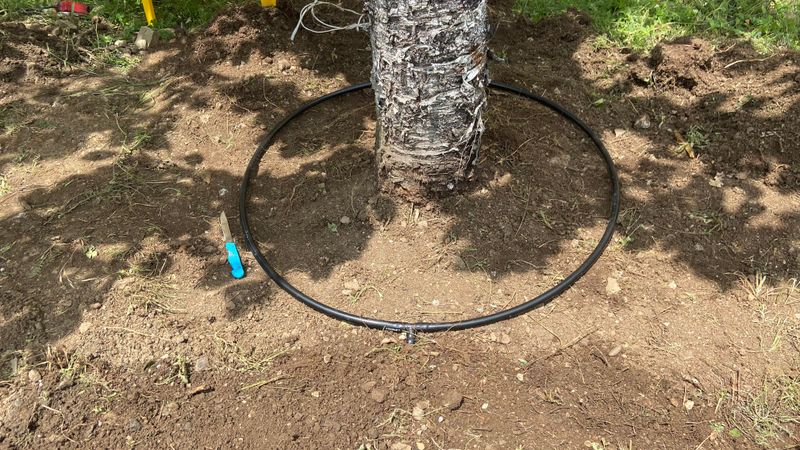
Most homeowners wildly underestimate how much water a mature tree needs during extreme heat. A general rule of thumb is 10 gallons per inch of trunk diameter per watering session.
A tree with a 10-inch trunk diameter needs roughly 100 gallons in one deep-watering session. That sounds like a lot because it genuinely is.
Smaller established trees between 4 and 6 inches in diameter need 40 to 60 gallons. Even those modest amounts surprise many first-time deep-waterers.
The goal is not just wet soil on the surface. Moisture must penetrate to a depth of at least 18 inches to reach the active feeder roots.
Sandy soils drain quickly and may require more volume to achieve that depth. Clay soils hold water longer but absorb it more slowly, so pacing matters.
Checking soil moisture with a long screwdriver or soil probe is a reliable low-tech method. Push it into the ground after watering and see how deep it slides easily.
If the probe stops at 8 inches, your tree got a shallow drink. Keep watering until the probe slides to 18 inches with minimal resistance.
Deep-watering established trees correctly during a heat warning means measuring your effort, not just eyeballing it. Guessing usually leads to under-watering, which leaves roots struggling right when the tree needs support most.
Best Time Of Day To Deep-Water During A Heat Warning
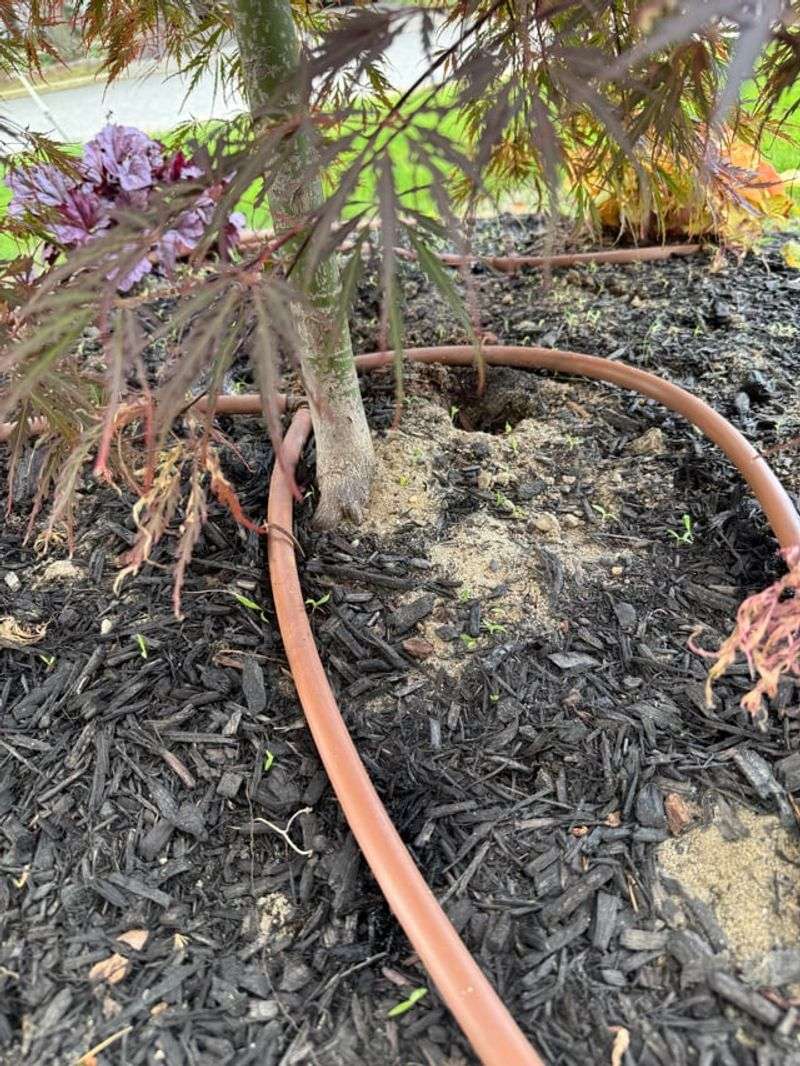
Timing your watering session can mean the difference between maximum absorption and maximum waste. Early morning is the best window for deep-watering during a heat warning.
Watering between 4 a.m. and 8 a.m. gives moisture hours to soak in before the sun cranks up intensity. Soil temperatures are at their lowest during this window.
Cooler soil absorbs water more evenly and efficiently than baked afternoon ground. The temperature difference between morning and midday soil can be dramatic in desert climates.
Evening watering is a solid second choice if mornings are not possible. Temperatures drop after sunset, and soil begins cooling, which helps absorption rates improve.
Avoid watering during the middle of the day whenever possible. Intense heat causes rapid surface evaporation, and you lose a significant portion of your water before roots ever touch it.
Midday watering also creates thermal stress on leaves if any spray contact occurs. Even indirect heat exposure during peak hours can cause additional strain on a struggling tree.
A practical tip is setting a timer or smart irrigation controller to trigger the session automatically before dawn. That way, you never miss the optimal window even on the hottest mornings.
Starting your deep-water session at the right time amplifies every other effort you make. Nail the timing and the water does far more work for your tree with less waste.
Signs A Tree Needs Water Right Away
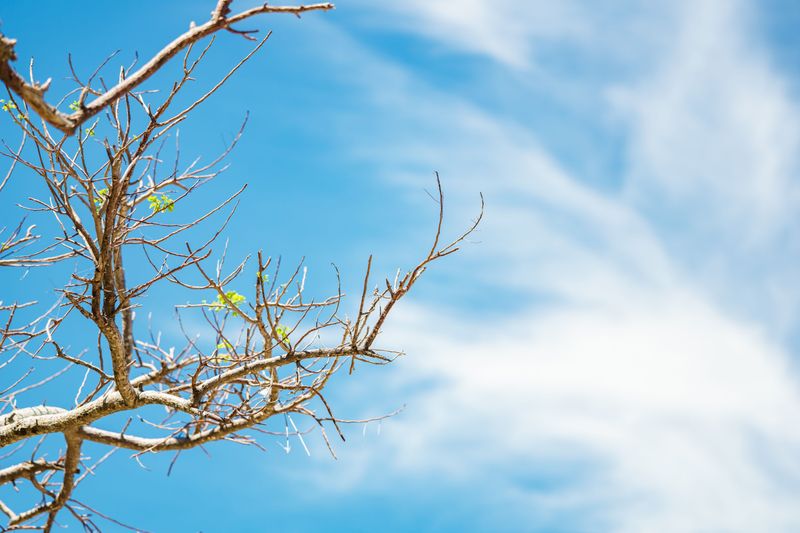
Trees cannot talk, but they absolutely send signals when they are stressed. Learning to read those signals quickly can save a mature tree during a brutal heat warning.
Wilting or drooping leaves that do not recover in the evening are a strong warning sign. Healthy trees perk back up once temperatures drop after sunset.
Leaf curl is another distress signal worth taking seriously. Many desert trees curl their leaves inward to reduce sun exposure and conserve moisture during extreme heat.
Premature leaf drop is a more advanced sign of water stress. A tree shedding leaves in Arizona summer is essentially cutting its losses to survive with less available moisture.
Bark that looks sunburned or cracked on the south and west sides of the trunk signals serious heat stress. This often happens when canopy thinning exposes bark that was previously shaded.
Yellowing leaves mid-season, outside of normal fall timing, suggest the root system is not keeping up with demand. This can happen fast during a multi-day heat event.
Branch tips withering from the ends inward signal a late-stage sign of severe dehydration. At that point, deep-watering must happen immediately and consistently.
Catching these signs early gives you the best chance of recovery. A tree that gets water before stress becomes severe bounces back far faster than one left to struggle through the heat alone.
Mistakes That Waste Water Or Stress The Tree Further
Good intentions do not always produce good results when watering trees in extreme heat. Some of the most common habits actually make things worse for struggling trees.
Watering directly at the trunk is a classic mistake. Roots do not concentrate near the trunk of an established tree, so that water mostly evaporates or causes fungal issues at the base.
Frequent shallow watering trains roots to stay near the surface. Surface roots are the most vulnerable during heat events, so this habit creates long-term weakness in the tree’s structure.
Running a sprinkler system on a timer without adjusting for heat warnings is another trap. Standard irrigation schedules are not designed for emergency hydration needs.
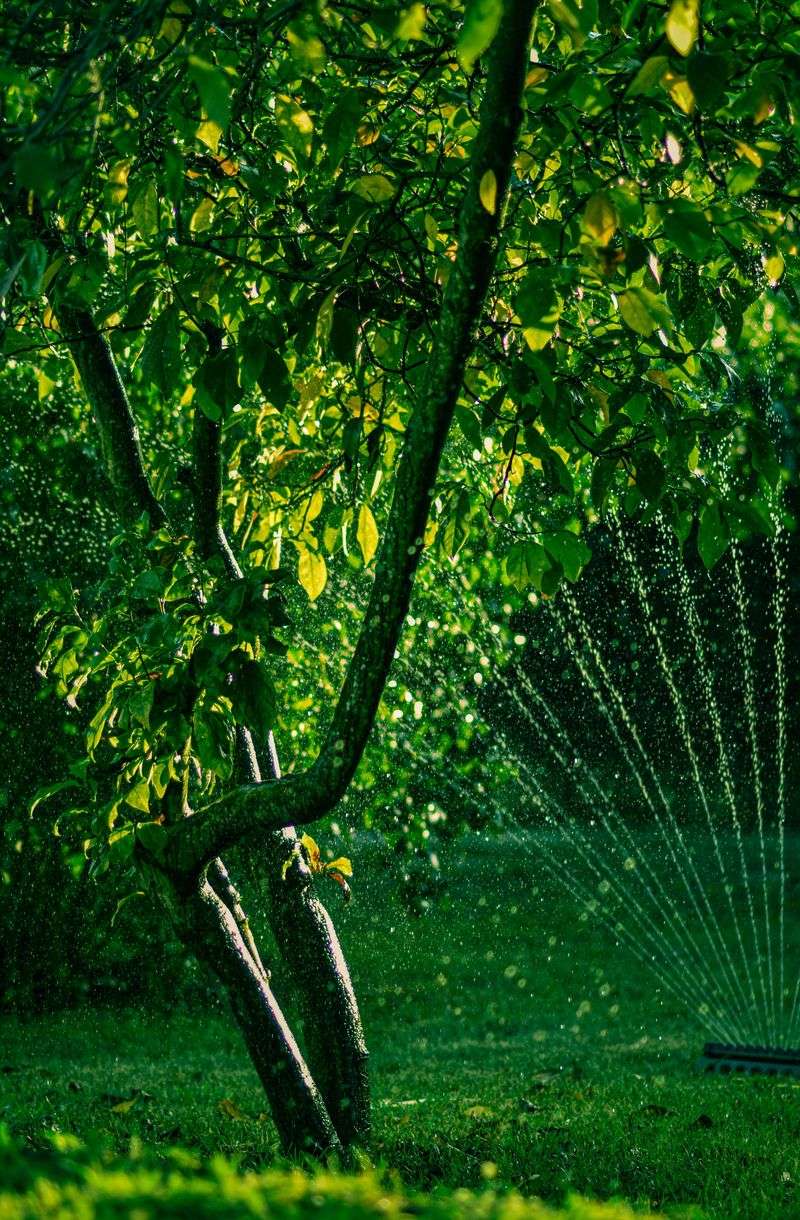
Using high-pressure sprinklers near the canopy wastes enormous amounts of water to evaporation. Spray that never reaches the soil serves no purpose during a heat event.
Skipping mulch is a mistake that can compound other watering errors. Bare soil loses moisture rapidly, while a thick mulch layer can cut evaporation losses significantly.
Overwatering in a single session can also cause problems. Roots need oxygen, and waterlogged soil suffocates them just as surely as drought does.
Avoiding these mistakes during deep-watering established Arizona trees in a heat warning makes every gallon count. Efficiency is not just about saving water; it is about giving your tree exactly what it needs to endure the heat.