This 5-Minute Dahlia Job Will Get You Even Bigger Blooms All Season In Vermont
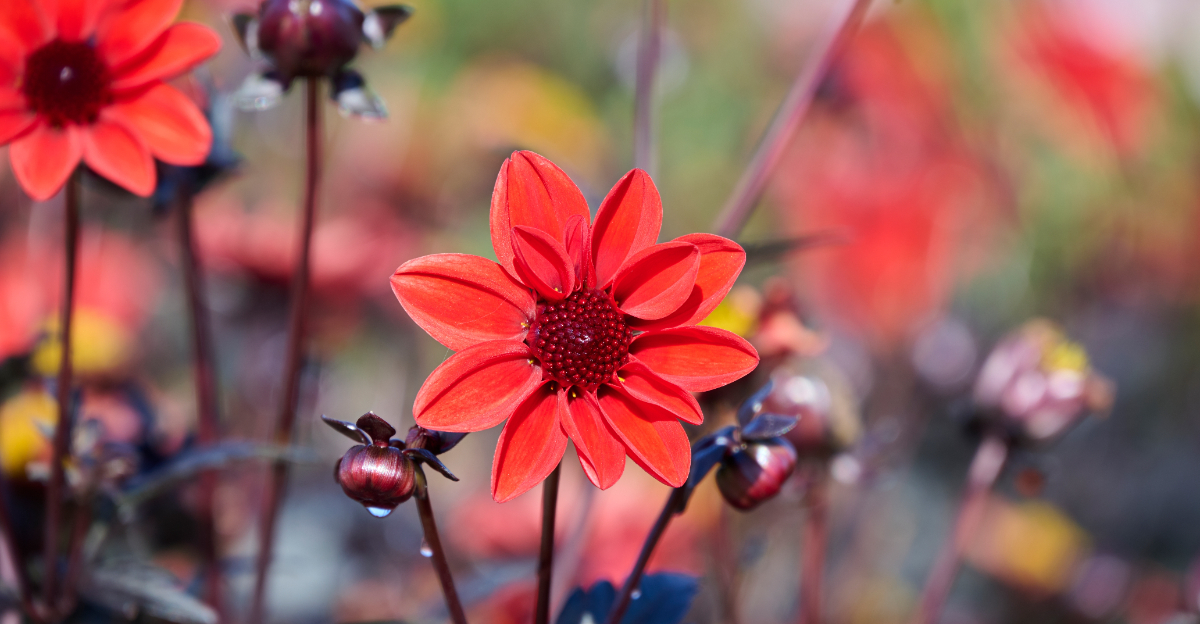
Hidden buds are quietly diverting your prized dahlias away from true greatness this season. Every stem competes for limited energy right now. Gardeners across Vermont swear by this single clever trick every August.
Pinching side buds channels every ounce of power into a dominant bloom. Neglect this step and you end up with smaller, crowded, forgettable flowers. Master it and you get blooms the size of dinner plates.
Timing matters more than most growers admit. Wait too long and the effect becomes difficult to reverse. Act too early and you risk slowing the whole plant.
Vermont’s short, unpredictable summers make this decision even more urgent. Confidence comes from knowing precisely where and when to cut.
Precision separates true dinner-plate blooms from disappointing, crowded clusters. Nothing about this demands special tools or rare skill.
Everything about it demands attention and a steady hand. You cannot afford to skip what happens next.
Give Your Dahlias This Quick Job For Bigger Blooms
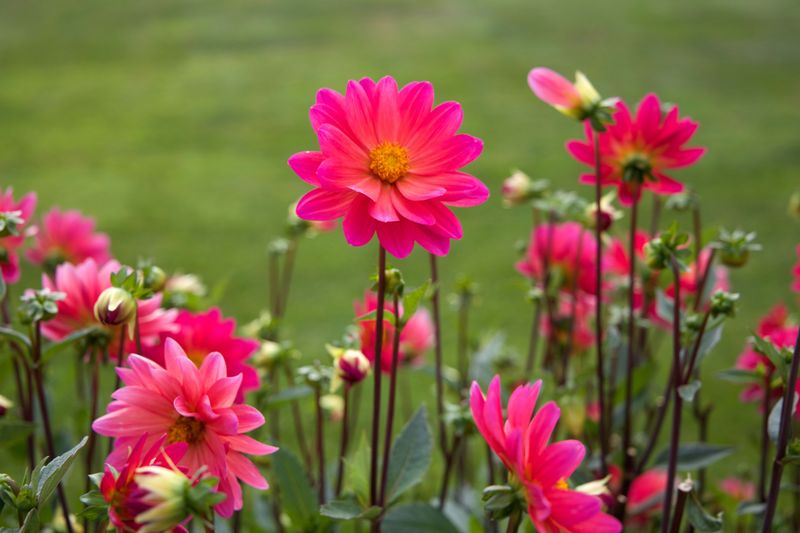
Pinch one tiny bud today. That small move can transform your entire dahlia patch by the weekend.
Disbudding is the practice of removing side buds from a dahlia stem. You leave the central bud alone and snap off the smaller ones growing beside it. The plant then sends all its stored energy straight to that one main bud.
The result is a bloom that can grow noticeably larger than it would have otherwise. Vermont summers are short and sweet, so every week counts in your garden.
Gardeners who disbud consistently report blooms that feel unusually large and full. The petals are fuller, the colors are richer, and the stems are stronger.
This five-minute dahlia job costs you nothing but a little time. You do not need special tools, fancy fertilizer, or any experience beyond basic plant care.
All you need is your fingers and a few minutes of attention each week. Start today, and your garden will reward you faster than you expect.
Many Vermont gardeners are surprised by how quickly results show up. Within a week or two, that central bud often swells noticeably bigger than anything around it.
Once you try disbudding, many gardeners prefer to continue the practice season after season. Bigger blooms are waiting, and they are only five minutes away.
What Disbudding Actually Means For Dahlias
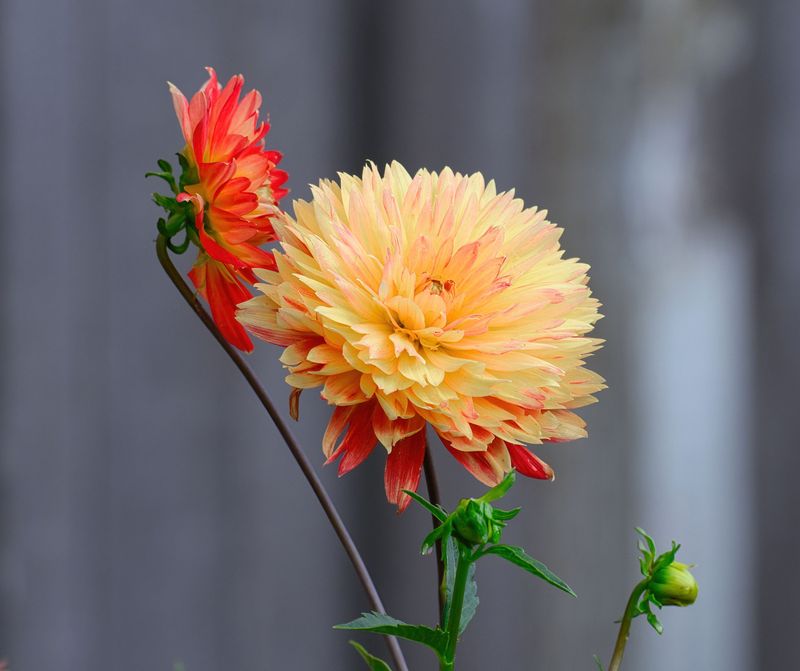
Not every gardening term is self-explanatory, but this one is refreshingly simple. Disbudding means removing certain buds so the remaining ones grow larger.
On a dahlia stem, you typically find one main bud at the tip and two smaller buds branching off just below it. Those side buds are called lateral buds, and they compete directly with the central one.
When all three buds stay on the plant, energy gets divided three ways. The blooms you get are smaller, thinner, and less impressive than they could be.
Remove the side buds early, and the math changes completely. One bud gets everything the plant has to offer.
Dahlia roots store a surprising amount of energy each season. Directing that energy to a single bloom per stem creates flowers that stop people in their tracks.
This technique is not new. Competitive dahlia growers have used it for decades to win shows and impress judges.
Home gardeners in Vermont are now catching on, and the results speak for themselves. Blooms the size of dinner plates are showing up in backyard gardens across the state.
Understanding what disbudding does at a plant level makes you a more confident gardener. You are not guessing anymore. You are making a smart, science-backed choice that pays off in petals.
Side Buds Compete With Your Best Blooms
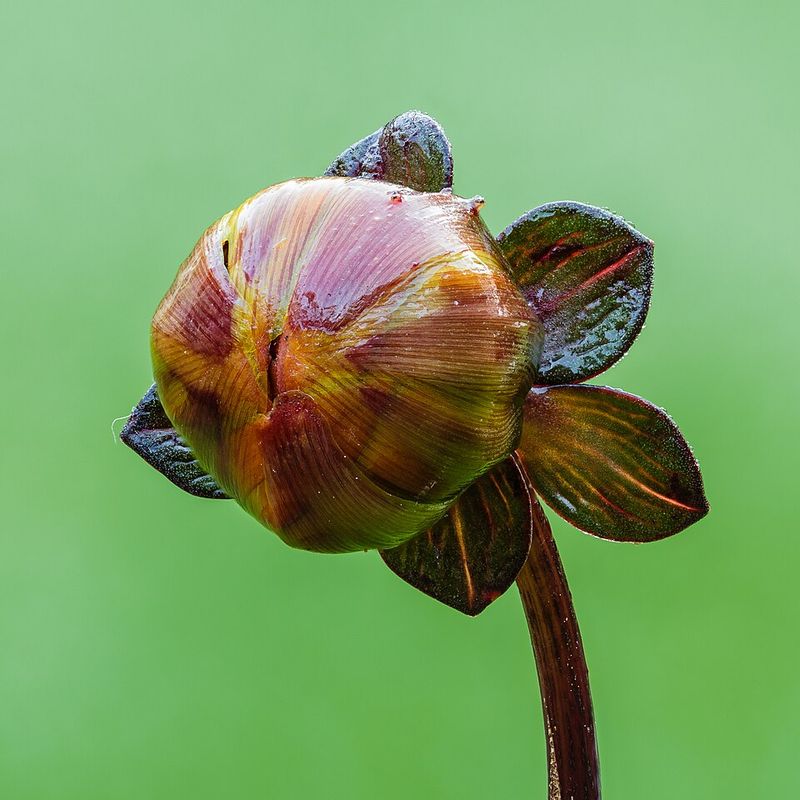
Think of your dahlia stem like a garden hose with three nozzles. Water pressure drops the more nozzles you open.
Side buds work the same way. Each one you leave on the plant pulls nutrients, water, and sugars away from the central bloom you actually want.
Dahlias are heavy feeders, meaning they absorb a lot from the soil. But that abundance only helps when it goes where you direct it.
Left to grow naturally, a dahlia produces many blooms of modest size. That works fine if you want a full, bushy look in a landscape bed.
For maximum bloom size, though, you want to play traffic cop. Redirect the flow, and the results are stunning.
Side buds often appear and grow quickly. One morning they are barely visible, and by afternoon they are already an inch long.
Check your plants every few days during peak growing season. Catching side buds early makes removal quick and nearly painless for the plant.
Late removal is not a disaster, but early removal is always better. The sooner you redirect the plant’s resources, the more time the central bud has to grow.
This simple act of removing competition is one of the more effective techniques in dahlia gardening. Your main bloom gets the full spotlight, and it stands out clearly because of it.
How To Disbud Dahlias The Right Way
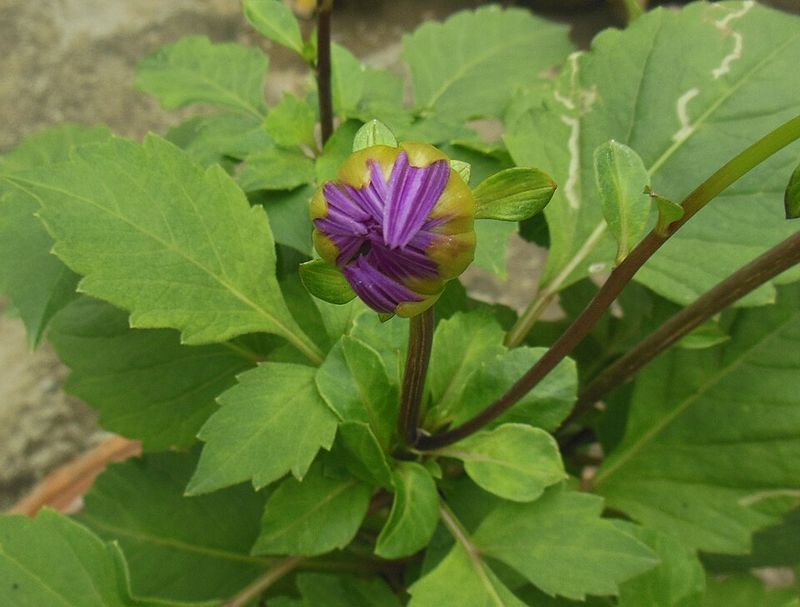
Good technique makes this job even faster and cleaner. You want to remove side buds without stressing the main stem.
Start by identifying the central bud at the top of the stem. It should be the largest and most upright bud on that particular branch. Look just below it for two smaller buds growing from the leaf axils. Those are your targets.
Grip each side bud between your thumb and index finger. Snap it off with a quick, firm motion directed away from the central stem.
A clean break is best. Avoid twisting, which can damage the surrounding tissue and invite disease.
If the bud is very small, your fingernail works perfectly. Larger buds may need a small pair of sharp scissors or pruning snips.
Wipe your cutting tool between plants if you use one. This prevents spreading any potential fungal issues from one stem to another.
After removing the side buds, take a quick look at the base of the stem. Remove any yellowing leaves that might be blocking airflow around the plant.
The whole process takes about thirty seconds per stem once you get the hang of it. A patch of twenty dahlias can be fully disbudded in about ten minutes.
Doing it right the first time means fewer do-overs and healthier plants all season long. Your blooms will thank you in the most colorful way possible.
When To Disbud For Maximum Bloom Size
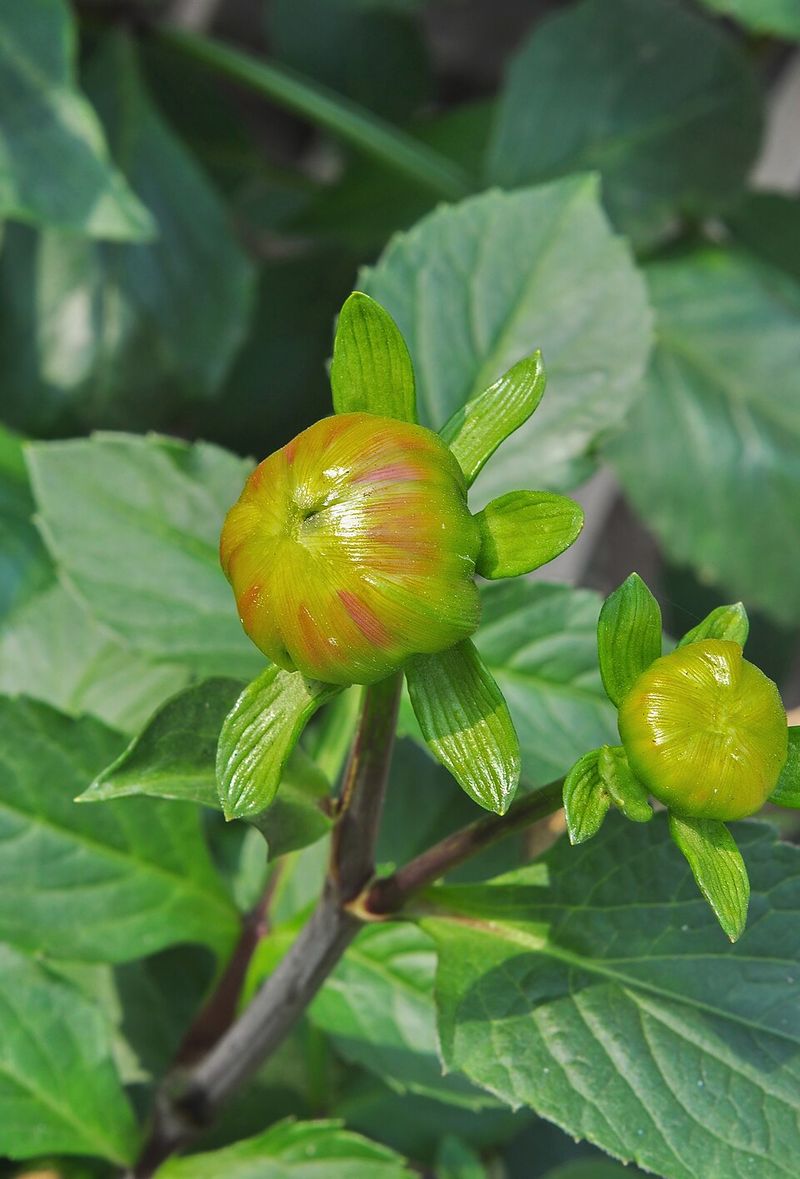
Timing is everything in dahlia care, and disbudding is no exception. Move too late, and you lose valuable growing days.
The best time to remove side buds is when they are still small, roughly the size of a pea. At that stage, removal is fast, easy, and causes minimal disruption to the plant.
Once a side bud grows larger than a marble, it has already consumed a noticeable amount of energy. You should still remove it, but the main bud has already lost some potential.
In Vermont, dahlias typically start showing buds in mid to late July. That is when your weekly checks become non-negotiable.
Set a reminder on your phone if it helps. A quick Sunday morning walk through your garden is all it takes.
During hot, sunny stretches, buds can develop faster than expected. Check your plants twice a week during those periods.
Morning is the best time to disbud. Plants are hydrated and firm, which makes clean removal much easier on both you and the stem.
After disbudding, give your plants a deep watering. This helps the central bud capitalize immediately on its newly undivided resource supply.
Consistency is your biggest advantage here. One thorough session per week keeps your dahlias focused and your blooms growing at their absolute peak potential all season.
Cutting And Arranging Improve With Disbudded Dahlias
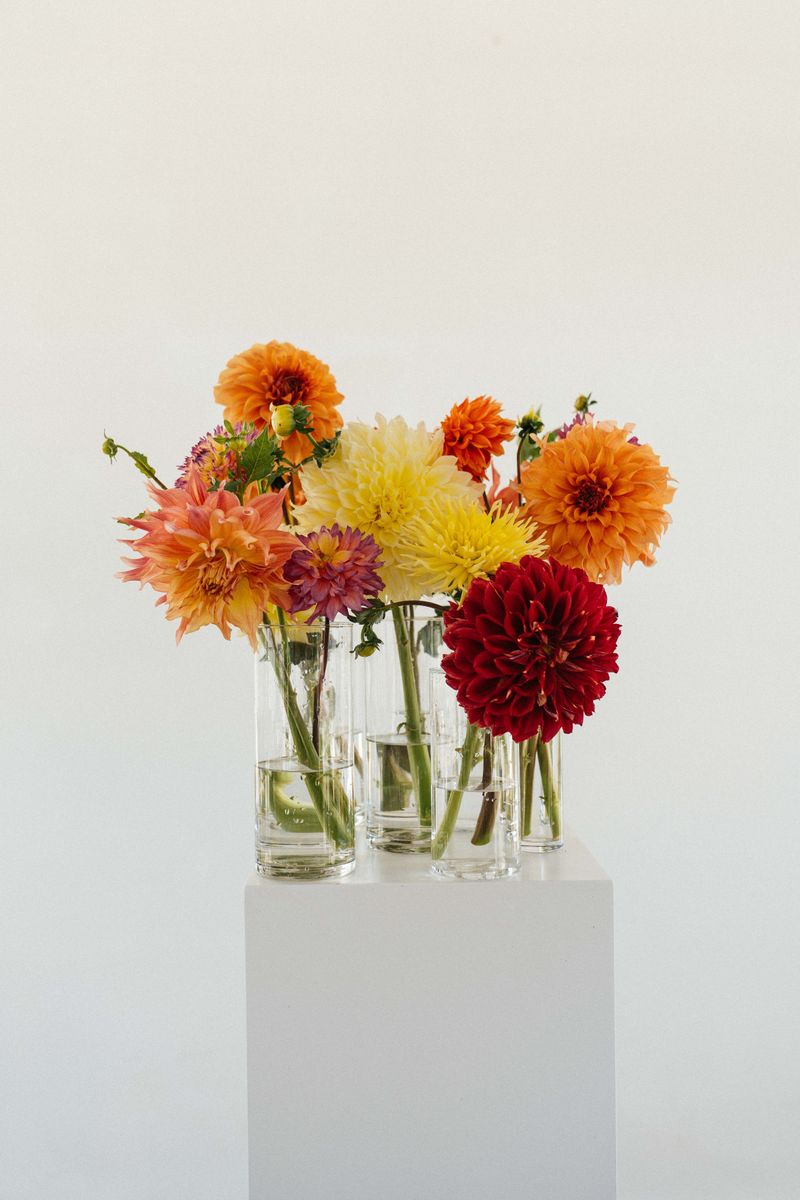
Bigger blooms are not just for the garden. They stand out clearly once you bring them indoors.
Disbudded dahlias have longer, sturdier stems because all the plant’s structural energy goes into one bloom per branch. That makes them far easier to cut and arrange.
A single disbudded dahlia can anchor an entire vase arrangement on its own. The bloom is that substantial and striking.
Many florists who grow their own cutting flowers use disbudding for this exact reason. A large, symmetrical bloom photographs better, lasts longer in water, and commands more attention.
For Vermont gardeners who love bringing summer inside, this makes a meaningful difference. Imagine setting a vase of dinner-plate dahlias on your kitchen table in August.
Cut stems in the early morning or evening when temperatures are cooler. Immediately place them in cool water to keep them fresh and firm.
Remove any leaves that would sit below the waterline in your vase. Submerged foliage breaks down quickly and shortens the life of your arrangement.
Change the water every two days and trim a small amount from the bottom of each stem. Your blooms can last a week or more with proper care.
Disbudded dahlias also make incredible gifts. Showing up with a single, perfect, enormous bloom makes for a memorable gift.