Plant This One Native And Fall Monarchs May Stop In Your North Carolina Yard
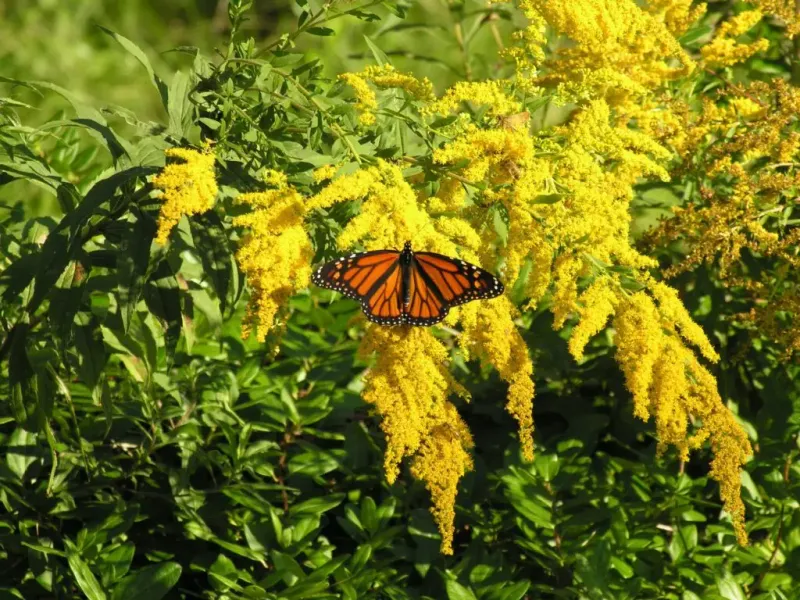
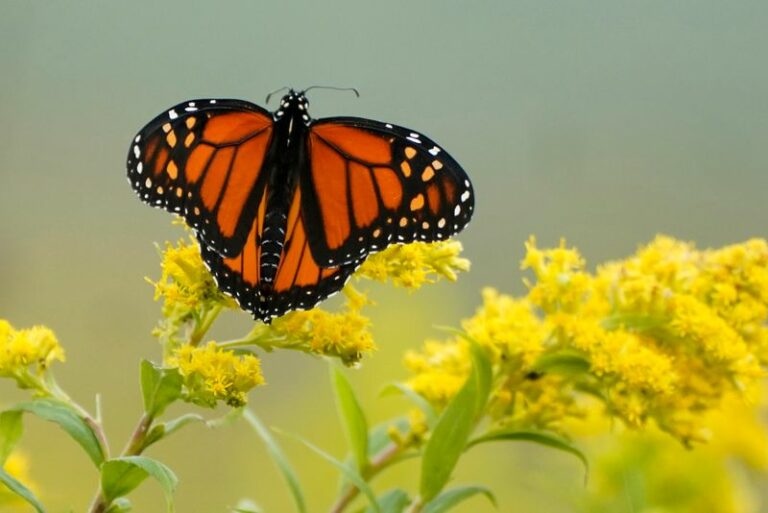
Every September, migrating monarchs pass through North Carolina on a journey that can stretch nearly 3,000 miles, and most of them are looking for one thing: nectar. Planting the right native flower at the right time of year can make your yard a genuine pit stop on that route. Wrinkleleaf goldenrod, a North Carolina native that blooms from August through October, is one of the best late-season choices you can make for fall pollinators. It will not guarantee a monarch sighting every year, but it can genuinely improve your chances while adding golden color to a porch-side border when most other flowers have called it quits.
Meet North Carolina’s Late-Season Goldenrod
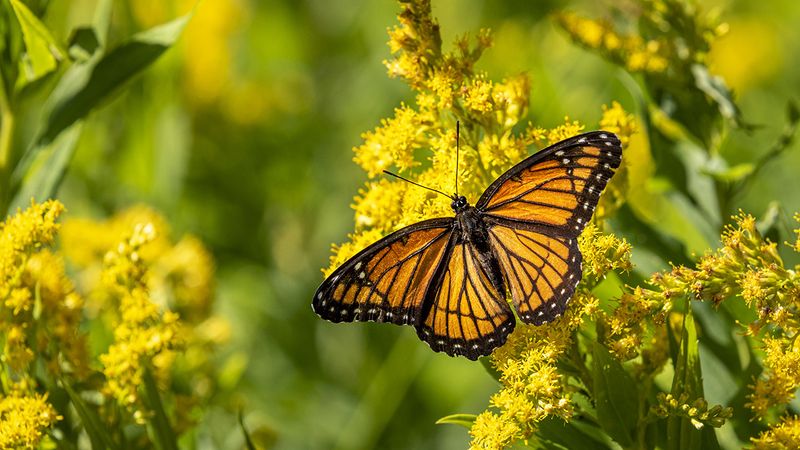
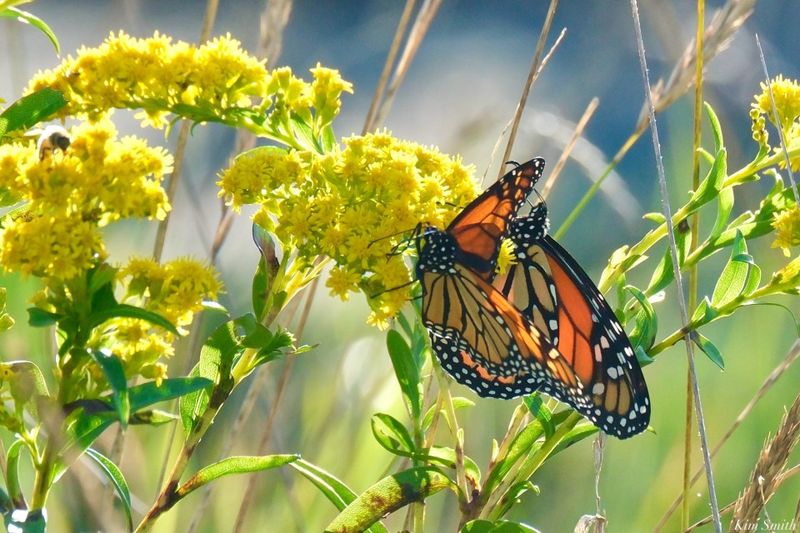
Walk past a sunny garden bed in late September and you might spot a plant covered in arching sprays of small yellow flowers, buzzing with bees and the occasional flicker of orange wings. That plant is wrinkleleaf goldenrod, known botanically as Solidago rugosa, which NC State Extension describes as a native, clump-forming perennial with yellow flowers from August through October and a peak bloom period in September. It grows across North Carolina’s mountains, Piedmont, and Coastal Plain, making it one of the more broadly adaptable goldenrods in the state.
The plant reaches 2 to 5 feet tall, so it is not a front-of-border flower. Place it toward the back or middle of a pollinator planting where the tall stems can arch gracefully without blocking shorter neighbors. Near a patio, driveway, or window, it becomes something you can actually watch, which matters when a monarch decides to stop for a drink.
Its seed display runs from September through November, so even after the flowers fade you get structure and wildlife value. Wrinkleleaf goldenrod is a promising late-season nectar source, and it earns its place in a North Carolina yard on that merit alone, without any promise that monarchs will show up on schedule every fall.
Why Its Fall Flowers Can Help Monarchs
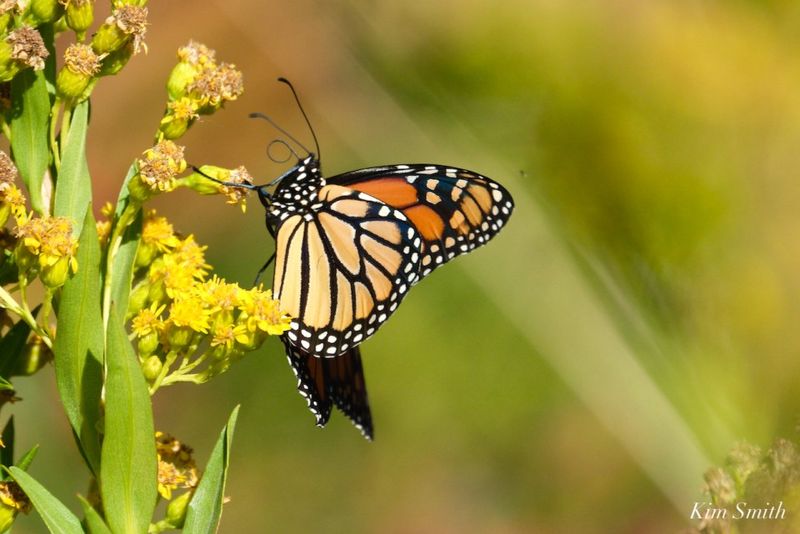
Monarchs heading south in September and October are running on fuel they gather from flowers along the way. Adult monarchs do not eat milkweed. They drink nectar, and they need a steady supply of it across hundreds of miles of travel. Wrinkleleaf goldenrod blooms right in that window, offering calories when many spring and summer wildflowers have already gone to seed.
According to the U.S. Fish and Wildlife Service, eastern monarchs can travel roughly 70 to 75 miles in a single day on a migration that can reach up to 3,000 miles total. At that pace, a yard with open, sunny, nectar-rich flowers is a genuine resource, not just a pretty backdrop. Wrinkleleaf goldenrod contributes to that resource during a period when late-season nectar is genuinely harder to find.
That said, monarchs use many different flowering plants during migration. The Xerces Society’s monarch nectar plant guides recommend a diverse mix of native flowers blooming across the season, not one species standing alone. Wrinkleleaf goldenrod helps by filling the late-summer and fall gap, and it does that job well. Think of it as one strong chapter in a longer story, not the whole book.
Your North Carolina Garden Changes Every Week. Your Plan Should Too.
Gardening in North Carolina changes quickly throughout the season. Every Friday you’ll receive a simple weekly plan showing exactly what to plant, prune, fertilize, harvest, and protect so you never miss the right timing.
Replace the Annual Promise With a Realistic Expectation
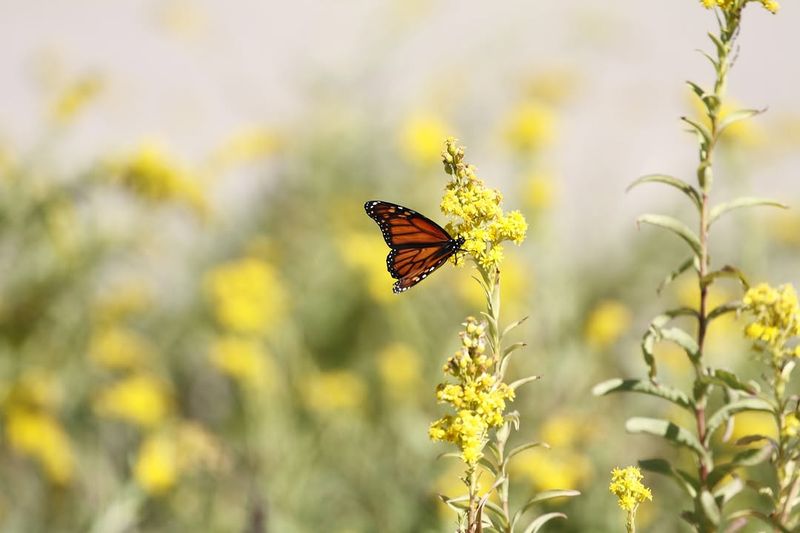
Here is where it gets tricky. The idea that planting one native flower will bring monarchs to your yard every single fall is appealing, but it is not how migration actually works. Monarch sightings depend on weather patterns, the timing of the migration, the overall population size in any given year, and how much nectar is available across a much larger landscape than one backyard. Some years the bulk of the migration swings east through the Piedmont.
Some years it does not.
The U.S. Fish and Wildlife Service and Monarch Joint Venture’s habitat guidance both frame backyard plantings as one stop within a much larger landscape, not a guaranteed magnet. What you can actually control is whether your yard is ready when monarchs do pass through. A sunny, pesticide-free nectar patch with late-blooming natives is genuinely more inviting than a mowed lawn with no flowers at all.
So the honest version of this promise is: wrinkleleaf goldenrod may improve your chance of seeing fall monarchs in your North Carolina yard. That is a real and worthwhile benefit. It is also a more accurate description of what one plant can do. Plant it because it builds better habitat, and let the monarchs decide the rest.
Find a Sunny Site That Fits the Plant
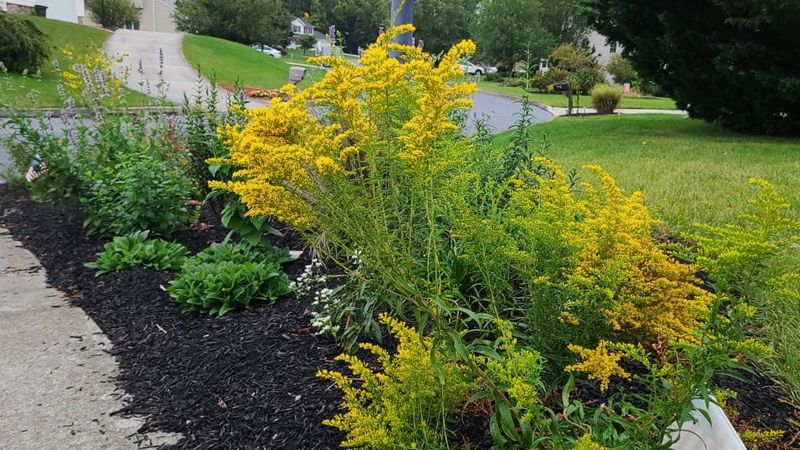
Sunlight is the first thing to get right. Wrinkleleaf goldenrod wants at least 6 hours of direct sun each day, and it performs best with even more. NC State Extension classifies full sun as 6 or more hours and lists wrinkleleaf goldenrod as adaptable across the mountains, Piedmont, and Coastal Plain. A partly shaded spot under a tree canopy will reduce flowering and make the stems lean toward the light.
Soil and drainage matter too, and North Carolina is not one uniform landscape. In the Piedmont, heavy red clay can stay wet after a storm and then crack dry in a summer drought. Wrinkleleaf goldenrod prefers well-drained soil that ranges from moist to occasionally dry, so a raised bed edge or a naturally sloped area can help in clay-heavy yards. In the Sandhills and Coastal Plain, sandy soil drains fast, sometimes too fast, so moisture retention becomes the concern during the long, dry stretches between those afternoon thunderstorms.
Along the coast, wind and salt exposure change the equation enough that a different goldenrod species may serve you better, more on that in the next section.
For placement, the back or middle of a sunny border is the sweet spot. Near a patio, a driveway edge, or a window you look out of regularly, the 2-to-5-foot stems stay visible without crowding smaller plants in front. That way, when a monarch does arrive, you will actually see it. NC State’s general goldenrod guidance supports giving the plant room to establish without competing against aggressive neighbors from day one.
Build a Manageable Nectar Patch
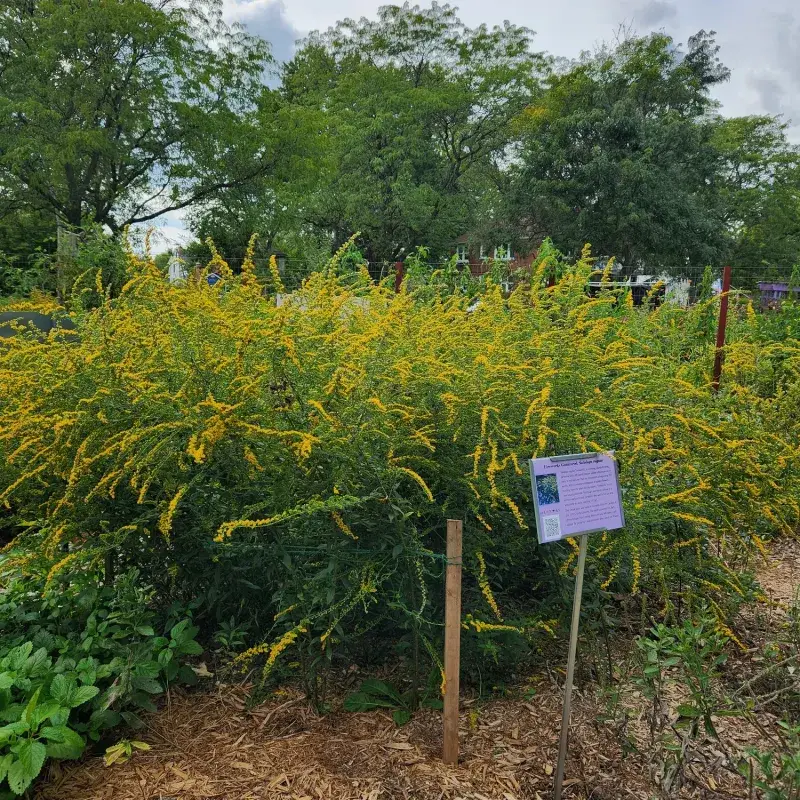
A single stem of goldenrod is easy to miss. A small cluster is something a passing monarch can actually spot from the air and investigate. Planting a few wrinkleleaf goldenrods together creates a broader splash of yellow and more flowers open at once, which makes the patch more useful as a nectar stop. That said, no source has established a precise number of plants that guarantees monarch visits, so treat grouping as good garden design rather than a magic formula.
Allow roughly 3 feet or more of available planting room per plant. NC State’s plant profile for wrinkleleaf goldenrod describes it as clump-forming, which is more manageable than some spreading goldenrod relatives, but it still needs space to fill out naturally. Fall is a favorable time to plant most North Carolina natives because the worst of the summer heat has passed and roots have several months to settle in before the following growing season. NC State Extension’s landscaping for wildlife guidance supports fall planting as a generally good establishment window for native perennials.
Water the new planting during dry spells while the roots are getting established, and pay extra attention in sandy Coastal Plain soil, which can lose moisture quickly between rains. In the Piedmont, a dry October after a late summer drought means the same thing: check the soil a few inches down and water if it is dry. Monarch Joint Venture’s habitat FAQs emphasize diverse, well-established plantings as the foundation of useful monarch habitat, and a plant that struggles through its first year adds less than one that roots in strong.
Match the Goldenrod to the Landscape
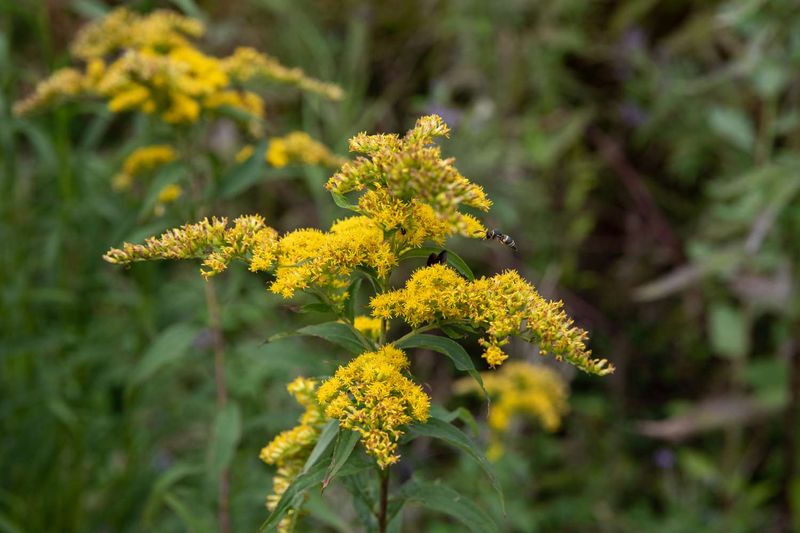
Goldenrod is a genus, not a single plant. NC State Extension lists numerous Solidago species that grow in North Carolina, and they are not interchangeable. Choosing the wrong one for your site can mean a plant that spreads far beyond where you wanted it, or one that sulks and never really establishes.
Wrinkleleaf goldenrod is the broadly suitable option for most inland North Carolina gardens because of its clump-forming habit and statewide range. But if you garden near the coast, on a dune, in a salt marsh edge, or in ground that sees regular salt exposure from wind or flooding, seaside goldenrod, Solidago sempervirens, is a stronger regional match. It tolerates sandy soils and salt spray in ways that wrinkleleaf goldenrod is not specifically known for.
At the other end of the spectrum, avoid planting tall goldenrod, Solidago altissima, in a small or defined garden bed. NC State explicitly warns that tall goldenrod is extremely rhizomatous and not recommended for small planting areas. It can move aggressively through a border and crowd out everything else within a few seasons. Wrinkleleaf goldenrod’s 2-to-5-foot form suits a naturalized pollinator border or a relaxed cottage-style bed much better than a tightly clipped formal garden, where its arching stems and late-season seedheads would look out of place.
Know your site, check the species name, and plant accordingly.
Protect the Nectar With Pesticide-Free Care
Aphids show up on goldenrod. So do beetles, and sometimes a stem looks rough enough that the urge to grab a spray bottle is real. Resist it. Spraying insecticides on blooming goldenrod, milkweed, or nearby nectar plants can kill the monarchs and other beneficial insects you planted the garden to attract in the first place.
Monarch Joint Venture’s pesticide guidance explains that insecticides can harm monarchs on contact, while systemic products are especially concerning because they move into plant tissues, nectar, and pollen, where they can affect any insect that feeds on the plant. That includes butterflies nectaring on flowers that look perfectly healthy from the outside. Their pesticide FAQ recommends avoiding routine applications on milkweed and nectar plants and using integrated pest management instead.
In practice, that means watching before acting. A cluster of aphids on a goldenrod stem is genuinely unpleasant to look at, but ladybugs and parasitic wasps often handle them without any help from you. A few chewed leaves do not threaten the plant’s ability to flower. The goal is not a perfect-looking garden.
The goal is a functioning nectar patch, and a functioning nectar patch needs to stay chemical-free during the weeks when monarchs might be passing through.
Pair Goldenrod With the Rest of Monarch Habitat
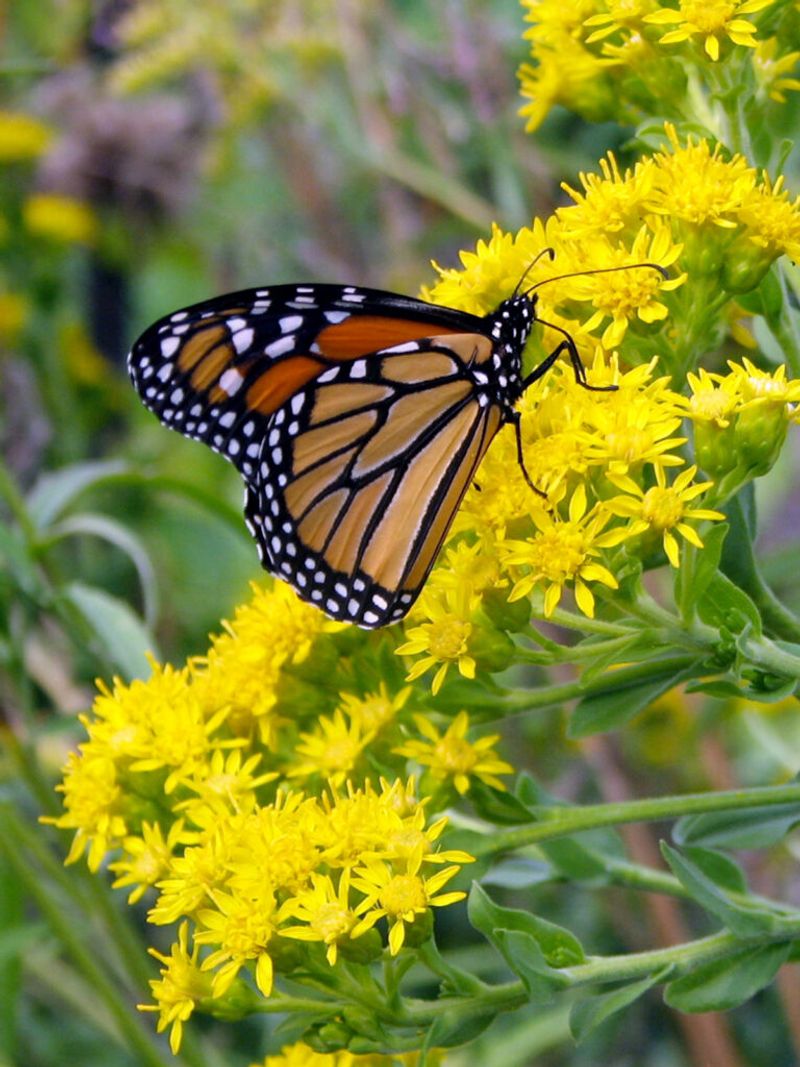
Wrinkleleaf goldenrod does one job well: it feeds adult monarch butterflies nectar during their fall migration through North Carolina. That is a genuinely valuable contribution to late-season habitat. But adult monarchs are only half the story. Monarch caterpillars can eat only milkweed in the genus Asclepias, and no amount of goldenrod changes that fact.
A yard that wants to support the full monarch life cycle needs both. NC State Extension’s native plants handbook emphasizes matching plant species to site conditions, and that applies to milkweed too. Butterfly weed, Asclepias tuberosa, thrives in well-drained soil and handles the dry spells common in the Sandhills and sunny Piedmont borders. Swamp milkweed, Asclepias incarnata, suits consistently moist ground near a rain garden or a low spot in the yard.
The right milkweed for your site is far more useful than a species that struggles through your soil conditions. The Xerces Society’s monarch resources and their nectar plant guides both point toward diverse, regionally appropriate plantings as the practical foundation of useful monarch habitat.
The U.S. Fish and Wildlife Service frames backyard habitat as one piece of a much larger migration landscape, which is the right way to think about it. Add early-season nectar plants so monarchs and other pollinators have resources from spring onward, keep the whole planting pesticide-free, and let wrinkleleaf goldenrod anchor the fall end of that succession. A yard built that way is not a guarantee of anything, but it is the kind of place a traveling monarch might actually pause and use, and on a quiet September evening, that is worth more than any promise.