The One Thing Ohio Gardeners Do In August That Makes Spring Bulbs Look Stunning
Your garden hides a secret before summer fades away. Bare spots exist right now that disappear quickly by October. Ohio gardeners already understand this window closing fast.
You can still see every gap and empty corner. Nothing stays visible once perennials fade into dormancy. Spring bulbs need placement while color still marks the ground.
Waiting until autumn means feeling uncertain where beauty belongs. Fall hides every clue that Ohio winters leave behind. Marking bare zones now prevents uneven clusters come spring.
Choosing bulbs suited to your soil demands real strategy. Drifts look natural only when placed with real intention. Every bare corner deserves a plan, never an afterthought.
Confidence today creates color tomorrow, without any delay. This whole process costs almost nothing but a short afternoon walk.
Smart planning turns quiet gaps into next year’s standout blooms. Act now, because every choice you make today shapes next spring’s beauty completely.
Why August Is The Best Time To Plan Your Spring Bulb Display
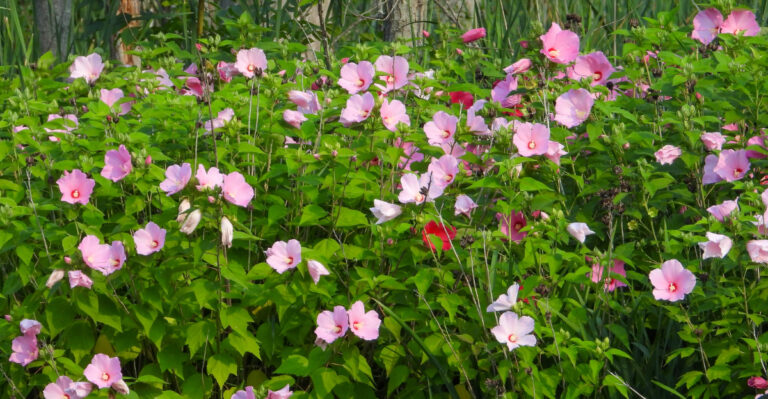
Your garden is basically a living map right now. Every plant, every gap, every awkward empty corner is visible and readable in August.
This is exactly why Ohio gardeners treat late summer as prime planning season. The simple thing they do to make spring bulbs look stunning starts here, in the middle of summer heat.
When perennials are fully leafed out, you can spot the spots that lack color. You see which areas get morning sun versus afternoon shade.
That information is gold when you are choosing bulb placement. Tulips need at least six hours of sun, while grape hyacinths tolerate partial shade beautifully.
By September, many plants start yellowing and collapsing. Their foliage no longer tells you much about light, spacing, or visual flow.
August gives you a clear, honest snapshot of your garden’s personality. You get to plan with your eyes wide open instead of guessing from memory.
Grab a drink, walk outside, and start looking at your yard with fresh eyes. Notice which beds feel full and which ones feel flat or forgettable.
Take mental notes or actual ones on a notepad. The goal is to capture the truth of your garden before the season shifts.
Planning in August also gives you time to order bulbs before popular varieties sell out. In some years, popular tulip and daffodil selections can run low by mid-October.
Act early and your spring display will be both intentional and spectacular. Waiting until fall often means settling for whatever is left on the shelf.
Walk The Garden Now And Flag Every Bare Spot

Grab a handful of small garden flags or wooden stakes before you step outside. You are going on a treasure hunt for the empty, underwhelming spots in your yard.
Walk slowly and look for gaps between perennials where nothing blooms in spring. Those gaps are prime real estate for tulips, daffodils, and alliums.
Push a flag into the ground wherever you find a bare patch. Do not overthink it at this stage.
Your Ohio Garden Changes Every Week. Your Plan Should Too.
Gardening in Ohio changes quickly throughout the season. Every Friday you’ll receive a simple weekly plan showing exactly what to plant, prune, fertilize, harvest, and protect so you never miss the right timing.
The flags are just placeholders so you remember where opportunities exist. You can always remove or move them later as your plan evolves.
Pay attention to the front edges of beds, which often look sparse in early spring. A row of crocus or snowdrops along a border creates instant charm in March.
Also check the base of shrubs and trees. Many gardeners overlook these zones, but they are perfect for naturalized daffodils that spread year after year.
Look at your yard from the street or from a window. The view from a distance reveals visual gaps that are easy to miss up close.
Count your flags when you are done. Most gardeners are surprised to discover ten or more planting opportunities they never noticed before.
Photograph each flagged spot from multiple angles. These photos become your reference guide when you sit down to order bulbs online.
Flagging takes maybe twenty minutes, but it completely changes how confident you feel going into fall planting season. You stop guessing and start executing a real plan.
Fall Planting Gets Harder Once Perennials Fade
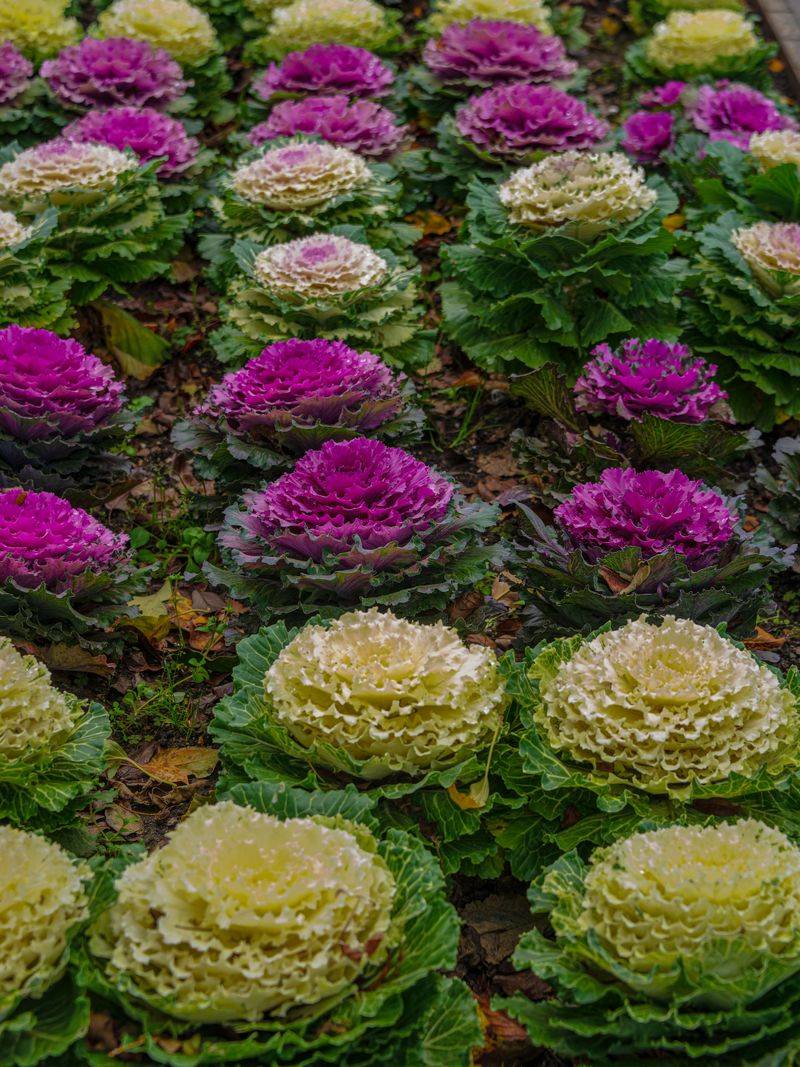
Picture yourself standing in your garden in late October with a bag of tulip bulbs and zero memory of where anything was. That scenario plays out every single year for unprepared gardeners.
Once perennials collapse and foliage browns, the visual cues disappear completely. Your garden becomes a confusing, featureless patch of soil.
You forget which corner gets afternoon shade. You forget where the hostas come back each spring and where the daylilies crowd everything out.
Planting bulbs in the wrong spot creates frustrating results. Tulips shoved under a dense hosta clump will struggle to bloom and may rot in soggy soil.
Fall also brings unpredictable weather across the Midwest. Some years, the ground freezes earlier than expected, cutting your planting window short.
If you have not mapped things out ahead of time, you end up rushing. Rushed planting means bulbs go in at the wrong depth, wrong spacing, or wrong location entirely.
August planning removes all of that stress. Your flags and photos do the remembering for you, so October feels organized instead of chaotic.
Think of your August walk as insurance against fall confusion. You are protecting your investment before conditions make it harder to think clearly.
Good bulb placement also prevents accidental digging disasters. When you know exactly where bulbs are going, you avoid slicing through existing roots with your trowel.
Spring arrives fast and unforgiving. A little August prep means you greet it with a garden that looks like someone actually planned it, because you did.
A Simple Way To Map Out Natural-Looking Bulb Drifts
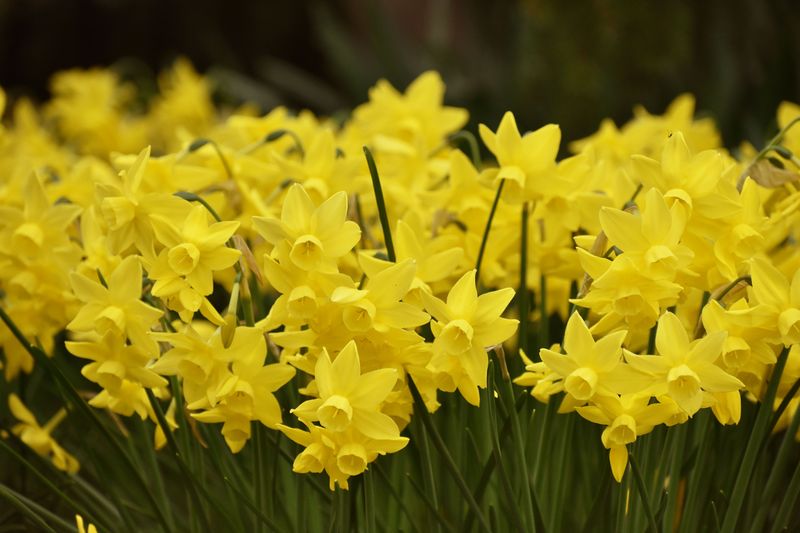
Straight rows of tulips look stiff and formal, like soldiers at attention. Natural drifts, on the other hand, look like your garden planned itself.
Creating a drift is easier than it sounds. Grab a piece of graph paper or open a free garden planning app on your phone.
Sketch your bed shapes loosely, without stressing about perfection. Mark where your flags are using simple X marks or colored dots.
Now draw loose, organic clusters around each X. Aim for teardrop or kidney shapes rather than circles or rectangles.
Each cluster should hold between seven and fifteen bulbs of the same variety. Odd numbers always look more natural than even ones.
Overlap your clusters slightly where two varieties meet. This creates a blended, layered look when both bloom at slightly different times in spring.
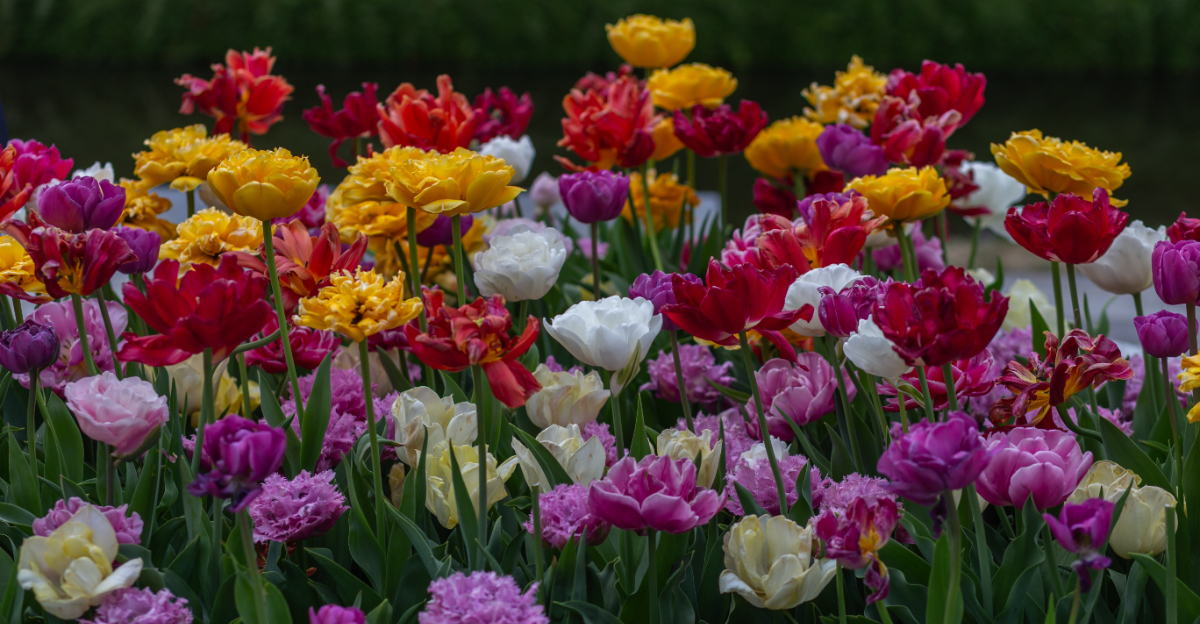
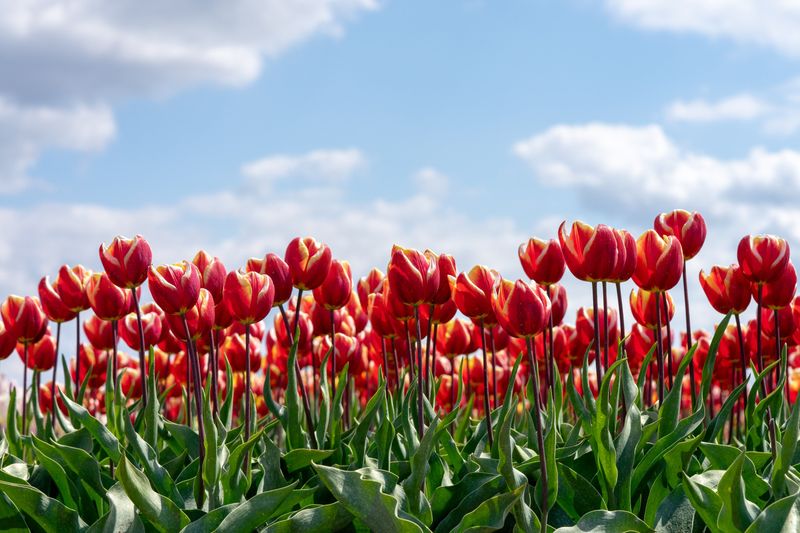
Color matters as much as placement. Warm tones like red and orange tulips pop against cool purple grape hyacinths.
Try pairing early bloomers with mid-season varieties in the same drift zone. That way, the bed stays colorful for weeks instead of peaking all at once.
Your sketch does not need to be art. It just needs to be clear enough that you can follow it in October with a trowel in hand.
Take a photo of your finished sketch and keep it in your phone’s camera roll. You will thank yourself when you are kneeling in cold soil trying to remember the plan, and the answer is one tap away.
Which Bulbs Thrive Best In Ohio Gardens This Fall
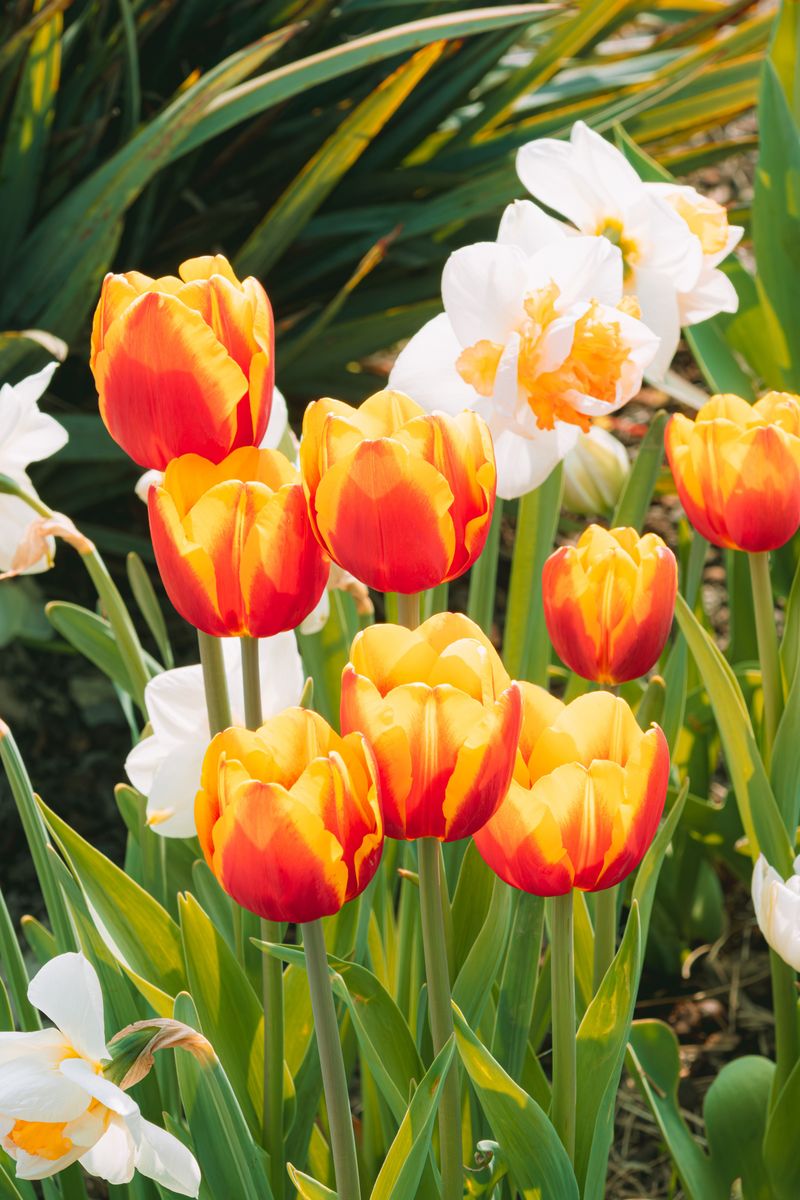
Not every bulb loves the Midwest climate, but plenty do. The key is choosing varieties that handle cold winters and wet springs without complaining.
Daffodils are practically bulletproof in this region. They naturalize easily, come back stronger each year, and deer rarely bother them.
Tulips put on an eye-catching display, though they sometimes need replanting every few years. Darwin Hybrid types are the most reliable performers in colder zones.
Grape hyacinths, also called muscari, are tiny but mighty. They spread on their own and create beautiful purple carpets under taller bloomers.
Alliums are an underrated gem for Midwest gardens. Their round, purple globe flowers arrive in late spring and attract pollinators like crazy.
Crocus are the earliest risers, often poking through snow in late February or early March. Planting them near a walkway means you see them up close every single day.
Scilla, also called Siberian squill, creates breathtaking blue drifts in shaded areas. It naturalizes aggressively, which is a good thing when you want a low-maintenance display.
Camassia is a native bulb that tolerates wet soil better than most. If you have a low-lying area that stays soggy in spring, this one belongs there.
Hyacinths deliver incredible fragrance and bold color in early spring. Plant them near a porch or entryway where you will catch their scent on warm March mornings.
Choosing the right bulb for each spot is what separates a good garden from a genuinely stunning one this spring.
Common Mistakes That Weaken A Bulb Layout Plan
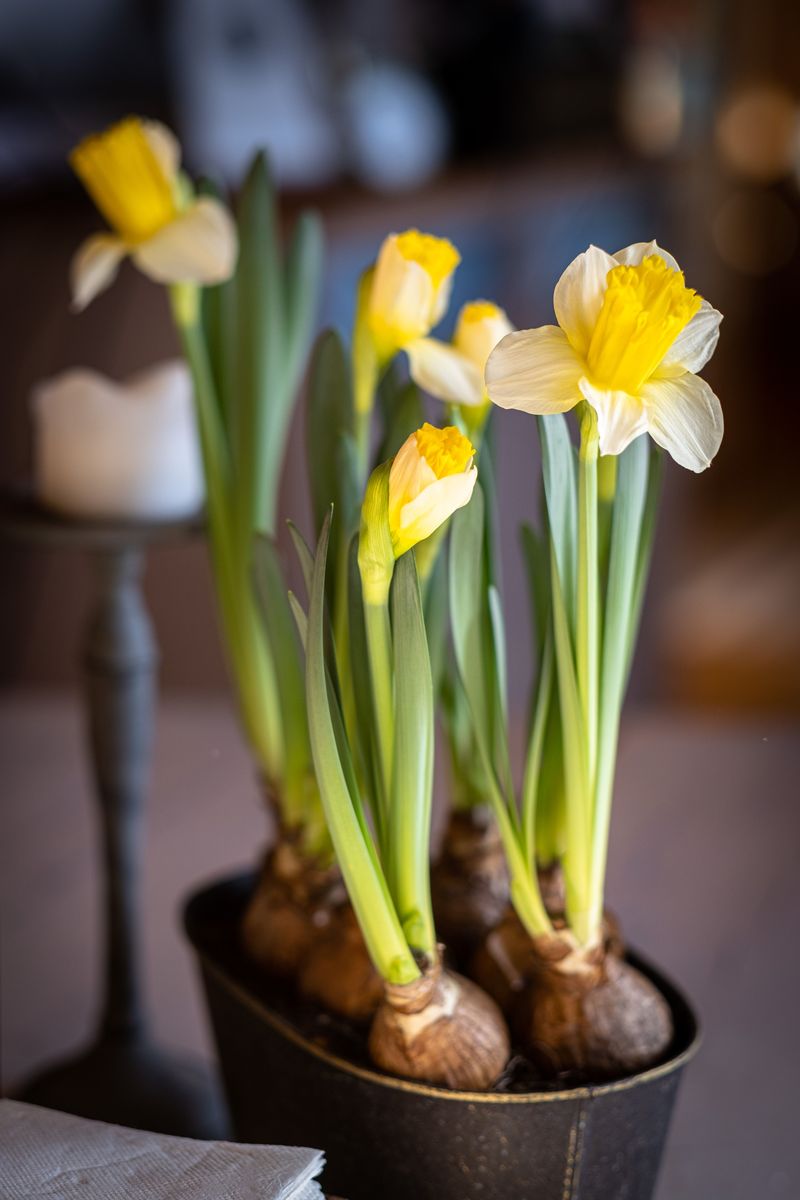
Even the most enthusiastic gardeners make the same bulb planning errors year after year. Knowing what to avoid saves you money, effort, and springtime disappointment.
Planting in perfectly straight rows is the most common mistake. Rows look unnatural and stiff once blooms open in April.
Buying too many varieties is another trap. Ten different tulip colors planted in tiny groups of three look scattered and disorganized rather than bold and intentional.
Stick to two or three varieties per bed for a cleaner, more dramatic effect. Repetition creates rhythm, and rhythm creates beauty in a garden.
Ignoring depth requirements causes bulbs to underperform or rot. Tulips go eight inches down, crocus just three, and getting this wrong affects bloom quality significantly.
Planting too close together is tempting when bulbs look tiny in your hand. But crowded bulbs compete for nutrients and produce smaller, weaker flowers over time.
Forgetting to account for foliage is a sneaky mistake. Daffodil leaves stay visible for six weeks after blooming and can look messy if planted in a prominent spot.
Pair them behind later-emerging perennials that hide the fading foliage naturally. This trick keeps your beds looking tidy all season long.
Skipping the August planning step is probably the biggest mistake of all. Without a map and flagged spots, fall planting becomes an unpredictable process.
The simple thing Ohio gardeners do to make spring bulbs look stunning is plan ahead, flag early, and plant with purpose. That habit alone changes everything.