This Is What It Really Means When An Indigo Bunting Visits Your Illinois Yard
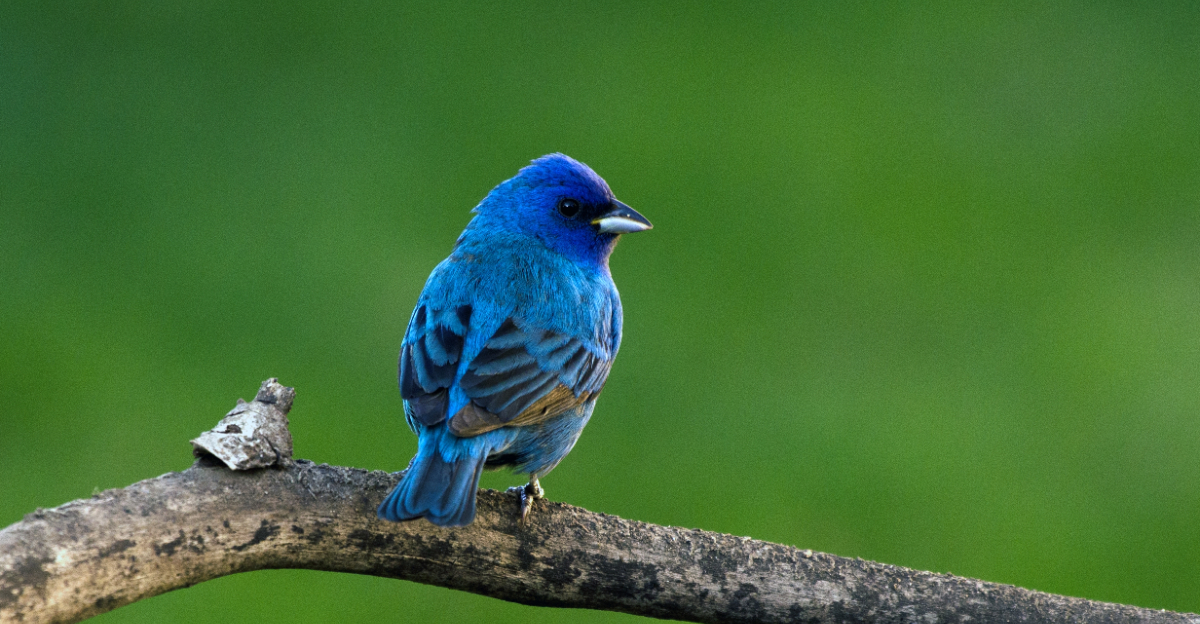
A single cobalt blur just paused you near the porch rail this morning. Illinois quietly holds more surprises than most casual birders expect. That flash belongs to the Indigo Bunting, a gentle summer specialist.
Few backyard visitors carry this much quiet meaning with them each season. Your yard’s shape, light, and food supply shape who stays and who simply moves on.
Its arrival follows patterns tied to weather and migration timing. Weather fronts gently guide these small travelers north each spring. Seeds, dense cover, and open sky quietly shape their every choice.
Migration routes pass straight through Illinois every single year. Understanding why they choose you unlocks something genuinely meaningful. Every appearance hints at conditions you might otherwise easily miss.
Timing matters just as much as your exact location or luck. You already hold more clues than you probably realize now. Everything that follows explains exactly why they chose you.
Indigo Buntings Are A Seasonal Summer Treat In Illinois Gardens
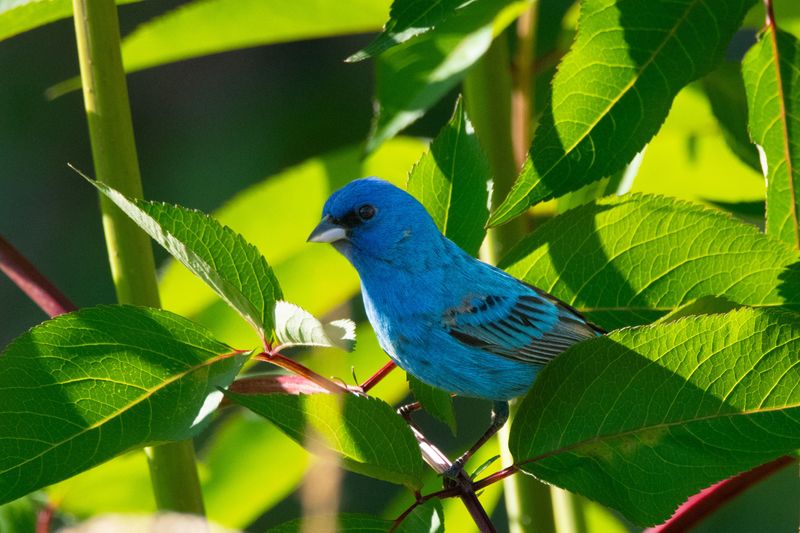
Some mornings feel luckier when a bright indigo bunting lands near your garden. Across Illinois, summer is the season when these colorful travelers usually appear. Because they do not stay long, any backyard visit feels like a small gift.
Their timing often matches nesting, insects, seeds, and thick cover for hiding. That mix tells you your space offers more than flowers and trimmed grass.
Sunlight catches their feathers in a way few other birds match. Males arrive first, staking out territory before females even reach the state.
Their song carries surprising distance for such a small, delicate body. Every note signals confidence, a claim worth defending loudly.
Females choose mates based partly on habitat quality, not just color alone. That means your garden’s health directly influences whether they linger or leave. Insects hiding in untrimmed edges become unexpected daily nourishment.
Native seed heads left standing through summer quietly reward patient, observant homeowners. Thick shrubs near fence lines offer exactly the cover these birds crave most.
Weather shifts can push migration timing earlier or later each year. Watching closely teaches patterns most neighbors walking past completely overlook.
Keep binoculars ready because the blue spark may disappear before breakfast ends. Nothing about this visitor feels ordinary once you start paying real attention.
Spotting The Bright Blue Plumage That Gives This Bird Away
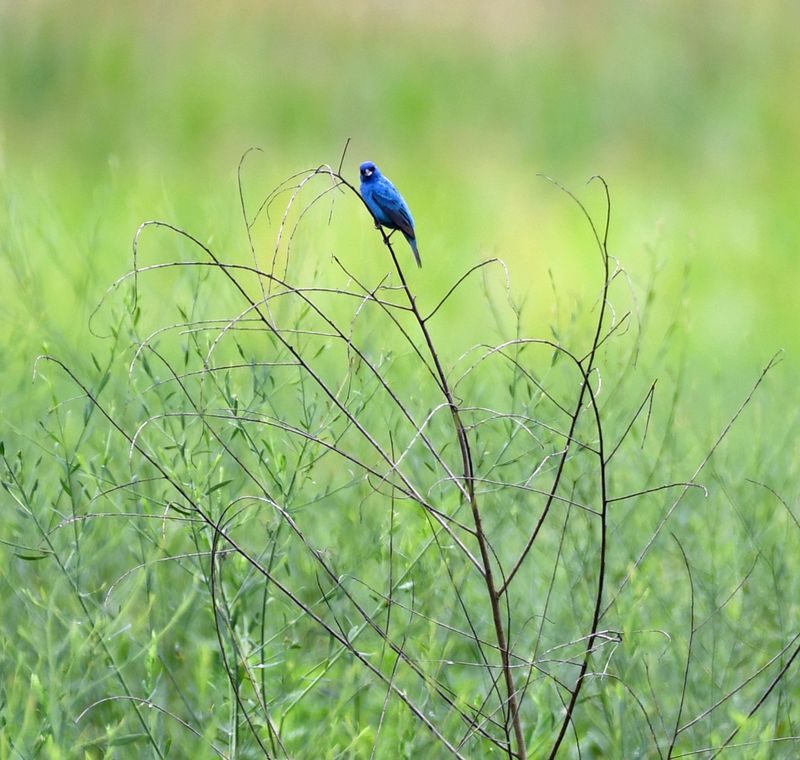
Nothing blends in less than a male indigo bunting glowing above green weeds. Sunlight can make him look blue, almost painted instead of feathered by nature.
Females wear brown shades, so that blazing male color helps with identification. Watch fence lines, shrubs, and wires, where that jewel tone often appears first. Binoculars reveal a small finch shape and stout bill beneath that color.
Once you notice those clues, future sightings become easier and exciting outside. That blue is actually an illusion created entirely by feather structure and light. No blue pigment exists anywhere on his small, compact body at all.
Angle changes everything, turning bright cobalt into dull gray within seconds. Cloudy skies mute the effect, while direct sun makes him practically glow. Young males often show a patchy mix of brown and blue feathers.
Your Illinois Garden Changes Every Week. Your Plan Should Too.
Gardening in Illinois changes quickly throughout the season. Every Friday you’ll receive a simple weekly plan showing exactly what to plant, prune, fertilize, harvest, and protect so you never miss the right timing.
That messy transition confuses many beginners trying to confirm the species. Females and juveniles rely on subtle streaking instead of bold, obvious color.
Learning their quieter markings prevents missed sightings during early morning light. Perched high on wires, males sing loudly to announce their exact territory.
That behavior alone makes spotting them easier than searching through dense brush. Pay attention to posture, since these birds sit upright with confident, alert stillness.
Comparing size against nearby sparrows helps confirm identification within seconds. Once these details click together, no bunting sighting ever feels accidental again.
A Backyard Visit Can Signal A Healthy Ecosystem
One bunting visit acts as a report card for habitat in your yard. These birds prefer places with insects, seed sources, brushy edges, and space.
Seeing one suggests your planting choices support food webs instead of empty decoration. Native flowers, unmowed corners, and fewer chemicals often help small birds thrive. Even a modest suburban lot can offer life when layers of cover exist.
That blue visitor may be reflecting your backyard choices more than expected. Height matters too, since buntings favor mixed layers instead of flat, mowed lawns.
Tall grasses, low shrubs, and mid-story branches together create ideal nesting structure. Chemical-free yards hold more insects, and insects mean more protein for nestlings.
Skipping pesticides this season could directly influence whether buntings choose your property. Brush piles left in corners often shelter insects these birds actively hunt.
Removing every fallen branch quietly erases food sources without you realizing it. Native seed plants like coneflower or bee balm attract both insects and birds.
Non-native, sterile plants rarely offer the same nutritional value or shelter. Water sources nearby increase chances further, especially during dry summer stretches.
A shallow dish or small feature can make surprising differences quickly. Diversity, not size, often determines how well your Illinois yard functions as habitat.
Small yards packed with layered plants often outperform larger, manicured properties nearby. That single flash of blue confirms decisions most neighbors never even consider making.
Food And Shelter That Draw Indigo Buntings To Your Yard
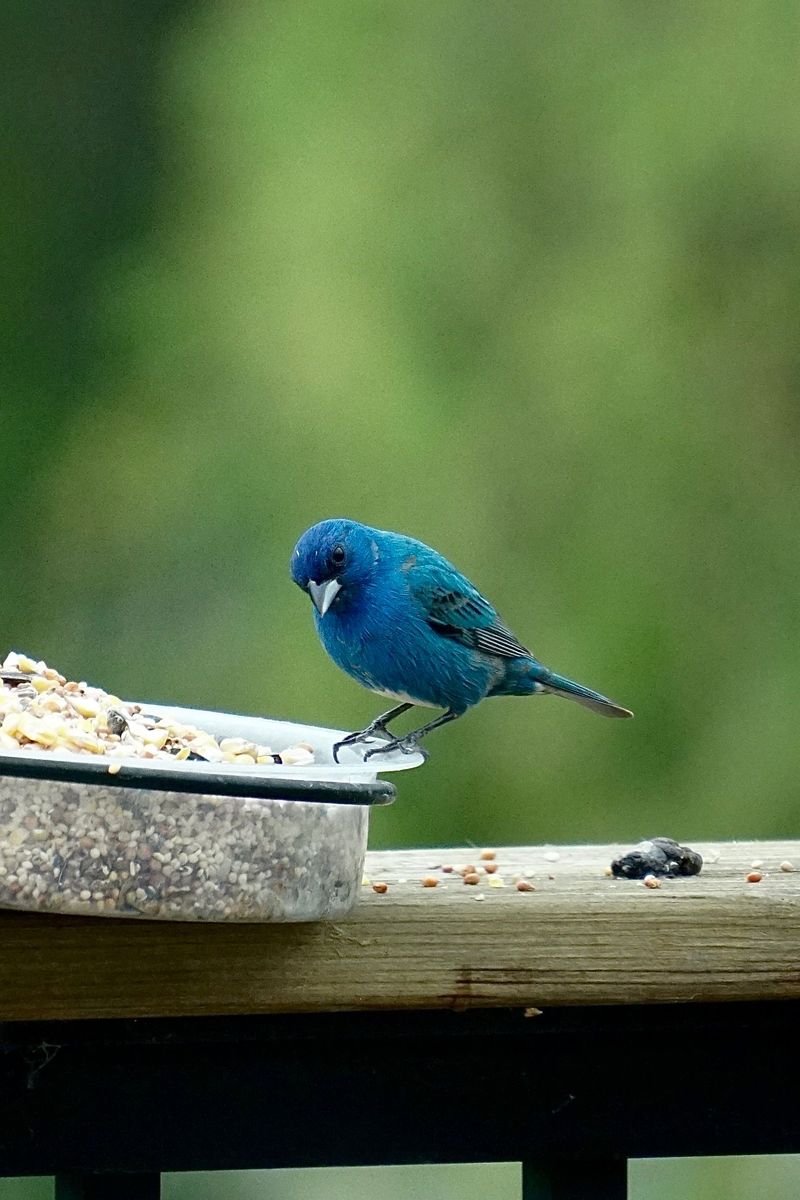
Yards become magnets when food, cover, and quiet perches all work together. Indigo buntings eat seeds and insects, so mixed planting beats an empty lawn. Leave some seed heads standing, especially on native flowers through late summer.
Shrubs, tangles, and young trees give nesting spots plus safe places to pause. Fresh water helps too, even if it is only a shallow birdbath.
When basic needs line up, your Illinois yard feels less random and more welcoming. Layering height changes everything, since ground cover alone rarely satisfies these birds. Add low shrubs, mid-level branches, and taller trees for real structure.
Perches near open space let males sing without feeling exposed to predators. Dense tangles nearby give instant cover the moment danger actually appears.
Mowing less often lets insects multiply, giving buntings steady protein sources nearby. A perfectly trimmed lawn actually works against you more than you realize.
Native grasses left standing through autumn provide seeds long after summer ends. Skip fall cleanup in at least one corner of your property.
That messy patch becomes a pantry these birds quietly depend upon. Birdbaths placed near cover feel safer than those sitting fully exposed.
Even cracked concrete holding rainwater can attract thirsty, opportunistic visitors occasionally.
Consistency matters more than perfection when building habitat birds actually trust. Small changes made this season could bring bigger rewards by next summer.
Timing And Location Tips For Catching A Glimpse
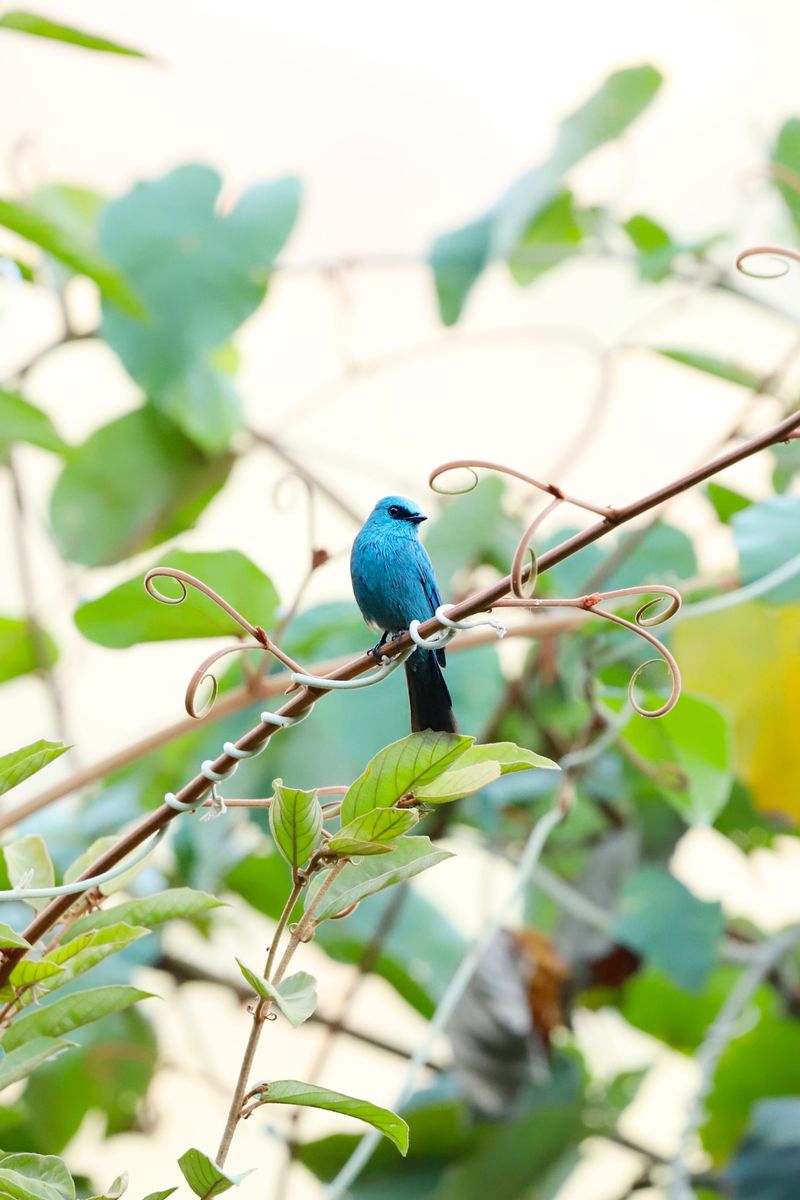
Early hours often bring luck before heat and noise push birds deeper back. Look near weedy edges, hedges, utility wires, and sunny openings by fields.
Males love singing from exposed spots, which makes them easier to notice nearby. Cloudy mornings can help because rich blue stands out against summer light.
If you live near woodland edges or prairie fragments, chances improve a lot. Patience matters most, since one brilliant stop can happen between ordinary chores.
Timing your walks around sunrise increases odds more than any other single factor. Birds feed heavily then, before midday heat forces them into thicker shade. Listen first, since song often reveals a bunting before your eyes ever do.
That sharp, paired phrasing carries surprisingly far across quiet summer air. Scan fence lines and wire stretches where males perch fully exposed. Height gives them visibility, both for singing and watching nearby territory.
Field edges bordering brush create natural highways these birds travel constantly. Walking slowly along such borders often reveals more than rushing ever could.
Overcast light removes harsh glare, letting true feather color show clearly. Bright midday sun can actually wash out that signature blue tone. Prairie remnants near your town may hold higher numbers than expected.
Even small fragments support breeding pairs if cover remains thick enough. Checking these spots across several mornings builds real familiarity with local patterns. Every early outing sharpens your chances of catching that unmistakable flash again.
What The Song Says About Summer Activity
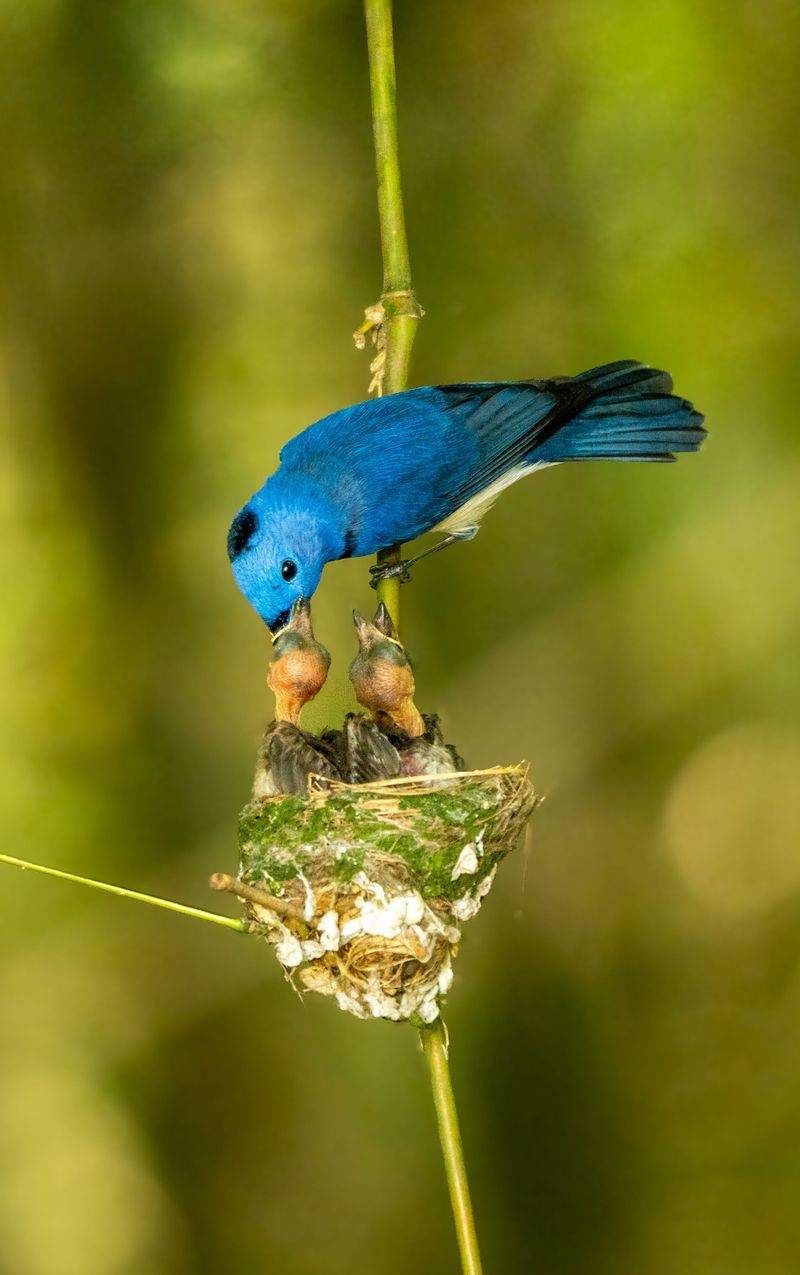
Before you see him, you might hear a quick, bouncy song overhead first. That sound usually means a male is claiming space and attracting a mate. Songs often come from treetops, fence posts, or wires near open ground.
Learning that pattern helps you scan places instead of searching everywhere aimlessly. Each burst of music suggests confidence, territory, and summer business in motion.
Once your ears know the tune, sightings feel less accidental and more earned. Paired phrases repeat quickly, almost like the bird is asking then answering.
That call and response rhythm sets buntings apart from most backyard singers. Young males often sing incomplete versions while still perfecting their full song.
Listening across a season reveals how much practice shapes their eventual skill. Older males typically hold better territory, singing from higher, visible perches.
Competition between neighboring males keeps song output high through early summer. Recognizing pitch changes helps separate buntings from similar-sounding warblers nearby.
Patience trains your ear faster than any guide or recording could. Morning choruses often include several species, so isolating one takes practice.
Once identified, that specific song becomes impossible to forget again. Standing still and listening beats walking loudly through potential territory.
Song posts often repeat daily, so return visits confirm exact locations. Your ears, trained properly, become as useful as your eyes eventually. That skill turns ordinary mornings into something worth genuinely anticipating.
Simple Ways To Welcome Future Visits
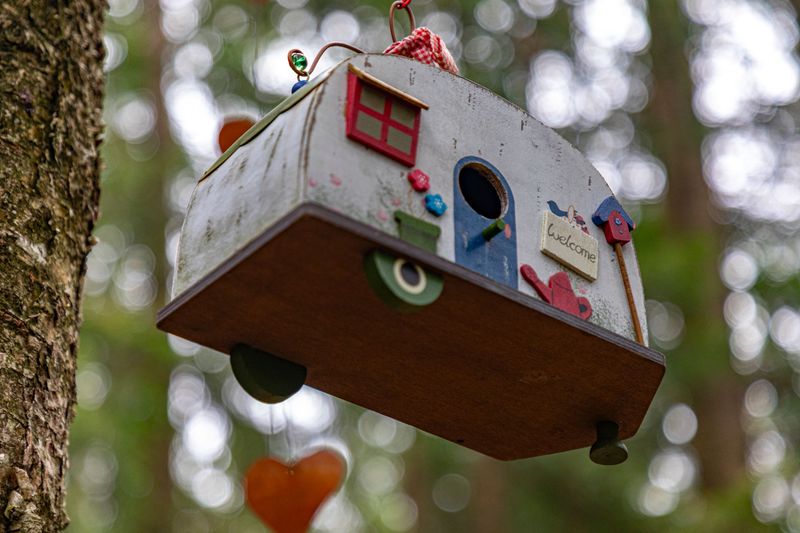
Small changes can make your space feel safer and richer next season. Skip heavy trimming in summer, and leave some wild edges for cover nearby.
Choose native plants that hold seeds, host insects, and bloom across months. Refresh water often, keep cats indoors, and reduce bright nighttime yard lighting.
Quiet observation helps too, since repeated disturbance can send shy visitors elsewhere. When an Indigo Bunting visits your Illinois yard, care can invite another stop.
Small structural choices matter as much as any single plant selection. Leave a brush pile in one corner instead of hauling debris away.
That pile becomes shelter for insects, which then feeds hungry summer nestlings. Delay major pruning until fall, letting birds finish nesting undisturbed first. Outdoor cats remain one of the biggest threats to small backyard songbirds.
Keeping them indoors protects buntings more than any planting decision ever could. Reducing nighttime lighting helps migrating birds navigate without disorienting confusion.
Motion-sensor lights work better than constant illumination glowing across your property. Fresh, shallow water draws birds even when natural sources run dry nearby.
Clean that water regularly to prevent disease from spreading among visitors. Avoid pesticide use, since chemicals strip away the insects buntings need most.
Patience rewards observant homeowners more than constant yard maintenance ever does.
Sit quietly near cover some mornings instead of walking through active territory. Small, consistent effort compounds season after season into genuine, lasting habitat value.