Illinois Yards Are Blooming Yellow And The Real Allergy Culprit Is Standing Right Next To It
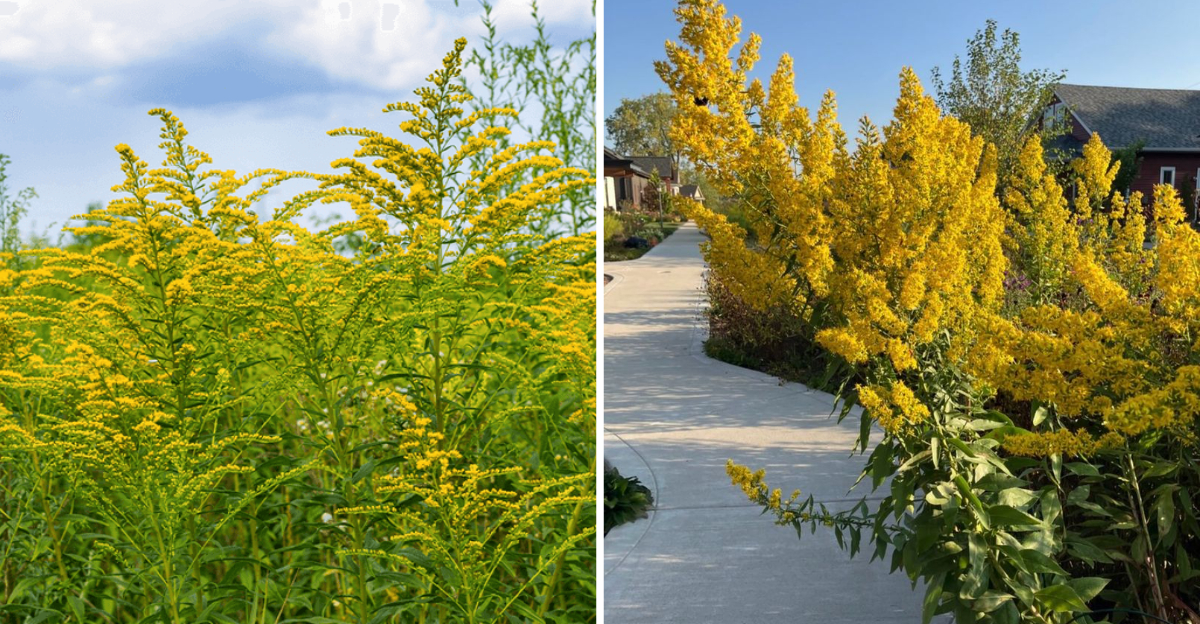
Late summer in Illinois has a look and a feel. Fields turn buttery gold, and allergy symptoms start creeping in across the state.
Most folks glance at the bright blooms along the roadside and point a finger. It seems obvious, and that is exactly the problem.
The plant getting blamed is mostly innocent. The one causing the sneezing is standing quietly beside it, drab and easy to miss.
Right now, in these very weeks, its pollen count is climbing toward the yearly high. Learning to tell the two apart can change how you handle your yard, your walks, and your symptoms for the rest of the season.
The Golden Blooms Getting Blamed For Illinois Sneezing Season
Picture a ditch along a country road in central Illinois in September. Waves of yellow plumes nod in the breeze, and everybody driving past assumes those flowers are the reason their eyes itch.
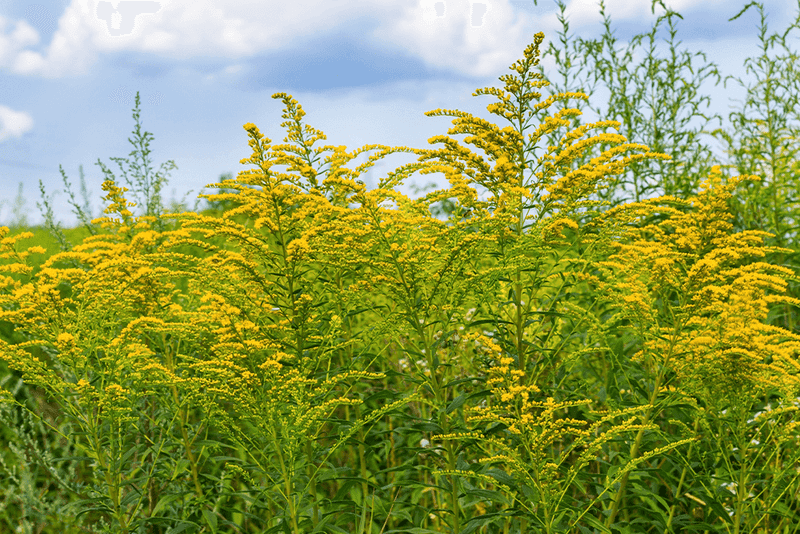
Goldenrod, or Solidago, is the plant wearing that gold. Illinois has dozens of native species of it, from tall goldenrod in open fields to zigzag goldenrod tucked under woodland shade.
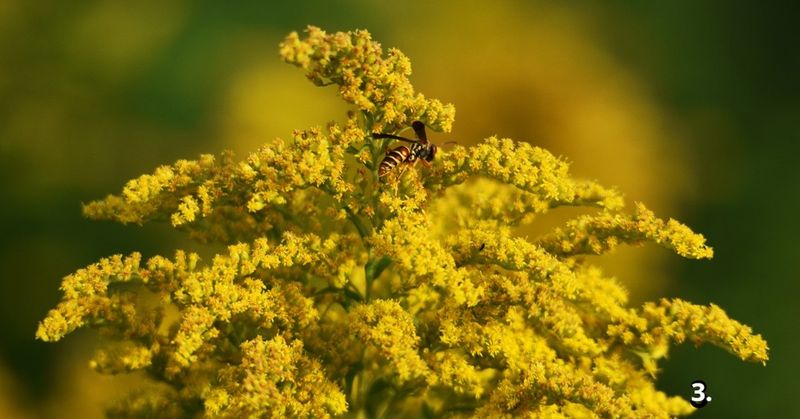
Here is the twist. Goldenrod pollen is heavy, sticky, and grainy, built to hitch a ride on the legs of bees, beetles, and butterflies rather than float on the wind.
Sticky pollen has a hard time reaching your nose. It rarely travels more than a few feet from the flower before gravity wins, which means it seldom makes it into the air you breathe indoors.
Watch a goldenrod patch for two minutes and you will see the proof. The blossoms are usually crawling with pollinators, and that insect traffic is exactly why the plant does not need wind to spread.
Goldenrod earns its keep in other ways too. Monarch butterflies fuel up on its nectar during fall migration through Illinois, and native bees rely on it as one of the last big meals before frost.
So the plant that looks guilty is largely a bystander. It just happens to bloom loudly at the same moment something quieter is dusting the whole state, and bright yellow is far easier to notice than plain green.
Ragweed, The Quiet Neighbor Doing The Actual Damage
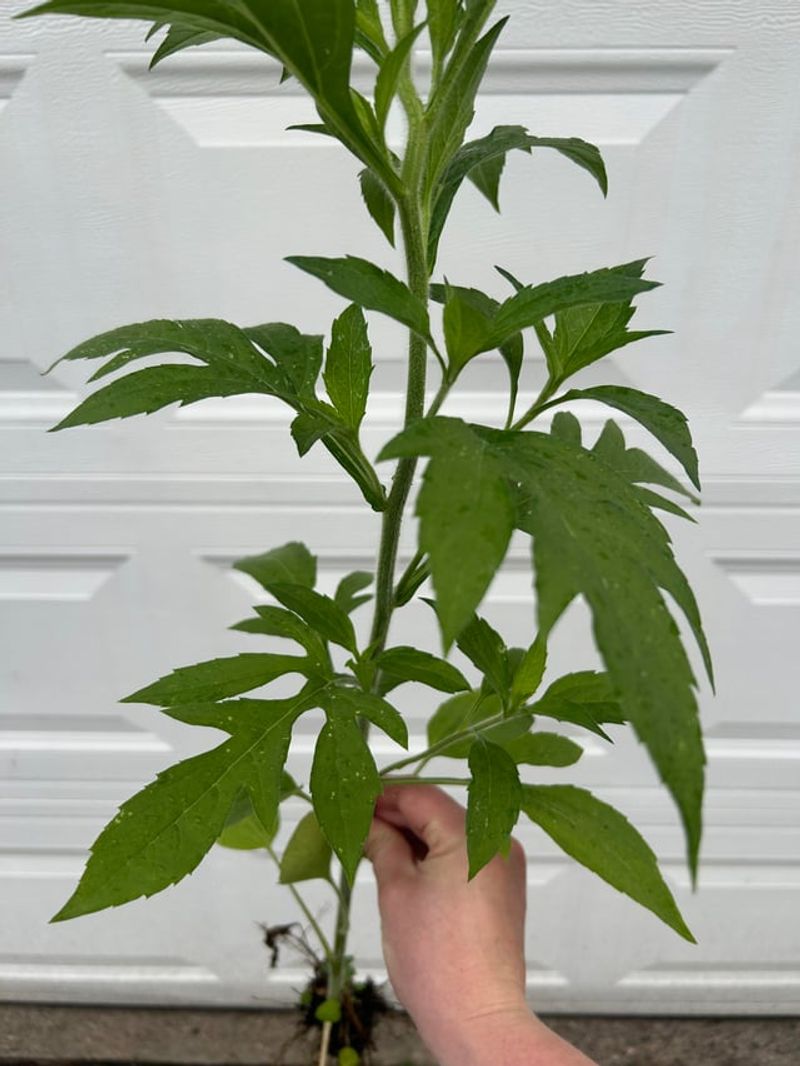
Standing shoulder to shoulder with the goldenrod is a plant nobody photographs. Common ragweed has deeply cut, almost fern-like leaves and skinny greenish flower spikes that look like tiny bottle brushes.
Ambrosia artemisiifolia is the common kind, and giant ragweed, Ambrosia trifida, is its towering cousin that can shoot past ten feet in rich Illinois soil. Neither one bothers with showy petals.
Because they skip the flashy flowers, they skip the insects too. Wind does the delivering instead, and wind-pollinated plants have to make ridiculous amounts of lightweight pollen to beat the odds.
The numbers are honestly hard to picture. A single ragweed plant can release around a billion pollen grains in one season, and those grains are small enough to drift for many miles.
Researchers have found ragweed pollen hundreds of miles out over the ocean and a couple of miles up in the atmosphere. That is why closing your windows in DuPage County does not spare you from a plant growing in a field three towns over.
Your Illinois Garden Changes Every Week. Your Plan Should Too.
Gardening in Illinois changes quickly throughout the season. Every Friday you’ll receive a simple weekly plan showing exactly what to plant, prune, fertilize, harvest, and protect so you never miss the right timing.
Ragweed also loves disturbed ground. Construction lots, field edges, gravel driveways, alley cracks, and neglected garden corners are prime real estate for it across Illinois.
Roughly fifteen to twenty percent of people in the United States react to it, and about half of all pollen allergy cases trace back to this genus. Learning the feathery leaf shape is the single most useful skill for anyone who suffers each fall.
Late August Through Mid September Marks The Illinois Pollen Peak
Timing is what makes this mix-up so convincing. Ragweed in Illinois typically starts shedding pollen in the first half of August, hits its heaviest stretch from late August through mid September, and tapers off after the first hard frost.
Goldenrod happens to flower on almost the exact same calendar. Two plants, one blooming window, and only one of them visible from a moving car.
Right now sits inside that peak. Warm days, cool nights, and a stretch of dry breezy weather are the perfect recipe for pollen release, and morning hours between about six and ten are usually the worst.
Rain buys short-term relief by washing grains out of the air. The catch is that the day after a good soaking often brings a rebound as plants dry out and dump what they held back.
Illinois falls have been getting longer on the warm end, and that stretches the ragweed season. Studies out of the Midwest have tracked frost arriving later, adding extra weeks of pollen compared with a few decades ago.
Northern Illinois usually sees the season wrap up a bit sooner than the southern counties. Anywhere in the state, though, expect symptoms to hang around into October and sometimes early November.
Tracking a daily pollen count for your area beats guessing. When ragweed numbers spike, plan outdoor chores for late afternoon or right after a rain and give your sinuses a break.
Pulling The Wrong Plant Is The Most Common Yard Mistake
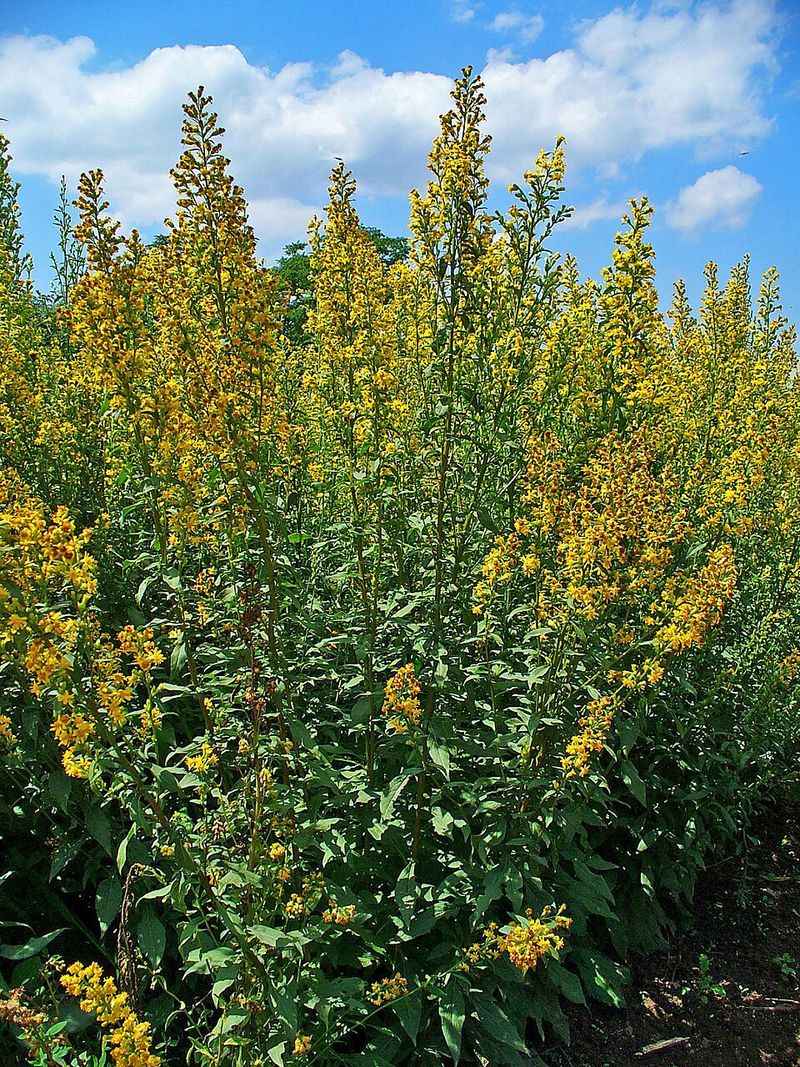
Every September, well-meaning Illinois gardeners head outside with clippers and cut down every goldenrod they can find. The sneezing continues anyway, and now the bees have lost a buffet.
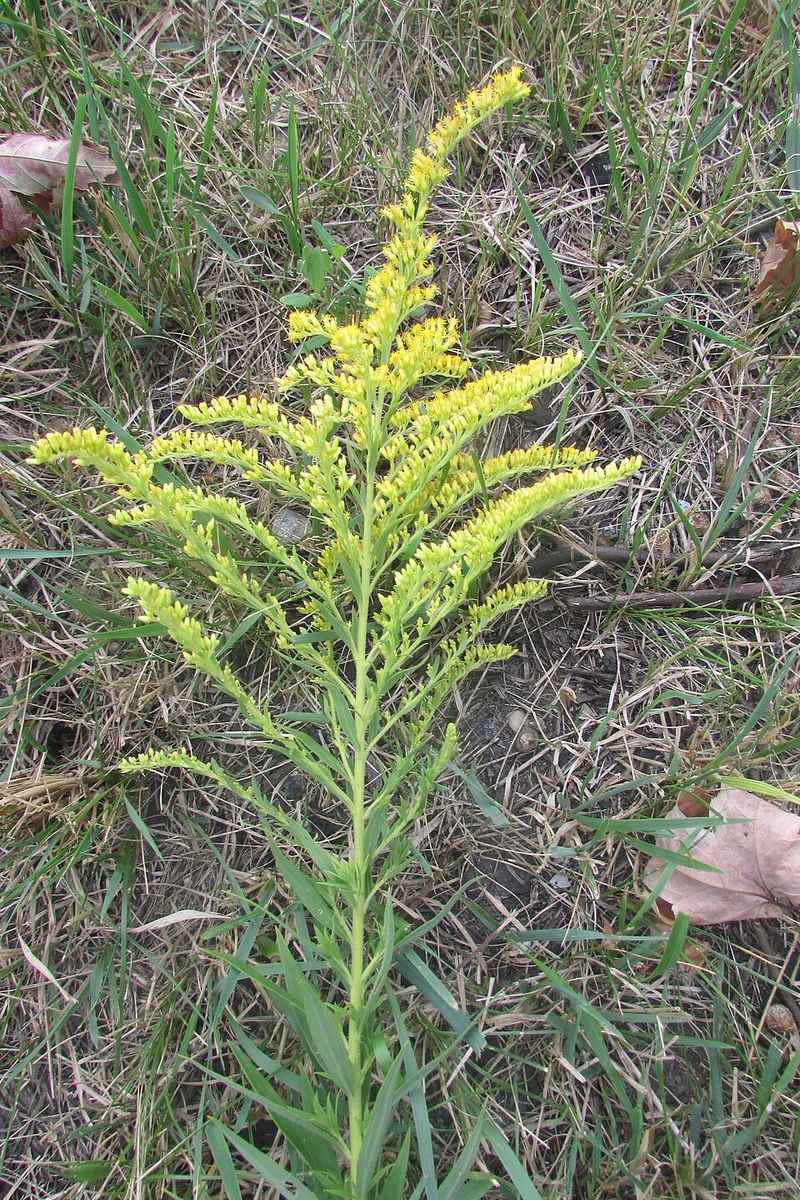
Misidentification is the root of it. Goldenrod leaves are usually simple and lance shaped with smooth or lightly toothed edges, while ragweed leaves are divided into many small lobes that look almost lacy.
Flowers seal the deal. If you see actual yellow petals, you are looking at goldenrod, and if you see slim green spikes with no color to speak of, that is ragweed.
Another frequent misstep involves timing. Waiting until the plant is head high and already flowering means the pollen has been flying for weeks, and cutting it then releases a cloud right into your face.
Young ragweed seedlings in May and June are easy to hand pull, especially after rain when the soil gives. That is the moment when a few minutes of work pays off in September.
Mowing high and often along fence lines and alley edges also keeps the plant from setting seed. Ragweed seed can stay viable in soil for many years, so stopping seed production matters more than any single cleanup.
One more thing worth knowing. If you handle ragweed bare handed, some people get skin irritation, so gloves and long sleeves are a smart call.
Learn the two silhouettes once and you stop wasting effort on the innocent plant.
Practical Steps For Cutting Ragweed Exposure At Home
Managing ragweed is less about heroic weeding and more about habits. Start with the patches you own, since a single plant near your patio delivers a lot more pollen to your door than one a mile away.
Scout your property line, alley strip, garden beds, and any gravel or bare spots. Those are the places ragweed sneaks in, and pulling it before flowers form is the cleanest win.
Filling bare ground with dense plantings or mulch cuts down future problems. Ragweed seeds need open soil and sunlight to get going, so a thick lawn or a full flower bed crowds them out.
Inside the house, run the air conditioner instead of opening windows during peak weeks. A HEPA filter on your furnace or a portable purifier in the bedroom takes a real bite out of overnight symptoms.
Pollen loves to hitchhike. Change clothes after yard work, rinse your hair before bed, and wipe down pets that have been rolling through the grass.
Dry laundry indoors during September, because sheets hung on a line come back coated in whatever is drifting past. Same goes for leaving car windows cracked in the driveway.
A saline rinse after outdoor time helps flush grains out of the nose, and many allergy medicines work better when started a week or two before your usual flare-up.
Small routines stacked together beat one frustrated afternoon with a weed whacker.
A Yard That Keeps The Gold And Loses The Sneeze
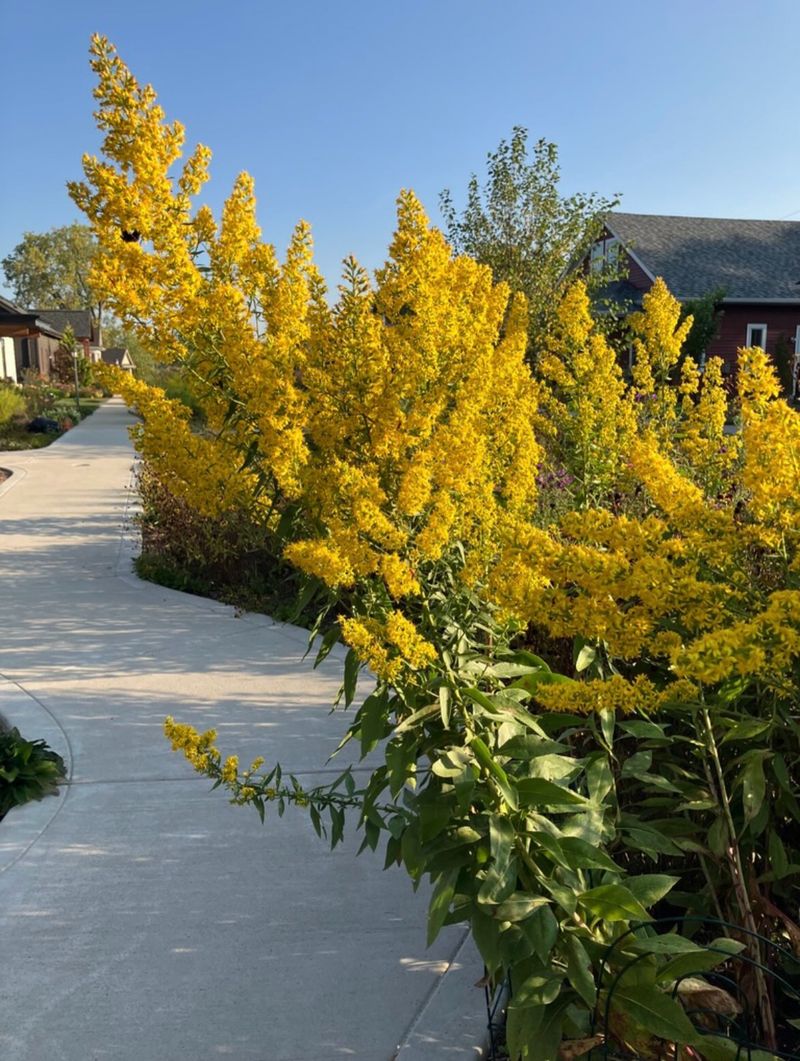
The happy ending here does not involve giving up the yellow. Illinois yards can hold onto goldenrod, asters, and prairie grasses while quietly showing ragweed the exit.
Goldenrod pulls its weight as a garden plant. Varieties like showy goldenrod and stiff goldenrod stay reasonably tidy, tolerate clay, and feed migrating monarchs right when nectar gets scarce.
Pair it with New England aster or little bluestem and you get a fall display that rivals anything at the garden center. Those thick root systems also leave no room for opportunistic weeds.
Meanwhile, the ragweed patch you removed in June stops producing its billion grains. Multiply that across a block of neighbors who learn the difference and the local pollen load genuinely drops.
Word spreading matters as much as weeding. Once someone can spot those feathery leaves, they tend to point them out to everyone they know, and that shared knowledge does more good than any single garden.
Fun bit of history worth passing along. Goldenrod was once boiled for tea and used in folk remedies, and Thomas Edison experimented with extracting rubber from its leaves, which is a strange legacy for a plant so often accused of causing misery.
Come next September, you can stand on the porch, admire the gold, and know exactly where the trouble is not. Fewer tissues, more butterflies. That trade seems fair.