Native Pennsylvania Ground Covers That Replace Lawn And Rarely Need Watering
The traditional Pennsylvania lawn requires more from homeowners than most people stop to calculate.
Regular mowing, seasonal fertilizing, irrigation through dry stretches, overseeding bare patches, and the ongoing management of weeds that never fully stop trying to move in.
It adds up to a significant investment of time, money, and water for a surface that supports very little wildlife and looks largely identical to every other lawn on the street.
A growing number of Pennsylvania homeowners are deciding that trade off no longer makes sense.
Native ground covers offer a fundamentally different approach. Once established, the best ones fill in densely, suppress weeds naturally, and survive Pennsylvania’s dry stretches without supplemental irrigation.
They support local pollinators and wildlife in ways that grass never could, and they create a living landscape that changes interestingly through the seasons rather than demanding constant maintenance to stay static.
The switch is not difficult. But it starts with knowing which native ground covers are actually suited to replacing lawn in Pennsylvania conditions.
1. Pennsylvania Sedge (Carex Pensylvanica)
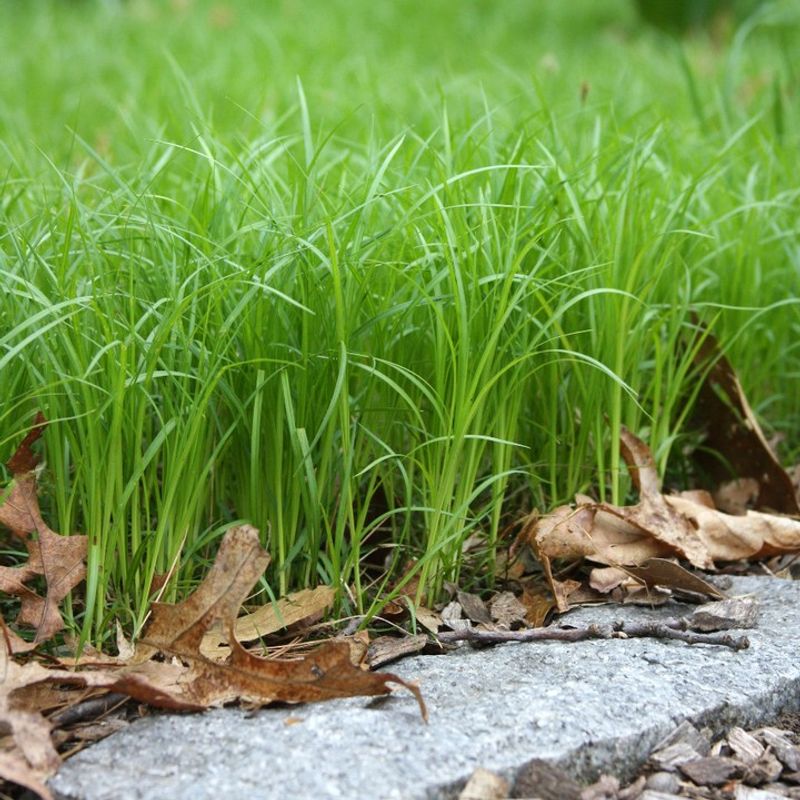
Imagine a lawn that barely needs mowing, stays green under your shadiest trees, and never demands a sprinkler. Pennsylvania Sedge makes that dream a reality.
This native grass-like plant forms a soft, weeping carpet that looks tidy and natural at the same time, and it has been quietly thriving in Pennsylvania woodlands for thousands of years.
One of the biggest selling points of this plant is its ability to handle heavy shade. Turf grass usually struggles and thins out under large trees, but Pennsylvania Sedge actually prefers those low-light conditions.
It grows slowly and fills in steadily, eventually creating a dense mat that crowds out weeds on its own.
Once it gets established, usually after one full growing season, it becomes remarkably drought-tolerant. The roots go deep enough to find moisture even when the surface soil dries out.
You might water it a handful of times during a really dry summer, but that is about all it needs.
Maintenance is minimal. If you want a neater look, mow it once or twice a year in early spring before new growth pushes through.
Otherwise, let it do its own thing. It stays around six to ten inches tall naturally, which is short enough to look intentional without any trimming at all.
Deer tend to avoid it, which is a real bonus if you live near wooded areas where deer pressure is high. It also holds up well to light foot traffic.
Pennsylvania Sedge works beautifully as a full lawn replacement or as a filler between stepping stones, along pathways, or beneath large shade trees where nothing else seems to grow well.
2. Golden Ragwort (Packera Aurea)
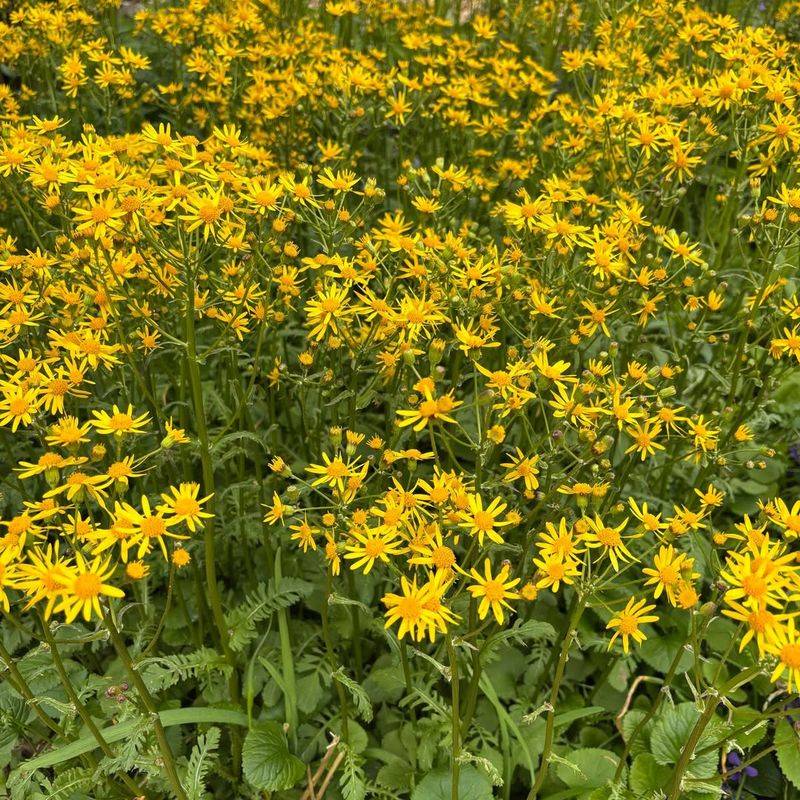
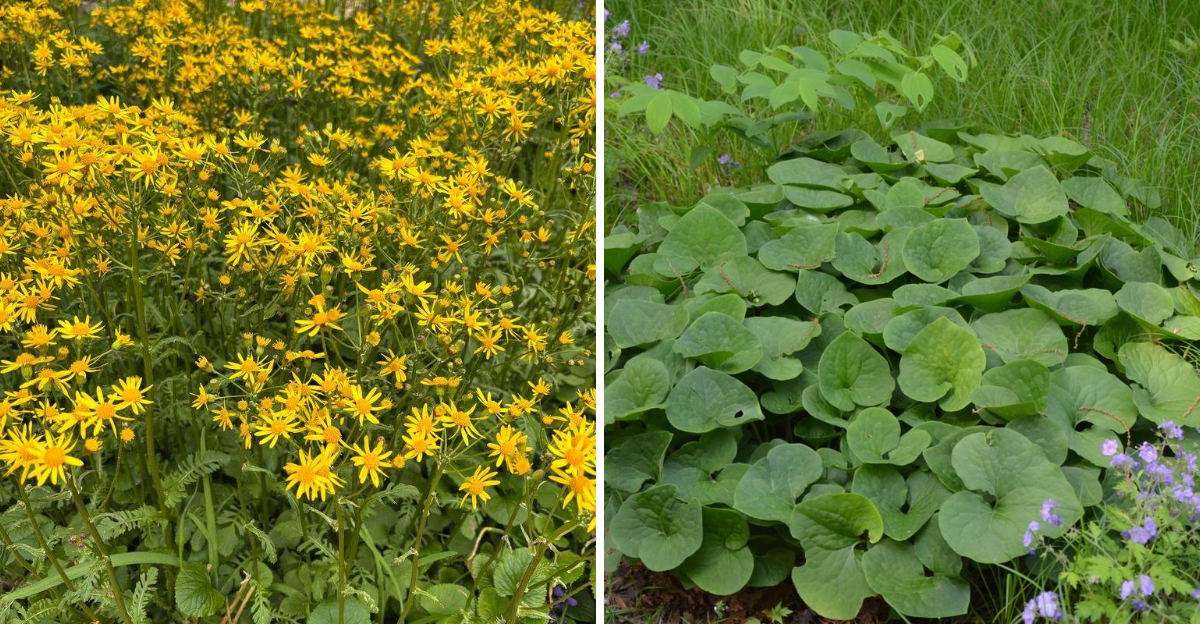
Few native plants put on a spring show quite like Golden Ragwort. When most of the garden is still waking up after a Pennsylvania winter, this plant bursts into clusters of bright golden yellow flowers that practically glow in the sunlight.
Early bees and butterflies flock to it, making it one of the best early-season pollinator plants you can grow. Do not let the name fool you. Ragwort sounds rough, but this plant is actually quite elegant.
Your Pennsylvania Garden Changes Every Week. Your Plan Should Too.
Gardening in Pennsylvania changes quickly throughout the season. Every Friday you’ll receive a simple weekly plan showing exactly what to plant, prune, fertilize, harvest, and protect so you never miss the right timing.
The heart-shaped basal leaves stay green through much of the year, and the flower stalks rise up in April and May to create a cheerful, cottage-garden look. After flowering, the foliage settles back into a low, tidy mat that continues to suppress weeds through summer and fall.
Adaptability is one of its strongest traits. Golden Ragwort handles full sun, part shade, and even fairly deep shade with equal confidence.
It also tolerates dry soil conditions better than many other native ground covers, which means you can plant it in spots that get forgotten during dry spells without worrying too much.
Spreading happens naturally through both seeds and rhizomes, so a small planting will gradually fill in over a few seasons. It is not aggressive, but it is persistent, which is exactly what you want in a ground cover.
Plant it along a fence line, under trees, or on a shaded slope where erosion is a concern. Once established, Golden Ragwort rarely needs supplemental watering. It handles Pennsylvania summers well on its own.
A little organic mulch around new transplants helps them settle in faster during that first season.
3. Green And Gold (Chrysogonum Virginianum)
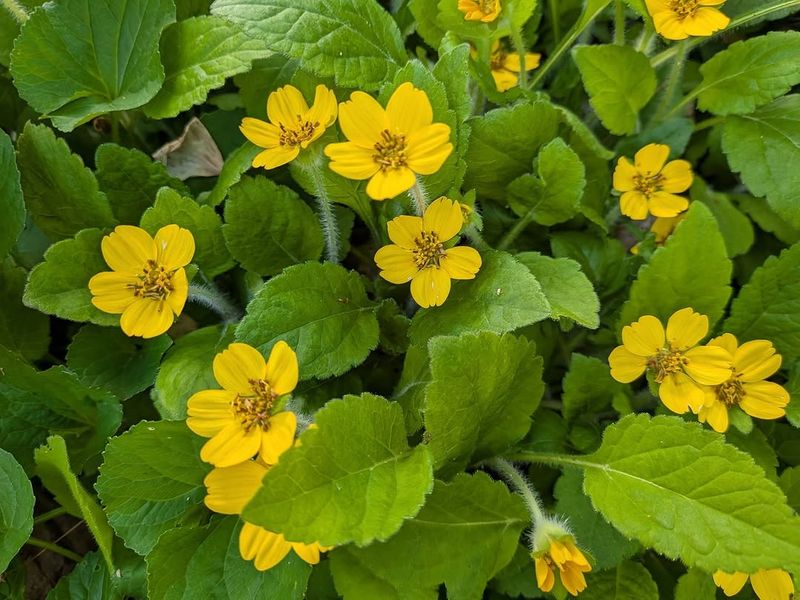
There is something quietly cheerful about Green and Gold. The little star-shaped yellow flowers pop up above the dark green foliage from spring through early summer, and then again in fall, giving you two rounds of color without any extra effort on your part.
It is the kind of plant that rewards you just for planting it. Drought tolerance is a major reason gardeners in Pennsylvania keep coming back to this plant.
After its first season in the ground, it develops enough of a root system to handle dry stretches without needing you to drag out the hose.
That makes it especially practical for slopes, rock gardens, or any area that tends to dry out between rainfalls.
Another great quality is its semi-evergreen nature. In milder Pennsylvania winters, the foliage stays green and present, adding texture and life to the garden when most other perennials have gone completely dormant.
Even in colder winters, it comes back reliably in spring without any fuss. Green and Gold spreads at a moderate pace using short runners, filling in bare spots gradually without taking over the whole garden.
You stay in control of how far it goes, which makes it easier to manage than some more aggressive spreaders. It works well as edging along garden paths or as a filler between larger perennials.
Plant it in part shade to full shade for best results, though it can handle some morning sun. Pair it with ferns, wild ginger, or native hostas for a layered, woodland-style planting that looks intentional and requires almost no maintenance once the plants settle in together.
4. Barren Strawberry (Waldsteinia Fragarioides)
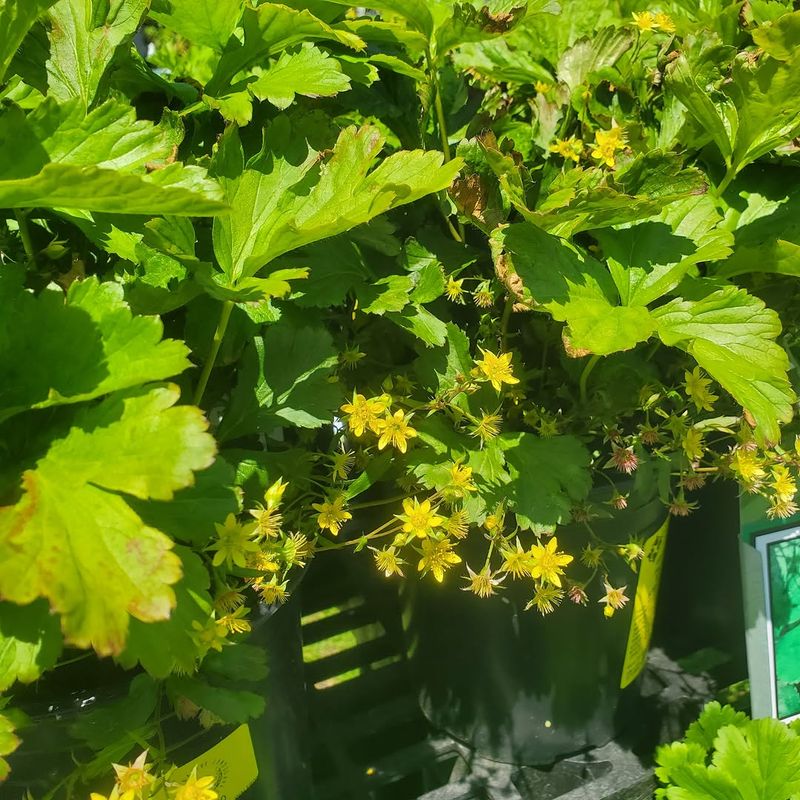
At first glance, Barren Strawberry looks a lot like a regular strawberry plant, and that familiar look is part of its charm. The glossy, three-part leaves form a dense mat close to the ground, and cheerful little yellow flowers appear in spring.
Songbirds and small wildlife appreciate the shelter it provides, even if the berries are not the edible kind you find at the farmers market.
Gardeners who have tried it often say the same thing: once it is in the ground and settled, you basically forget about it. It needs little to no fertilizer, rarely attracts pests, and does not require any special pruning or cleanup.
That hands-off quality makes it ideal for low-maintenance beds, slopes, or areas where you want coverage without the ongoing work.
Spreading happens at a manageable pace. Barren Strawberry expands slowly through rhizomes, filling in bare patches steadily over a few seasons without becoming a nuisance.
You can easily pull back any runners that stray too far, and the plant responds well to that kind of light editing without any setback.
The semi-evergreen foliage is a real advantage in Pennsylvania. The leaves hold their color well into winter, sometimes flushing bronze or burgundy with the cold, which adds unexpected visual interest to the garden during the quieter months.
Come spring, fresh new growth pushes through cleanly. Barren Strawberry works best in part shade to full shade and tolerates average to dry soil. Once established, it rarely needs supplemental watering.
Use it under deciduous trees, along shaded pathways, or as a border plant where you want something that looks polished without demanding much of your time or water supply.
5. Common Blue Violet (Viola Sororia)
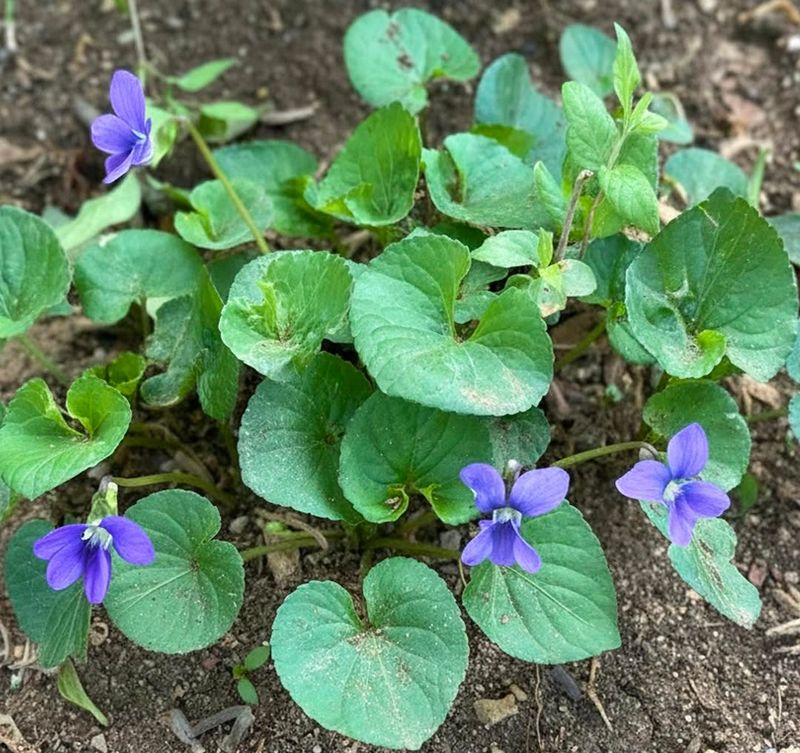
Walk through almost any Pennsylvania woodland in April and you will probably spot Common Blue Violet without even trying. Those familiar purple-blue blooms tucked among heart-shaped leaves are one of the classic signs of spring in this region.
What a lot of people do not realize is that this cheerful little wildflower also makes a surprisingly practical and tough lawn alternative.
Adaptability is where this plant really stands out. It handles dry to average soil without complaint, settles in quickly after planting, and competes well against weeds once it gets going.
You do not need to baby it through its first season the way you might with more finicky plants. It is genuinely tough underneath that delicate appearance.
Butterflies, especially the beloved fritillary species, depend on violets as a host plant for their caterpillars.
Planting a patch of Common Blue Violet in your yard is one of the most direct ways you can support local butterfly populations in Pennsylvania. That ecological connection makes it more than just a pretty ground cover.
It spreads through both seeds and short rhizomes, filling in gradually over a few seasons. In lawn settings, it creates a soft, meadow-like appearance that many homeowners find more interesting and less sterile than traditional turf.
Mowing is optional, but if you prefer a lower look, a light trim in late spring after flowering works fine.
Watering needs drop significantly once the plant is established, usually within one growing season. Common Blue Violet handles Pennsylvania’s natural rainfall patterns well on its own, making it one of the easiest native ground covers to maintain over the long term.
6. Wild Ginger (Asarum Canadense)
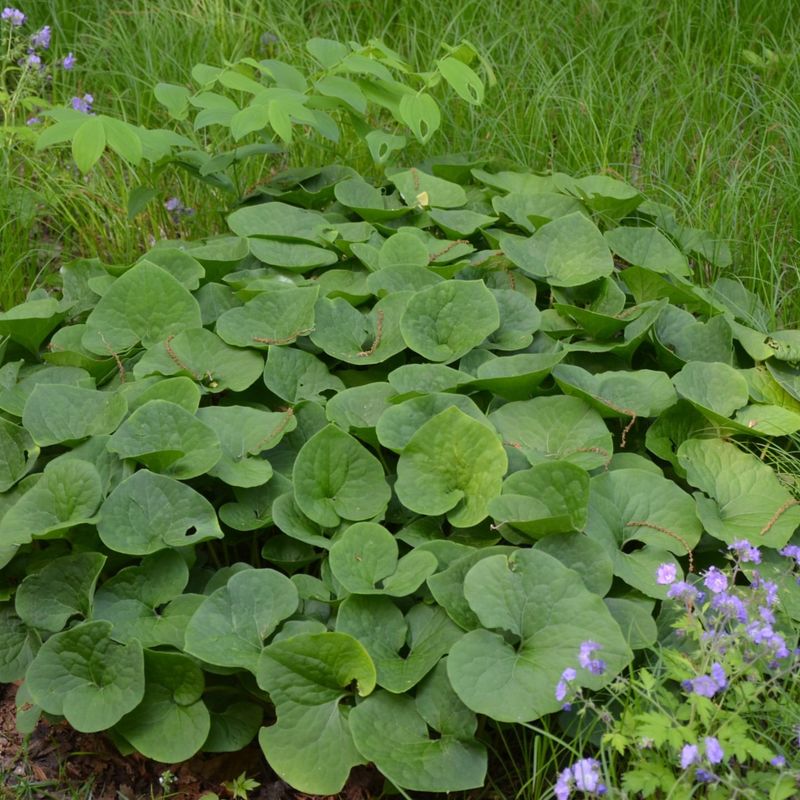
Wild Ginger is the kind of plant that makes a shady, bare patch under a big tree look like a lush forest floor. The large, heart-shaped leaves overlap and layer together to create a full, leafy carpet that feels intentional and polished.
Most people never even notice the small, hidden flowers that bloom close to the soil in early spring, but the bees that find them certainly appreciate them.
Shade is where Wild Ginger truly shines. Deep shade, part shade, dry shade under shallow-rooted trees – this plant handles all of those difficult conditions with ease.
If you have a spot where nothing else seems to grow, Wild Ginger is often the answer. It does not need direct sunlight to thrive, which makes it one of the most versatile ground covers for challenging areas.
Once established, it needs very little water. The root system is efficient at pulling moisture from the soil, and the dense leaf canopy it creates actually helps retain soil moisture underneath.
During a normal Pennsylvania summer, supplemental watering is rarely necessary after the first season.
Spreading happens slowly through rhizomes, which means Wild Ginger is not going to take over your whole yard in one season. It builds gradually and steadily, which makes it easy to combine with other shade-loving natives like Pennsylvania Sedge or ferns in a layered planting design.
One fun detail worth knowing: the roots of this plant smell strongly of ginger when you crush them, which is how it got its common name. It is not related to the culinary ginger you cook with, but that earthy, spicy scent is a fun surprise when you are working in the garden.