The One Thing Ohio Container Gardeners Do In August To Keep Pots Going Until Frost
August is where Ohio container gardens split into two groups. The ones that hold color and energy through September and October, and the ones that quietly give up before summer is even officially over.
The difference almost always comes down to one move made in August that separates the containers worth looking at from the ones everyone stops noticing. Ohio container plants in August are at a crossroads.
The flush of summer growth has peaked. What happens next depends entirely on whether someone intervenes at the right moment or steps back and assumes the pot can carry itself to frost.
It cannot. Not without this.
One task resets the trajectory. It costs nothing, takes under thirty minutes across an entire porch or patio, and produces results that show up within two weeks.
October containers that earn a second look in Ohio almost always had someone do this in August.
1. Refresh Tired Pots Before They Crash
A drooping petunia on hot concrete is not always a lost cause. Before writing off a tired container, take a close look at the whole pot from top to bottom.
Check whether the potting mix is dry, soggy, compacted, or pulling away from the sides of the container. Look for spent blooms, yellowing leaves, leggy stems, and signs of pests or disease lurking near the soil line.
Refreshing a pot means addressing all of those problems at once, not just giving it a quick drink. OSU Extension container gardening guidance describes healthy container care as a whole-system check, covering moisture, nutrients, light, and plant condition together.
Removing withered flowers, cutting back weak stems, and clearing out badly damaged foliage can help the remaining plants redirect energy into fresh growth.
Pots dry out faster than garden beds, heat up faster, and exhaust nutrients sooner. That is what makes August container care different from in-ground gardening.
A refreshed pot may need water, a light feed, a move to better light, or a replacement plant. Sometimes it needs all of those things.
Catching problems early, before the pot fully crashes, gives the container its best realistic chance of looking good until frost arrives.
2. Water Deeply Until The Whole Root Ball Rehydrates
A dry root ball is sneaky. The surface of the potting mix can feel slightly damp while the center of the pot stays bone dry, especially after a stretch of hot August afternoons.
Watering only the top inch does not fix the problem. The water runs around the shrunken root ball and straight out the drainage hole without ever reaching thirsty roots.
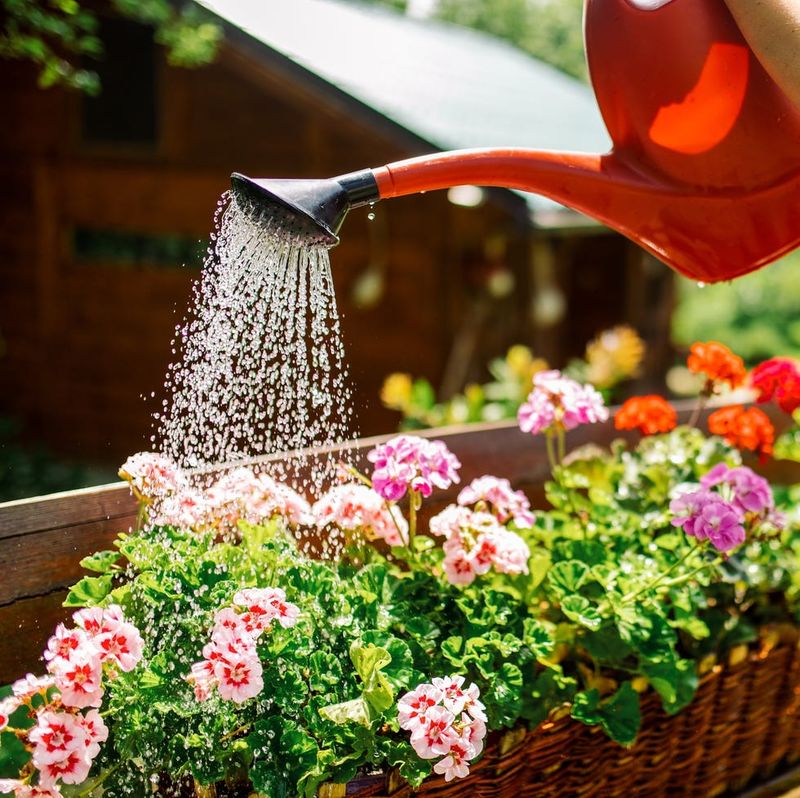
The fix is slow, patient watering. Apply water gradually and let it soak in before adding more.
University extension container watering guidance recommends watering until water flows steadily from the drainage holes. Then check again after a few minutes to see if the mix absorbed it fully.
If the root ball has pulled away from the pot wall, a second or even third slow pass may be needed before the center rehydrates.
Your Ohio Garden Changes Every Week. Your Plan Should Too.
Gardening in Ohio changes quickly throughout the season. Every Friday you’ll receive a simple weekly plan showing exactly what to plant, prune, fertilize, harvest, and protect so you never miss the right timing.
During peak heat, some containers may need daily checks. Stick a finger two inches into the mix to feel actual moisture before watering.
If the mix is already wet, skip the water that day. Leaving pots standing in saucers of collected water is not a good solution, since roots need oxygen as well as moisture.
Deep, complete watering done at the right time is what keeps root systems functional through the rest of the season.
3. Trim Leggy Growth Without Stripping The Plant
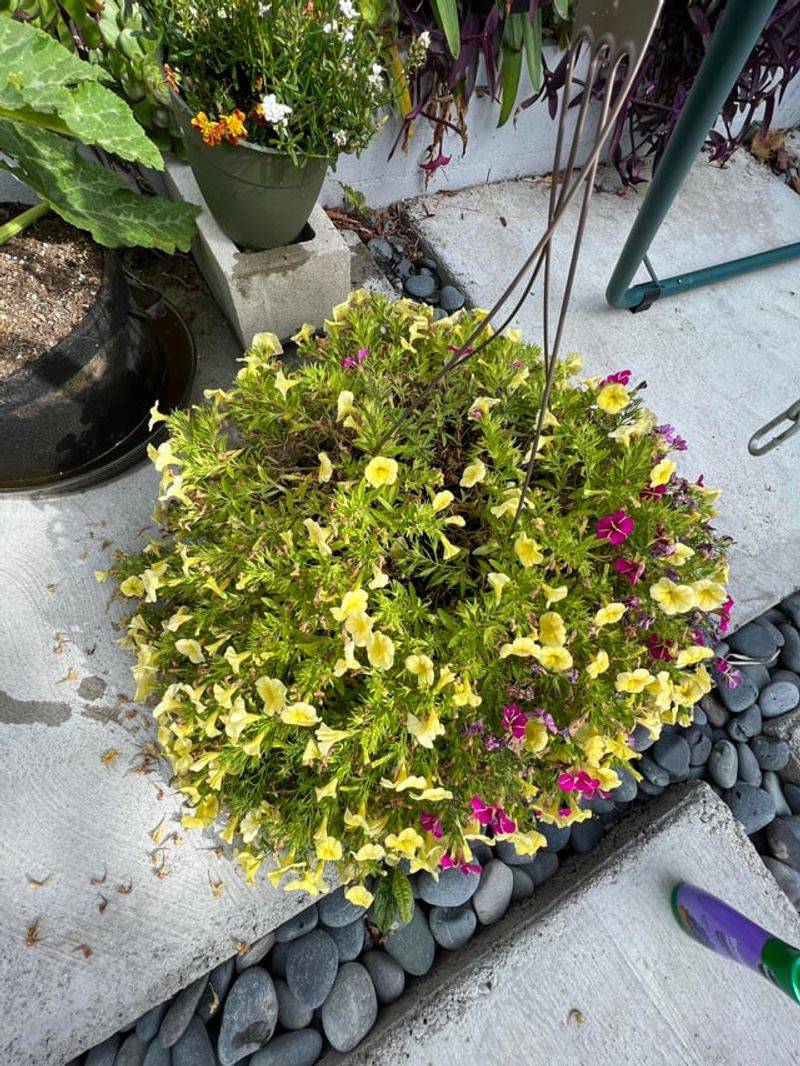
Leggy stems spilling over a pot rim can make a container look exhausted, but the answer is not to grab the shears and cut everything back hard.
Harsh pruning during hot August weather can shock already stressed plants, leaving them with too little foliage to recover before cooler days arrive.
Light, careful trimming is a better approach for most common container annuals.
Focus on removing only the weakest, most stretched, or most damaged stems. Cut back to a healthy leaf node using clean, sharp snips.
Dirty tools can spread disease between plants. Wiping blades with rubbing alcohol between cuts is a simple precaution recommended by university extension plant-care guidance.
Leave plenty of healthy foliage in place so the plant can continue photosynthesizing and pushing out new growth.
Different Ohio plants respond differently to trimming. Impatiens, petunias, and coleus tend to branch out and look fresher after a moderate cutback.
Vinca and calibrachoa are more tolerant of light shaping. Geraniums can be lightly trimmed without much trouble.
Knowing what is growing in the pot matters before picking up the snips. A gradual approach, removing a little at a time over several days, is safer than one dramatic cut during the hottest part of the season.
4. Feed Lightly So Annuals Keep Working
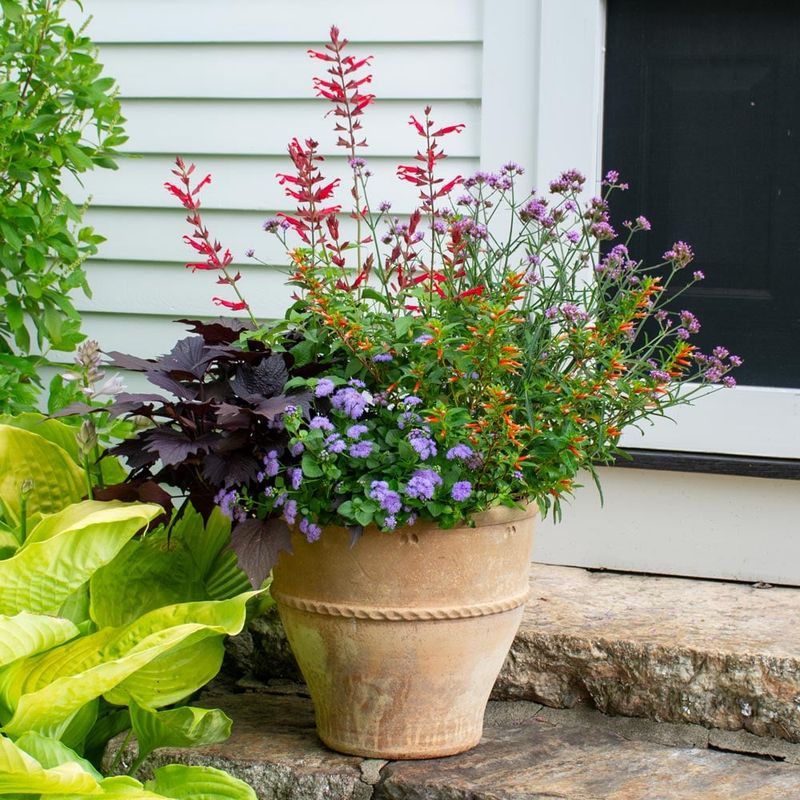
Regular watering slowly washes nutrients out of potting mix, which is one reason container annuals and vegetables can look pale and tired by mid-August.
A light, timely feeding can help them push out fresh blooms and stay productive, but the word “light” matters a lot here.
Heavy fertilizer applied to heat-stressed or dry plants can burn roots and make things worse.
OSU Extension container gardening notes that container plants benefit from regular, moderate feeding during the growing season. Nutrients leach from potting mix faster than from garden soil.
Always water the container thoroughly before applying any fertilizer, especially if the mix is dry. Feeding a wilted or parched plant can cause root damage that sets the container back further than the nutrient deficiency itself.
Follow label directions exactly. A half-strength dose of a balanced, water-soluble fertilizer applied every two to three weeks is a reasonable general approach for most flowering annuals in containers.
Avoid high-nitrogen formulas late in the season, since they push leafy growth rather than blooms. Fertilizer is a supplement, not a replacement for adequate water, good drainage, or proper light.
If a plant is failing due to disease, root rot, or severe drought stress, feeding will not save it. Address the core problem first, then consider a light feed once the plant shows signs of stability.
5. Replace Failed Plants With Fresh Cool Season Fillers
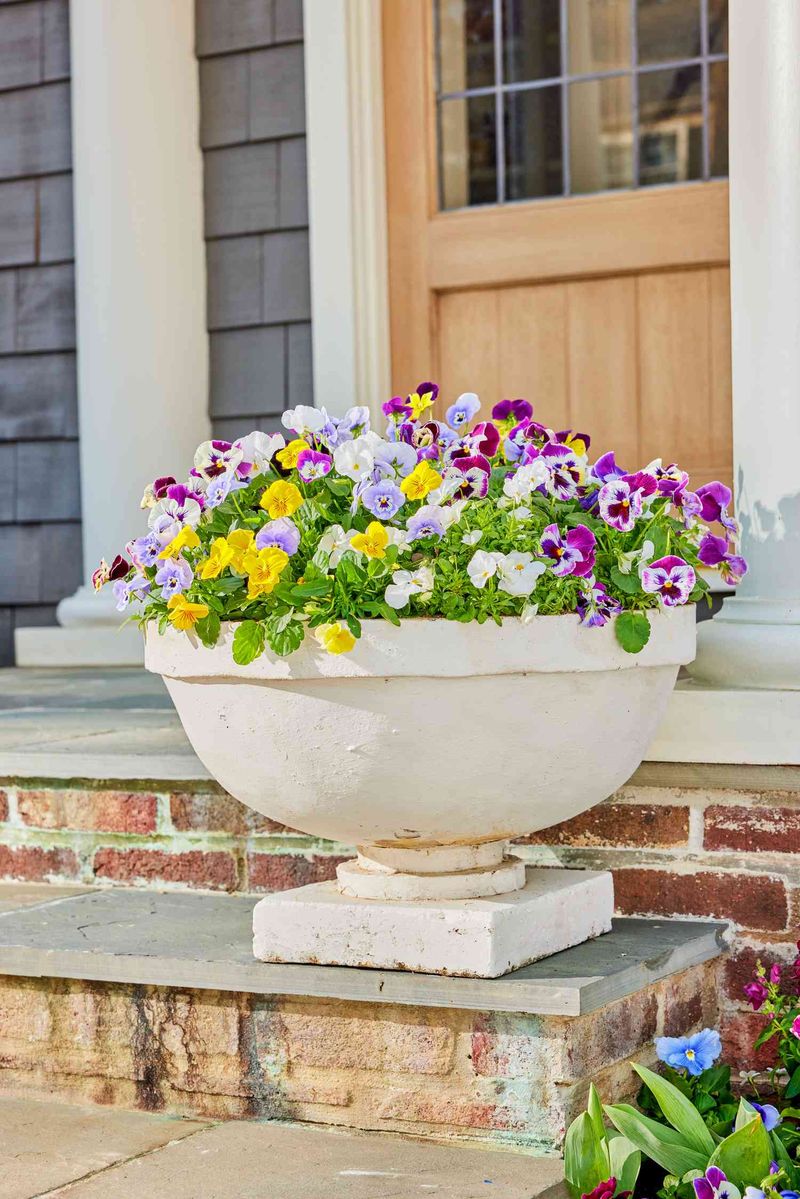
Sometimes a plant in the pot is simply too far gone to rescue. Rotted roots, severe disease, or total collapse from heat stress can leave a gap that no amount of watering or trimming will fix.
Pulling that plant out carefully and replacing it with something fresh is a practical move, not a gardening failure.
Late summer is a good time to look for cool-season fillers that handle dropping temperatures better than summer annuals. Pansies are a reliable choice for Ohio, tolerating light frost and continuing to bloom well into fall.
Ornamental kale adds texture and color as nights cool. Hardy chrysanthemums sold locally in fall are bred for the region and can carry a pot’s display right up to hard frost.
Herbs such as parsley and cilantro also work well as cool-season container companions.
When pulling a failed plant, disturb the roots of nearby healthy plants as little as possible. Add fresh potting mix only where needed to fill the gap.
Match the replacement plant to the pot’s light and moisture conditions. A sun-loving pansy dropped into a shady corner pot will struggle just as much as the plant it replaced.
Cool-season fillers extend the show, but they work best when sited correctly and given time to establish before the first hard frost arrives.
6. Check Drainage Before Roots Sit In Rot
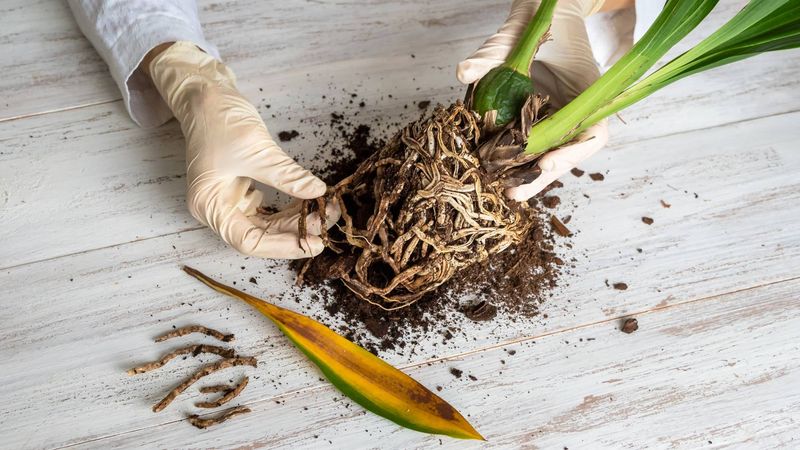
Blocked drainage holes are one of the quietest destroyers of container plants. Roots need oxygen as well as water, and when a hole clogs with compacted potting mix, roots end up sitting in saturated soil that slowly robs them of air.
The result can look like drought stress at first, since both overwatered and underwatered plants may wilt and drop leaves.
Check drainage holes regularly through August, especially after heavy rain. Lift the pot and look underneath.
If water is not escaping freely, use a pencil or thin stick to gently clear debris from the hole. Placing pots on pot feet or a raised surface helps water drain away from the bottom instead of pooling in a flat saucer.
After heavy storms, empty saucers promptly so roots are not sitting in standing water.
Decorative cachepots, those outer containers that hold a nursery pot inside, can trap water invisibly. Check them after watering or rain and pour out any collected water.
Horticulture extension sources describe poor drainage signs as consistently wet soil, a sour or musty smell, and yellowing lower leaves. These symptoms do not improve with reduced watering.
Correcting a drainage problem early in August gives stressed roots a real chance to recover before the season ends.
7. Move Scorched Pots Out Of Afternoon Heat
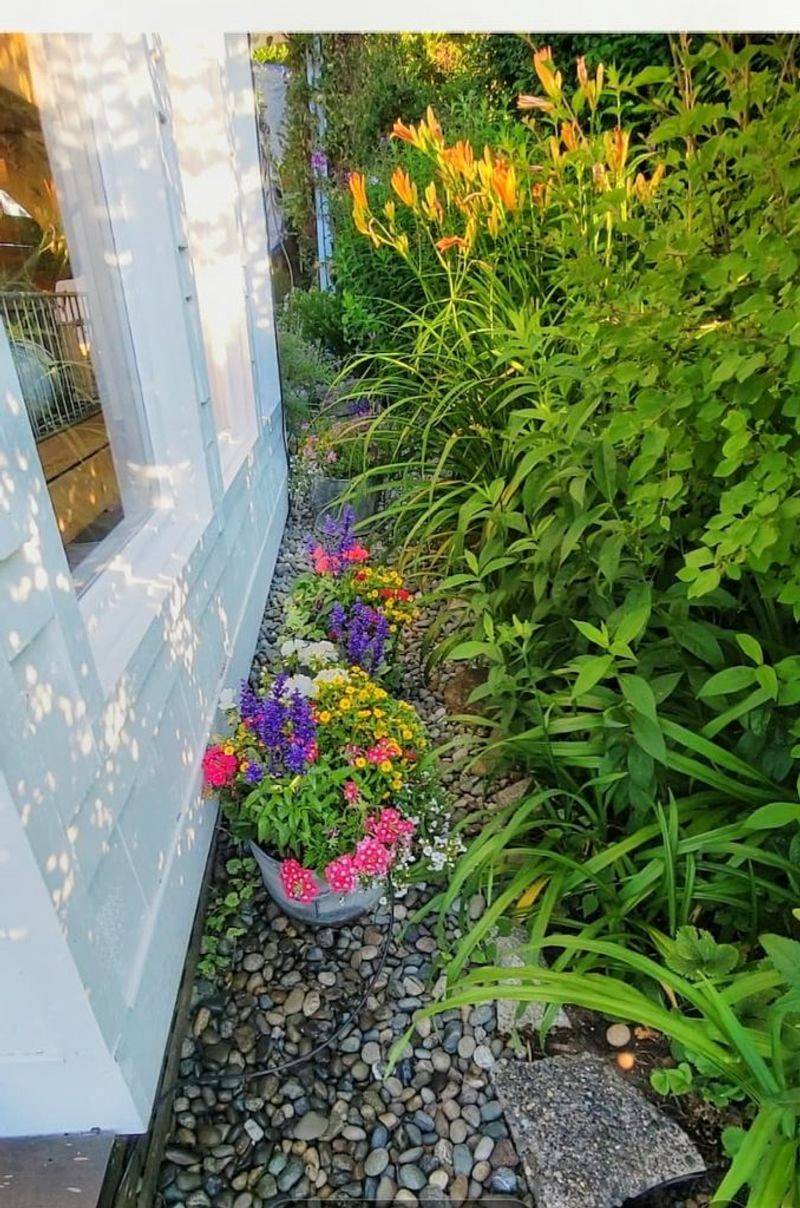
South and west-facing Ohio porches, concrete patios, and brick hardscapes can turn into intense heat zones during August afternoons.
Dark-colored pots sitting on concrete absorb and radiate heat that pushes root-zone temperatures well above what most container plants can handle comfortably.
Horticulture sources note that excessive soil heat stresses roots, reduces water uptake, and can speed up the decline of already tired plants.
Moving a scorched container to a spot with morning sun and afternoon shade can reduce heat stress noticeably. Even a shift of a few feet to a shadier corner of the porch may help.
Grouping pots together is another option, since clustered containers shade each other’s sides and help moderate soil temperature. Lighter-colored pots reflect more heat than dark ones, which is worth considering for future container purchases.
The goal is protection without going too far in the other direction. Sun-loving plants such as portulaca, vinca, and zinnias still need several hours of direct light to bloom well.
Moving them into deep shade will stop flowering and encourage disease. Shade-tolerant plants such as impatiens and caladiums, on the other hand, often thrive when pulled back from intense afternoon exposure.
Check water more frequently on hot hardscape days, since pots in reflected heat can dry out faster than expected even after a thorough morning watering.
8. Keep Containers Going Until Frost Ends The Show
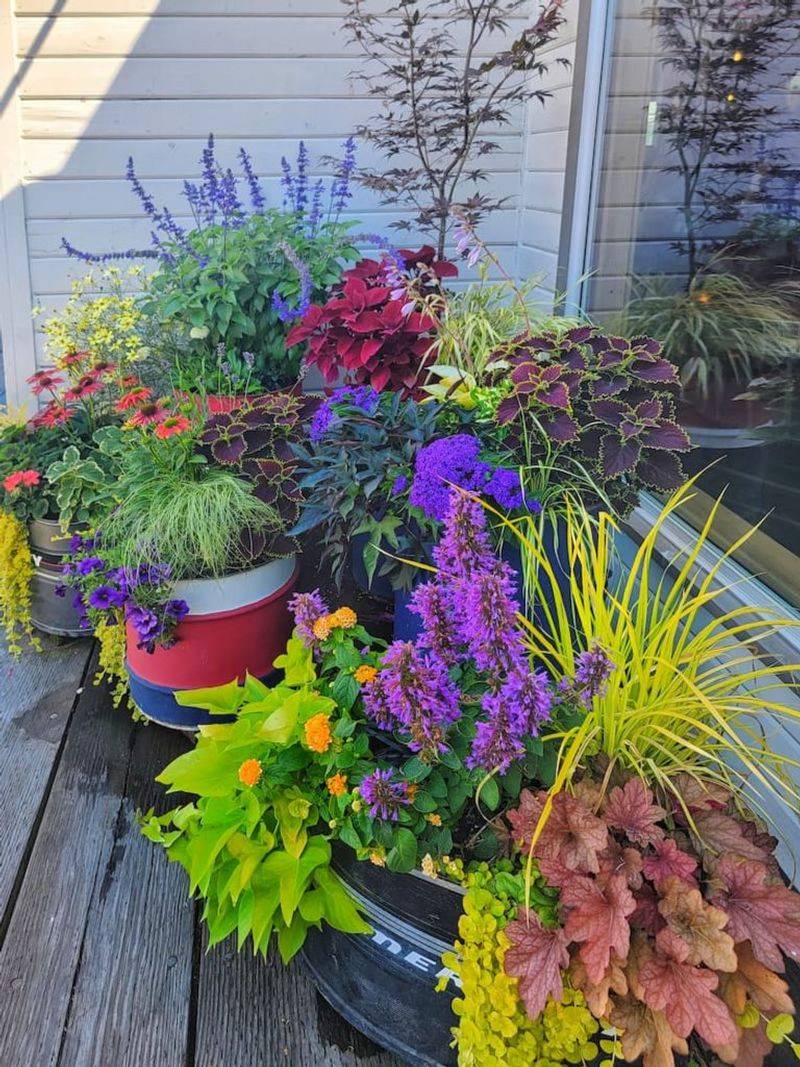
The finish line for most container gardens in Ohio is the first hard frost, which typically arrives between mid-October and early November depending on the region.
Northern regions tend to see frost earlier, while southern counties often hold warmer temperatures a few weeks longer.
Watching local frost forecasts as September arrives gives container gardeners time to act rather than react.
From August forward, keep up with deep watering and trim lightly as needed. Feed only when the plant is stable and the mix is moist.
Swap failed plants for cool-season fillers, clear drainage holes, and shift heat-stressed pots when afternoon sun becomes brutal. No single step guarantees a perfect pot until frost.
Success depends on plant type, pot size, root crowding, sun exposure, drainage, and how well problems were caught early.
Tender summer annuals like impatiens, begonias, and coleus will stop when cold nights arrive. Cool-season replacements like pansies and hardy mums may keep going well past the first light frost.
A tired August pot does not always need replacing, but it does need honest attention before the season quietly slips away.
The gardeners who take a close look now, and act on what they find, are the ones still enjoying full, colorful containers when October light falls across the porch.