The Only Plant You Need In Your Georgia Yard To Keep Mosquitoes Away
Mosquitoes can make even the nicest evening outside feel miserable. A few minutes in the yard quickly turns into a race back indoors.
Many homeowners try sprays, candles, and every trick they can find. The results often last far less time than they hoped.
Some plants do far more than add color to a landscape.
One choice has earned a reputation for helping make outdoor spaces less inviting to mosquitoes.
Gardeners across Georgia have been giving it a closer look. It fits naturally into many yards while offering benefits beyond its appearance.
You do not need to fill every flower bed with dozens of plants. One well-chosen addition can make a noticeable difference.
The best part is that it works alongside the rest of your garden instead of replacing it. Once you know which plant it is, the choice becomes much easier.
1. American Beautyberry Contains Natural Mosquito-Repelling Compounds
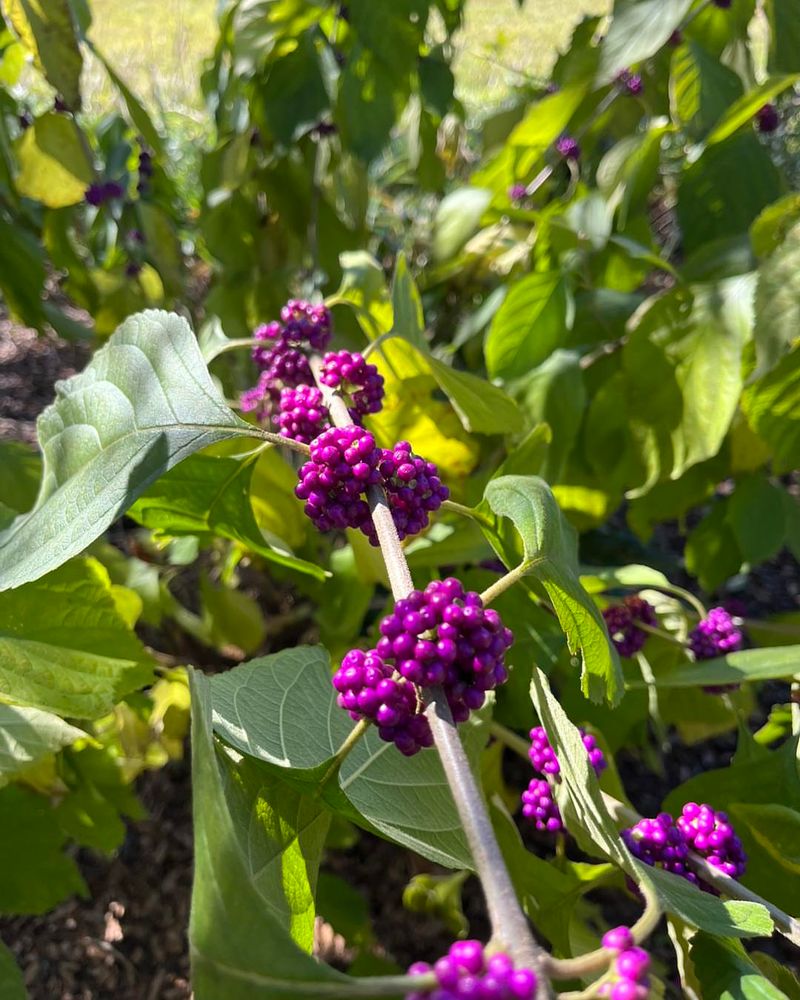
Few backyard plants have earned attention quite like American Beautyberry. Native to the southeastern United States, this shrub produces compounds in its leaves that mosquitoes find off-putting.
Callicarpenal and intermedeol are two naturally occurring substances found in Beautyberry foliage.
These are not synthetic chemicals. They come straight from the plant itself, which is part of what makes this shrub so interesting to gardeners looking for a more natural approach.
Crushing the leaves releases these oils more directly onto skin, though results can vary by person and conditions.
Beautyberry is not a replacement for personal repellent in high-exposure situations. However, planting it near patios, porches, or seating areas may help reduce mosquito presence in those zones over time.
The effect is more environmental than instant.
Callicarpa americana, its scientific name, grows naturally across Georgia and neighboring states. It thrives in woodland edges, which tells you a lot about the kind of yard conditions it prefers.
Partial shade, decent moisture, and loose soil are its sweet spots.
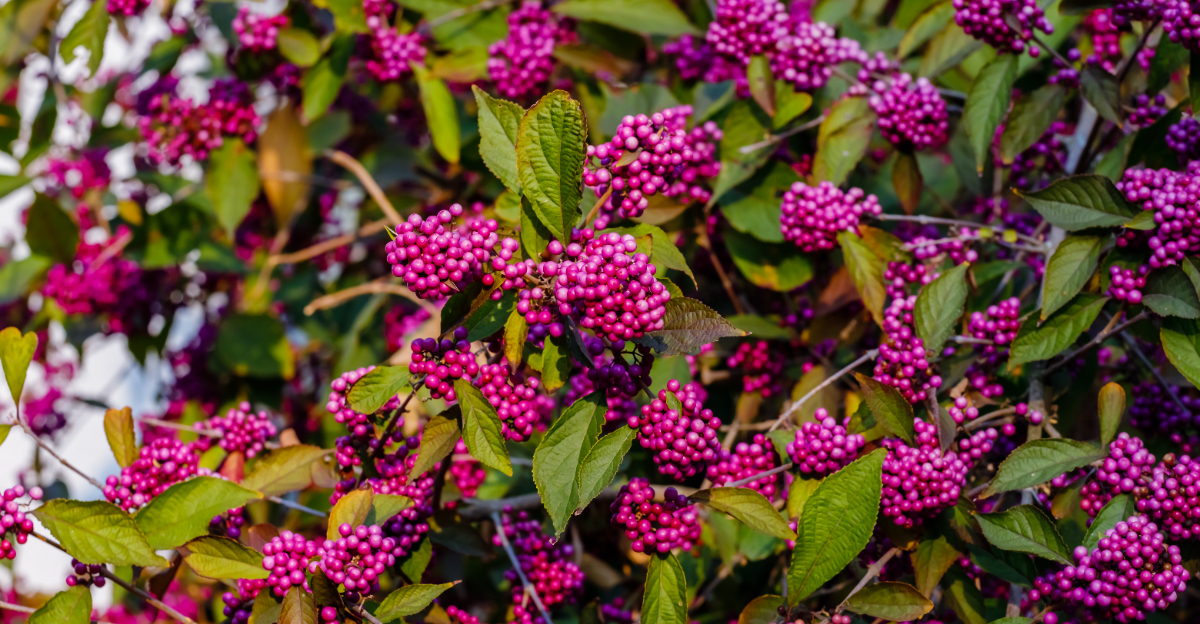
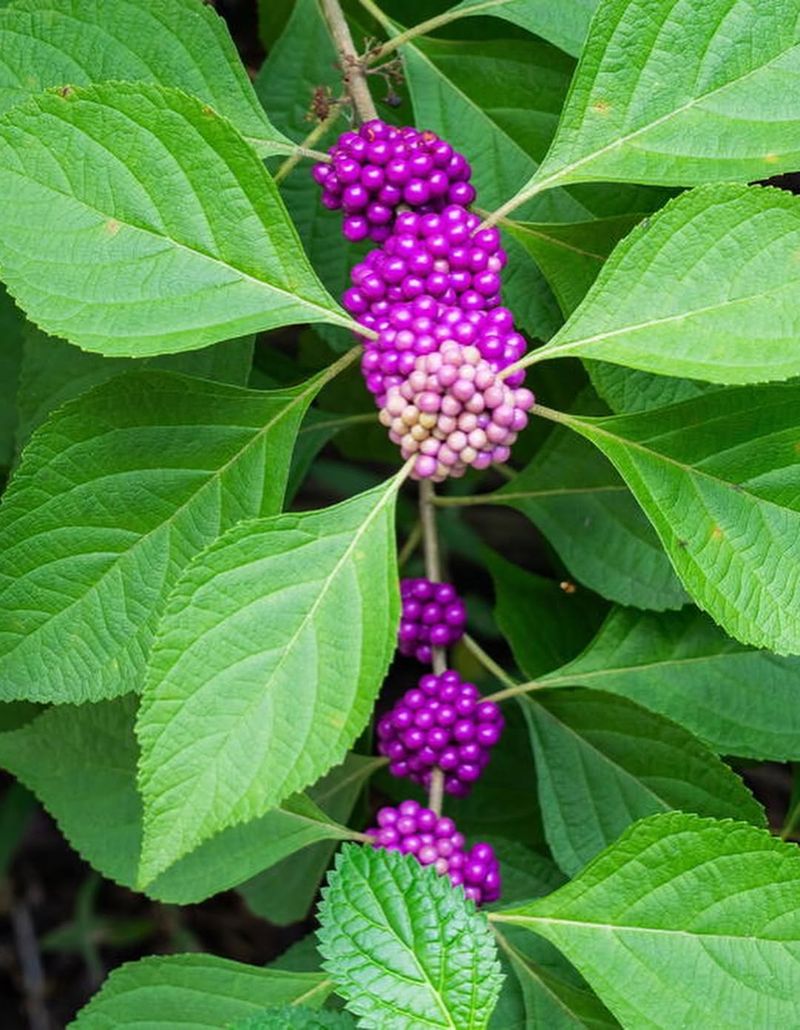
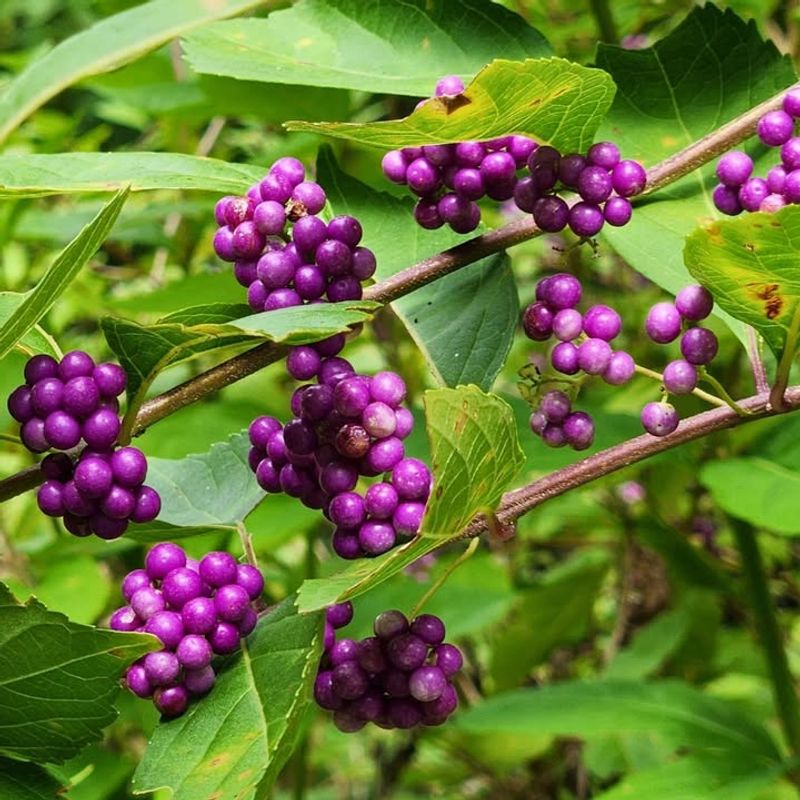
Beyond mosquito deterrence, the plant produces vivid clusters of magenta-purple berries in late summer and fall. Birds love them.
So the shrub pulls double duty as both a wildlife magnet and a low-effort pest deterrent.
2. Crushed Leaves Release The Most Effective Plant Oils
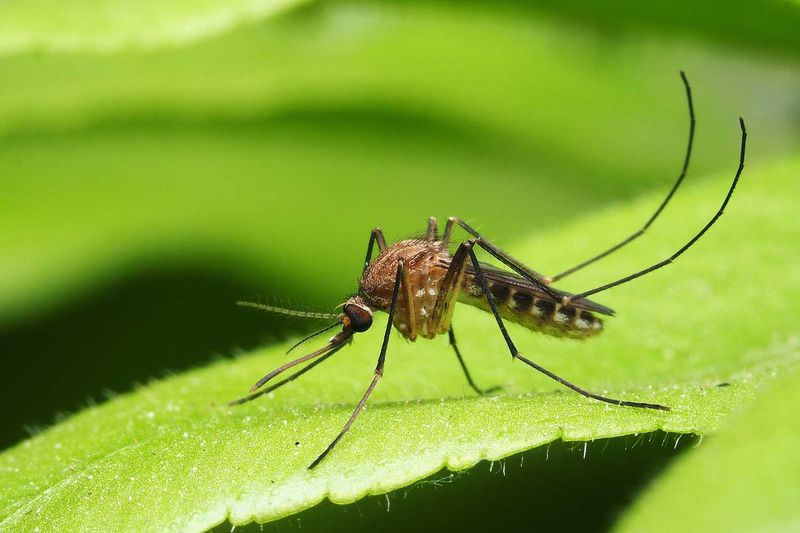
Rubbing a leaf between your fingers changes everything. When you crush American Beautyberry leaves, the plant cells break open and release oils that carry the mosquito-deterring compounds.
Intact leaves on the shrub offer some ambient effect, but crushed leaves are significantly more potent.
Many people who grow this plant rub a few crushed leaves on their arms or ankles before sitting outside. The scent is mild and earthy, not overpowering.
Most people find it pleasant compared to synthetic sprays.
Skin sensitivity varies, so it makes sense to test a small area first before applying crushed leaves more broadly. Some people with sensitive skin may notice mild irritation.
That is worth knowing before you commit to a full application.
The oils do not last as long as commercial repellents. Reapplying every hour or so is a reasonable approach if you are spending extended time outdoors.
Your Georgia Garden Changes Every Week. Your Plan Should Too.
Gardening in Georgia changes quickly throughout the season. Every Friday you’ll receive a simple weekly plan showing exactly what to plant, prune, fertilize, harvest, and protect so you never miss the right timing.
Think of it like sunscreen in that sense, a layer that needs refreshing.
Keeping a few stems within easy reach of your seating area makes this practical. Snap a small branch, crush a couple of leaves, and you have a quick, on-the-spot option.
3. Partial Shade Supports Healthy Leaf Growth
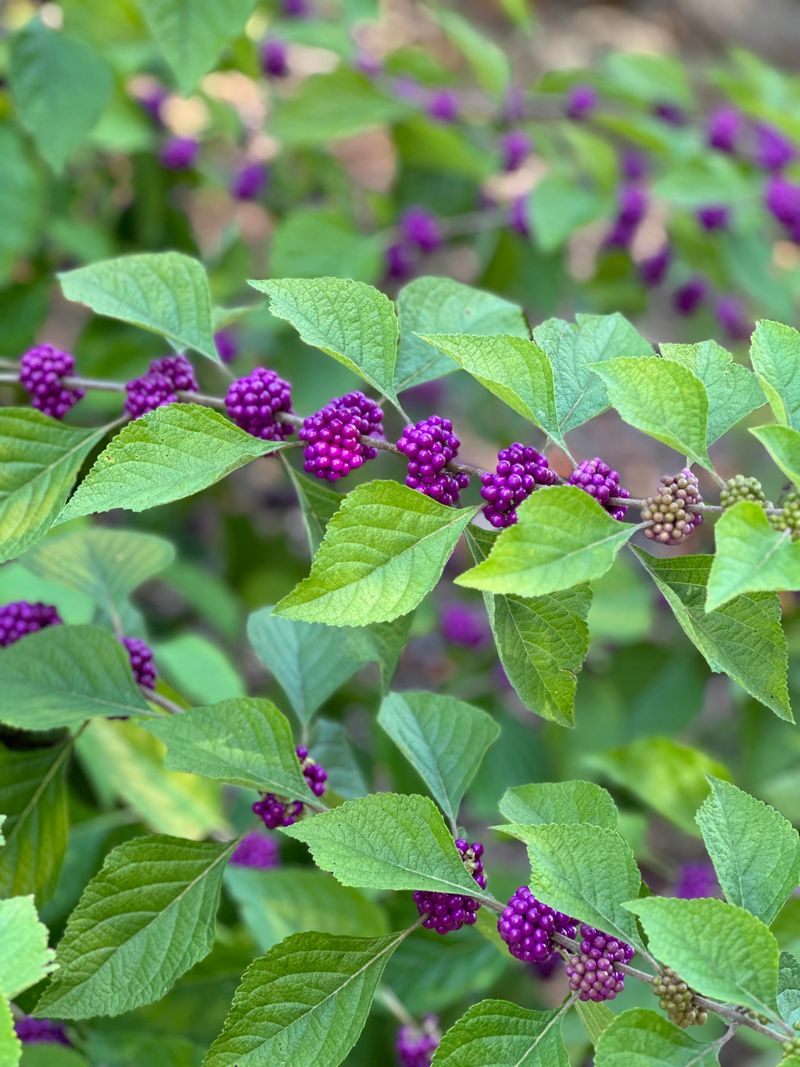
Sunlight matters more than most people realize when growing Beautyberry. Too much direct afternoon sun in Georgia’s summers can stress the plant and cause leaf edges to scorch.
Partial shade, especially during the hottest hours, helps the shrub stay lush and productive.
Dappled light under tall trees is ideal. Morning sun with afternoon shade works well too.
Spots that get roughly four to six hours of sun per day tend to produce the best leaf growth without the stress of full exposure.
Healthy leaves mean more of the oils you want. A stressed or sun-scorched plant produces fewer usable leaves and may struggle to maintain consistent growth.
Shade is not just a comfort for the plant, it directly affects how useful it becomes in your yard.
Woodland edges naturally provide this kind of filtered light, which is exactly where Beautyberry grows in the wild. Mimicking that environment in a home garden is not complicated.
Planting near the edge of a tree canopy or along a fence line often does the trick.
If your yard is mostly open and sunny, you can still grow Beautyberry. Just choose a spot where a structure or larger plant blocks some of the afternoon heat.
A little creativity with placement goes a long way toward keeping this shrub thriving through the season.
4. Well-Drained Soil Reduces Root Problems
Waterlogged roots are a common problem for shrubs planted in heavy clay soil. American Beautyberry can tolerate a range of soil types, but standing water around the root zone tends to cause issues over time.
Good drainage makes a noticeable difference in long-term plant health.
Georgia soils vary widely. Red clay is common in many parts of the state and drains poorly without amendment.
Mixing in compost or coarse organic matter before planting helps loosen the soil and improve water movement around the roots.
Raised planting is another option in spots where drainage is poor. Mounding the soil a few inches above the surrounding grade allows water to move away from the root zone more efficiently.
It is a simple fix that many gardeners overlook.
Sandy soils on the other end of the spectrum drain very quickly and may dry out too fast for young plants. Adding compost to sandy beds helps retain just enough moisture without creating soggy conditions.
Balance is the goal.
Once established, Beautyberry becomes fairly adaptable to average garden soil conditions. Getting the drainage right during the first season or two sets the plant up for stronger growth later.
5. Regular Moisture Helps Young Shrubs Establish
A newly planted shrub needs consistent moisture to get its roots settled. American Beautyberry is no exception.
During the first growing season, regular watering makes a real difference in how quickly and strongly the plant establishes itself in your yard.
Watering deeply two to three times per week is a reasonable starting point during dry stretches. Shallow, frequent watering encourages roots to stay near the surface.
Deep watering pushes roots downward, which builds a more resilient plant over time.
Mulching around the base of the shrub helps hold soil moisture between watering sessions. A two to three inch layer of wood chips or shredded leaves works well.
Keep mulch a few inches away from the main stem to avoid creating conditions that promote rot.
Hot summers in the Southeast can dry out soil quickly. Checking soil moisture every couple of days during heat waves is a smart habit.
Stick a finger about two inches into the soil, if it feels dry at that depth, it is time to water.
Once Beautyberry has been in the ground for a full season, it becomes considerably more drought-tolerant. Mature plants can handle dry spells much better than newly planted ones.
The effort you put into watering during year one pays off in reduced maintenance for years that follow.
6. Light Pruning Maintains A Dense Shape
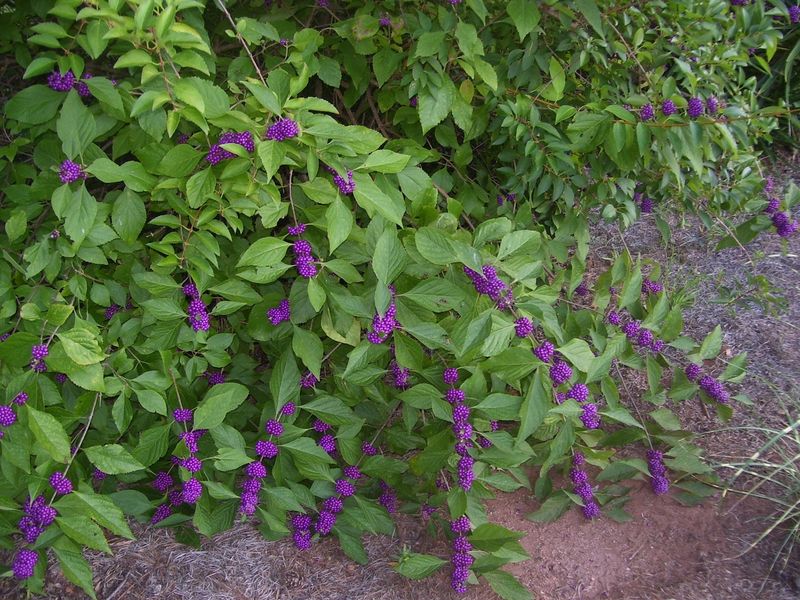
Beautyberry tends to get a bit leggy if left completely untouched for multiple seasons. Light pruning keeps the shrub compact, encourages new branching, and helps maintain a shape that fits comfortably in a home garden.
It does not take much effort to see results.
Early spring, before new growth begins, is a good time to prune. Cutting back long or crossing branches by about one-third encourages the plant to push out fresh growth from lower on the stem.
That new growth tends to be the most productive and vigorous.
Sharp, clean pruning tools make a cleaner cut and reduce stress on the plant. Dull blades crush stems rather than cutting cleanly, which can slow healing and open the plant to pest pressure.
Wiping blades with a damp cloth between cuts is a simple habit worth keeping.
Beautyberry blooms on new wood, meaning the season’s fresh growth produces both flowers and eventually berries.
Pruning in late fall or winter removes the wood that would carry next season’s berries, so early spring timing matters if you want that fall display.
Heavy pruning is generally not needed unless the shrub has been neglected for several years. In those cases, cutting the plant back hard in early spring can rejuvenate it significantly.
7. Mature Plants Need Very Little Maintenance
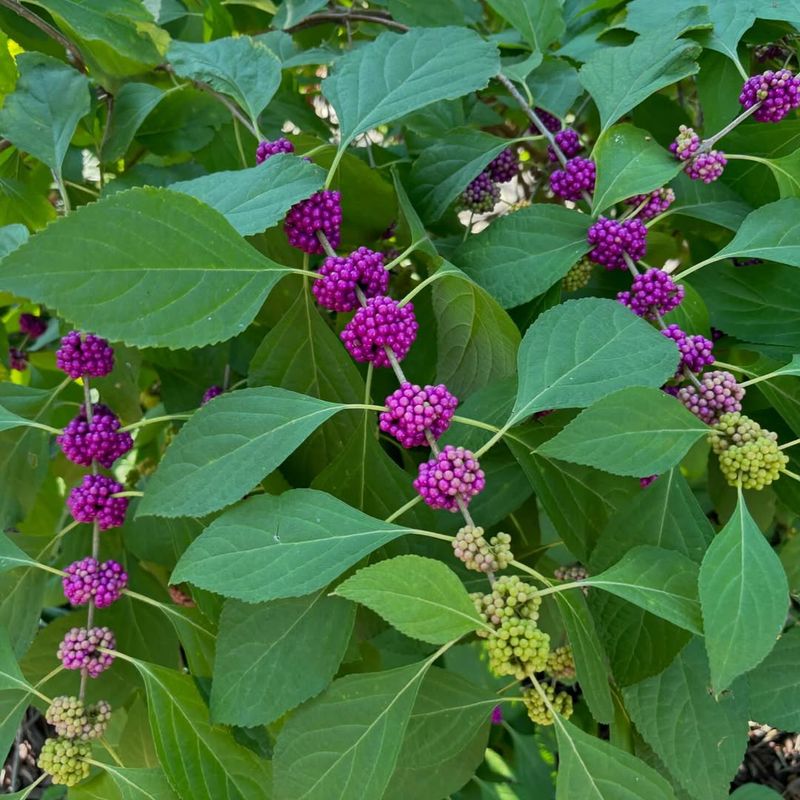
Getting a Beautyberry through its first couple of seasons is the hardest part. After that, the plant largely takes care of itself under average garden conditions.
Mature shrubs are one of the lower-maintenance natives you can grow in a Southern yard.
Fertilizing is rarely necessary once the plant is established. Rich, over-fertilized soil can actually push excessive leafy growth at the expense of berries.
A light top-dressing of compost in spring is typically enough to keep the plant performing well season after season.
Pest pressure on Beautyberry is generally minimal. The plant does not tend to attract significant insect damage or disease problems under normal growing conditions.
Occasional leaf spotting may appear during wet seasons, but it usually does not threaten the overall health of the shrub.
Older plants spread gradually through root suckers and self-seeded seedlings nearby. If you prefer to keep the plant contained, removing suckers as they appear is straightforward.
If you want more coverage, letting a few seedlings grow in is an easy way to expand your planting without buying new plants.
In Georgia, mature Beautyberry shrubs can reach six to eight feet tall and wide over several years. Giving the plant enough space from the start prevents crowding issues later.