The One Thing Michigan Gardeners Should Do To Knockout Roses In August To Keep Blooms Coming Through Fall

Your Knockout roses look tired, and August in Michigan doesn’t wait around. Faded blooms and leggy stems signal exhaustion, not failure.
Gardeners assume the season is basically finished right now. Wrong. Roots respond instantly once you understand what triggers them. A single overlooked cut changes everything for late summer color.
Timing matters more than most Michigan growers realize. Neglect this window and you lose weeks of blooms.
Act now and flowers return before frost arrives. Nothing about this process feels complicated or mysterious.
Certain pruning choices trigger fresh new growth quickly. Skip fertilizer guesswork and follow a sharper approach instead.
Confidence comes from knowing exactly what your roses need. Every stem holds potential you haven’t tapped yet. Results speak for themselves. You control whether this garden fades or roars back.
This next move now determines whether frost finds empty, faded stems or roses still blazing with vivid color this fall.
Why Knockout Roses Slow Down By Late Summer
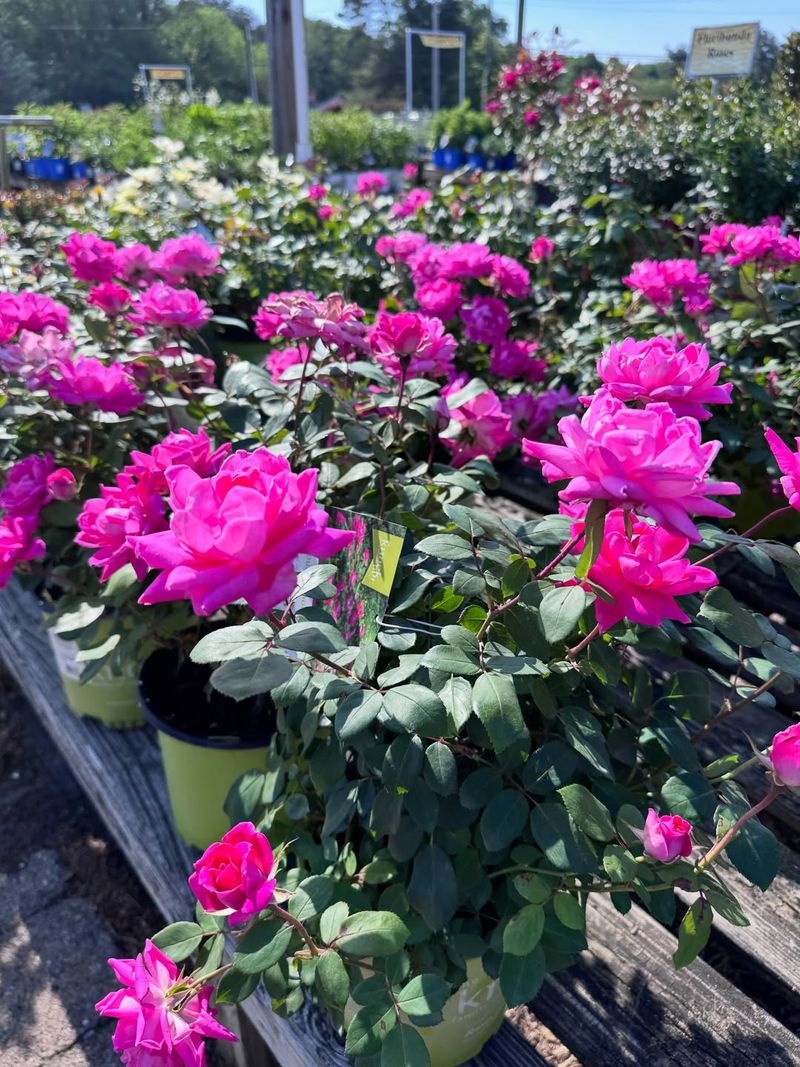
By late July, your Knockout roses have been working hard since spring. They’ve pushed out flush after flush of color without a single break.
Heat stress is a big reason blooms slow down in summer. Roses burn energy fast when summer heat lingers for extended periods.
Another culprit is spent blooms left on the plant too long. When old flowers stay attached, the plant shifts focus toward making seeds instead of new buds.
Nutrients also get depleted through the season. Soil that fed strong spring growth is often running low by August.
Pests and humidity add stress on top of that. Black spot and spider mites love late-summer heat and can sap a plant’s energy fast.
The good news is that Knockout roses are naturally tough bloomers. They don’t need much to bounce back when given the right nudge.
Understanding why your roses slow down helps you fix the problem with confidence. Once you know the cause, the solution feels obvious and easy.
This slowdown isn’t a sign your plant is failing. It’s simply a signal that August care is overdue.
The August Trim That Sparks A Fall Rebloom
Grab your pruning shears, because this is one of the most effective steps you can take. A well-timed August trim is a technique many Michigan gardeners rely on.
The goal is to cut back about one-third of the plant’s overall height. This removes tired growth and tells the rose it’s time to produce again.
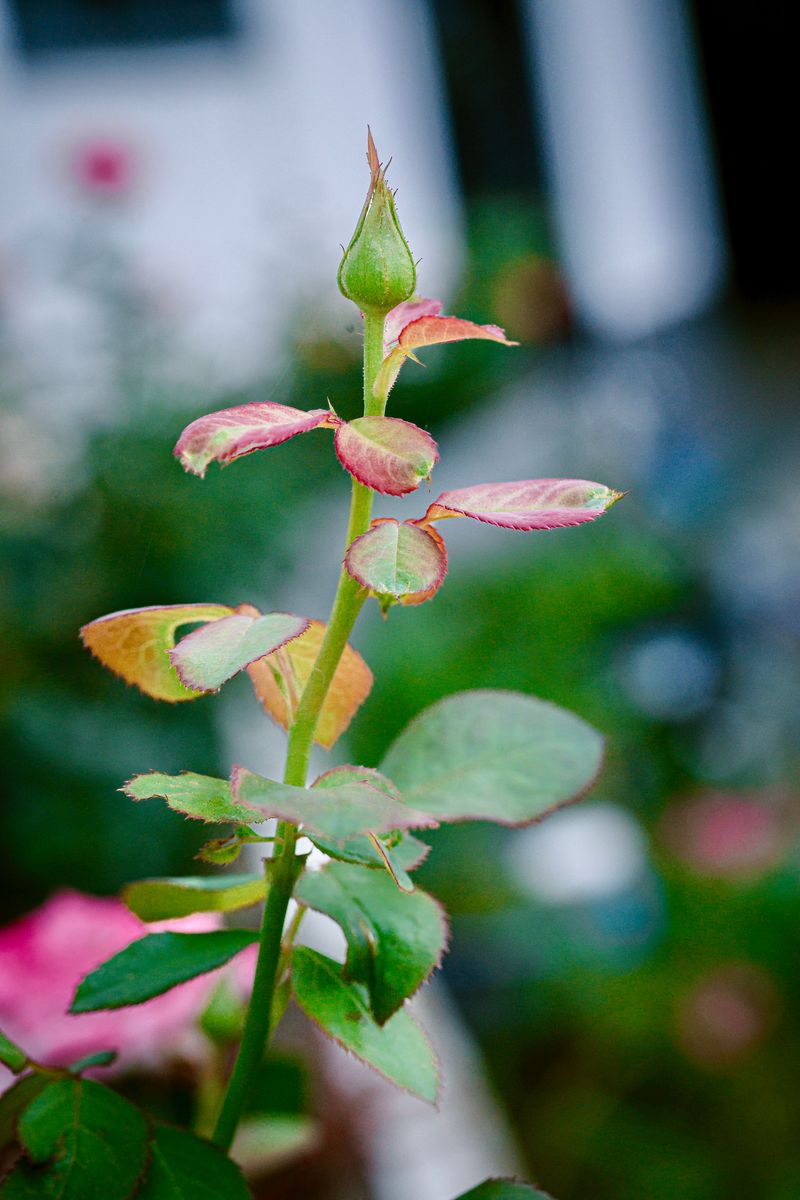
Focus your cuts just above a leaf node with five leaflets. That’s where new stems and buds will sprout from next.
Don’t be shy about this trim. Knockout roses are forgiving, and a confident cut produces far better results than a hesitant snip.
Aim to complete this trim by mid-August in Michigan. That gives the plant roughly six to eight weeks before the first frost arrives.
After trimming, you’ll typically notice small red stems pushing out within one to two weeks. Those are your future fall blooms getting started.
Your Michigan Garden Changes Every Week. Your Plan Should Too.
Gardening in Michigan changes quickly throughout the season. Every Friday you’ll receive a simple weekly plan showing exactly what to plant, prune, fertilize, harvest, and protect so you never miss the right timing.
The August trim works because it resets the plant’s energy cycle. Instead of maintaining old growth, the rose redirects resources into fresh buds.
Think of it like a reset button for your garden. One afternoon of work pays off with weeks of gorgeous fall color you didn’t have to beg for.
How To Snip Spent Blooms Without Damaging New Growth

Snipping spent blooms sounds fancy, but it’s really just removing old flowers. The trick is knowing exactly where to make the cut.
Look for the first set of five-leaflet leaves below the faded bloom. Make your cut at a 45-degree angle just above that leaf cluster.
Angled cuts help water run off the stem instead of pooling on top. Standing water on fresh cuts can invite disease and slow healing.
Use clean, sharp bypass pruners for the best results. Dull blades crush stems instead of cutting cleanly, which stresses the plant more than it needs.
Wipe your blades with rubbing alcohol between plants if you notice any disease. This simple habit prevents spreading problems from one bush to another.
Watch for tiny green nubs forming near the leaf nodes as you work. Those nubs are emerging buds, and you want to protect them carefully.
If you spot a bud forming, angle your cut away from it. Even a small nick on a developing bud can set back your fall bloom timeline.
Snipping spent flowers every few days keeps momentum going strong. Consistent spent bloom removal through August is one of the best things you can do for a bold fall display.
Best Timing Before Michigan’s First Frost
Timing your August trim around Michigan’s frost dates is absolutely critical. Cut too late, and your roses won’t have enough time to rebloom before cold arrives.
Most of lower Michigan typically sees its first frost sometime between mid-October and early November, though this varies by county. That gives you a working window of roughly six to eight weeks after your trim.
Mid-August is the sweet spot for pruning in most Michigan zip codes. Gardeners in the Upper Peninsula should aim for early August instead.
Knockout roses need about 45 to 60 days to push a full new flush after trimming. Plan backward from your local frost date to find your personal cutoff.
If you miss the mid-August window, there’s still time to act. A light trim in late August can still trigger some late-season color before things freeze.
Avoid heavy pruning after September first in most Michigan regions. Late cuts leave fresh growth vulnerable to early frost damage.
Checking the Old Farmer’s Almanac for your county’s average frost date takes about two minutes. That two-minute investment helps you plan a trim schedule that actually works.
Your roses will reward good timing with a noticeably fuller bloom display. Nail the window, and fall becomes your garden’s best season yet.
Watering And Feeding To Support The Next Flush
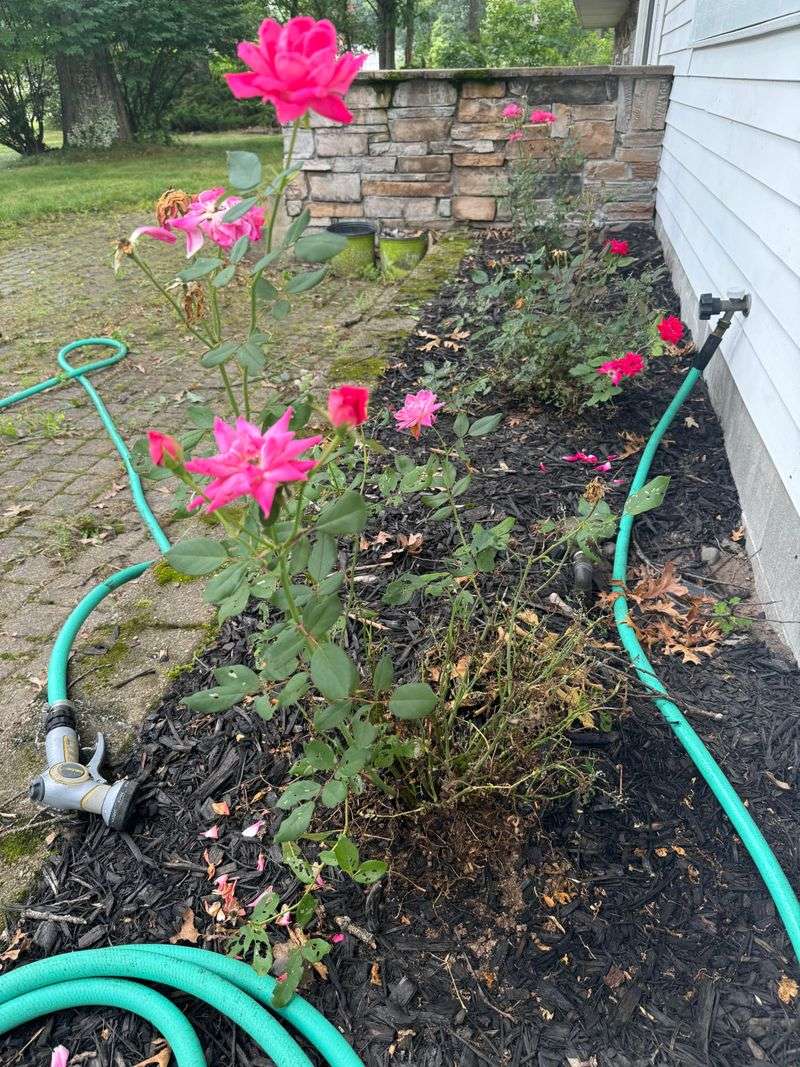
Trimming is only half the equation for fall blooms. Your roses also need the right fuel to push out that next wave of color.
After your August trim, give the bushes a deep watering right away. Moist soil helps the plant recover faster and start pushing new growth sooner.
Water at the base of the plant, not overhead. Wet foliage in late summer is an open invitation for fungal problems like black spot.
Aim for about one inch of water per week through August and September. Consistent moisture matters far more than occasional heavy soaking.
Feed your roses with a balanced fertilizer shortly after trimming. A 10-10-10 formula or a rose-specific blend works well for encouraging new bud development.
Avoid high-nitrogen fertilizers this late in the season. Too much nitrogen pushes leafy growth instead of the blooms you’re actually after.
Stop all fertilizing by early September in Michigan. Late feeding encourages tender new growth that won’t survive when temperatures drop.
Mulching around the base of each plant also helps retain soil moisture. A two-inch layer of wood chips keeps roots cool and hydrated during August heat spikes.
Simple, consistent care after trimming is what separates a decent fall display from a truly striking one. Feed right, water smart, and your roses will deliver.
Common Mistakes That Stall Fall Blooms

Even experienced gardeners make a few missteps that accidentally shut down fall blooms. Knowing the pitfalls ahead of time saves a lot of frustration.
One of the biggest mistakes is trimming too late in the season. Cuts made after early September don’t leave enough time for a proper rebloom before frost.
Another common error is cutting back too little. A timid trim of just an inch or two won’t reset the plant’s energy cycle the way a full one-third cut does.
Skipping spent bloom removal between the big August trim and frost is also a problem. Spent blooms left on the bush signal the plant to stop producing new ones.
Overwatering is sneaky because it feels like good care. Soggy roots stress the plant and make it harder to push out healthy new growth.
Fertilizing too late in the season is another trap many fall into. New tender stems that pop up in September can’t handle early frost and often sustain damage.
Ignoring pest pressure during August also costs you blooms. Spider mites and aphids drain a plant’s energy right when it needs every bit for reblooming.
Catching these mistakes early keeps your Knockout roses on track. A small correction in August can be the difference between bare stems and brilliant fall color.
What Your Roses Should Look Like Going Into Fall

Picture this: it’s early October, leaves are turning, and your rose bushes are filled with fresh pink blooms. That’s exactly what a well-timed August trim delivers.
By late September, healthy trimmed roses should have strong new stems covered in tight buds. Those buds will pop open just as the rest of the garden starts fading.
The foliage should look clean and green without major signs of black spot or yellowing. Healthy leaves mean the plant has enough energy left to finish the season strong.
New growth after an August trim tends to be compact and bushy rather than leggy. That tidy shape makes fall roses look intentional and polished in the landscape.
Expect blooms to be slightly smaller than your peak summer flowers. Cooler fall temperatures actually deepen the color of Knockout blooms, making them look richer than ever.
Your roses should keep flowering until the first hard freeze hits. In many parts of lower Michigan, that means color well into October and sometimes beyond.
If your plant looks strong but buds aren’t opening, give it a little patience. Fall blooms sometimes take an extra week compared to summer flushes.
Going into fall with healthy, blooming Knockout roses is the payoff for all your August effort. That simple August trick for keeping Knockout roses blooming makes the difference between a sparse fall display and a strong, colorful one.