This Native Grass Is A Better Choice Than Invasive Silvergrass In Georgia
You can spot it in shopping centers, neighborhood entrances, and plenty of front yards. At first glance, it looks like an easy plant to love.
The problem usually shows up later. What starts as a tidy clump does not always stay where you expected it to.
More homeowners are taking a second look before planting ornamental grasses.
Many are deciding a beautiful yard should not come with extra headaches.
Native grasses have always been part of Georgia’s landscape. They handle local conditions naturally while supporting the wildlife that already belongs there.
If you are planning to refresh your yard, this is one decision worth getting right. The grass you choose today can shape your landscape for years.
One native option delivers the same eye-catching look without the unwanted reputation. It is easy to see why more gardeners are making the switch.
1. Eastern Gamagrass Grows Into A Tall Natural Screen
Few native plants can pull double duty as both a habitat plant and a living fence, but Eastern gamagrass does exactly that.
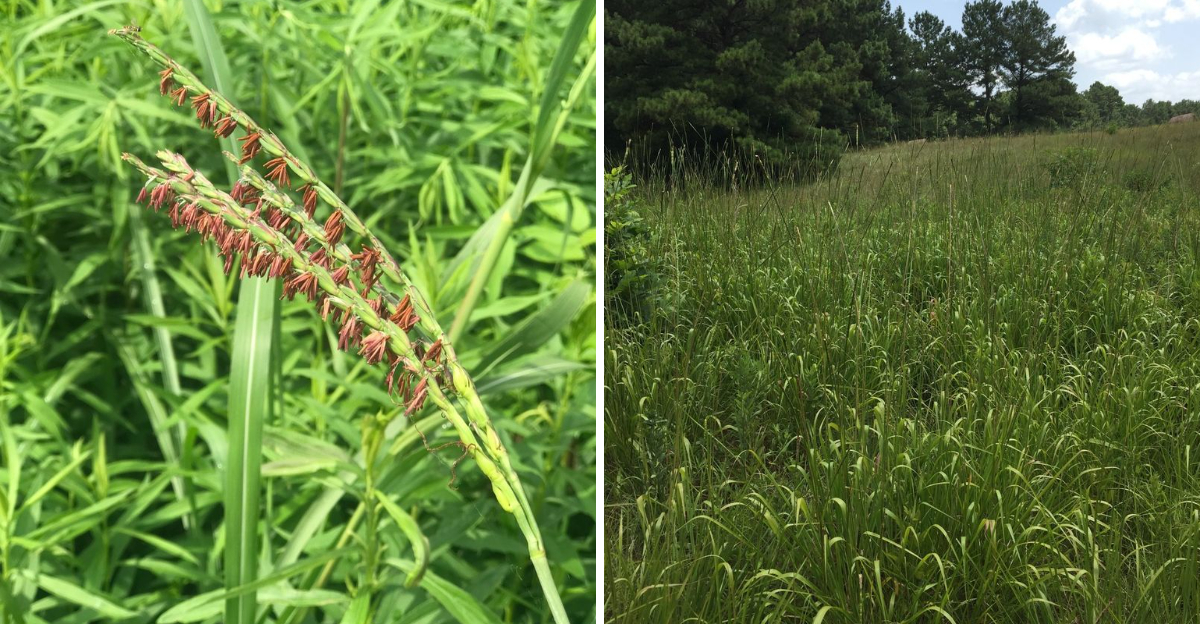
It can reach six to nine feet tall under good conditions, creating a dense wall of green that blocks sightlines without any fencing needed.
Planted in a row, these clumps fill in gradually and form a solid visual barrier. Spacing them about three feet apart gives each plant room to fill out without crowding.
Over time, you get a screen that looks natural rather than constructed.
Unlike silvergrass, which spreads sideways and takes over neighboring plants, Eastern gamagrass stays in its clump. That makes it much easier to manage in a home landscape.
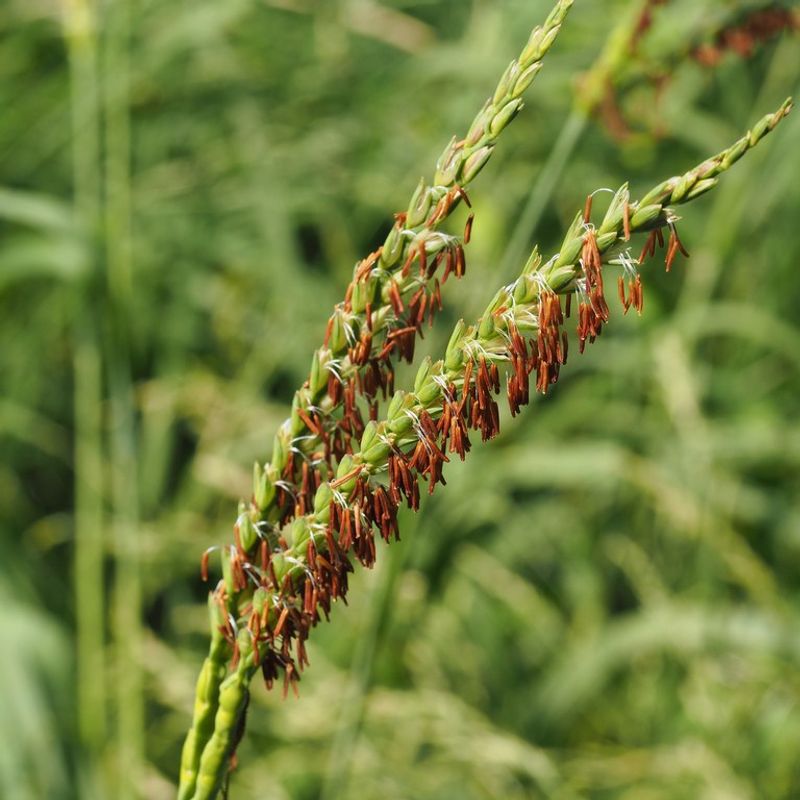
The blades are wide and arching, which adds texture and movement when the wind picks up. Seed heads appear in summer and attract birds looking for food.
So the screen you plant for privacy ends up doing more than one job.
Georgia summers can be brutal, but Eastern gamagrass handles the heat without much complaint. It is native to this region, so it is already adapted to the climate.
That is a big advantage over ornamental grasses that need extra care to survive the same conditions.
2. Deep Roots Help It Handle Dry Weather Once Established
Eastern gamagrass has one of the deepest root systems of any native grass in North America. Roots can push down eight feet or more into the soil, which gives the plant access to moisture long after the surface dries out.
That kind of root depth matters a lot during Georgia’s dry stretches. Mid-summer droughts are common here, and shallow-rooted plants struggle hard when rain stops for weeks.
Eastern gamagrass handles those gaps much better once it has settled in.
New plants do need regular watering through the first growing season. Do not expect drought tolerance right away.
The root system takes time to develop, and skipping water too early can set a young plant back significantly.
After the first full year, the plant starts to rely much less on supplemental watering. By the second or third year, established clumps can go through dry spells with minimal intervention.
Your Georgia Garden Changes Every Week. Your Plan Should Too.
Gardening in Georgia changes quickly throughout the season. Every Friday you’ll receive a simple weekly plan showing exactly what to plant, prune, fertilize, harvest, and protect so you never miss the right timing.
Some gardeners report needing almost no irrigation after year two, though results vary by soil type and sun exposure.
Silvergrass also has spreading roots, but they run shallow and wide, which is part of why it spreads so aggressively. Eastern gamagrass grows down instead of out, making it a far less disruptive neighbor in a mixed planting.
3. Clumps Expand Slowly Without Becoming Invasive
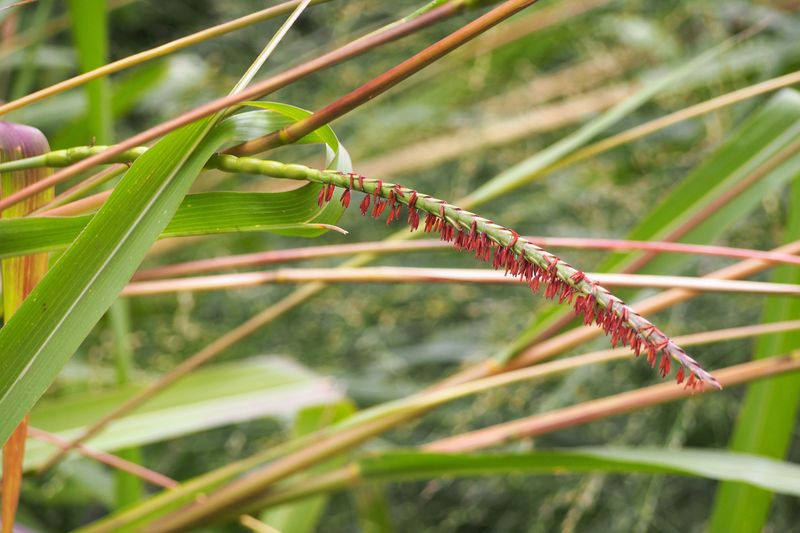
Silvergrass spreads fast and wide, sending out runners that pop up in places you never intended. Eastern gamagrass does not work that way.
It stays in a clump and expands outward slowly, maybe a few inches per year.
That clumping habit is one of its biggest selling points for home gardeners. You plant it where you want it, and it mostly stays there.
No surprise sprouts appearing in your flower bed or creeping into your lawn edges.
Over several years, a clump will widen gradually and may need dividing. That is a simple process done in early spring before new growth starts.
Divide with a sharp spade, replant the sections, and you have new plants for free.
Spreading grasses like silvergrass are listed as invasive in parts of the Southeast because they outcompete native vegetation and are very hard to remove once established. Eastern gamagrass carries no such concern.
It fits into a garden without taking it over.
Wildlife gardeners especially appreciate this trait. You can plant Eastern gamagrass near native wildflowers or shrubs without worrying that it will smother them.
The slow spread means your whole planting stays balanced. That kind of predictable growth makes planning a native garden much more manageable over the long run.
4. Full Sun Produces The Strongest Growth
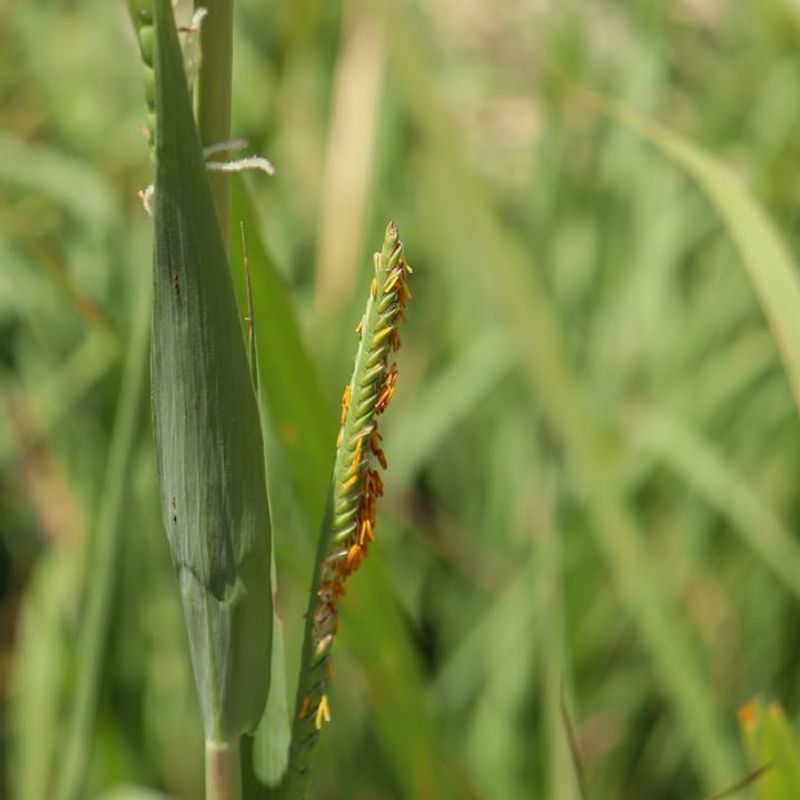
Put Eastern gamagrass in full sun and it performs at its best. Six or more hours of direct sunlight per day produces the tallest, thickest clumps with the most seed production.
Shaded spots tend to make the plant lean and reduce its overall vigor.
That said, it can tolerate partial shade, especially in hotter climates. A few hours of afternoon shade can actually help in spots where summer heat gets intense.
Just do not expect the same dense growth you would get in a fully sunny location.
South-facing spots with good air circulation work especially well. Avoid low areas where water pools and air stagnates.
Eastern gamagrass prefers good drainage paired with consistent light.
Silvergrass also thrives in sun, but it uses that energy to spread aggressively rather than build a well-behaved clump. Eastern gamagrass channels that same sunlight into upward and outward growth that stays contained.
It is a much more cooperative plant in a designed landscape.
If you are working with a partly shaded yard, try placing Eastern gamagrass where it gets morning sun and some afternoon shade. Monitor growth the first season.
If the plant looks stretched or thin, try moving it to a brighter spot.
5. Consistent Moisture Helps Young Plants Establish
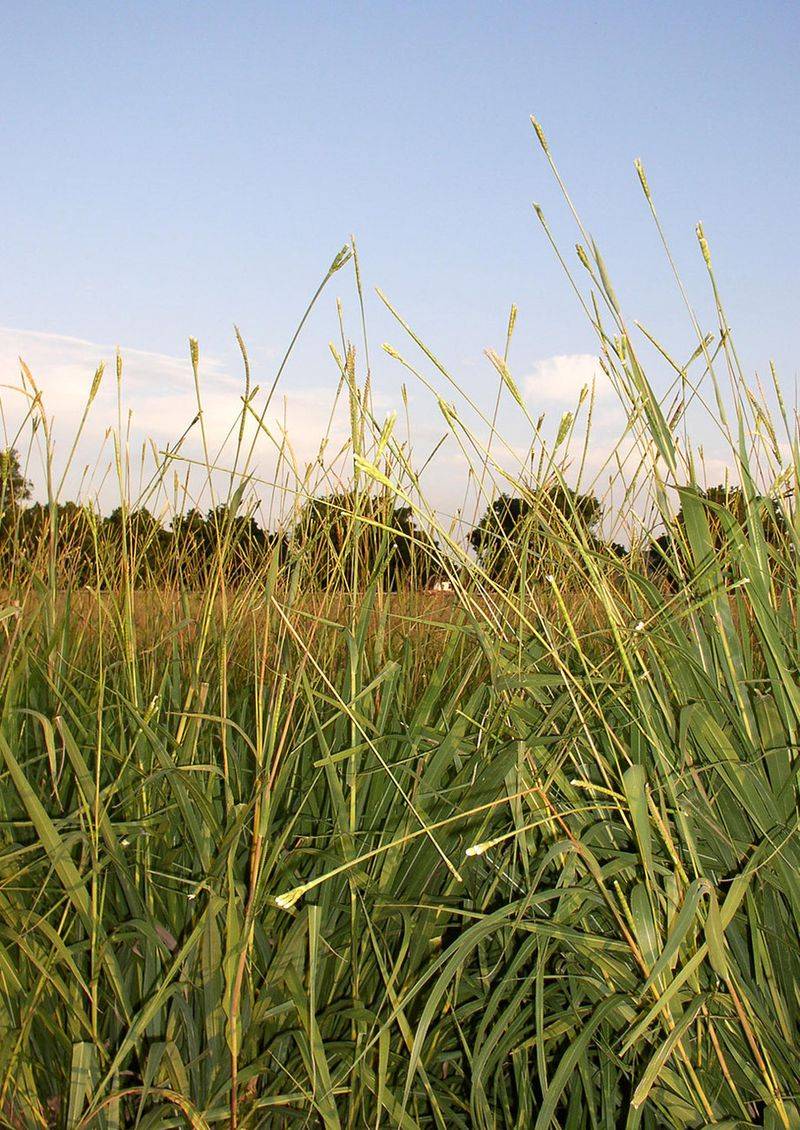
Getting Eastern gamagrass through its first season takes some attention to watering. Young plants do not have deep roots yet, so they depend on the top few inches of soil staying reasonably moist.
Letting them dry out completely early on can stall their development.
Water new plants two to three times per week during dry spells in the first summer. Deep, slow watering is better than quick, shallow sprinkles.
You want moisture to reach down into the root zone, not just wet the surface.
Mulching around the base helps a lot. A two- to three-inch layer of wood chips or shredded leaves slows evaporation and keeps the soil cooler.
That makes a real difference during hot Georgia summers when moisture disappears fast.
Avoid overwatering, though. Standing water around the base can cause root problems.
Eastern gamagrass likes moisture but not soggy conditions. Well-draining soil paired with consistent watering is the right balance.
Once roots start pushing deeper, usually by late summer of the first year, the plant becomes noticeably more self-sufficient. Watering can taper off in fall as temperatures cool.
By the following spring, the plant should be ready to handle normal weather patterns with minimal help.
6. Cutting Back In Late Winter Makes Room For Fresh Growth
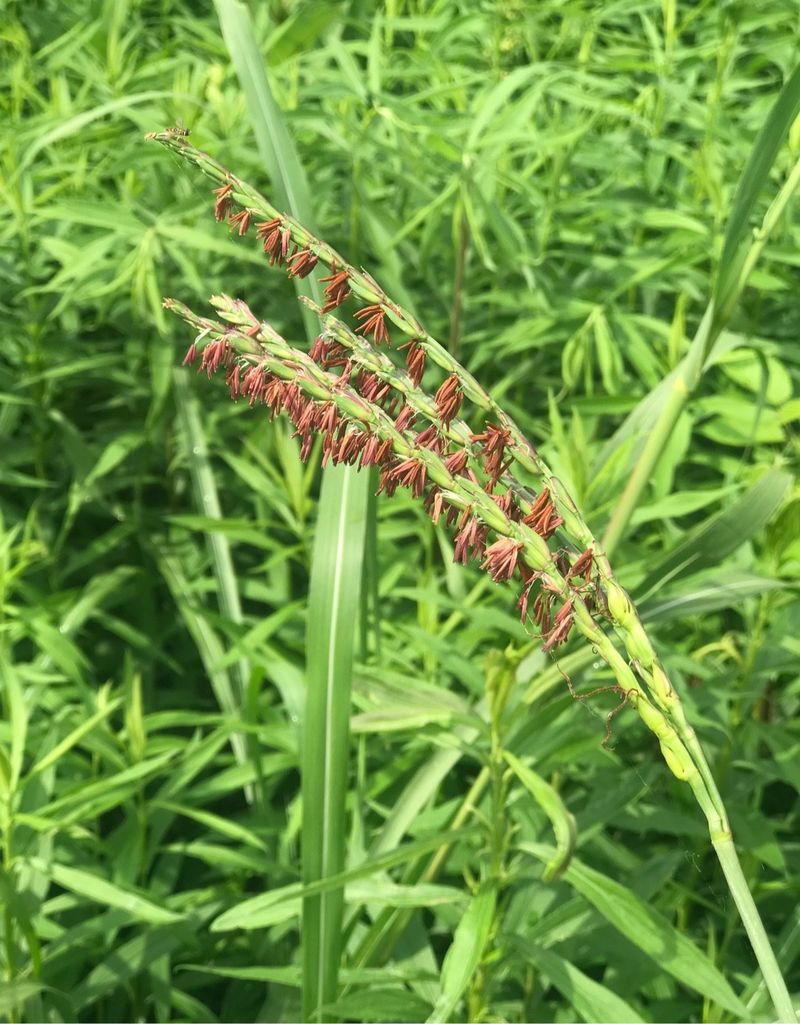
By late winter, Eastern gamagrass clumps look pretty rough. The foliage turns tan and dry through the cold months, and the old growth starts to look worn out.
Cutting it back before spring wakes the plant up is one of the best things you can do for it.
Aim to cut clumps down to about six to eight inches above the ground. Use sharp loppers or pruning shears and work through the clump in sections.
The old growth can be tough, so good tools make the job much easier.
Timing matters. Cut too early in winter and you remove insulation that protects the crown during cold snaps.
Cut too late and you risk clipping new green shoots already pushing up from the base. Late February through early March tends to work well across most of the Southeast.
After cutting, the clump bounces back quickly once warm weather arrives. Fresh green blades push up through the stubble and the plant looks completely renewed within a few weeks.
That regrowth tends to be more vigorous than what the old foliage produced.
Leaving the cut material on the ground as mulch is a fine option. It breaks down over time and returns some nutrients to the soil.
Skipping the annual cutback is not the end of the world, but plants that get trimmed regularly tend to look better and stay more productive over the years.
7. Dense Foliage Provides Valuable Wildlife Cover
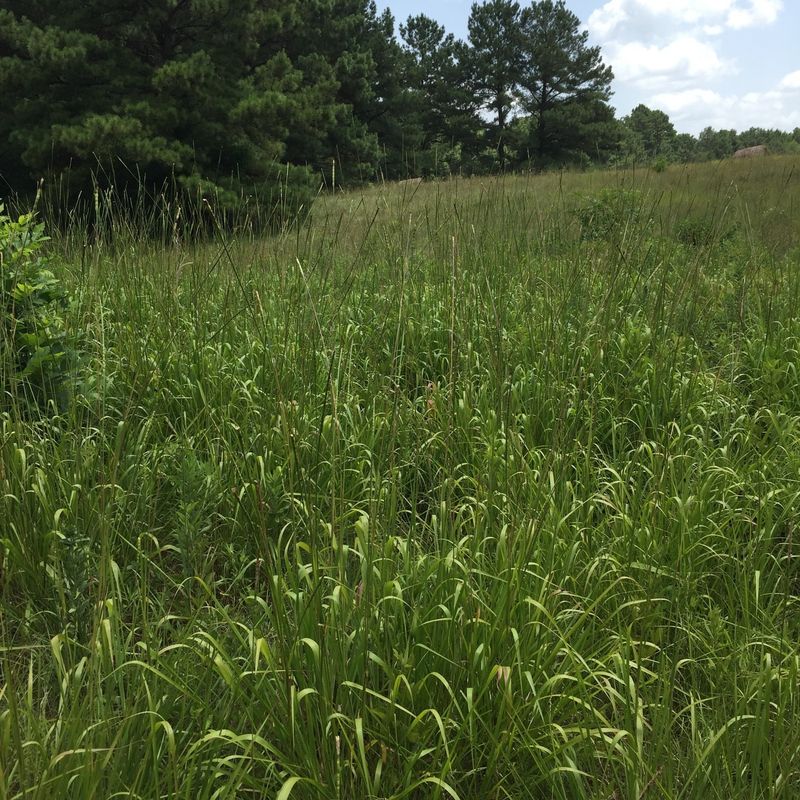
Eastern gamagrass is not just a pretty plant. Its thick, layered foliage creates shelter that small animals and insects actively use.
Ground-nesting birds, small mammals, and beneficial insects all benefit from the cover it provides through the seasons.
Seed heads ripen in late summer and attract native sparrows, finches, and other seed-eating birds. Watching birds work through a clump of gamagrass is genuinely entertaining.
It brings life to a yard in a way that a lawn of turf grass simply cannot.
The dense base of the clump offers protective cover even after seeds are gone. Small animals use it as shelter through fall and winter.
That is why cutting the plant back in late winter rather than fall gives wildlife more time to use it before spring arrives.
Silvergrass also provides some cover, but it is an introduced plant. Native wildlife evolved alongside Eastern gamagrass over thousands of years.
That relationship shows up in how readily local species use it compared to non-native alternatives.
Planting Eastern gamagrass near other native wildflowers or shrubs creates a layered habitat that supports a wider range of species. Even a single clump in a backyard makes a difference.