What It Means When Your Pennsylvania Lawn Browns During A Drought Watch
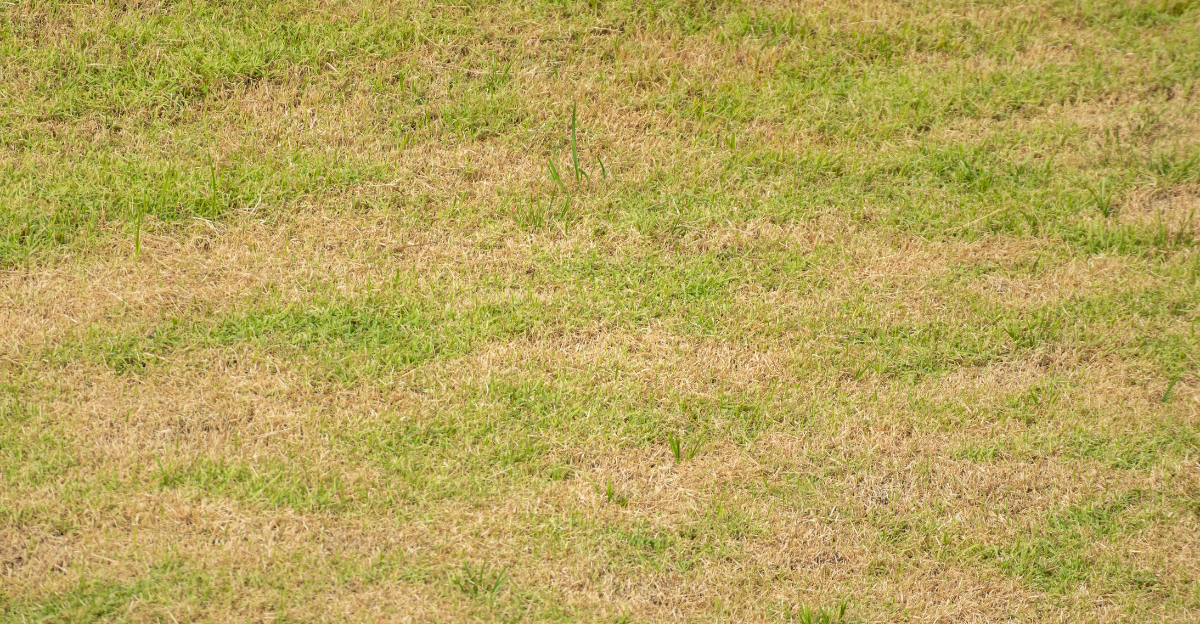
Your lawn was thick and green just weeks ago, and now it crackles under every step. A Pennsylvania drought watch can strip the color from a yard faster than most homeowners expect.
That crunchy, straw-colored patch spreading across your grass is not necessarily the end of the story. Cool-season turf like Kentucky bluegrass and tall fescue has its own survival tricks during dry stretches.
Right now, your lawn is sending clear signals about what is happening beneath the surface. Reading those signals correctly separates a yard that recovers from one that struggles for months.
Dormancy Is A Natural Survival Response To Drought
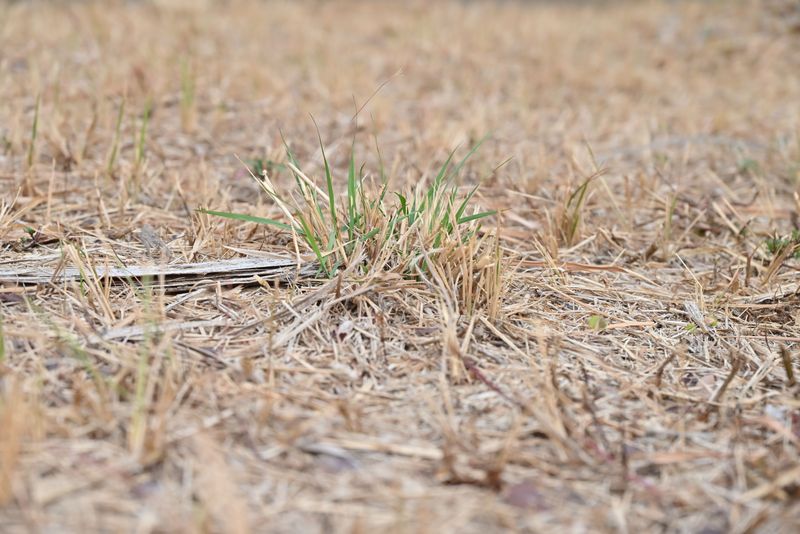
Grass is smarter than it looks. When water gets scarce, cool-season turf like tall fescue and bluegrass shifts into dormancy to protect itself.
Dormancy is basically a deep sleep mode for your lawn. The blades turn brown, but the crown and roots stay alive underground, waiting for better conditions.
Cool-season grasses evolved this response long before lawns existed in Pennsylvania. A drought watch triggers this response faster than most homeowners expect.
The browning you see is not damage. It is a survival strategy built into the grass’s biology.
During a drought watch, soil moisture drops fast in our Mid-Atlantic climate. The turf stops photosynthesizing and sends all available water to the root zone instead.
Think of it like a bear hibernating through winter. The grass is conserving energy until rain returns.
One key thing to remember: dormant grass is fragile. Foot traffic, heavy mowing, and fertilizer can all cause real harm during this period.
Stay off the lawn as much as possible when it looks brown and brittle. Heavy activity on dormant grass can snap fragile crowns that took years to establish.
Most cool-season grasses can survive four to six weeks of dormancy without permanent loss. After that window, the risk of true damage increases significantly.
Recognizing dormancy early gives you a huge advantage. Your lawn is not failing you; it is protecting itself, and that is a sign of a healthy, resilient yard.
Distinguishing Dormant Grass From Grass Beyond Recovery
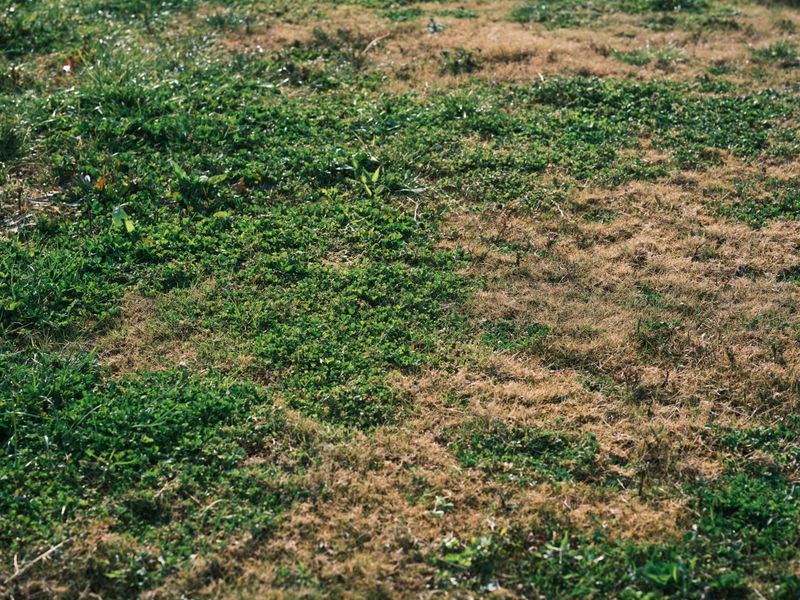
Not all brown lawns are created equal. Knowing the difference between dormant turf and truly damaged grass can save you hundreds of dollars in repairs.
Pull the tug test first. Grab a handful of brown grass and pull gently upward.
Dormant grass holds firm at the base because the roots are still anchored and alive. Grass that has stopped growing for good pulls out easily with almost no resistance, roots and all.
Check the crown next. The crown is the white or cream-colored base just above the soil line.
A living crown feels slightly firm and shows a hint of green or white. A crown that has given up looks gray, mushy, or dried out with no color variation at all.
Look at the pattern of browning across your yard. Dormant lawns tend to brown evenly across the whole area.
Irregular patches, especially near high-traffic spots or near pavement, often signal stress beyond simple dormancy. Those areas may need overseeding once conditions improve.
Your Pennsylvania Garden Changes Every Week. Your Plan Should Too.
Gardening in Pennsylvania changes quickly throughout the season. Every Friday you’ll receive a simple weekly plan showing exactly what to plant, prune, fertilize, harvest, and protect so you never miss the right timing.
Another clue is the border zone. Grass near sprinkler heads or shaded spots that stays slightly greener tells you the rest of the lawn is dormant, not beyond saving.
Water a small test section deeply and wait three to five days. New green growth emerging from the base means dormancy, not loss.
Catching this difference early during a drought watch in Pennsylvania means you act smarter, not harder, and your lawn thanks you for it come fall.
Watering Practices That Support Recovery
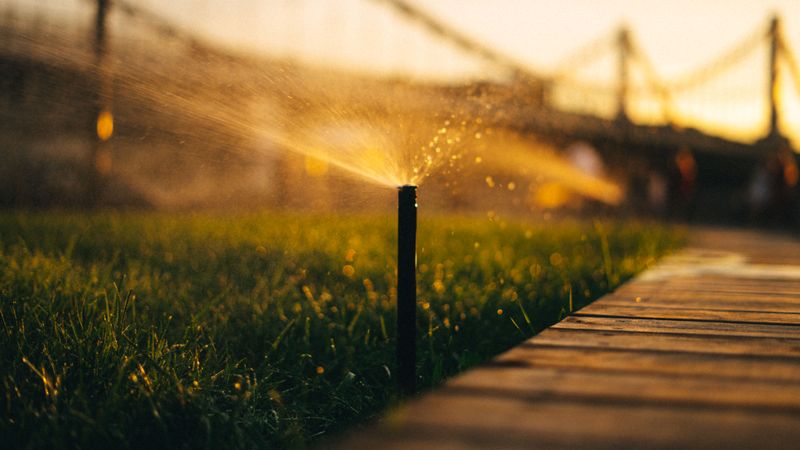
Watering during a drought watch feels counterintuitive, but doing it right can keep your turf alive without wasting a drop. Timing and depth matter more than frequency here.
Water early in the morning, between 5 and 9 a.m. Morning air is cooler and wind is calmer, so less moisture evaporates before reaching the roots.
Evening watering leaves grass wet overnight, which invites fungal disease. That is a trade-off nobody wants during an already stressful season.
Deep and infrequent is the golden rule for drought conditions. Aim for about one inch of water per week, applied in one or two sessions rather than daily light sprinkles.
Light watering only wets the surface, which trains roots to stay shallow. Shallow roots are the first to suffer when the next dry stretch hits.
Use a simple tuna can or rain gauge to measure output from your sprinkler. When the can hits one inch, you are done for the week.
If your municipality issues odd-even watering restrictions during a drought watch, follow them strictly. Conservation orders exist to protect the whole community’s water supply.
Soaker hoses and drip irrigation waste far less water than overhead sprinklers. For smaller lawn sections or garden borders, these tools are worth every penny.
Skip fertilizing while the lawn is under drought stress. Fertilizer pushes new growth, and new growth demands water your soil simply does not have right now.
Smart watering now sets your lawn up for a strong, green recovery once the drought watch lifts and normal rain returns.
Signs Your Lawn Needs Immediate Attention
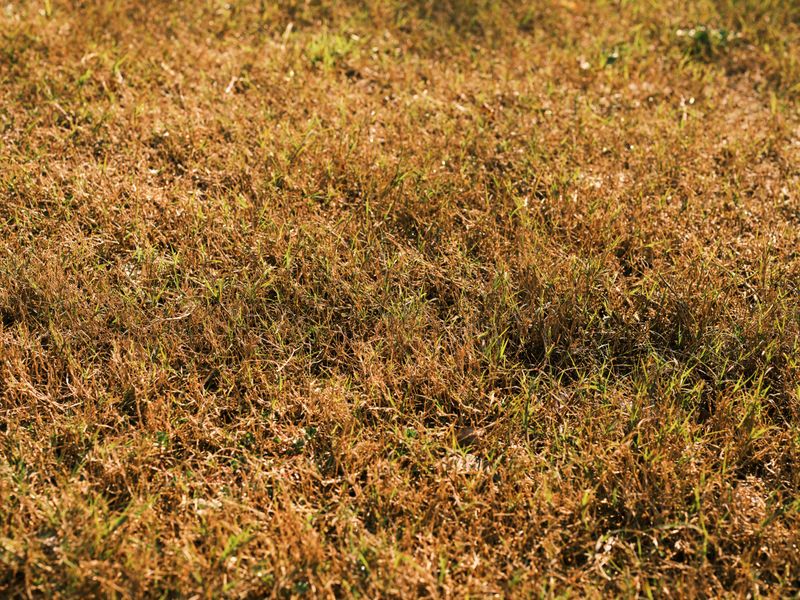
Some warning signs go beyond normal browning. Your lawn will tell you when it has crossed from dormancy into genuine distress, if you know what to look for.
Footprints that stay visible for hours after you walk across the grass are a classic red flag. Healthy turf bounces back quickly; stressed turf does not have the energy to spring up.
A bluish-gray tint on grass blades often appears before full browning sets in. That color shift means the leaf tissue is losing moisture faster than roots can replace it.
Soil pulling away from pavement edges or cracking in wide, visible lines signals extreme dryness in the top layers. Roots in that zone are under serious pressure right now.
Check for pest activity too. Grubs and chinch bugs love to move into drought-stressed lawns because the turf is already weakened and cannot fight back effectively.
Pull back a small section of turf near a brown patch. White grub larvae curled in a C-shape beneath the surface confirm a secondary problem alongside drought stress.
Thin, patchy areas expanding outward from a central point can also suggest fungal activity. Brown patch and dollar spot both thrive in hot, dry-then-humid Pennsylvania summers.
If you spot two or more of these warning signs together, act fast. A quick call to a local lawn care professional can prevent a manageable problem from becoming a full lawn replacement.
Your lawn is speaking clearly. The only question is whether you are listening closely enough to catch it in time.
Mowing Adjustments During Drought Watches
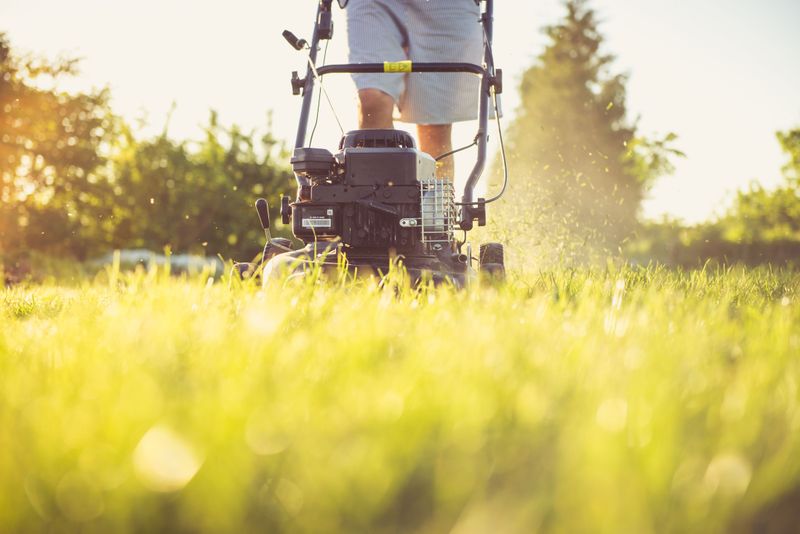
Mowing a drought-stressed lawn the wrong way can turn a recoverable situation into a real problem. A few simple adjustments make a big difference during dry spells.
Raise your mower deck immediately. Cutting grass too short during a drought removes the leaf surface that shades the soil and slows moisture loss from the ground below.
Set your blade height to three and a half to four inches for cool-season grasses. Taller blades act like natural mulch, keeping the root zone cooler and slightly more moist.
Mow less frequently when growth slows. Dormant or stressed grass barely grows, so weekly mowing is often unnecessary and just adds physical trauma to already struggling turf.
Only mow when the grass actually needs it, not on a fixed schedule. If the lawn has not grown since your last cut, skip it without guilt.
Use a sharp blade whenever you mow. A dull blade tears grass rather than cutting it cleanly, leaving ragged edges that lose water faster and invite disease entry points.
Sharpen your mower blade at least once mid-season, more often if you mow frequently. This simple habit protects your lawn more than most people expect.
Leave clippings on the lawn after mowing. Grass clippings break down quickly and return a small amount of moisture and nutrients back into the soil below.
Avoid mowing during the hottest part of the day. Early morning or early evening cuts reduce stress on both the grass and the person pushing the mower.
Mowing smarter now protects the investment you have made in your lawn all season long.
Bringing Your Lawn Back After The Watch Ends
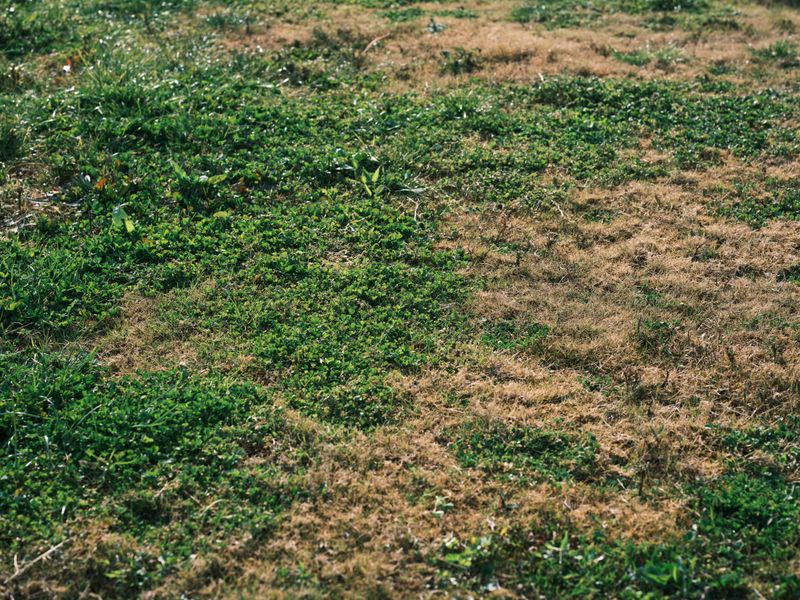
The drought watch is over, and rain is finally in the forecast. Now comes the part that most homeowners get wrong: rushing the recovery process.
Give your lawn one to two weeks of natural rainfall before making any big moves. The soil needs to rehydrate slowly and evenly from the top down before roots can fully reactivate.
Resist the urge to fertilize immediately after the watch lifts. Applying nitrogen to a lawn just waking up from drought stress can burn already fragile crowns and set recovery back weeks.
Wait until you see consistent new green growth emerging across the lawn before feeding. A slow-release fertilizer applied in early September works beautifully for Pennsylvania cool-season turf.
Aeration is your best friend this time of year. Core aeration breaks up compacted soil that formed during the dry period and lets water, oxygen, and nutrients reach the root zone faster.
Schedule aeration for late August or early September in our region. That timing lines up well with cooler temperatures and the natural growth surge of cool-season grasses.
Overseed any bare or thin patches right after aeration. Grass seed makes direct contact with loosened soil, which dramatically improves germination rates compared to seeding on hard ground.
Keep newly seeded areas consistently moist for the first two to three weeks. Light daily watering is appropriate for seedlings, even if deep watering is not right for established turf.
Your Pennsylvania lawn browns during a drought watch as a survival move, and with the right steps, it can bounce back healthy and full again.