Why Georgia Homeowners Should Never Relocate A Fox From Their Yard
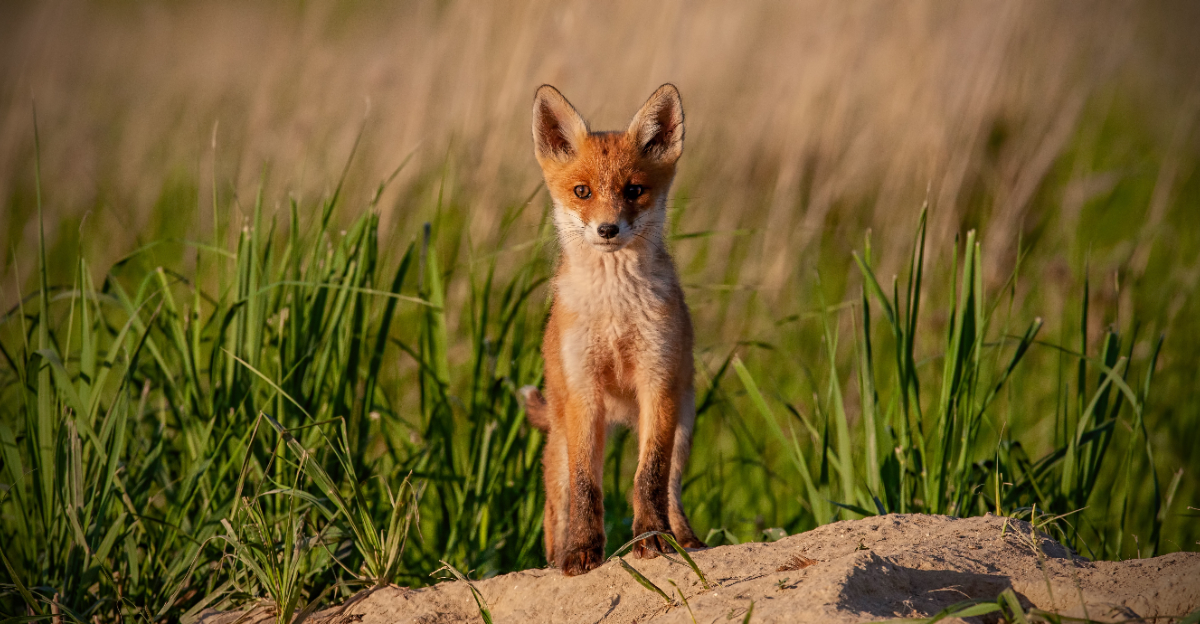
Seeing a fox near your yard can feel unsettling fast. Most people immediately think it needs help elsewhere.
That first reaction sounds reasonable enough. Wild animals rarely follow human expectations.
Foxes usually know exactly where they are going. Interrupting that journey can create unexpected problems.
Many Georgia homeowners never hear that part. Experience often changes how they respond afterward.
Before doing anything take a closer look. Patience is often the smarter choice first.
The more you understand normal fox behavior the easier this moment becomes. What seems like the kind thing to do may actually create a much bigger problem than leaving the animal alone for a little while.
Instead give yourself time to understand what is really happening before deciding your next move with confidence and patience every time.
1. Relocated Foxes Often Struggle To Survive
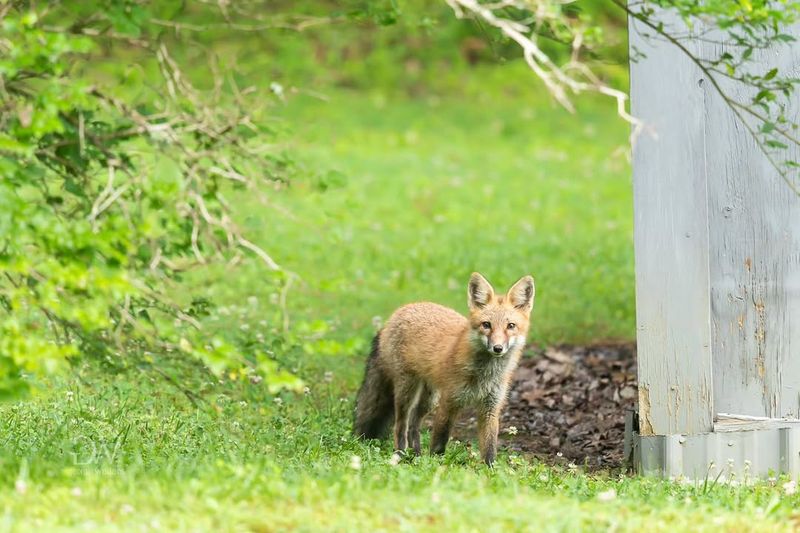
Picking up a fox and dropping it somewhere new sounds helpful, but it can seriously backfire. Foxes are highly territorial animals.
They spend months, sometimes years, learning every inch of their home range.
When a fox gets moved to an unfamiliar area, it has no idea where food sources are located. It does not know the safe hiding spots or the escape routes.
Competing foxes in the new area may chase it off aggressively, leaving it with nowhere safe to rest.
Stress from relocation can weaken a fox’s immune system quickly. A weakened fox becomes vulnerable to mange, parasites, and other illnesses that a healthy animal would normally fight off.
Relocated foxes often wander erratically trying to find familiar ground.
Some foxes attempt to travel back to their original territory, crossing busy roads and dangerous terrain along the way. Injuries from traffic are a very real risk during these journeys.
The survival odds for a relocated fox drop significantly compared to one left in its known environment.
Leaving a fox where it already lives is almost always safer for the animal. A fox that knows its territory can find food, avoid predators, and raise its young far more successfully.
2. Another Fox Can Quickly Move Into The Empty Territory
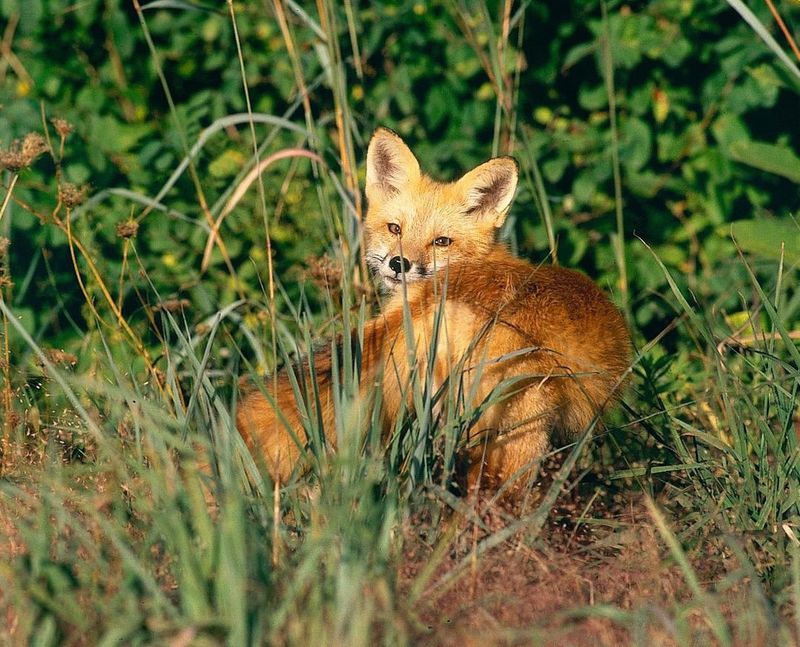
Removing a fox from your yard does not guarantee your fox problem goes away. In fact, it often just opens the door for a replacement.
Foxes are highly aware of available territory, and a vacant space rarely stays empty for long.
Wild animals operate on a system of territorial pressure. When one fox vacates an area, neighboring foxes or young foxes looking to establish their own range move in fast.
Sometimes a new fox settles in within days.
Here is the frustrating part: the new fox is a complete unknown. Your original fox had already learned your yard’s layout.
It knew where the garden was, where the compost pile sat, and how close it could get to your porch without triggering a reaction from you.
A newly arrived fox starts that learning process from scratch. It may be bolder, more skittish, or more likely to cause property damage while figuring out the boundaries.
Your Georgia Garden Changes Every Week. Your Plan Should Too.
Gardening in Georgia changes quickly throughout the season. Every Friday you’ll receive a simple weekly plan showing exactly what to plant, prune, fertilize, harvest, and protect so you never miss the right timing.
You have essentially traded a known situation for an unpredictable one.
Experienced wildlife managers point out that removing resident foxes from suburban areas rarely reduces fox activity over time. The habitat is suitable, so foxes keep coming.
3. Foxes Naturally Reduce Rodent Populations
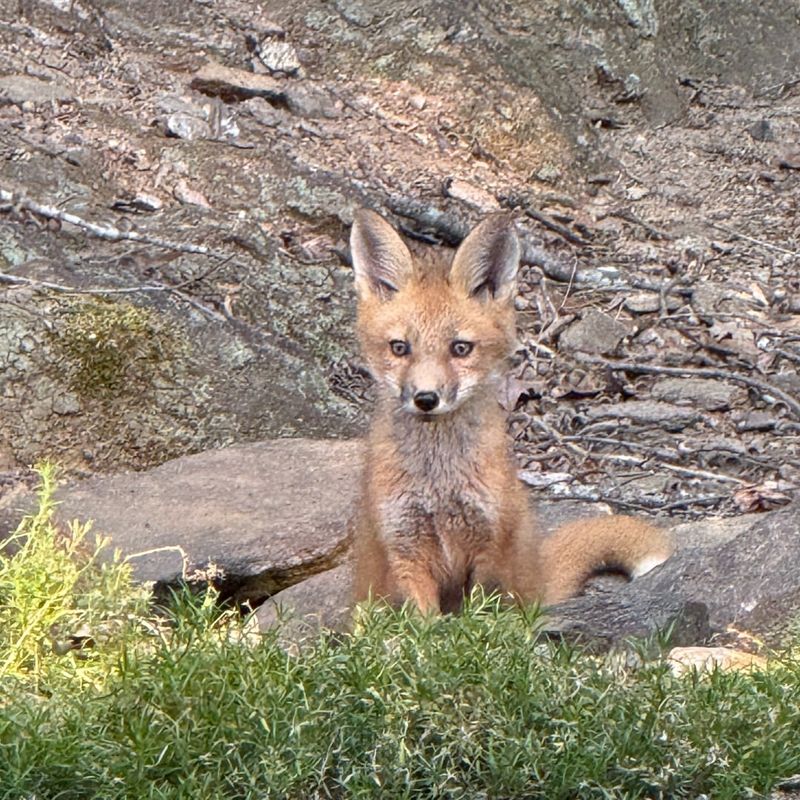
Having a fox nearby is one of the most effective forms of natural pest control a homeowner could ask for. Foxes eat a lot of small rodents.
Mice, voles, rats, and moles are all regular parts of a fox’s diet throughout the year.
A single fox can catch and consume several small rodents per night. Over weeks and months, that adds up to a meaningful reduction in the rodent population around your property.
Fewer rodents means less damage to garden roots, less gnawing on wiring in sheds, and fewer rodents finding their way into your home.
Rodent populations tend to spike in late summer and fall across Georgia. That is exactly when foxes are most active and hunting most aggressively.
Their natural hunting schedule lines up well with the times homeowners are most likely to struggle with mouse and vole problems.
Hiring a pest control company to address rodents costs money and often involves chemicals or traps. A resident fox handles the same job without any cost to you and without putting other wildlife at risk from poison bait stations.
Foxes also hunt rabbits, which can devastate vegetable gardens if left unchecked. Keeping a fox in the area provides a natural deterrent that keeps rabbit pressure lower without any effort on your part.
4. Give Foxes Plenty Of Space Around The Yard
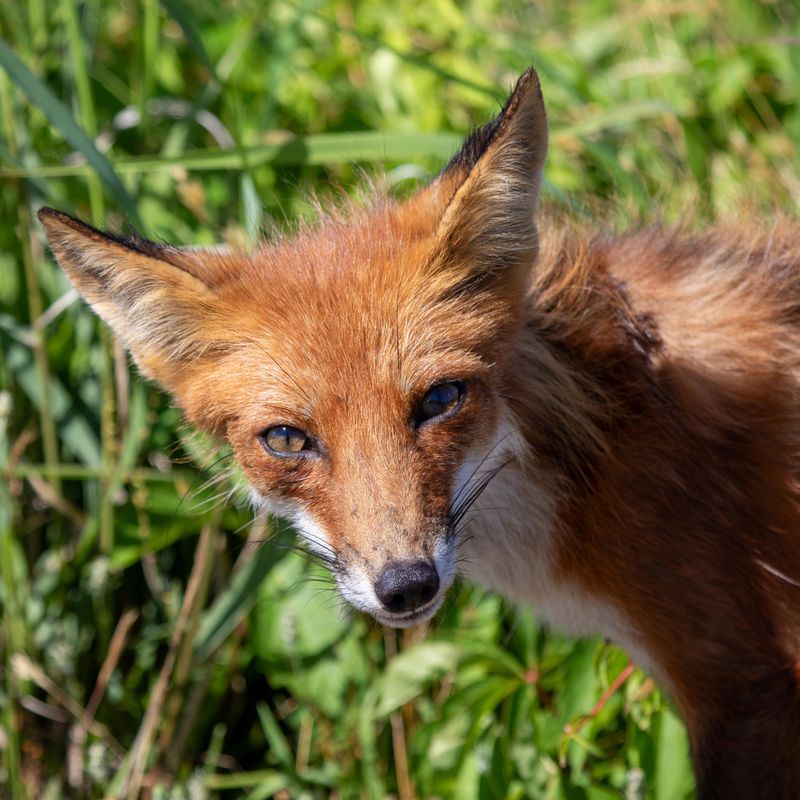
Respecting a fox’s personal space makes coexistence much easier for both sides. Foxes are naturally cautious animals.
A healthy fox that is not cornered or provoked will generally avoid close contact with people.
Keep at least 30 feet of distance when you notice a fox in your yard. Moving toward it, trying to photograph it up close, or letting children chase it creates unnecessary stress for the animal.
A stressed fox may behave unpredictably, even if it is not aggressive by nature.
Dogs should be kept on leash or supervised closely when a fox is nearby. Curious dogs often try to approach or chase foxes, which can escalate into a confrontation.
Neither animal benefits from that kind of encounter, and injuries can happen on both sides.
Avoid making loud noises or sudden movements near a fox that is resting. Foxes sometimes nap in sunny spots during the day, which is completely normal behavior.
Disturbing a resting fox repeatedly can push it into a more defensive state over time.
Teaching children to observe foxes from a distance is a great opportunity to build respect for wildlife. Watching a fox hunt or play from afar can be genuinely exciting without putting anyone at risk.
5. Keep Pets Indoors From Dusk Until Dawn
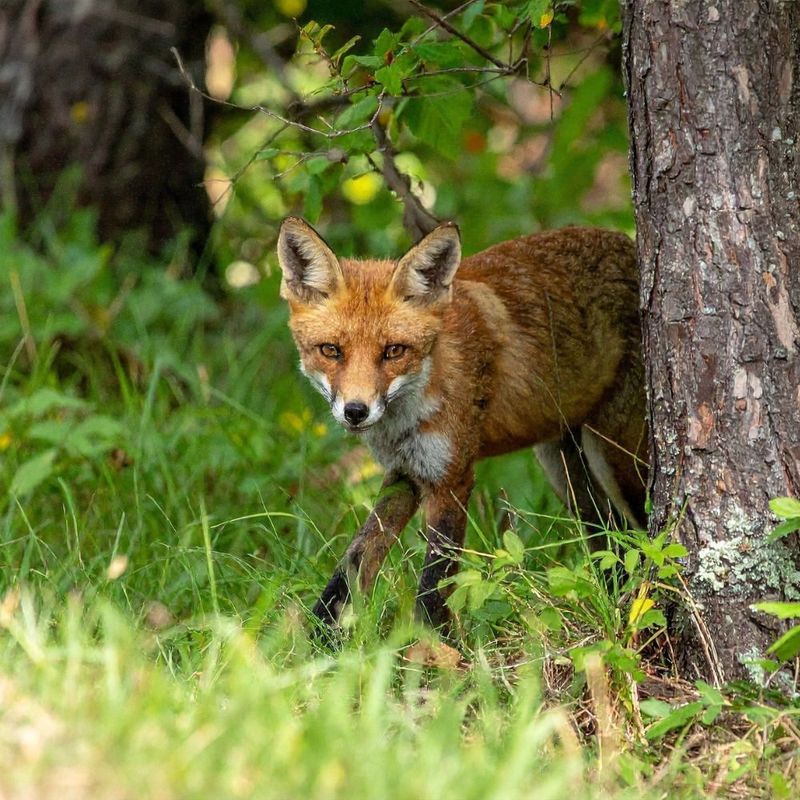
Foxes are most active between dusk and dawn. That overlap with the time many pet owners let their animals out for a final bathroom break is where most fox-pet encounters happen.
A simple schedule adjustment can prevent most of those situations entirely.
Small dogs and cats are the most vulnerable to fox encounters. Foxes rarely initiate confrontations with pets, but they will defend themselves if cornered or startled.
A small pet that charges at a fox can trigger a defensive response quickly.
Bringing pets inside before dark removes most of the risk without requiring any major lifestyle changes. If your pet needs a late-night outing, step outside with them and turn on an exterior light.
Foxes tend to retreat when a person is present.
Outdoor cats left unsupervised at night face risks not just from foxes but from other wildlife as well. Keeping cats indoors after dark is a widely recommended practice by wildlife agencies across the country, regardless of whether foxes are nearby.
Larger dogs are generally not at risk from fox encounters. A fox will almost always back away from a medium or large dog rather than engage.
Still, supervising all outdoor pets at night is a sensible habit that protects animals from a wide range of potential hazards beyond just foxes. Small adjustments in routine make a big difference.
6. Remove Food Sources That Attract Foxes
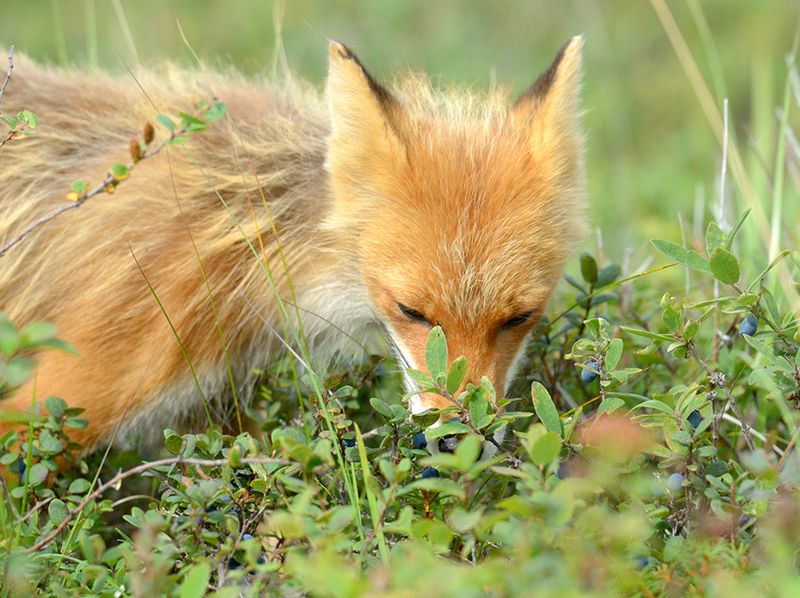
Foxes do not usually show up in yards by accident. Something is drawing them in, and more often than not, it is food.
Identifying and removing those food sources is the most effective way to reduce how often a fox visits your yard.
Unsecured garbage cans are one of the biggest attractants. A fox can knock over a loose lid quickly and access food scraps in seconds.
Switching to a locking lid or storing bins in a garage overnight makes a noticeable difference.
Fallen fruit under trees is another common draw. Apples, pears, and figs that drop to the ground attract foxes, opossums, and raccoons alike.
Picking up fallen fruit regularly removes a reliable and easy food source that keeps wildlife returning.
Pet food left outdoors is a major problem. Bowls of dog or cat food sitting on a porch or patio are an open invitation.
Feed pets indoors or bring food bowls inside immediately after use.
Bird feeders can also be a factor. Spilled seed attracts mice and squirrels, which then attract foxes.
Keeping the ground beneath feeders clean reduces the rodent activity that pulls foxes closer to your home in the first place.
Compost piles should be covered or enclosed in a secure bin. Exposed compost with food scraps is a consistent attractant.
7. Let Foxes Move On At Their Own Pace
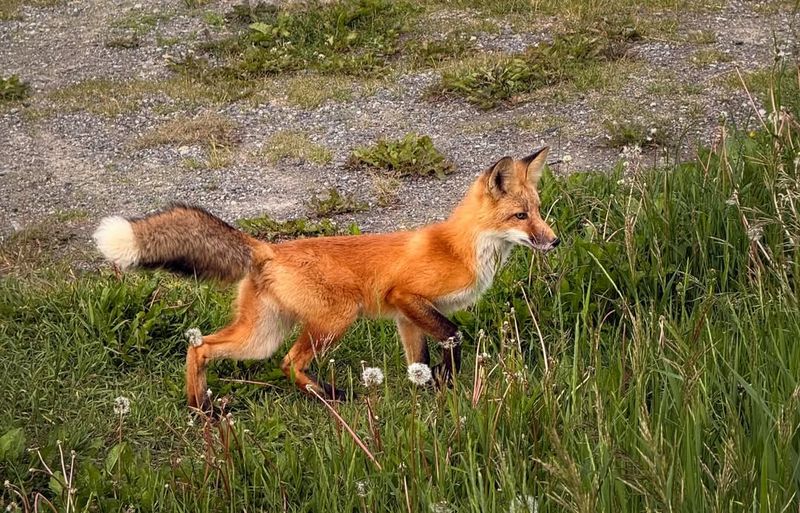
Foxes do not set up permanent residence in most suburban yards. Their presence is usually seasonal and tied to specific needs like raising young or hunting in a temporarily rich area.
Patience is often the most effective strategy available.
A mother fox with kits under a deck or shed can feel alarming, but the situation is usually temporary. Fox families typically move on within eight to ten weeks once the kits are mobile enough to follow their mother to a new location.
Harassing the family or attempting to block den access while kits are present can cause serious problems. A mother fox separated from her young will not simply leave.
She will work harder to stay nearby, sometimes creating more disruption in the process.
Letting the natural cycle play out is far less stressful for everyone involved. Once the kits are old enough, the family relocates on its own.
After they leave, you can seal off the den entry point to discourage future use without harming any animals.
Georgia wildlife officials generally recommend a hands-off approach for healthy foxes behaving normally.
A fox that is active during daylight hours, appears disoriented, or approaches people without hesitation may warrant a call to a licensed wildlife rehabilitator.