Smells That Drive Moles Away And Where To Apply Them
Tiny mounds keep appearing suddenly across your lawn while you sleep soundly tonight. Moles despise certain smells more than almost anything else.
Homeowners deal with these tunnels every single spring without rest. Gardeners face identical chaos beneath perfectly manicured grass.
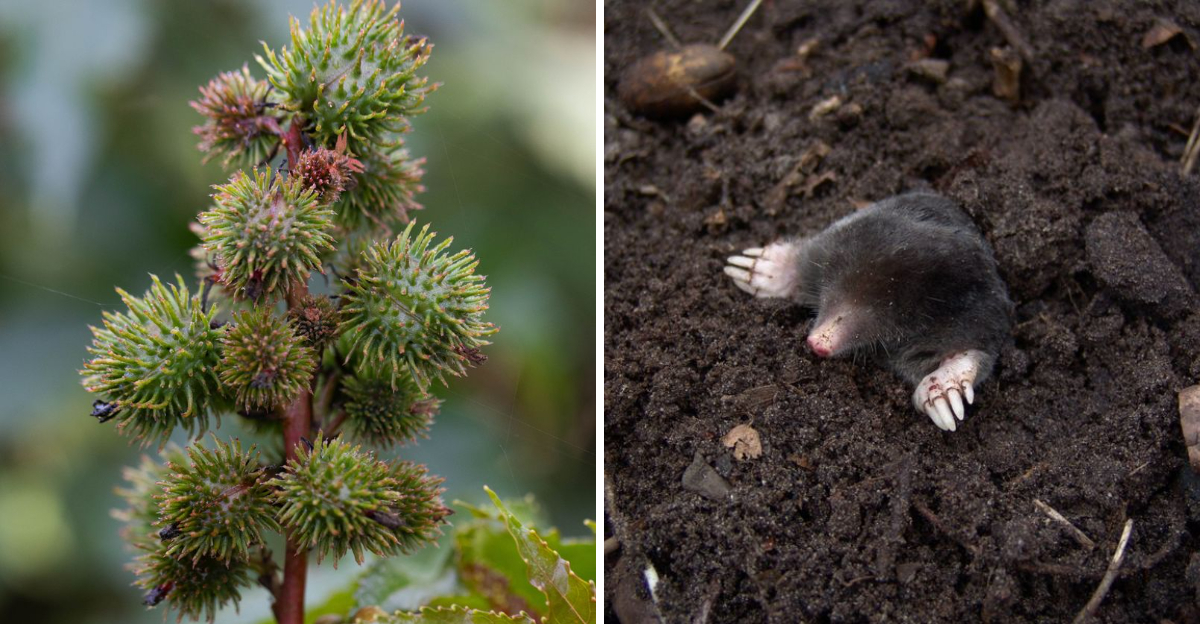
Castor oil sends moles away faster than any trap ever could. Ammonia treated rags placed near tunnels create instant confusion below.
Coffee grounds scattered along mounds confuse their sensitive noses completely. Garlic cloves tucked strategically interrupt their entire underground navigation system.
Peppermint oil overwhelms their senses within minutes of exposure. Placement matters more than the scent itself ever could.
Wrong spots waste money and leave tunnels thriving anyway. Nothing about this solution requires toxic chemicals or expensive contracts.
Everything shifts once you learn where moles actually travel. You deserve a yard that stays smooth, safe, and mole free. Discover exactly what makes them disappear from your land for good today.
Coffee Grounds Repel Moles Naturally
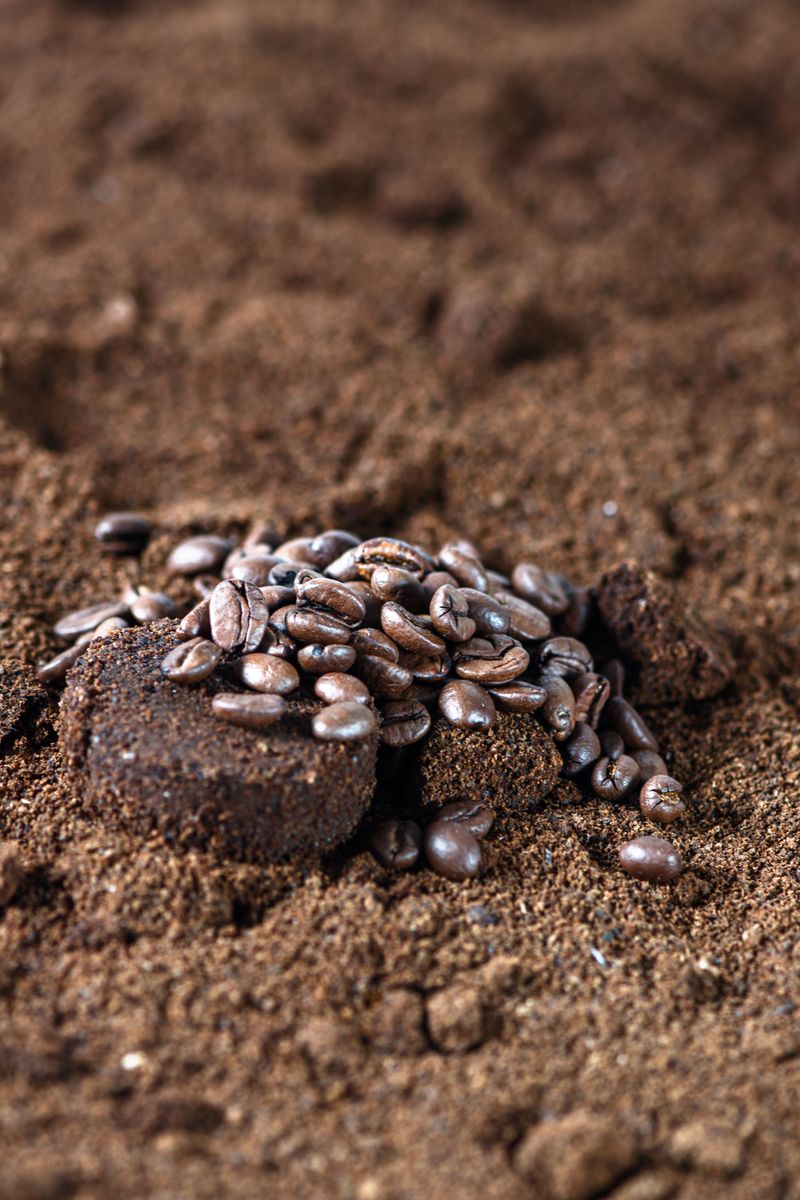
Your morning coffee habit might just be your garden’s very best defense against sneaky moles. Used coffee grounds carry a sharp, acidic scent that moles find deeply unpleasant and disorienting underground
Moles rely heavily on their sense of smell to navigate tunnels and locate food. Overwhelming that sense with coffee grounds throws off their entire routine and makes them want to leave.
Collecting grounds from your daily brew is completely free, making this one of the most budget-friendly repellent options available. Even local coffee shops often give away used grounds for free if you ask nicely.
Sprinkle a generous layer of grounds directly into active mole tunnels for the most direct impact. You can also spread them across the soil surface around garden beds and along borders.
Mix coffee grounds into the top layer of soil to create a longer-lasting scent barrier underground. This may also cause slight changes in surface soil texture and scent, which some gardeners believe moles prefer to avoid.
Replace the grounds every week or after any significant rainfall to maintain effectiveness. Fresh grounds carry a stronger scent than old, dried-out ones, so regular replacement matters a lot.
Bonus tip: coffee grounds are excellent for acid-loving plants like blueberries and azaleas, and can offer mild benefits for roses too. Using them as a repellent doubles as a light fertilizer, giving your garden two benefits at once.
Garlic Cloves Create A Strong Barrier

Garlic has long been used as a natural deterrent for a variety of pests, including moles. The sulfur compounds in garlic produce a sharp, penetrating odor that moles find completely overwhelming underground.
Fresh garlic cloves are the most potent option because they release allicin, the compound responsible for that bold, nose-clearing scent. Crushing the cloves before placing them amplifies the smell significantly.
Push crushed garlic cloves directly into mole tunnel entrances for an immediate and targeted effect. The confined space of the tunnel concentrates the scent, making it even harder for moles to tolerate.
Garlic powder can be sprinkled along garden borders as a dry barrier that is easy to apply and reapply. Combine powder with water to make a spray that soaks into the soil and reaches deeper tunnels.
For a longer-lasting option, plant garlic bulbs around the perimeter of your garden beds. Growing garlic releases a continuous low-level scent that acts as a natural, self-renewing deterrent all season.
Garlic-infused water is another creative approach that many homeowners swear by for mole control. Simply soak crushed cloves in water overnight, strain the liquid, and spray it generously across affected areas.
Reapply any garlic treatment every few days, especially during warm and wet weather. Heat and moisture break down the sulfur compounds faster, reducing the scent barrier over time.
Garlic is safe for children, pets, and beneficial insects like bees and earthworms. It is one of the most garden-friendly smells that drive moles away without any harmful side effects.
Castor Oil Deters Them Effectively
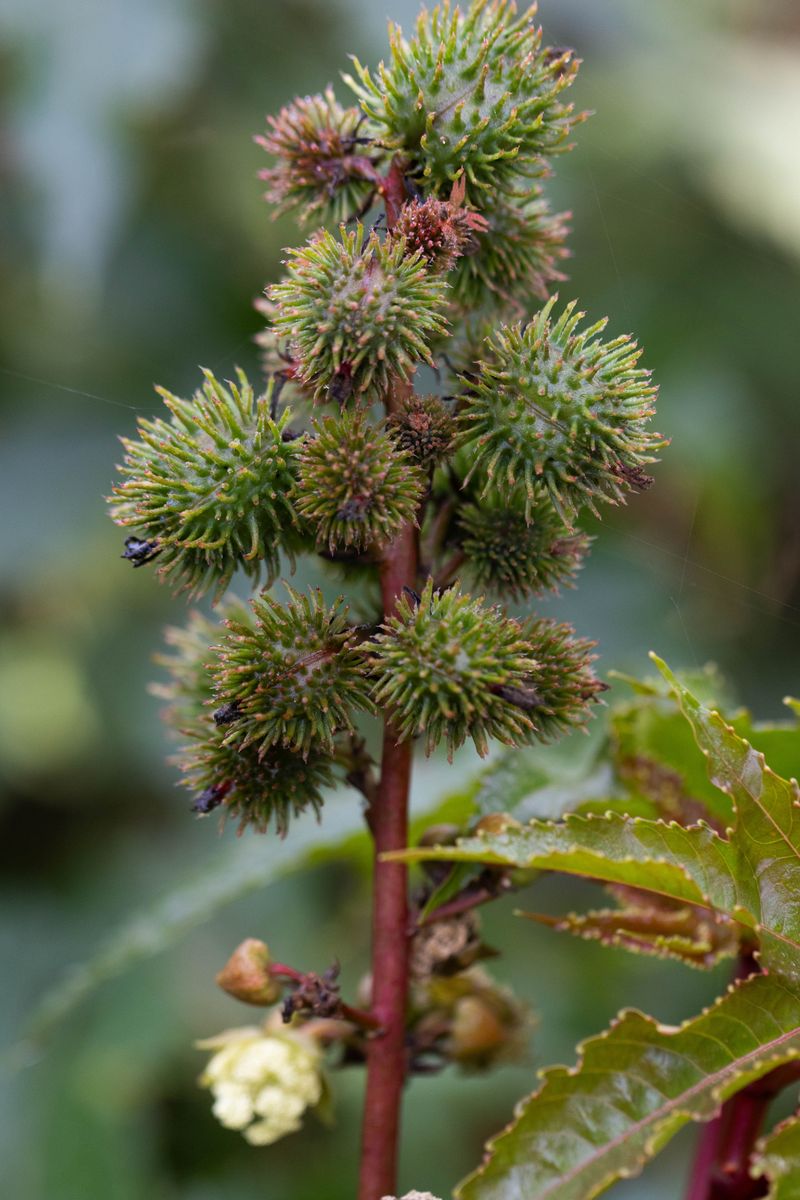
Castor oil is one of the most commonly used mole repellents, and many gardeners rely on it season after season. The thick, pungent oil coats the soil and may make the surrounding area less appealing for feeding.
When moles tunnel through treated soil, the scent clings to their fur and disrupts their senses. They quickly learn that your yard is not a comfortable place to live or feed.
Mixing castor oil with dish soap creates an emulsified spray that soaks deep into the ground. A common recipe is three parts castor oil to one part dish soap, then diluted with water.
Apply the mixture with a garden hose sprayer for the best coverage across your entire lawn. Focus on areas where you already see mole activity for the fastest results.
Reapply every two to four weeks, especially after heavy rain washes the treatment away. Consistency in application is key, since effectiveness can vary depending on soil and weather conditions.
Granular castor oil products are also available at most garden centers and hardware stores. These are convenient for spot treatments around specific garden beds or along fence lines.
One important tip: always wear gloves when handling concentrated castor oil because it can irritate skin. Store leftover solution in a sealed container away from direct sunlight to preserve its potency.
Smells that drive moles away work best when applied generously and regularly. Castor oil gives you a powerful, non-toxic weapon that keeps your lawn looking great all season long.
Peppermint Oil Overwhelms Their Senses
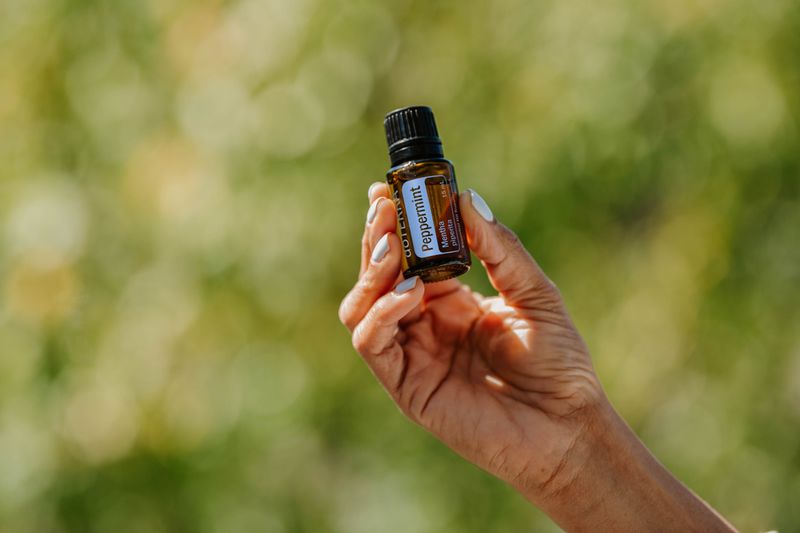
Peppermint oil’s strong scent can disrupt a mole’s sense of smell and make the area less appealing. The intense menthol compounds in peppermint essential oil are far too strong for the highly sensitive noses moles depend on.
Moles use their snouts to detect earthworms, grubs, and insects beneath the soil. Overwhelming that environment with peppermint scent can make it harder for them to detect food sources nearby.
A few drops of pure peppermint essential oil on cotton balls creates a simple, portable repellent tool. Tuck those cotton balls directly into tunnel openings and replace them every three to five days.
Mix peppermint oil with water in a spray bottle for broader coverage across your lawn and garden beds. A common starting point is ten to fifteen drops per cup of water, though you can adjust the strength based on results.
Extra attention to areas near flower patches, where moles often tunnel in search of grubs. Peppermint plants are another long-term strategy worth considering for persistent mole problems.
Planting mint along borders creates a living scent wall that refreshes itself naturally throughout the growing season.
One fun bonus: peppermint oil also repels mice, voles, and certain insects that damage gardens. You get multiple layers of protection from a single, pleasant-smelling treatment.
Always use pure essential oil, not synthetic fragrance oil, for the strongest effect. Smells that drive moles away work best when the scent source is concentrated and genuine.
Ammonia Mimics Predator Scent Markers

Ammonia has a strong, sharp scent that some believe mimics natural predators underground. Moles are prey animals, and their instincts kick in hard when they detect ammonia in the soil.
The smell resembles that of predators like foxes and coyotes, which is one reason many gardeners use it as a deterrent. Results can vary, since there is limited research confirming how moles respond to it.
A common approach is diluting one part ammonia with about ten parts water, though you should handle it in a well-ventilated area and avoid direct skin or eye contact.
Soak rags in the diluted mixture and place them near active tunnel entrances. The scent lingers in the soil long enough to create an impression of predator activity nearby.
Never pour concentrated ammonia directly onto grass or soil, as it can burn plant roots quickly. Always dilute it properly and apply small, targeted amounts to minimize risk to your yard.
Reapply treatments every few days since the scent fades faster than oil-based repellents. Wind, rain, and heat break down the smell, so staying consistent keeps moles away.
Ammonia works well when combined with other smells that drive moles away, like castor oil. Layering multiple repellents creates a scent environment harder for moles to dismiss.
Keep ammonia stored safely away from children and pets. Used responsibly, many gardeners find it a useful addition to their mole-control routine.
Inside Active Tunnel Entrances Directly
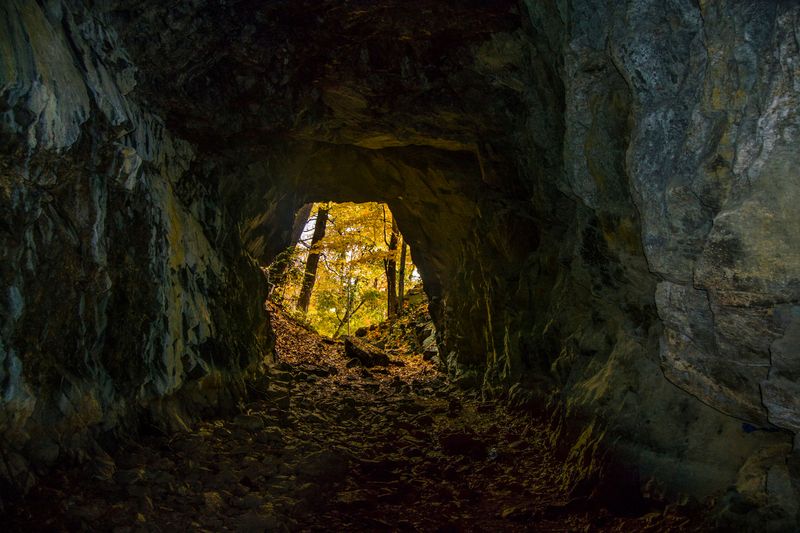
Placing repellents inside active tunnel entrances is one of the most targeted strategies you can use. Getting the scent into the tunnel system makes it harder for moles to avoid.
Identify fresh tunnels by pressing down a section of raised soil with your foot in the morning. Check back in a few hours; if the soil is pushed up, that tunnel is used.
Once you confirm an active tunnel, use a stick or gloved finger to open the entrance. This gives you access to drop in your chosen repellent without damaging the soil.
Cotton balls soaked in peppermint oil or castor oil are perfect for tunnel insertion because they hold scent well. Push them a few inches inside the opening for maximum exposure.
Garlic cloves or garlic-soaked rags are another excellent option for tunnel placement. The enclosed space traps the scent and creates an environment moles do not want to pass through.
Seal the entrance loosely with soil after placing your repellent inside. This traps the scent and forces the mole to encounter it rather than going around.
Check your tunnel placements every few days and refresh the repellent as needed. Moles are persistent, and consistent reapplication is what convinces them to relocate.
Targeting tunnel interiors is one of the smartest ways to apply smells that drive moles away. It takes the fight directly to where they live and travel.
Near Visible Mole Hills Around The Yard
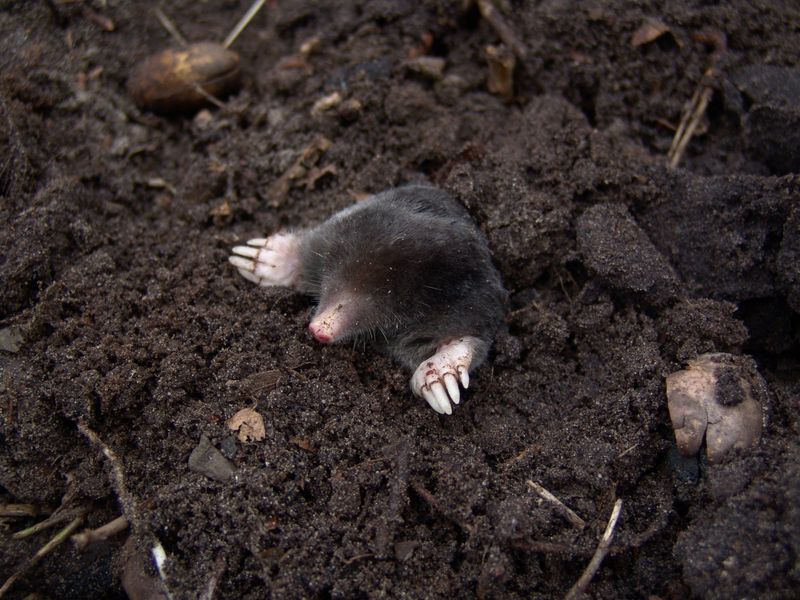
Mole hills are the most visible sign of an underground visitor causing trouble in your yard. Those cone-shaped mounds mark where a mole pushed soil while digging a new tunnel below.
Treating the area around mole hills gives you a direct connection to active digging zones. Moles return to these spots regularly, making them prime locations for scent-based repellent placement.
Sprinkle granular castor oil products or coffee grounds in a wide circle around each visible mole hill. Covering a generous radius ensures the scent reaches the tunnel openings nearby.
Liquid repellents like castor oil spray or diluted peppermint oil can be poured directly onto the mole hill itself. The loose, freshly dug soil absorbs liquid quickly, carrying the scent deep into the tunnel below.
Do not flatten mole hills before treating them, as doing so can hide tunnel entrances you need to target. Work around the mound naturally and let the repellent do its job without disturbing the structure.
After treating, mark each mole hill with a small flag or stick so you can track which ones are still active. New mole hills appearing nearby indicate the mole has shifted direction and needs fresh treatment.
Check treated mole hills regularly for signs of new activity nearby. Consistent monitoring paired with regular repellent application is the winning combination for long-term mole control.
Mole hills are your best visual guide for applying smells that drive moles away effectively. Let the moles show you where to focus your efforts for the fastest results.
Along Garden Borders And Fence Lines

Garden borders and fence lines are the first places moles cross when entering your property from neighboring yards. Treating these edges creates a scent boundary that discourages moles before they can reach your lawn.
Think of your fence line as a perimeter wall you can supercharge with smell. Applying repellent along this line turns a simple boundary into an active defense system working around the clock.
Castor oil spray is ideal for treating long stretches of fence line because it covers ground quickly with a hose sprayer. Walk slowly along the border while spraying to ensure consistent coverage with no gaps.
Coffee grounds can be spread in a thick band along the entire garden border. This dry barrier is easy to maintain and can be refreshed after rain without much effort.
Planting mole-repelling herbs like mint, garlic, or marigolds along fence lines adds a living layer of protection. These plants continuously release scent into the soil, creating a natural barrier that renews itself.
Pay special attention to corners and gate areas where moles tend to find easy entry points. These spots often get overlooked during treatment but are frequently used as access routes.
Reapply liquid repellents along borders regularly, more often during rainy periods. The more consistent your schedule, the stronger and more reliable your scent barrier becomes over time.
Smells that drive moles away work best when they form a complete, unbroken ring around your yard. Fence lines and garden borders are the perfect place to build that boundary.
Around Vegetable Beds And Flower Patches

Vegetable beds and flower patches are mole magnets because the rich, loose soil is packed with grubs and earthworms. Protecting these spaces is a priority for gardeners wanting a productive season.
Moles tunneling under raised beds can disturb root systems and loosen prepared soil. Acting early keeps your prized plants safe from underground disruption.
Peppermint oil spray is one of the safest choices for use near edible plants like tomatoes, peppers, and herbs. It leaves no harmful residue and breaks down naturally without affecting soil health.
Apply the spray around the outer edges of each bed, several inches from the base of your plants. A scent ring around the perimeter is more effective than spraying randomly.
Garlic powder sprinkled along the base of raised beds adds another layer of protection that is food-safe. It weathers into the soil and releases a low-level deterrent scent for days.
Coffee grounds mixed into the top layer of soil around flower patches serve double duty as a repellent and mild fertilizer. Roses and hydrangeas can benefit from the slight acidity provided.
Refresh all treatments regularly during peak growing season. Moles are most active in spring and fall, so those periods require extra attention.
Protecting your garden beds with smells that drive moles away keeps your work safe all season. A little effort around the edges goes a long way toward preserving everything growing inside.