The One Yard Change That Brought Dragonflies Back To A Florida Garden
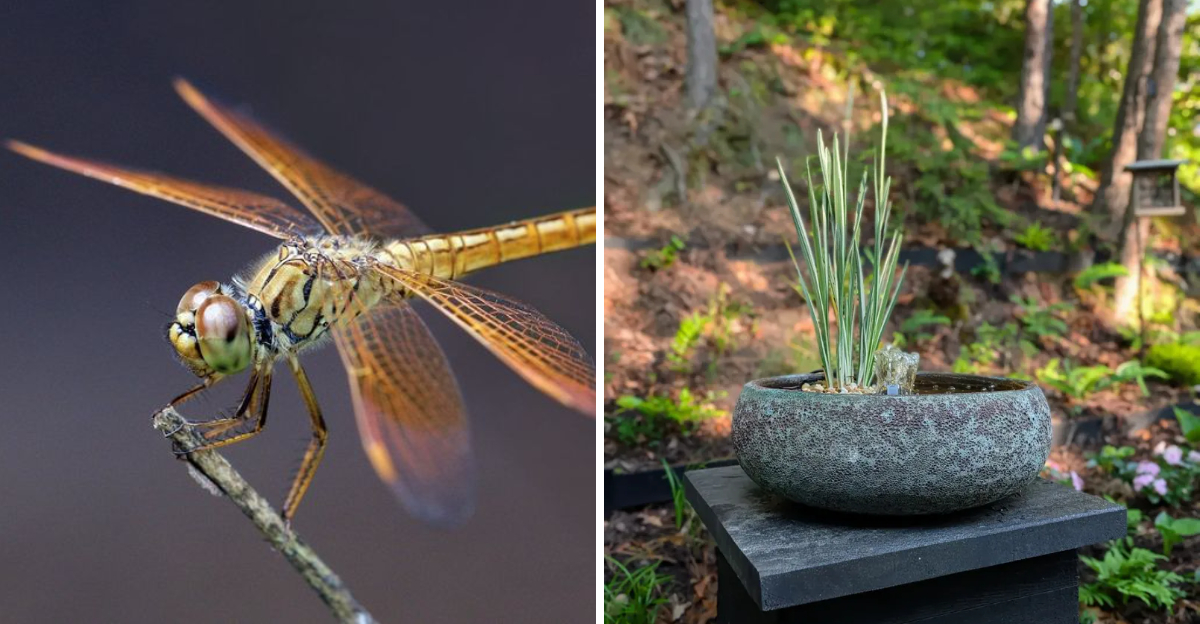
Dragonflies disappeared from a Florida garden and the mosquito situation got noticeably worse. Not immediately.
Steadily, over a full season, in the way absence makes itself felt. One yard change brought them back.
Not a complete redesign. Not a professional install.
One deliberate addition that addressed something the garden had stopped providing without anyone noticing it was gone. Dragonflies are specific about where they spend time.
They hunt near water, breed in it, and patrol yards that offer the right conditions. A garden without those conditions gets a flyover.
A garden with them becomes territory worth defending. What that one change actually was, and why it worked, is a story worth knowing for any Florida garden still waiting on dragonflies that stopped showing up.
1. Add Water That Stays Clean And Moving
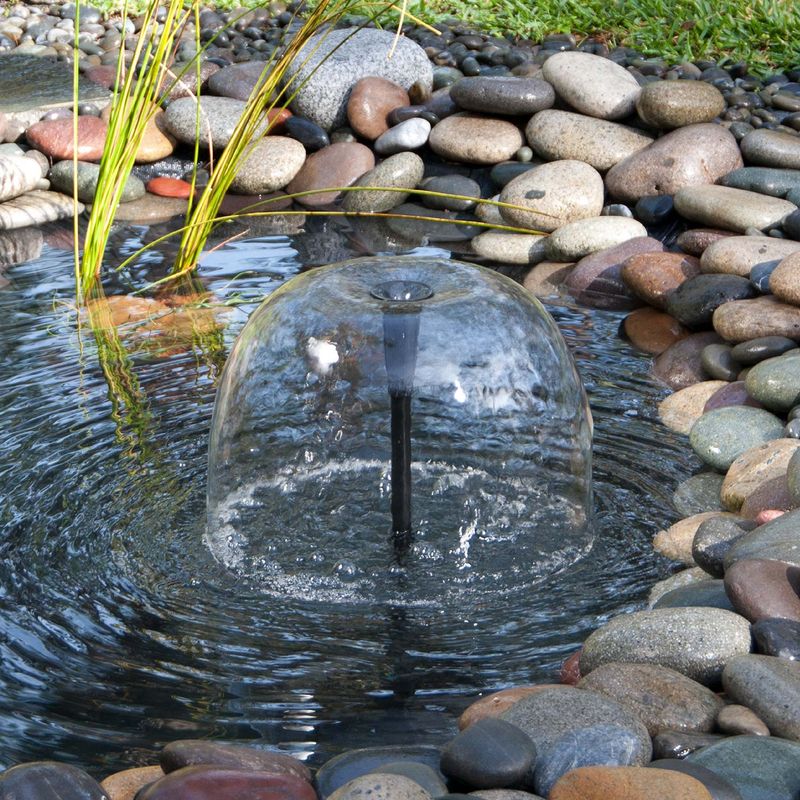
A still, forgotten bucket and a thoughtfully managed water feature are two completely different things. One invites problems.
The other can invite dragonflies. Adding a small, managed water feature with native or Florida-Friendly plants around its edges is the one yard change that made a real difference for one local gardener.
The reason comes down to biology.
Dragonflies spend part of their life cycle in water as nymphs. Without a reliable water source nearby, adult dragonflies have fewer reasons to stay in or return to a yard.
A small container water garden, a recirculating pond, or a rain-garden edge with steady moisture can all work when managed carefully.
The key word is managed. Moving water is harder for mosquitoes to breed in than still, stagnant water.
A small recirculating pump keeps the surface active and reduces that risk. Cleaning debris from the basin regularly also helps maintain water quality for nymphs while limiting mosquito habitat.
Before installing any water feature, check local ordinances, homeowner association rules, and guidance from your county mosquito-control program. Some areas have specific requirements about standing water.
Starting small and staying consistent with maintenance gives the setup the best chance of supporting dragonfly activity. Keeping the feature pesticide-free also helps avoid creating new problems.
2. Plant Native Edges Around The Water
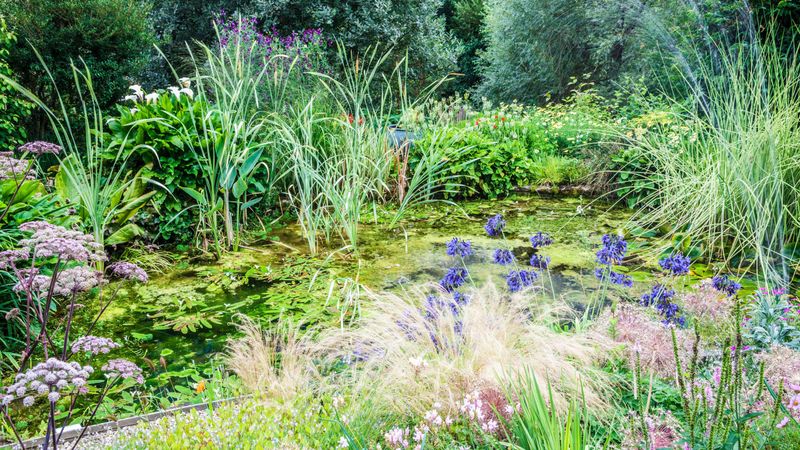
Bare concrete edges around a water feature look tidy, but they offer very little to wildlife. Planted edges change the entire character of a water feature, turning a decorative basin into something that functions more like a natural shoreline.
Native and Florida-Friendly plants around the water provide texture, shelter, landing spots, and food sources for the insects that dragonflies hunt.
Emergent plants, those that grow at the water’s edge or in shallow water, give nymphs something to climb when they are ready to emerge as adults.
That emergence moment is critical, and a bare edge with no plant structure makes it harder.
Plants like pickerelweed, blue flag iris, and soft rush are native to this state. They can work well along managed water edges depending on your site conditions, sunlight, and water depth.
Always choose plants suited to your specific location. Check with your local UF/IFAS extension office or a Florida-Friendly Landscaping program for guidance on what grows best in your region.
Your Florida Garden Changes Every Week. Your Plan Should Too.
Gardening in Florida changes quickly throughout the season. Every Friday you’ll receive a simple weekly plan showing exactly what to plant, prune, fertilize, harvest, and protect so you never miss the right timing.
Avoid invasive aquatic plants, which can overtake a water feature and reduce its habitat value. No single plant guarantees dragonfly visits, but a layered, planted edge gives the overall setup far more habitat potential than a bare or hardscaped shoreline.
Variety in plant height and structure tends to support more insect diversity overall.
3. Give Dragonfly Nymphs Places To Hide
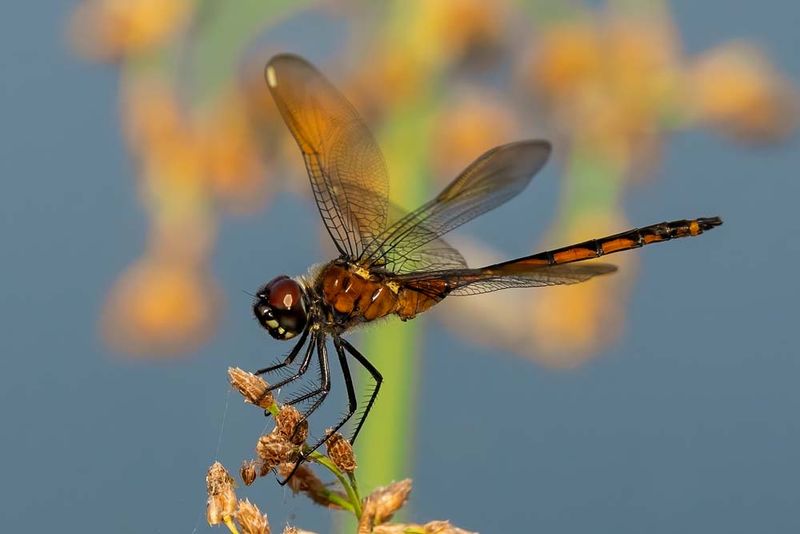
Before a dragonfly ever takes its first flight, it spends weeks or even months underwater as a nymph. During that time, shelter matters enormously.
Nymphs are active predators, but they are also prey for fish, birds, and other aquatic insects.
A water feature that looks pristine but has no structure underwater may not support nymphs well. Submerged plant stems, smooth stones arranged along shallow edges, and leaf litter from native plants can all give nymphs places to rest and hide.
Shallow areas with gradual slopes are especially useful because they create transition zones between deep and shallow water.
Keeping some natural structure in the basin does not mean letting the feature go unmaintained. It means being intentional about what you leave in.
Rinsing every surface bare and scrubbing all surfaces with harsh cleaners removes the biological film inside the water feature. It also strips away the small organisms that form the base of the food web.
A gently maintained feature with some plant structure and natural texture at the bottom tends to be more ecologically functional. A feature kept spotless comes at the cost of all aquatic life.
Never collect dragonfly nymphs from natural wetlands or move them from other locations. If the habitat conditions are right, nymphs will arrive and develop on their own.
Supporting the habitat is the goal, not stocking it artificially.
4. Keep Mosquitoes From Taking Over
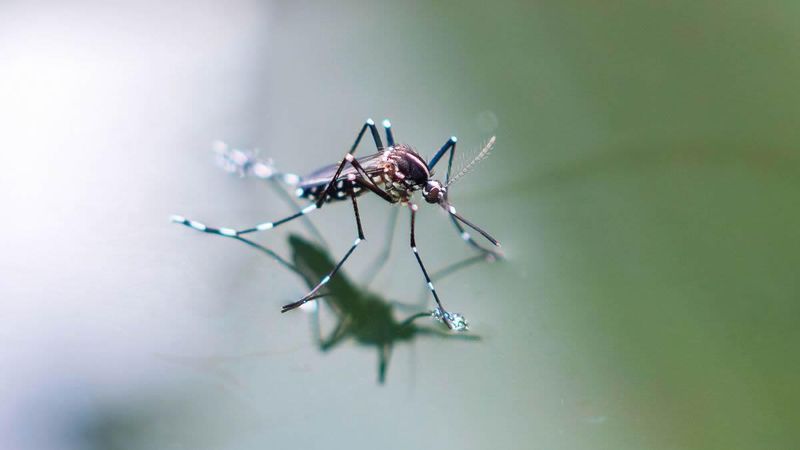
One of the first concerns homeowners raise about adding water to a yard is mosquitoes, and that concern is completely reasonable. Standing water that sits still and undisturbed is exactly what mosquitoes need to breed.
A managed water feature is designed to avoid that situation.
Keeping water moving with a recirculating pump disrupts the surface conditions mosquitoes prefer for laying eggs. Removing any extra containers around the yard eliminates the neglected standing water that causes most backyard mosquito problems.
This includes saucers under pots, clogged gutters, old tires, and uncovered barrels.
Adult dragonflies and nymphs can feed on mosquitoes and mosquito larvae. That predator role is real and worth noting, but dragonflies are not a complete mosquito-control plan on their own.
A yard with good dragonfly habitat still needs basic mosquito prevention practices in place.
Follow guidance from your local county mosquito-control program, which in most parts of this state provides free information and sometimes inspection services.
If a mosquito-control product becomes necessary, use only label-directed, locally recommended options.
Never apply random sprays, homemade mixtures, or foggers near the water feature without checking with your extension office first.
Balancing mosquito prevention with habitat support is entirely possible when both goals are handled with care and consistency.
5. Skip Broad Sprays Near The Habitat
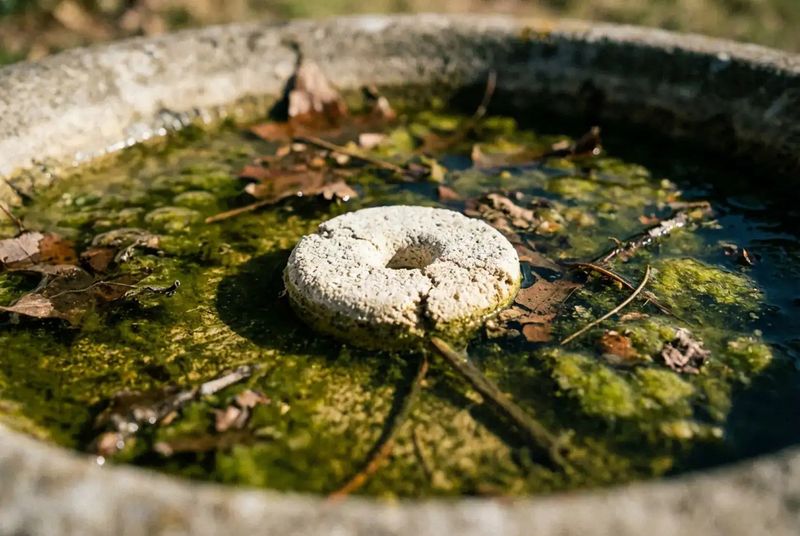
Reaching for a spray bottle every time an insect appears in the Florida garden is a habit worth reconsidering, especially near a water feature designed to support dragonflies.
Broad-spectrum insecticides do not distinguish between pest insects and the prey that dragonflies depend on.
Dragonflies are predators. They need a steady supply of small flying insects, including gnats, midges, small flies, and yes, sometimes mosquitoes.
Reducing all insect activity around the yard with frequent or indiscriminate spraying can remove the food web that makes the habitat worth visiting in the first place.
Aquatic life is especially sensitive to chemical runoff. Some insecticides that are applied near water can wash in with rain or irrigation, affecting the nymphs and small invertebrates living in the feature.
This is not just a concern for large ponds. Small container water gardens are just as vulnerable when chemicals are applied nearby without care.
Integrated pest management, or IPM, is a practical approach that starts with identifying the actual problem, then choosing the least disruptive response.
Your local UF/IFAS extension office can help with correct insect identification and targeted treatment options when they are genuinely needed.
Skipping unnecessary broad sprays near the habitat is not about avoiding all pest management. It is about protecting the food web that supports the dragonflies you are trying to attract.
6. Leave Sunny Perches Around The Garden
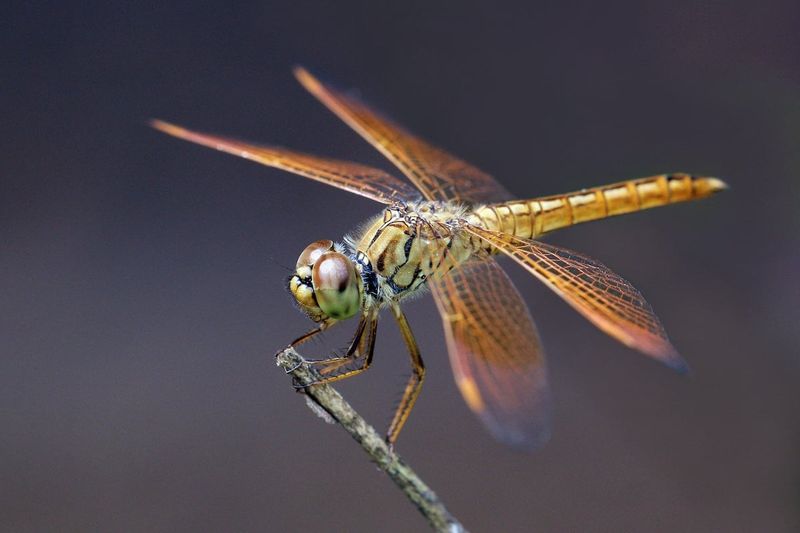
Watch a dragonfly for a few minutes and you will notice it rarely stays still for long, but when it does land, it almost always chooses a sunny spot.
Adult dragonflies are ectothermic, meaning they rely on warmth from their environment to stay active and regulate their body temperature.
A garden that has water but no open, sunny areas nearby is missing a key piece of the habitat puzzle. Tall stakes, bare twigs, upright grasses, reeds, and the tops of nearby shrubs all serve as natural perches.
Dragonflies use these spots to hunt from, warm up, and patrol their territory.
When planning the space around a water feature, avoid crowding every edge with dense plantings that block sunlight and clear flight paths. A mix of open sunny zones and planted borders gives adult dragonflies room to maneuver and places to rest between flights.
Simple additions like a few wooden garden stakes or a clump of native upright grass near the water’s edge can make the space noticeably more functional. Rocks positioned in sunny spots near shallow water can also serve as warming surfaces.
None of these need to be elaborate or expensive. The goal is to give the habitat a mix of open sun, perch points, and clear airspace so adult dragonflies can behave naturally and comfortably within the garden.
7. Avoid Fish That Eat Every Nymph
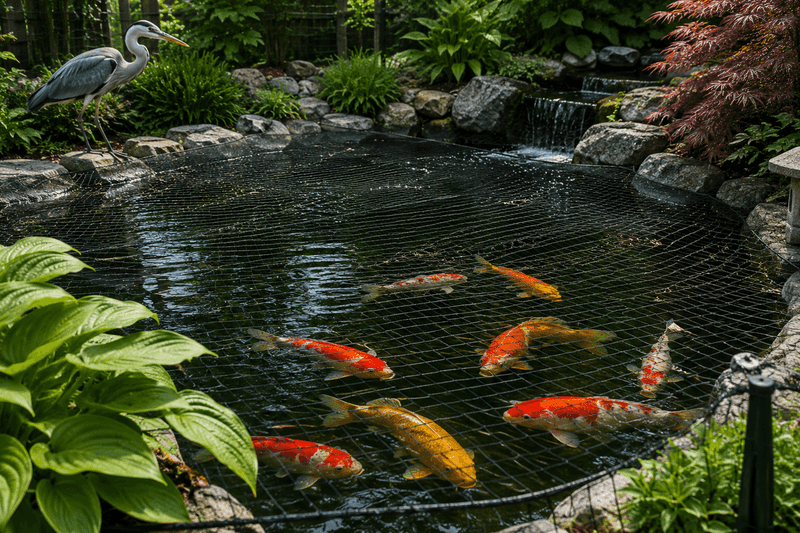
Adding fish to a backyard pond seems like a natural next step, and for many homeowners it is a rewarding choice. The trade-off worth understanding is that some fish species are efficient predators of dragonfly nymphs.
A pond stocked heavily with active feeders may have fewer nymphs surviving to adulthood.
Goldfish and koi are popular pond fish, but both are known to feed on small aquatic invertebrates, including nymphs. In a small, densely stocked pond with little plant cover, nymph survival can be significantly reduced.
A pond designed primarily as a dragonfly nursery and a pond designed as a fish display are working toward somewhat different goals.
That does not mean fish and dragonflies can never coexist. Pond size, plant density, the availability of shallow refuges, and the type and number of fish all affect how many nymphs survive.
A large pond with dense native plantings and shallow edges may support both. A small, lightly planted container is less forgiving.
If supporting dragonfly nymphs is a priority, consider a fishless setup or research native fish species that are less aggressive toward invertebrates. Talk to your local extension office or a reputable pond specialist before adding fish.
Making an informed choice based on your pond size and habitat goals leads to a setup that works for the wildlife you most want to support.
8. Build A Water Feature That Works Like Habitat
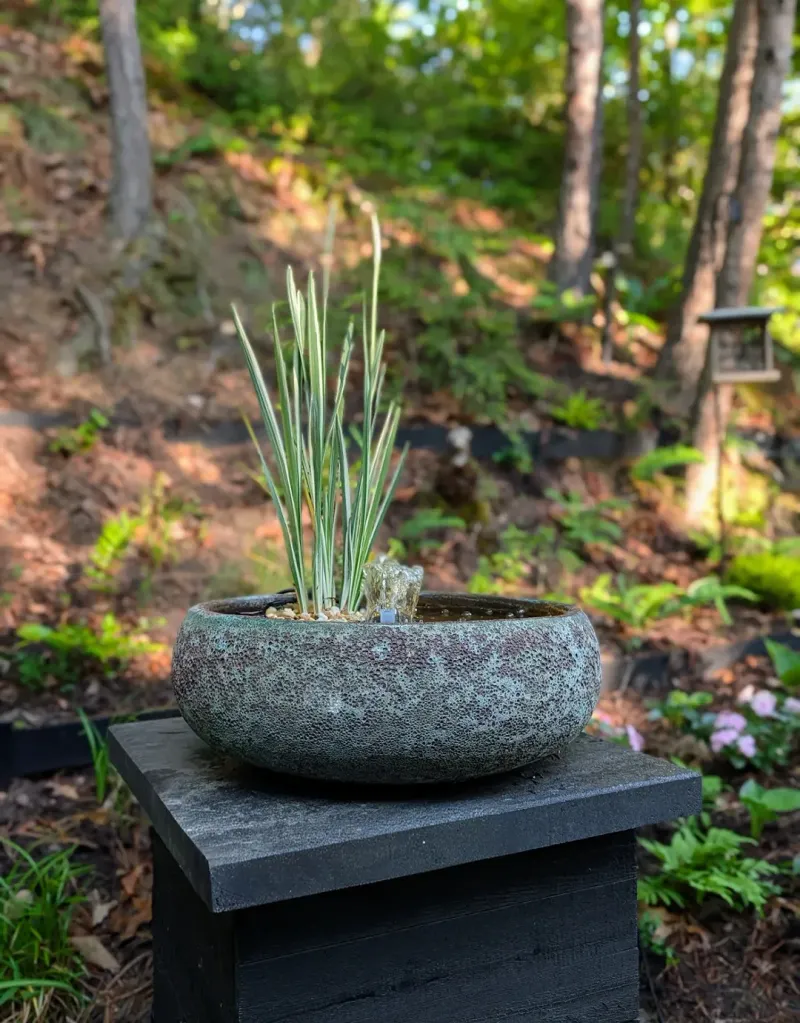
A birdbath filled and forgotten is decoration. A managed water feature surrounded by native plants, open sun, perch points, and reduced chemical disturbance is something closer to habitat.
That distinction is what separates a yard that occasionally sees a dragonfly from one that becomes part of a dragonfly’s regular territory.
Bringing all the pieces together does not require a large budget or a professional installation. A container water garden with a small recirculating pump can check most of the boxes.
This works when it’s planted with native edge species, positioned in a sunny part of the yard, and maintained consistently. Remove standing water from containers elsewhere in the yard.
Skip unnecessary sprays near the feature. Leave some upright stems and sunny perches nearby.
Dragonflies are more likely to visit, and potentially to breed, when the overall setup supports their full life cycle. That means clean water for nymphs, plant structure for emergence, insects for food, and sun for adult activity.
No single feature guarantees their return, because local dragonfly populations, surrounding habitat, and seasonal conditions all play a role.
Still, a managed water feature with thoughtful habitat design gives a warm-weather garden a real and meaningful advantage. The homeowner who made this one yard change did not use a gimmick.
They built a small piece of functional habitat, and the dragonflies responded. Start small, maintain it well, and let the habitat do the work.