Stop Overwatering Your Georgia Zinnias During Thunderstorm Season
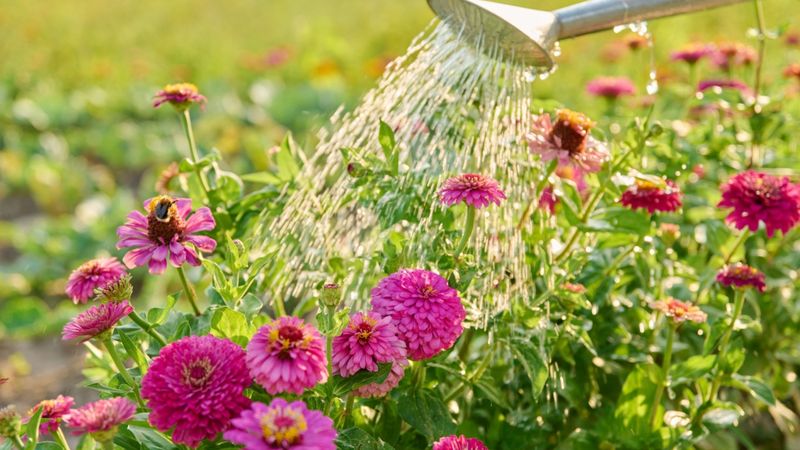
A watering can at sunrise can feel like good gardening.
The air is already warm. The flower bed looks thirsty from yesterday’s heat. The routine feels harmless, even helpful, until the afternoon sky turns dark and a Georgia thunderstorm rolls straight over the yard.
Suddenly, that careful morning soak has company.
Heavy rain can fill the root zone, splash soil onto lower leaves, leave foliage wet for hours, and turn a well-meant habit into extra stress.
Summer annuals can handle plenty of heat when roots get air and leaves dry quickly. They struggle much more when water stacks up faster than the bed can drain.
Thunderstorm season asks gardeners to shift from routine to observation.
The hose does not need to come out just because it always does. The soil, rain gauge, leaves, and forecast all have something to say first.
So what should Georgia gardeners change before the next storm rolls in?
Start by treating every watering as a decision, not a habit.
Thunderstorms Already Soak The Root Zone
A storm can do the watering for you.
Zinnias need steady moisture, but they do not need irrigation layered on top of a soaking rain. Georgia thunderstorms can drop a surprising amount of water quickly, and that water often reaches deeper than a quick surface glance suggests.
A wet driveway tells you very little. Pavement sheds water, dries fast, and exaggerates what the garden may or may not have received.
The soil tells the truth. Push a finger two inches down in several spots around the bed.
Cool, damp soil means the roots already have access to moisture. The hose can stay put.
A rain gauge helps even more. Place one near the actual flower bed rather than across the yard.
Summer storms can be uneven. One side of the property may get a strong soaking while another barely gets enough to settle dust.
Check after every major storm. A single inch of rain can carry a bed for longer than expected, especially where mulch is present.
Skip the calendar mindset. A fixed watering routine can create trouble during weeks of repeated afternoon storms.
Watch the plants, but check the soil before reacting. Afternoon droop during heat does not always mean dry roots.
Zinnias bloom best when the root zone is moist but not constantly saturated.
Storms already add water. Smart gardeners pause before adding more.
Saturated Soil Pushes Out Air
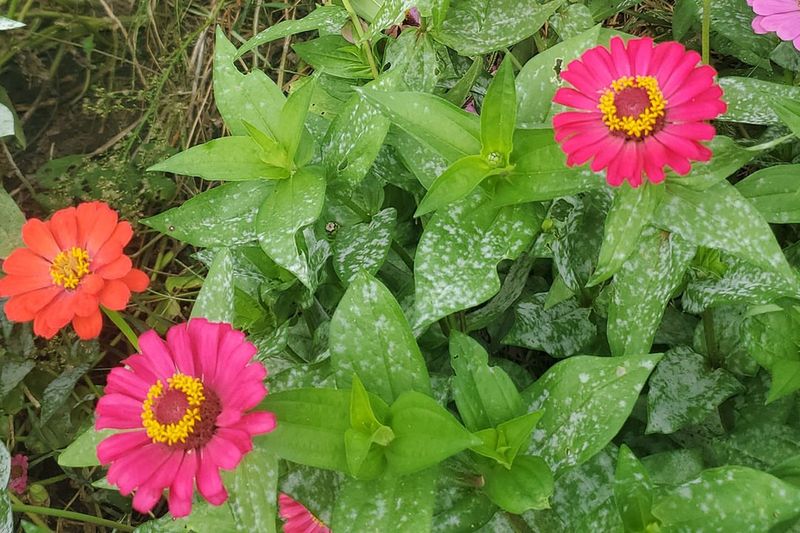
Wet soil can suffocate roots.
Healthy garden soil contains both water and air in the tiny spaces between particles. After a hard thunderstorm, those spaces can fill completely with water, leaving roots with less oxygen than they need.
That matters quickly. Roots are living tissue, and they need air to function.
Georgia clay can make the problem worse. Clay drains slowly, especially in low spots or compacted beds.
A zinnia in saturated soil may wilt. That can fool gardeners because the plant looks thirsty even though the roots are sitting in too much water.
Your Georgia Garden Changes Every Week. Your Plan Should Too.
Gardening in Georgia changes quickly throughout the season. Every Friday you’ll receive a simple weekly plan showing exactly what to plant, prune, fertilize, harvest, and protect so you never miss the right timing.
Watering again deepens the problem. More moisture pushes air out for even longer.
Press the soil surface with your hand. A squishy feel or water rising around your fingers means the bed is still too wet.
Give the bed time to breathe. Roots need a partial drying period after heavy rain.
Raised beds help where drainage is poor. Higher soil warms, drains, and reoxygenates faster than flat heavy ground.
Compost can improve texture over time. A modest amount worked into the bed before planting season helps clay loosen gradually.
Avoid working wet soil. Digging or stepping in saturated clay can compact it and make later drainage even worse.
Saturated soil does not look dramatic at first.
But below the surface, roots may be asking for air, not another drink.
Constant Moisture Weakens Fine Roots
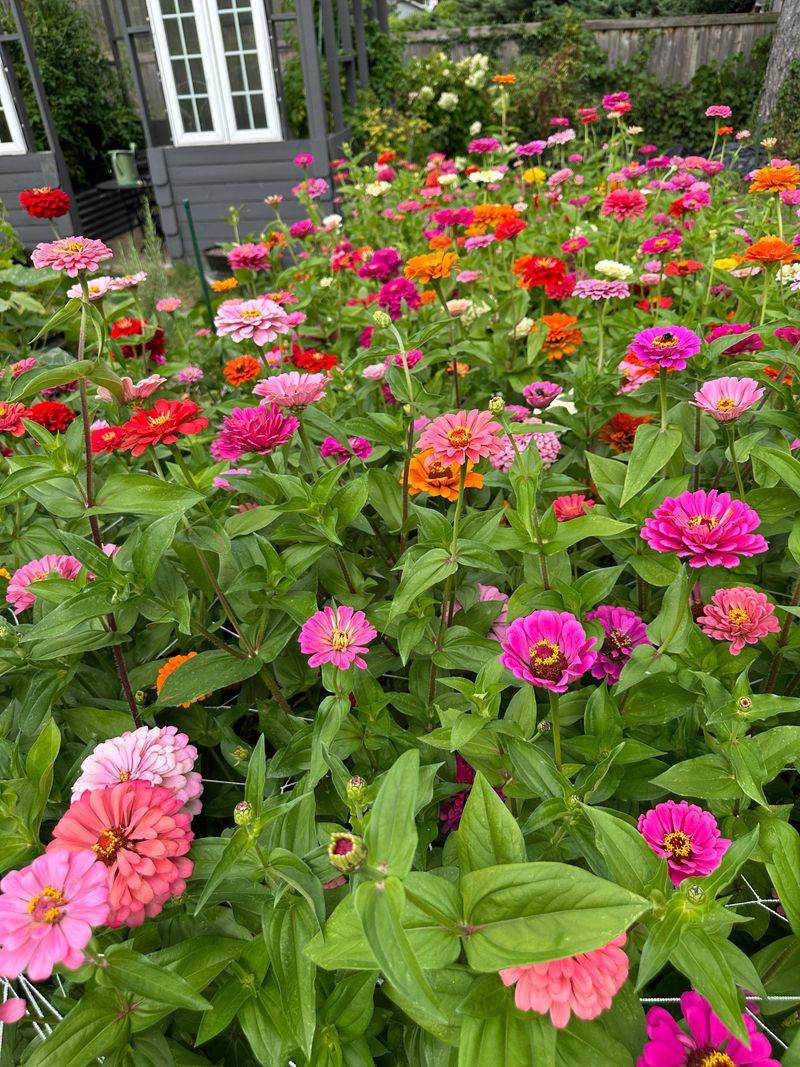
Roots grow stronger when soil has a rhythm.
A bed that stays wet every day from irrigation plus storms can train roots to remain shallow. That shallow root system leaves plants less stable and less resilient during the next hot, dry stretch.
Fine root hairs do the hard work. They absorb water and nutrients from the surrounding soil.
Those roots perform best when soil cycles from moist to slightly dry. That mild drying period encourages roots to reach outward and downward.
Daily watering interrupts that process. Roots stay near the surface because moisture is always there.
Surface roots heat up faster. The top layer of soil is the first place to warm, dry, and stress during a hot Georgia afternoon.
Shallow roots also anchor poorly. Tall zinnia stems can lean more easily after wind and rain.
Let the top inch or two begin to dry before watering again. The bed should not stay sticky and wet all week.
Look at soil color too. Dark, damp soil near the surface often means watering can wait.
A slightly less perky plant in late afternoon is not always in danger. Many annuals relax during heat, then recover as evening cools.
Morning recovery matters more. Plants that look refreshed by sunrise usually did not need emergency watering the day before.
Consistent moisture is good.
Constant saturation is not. Zinnias grow better when roots have both water and room to breathe.
Wet Leaves Raise Disease Pressure
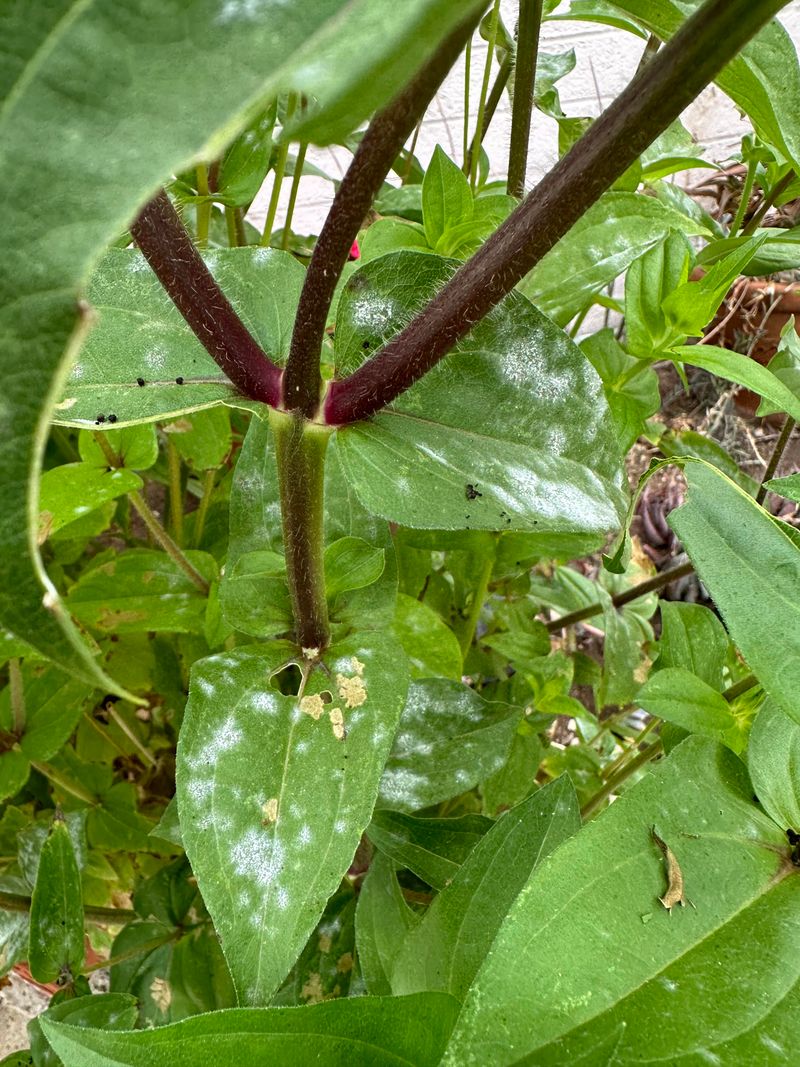
Thunderstorms already wet the foliage.
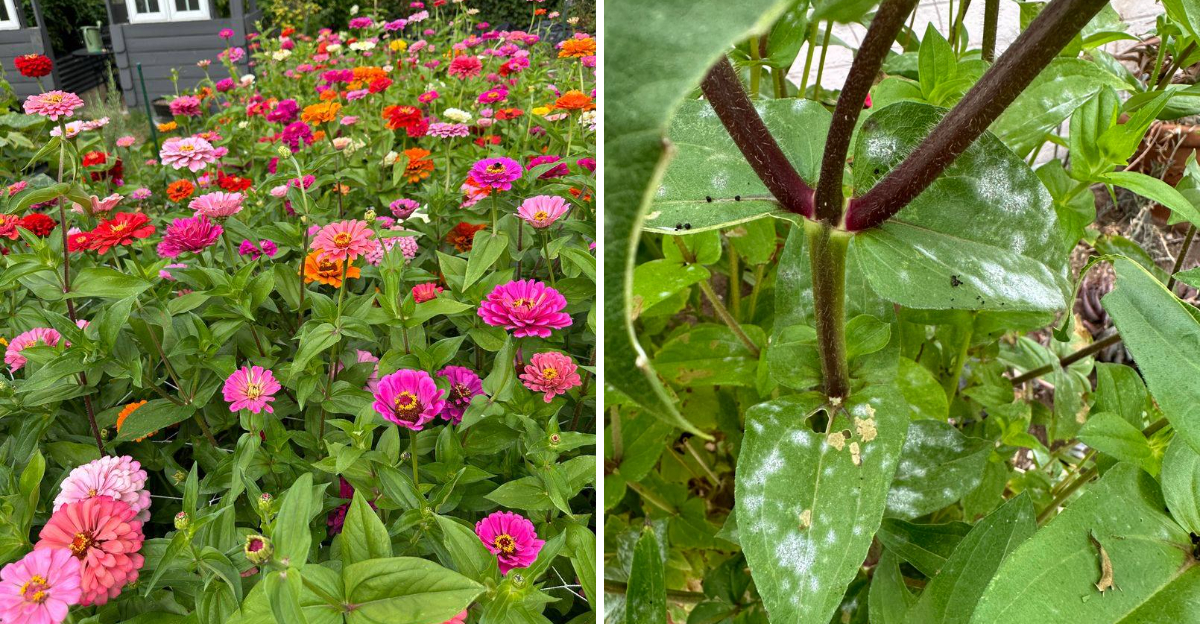
Extra overhead watering can extend that wet period, and wet zinnia leaves in Georgia humidity are a setup for disease trouble. The longer foliage stays damp, the easier it becomes for leaf problems to spread.
Powdery mildew is common. It often appears as a pale, dusty coating on leaves.
Leaf spot can show up too. Brown, tan, or dark lesions may form on foliage, especially lower leaves.
Humidity keeps the surface damp. Even after rain stops, leaves may dry slowly in thick plantings.
Late-day watering makes the window longer. Wet leaves going into a warm, humid night are much more vulnerable.
Morning watering is safer when irrigation is truly needed. Leaves have more daylight and warmth to dry.
Water at the soil line. A wand, drip line, or soaker hose keeps moisture near roots instead of across leaves.
Avoid blasting plants from above. Strong overhead spray can bruise petals, bend stems, and spread spores.
Remove badly affected leaves. Dispose of them away from the bed rather than dropping them on the soil.
Do not crowd the plants. Dense foliage stays wet much longer after storms.
Dry leaves are a quiet defense.
During thunderstorm season, the best watering method is the one that reaches roots without adding hours of leaf wetness.
Splashing Moves Spots Between Plants
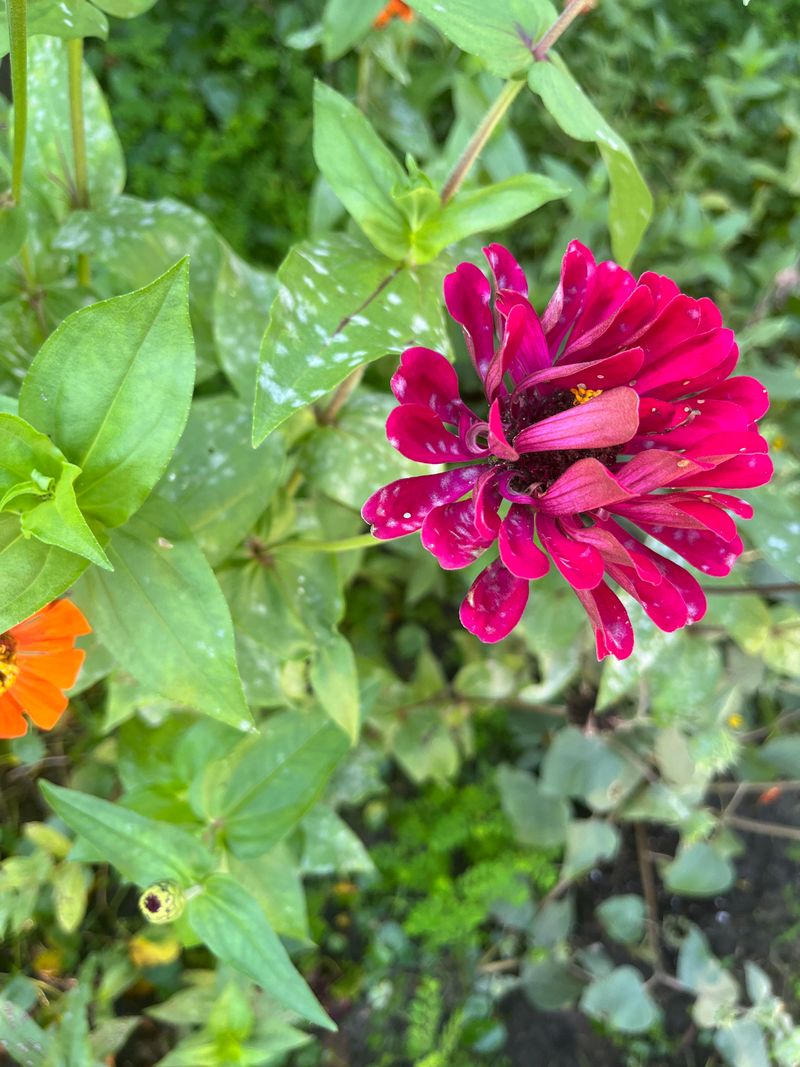
Raindrops can carry disease upward.
When stormwater or irrigation hits bare soil, tiny soil particles bounce onto lower leaves and stems. Those particles can carry fungal spores or bacteria from infected debris, turning splash into a delivery system.
Lower leaves often show symptoms first. They sit closest to the soil and receive the most mud spray.
Heavy storms increase the reach. A hard downpour can splash material farther than a gentle rain.
Overhead irrigation can repeat the pattern. A sprinkler may turn one infected patch into a wider problem.
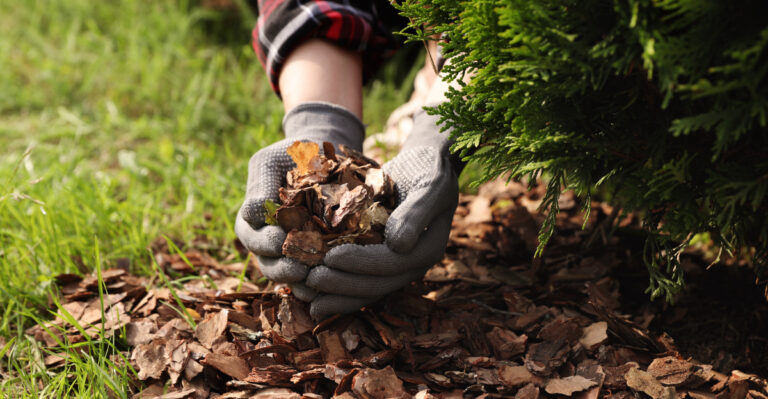
Mulch reduces splash. Pine straw, shredded bark, clean straw, or leaf mulch softens the impact of rain.
Keep mulch a few inches from the stems. A small open ring prevents moisture from sitting against the crown.
Remove spotted lower leaves carefully. Cutting them out reduces the amount of infected material available to spread.
Clean tools after pruning. Rubbing alcohol or another simple disinfecting routine helps prevent transfer between plants.
Do not work the bed while leaves are wet. Hands, sleeves, and tools can move disease around.
Water gently near the base. A low stream reduces soil bounce and protects lower foliage.
Spacing helps too. Leaves that do not overlap heavily dry faster and exchange fewer droplets.
Splash is easy to overlook.
A simple mulch layer and careful watering angle can stop a lot of trouble before it moves through the bed.
Check Soil Before Every Watering
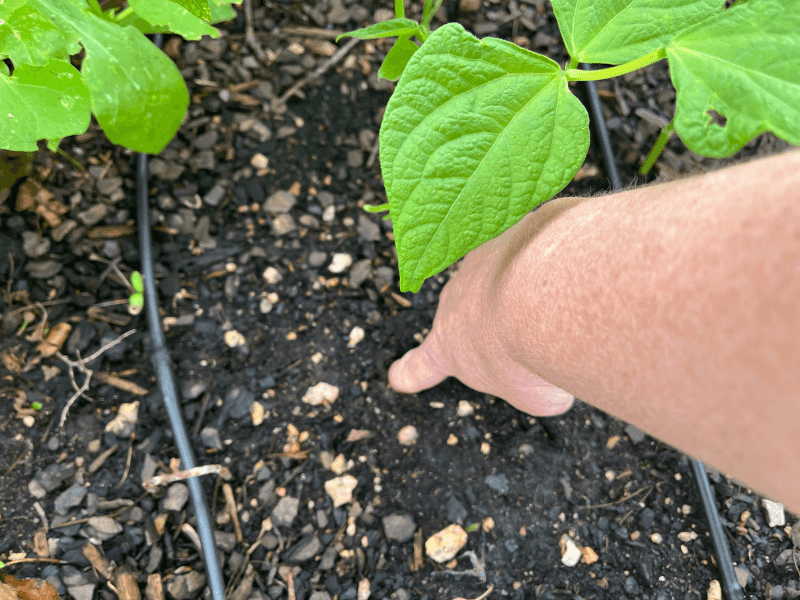
Your finger is better than a schedule.
A zinnia bed should not be watered just because the calendar says so. Thunderstorm season changes conditions too quickly for a rigid routine to make sense.
Push past the mulch. The top layer may look dry while soil underneath remains moist.
Check two inches deep. That depth gives a better sense of what roots can reach.
Test several places. Bed edges, low spots, sunny corners, and areas near downspouts can all differ. Cool and damp means wait. Dry and crumbly means watering may be needed.
Sticky soil means stop. It still holds enough moisture and needs drying time. Container plants need separate checks. Pots can dry faster than in-ground beds even after rain.
Raised beds also vary. They drain faster than heavy clay beds but may still hold moisture after a big storm. Do the test before turning on irrigation. The order matters.
Check again after repeated storms. Soil that stayed wet for days may need airflow and cleanup, not more water.
Let the plants guide you, but let the soil confirm the answer. A five-second check prevents the most common thunderstorm-season mistake: watering plants that are already sitting in moisture.