The Thrip-Repelling Shrubs Florida Gardeners Are Planting Right Now
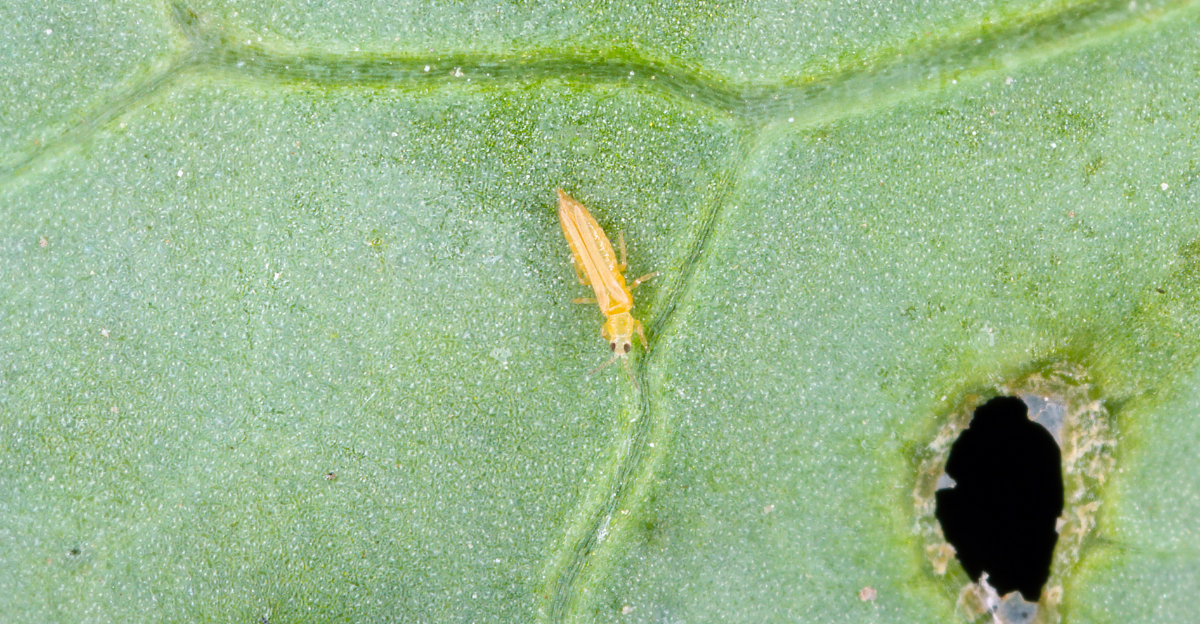
Thrips in a Florida garden are one of those problems that appear before anyone sees them coming. Silvery streaks on petals, distorted new growth, flowers that open damaged before they ever had a chance.
By the time the damage is obvious, the population has been established long enough to make control genuinely difficult. Thrips are persistent.
They survive most sprays long enough to become a seasonal expectation rather than an occasional problem. Certain shrubs produce compounds that thrips find genuinely off-putting.
Planted near vulnerable flowers and vegetables, they add a passive layer of deterrence that works without a spray schedule or a recurring product cost. Florida has shrubs that fit this role and belong in the landscape regardless of the pest benefit.
Several are available at nurseries right now, at a point in the season when establishing them before fall gives them the best possible start.
1. Start With Rosemary Near Tender New Growth
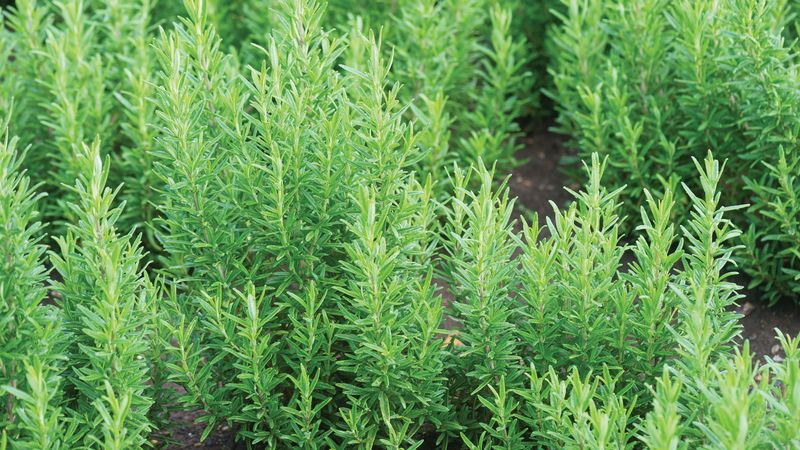
Fingers brushing through a sprig of rosemary release that sharp, resinous scent instantly. It’s easy to understand why Florida gardeners place this woody herb near their most vulnerable beds.
Some laboratory studies have examined rosemary oil compounds for their effects on small insects. But those findings involve concentrated extracts, not a living shrub growing a few feet from your pepper plants.
Translating oil-based research to real-world companion planting takes a significant leap, and that distinction matters before you rearrange your whole garden layout.
What rosemary does offer is genuine and worth considering. Its flowers attract certain pollinators, and adding it to a bed increases plant diversity, which is a recognized principle in pest-aware landscape design.
Placing it near crops that frequently push out tender shoots also makes inspection easier. You can check both plants during the same visit, which encourages more consistent monitoring without extra effort.
August in warm, humid conditions is genuinely tough on rosemary. The herb needs full sun, fast-draining soil, and good airflow around its stems.
Low spots that collect water after afternoon storms are the wrong choice. Raised beds, containers, or slightly elevated ground work far better than flat, moisture-retaining beds.
Avoid overhead irrigation that keeps foliage wet, and resist the urge to crowd it against other plants. A stressed rosemary plant struggling with root rot contributes nothing to your garden strategy.
2. Let Lavender Guard The Sunniest Border
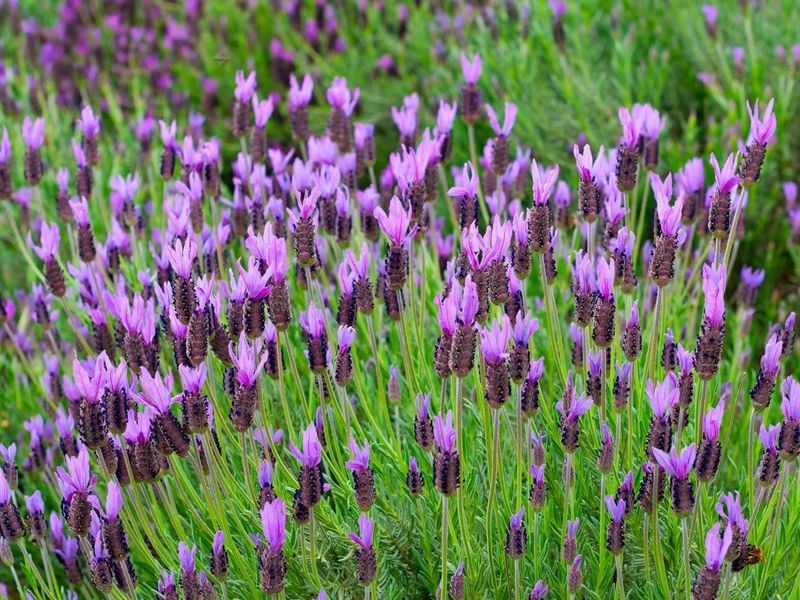
Intense sunlight falling across a dry, elevated border describes exactly where lavender performs best, and that placement detail matters more than most gardeners realize.
Studies exploring lavender’s effect on insects have largely worked with essential oils or isolated compounds, not living border plants.
A row of lavender along your sunniest Florida fence line creates a fragrant, attractive edge. But treating it as a guaranteed barrier overstates what the research actually supports.
Climate fit is the real challenge for this genus in warm, humid regions. English lavender varieties, including Lavandula angustifolia, are generally poorly suited to the heat and moisture common across much of the South.
Spanish lavender, Lavandula stoechas, and French types tend to handle warmth better, though drainage and airflow remain critical for any species.
Your Florida Garden Changes Every Week. Your Plan Should Too.
Gardening in Florida changes quickly throughout the season. Every Friday you’ll receive a simple weekly plan showing exactly what to plant, prune, fertilize, harvest, and protect so you never miss the right timing.
UF/IFAS guidance consistently points gardeners toward checking local extension recommendations before selecting a lavender variety.
Performance varies significantly across northern, central, and southern parts of the state.
A raised, well-drained border facing south or west gives lavender its best shot at staying healthy through summer. Wet soil around the crown is the most common reason these plants decline.
Flowers do attract certain pollinators when they bloom, which adds some value to the broader insect community in your yard. That community connection is worth noting, even if no single flowering plant can be counted on to bring every beneficial insect you might want nearby.
3. Use Bay Laurel As A Fragrant Living Screen
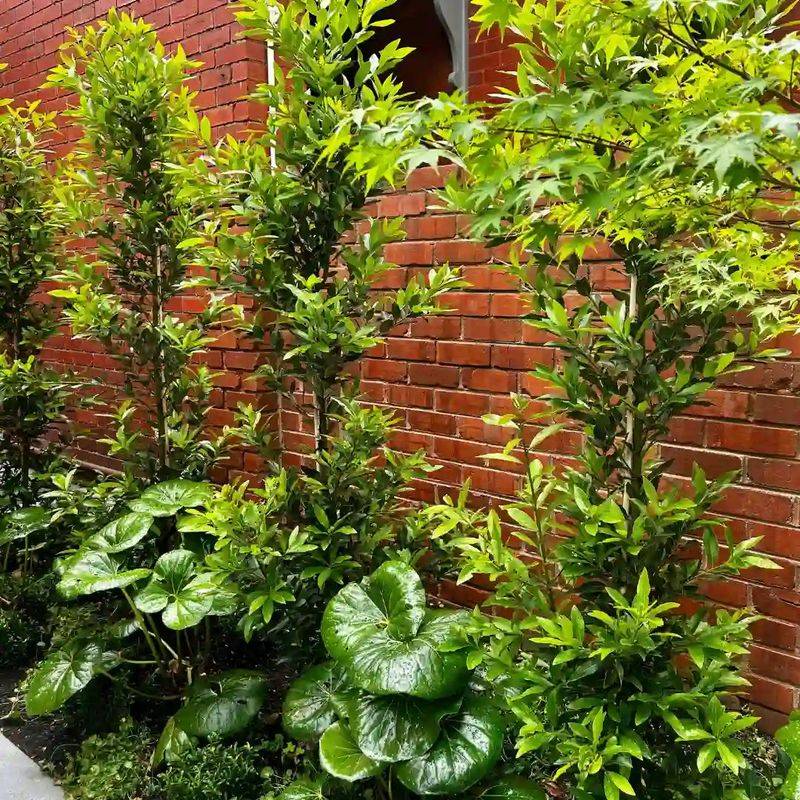
A tall container beside a porch, or a clipped evergreen hedge along a fence, gives bay laurel its most practical role in a pest-aware landscape.
Laurus nobilis grows slowly into a substantial shrub or small tree, so placement decisions made today will shape your Florida garden structure for years.
Research involving bay leaf compounds has focused on extracts and volatile oils rather than the effect of a living specimen on nearby insects. Any companion-planting value is observational rather than firmly established.
Container culture suits bay laurel well. Growing it in a large pot gives you control over drainage, soil quality, and positioning.
You can move it to a more sheltered spot during cold snaps, which matters in northern parts of the region where occasional freezes can damage or set back the plant. In southern areas, it generally handles year-round warmth with less concern.
It still needs well-drained soil and moderate moisture, though, rather than consistently wet conditions.
Bay laurel can experience scale insects, spider mites, and occasionally thrips under certain conditions, so do not assume it is untouchable simply because of its scent.
Inspect it regularly along with neighboring plants. If you harvest leaves for cooking, confirm the plant’s identity first.
Several unrelated plants share the common name “laurel” and their leaves are not safe for food use. Keeping the plant well-spaced within a layered design also supports airflow around nearby crops without creating a dense, stagnant pocket.
4. Bring Sage Into The Pest Smart Planting Mix
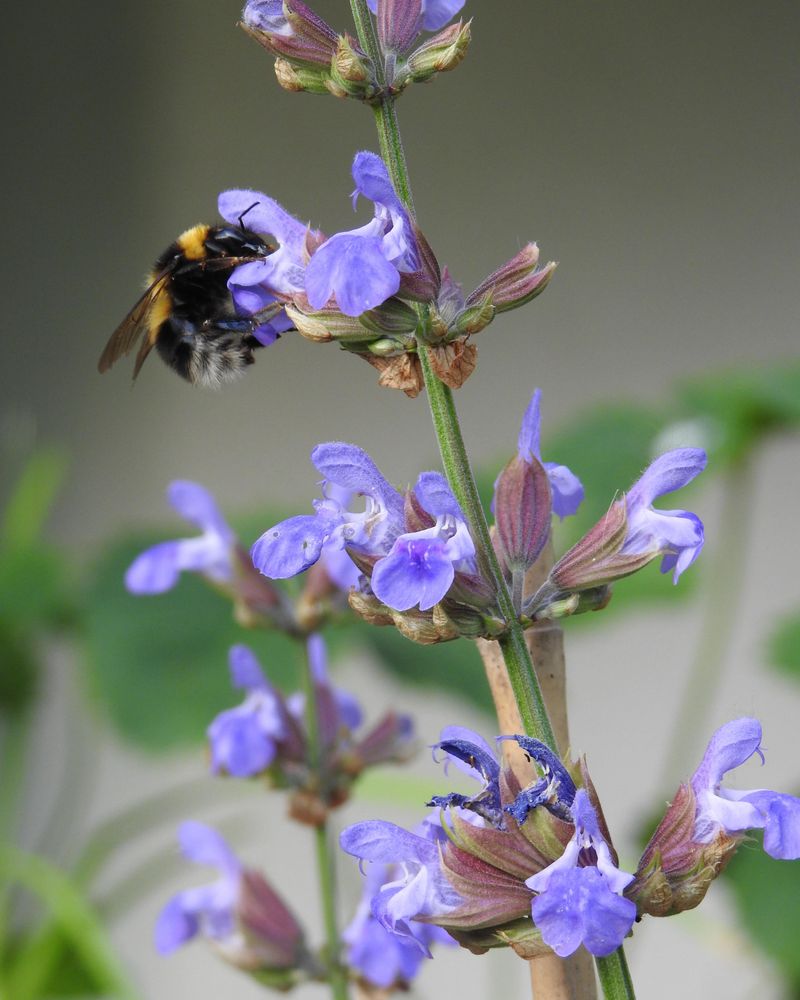
Walk through a garden center and you might find a compact gray-leafed culinary sage sitting right beside a tall, red-flowered ornamental salvia, both labeled simply as “sage.”
These are very different plants with different scents, growth habits, climate tolerances, and potential roles in a planting plan. Culinary sage, Salvia officinalis, and its many cultivars come from the Mediterranean.
They can struggle with the combination of intense heat, high humidity, and heavy summer rainfall common across much of the region. Selecting the wrong species based on a shared common name is a common and avoidable mistake.
Research on sage volatiles and insect behavior has been conducted in laboratory and greenhouse settings. Those findings do not translate directly to outdoor landscape performance.
Some studies have looked at Salvia compounds in the context of insect deterrence. But the jump from controlled research to a living plant in your yard involves many variables.
Species, placement, soil, weather, and surrounding vegetation all influence outcomes in ways that lab conditions cannot fully replicate.
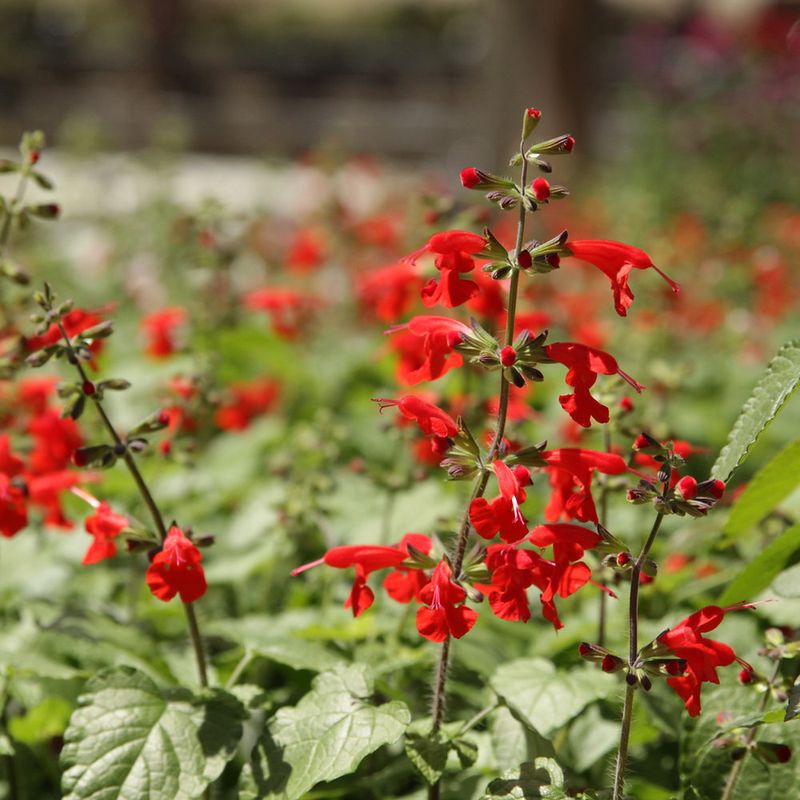
Native and ornamental Salvia species often perform better in warm, humid conditions than culinary sage does. Several regional natives bloom reliably through summer and into fall, providing nectar for a wide range of visiting insects.
Selecting a sage based on climate suitability first, and fragrance second, gives you a plant that actually thrives rather than one that looks stressed through most of August. A struggling plant adds no value to any pest management approach.
5. Choose Tough Aromatic Shrubs For August Heat
A newly planted shrub facing scorching sun, saturated soil from yesterday’s storm, and more rain in the forecast is not in a position to contribute anything to your Florida garden strategy. Establishment stress is real.
A plant fighting to survive August heat cannot offer the structural or ecological value you planned for. Climate suitability is the foundation of any planting decision, and that foundation matters most when summer conditions are at their most demanding.
Rosemary and lavender both come from dry Mediterranean climates and share a strong preference for fast drainage and low humidity around their foliage. Bay laurel tolerates somewhat more moisture but still needs good drainage and air movement.
Culinary sage faces similar challenges to rosemary in humid southern summers. Certain ornamental and native Salvia species handle the region’s conditions more reliably, though.
Northern areas of the state give rosemary a better chance than central or southern zones. Persistent heat and moisture there create harder conditions for Mediterranean herbs.
August is not the ideal time to install most of these plants directly into the ground. Moving a container specimen to a better-positioned spot involves less root disturbance than a full transplant.
If you are planning a fall installation, now is a good time to prepare the bed, improve drainage, and identify the right cultivar. When transplanting is unavoidable, choose an overcast stretch of days and water carefully during establishment.
Keep the root zone from swinging between soaking wet and bone dry.
6. Place Each Shrub Where Thrips Gather First
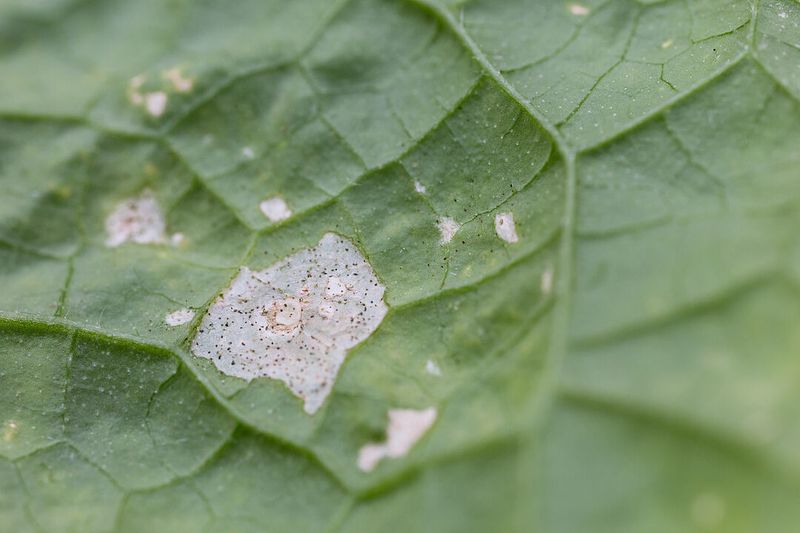
A scarred petal, a bud that never opens correctly, or a shoot tip that curls inward before it unfolds are the kinds of details worth stopping for in the garden.
Feeding damage from thrips often appears as silvery or bronze streaking on leaf surfaces, distorted new growth, or tiny dark specks left behind on tissue.
Similar symptoms can come from other causes, including mite feeding or environmental stress, so confirming the source matters before responding.
Certain thrips species tend to concentrate in flowers, folded leaves, and protected shoot tips where they are shielded from direct sunlight and contact sprays. Inspecting these areas with a hand lens gives a clearer picture of what is actually present.
Blue or yellow sticky cards, placed near susceptible plants, can help you detect adult activity early according to extension monitoring guidance.
Cards do not reduce populations on their own, but they let you track when and where activity is increasing, which is genuinely useful information.
Positioning aromatic shrubs near beds that frequently show early thrips activity makes practical sense for a different reason than scent.
Having those plants nearby means you are already in that part of the garden more often, which naturally leads to more frequent inspection.
Do not crowd containers directly against infected plants, and keep enough space between shrubs and neighboring crops to maintain airflow.
Planting diversity across a bed can reduce the density of any single host, which is a principle supported by integrated pest management research.
7. Pair Strong Scents With Predator-Friendly Blooms
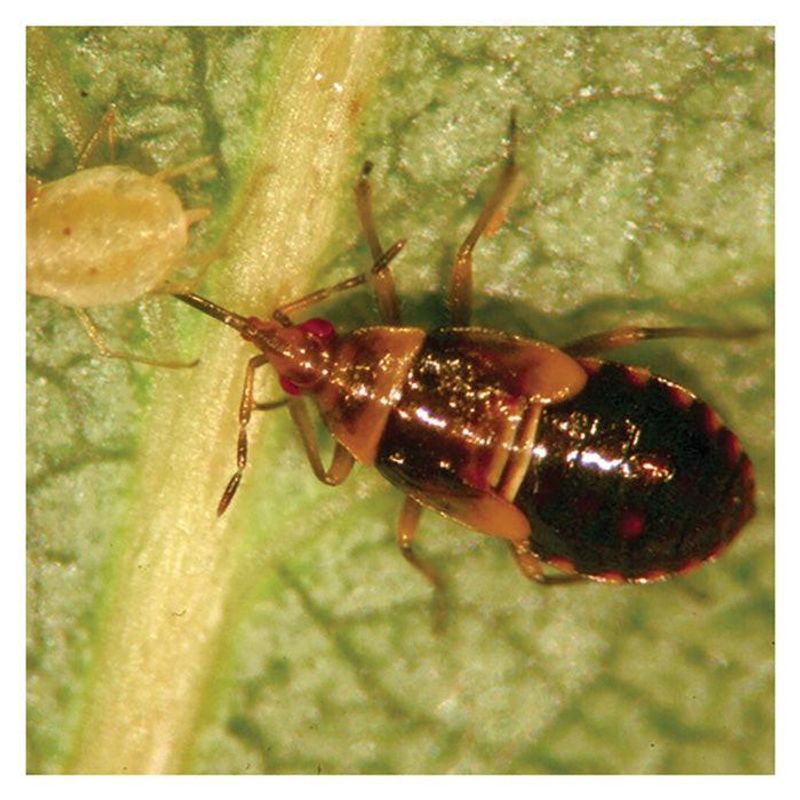
A minute pirate bug moving quickly through a cluster of small open flowers is easy to overlook. But that tiny insect is one of the most documented natural enemies of thrips in North American gardens.
Orius species, which include several minute pirate bugs, have been studied in the context of thrips management in both field and greenhouse settings.
Predatory mites in the Amblyseius group and lacewing larvae also feed on thrips under the right conditions.
None of these beneficial organisms are guaranteed to be present in your yard, and their populations depend on habitat, season, and what you have planted nearby.
Small, open flowers with accessible nectar and pollen support a broader community of beneficial insects than large, complex blooms that make resources hard to reach.
Rosemary, lavender, and several Salvia species produce flowers that fit this description, though their bloom timing varies across species and seasons.
A Florida garden that offers something in flower across multiple months gives beneficials more consistent resources than a single brief flush.
Bay laurel produces modest flowers that attract some insect activity, though it is not typically highlighted as a primary beneficial-insect resource.
Strong scent does not attract predators. Floral resources and habitat structure are what matter to beneficial insects.
Broad-spectrum insecticide applications can reduce beneficial populations significantly, which may allow thrips numbers to rebound faster after a treatment. Keeping unnecessary spraying to a minimum helps.
So does timing any applications to protect pollinators, and together they support the natural balance that makes a diverse planting more resilient over time.