13 Perennials Vermont Gardeners Should Plant In August For Fall Color
Frost doesn’t ask permission, and you feel it coming already. Vermont’s growing season closes faster than most people ever expect. August feels endless, but your soil already knows the truth.
Your roots need several long weeks to settle before cold arrives. Planting now means you get vivid color exactly when everything else fades. Purple asters and deep crimson sedum are still waiting on your choice.
Nothing about a truly striking Vermont fall happens purely by accident. Timing alone turns your yard from ordinary into unforgettable. Every decision you make this exact week echoes straight into October.
Some perennials only reveal their real power once temperatures drop. Certain blooms save their very boldest color just for you. You aren’t just planting flowers, you’re shaping how next autumn looks.
Skip this window, and your neighbors’ gardens quietly outshine yours completely. What you plant this week truly decides how your whole autumn looks.
1. Garden Mums
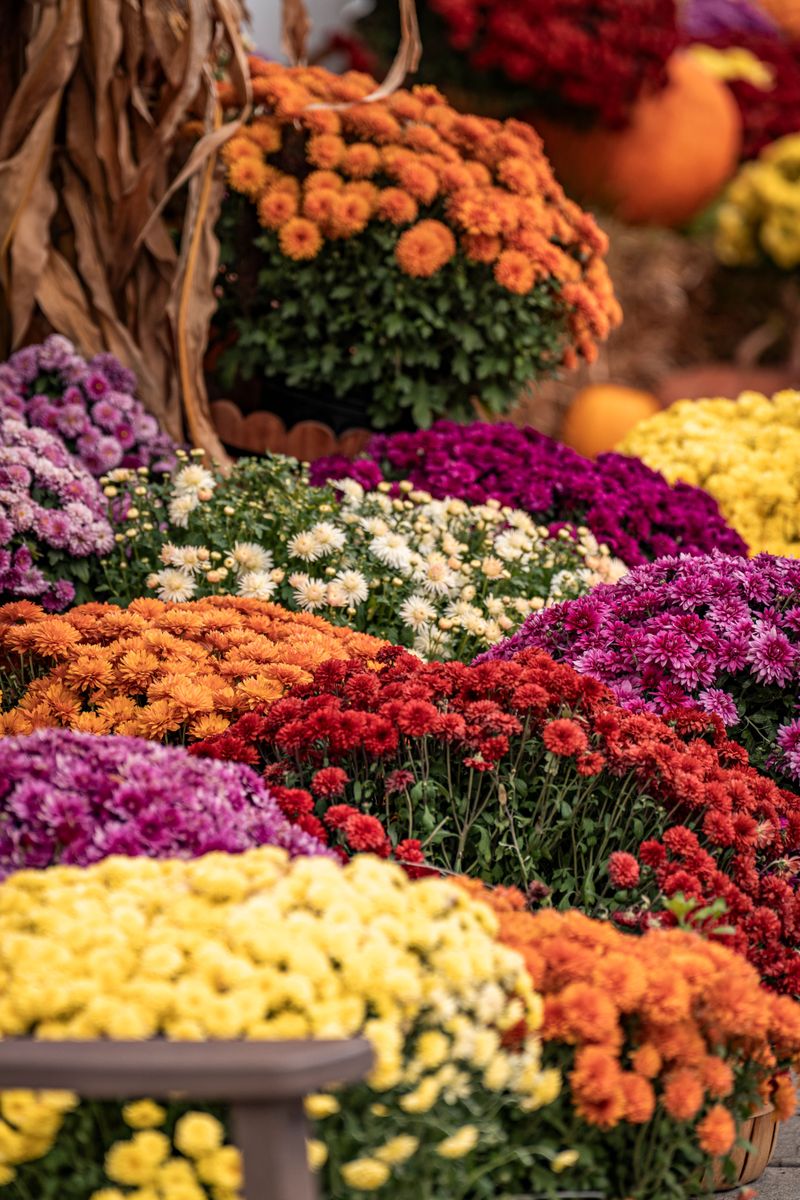
A pot of garden mums bursting with color on your front steps is one of the clearest signals of fall. These workhorses of the autumn garden are especially well-suited to Vermont’s cool September and October temps.
Plant them in August and they will establish roots before the cold moves in. Choose hardy varieties, not the grocery store kind, for plants that actually survive winter.
Mums thrive in full sun and well-drained soil, so skip the low spots that collect water. Pinch back stems through July, but stop by early August so buds can form freely.
Colors range from deep burgundy to bright copper and soft lavender. Grouping three or more together creates a bold, eye-catching display that neighbors will notice from the road.
These perennials for Vermont gardeners are a reliable investment that pays off every fall season.
2. Autumn Gold Narrow-Leaved Sunflower
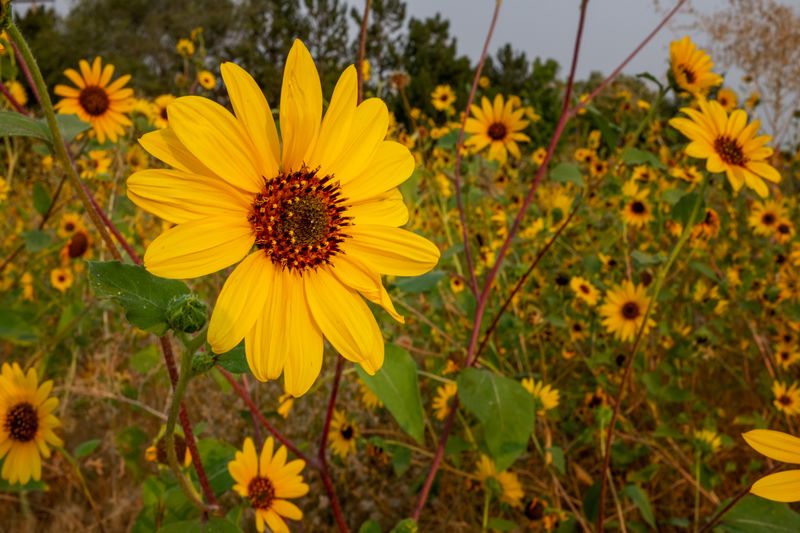
Tall, golden, and bright, the Autumn Gold narrow-leaved sunflower creates a striking, colorful display. It shoots up to six feet and produces small, sunny blooms just as summer fades.
Plant this one in August and you will catch its peak performance right in October. It loves full sun and tolerates dry soil once established, making it low-maintenance for busy gardeners.
The narrow leaves give it a wispy, elegant look that contrasts beautifully with chunkier fall plants like mums. It spreads slowly over time, so give it room to grow without crowding neighbors.
Pollinators are strongly attracted to these flowers, so expect bees and butterflies to visit daily. Leaving the seed heads standing after bloom provides food for birds through late fall.
For gardeners who want height and golden drama in their fall lineup, the Autumn Gold sunflower delivers a bold, cheerful presence that few other perennials can match.
3. False Aster
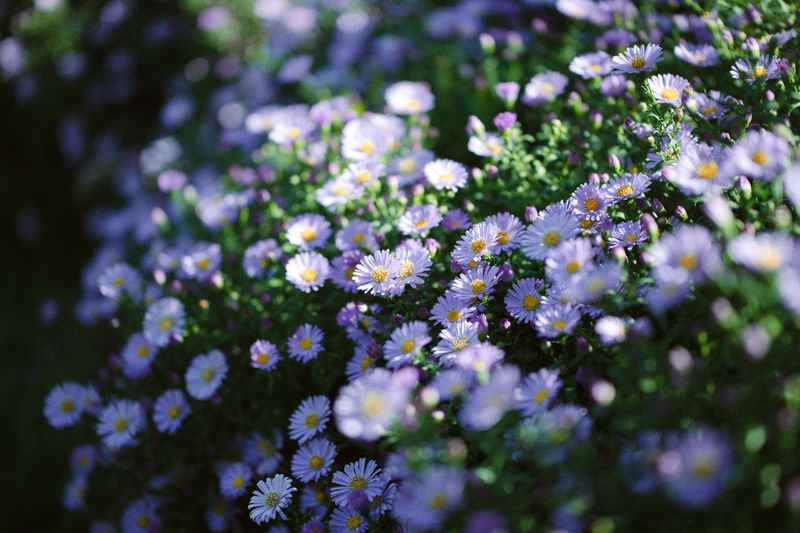
False aster might have a humble name, but this plant puts on one of fall’s most generous shows. Covered in hundreds of tiny white or lavender daisy-like blooms, it looks like a cloud settled in your garden.
Plant it in August so it can anchor itself before October’s cool nights arrive. It grows four to five feet tall, so place it toward the back of a border for best effect.
Full sun is ideal, though it handles a bit of afternoon shade without complaining. Soil drainage matters most, so amend heavy clay beds before planting for stronger root growth.
Boltonia, its botanical name, is surprisingly drought-tolerant once settled in. Staking may be needed in windy spots since the tall stems can flop without support.
Pair it with goldenrod or black-eyed Susans for a classic late-season color combination that looks intentional and effortlessly beautiful.
4. Black-Eyed Susan
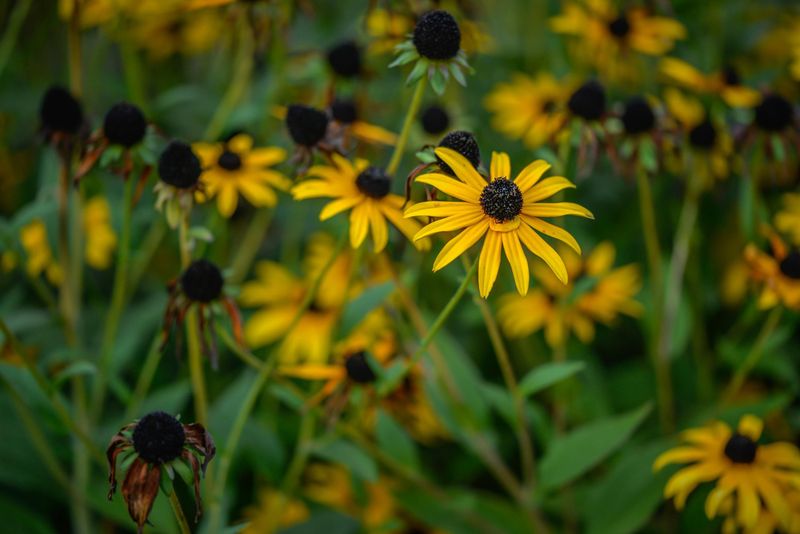
Bold yellow petals around a dark chocolate center make black-eyed Susans a widely recognized wildflower in the Northeast. They pop up along roadsides and in cottage gardens with equal confidence.
August planting gives this tough perennial time to root deeply before hard frosts arrive. It blooms from midsummer through October, bridging the gap between warm-season and cool-season color beautifully.
Rudbeckia fulgida is the most reliable species for northern gardens, offering compact growth and long bloom time. Full sun and average soil are all it really needs to thrive season after season.
Removing spent blooms encourages more flowers, but leaving some seed heads feeds finches through winter. The plants self-seed gently, gradually filling in bare spots without becoming invasive.
These perennials for Vermont gardeners are practically foolproof, and they pair brilliantly with purple asters for a classic fall color combination worth planting every year.
5. Autumn Joy Sedum
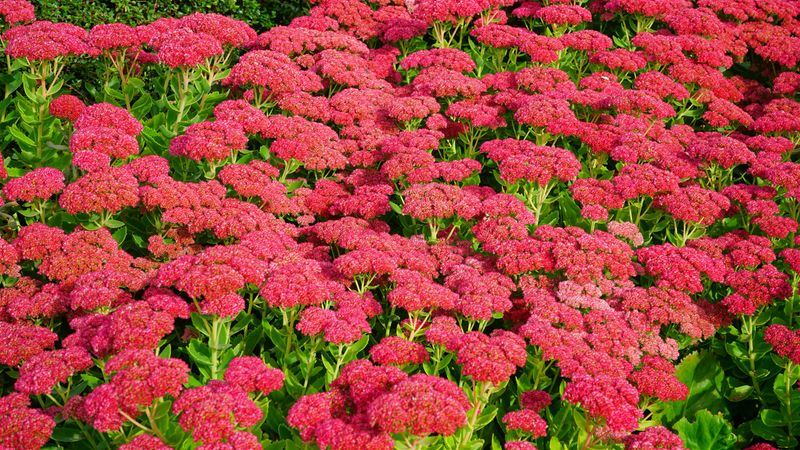
Sedum ‘Autumn Joy’ earns its name every single year without fail. Flat-topped flower clusters start out pink in late summer, then deepen to a rich rusty red as fall temperatures drop.
Plant it in August and it settles in quickly, thanks to its naturally tough, drought-resistant nature. It asks for full sun and excellent drainage, and it is prone to rot in waterlogged soil.
The fleshy, blue-green leaves look attractive even before the flowers open, giving you months of visual interest. Stems stay upright and structural even after bloom, adding winter texture to the garden.
Bees love the wide, flat flower heads and will visit constantly through October. Leaving stems standing through winter protects the crown and provides subtle structure when snow covers everything else.
Autumn Joy grows about two feet tall and wide, making it perfect for edging paths or anchoring the front of a mixed perennial border with reliable, low-fuss charm.
6. Goldenrod
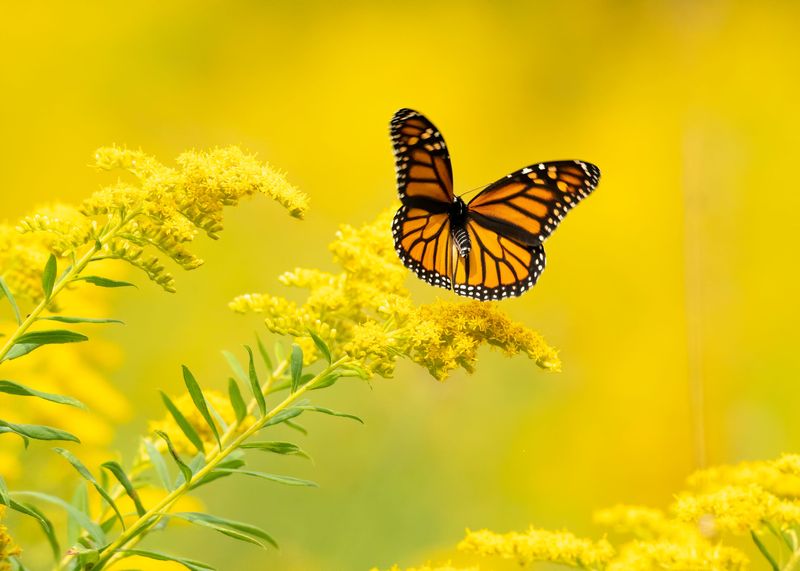
Goldenrod gets blamed for hay fever, but that reputation is completely unfair and totally wrong. Ragweed is the real culprit, and goldenrod just happens to bloom at the same time.
Plant goldenrod in August and watch it reward you with arching plumes of brilliant yellow through October. It grows naturally across the Northeast and thrives in average to poor soil without any fuss.
Native goldenrod species like Solidago rugosa and Solidago speciosa are especially suited to northern gardens. They spread by rhizomes, so plant them where you want a colony, not a solitary specimen.
Pollinators treat goldenrod like a buffet, drawing monarchs, bees, and beetles in impressive numbers. Birds follow the insects, turning your garden into a lively ecosystem through the last warm days of fall.
For gardeners who want native beauty with minimal upkeep required, goldenrod is a low-maintenance, reliable native plant, season after season.
7. Sky Blue Aster
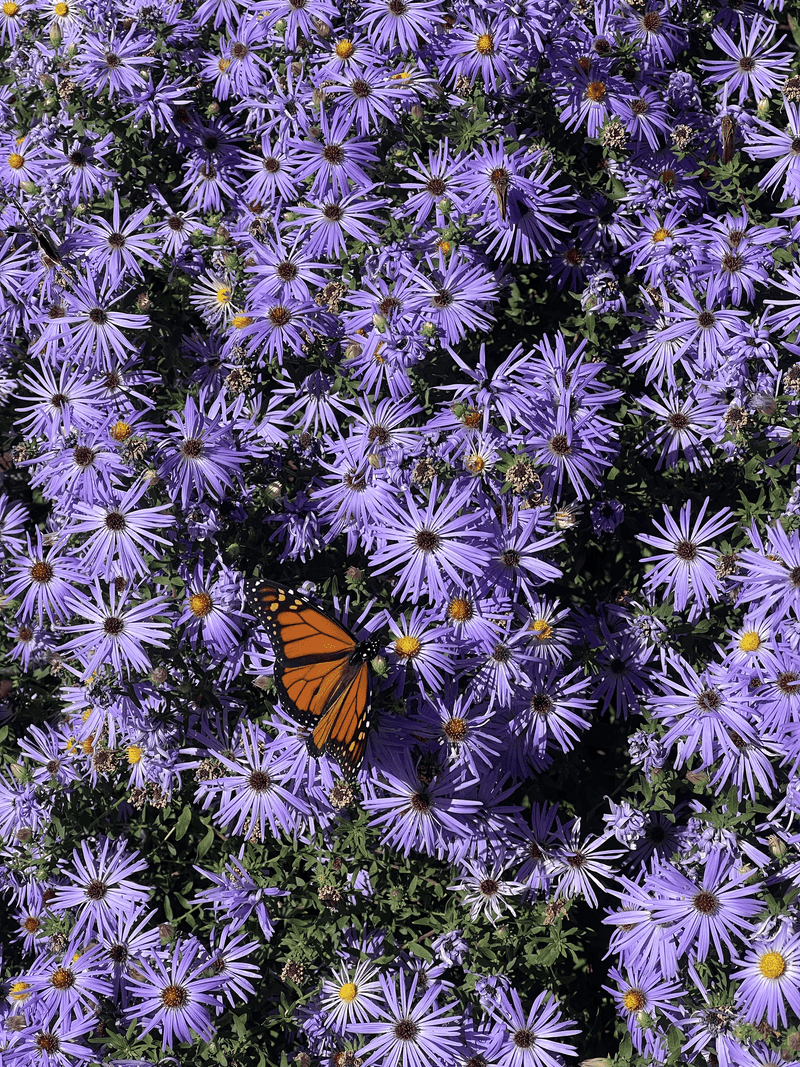
Soft lavender-blue flowers on airy stems give sky blue aster a wild, meadow-like quality that feels effortless and natural. It is one of the most charming native plants you can add to a fall garden.
August planting allows roots to anchor before September nights turn sharp and cold. This aster grows two to four feet tall and spreads modestly, filling gaps without taking over neighboring plants.
Full sun brings out the best bloom count, though it tolerates partial shade with slightly fewer flowers. Dry to average soil suits it perfectly, and it handles drought far better than most asters.
The blue-violet color pairs stunningly with goldenrod’s yellow, creating a classic native plant combination that looks straight out of a field guide. Butterflies, especially monarchs migrating south, stop frequently to feed on the blooms.
If you want a plant that feels wild and free but stays politely in bounds, sky blue aster is exactly what your fall garden needs.
8. Crocosmia
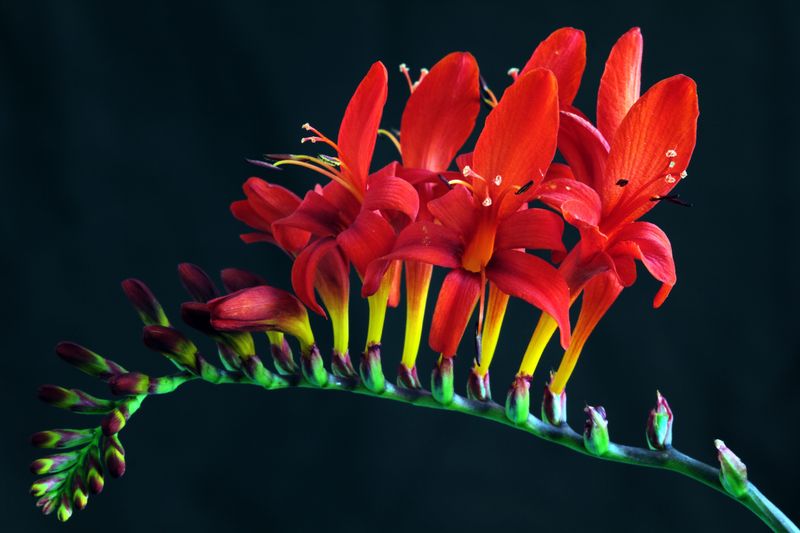
Crocosmia looks like it belongs in a tropical garden, but it handles northern climates with surprising toughness. The arching stems of flaming orange and red blooms are genuinely showstopping in late summer.
Plant the corms in August for late-season color that bridges summer and fall with serious flair. In colder zones, mulching heavily in October helps protect corms through harsh winters.
Sword-shaped leaves add vertical texture even before the flowers open, making this plant earn its space year-round. It spreads steadily by producing offsets, so dividing clumps every few years keeps growth tidy.
Hummingbirds are strongly drawn to the tubular flowers and will visit your garden daily once crocosmia blooms. The cut flowers also last beautifully in a vase, bringing that fall warmth indoors.
For gardeners who want something bold and unexpected in their fall lineup, crocosmia brings a fiery personality that no other perennial on this list can quite match.
9. Autumn Sneezeweed
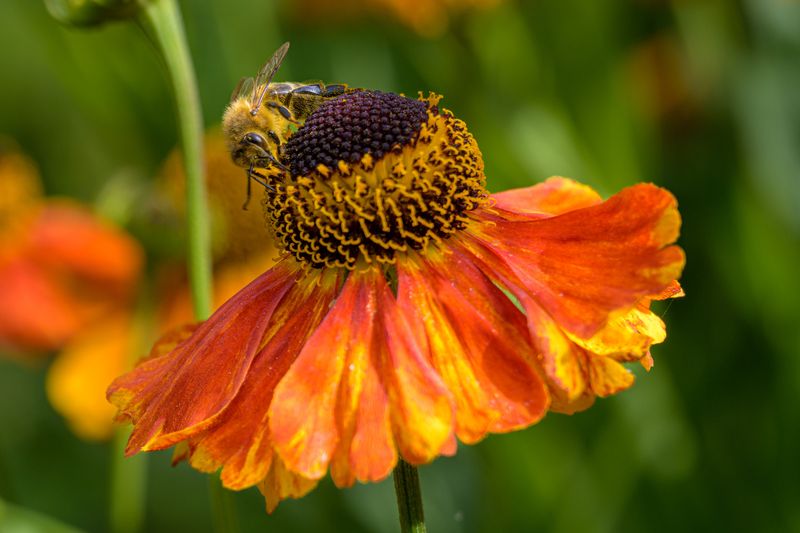
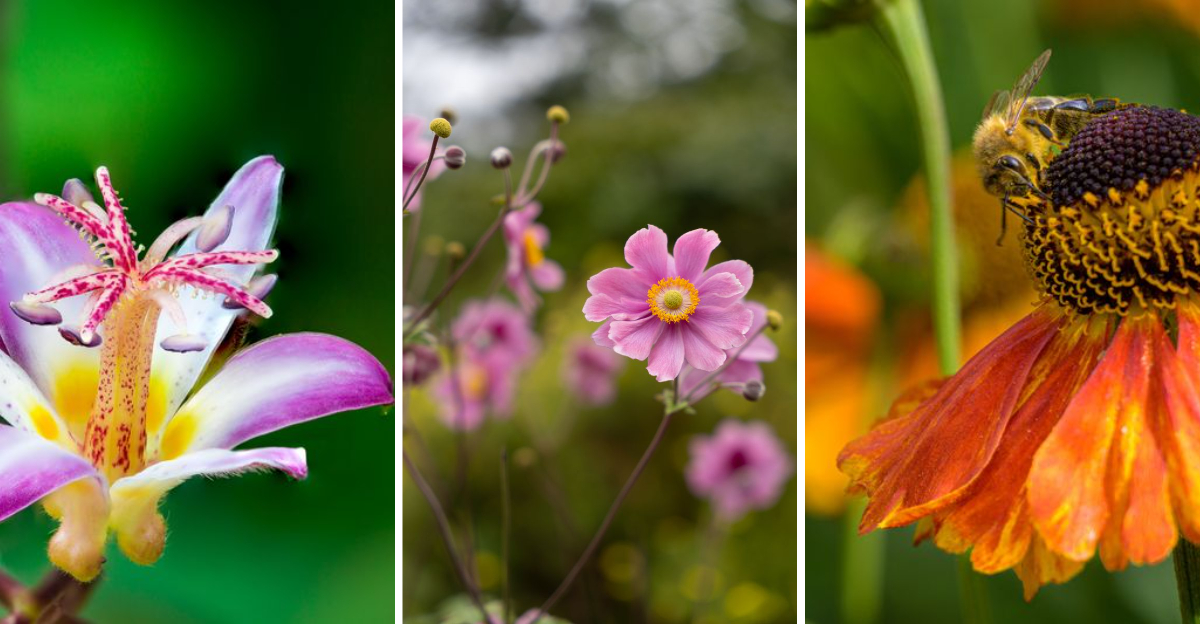
Despite its sneezy name, Helenium autumnale is one of fall’s most vibrant and underappreciated native perennials. The flowers come in warm shades of yellow, orange, and burnt red, often blending multiple tones on a single petal.
Plant it in August so roots establish before the first hard frost arrives in October. It grows three to five feet tall and prefers consistently moist soil, unlike many other fall bloomers.
Full sun is non-negotiable for the best flower production, so choose a spot that gets at least six hours daily. Pinching stems back in early summer promotes bushier growth and more blooms come fall.
Bees adore the prominent, globe-shaped centers and will work the flowers from morning until dusk. The bold warm tones complement cooler-colored asters and create a rich, layered fall palette in mixed borders.
Sneezeweed is a native plant with serious ecological value, supporting pollinators at a time when most other flowers have already faded for the season.
10. Japanese Anemone
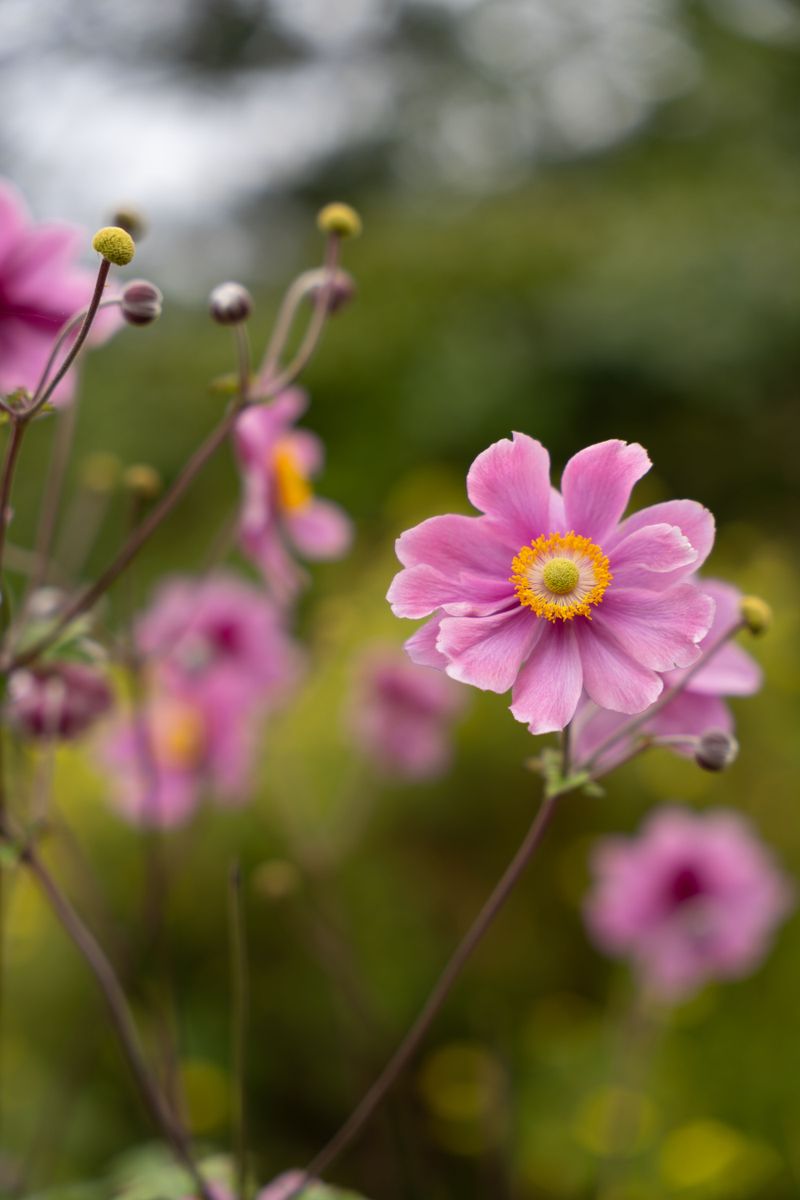
Japanese anemone is the elegant latecomers of the fall garden, blooming when most other plants are winding down. Silky pink or white flowers sway on tall, wiry stems like something out of a watercolor painting.
Plant it in August in a sheltered spot with partial shade for the best performance. It dislikes being moved once settled, so choose its location carefully before planting.
Rich, moist, well-drained soil helps this plant thrive and spread steadily over multiple seasons. Mulch generously in its first winter since young plants are more vulnerable to hard freezes than established clumps.
The flowers open in September and often last well into October, providing weeks of soft, romantic color. Seed heads left standing after bloom add wispy texture that catches morning frost beautifully.
If your garden has a shady corner that needs a graceful fall presence, Japanese anemone fills that role with a graceful, low-maintenance presence that grows more impressive every year.
11. White Turtlehead
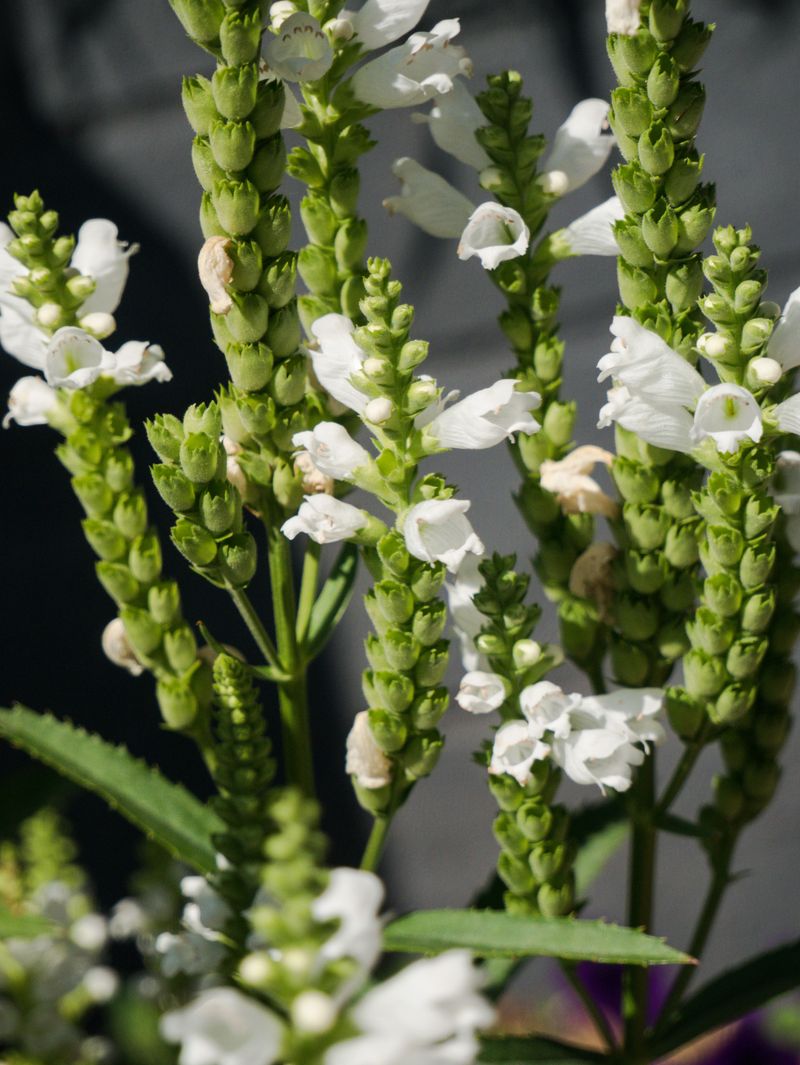
White turtlehead gets its name from the quirky, turtle-shaped blooms that line its upright stems in late summer and fall. It is one of the few native perennials that genuinely thrives in wet, boggy spots.
Plant it in August near a rain garden, pond edge, or low-lying bed that collects moisture. Chelone glabra grows two to three feet tall and stays upright without staking, even in heavy rain.
Partial shade suits it well, though full sun works if soil stays consistently moist throughout the season. The deep green, glossy foliage looks polished and healthy from spring through frost without much intervention.
Baltimore checkerspot butterflies rely on turtlehead as a host plant for their larvae, making it an ecologically important addition to any native garden. Planting it supports local butterfly populations in a meaningful, direct way.
For wet spots that have always been a gardening headache, white turtlehead can transform a difficult area into a productive corner of your fall landscape.
12. New England Aster
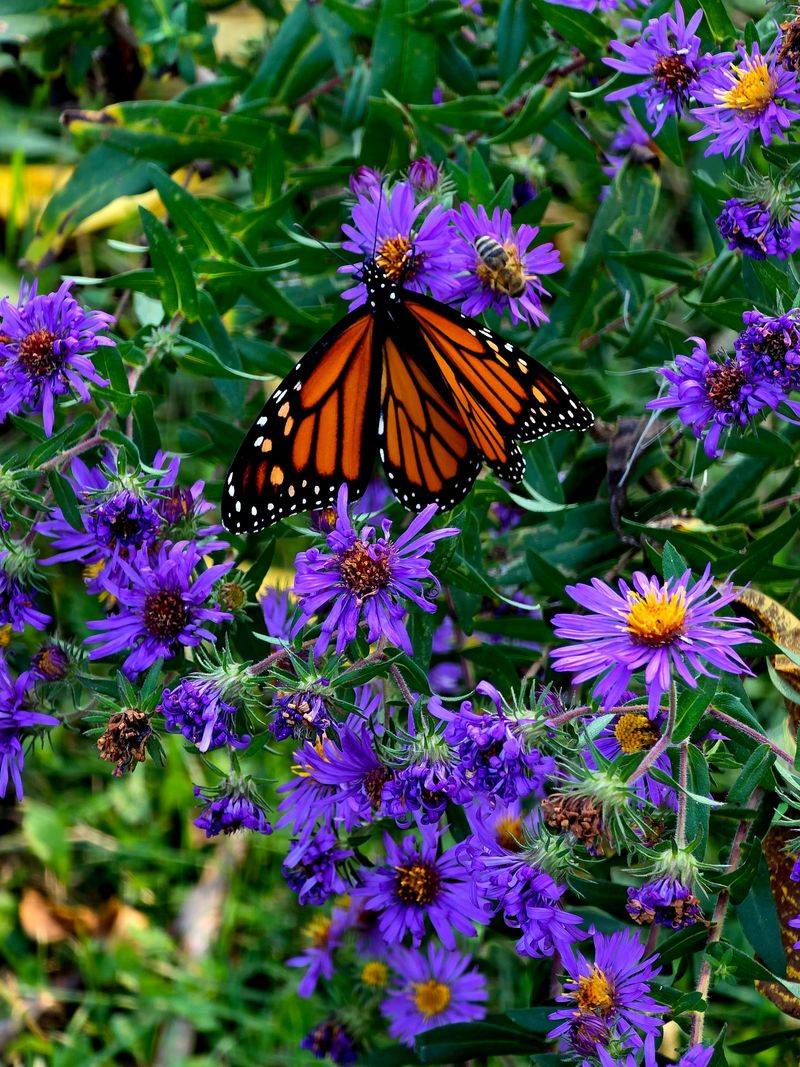
New England aster is practically the mascot of autumn in the Northeast, and for very good reason. The deep purple and magenta blooms are stunning against the golden and orange foliage of surrounding trees.
Planting in August gives this native perennial time to root before September’s shorter days trigger its bloom cycle. It grows three to six feet tall, so plan for staking or mid-season pinching to keep it compact.
Full sun and average soil produce the strongest plants with the most abundant flower clusters. Dividing clumps every two to three years keeps them vigorous and prevents the center from thinning out.
Monarch butterflies depend heavily on late-blooming asters as a fuel source during their fall migration south. Growing New England aster means actively supporting one of nature’s most awe-inspiring seasonal events.
As a signature choice among perennials for Vermont gardeners, this native aster deserves a central spot in any fall border, where its color and ecological value shine together beautifully.
13. Toad Lily
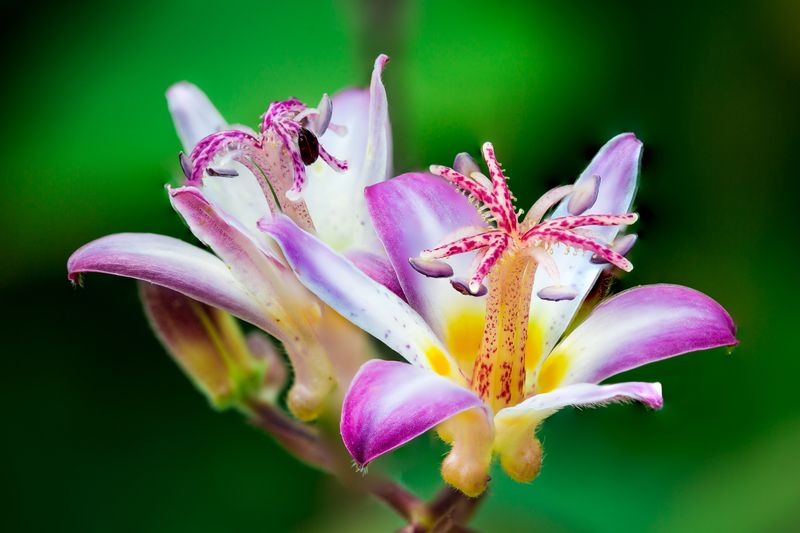
Toad lily is the garden’s best-kept secret for fall shade, blooming with exotic, orchid-like flowers in September and October. The speckled purple and white blooms look like something from a tropical rainforest, not a northern backyard.
Plant it in August in a shaded or dappled-light border with rich, moist, well-drained soil for best results. It grows two to three feet tall and spreads slowly, forming tidy clumps over time.
The arching stems are graceful and architectural, adding movement and elegance to shaded spots that can feel flat in fall. Leaves are attractive all season, making toad lily a solid foliage plant even before it blooms.
Hummingbirds occasionally visit the flowers, and the blooms are long-lasting enough to enjoy for several weeks. Mulching in late fall protects the shallow roots from hard freezes that arrive early in northern gardens.
For anyone who thought fall color was only possible in sunny beds, toad lily challenges that assumption.