Cardboard Or Landscape Fabric? What Works Better For Weeds In North Carolina
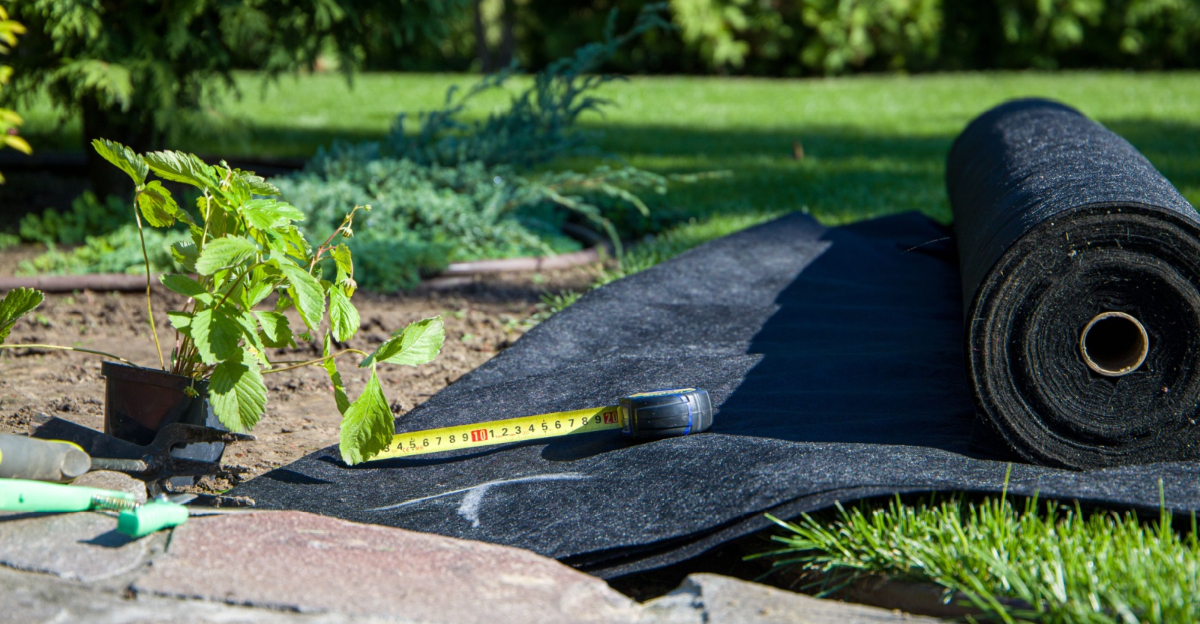
Keeping weeds out of North Carolina garden beds sounds straightforward until your first humid summer rolls through and turns a tidy planting area into something that looks completely unmanageable in about six weeks flat.
Between the heat, the heavy clay soil, and the sheer determination of perennial weeds in this state, even well-maintained yards can get away from you fast.
Cardboard and landscape fabric are two of the most popular weed blocking options out there, and both can genuinely work well in the right situation.
But they are not the same thing, and grabbing the wrong one for your space can create more work, hurt your soil health, and leave you frustrated for seasons to come.
Understanding how each option actually performs in North Carolina conditions before you commit can save you a serious amount of time and hand pulling.
1. Cardboard Works Best For Sheet Mulching
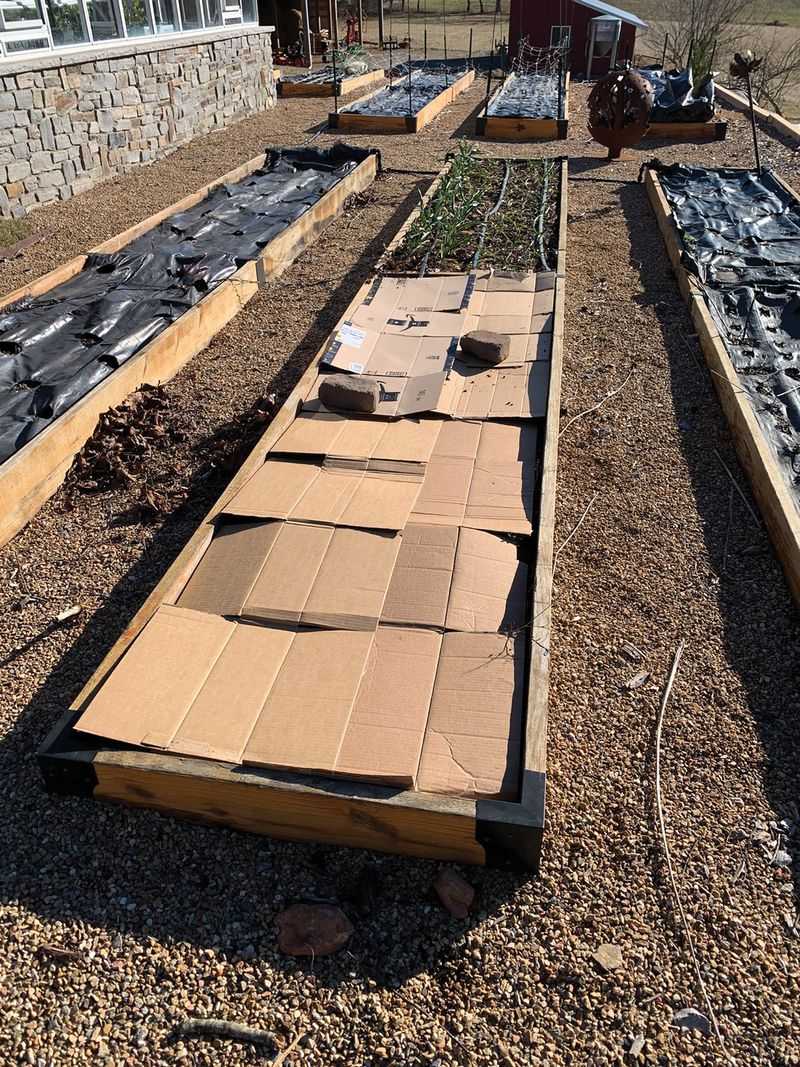
Weedy garden beds that need a fresh start are where cardboard really earns its place. Sheet mulching with cardboard is one of the most practical approaches for North Carolina homeowners who want to clear an area without digging up every weed root by hand.
The idea is simple: you lay overlapping sheets of cardboard directly over the soil, wet them down thoroughly, and then cover everything with a thick layer of organic mulch like wood chips or shredded leaves.
The cardboard blocks sunlight from reaching weed seeds, which slows germination significantly. At the same time, it traps moisture underneath, which helps break down plant material and encourages earthworms to move through the soil.
North Carolina clay soil tends to be compacted, and this process can gradually improve soil structure over a growing season or two.
One thing to keep in mind is that cardboard works best when the layers overlap by at least six inches. Gaps left between sheets become entry points for weeds, especially in areas with aggressive spreaders like nutsedge or wild violet.
Removing tape and staples from cardboard before laying it down also helps it break down more evenly. Sheet mulching is most effective for new planting beds, native plant installations, or areas being converted from lawn to garden.
For vegetable beds or flower borders in North Carolina, it offers a low-cost, soil-friendly start without the need for heavy tilling.
2. Landscape Fabric Works Better Under Gravel
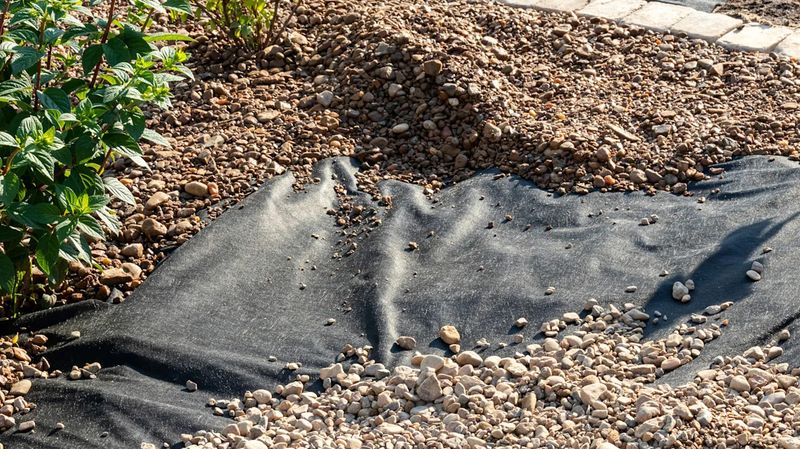
Gravel paths and walkways are where landscape fabric tends to perform at its best.
When you place fabric under an inorganic surface like pea gravel, river rock, or crushed stone, it creates a physical barrier that keeps the gravel from sinking into the soil while also blocking weeds from pushing up through the stones.
North Carolina homeowners who install gravel paths around foundation beds or along driveways often find that fabric under gravel holds up well over several years.
The key reason landscape fabric works here is that gravel does not decompose. Organic mulch like wood chips breaks down over time and creates a thin layer of soil on top of the fabric, which eventually becomes a seedbed for weeds.
Your North Carolina Garden Changes Every Week. Your Plan Should Too.
Gardening in North Carolina changes quickly throughout the season. Every Friday you’ll receive a simple weekly plan showing exactly what to plant, prune, fertilize, harvest, and protect so you never miss the right timing.
Gravel does not do that, so the fabric stays cleaner and more effective for a longer period. The fabric also allows some water to pass through, which helps with drainage along paths and prevents pooling.
Choosing a woven landscape fabric rather than a thin plastic sheeting makes a noticeable difference in longevity. Woven fabric allows air and moisture to move more freely, which matters even under gravel where roots may still be present below.
For North Carolina properties with sloped gravel areas or wooded edges prone to leaf debris, fabric under gravel helps reduce the amount of organic material that works its way down and feeds future weed growth.
It is a practical fit for low-maintenance hardscape areas rather than active planting beds.
3. Both Need Weeds Cleared First
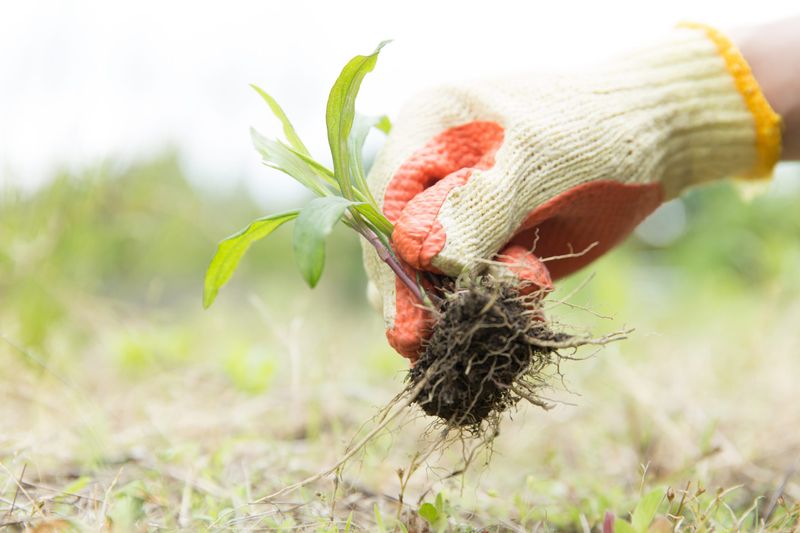
Starting with a weedy bed and expecting either cardboard or landscape fabric to handle everything on its own is one of the most common mistakes gardeners make.
Neither method eliminates established weeds by itself, especially perennial ones with deep root systems.
Before laying down any kind of barrier, taking time to remove as many existing weeds as possible gives the material a much better chance of working.
In North Carolina, common problem weeds like nutsedge, bermudagrass, and wild violet spread through underground structures that can push right through a barrier if left in place.
Pulling or digging out as much of the root system as possible before you lay cardboard or fabric reduces the chance of weeds coming back through gaps or edges.
For areas with heavy weed pressure, some gardeners mow the area short first to make laying the barrier easier and more uniform.
Soil preparation also matters beyond just weed removal. Loosening compacted clay soil slightly before laying cardboard can help moisture move through more evenly, which supports the breakdown process.
For fabric installations, smoothing the soil surface helps the material lie flat without gaps where weeds can sneak through. Both methods benefit from attention at this early stage.
Skipping the prep work and rushing straight to laying the barrier often leads to disappointing results within the first growing season, especially in the fast-growing conditions that North Carolina summers create.
4. Mulch On Top Helps Block Light
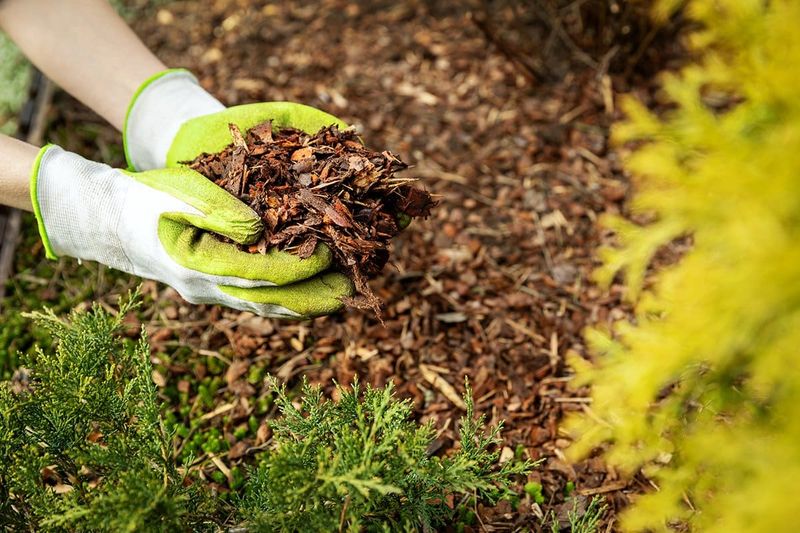
Laying a barrier is only part of the process. What goes on top of that barrier makes a significant difference in how well weeds are actually kept at bay.
Whether you use cardboard or landscape fabric, covering it with a generous layer of organic mulch adds an extra level of light-blocking protection that helps prevent weed seeds from germinating at the surface.
Wood chips, shredded bark, or pine straw are all popular mulch choices in North Carolina, and each one adds value beyond just blocking light.
Mulch helps regulate soil temperature during hot summers, slows moisture evaporation from the soil, and gradually breaks down to add organic matter.
A depth of two to three inches is generally recommended, though going slightly deeper in areas with heavy weed pressure can improve results.
One thing worth watching is that mulch itself can become a seedbed over time. As it decomposes, a thin layer of organic material builds up on the surface, and wind-blown weed seeds can settle into it and germinate.
Refreshing the mulch layer each season helps maintain its effectiveness without requiring a full reinstallation of the barrier underneath. For North Carolina gardens with mature trees nearby, fallen leaves and debris can speed up this surface composting effect.
Keeping mulch away from plant stems and tree trunks also prevents moisture buildup that can cause problems with crowns and bark over time.
5. Perennial Weeds Need Extra Attention
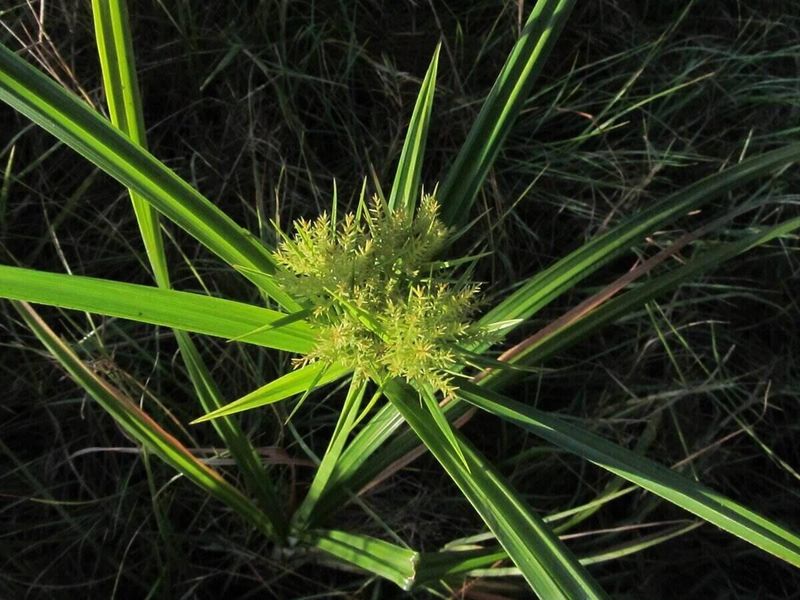
Not all weeds respond the same way to barriers, and perennial weeds are the ones most likely to cause frustration.
Unlike annual weeds that sprout from seed and can be stopped fairly easily with a light-blocking barrier, perennial weeds grow back from roots, rhizomes, or tubers that may already be deep in the soil before any barrier goes down.
Nutsedge, for example, produces small underground tubers that can push through both cardboard and landscape fabric with surprising ease.
In North Carolina, bermudagrass is another persistent problem in garden beds and borders.
Its spreading stems and underground rhizomes allow it to travel horizontally and pop up at the edges of any barrier, especially where the material does not extend far enough beyond the planting area.
Pokeweed and wild violet are also common North Carolina perennial weeds that return season after season even after the top growth is removed.
Dealing with these weeds before installing a barrier is essential. Digging out root systems, removing tubers by hand, or using repeated cultivation to exhaust root reserves can all help reduce the pressure over time.
Some gardeners find that a combination of thorough hand removal followed by a thick sheet-mulch layer gives the best results for heavily infested areas. Patience matters here.
Perennial weeds in North Carolina often need more than one season of consistent management before their presence noticeably decreases, regardless of which barrier method is used.
6. Fabric Can Become A Weedy Mess Later
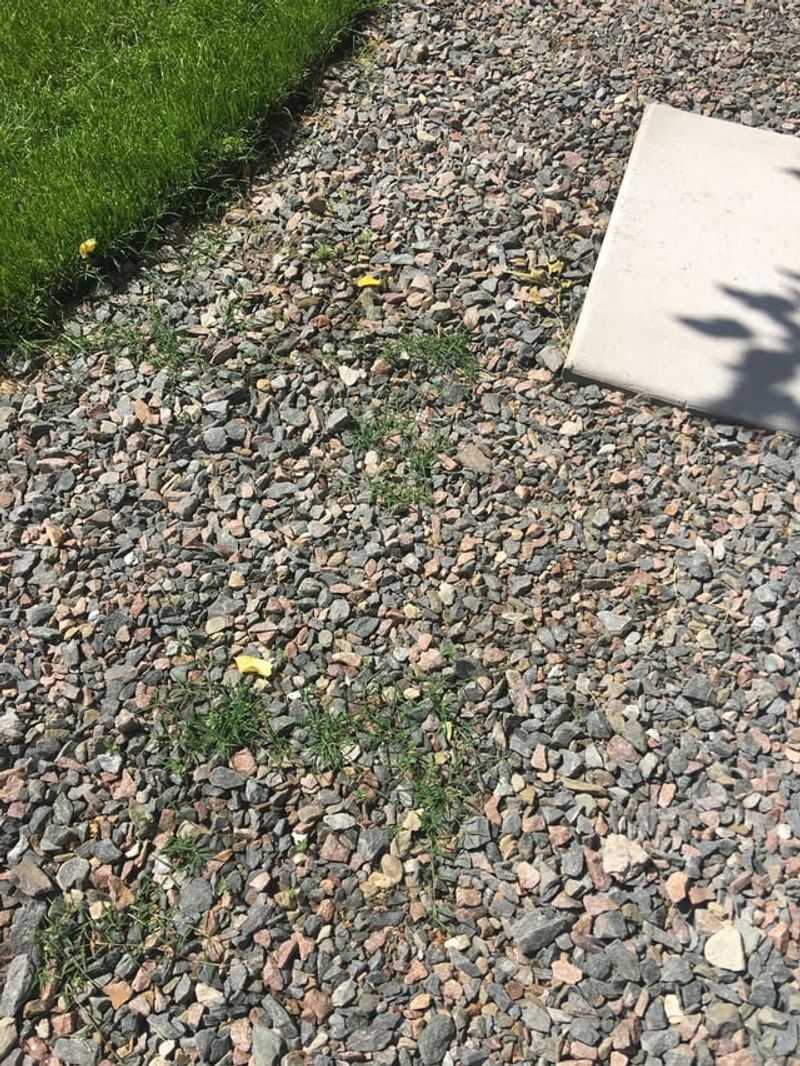
One of the most common complaints about landscape fabric in residential gardens is what happens to it several years down the road.
When fabric is used under organic mulch in active planting beds, the mulch gradually breaks down on top of the fabric and creates a thin layer of compost-like material.
Weed seeds blown in by wind or dropped by birds settle into that layer and germinate right on top of the barrier instead of being stopped by it.
Over time, roots from those surface weeds begin to weave themselves into the fabric itself. Trying to remove those weeds by pulling them up often tears or displaces the fabric, creating gaps and lifted edges that make the whole area look untidy.
North Carolina gardeners who have dealt with this situation know how frustrating it can be to pull back years of tangled fabric, roots, and mulch from a bed that was supposed to stay low-maintenance.
Fabric edges that are not properly secured also tend to shift, curl, or surface through the mulch layer, especially after heavy rain or foot traffic near the bed.
This becomes a tripping hazard along paths and an eyesore in otherwise tidy foundation plantings.
For North Carolina homeowners who want a weed barrier in an active garden bed with plants and seasonal changes, cardboard with organic mulch is often a more practical long-term choice than fabric, even though fabric may seem more durable at the start.
7. Cardboard Breaks Down Over Time
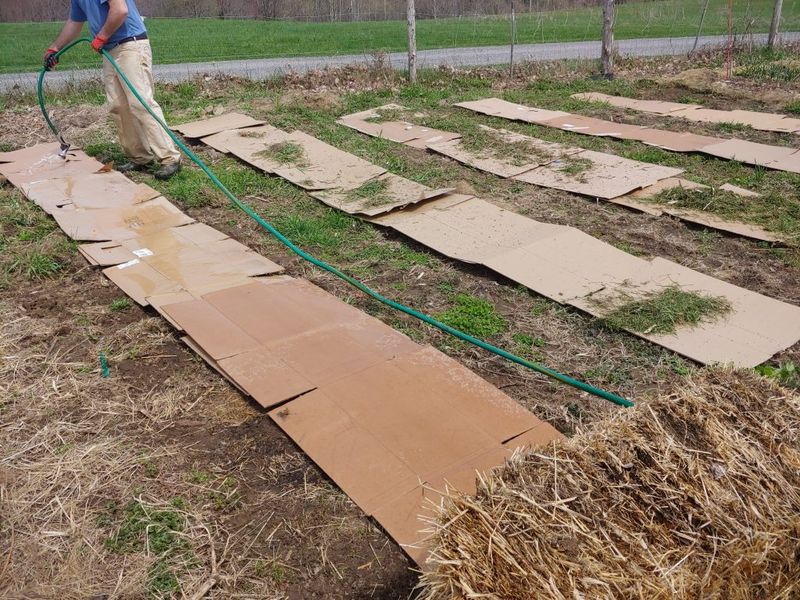
Something many gardeners appreciate about cardboard is that it does not overstay its welcome. Unlike landscape fabric, which can linger in the soil for years and become difficult to remove, cardboard breaks down naturally over several months.
In North Carolina’s humid climate, the breakdown process tends to happen fairly quickly, especially when the cardboard is kept moist and covered with organic mulch.
As cardboard decomposes, it feeds soil microbes and earthworms, which gradually improves soil structure beneath it.
This is especially helpful in North Carolina’s clay-heavy soils, where organic matter additions over time can make a real difference in drainage and root penetration.
By the time you are ready to plant into a sheet-mulched area, the cardboard layer is usually soft enough to plant through without removing it entirely.
The temporary nature of cardboard means it works well for situations where the planting plan may change.
If you are establishing a new flower bed, converting a lawn area to a native plant garden, or preparing a vegetable bed for the following season, cardboard gives you weed suppression during the transition without locking you into a permanent installation.
One thing to avoid is using cardboard with heavy wax coatings or glossy printing, as those materials break down much more slowly and may leave residue in the soil.
Plain corrugated cardboard from shipping boxes is the most practical and soil-friendly option available.
8. Garden Beds Need Air And Water
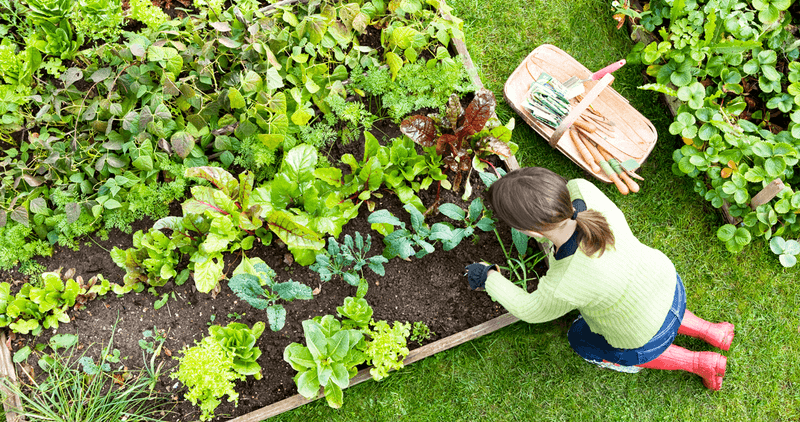
Soil health is easy to overlook when the main goal is just keeping weeds out. Active garden beds, whether they hold vegetables, perennials, or flowering shrubs, depend on a balance of air movement, water infiltration, and biological activity below the surface.
Any barrier placed over the soil affects those conditions, and not always in a positive way.
Landscape fabric, particularly thin or non-woven types, can reduce the exchange of air and water over time as it becomes clogged with debris and fine particles.
In North Carolina’s clay soil, where drainage can already be slow, a fabric layer that limits water infiltration may contribute to soggy conditions around plant roots after heavy summer rain.
This is one reason why landscape fabric tends to be a better fit under inorganic surfaces like gravel than in planted beds where root health matters.
Cardboard, by contrast, breaks down and becomes part of the soil rather than sitting on top of it indefinitely.
While it does temporarily slow water movement in the first few weeks after installation, it typically softens and becomes permeable fairly quickly, especially in moist North Carolina conditions.
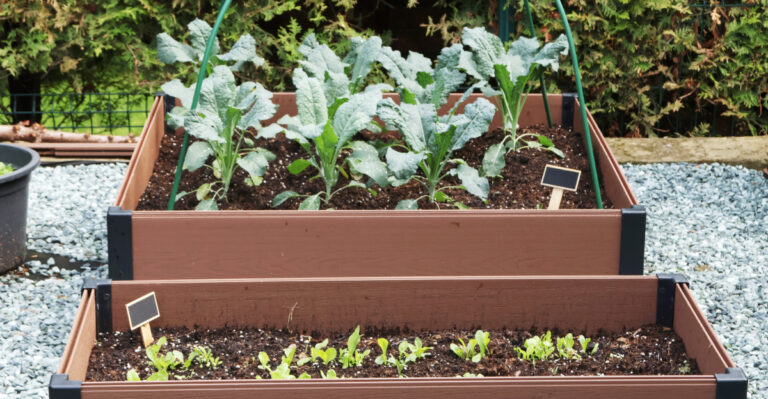
For raised beds, in-ground vegetable gardens, or perennial borders where you want to encourage deep root growth and healthy soil life, cardboard followed by organic mulch tends to support soil function better than a fabric layer that remains in place season after season.
Keeping the soil alive underneath any barrier is worth prioritizing from the start.