The Rat-Repelling Shrubs Oregon Gardeners Should Consider Along Foundations
Keeping rats away often has less to do with traps than many homeowners expect. The way a yard is planted can play a surprisingly important role in how inviting it feels to unwanted visitors.
That is especially true around a home’s foundation, where dense growth and hidden spaces can quickly become favorite hiding spots. Not every shrub works in your favor, though.
Some create perfect cover, while others fit much better into a landscape designed to discourage pests. The good news is that you do not have to choose between a beautiful yard and a practical one.
With the right shrubs in the right places, your landscape can look great while becoming a less comfortable place for rats to settle in.
1. Lavender Keeps Foundation Beds Dry And Open
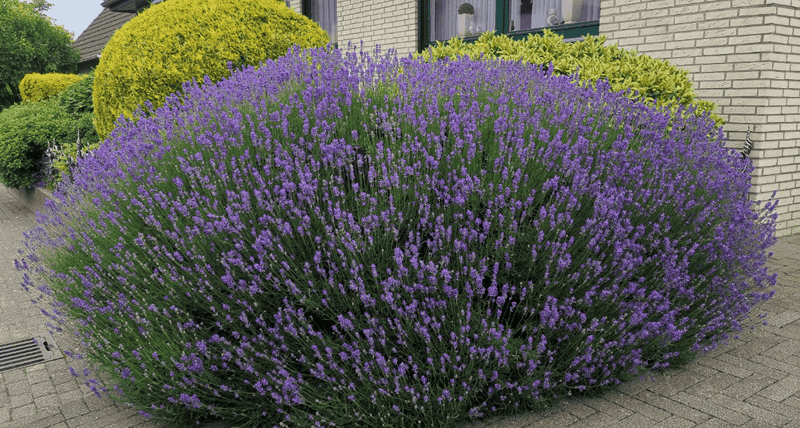
Few plants pull double duty as well as lavender does in a foundation bed. Its strong fragrance is pleasant to people but deeply off-putting to rats, who rely on scent to feel safe in an area.
When planted along a foundation, lavender sends a clear signal that this spot is not a comfortable place to nest.
Lavender naturally keeps soil dry because its roots do not hold excess moisture, and its open, upright growth habit leaves very little ground-level cover for rodents to hide under. That open structure is key.
Rats avoid areas where they feel exposed, and lavender provides almost no concealment at all.
In Oregon, lavender thrives in well-drained soil and handles the dry summers along the western valleys without much fuss.
It does best when planted in a sunny spot with good air circulation, which also happens to be exactly the kind of environment that discourages rodent activity.
Spacing plants about 18 to 24 inches apart keeps airflow strong and prevents any dense patches from forming.
Pruning lavender back after it blooms keeps it tidy and prevents it from getting woody and open at the base. A clean, well-maintained lavender hedge along a foundation looks sharp, smells wonderful, and gives rats very few reasons to linger.
For a plant that does so much with so little care, lavender earns its place at the top of this list.
2. Rosemary Adds Structure Without Heavy Cover
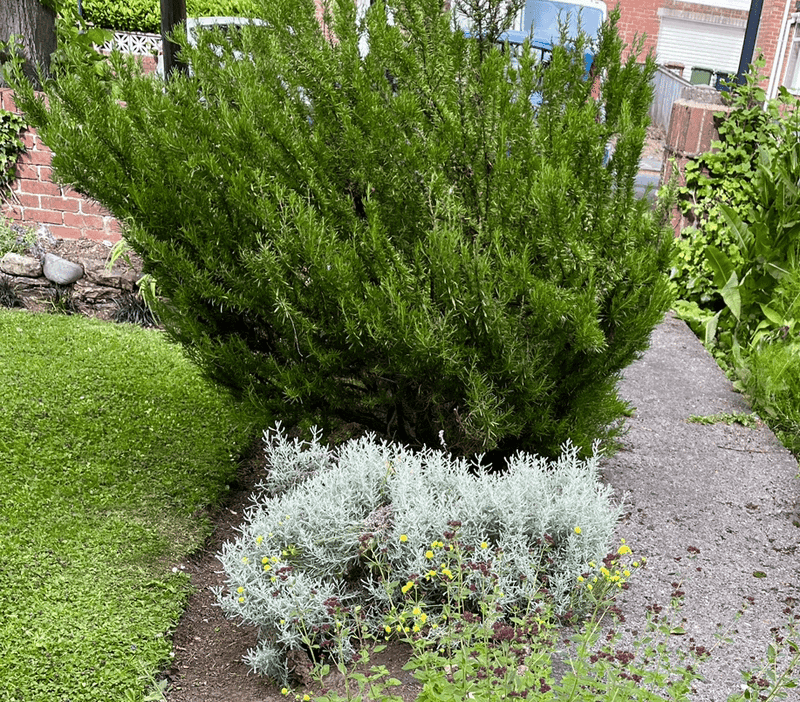
Rosemary has been a kitchen staple for centuries, but its role in the garden goes far beyond cooking. The strong, piney scent that makes rosemary so appealing in recipes is exactly what makes rats want nothing to do with it.
Their sensitive noses pick up the oils in the leaves and treat the area as a warning zone.
As a foundation shrub, rosemary brings real structure without creating the kind of thick, low tangle that rodents love.
Its upright, woody stems and needle-like foliage stay elevated off the ground, leaving the soil at the base open and visible.
That visibility is a natural deterrent because rats prefer to travel along covered pathways where they feel hidden from predators.
Rosemary handles the wet winters in western parts of this state reasonably well when planted in fast-draining soil. It does not like sitting in water, so raised beds or amended soil near foundations helps it stay healthy through the rainy season.
Your Oregon Garden Changes Every Week. Your Plan Should Too.
Gardening in Oregon changes quickly throughout the season. Every Friday you’ll receive a simple weekly plan showing exactly what to plant, prune, fertilize, harvest, and protect so you never miss the right timing.
In drier inland areas, it thrives with minimal watering once established.
Upright varieties like Tuscan Blue or Blue Spire work especially well for foundation planting because they grow tall and narrow rather than sprawling outward.
Keep the base of each plant clear of fallen leaves and debris to maintain that open, rat-unfriendly environment.
A little seasonal trimming goes a long way toward keeping rosemary looking neat and performing well as a natural rodent barrier.
3. Dwarf Oregon Grape Stays Compact Near Homes
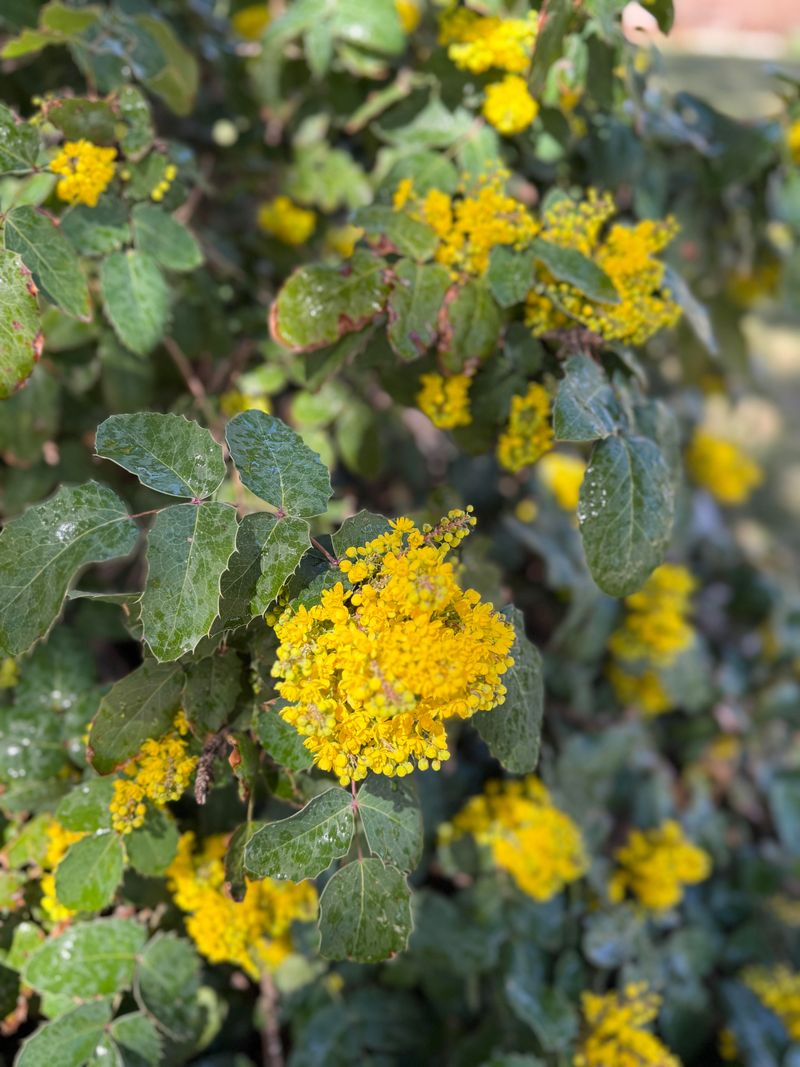
There is something satisfying about using a native plant to solve a local problem. Dwarf Oregon grape is native to this region, which means it already knows how to handle the rainfall, soil, and temperature swings that come with living here.
What makes it especially useful along foundations is its naturally compact size and its spiny, holly-like leaves.
Rats are not fans of sharp foliage. Moving through a bed of dwarf Oregon grape means brushing against stiff, pointed leaves at every turn.
That physical discomfort discourages rodents from choosing these areas as regular travel routes or nesting spots. The plant essentially creates a low-level barrier without any extra effort from the gardener.
Unlike its taller relatives, the dwarf variety tops out at around two to three feet, making it easy to see over and easy to inspect.
Keeping foundation plantings low and visible is one of the simplest things you can do to reduce rodent pressure on your home.
When you can see what is happening at ground level, problems are caught early.
Dwarf Oregon grape also keeps its leaves year-round, which means the deterrent effect does not disappear in winter when rats are most actively seeking warm shelter. Plant it in partial shade or full sun, and it will adapt without complaint.
Space plants about two feet apart to keep the bed tidy and well-ventilated. It is a smart, low-fuss choice for any foundation bed in our state.
4. Boxwood Creates A Neat, Easy-To-Check Border
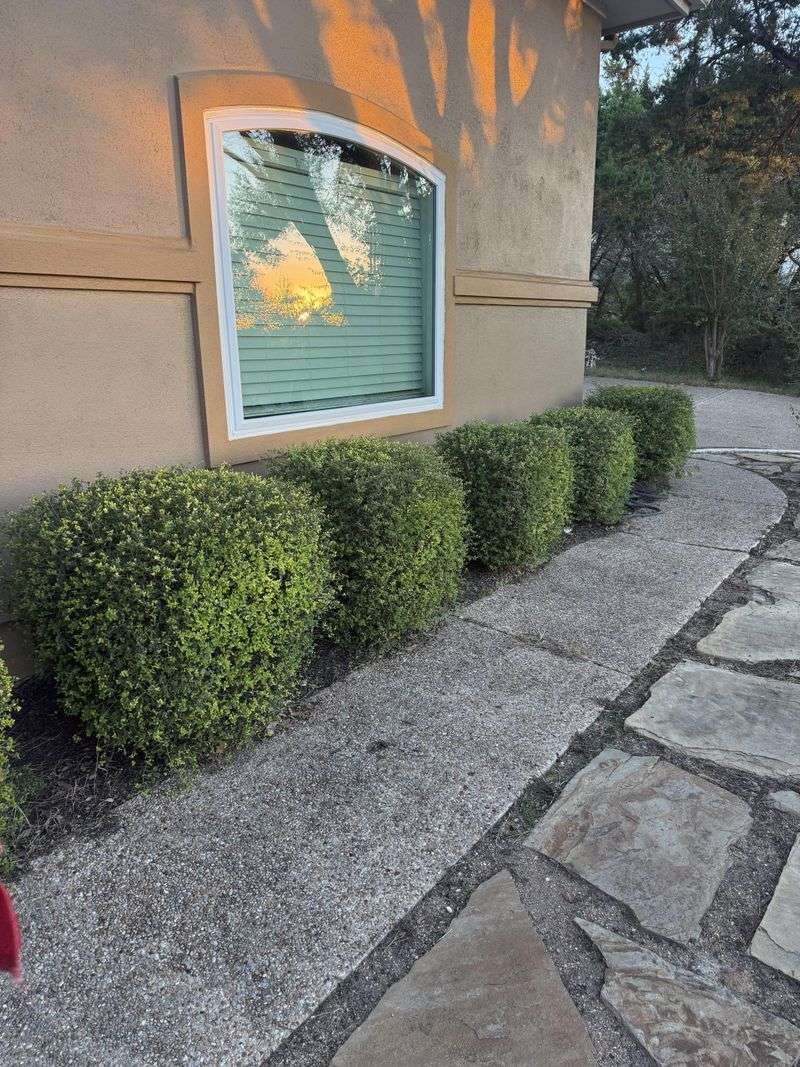
Boxwood has a reputation for being one of the most reliable foundation shrubs around, and for good reason. When kept trimmed and tidy, it creates a clean, defined border that looks intentional and polished.
More importantly for rodent control, a well-maintained boxwood hedge is easy to inspect regularly for signs of burrowing or nesting activity.
The key word here is maintained. Boxwood that is allowed to grow thick and unruly at the base becomes exactly the kind of dark, sheltered space that rats seek out.
But when trimmed with a flat bottom and kept elevated slightly off the soil, it offers almost no usable cover for rodents at ground level.
Compact varieties like Green Velvet or Winter Gem stay small and manageable without constant cutting, making them practical choices for homeowners who want a neat look without a lot of upkeep.
These varieties handle the cooler winters in northern parts well and bounce back reliably each spring.
Planting boxwood in a single-row border rather than a thick mass planting keeps the structure open and easy to monitor.
Pull any leaf litter away from the base regularly, since fallen debris can create hiding spots even when the shrub itself is tidy.
Pair boxwood with gravel mulch instead of bark to further reduce ground-level shelter. With a bit of seasonal attention, boxwood delivers both curb appeal and practical rodent deterrence along any foundation.
5. Compact Juniper Leaves Less Ground-Level Clutter
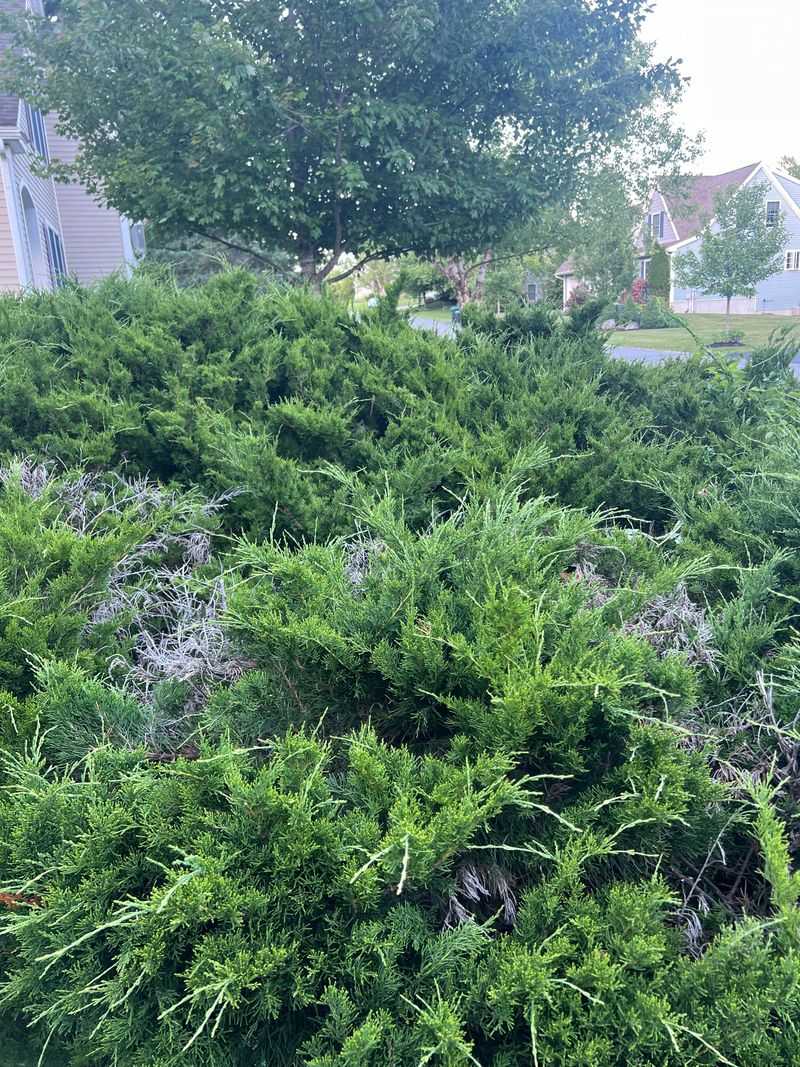
This might not be the flashiest shrub on the block, but it brings a quiet toughness that makes it genuinely useful along foundations.
Its prickly, scale-like foliage is uncomfortable to move through, and its natural oils produce a sharp scent that rats find unpleasant.
Together, those two qualities make it an effective low-effort deterrent.
The trick with juniper is choosing the right variety. Spreading types like Blue Star or Blue Chip stay low and slow-growing, which means they do not build up the kind of thick interior mess that becomes a rodent hotel over time.
Their growth stays visible and relatively open, especially when planted with proper spacing and kept free of debris.
One practical habit that makes a real difference is raking out any accumulated needles and withered material from under the branches each season.
Juniper can collect debris at its base over time, and that layer of dry material is exactly what rats look for when searching for nesting material.
A quick seasonal cleanup removes that temptation entirely.
Juniper handles the dry summers in eastern and southern parts with ease, needing very little supplemental water once established.
It also holds up through cold winters without losing its deterrent properties, since the foliage stays intact year-round.
For gardeners who want a plant that requires minimal intervention but keeps doing its job through every season, compact juniper is a dependable and practical choice for any foundation planting plan.
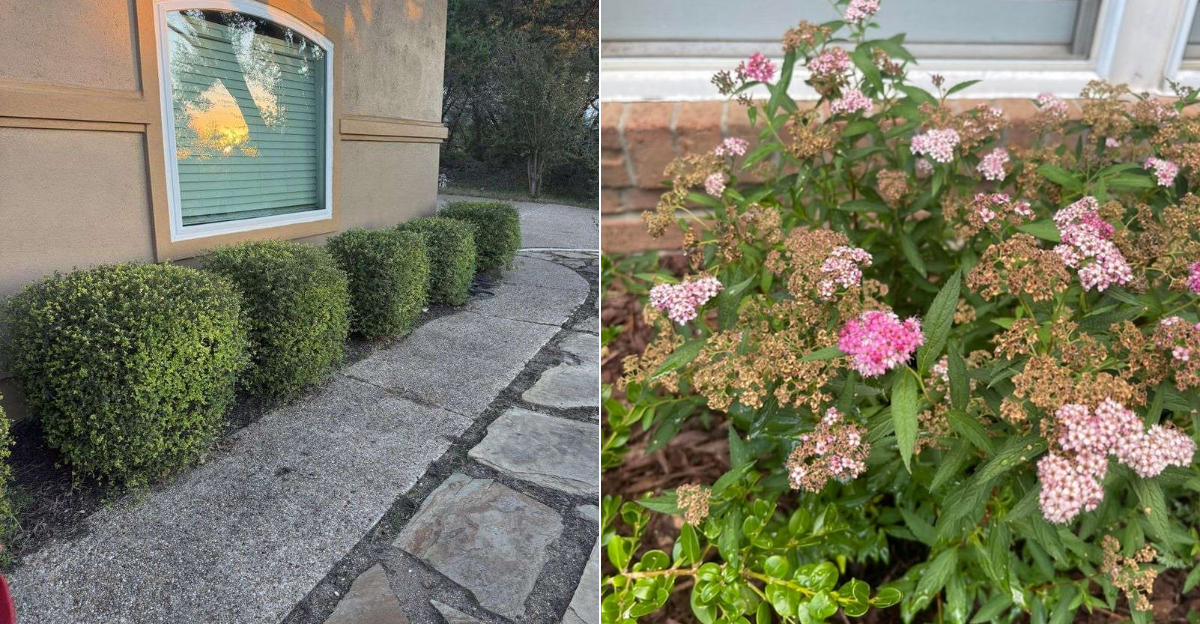
6. Spirea Adds Color Without A Dense Thicket
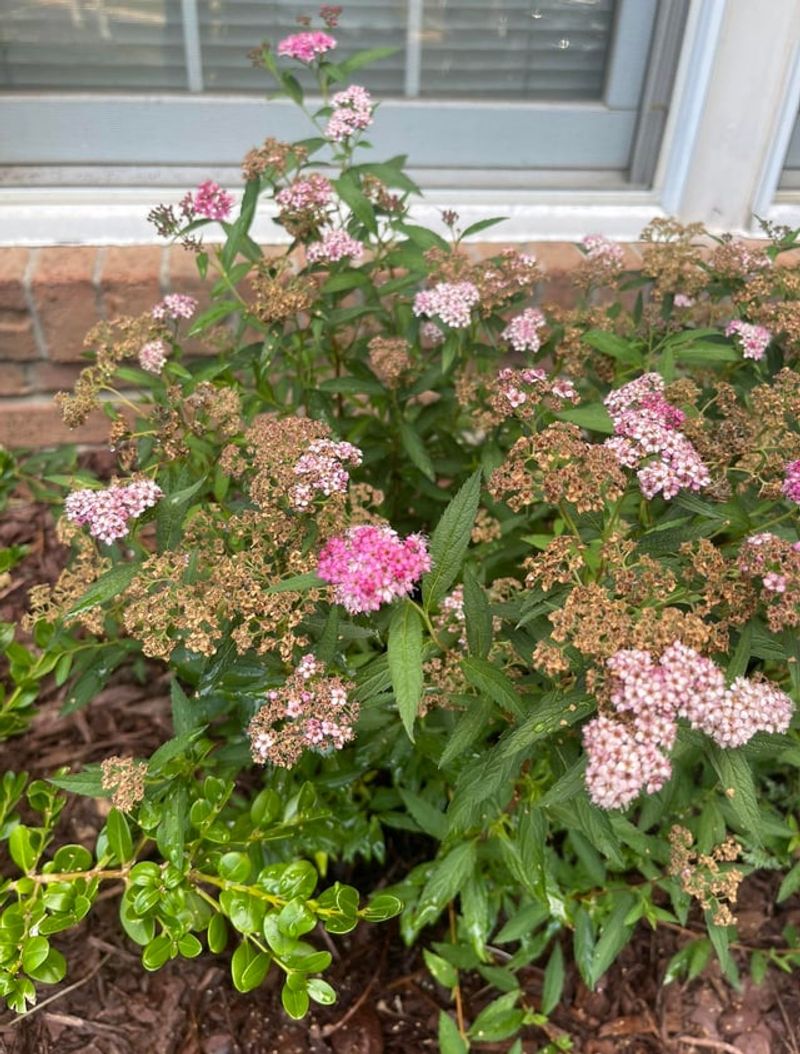
Color and function do not always go hand in hand in the garden, but spirea manages to deliver both at once.
This cheerful shrub blooms in shades of pink, white, and red depending on the variety, and its light, arching branches never form the kind of dense, ground-hugging mass that invites rodent activity.
That open, airy structure is one of its biggest strengths as a foundation plant.
Rats favor thick, low shrubs where they can move around without being seen. Spirea simply does not offer that.
Its branches arch upward and outward rather than spreading flat along the ground, which keeps the base of the plant relatively exposed and visible. That exposure is a natural deterrent because rodents feel vulnerable in open spaces.
Varieties like Little Princess or Magic Carpet stay compact and well-behaved, topping out at two to three feet tall.
They fit neatly into foundation beds without overwhelming the space or growing into neighboring plants.
Both handle the mild, wet winters typical of western parts of Oregon without any special protection.
Cutting spirea back hard in late winter or early spring encourages fresh, vigorous growth and prevents the plant from becoming twiggy and dense at the center.
That seasonal reset also gives you a chance to check the area around the base for any signs of rodent activity.
Spirea rewards minimal care with reliable blooms and a tidy, open habit that keeps foundation beds looking great and rodent traffic low.
7. Potentilla Stays Low And Easy To Maintain
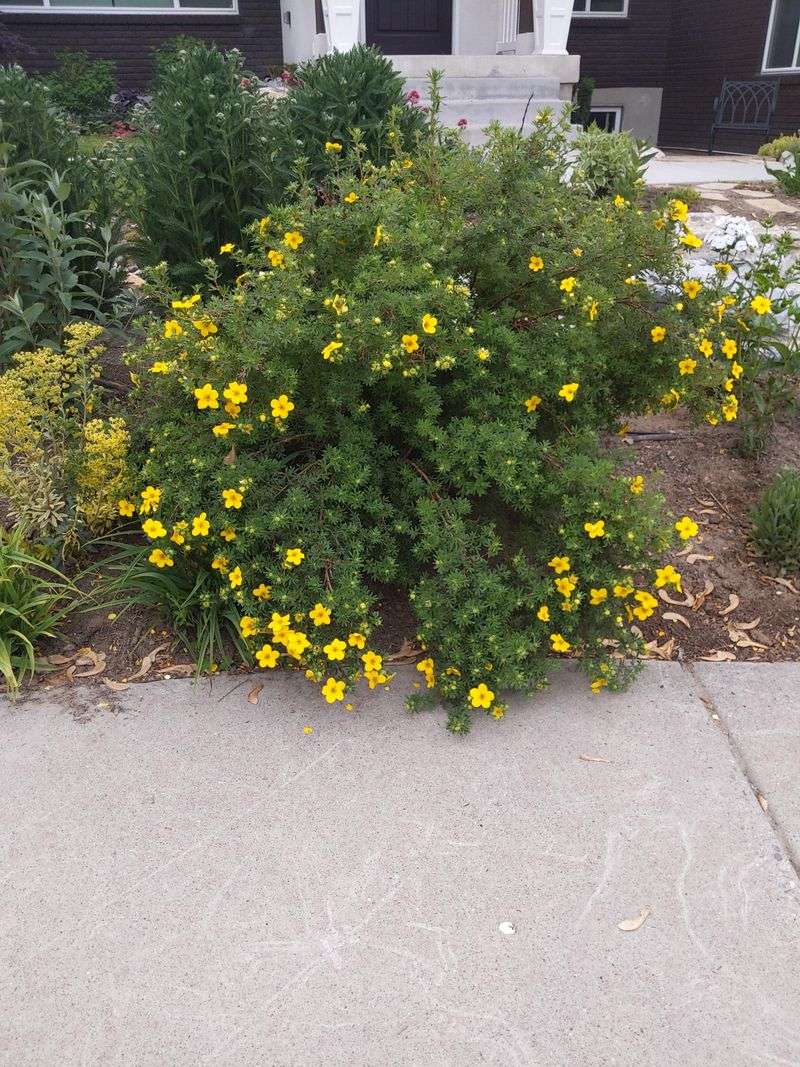
Not every gardener wants to spend weekends pruning and fussing over foundation shrubs. Potentilla is the plant for those who want results without a heavy maintenance commitment.
This tough little shrub blooms reliably from late spring all the way into fall, producing cheerful yellow, white, or orange flowers on a naturally tidy, rounded frame.
What makes potentilla especially useful near foundations is its fine-textured foliage and loose, open growth habit. There are no thick interior branches or low-hanging masses where rats could comfortably set up a nest.
The plant simply does not create that kind of environment, which is exactly the point when you are trying to keep rodents away from your home.
Potentilla handles the climate in our state well across a wide range of conditions. It tolerates both the wet winters of the coast and the colder temperatures found in higher elevation areas.
Full sun brings out the best bloom production, but it manages well in partial shade too, making it flexible enough for most foundation exposures.
Pruning once a year in early spring, cutting back about one-third of the plant’s total height, keeps potentilla fresh and encourages strong new growth. Beyond that, it asks for very little.
Water it during dry stretches while it gets established, and then it largely takes care of itself.
For a foundation shrub that stays small, stays tidy, and keeps rodents from finding a comfortable foothold, potentilla is a quietly excellent choice that rarely gets enough credit.
8. Ninebark Works Best When Given Room To Grow
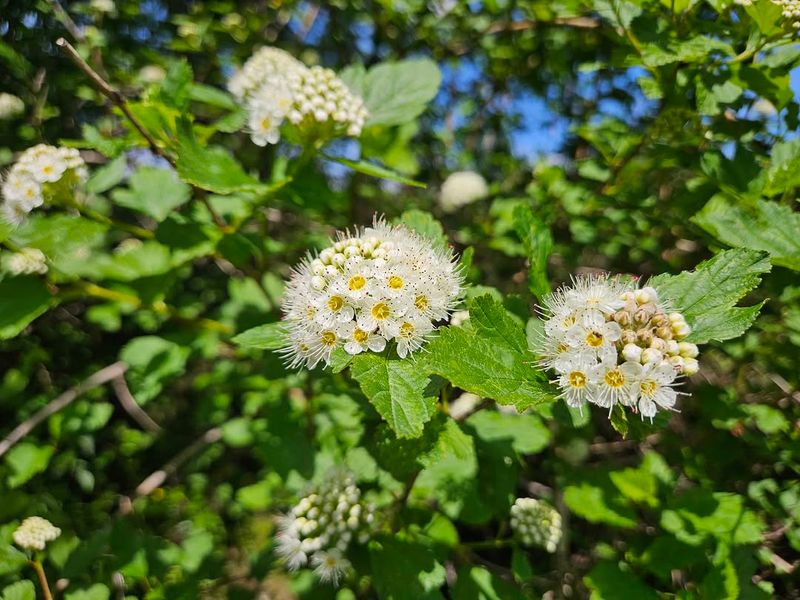
Ninebark is a shrub that earns respect the more you learn about it. Its peeling, layered bark gives it a striking year-round presence, and its bold foliage in shades of burgundy, gold, or green adds real visual interest to any foundation bed.
But beyond looks, ninebark has a growth habit that works in your favor when it comes to keeping rats away.
The branches of ninebark arch upward and outward from a central base, leaving the ground beneath them relatively open and visible.
That open base discourages rats from using the area as a travel corridor or nesting site, since they prefer cover that starts right at ground level.
When the base stays clear, the plant becomes far less attractive to rodents looking for a place to settle in.
Compact varieties like Tiny Wine or Little Devil are better suited to tight foundation spaces than the full-sized types, which can reach six feet or more.
Giving even the smaller varieties a bit of extra room, at least three feet from the foundation wall, allows air to circulate and prevents moisture buildup that could attract pests over time.
Pruning out the oldest stems at the base every couple of years keeps ninebark from getting too crowded at the center.
That renewal pruning also gives you a clear look at the ground around the plant, making it easy to spot any rodent activity early.
Ninebark is a bold, resilient choice that earns its place in any foundation planting designed to keep your home protected.