These Oregon Weeds Set Seed In August And Will Create Problems For Three Years If You Miss Them Now
Some weeds are easy to dismiss in August. They blend into flower beds, hide between garden plants, and look like a problem that can wait until tomorrow.
That is exactly when they become a bigger headache. Late summer is when certain weeds are finishing their most important task: spreading their next generation across your yard.
Once those seeds reach the soil, they can keep showing up season after season, making every future cleanup more frustrating.
The tricky part is that the weeds causing the biggest trouble are not always the ones that look the most impressive.
A quick walk around your property can reveal the plants that need attention before they lock themselves into your landscape for years.
1. Himalayan Blackberry Spreads Before Fall Cleanup Begins
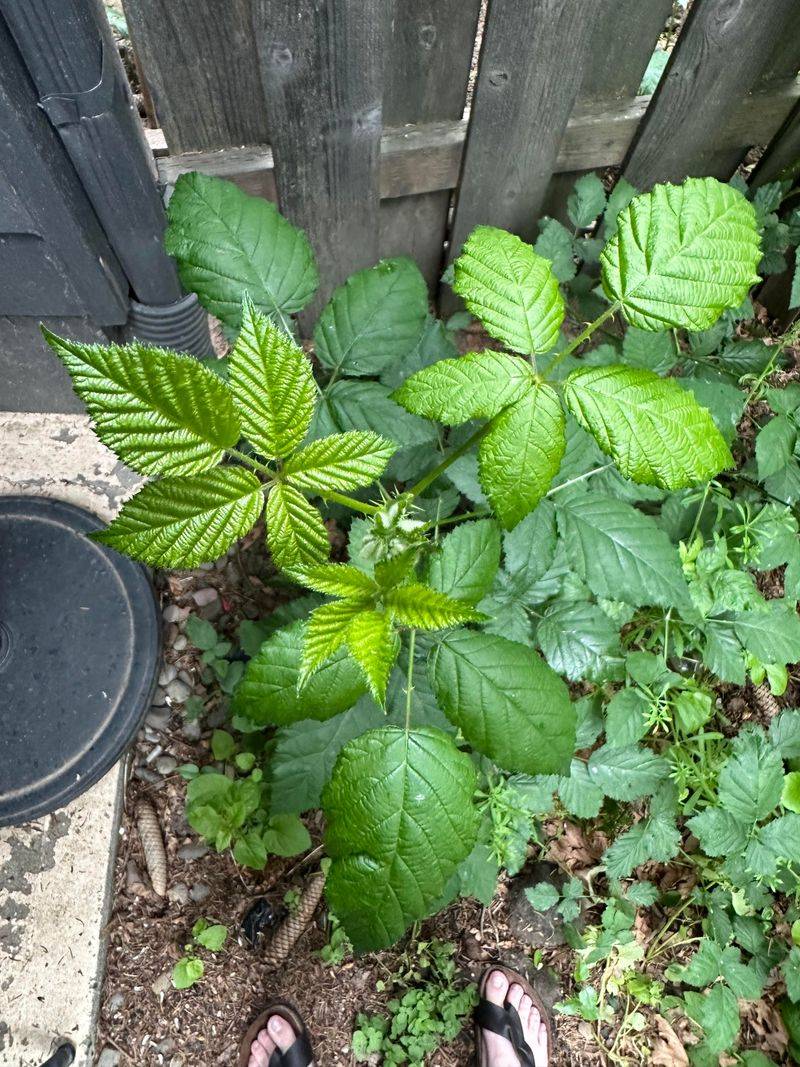
Few plants cause as much frustration in Pacific Northwest gardens as Himalayan blackberry. Originally brought over from Europe, it has taken over roadsides, fence lines, and backyards across Oregon at an alarming rate.
By August, its berries are ripening fast, and birds love to eat them and spread the seeds far and wide.
Each berry holds several seeds, and a single plant can produce hundreds of berries in one season. Those seeds pass through birds and land in new spots, ready to sprout next spring.
The canes also root wherever they touch the ground, so one plant quickly becomes a thicket.
The best time to cut it back is right now, before those berries fully ripen and drop. Use thick gloves and long sleeves because the thorns are sharp and painful.
Cut the canes as low to the ground as possible and bag the cuttings before any berries fall off.
Do not compost Himalayan blackberry clippings with berries on them. The seeds can survive the composting process and sprout later in your garden beds.
Dispose of them in yard waste bins instead.
Cutting alone will not stop it permanently. The root system is deep and stores energy for regrowth.
Plan to come back every few weeks and cut any new growth before it can establish itself again. Staying consistent through fall gives you the best chance of gaining control.
2. Bindweed Seeds Keep Coming Back After Summer Ends
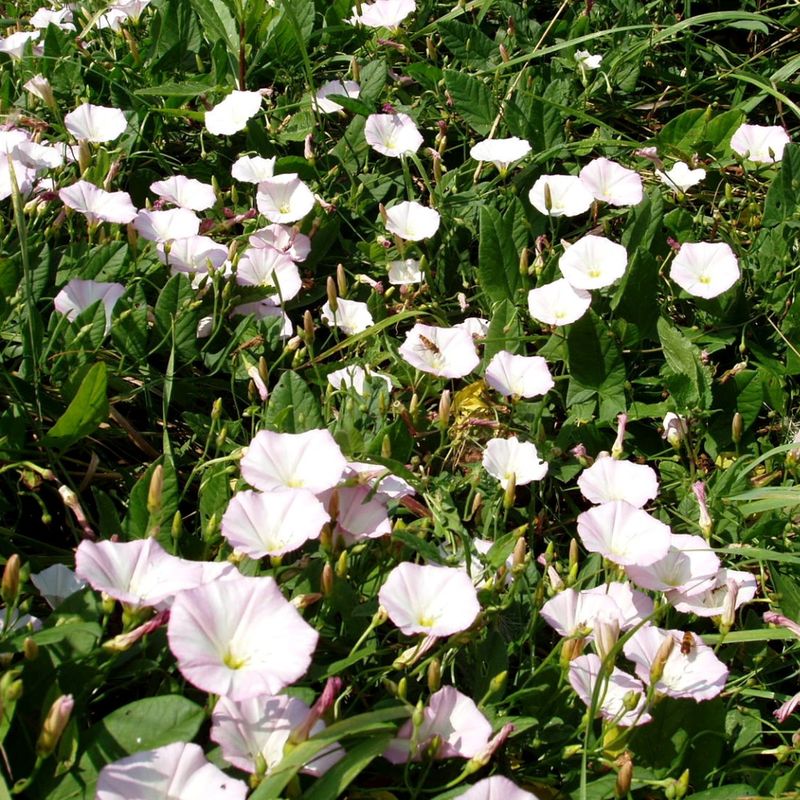
There is a reason Oregon gardeners groan when they spot bindweed in their beds. This twisting, climbing vine wraps itself around other plants and smothers them while looking almost pretty with its small white or pink flowers.
By August, those flowers have already turned into seed pods full of long-lasting seeds.
What makes bindweed especially tricky is that its seeds can stay dormant in the soil for up to 30 years. Yes, you read that right.
Even if you clear it this season, seeds already in the ground from previous years will keep sprouting. That is why catching it before it adds even more seeds to the soil is so important.
Pull bindweed out by the roots when the soil is moist, like after watering or a light rain. Dry soil causes the roots to snap and leave pieces behind, and each piece can regrow into a new plant.
Your Oregon Garden Changes Every Week. Your Plan Should Too.
Gardening in Oregon changes quickly throughout the season. Every Friday you’ll receive a simple weekly plan showing exactly what to plant, prune, fertilize, harvest, and protect so you never miss the right timing.
Be patient and thorough. Covering cleared areas with a thick layer of mulch helps block new seedlings from getting enough light to sprout. About three to four inches of wood chip mulch works well.
Keep checking the area weekly and remove any new shoots right away before they get established.
Bindweed spreads through both seeds and underground roots, so you need to tackle both at once. Consistent pulling combined with good mulching gives you the strongest defense against this stubborn summer invader.
3. Canada Thistle Sends Seeds Across The Yard
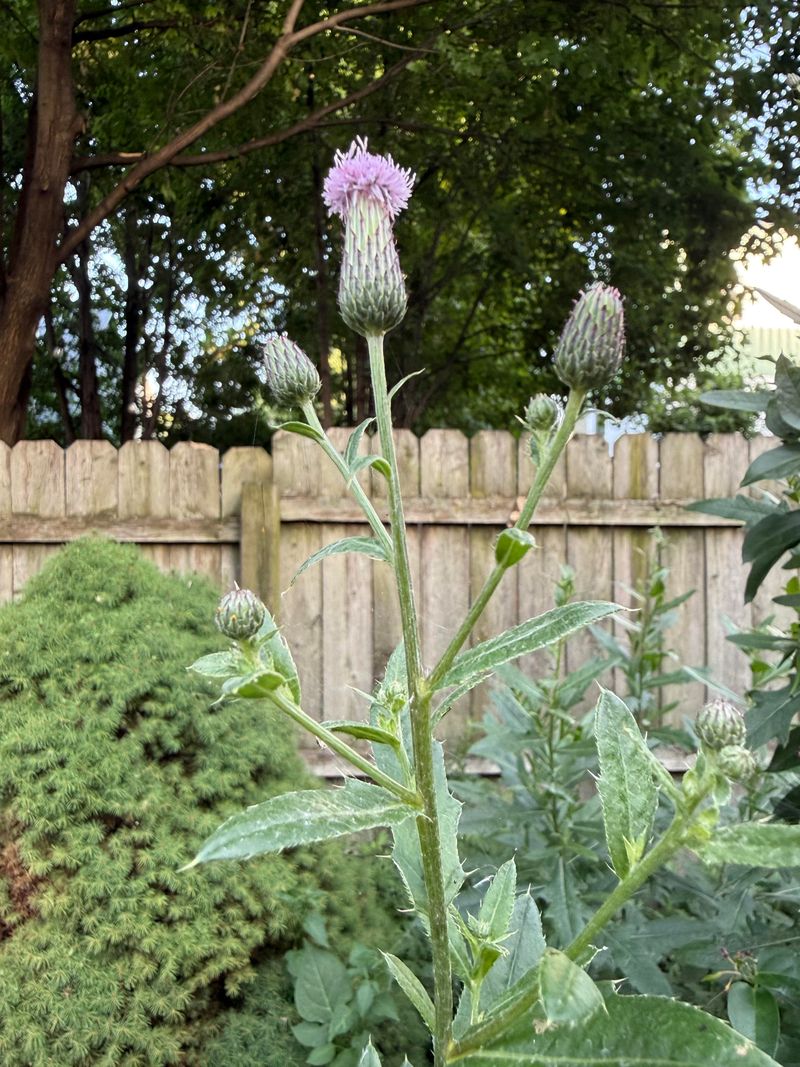
Watch a Canada thistle on a breezy August day and you will see exactly why it is so hard to control.
Each flower head turns into a cluster of silky white seeds that float through the air like tiny parachutes, traveling dozens of feet before landing.
One mature plant can release thousands of seeds in a single season.
What makes this weed even more persistent is its deep root system. The roots can reach several feet underground and send up new shoots even after the top growth is removed.
Cutting or mowing it without getting the roots only slows it down temporarily.
The best strategy right now is to catch it before the seed heads open. Look for flower heads that are starting to turn fluffy and white.
Clip them off carefully and place them directly into a bag without shaking them. Even a slight breeze can scatter seeds during removal.
After removing the seed heads, cut the plants down as low as possible. Repeat this process every time new growth appears.
Over time, repeated cutting weakens the root system by preventing the plant from storing energy through photosynthesis.
Covering the area with cardboard and thick mulch after cutting can help prevent regrowth from seeds already in the soil. Neighbors with Canada thistle nearby can send seeds into your yard, so staying alert throughout fall is key.
Regular checks make a big difference in keeping this weed from taking over.
4. Crabgrass Turns August Seeds Into Next Year’s Problem
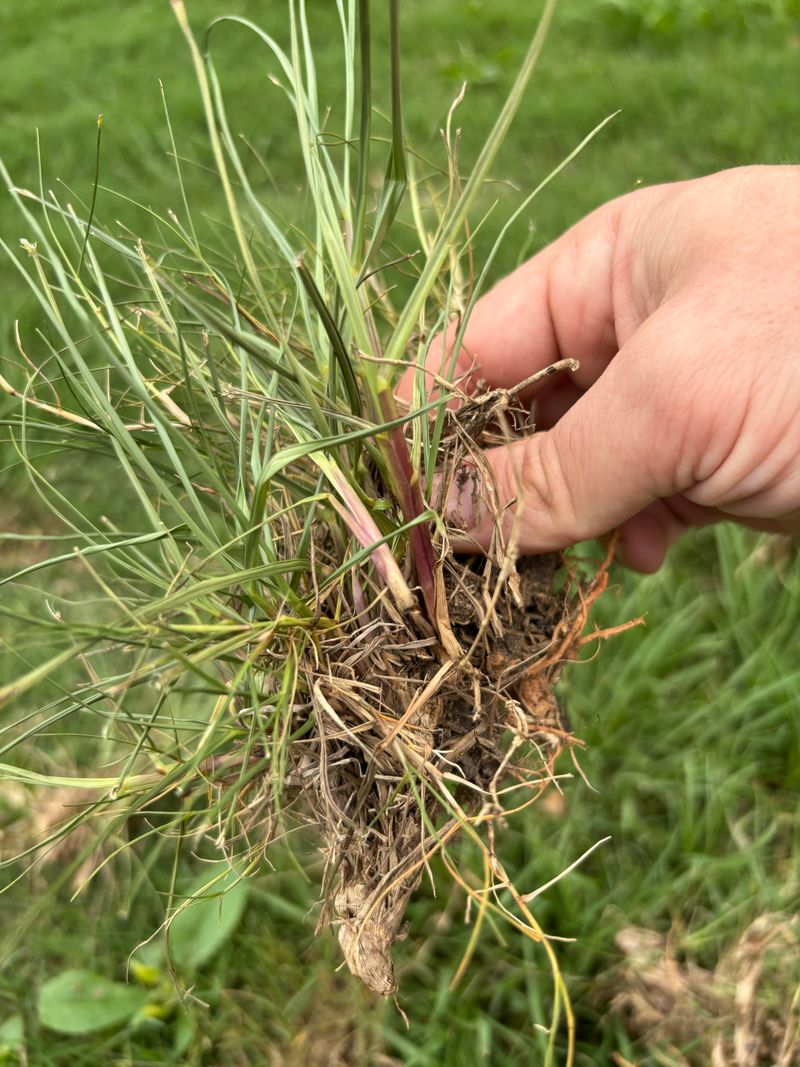
Crabgrass is one of those weeds that sneaks into a lawn so gradually you almost do not notice until it has spread across a large patch.
By August, it is at peak seed production, and each plant can drop up to 150,000 seeds before the season ends.
Those seeds sit in the soil all winter and sprout the following spring.
The plant thrives in thin, dry, or compacted lawn areas where grass struggles to grow. Hot August sidewalks, bare patches near driveways, and stressed turf are all prime spots for crabgrass to settle in.
It spreads low to the ground, which makes it hard to pull out cleanly.
Right now is actually a great time to act. Pull plants by hand or use a weeding tool to get the roots out before seeds mature and fall.
The earlier in August you do this, the fewer seeds will have already dropped into the surrounding soil.
After removing the plants, fill the bare spots quickly with grass seed or sod. Bare soil is an open invitation for crabgrass to return next spring.
Thick, healthy turf is your best long-term defense because it shades the soil and prevents crabgrass seeds from getting the light they need to sprout.
Water your lawn deeply but less frequently to encourage deep grass root growth. Shallow watering keeps the top inch of soil moist, which is exactly the condition crabgrass seeds love.
Adjusting your watering habits now helps reduce future problems significantly.
5. Dandelions Scatter Seeds Before You Notice
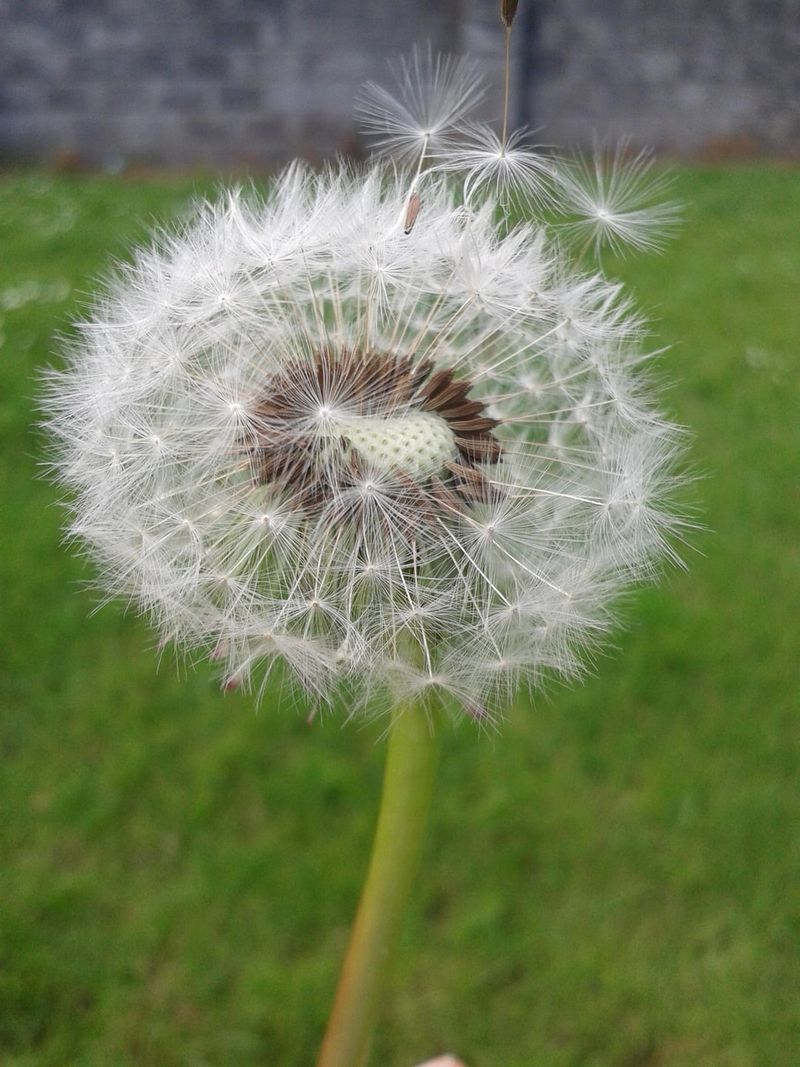
Most people know a dandelion when they see one, but fewer realize just how quickly those familiar white puffballs can scatter seeds across an entire yard. A single seed head holds up to 200 seeds, and each one floats easily on even the lightest breeze.
August brings a second round of seeding that many homeowners miss because they focused on the spring flush.
Each seed that lands on bare or thin soil has a good chance of sprouting and establishing a new taproot before winter sets in.
That taproot can grow over a foot deep, making spring removal much harder. Getting ahead of the second-wave seeding now is a smart move.
When you spot a dandelion with a puffball, do not blow on it out of habit. Carefully place a plastic bag over the seed head before pulling the plant out of the ground.
This keeps the seeds contained and prevents accidental scattering during removal.
A dandelion weeder or long-handled fork works well for getting the taproot out in one piece. If you snap the root, the plant will regrow.
Moist soil after rain or watering makes the job much easier and more effective.
Keeping your lawn thick and healthy is the best prevention. Dandelions love gaps in turf.
Overseeding thin areas in late summer fills those gaps before seeds from nearby plants can claim the space. A well-fed lawn crowd out weeds naturally over time with very little extra effort.
6. Bittercress Leaves Behind More Garden Invaders
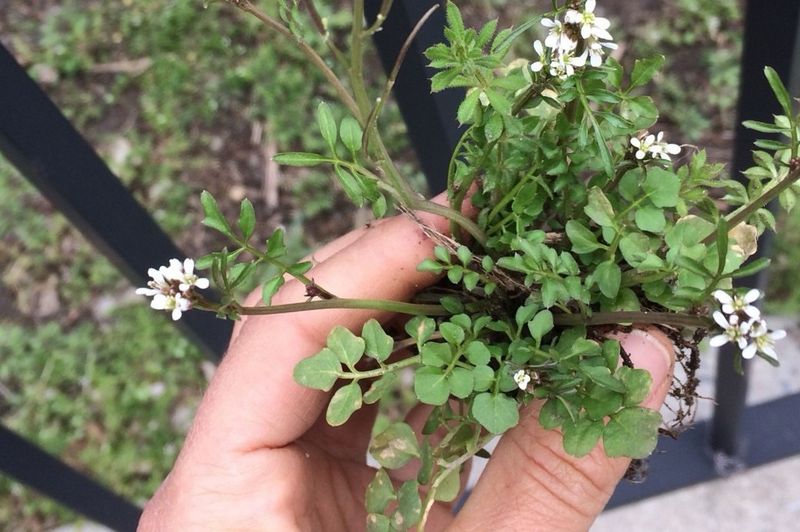
Bittercress might be small, but do not let its size fool you. This low-growing weed has one of the most explosive seed-dispersal tricks in the plant world.
When its seed pods are ripe, even the lightest touch sends seeds flying several feet in every direction. Gardeners who try to pull it out too late often make the problem worse by triggering that seed launch.
By August, a second generation of bittercress is often finishing its seed cycle in shaded, moist garden beds. It especially loves spots under shrubs, along fence lines, and near drip irrigation heads where the soil stays consistently damp.
Those conditions let it complete its life cycle faster than most weeds.
The key is to remove it before the pods turn from green to tan. Green pods are still safe to pull.
Tan or brown pods are ready to explode. Move slowly and deliberately when weeding areas with bittercress, and avoid shaking the plants unnecessarily.
Collect pulled plants in a bucket rather than tossing them aside. Even detached plants with ripe pods can still launch seeds after being pulled.
Seal them in a bag before putting them in the trash or yard waste bin.
Applying a fresh layer of fine mulch after clearing an area helps suppress new seedlings. Bittercress seeds need light to germinate, and a good layer of mulch blocks that light effectively.
Keeping beds covered year-round is one of the simplest ways to stay ahead of this sneaky little weed.
7. Creeping Buttercup Takes Over Damp Oregon Soil
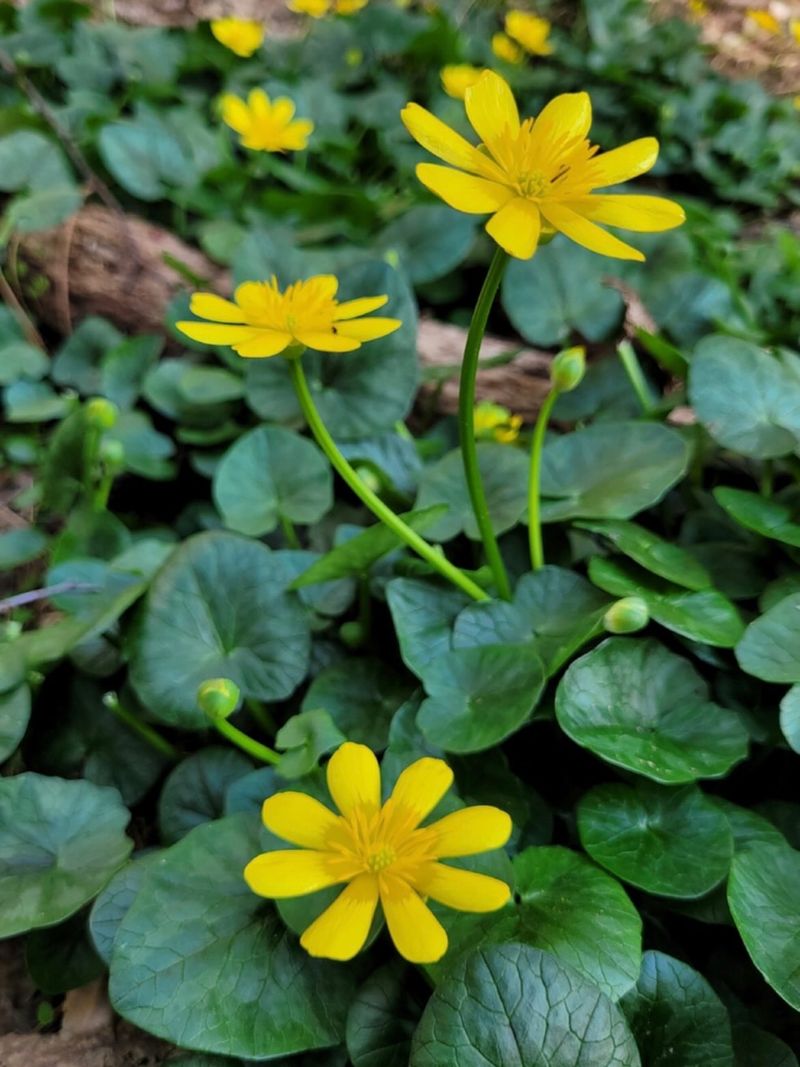
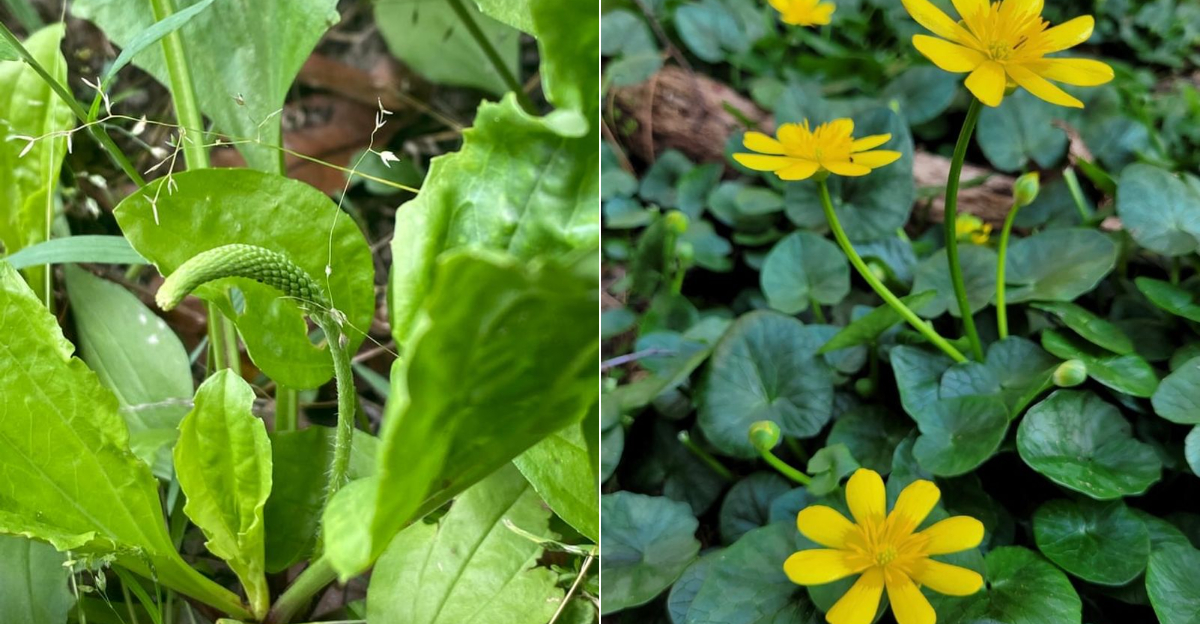
Wet corners of the yard, shaded low spots, and areas near downspouts are the favorite hangouts of creeping buttercup.
This low-growing weed spreads aggressively through both runners and seeds, and August is when it ramps up seed production before fall arrives.
Once it gets a foothold in damp soil, it forms dense mats that crowd out grass and garden plants.
The runners root at every node they touch, which means a single plant can cover a square foot or more in just a few weeks.
Each rooted section becomes a new independent plant, making it feel like the weed multiplies overnight.
Seeds add another layer of spread that can carry the plant into new areas farther away.
Hand-pulling works best when the soil is soft and wet. Grab the plant at the base and pull slowly to get as much of the root system as possible.
Leaving root fragments behind will result in regrowth, so take your time with each plant.
Improving drainage in affected areas is a long-term solution worth considering. Creeping buttercup struggles in well-drained soil, so addressing the underlying moisture issue makes the area less hospitable over time.
Adding organic matter to heavy clay soils helps improve drainage gradually.
After clearing, overseed the area with a shade-tolerant grass mix to fill in the gaps. A dense grass cover prevents seeds from finding bare soil to germinate in.
Checking damp corners of the yard every two weeks through fall helps you catch any regrowth before it gets out of hand.
8. Plantain Seeds Fill Bare Spots In Lawns
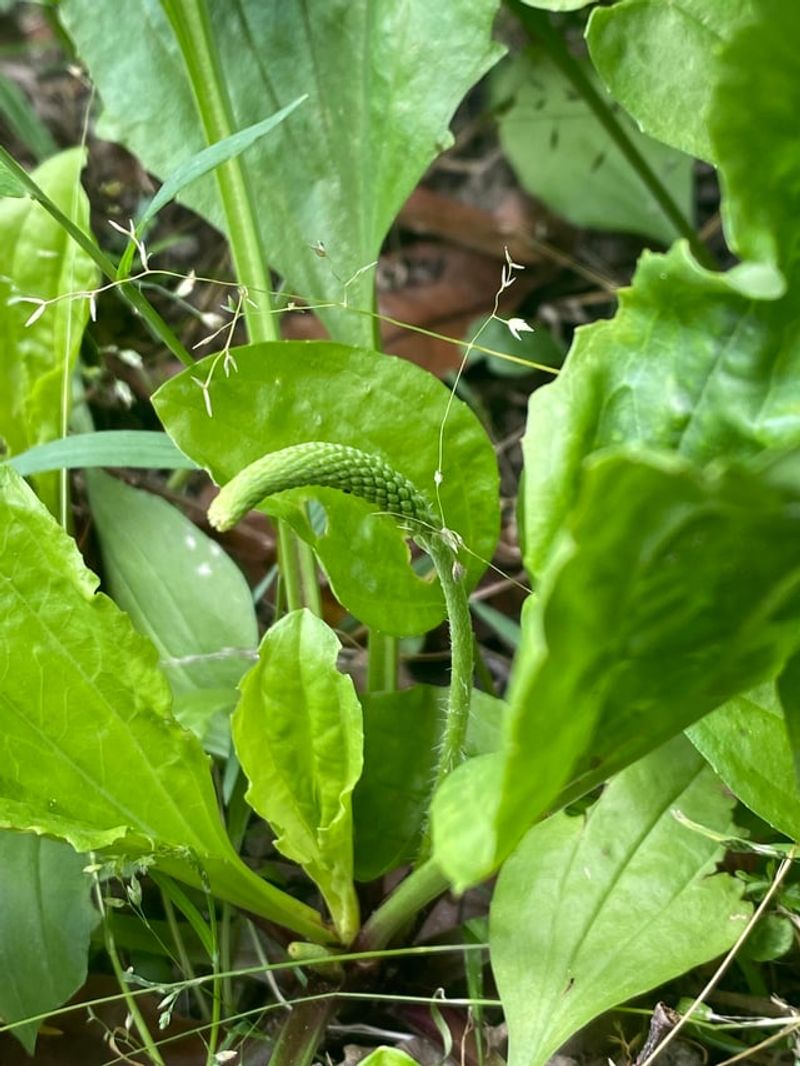
By August, its tall, narrow seed stalks are packed with tiny seeds ready to drop into any bare or thin patch of turf. Each plant can produce thousands of seeds in a single season, and those seeds can stay viable in the soil for several years.
Plantain is tough because it handles foot traffic, drought, and poor soil conditions better than most lawn grasses. That resilience is exactly what makes it such a successful weed.
Where grass gives up, plantain moves in and fills the gap quickly and quietly.
Removing plantain now, before the seed stalks finish maturing, stops this season’s seed drop.
Use a dandelion fork or narrow weeding tool to get under the central taproot and pull the whole rosette out in one motion.
Leaving the root behind means the plant will regrow from the crown.
After pulling, scratch up the bare spot and press in some quality grass seed. Water it lightly each day until the grass establishes.
Filling bare spots quickly is the best way to stop plantain and other opportunistic weeds from reclaiming the space next spring.
Feeding your lawn with a balanced fertilizer in late summer also helps grass compete more effectively. Healthy, thick grass is a natural weed barrier.
A lawn that is well-fed and properly watered gives weeds like plantain far fewer opportunities to settle in and spread their seeds around.
9. Annual Bluegrass Returns From Tiny Seeds
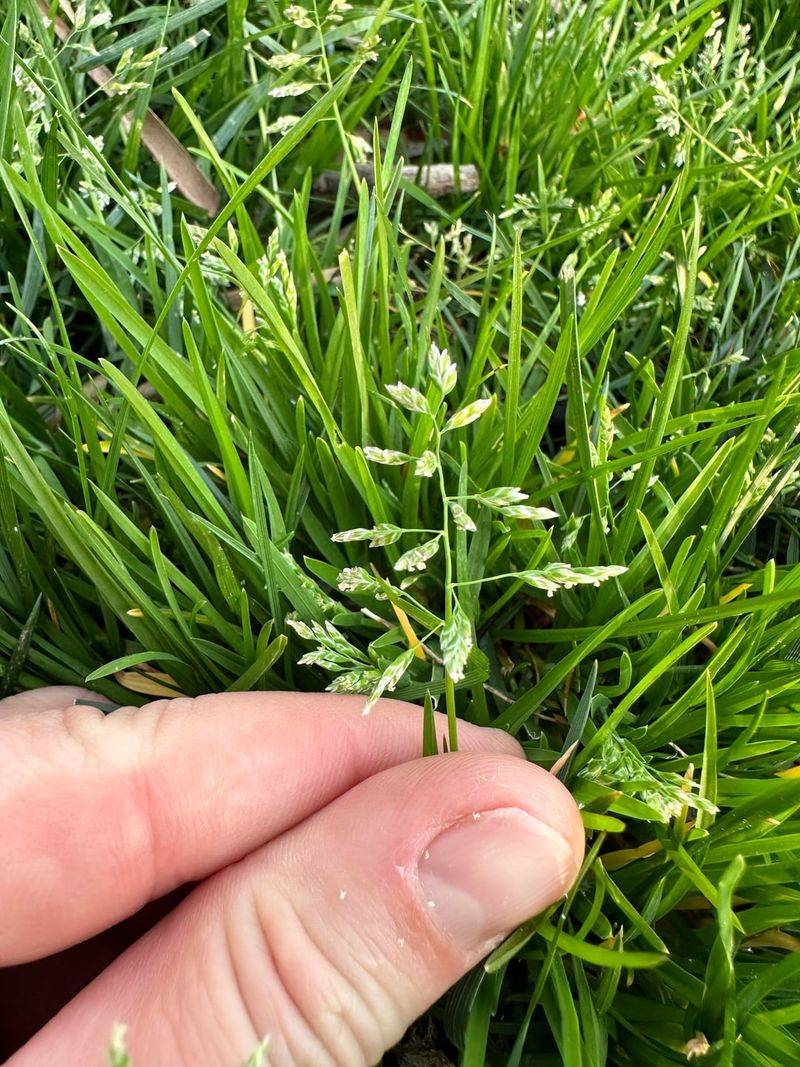
Annual bluegrass might look harmless with its light green, soft-textured clumps, but it is one of the most persistent lawn weeds in Oregon.
It produces seeds almost constantly from spring through late summer, and those seeds are incredibly small and easy to miss.
By August, a patch of annual bluegrass that was overlooked earlier in the season has already dropped thousands of seeds into the surrounding soil.
What makes this weed so hard to get ahead of is its ability to complete its life cycle quickly. It can go from seedling to seeding plant in just a few weeks under warm conditions.
That speed means multiple generations can establish in a single season without much notice.
Pulling clumps by hand before they produce new seed heads is the most direct approach. The roots are shallow, so removal is easy when the soil is moist.
Try to pull the whole clump without shaking it, since even partially formed seeds can still mature and scatter after the plant is detached.
Improving lawn density is the most effective long-term strategy. Annual bluegrass struggles to compete in thick, well-maintained turf.
Overseeding thin areas in late August or early September with a quality perennial grass mix helps crowd it out over time.
Avoid overwatering, since annual bluegrass thrives in consistently moist, shallow soil. Watering deeply and less often encourages your lawn grass to root deeply while making conditions less favorable for this persistent little weed.
Small changes in how you care for your lawn add up to big results over a few seasons.