Why Georgia Tomato Plants Are Flowering But Not Setting Fruit Right Now
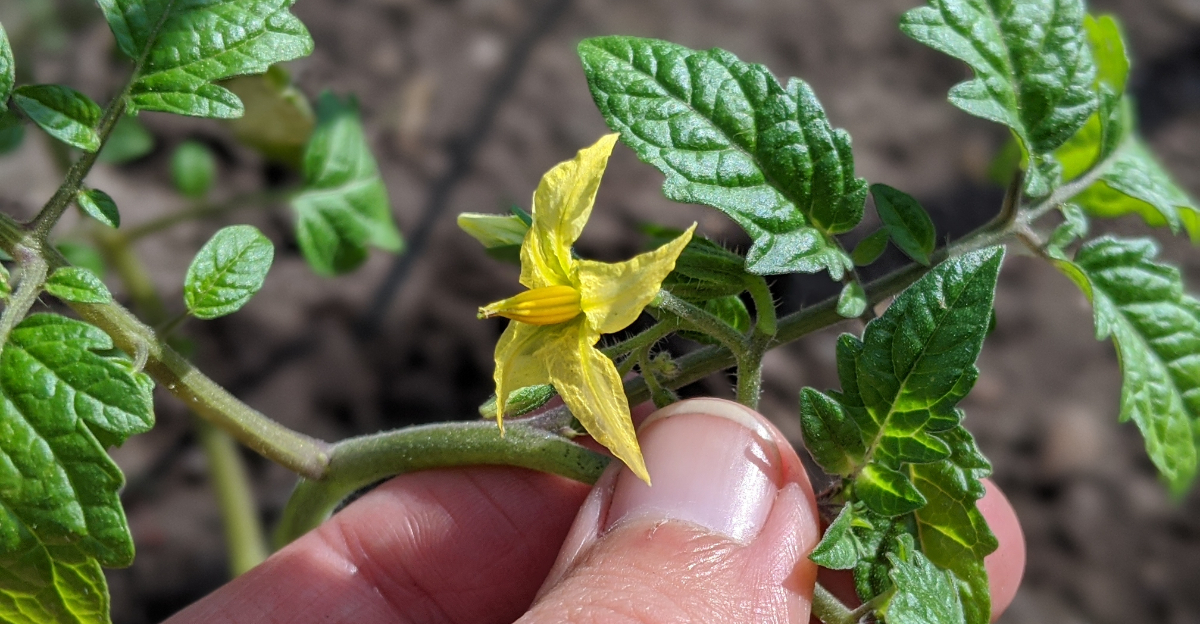
Tomato plants covered with flowers should be exciting to see. Instead, you keep checking the vines and wondering why nothing new is growing.
Everything looks healthy from a distance. Bright leaves and fresh blooms make it seem like a harvest is just around the corner.
Hot weather can quietly interrupt the next step without leaving obvious warning signs.
In Georgia, this happens every summer, even in well-cared-for vegetable gardens. Plenty of beautiful flowers disappear before a single tomato has the chance to develop.
Now is the time to pay closer attention instead of waiting.
Those empty blossoms are trying to tell you something. Spotting the real reason early can make a surprising difference before the season begins to change.
1. High Temperatures Can Stop Fruit From Forming
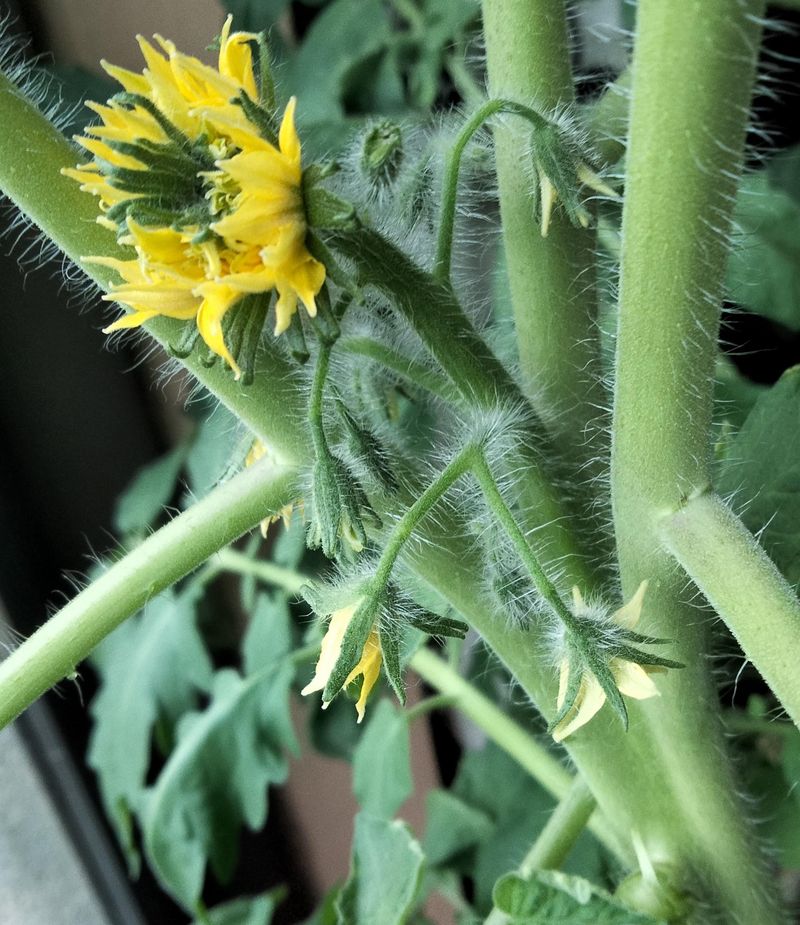
Scorching heat is one of the top reasons tomato flowers drop before fruit ever starts forming. When daytime temperatures climb above 90 degrees Fahrenheit, tomato pollen can become dry and non-viable.
At that point, pollination simply does not work the way it should.
Tomatoes need temperatures roughly between 55 and 85 degrees Fahrenheit during the day to set fruit reliably. Once heat pushes past that range, the plant may keep producing flowers, but those flowers rarely develop into tomatoes.
The blooms look healthy, then fall off within a day or two.
Georgia summers push well past 90 degrees for weeks at a time. During those stretches, fruit set often slows or stops on heat-sensitive varieties.
Choosing heat-tolerant varieties like Solar Fire or Heatmaster can make a real difference in summer production. These varieties are bred specifically to set fruit under high-heat conditions.
Mulching heavily around the base of plants helps keep soil temperatures lower. That alone can reduce plant stress during peak heat.
Watering in the early morning also keeps roots cooler heading into the hottest part of the day. Small adjustments like these can support the plant while it waits for slightly cooler conditions to return.
2. Warm Nights Reduce Successful Pollination
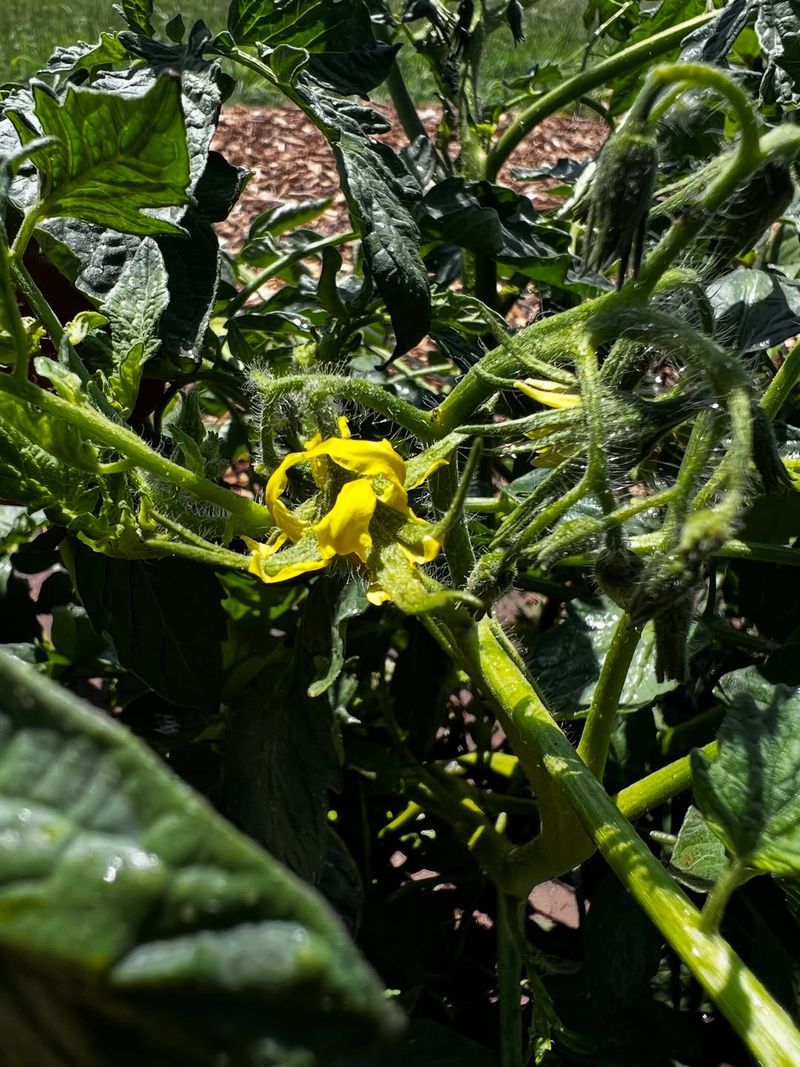
Nighttime temperatures matter just as much as daytime heat when it comes to tomato pollination. When nights stay above 70 degrees Fahrenheit, the pollen tube that carries fertilization to the ovary can struggle to function properly.
Fruit set drops significantly under those conditions.
Warm nights are a real problem across the Southeast during June, July, and August. Humidity stays high, temperatures barely cool off, and tomato plants sit in stress mode through the night.
That repeated stress adds up fast and keeps fruit from forming consistently.
Pollen viability is sensitive to both heat and humidity. Sticky or clumped pollen does not transfer well, even if bees and other pollinators visit the flowers regularly.
A flower can be visited and still fail to set fruit if the pollen is not in good condition.
One practical approach is to grow tomatoes on a spring schedule, starting transplants early enough that most fruit sets before the worst heat arrives. A fall planting, started in late July or early August, can also catch cooler nights in September and October.
Your Georgia Garden Changes Every Week. Your Plan Should Too.
Gardening in Georgia changes quickly throughout the season. Every Friday you’ll receive a simple weekly plan showing exactly what to plant, prune, fertilize, harvest, and protect so you never miss the right timing.
Timing your planting around temperature windows is one of the most effective tools a home gardener has. Waiting out the summer heat is sometimes the most realistic option available.
3. Too Much Nitrogen Encourages More Leaves Than Tomatoes
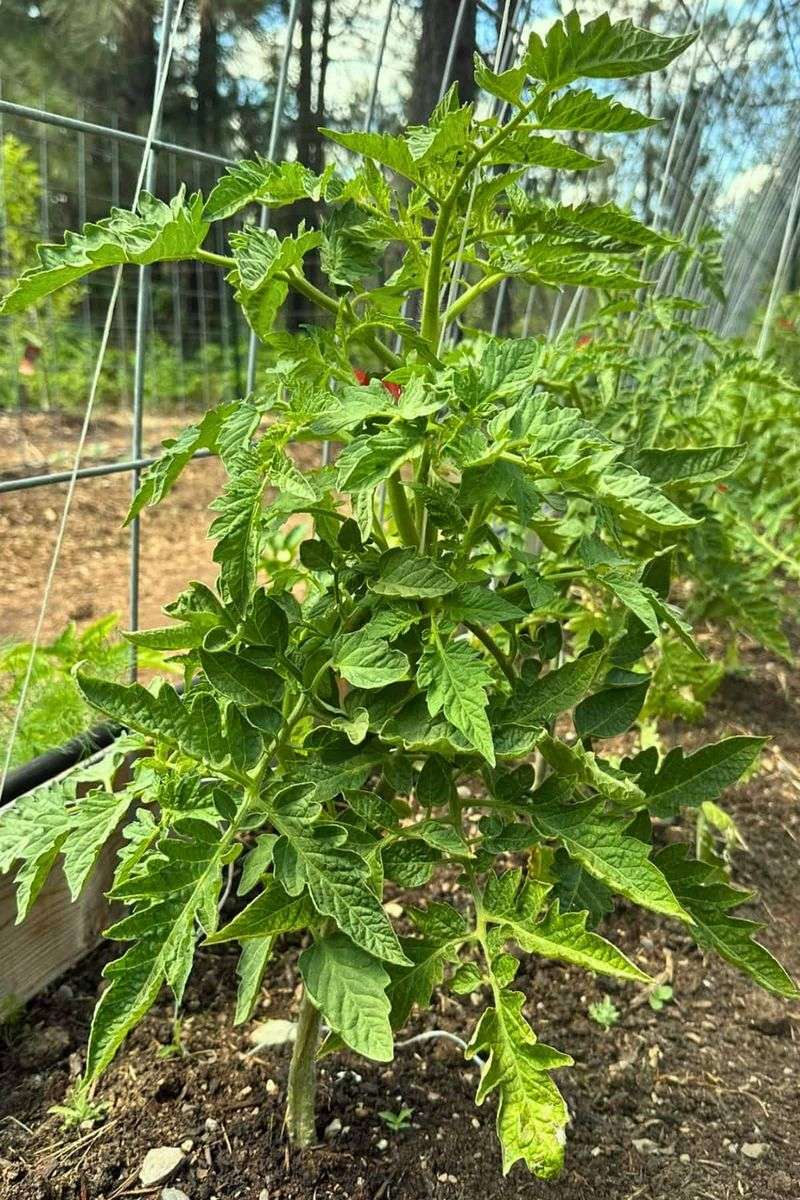
Lush, dark green tomato plants can actually be a warning sign. When plants get too much nitrogen, they put their energy into growing leaves and stems instead of producing fruit.
Flowers may appear but drop off before anything develops.
Nitrogen is the nutrient most responsible for leafy green growth. Tomatoes need some of it, especially early in the season.
But once plants start flowering, too much nitrogen shifts their energy in the wrong direction. Fruit set suffers while the plant keeps pushing out new growth that looks impressive but produces nothing edible.
Fertilizers high in nitrogen, like fresh manure or high-number lawn fertilizers, are common culprits. Using a balanced fertilizer or one higher in phosphorus once blooms appear can help redirect the plant’s energy toward fruit production.
Look for fertilizers labeled for tomatoes or vegetables with a lower first number in the N-P-K ratio.
Soil testing is a reliable way to know what your garden actually needs before adding anything. Many county extension offices in Georgia offer affordable soil tests.
Adding fertilizer without knowing your soil’s current levels is guesswork, and it can easily backfire. Cutting back on nitrogen during flowering and fruiting stages is a straightforward adjustment that often improves fruit set noticeably within a few weeks.
4. Irregular Watering Can Slow Fruit Set
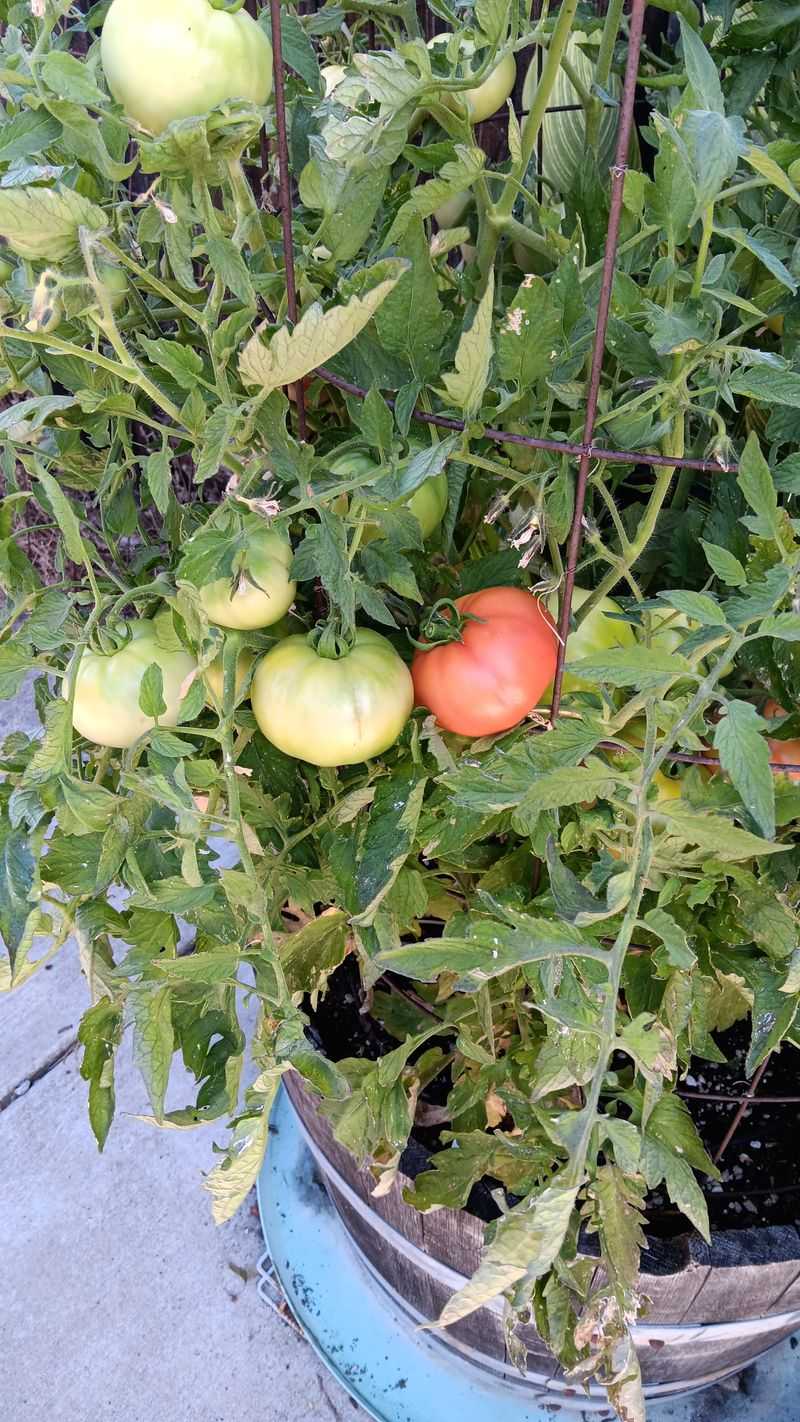
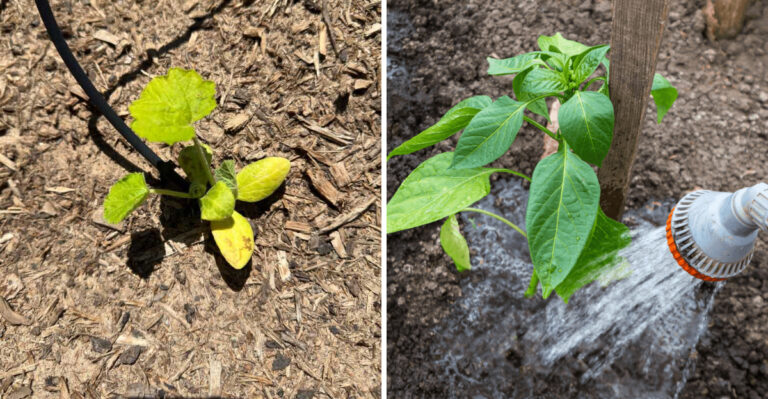
Watering habits have a bigger effect on fruit set than most gardeners expect. Inconsistent moisture, going from bone dry to soaking wet and back again, puts tomato plants under stress that interferes with pollination and early fruit development.
Flowers can drop before they ever get a chance to set.
Tomatoes prefer steady, even moisture throughout the growing season. Aim for about one to two inches of water per week, depending on heat and soil type.
Sandy soils drain faster and may need more frequent watering, while clay-heavy soils hold moisture longer but can become waterlogged.
Blossom end rot is another problem linked to irregular watering. It shows up as a dark, sunken spot on the bottom of developing fruit.
Inconsistent moisture disrupts calcium uptake in the plant, which leads to that damage. Keeping soil moisture stable helps prevent it from showing up in the first place.
Drip irrigation or soaker hoses are practical tools for maintaining consistent soil moisture. They deliver water directly to the root zone and reduce the wet-dry swings that cause stress.
Mulching over the soil surface also slows evaporation and keeps moisture levels more stable between watering sessions.
Consistent watering will not fix every fruit-set problem, but eliminating moisture stress removes one significant obstacle from the plant’s path.
5. Flowers Often Set Fruit When Temperatures Drop
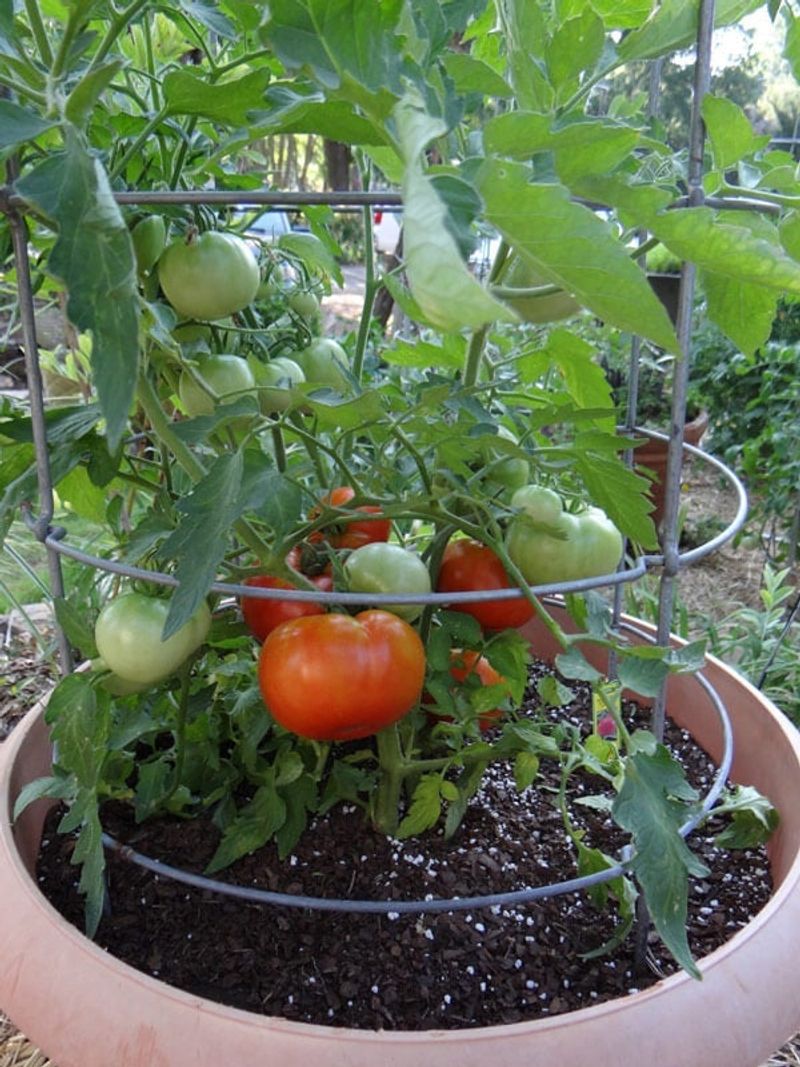
Patience pays off in the garden, especially with tomatoes in a hot climate. Once temperatures begin to drop in late summer and early fall, tomato plants often bounce back and start setting fruit at a much better rate.
Many gardeners see their best fruit set of the year happen in September and October.
Cooler nights below 70 degrees Fahrenheit allow pollen to remain viable longer. Flowers that might have dropped during peak summer heat begin developing into actual tomatoes.
Plants that looked unproductive for weeks can suddenly be covered in small green fruit within a short stretch of milder weather.
Fall is actually a second growing season for tomatoes across the Southeast. Starting new transplants in late July gives plants time to establish before the heat breaks.
By mid-September, those plants are often in full production mode with ideal temperatures supporting strong fruit set.
Keeping existing summer plants alive and healthy through the hottest stretch means they are ready to produce as soon as conditions improve.
Consistent watering, some afternoon shade, and avoiding heavy pruning during heat stress all help plants stay in good shape.
A plant that survives the summer in decent condition can reward you with a solid fall harvest once cooler air arrives. Timing and persistence matter as much as any other factor.
6. Healthy Pollen Is Essential For Fruit Development
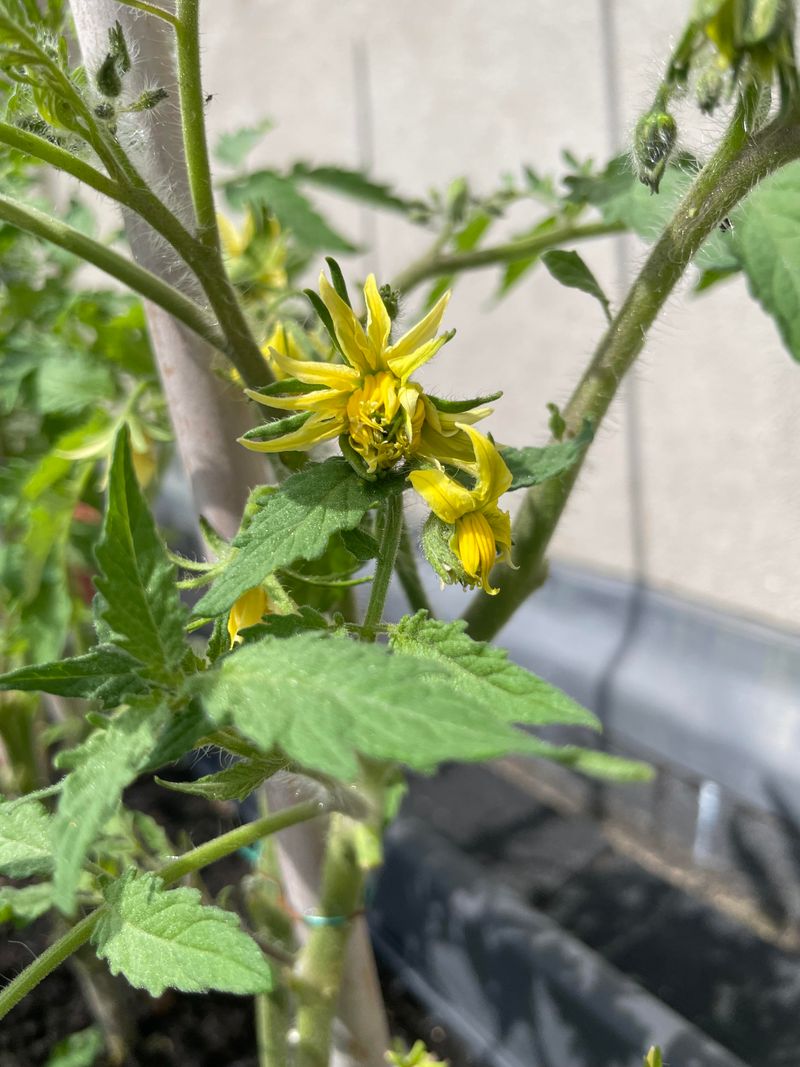
Without viable pollen, a tomato flower has no path to becoming fruit. Pollen quality depends heavily on temperature, humidity, and plant health.
When any of those factors fall outside the right range, pollen can fail even if everything else looks fine from the outside.
Tomato flowers are self-pollinating, which means they carry both male and female parts. But they still need a trigger to release pollen effectively.
Wind and vibration from bees are the most common natural triggers. Without that movement, pollen may not transfer from the anther to the stigma inside the same flower.
Electric toothbrushes and battery-powered pollinators are tools some gardeners use when natural pollinator activity is low.
Gently buzzing the flower stem mimics the vibration bees create and can improve fruit set during periods when pollinator visits are limited. It sounds unusual, but it works reasonably well in practice.
Plant stress from heat, drought, or nutrient imbalance can also reduce pollen quality directly. A plant struggling to stay hydrated in summer heat is not producing its best pollen.
Keeping plants healthy through consistent care gives pollen the best chance of being viable when flowers open.
Supporting local pollinator populations by avoiding broad-spectrum pesticides during bloom time also helps improve natural pollination rates across the garden.
7. Afternoon Shade Can Improve Fruit Set During Heat Waves
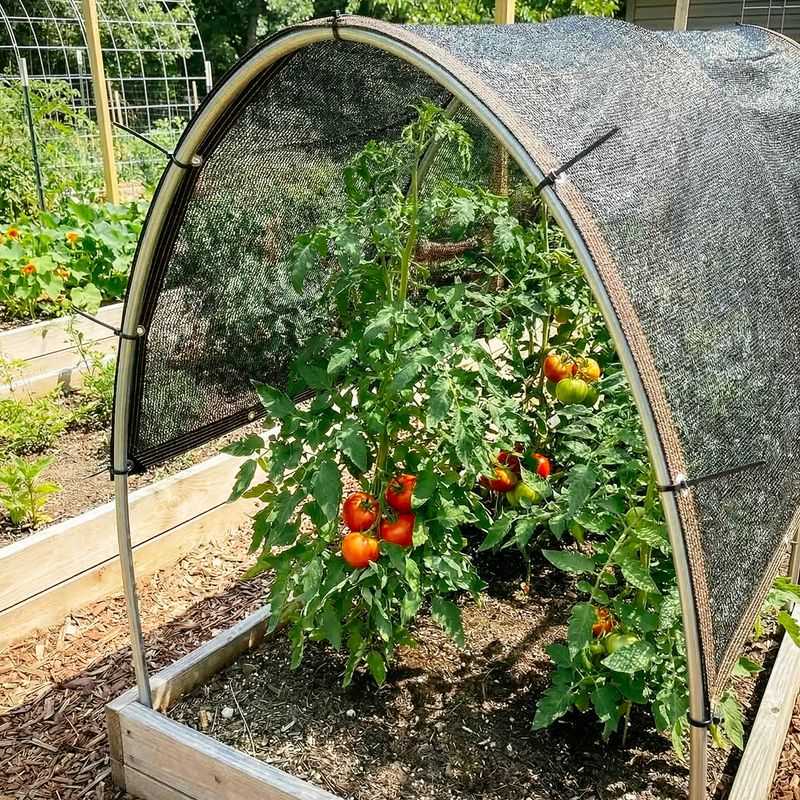
Shade cloth is one of the most underused tools in a hot-climate garden.
Providing afternoon shade during heat waves can lower leaf temperature noticeably, reduce plant stress, and create conditions where pollination has a better chance of succeeding.
Even partial shade from a nearby structure can help.
Tomato plants in full sun during peak summer heat often experience what gardeners call heat stress. Leaves may curl, flowers drop, and growth slows.
Moving heat away from the plant even slightly, through shade cloth rated at 30 to 40 percent, can reduce those symptoms without cutting off too much light for photosynthesis.
Positioning matters when using shade cloth. Afternoon sun from the west is more intense than morning sun.
Blocking that western exposure during the hottest hours of the day, roughly between 2 and 5 p.m., offers the most benefit without shading plants during cooler morning hours when they are more productive.
Shade cloth frames do not have to be complicated or expensive. Simple PVC pipe structures or wooden stakes with fabric draped over them work well for most home gardens.
Removing the shade cloth once temperatures moderate in early fall lets plants return to full sun production.
Across Georgia, this approach has helped many gardeners bridge the gap between a slow summer and a productive fall harvest without losing established plants to prolonged heat stress.