These Are The Georgia Cool-Season Crops To Sow Right Now For Fall
Most people look at a hot August garden and assume planting season is winding down. That is exactly when experienced gardeners begin thinking about what comes next.
Waiting for cooler weather feels like the safe choice. It can also mean missing one of the best planting windows of the year.
The garden does not wait for the calendar to flip. Good timing often makes a bigger difference than perfect conditions.
In Georgia, gardeners who plan ahead usually enjoy a much longer harvest. They know the next season begins before summer truly feels finished.
Do not let the heat convince you there is nothing left to plant. A little effort now can keep your garden busy for months.
Fall vegetables reward people who think one step ahead instead of one season behind.
Getting started now gives your garden the opportunity to stay productive long after summer fades.
1. Broccoli Rewards An Early August Planting
August planting sounds early, but broccoli needs every bit of that lead time. Heads take roughly 60 to 80 days to form, depending on the variety.
Starting seeds indoors around early August and transplanting in late August gives the plant time to establish before cooler weather settles in.
Broccoli prefers soil that drains well and stays consistently moist. Raised beds work especially well here because drainage is easier to control.
Aim for a spot that gets at least six hours of direct sun each day.
Side-dress with a balanced fertilizer about three weeks after transplanting. Broccoli is a heavy feeder and benefits from that extra boost.
Heads should be harvested before the small buds start to open, which usually happens faster than expected once temperatures cool.
Watch for cabbage worms and aphids, both of which tend to appear in fall gardens. Row cover fabric can help keep pests off without blocking too much light.
Varieties like ‘Belstar’ or ‘Gypsy’ tend to perform reliably in warm Southern climates and are worth seeking out at local garden centers.
You can also improve your chances of success by keeping the soil evenly moist during dry spells, especially while plants are getting established.
A layer of mulch helps hold in moisture, keeps the roots cooler, and reduces weed growth throughout the season.
2. Cabbage Develops Best Before Cold Weather Arrives
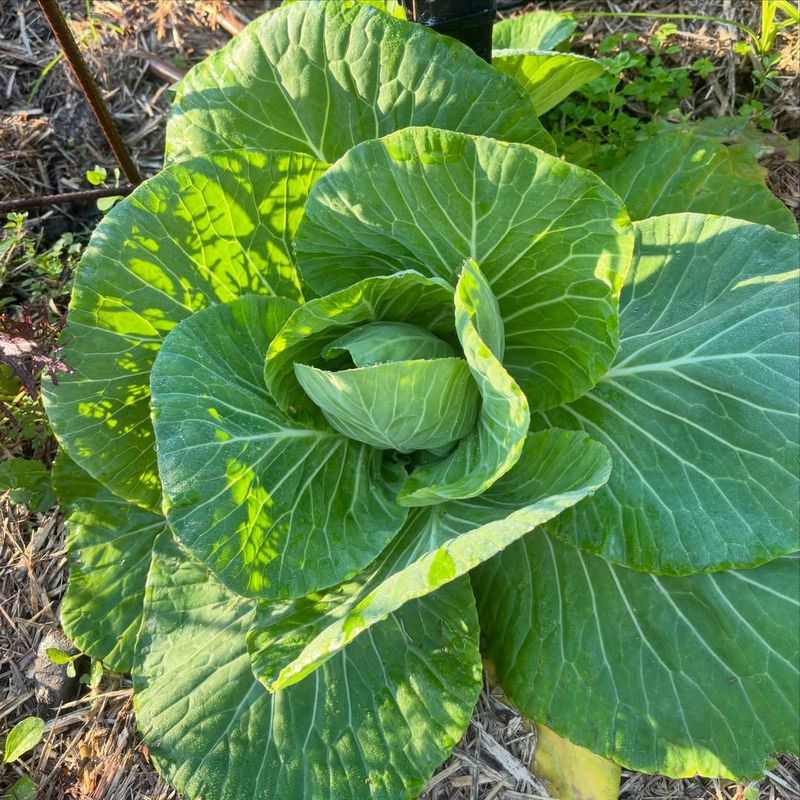
Cabbage is tougher than it looks, but it still needs time to form a solid head before hard freezes arrive. Transplants set out in late August through mid-September tend to do best in most of Georgia.
Direct seeding is possible, but transplants give you a more predictable timeline.
Compact varieties like ‘Stonehead’ or ‘Early Jersey Wakefield’ are well-suited for fall production. Larger varieties can struggle to finish in time if planted too late.
Spacing plants about 18 inches apart gives each head room to develop properly.
Consistent watering is key during head formation. Irregular moisture causes heads to crack, which reduces quality quickly.
Mulching around the base of each plant helps hold soil moisture and keeps soil temperature steadier as nights cool down.
Your Georgia Garden Changes Every Week. Your Plan Should Too.
Gardening in Georgia changes quickly throughout the season. Every Friday you’ll receive a simple weekly plan showing exactly what to plant, prune, fertilize, harvest, and protect so you never miss the right timing.
Cabbage tolerates light frost reasonably well, and flavor can even improve after a cold snap. That mild sweetness that develops in cool weather is one of the best reasons to grow it in fall.
Pest pressure from imported cabbageworm is common, so inspect the undersides of leaves regularly and remove eggs before they hatch.
Harvest cabbage in the morning when heads are coolest and crispest for the best flavor. Leaving mature heads in the garden too long can increase the chance of splitting after heavy rain.
3. Cauliflower Needs Time Before Autumn Temperatures Drop
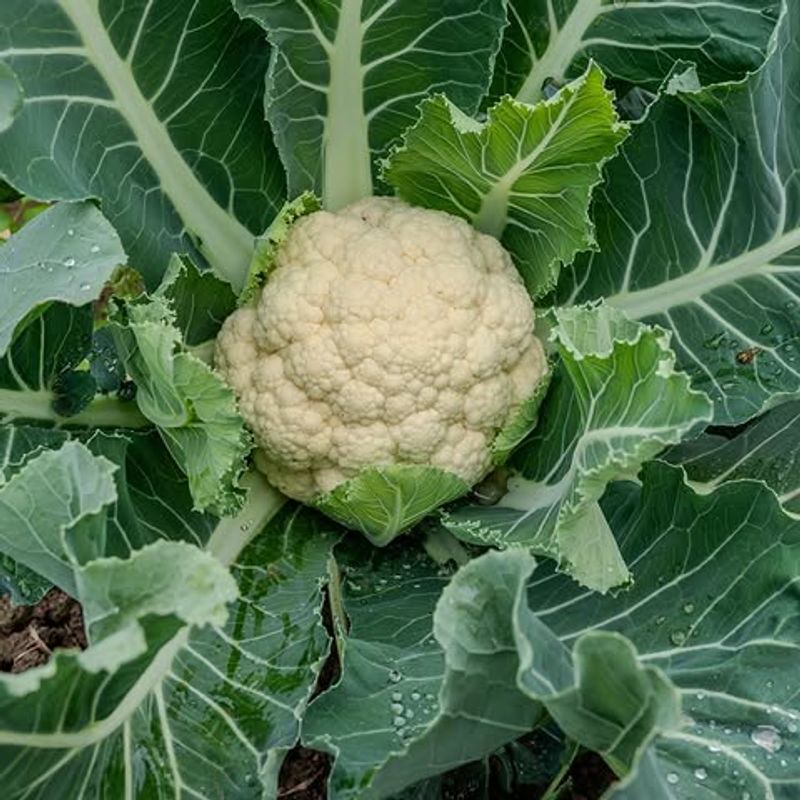
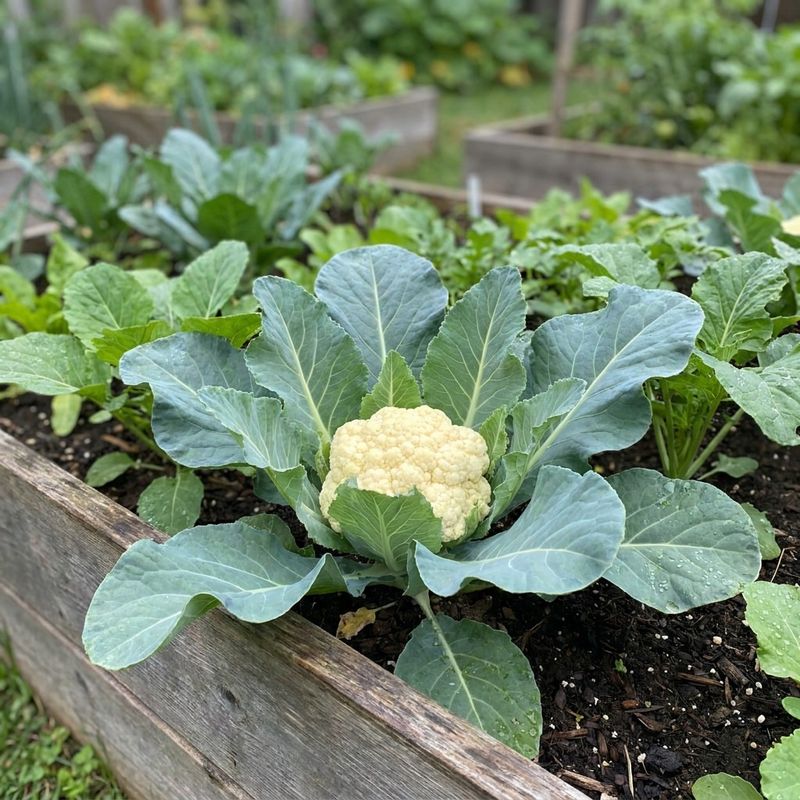
Cauliflower is the most demanding brassica in the fall garden, and that reputation is mostly deserved. Curds form best when daytime temperatures stay between 60 and 70 degrees Fahrenheit.
Planting too late means heads either stall or fail to form properly before cold sets in.
Transplants should go in the ground no later than mid-September across most of the state. Starting seeds indoors in early August gives you well-rooted transplants by the time you need them.
Choose self-blanching varieties like ‘Snow Crown’ or ‘Amazing’ to reduce the extra work of tying leaves over the developing head.
Soil preparation matters more with cauliflower than with most fall crops. Work in compost before planting, and make sure pH sits between 6.0 and 7.0.
Cauliflower is sensitive to boron deficiency, which can cause hollow stems and poor curd development, so a soil test beforehand is worth the effort.
Keep watering consistent and avoid letting the soil dry out between sessions. Stress during head formation causes off-color or loose curds.
Patience is part of growing cauliflower well, but a clean white head pulled from your own garden in October makes it worthwhile.
Cool nights help produce denser, better-quality curds, which is why fall is often more successful than spring for growing cauliflower.
A light layer of mulch also helps keep soil temperatures more even as the season changes.
4. Kale Grows Well As Days Become Milder
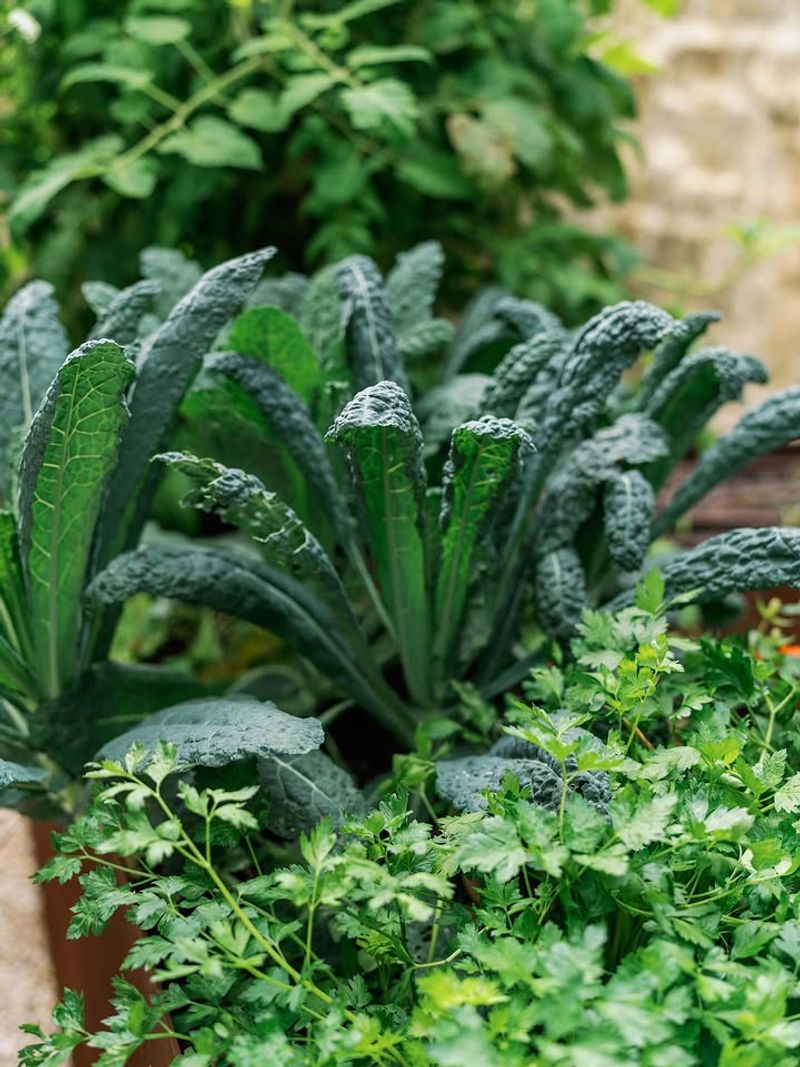
Kale might be the easiest brassica to grow in a Southern fall garden. It handles heat better than most of its cousins and keeps producing well into winter if temperatures stay mild.
Few vegetables offer that kind of flexibility.
Direct seeding works fine for kale. Scatter seeds about a quarter inch deep and thin seedlings to eight or ten inches apart once they reach a few inches tall.
Germination is usually quick, often within five to seven days when soil temperature sits around 60 to 70 degrees Fahrenheit.
Lacinato kale, also called dinosaur kale, holds up especially well in variable fall weather. Curly varieties like ‘Winterbor’ are also reliable and tend to produce heavily over a long season.
Both types can handle light frost without significant damage, and cold exposure often intensifies their flavor.
Harvest outer leaves as the plant grows rather than cutting the whole plant at once. Continuous harvesting encourages more leaf production and keeps the plant productive for weeks.
Kale is also relatively low-maintenance compared to other fall crops, making it a smart choice for gardeners who want steady results without a lot of fuss.
5. Carrots Turn Sweeter In Cooling Soil
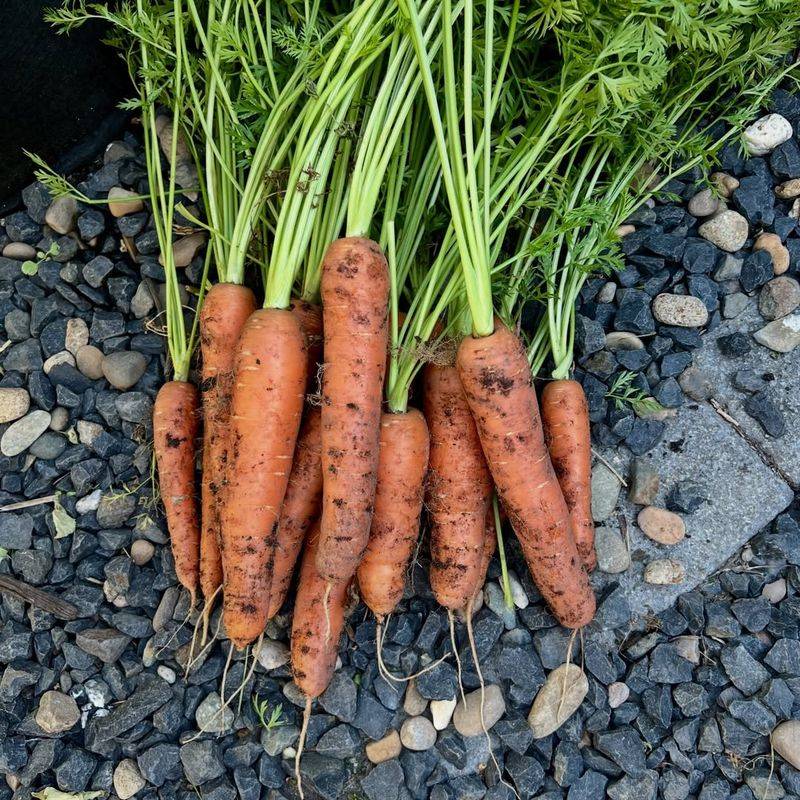
Carrots grown in fall often taste better than spring-grown ones, and the reason is simple. As soil cools, carrots convert starches into sugars, producing that sweet flavor most people associate with a really good carrot.
Planting now sets you up for that payoff.
Loose, deep, well-drained soil is non-negotiable for straight, full-sized roots. Rocky or compacted soil causes forked and stunted roots regardless of how well everything else goes.
Work the bed at least 12 inches deep and break up any clumps before seeding.
Sow seeds directly in the garden from late August through early October across most of the region. Thin seedlings to about two to three inches apart once they reach two inches tall.
Crowded carrots compete for space underground and rarely size up well.
Varieties like ‘Danvers 126’ and ‘Nantes’ are consistently reliable for fall production in warm climates. Keep the seedbed moist until germination occurs, which can take one to three weeks.
Carrot seeds are small and slow, so patience is required early on. Once established, they need far less attention and can stay in the ground until you are ready to harvest.
In many parts of Georgia, carrots can remain in the ground well into winter if the soil does not freeze solid.
6. Beets Offer Reliable Harvests Through Autumn
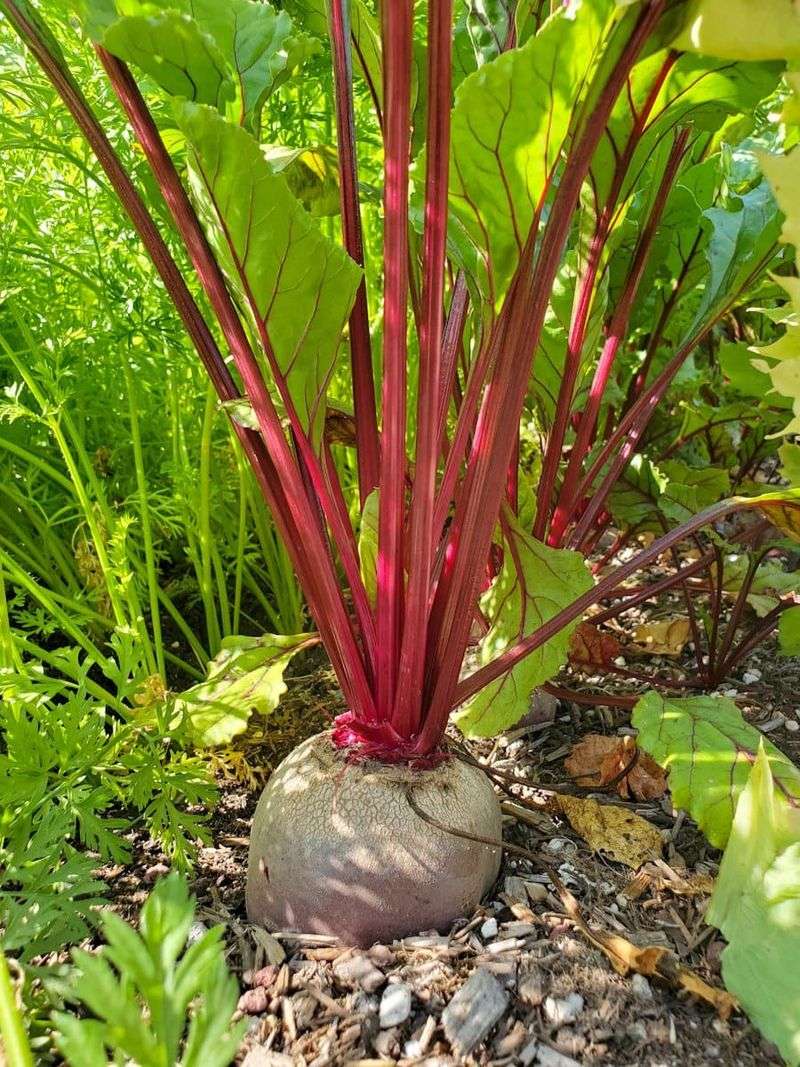
Beets are one of the more forgiving crops you can plant in a fall garden. They tolerate a range of soil conditions better than carrots do, and they produce both edible roots and nutritious greens from the same plant.
That dual harvest is hard to beat.
Sow seeds directly in the garden starting in late August. Beet seeds are actually clusters of multiple seeds, so thinning is necessary once seedlings emerge.
Space plants about three to four inches apart for good root development.
Soil pH between 6.0 and 7.0 gives the best results. Beets are sensitive to acidic soil and may show yellowing leaves if pH drops too low.
A simple soil test can confirm whether lime is needed before planting.
Varieties like ‘Detroit Dark Red’ and ‘Chioggia’ perform well in fall conditions across the South. Roots are generally ready to harvest 50 to 70 days after planting, depending on the variety and conditions.
Leaving roots in the ground a bit longer after maturity is usually fine, as cool soil helps preserve quality. Young beet greens can be harvested earlier and used just like spinach in salads or sauteed dishes.
7. Turnips Reach The Table Faster Than Many Fall Crops
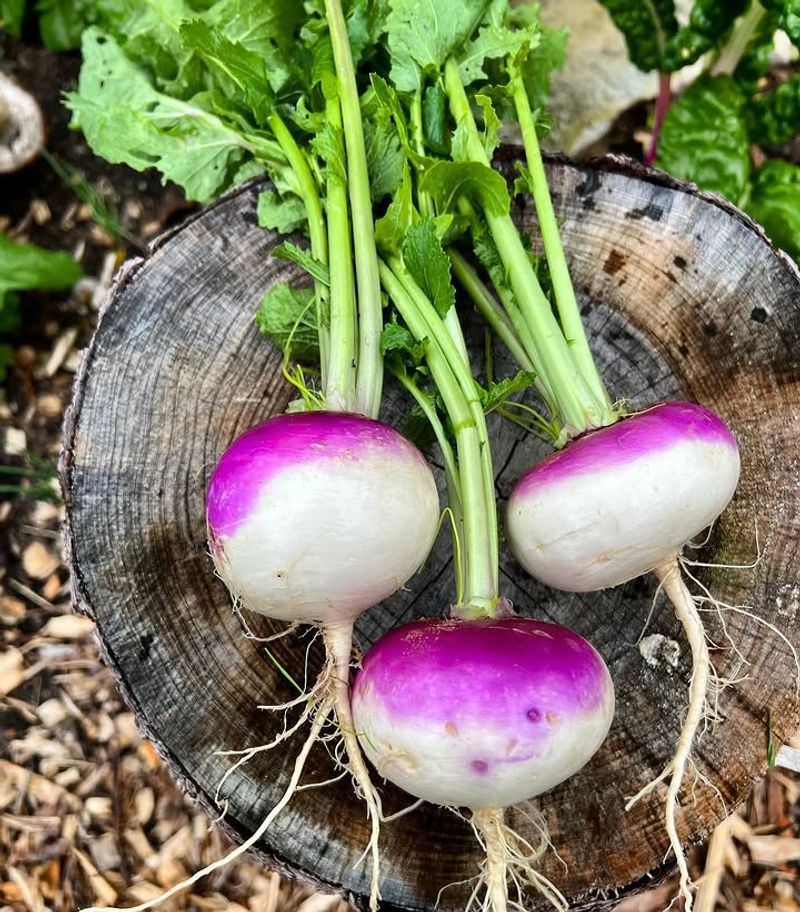
Speed is turnip’s biggest advantage in the fall garden. Most varieties reach harvest size in just 40 to 60 days, which means even a late September planting can still produce before frost becomes a serious issue in many parts of the state.
Direct seeding is the standard method. Scatter seeds thinly and cover with about a quarter inch of soil.
Germination happens fast, often within three to five days when soil is warm. Thin seedlings to about four to six inches apart once they sprout.
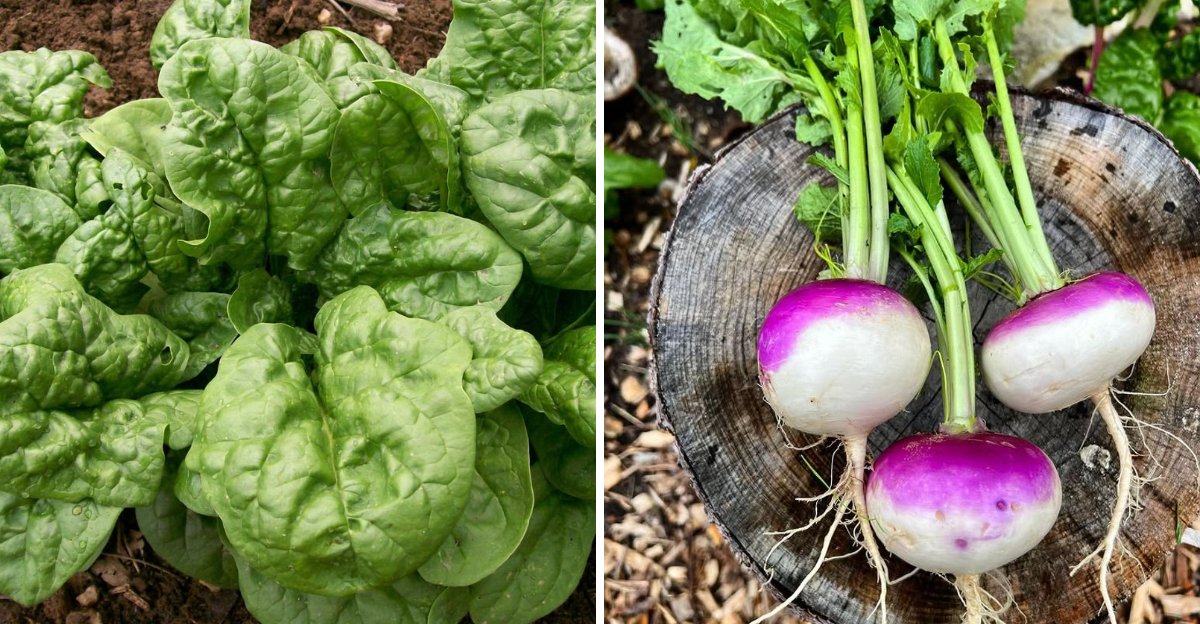
Purple Top White Globe is the classic choice and widely available at garden centers. ‘Hakurei’ is a Japanese variety worth trying if you prefer a milder, sweeter flavor. Both handle fall conditions well and produce consistent results without much fuss.
Turnip greens are edible and actually quite popular in Southern cooking. Harvesting greens while roots continue to develop gives you two crops from one planting.
Roots should be pulled when they reach about two to three inches in diameter for the best texture. Leaving them too long in warm soil can cause them to become woody and less pleasant to eat.
Consistent moisture throughout the growing period helps keep roots tender and flavorful.
8. Spinach Germinates Better Once Temperatures Ease
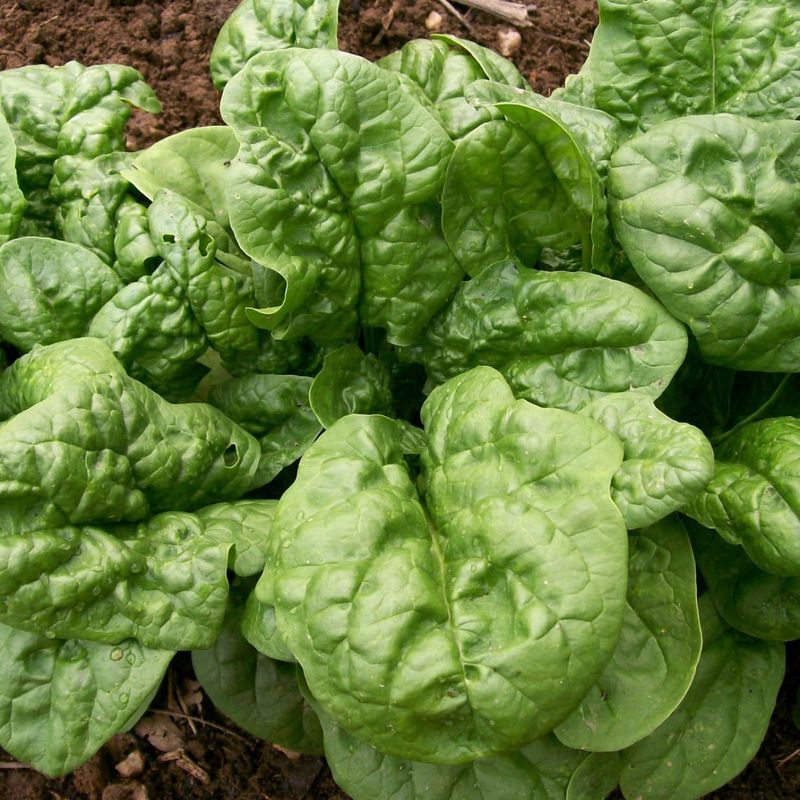
Spinach has a tricky relationship with heat. Soil temperatures above 75 degrees Fahrenheit can cause seeds to go dormant rather than sprout.
Waiting until late September or early October to sow gives seeds a much better chance of germinating successfully.
Sow seeds about half an inch deep and space rows about six inches apart. Thin seedlings once they reach a couple of inches tall, leaving about three to four inches between plants.
Crowding leads to smaller leaves and faster bolting if a warm spell hits.
Varieties bred for heat tolerance, like ‘Bloomsdale Long Standing’ or ‘Tyee,’ handle the transition from warm to cool weather better than standard types. Smooth-leaf varieties tend to be easier to clean, which is a practical bonus for home gardeners.
Spinach grows fast once conditions are right. Leaves can be harvested in as little as 40 days from seeding under ideal conditions.
Cut outer leaves and let the center keep growing for a longer harvest window. Cold weather actually improves spinach flavor, giving leaves a slightly sweeter taste.
Mulching lightly around plants helps protect roots during unexpected temperature swings and keeps soil moisture more consistent between waterings.
9. Lettuce Performs Best Outside Peak Heat
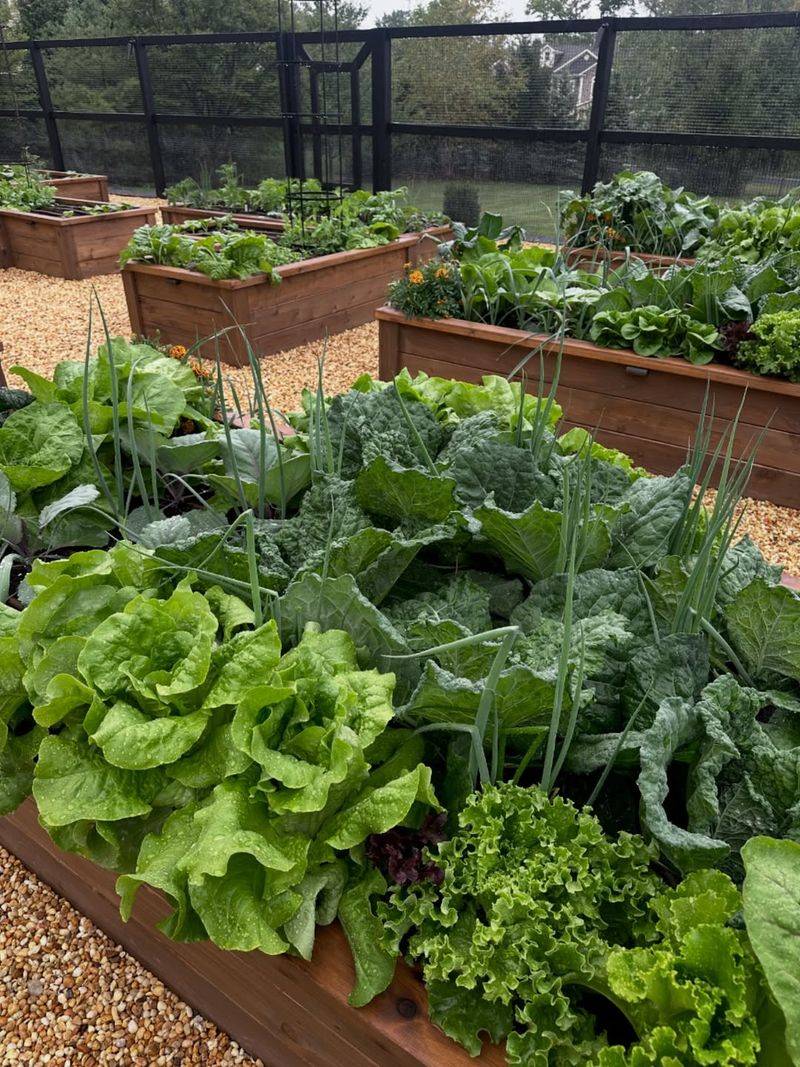
Lettuce is one of those crops that seems almost designed for fall gardening. It bolts quickly in summer heat, but once temperatures ease into the 60s and 70s, it grows steadily and produces crisp, flavorful leaves with minimal effort.
Start seeds indoors in late August and transplant once seedlings are about three inches tall, or direct seed outdoors starting in mid-September.
Loose-leaf varieties like ‘Black Seeded Simpson’ and ‘Red Sails’ germinate quickly and can be harvested as cut-and-come-again crops over several weeks.
Lettuce prefers partial shade during the warmest part of the day if early fall temperatures are still running high. Planting on the east side of taller crops like broccoli or kale can provide natural afternoon shade.
Consistent moisture is important because dry soil causes bitterness in leaves.
Spacing depends on the type. Loose-leaf varieties can be planted closer together, around six to eight inches apart.
Head types like romaine need more room, roughly 10 to 12 inches between plants.
Georgia gardeners who time their lettuce planting right can often harvest well into November and sometimes beyond, depending on local frost dates and whether a simple row cover is used for protection on colder nights.