What To Do With Your Florida Plumeria In August Before Blooms Slow Down
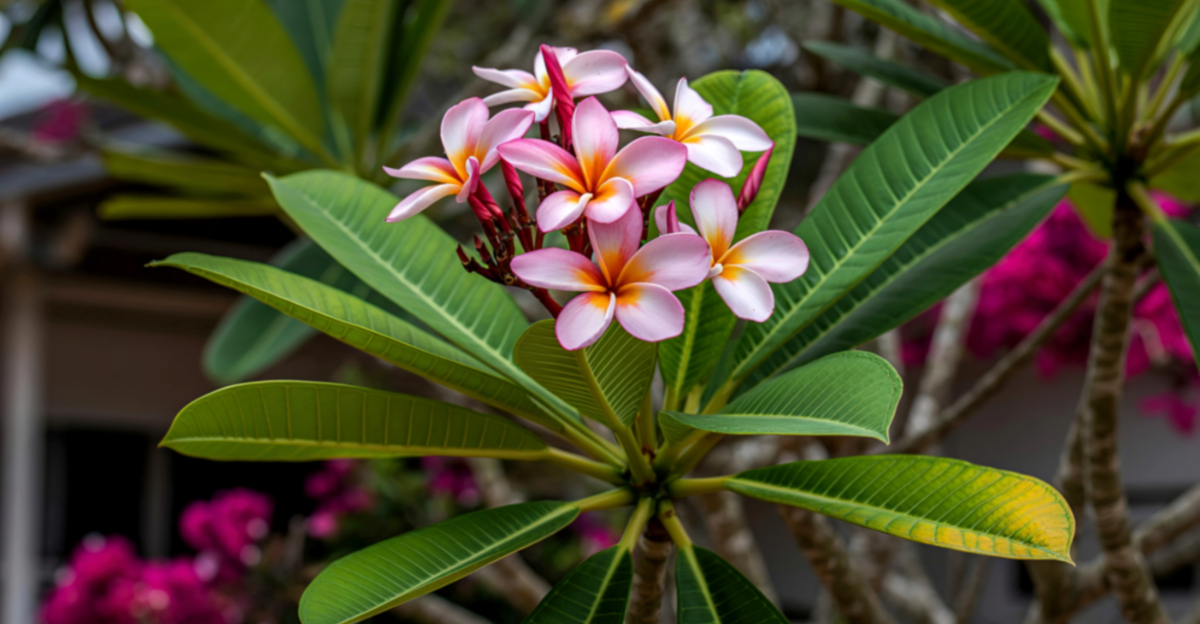
Florida plumerias hit their peak in August, dripping with color and perfume that stops neighbors mid-walk. Every bloom right now feels like proof you’ve done something right.
But here’s what separates a gorgeous August from a gorgeous September: most growers get comfortable exactly when they should be paying closer attention. The plant is working overtime, and that effort has limits.
A few small habits this week can stretch the show for weeks longer. Skip them, and you’ll watch things taper off faster than they should, wondering what happened.
None of these steps are complicated. They just have to happen at the right moment, and that moment is now.
1. Check Soil Moisture And Adjust Watering Schedule
Your plumeria is thirsty, but not in the way you might think. Too much water right now can quietly sabotage everything you have worked for this season.
August brings heavy afternoon rain to most of Florida. That rain can fool you into thinking your trees are covered, but container plants dry out fast between storms.
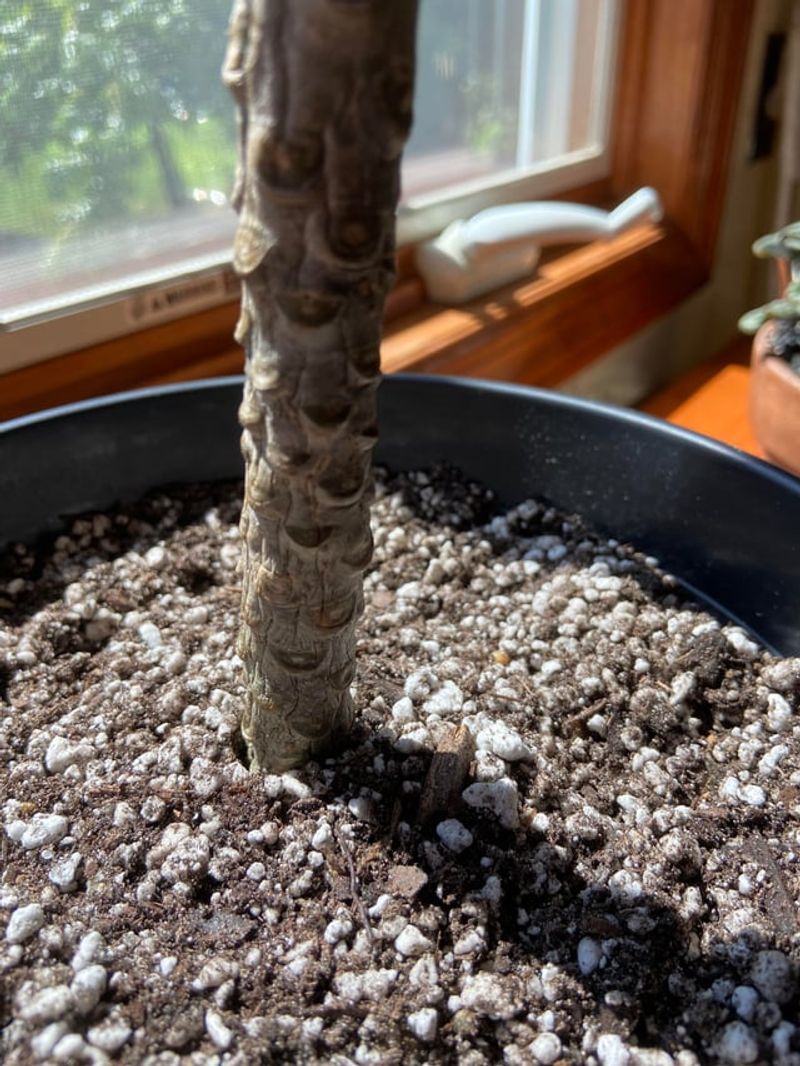
Stick your finger two inches into the soil before every watering. If it feels damp, skip the hose and check again tomorrow.
Plumeria roots hate sitting in soggy ground. Overwatering causes root rot faster than almost any other mistake a home gardener makes.
A good rule of thumb is to water deeply once the top two inches feel dry. Deep watering encourages roots to grow downward, which builds a stronger plant overall.
Morning is the best time to water your Florida plumeria in August. Watering in the evening leaves moisture on the roots overnight, which invites fungal problems.
If you are growing plumeria in pots, lift the container to check weight. A light pot means dry soil, and a heavy pot usually means enough moisture is still present.
Adjusting your watering schedule now keeps blooms looking fresh and vibrant. Healthy hydration is one of the simplest ways to extend your plumeria’s peak performance before fall arrives.
2. Apply Balanced Fertilizer To Support Blooming
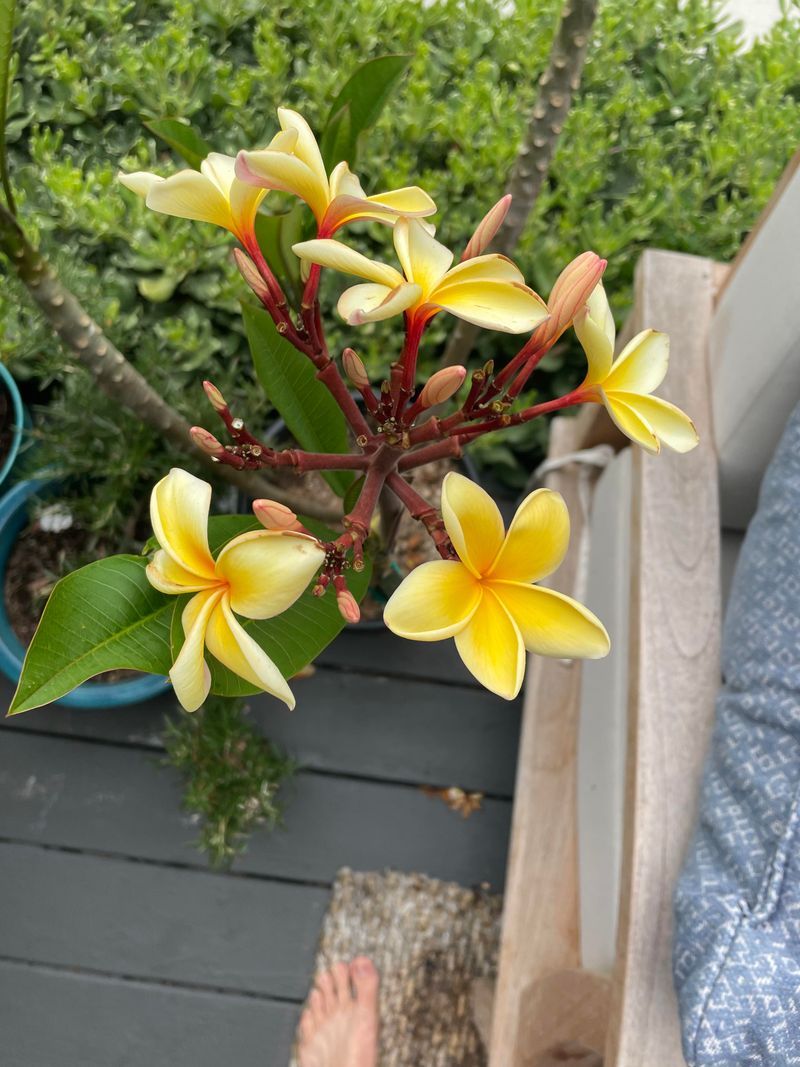
Feeding your plumeria right now is like giving it a second wind. August blooms are beautiful, but they drain the plant of nutrients fast.
A balanced fertilizer with a high phosphorus content does the most good at this stage. Phosphorus is the nutrient most responsible for flower production in tropical plants.
Look for a fertilizer labeled something like 10-30-10 or similar ratios at your local garden center. The middle number represents phosphorus, and a higher number means more bloom support.
Avoid high-nitrogen fertilizers in August because nitrogen pushes leafy green growth instead of flowers. More leaves sound nice, but right now you want color, not foliage.
Apply fertilizer in the early morning before temperatures spike. Heat can burn roots when fertilizer sits on warm, dry soil without enough moisture to carry it down.
Slow-release granular fertilizers work especially well for plumeria in containers and in-ground plants alike. One application can feed your tree steadily for up to three months.
Water your plumeria immediately after applying any granular formula. This helps the nutrients move into the root zone where the plant can actually use them.
Your Florida Garden Changes Every Week. Your Plan Should Too.
Gardening in Florida changes quickly throughout the season. Every Friday you’ll receive a simple weekly plan showing exactly what to plant, prune, fertilize, harvest, and protect so you never miss the right timing.
Consistent feeding through August gives your Florida plumeria the fuel it needs to produce more blooms before cooler weather arrives. Do not skip this step if you want a strong finish to the season.
3. Inspect Leaves For Pests And Fungal Spots
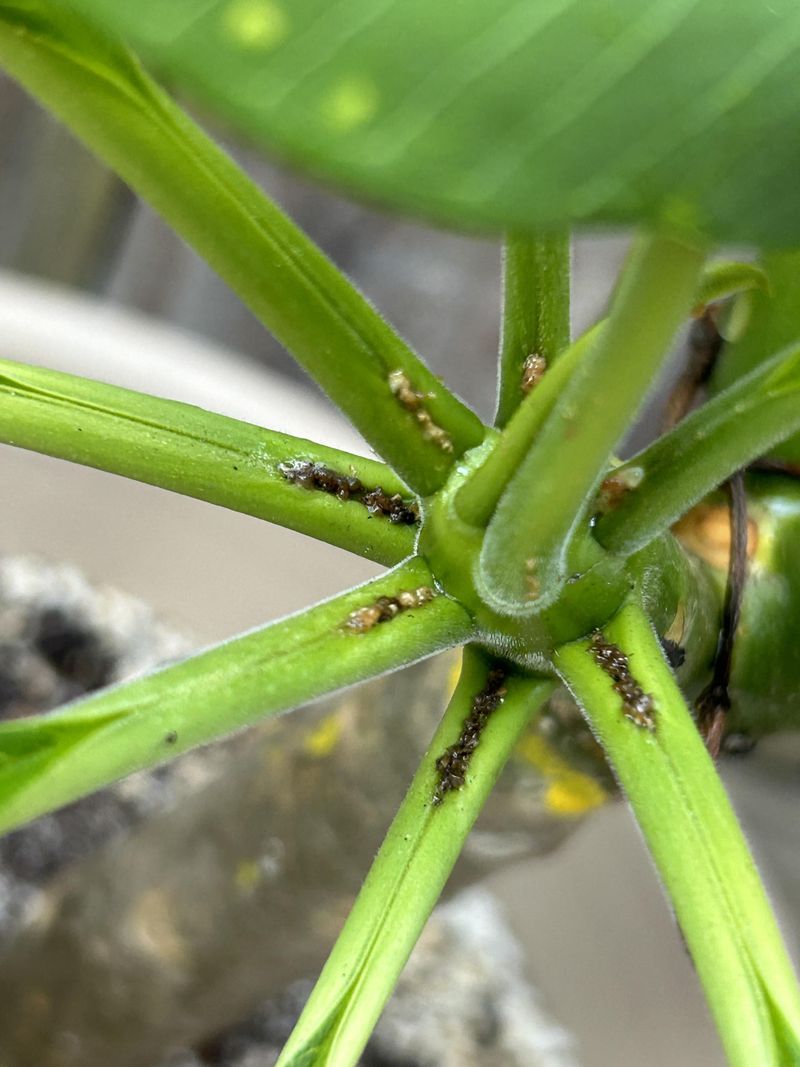
Flip over a plumeria leaf right now and take a good look. What you find underneath might surprise you.
August humidity in Florida creates perfect conditions for spider mites, whiteflies, and mealybugs. These tiny pests love the warm, moist air as much as your plumeria does.
Spider mites leave a faint webbing on leaf undersides and cause leaves to look dusty or pale. Catching them early means you can treat with a simple neem oil spray before populations explode.
Fungal spots often appear as brown or black circles with yellow rings around them. Plumeria rust is one of the most common fungal issues in Florida, showing up as orange powder on leaf undersides.
Remove any heavily infected leaves and dispose of them away from your garden. Leaving them on the ground spreads spores to healthy plants nearby.
A copper-based fungicide spray works well against rust and other fungal problems. Apply it in the morning so leaves dry fully before the afternoon heat sets in.
Check your plants at least once a week through August. Consistent monitoring catches small problems before they become big ones that threaten your blooms.
Healthy leaves mean a healthy plant, and a healthy plant blooms harder and longer. Staying on top of pest and fungal issues now protects your Florida plumeria investment through the end of the season.
4. Remove Spent Blooms To Encourage New Growth
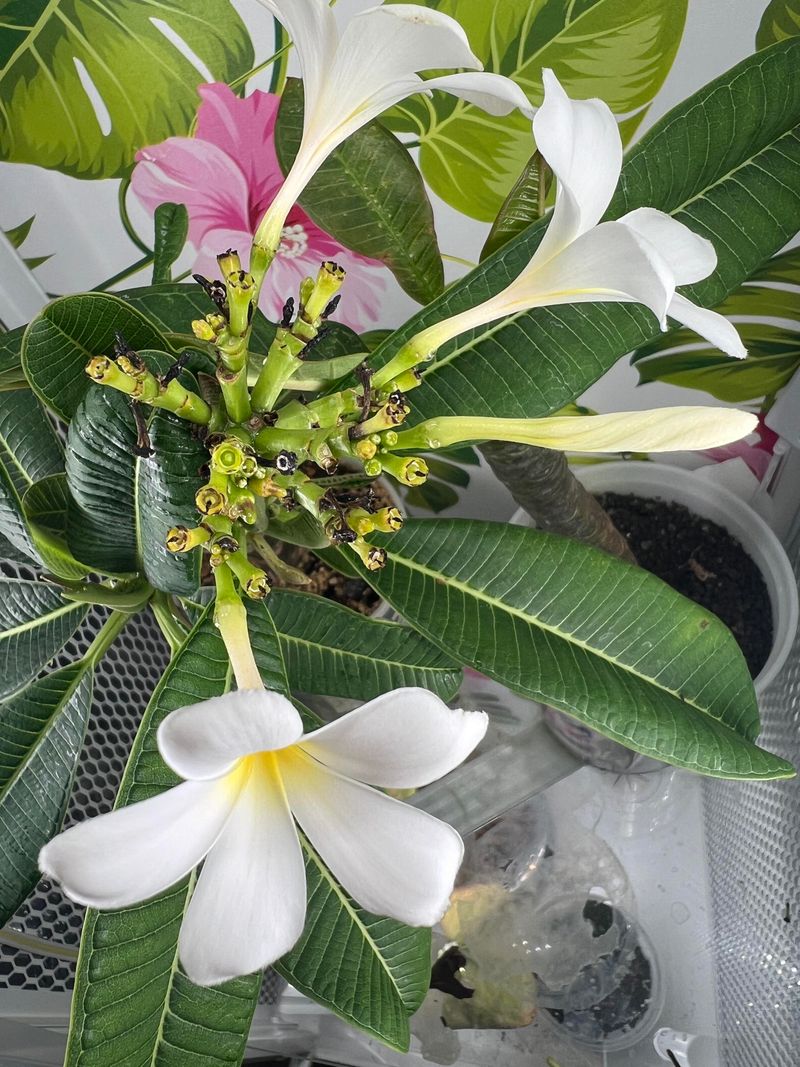
Spent blooms are not just unattractive; they are actually slowing your plant down. Removing spent flower clusters is one of the fastest ways to spark a new round of blooms.
When a plumeria flower fades and browns, the plant starts putting energy into forming seeds. Cutting off spent clusters redirects that energy back into producing fresh flowers instead.
Use clean, sharp pruning snips to remove the old flower clusters at their base. Dull tools crush stems instead of cutting cleanly, which opens the door for infection.
Wipe your blade with a disinfecting solution between cuts. This simple habit stops you from accidentally spreading disease from one branch to another.
Do not yank or twist spent blooms off by hand. Forcing them off can damage the tender tip of the branch, which is exactly where the next flower cluster will form.
After removing old blooms, give your plumeria a light feeding with a bloom-boosting fertilizer. The plant responds well to that combination of pruning and nutrition together.
You may notice new bud tips forming within one to two weeks after this routine. That quick turnaround is one of the most satisfying things about caring for plumeria in peak season.
Staying consistent with this routine through August keeps your Florida plumeria looking sharp and producing steadily. A few minutes of effort each week pays off in a much more impressive display before the season slows.
5. Trim Damaged Or Overcrowded Branches
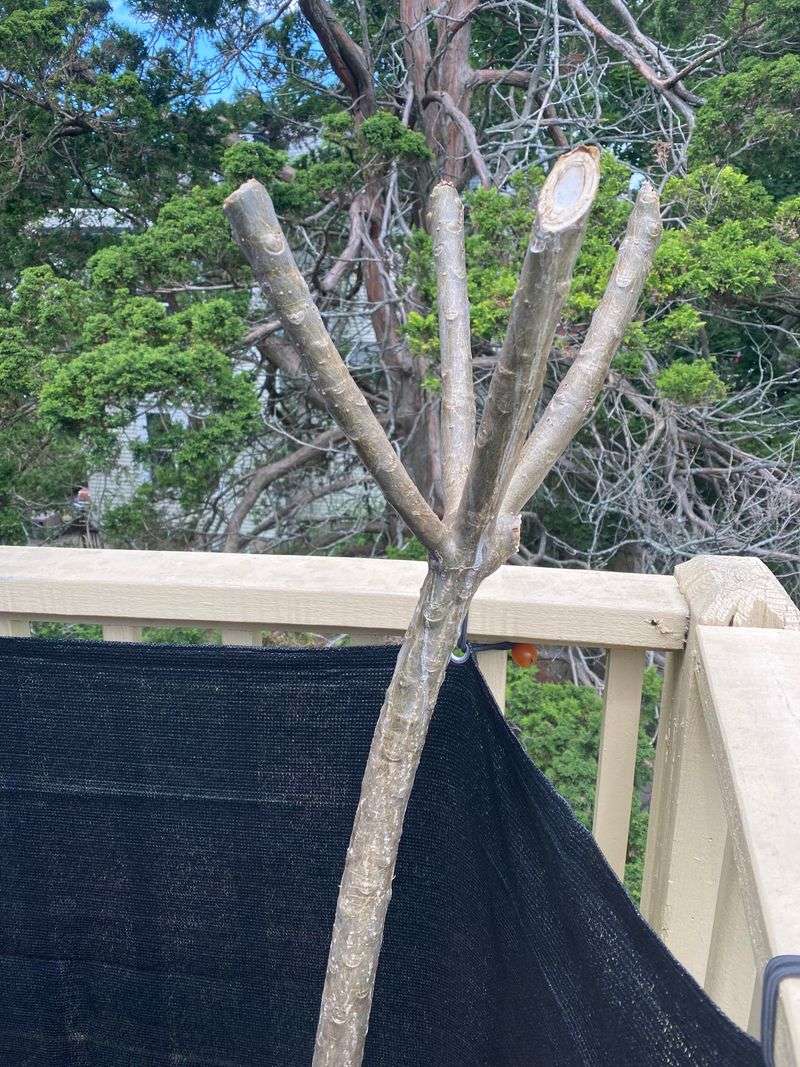
August is the right time to shape your plumeria before growth slows for the year. Waiting until fall means you lose the chance to let fresh cuts heal while the plant is still actively growing.
Look for branches that cross over each other or grow inward toward the center of the tree. Crowded branches block airflow, and poor airflow is one of the top causes of fungal disease in tropical plants.
Damaged branches with cracks, soft spots, or discoloration should come off right away. Leaving them attached wastes the plant’s energy on tissue that cannot recover.
Cut just above a leaf node or a healthy branching point when you trim. This placement encourages the plant to sprout new growth from exactly the right spot.
Let cut ends dry and callous over in the open air for at least 24 hours before rain hits them. Plumeria sap is thick and seals naturally, but moisture slows that process down.
Avoid removing more than one-third of the plant’s overall mass in a single session. Aggressive trimming shocks the root system and can stall blooming for weeks.
A light, strategic trim opens up the canopy and lets sunlight reach inner branches. More light inside the plant means more potential bloom sites for the final weeks of the season.
Tidy branches now set your Florida plumeria up for a cleaner, healthier structure going into fall. Good shape today means easier care tomorrow.
6. Shield Plumeria From Afternoon Sun Stress
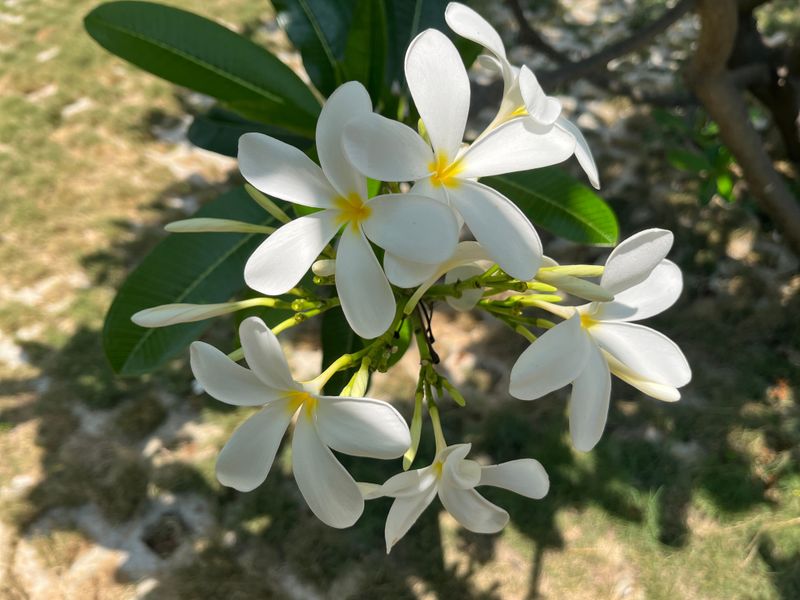
Florida afternoons in August are brutal, and even sun-loving plumeria can hit a wall around 2 p.m. Heat stress causes blooms to drop early and leaves to curl at the edges.
Full morning sun is ideal for plumeria because the light is strong but the temperatures are still manageable. Afternoon exposure from 1 p.m. onward can push leaf surface temperatures dangerously high.
Container-grown plumeria have an advantage here because you can simply move them. Shifting a pot to a spot that gets afternoon shade from a fence or tree makes a real difference.
For in-ground plants, a shade cloth rated at 30 to 40 percent works well without blocking too much light. Clip it over a simple frame on the west side of the plant to cut harsh late-day rays.
Mulching around the base of the plant also helps regulate soil temperature. A two-inch layer of organic mulch keeps roots cooler during the hottest part of the day.
Watch for signs of heat stress like bleached or papery-looking leaves. Those symptoms mean the plant is struggling, and a quick adjustment to its sun exposure can stop further damage fast.
Plumeria need roughly six hours of direct sun daily to bloom well, so do not overdo the shade. The goal is protection from extreme afternoon heat, not blocking the light the plant depends on.
A small adjustment to sun exposure right now protects your Florida plumeria blooms through the toughest part of August. Your plant will thank you with color that lasts longer.
7. Check Roots For Drainage And Rot Issues
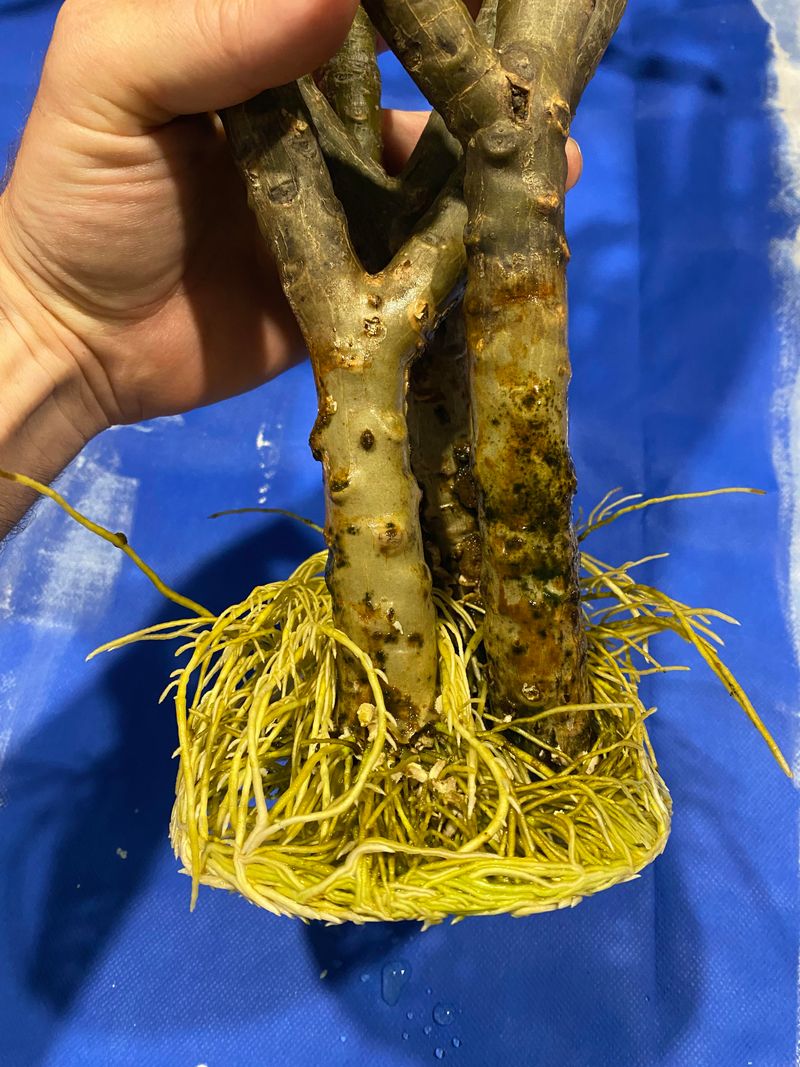
Root problems are sneaky because you cannot see them until the damage is already done. August is the perfect time to check before the rainy season pushes issues past the point of recovery.
Lift container plants and look at the drainage holes underneath. If roots are circling tightly or blocking the holes, the plant is overdue for a size upgrade.
Gently unpot your plumeria and inspect the root ball if you suspect trouble. Healthy roots are firm and light-colored, while rotted roots feel mushy and look brown or black.
Trim off any soft or discolored roots with clean scissors and let the cut ends dry for a full day. This step gives the plant a fresh start before you repot it in fresh, well-draining mix.
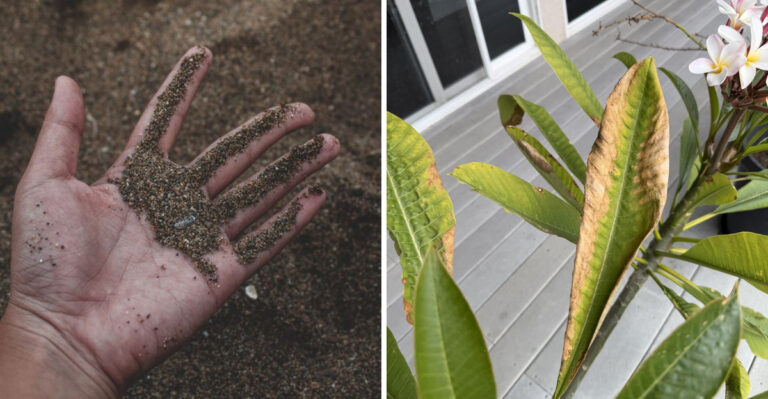
Plumeria thrive in a gritty, fast-draining soil mix that mimics their natural habitat. A blend of cactus mix and perlite at a 50-50 ratio works really well for most varieties.
For in-ground plants, check the area around the base after a heavy rain. Standing water that lingers more than 30 minutes after a storm signals a drainage problem that needs fixing.
Adding coarse sand or organic matter to the surrounding soil can improve drainage significantly. In severe cases, raising the planting area with a small mound helps water move away from the root zone faster.
Catching root issues in August gives your Florida plumeria time to recover before growth slows down. Strong roots are the foundation of every spectacular bloom cluster you enjoy.
8. Plan Ahead For Cooler Fall Temperatures
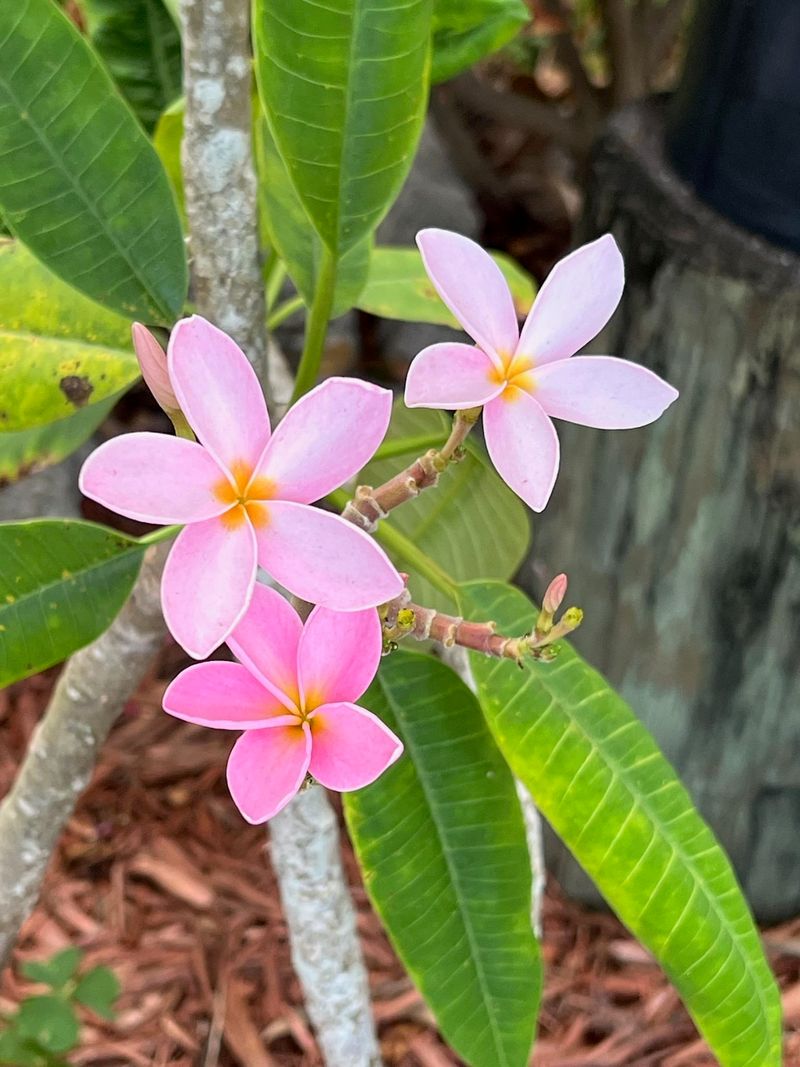
Fall tends to sneak up on plumeria gardeners. One week you are drowning in blooms, and the next week the nights turn cool and the show starts winding down fast.
Plumeria begin to slow their growth when nighttime temperatures drop below 60 degrees Fahrenheit. In most parts of Florida, that shift can happen as early as late October.
August is the right moment to start thinking about cold protection for container plants. Identify a sheltered spot now, like a garage, lanai, or covered porch, where pots can move easily when temperatures drop.
In-ground plumeria in South Florida usually handle mild winters just fine with minimal protection. But gardeners in Central or North Florida should have frost cloth or burlap ready well before the first cold snap hits.
Now is also a great time to take cuttings from your healthiest branches. Cuttings taken in August root well before the growing season ends, giving you new plants to share or expand your collection.
Label your cuttings with the variety name right away so you do not mix them up later. A simple plastic tag and a permanent marker takes about ten seconds and saves a lot of confusion in spring.
Reducing fertilizer gradually through September helps the plant harden off naturally before dormancy. Pushing growth too late in the season leaves tender new tips vulnerable to cold damage.
Planning ahead now means your Florida plumeria enters the cooler months strong, rested, and ready to explode with blooms again next summer.