What You Can Still Safely Prune In A Florida Yard In September
You’re standing in sticky September air with pruners in hand and a yard that clearly needs something.
Shaggy hedges. A branch the last storm loosened. Groundcover that swallowed the walkway sometime in August.
Some of that can come down today. Some of it will cost you next spring’s flowers.
Here’s what makes September tricky in Florida specifically.
Heat and humidity are still running high, hurricane season has weeks left, and heavy pruning pushes soft new growth into the worst possible conditions.
Meanwhile several common shrubs have already set next year’s flower buds on the exact stems you’re eyeing.
So the productive approach involves cleanup rather than renovation, plus knowing which plants have earned a pass until later.
Curious what’s safe to cut this week?
1. Ficus Hedge
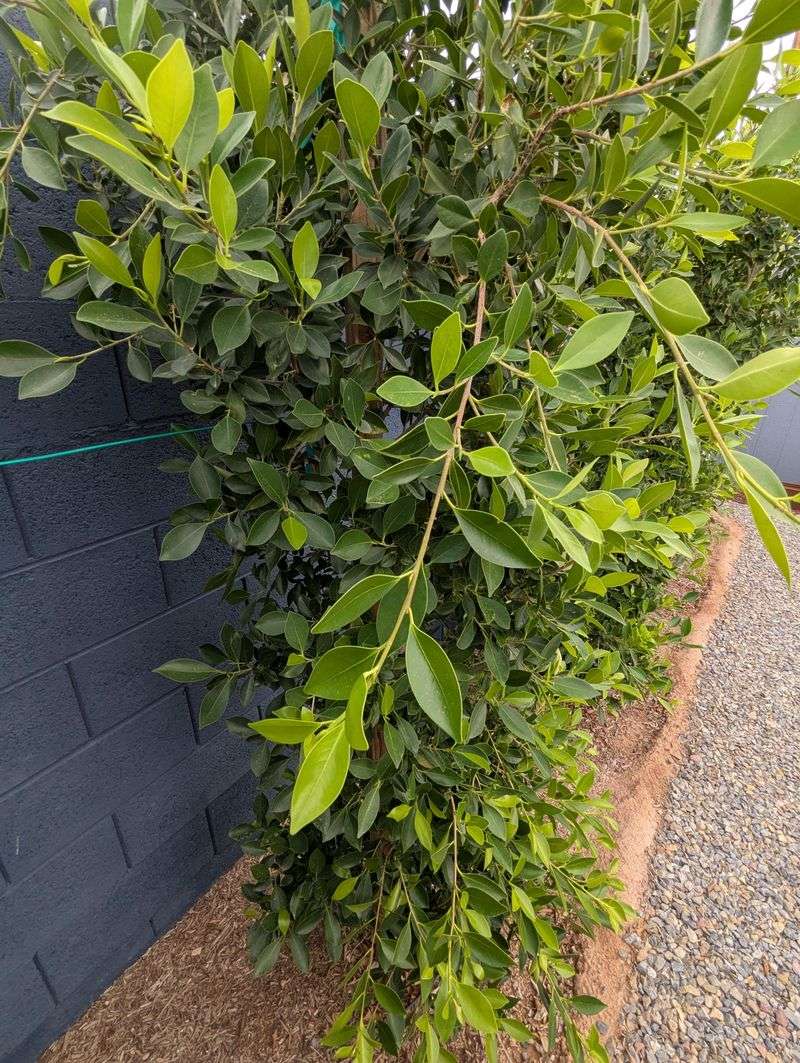
A ficus hedge that filled out after summer rain handles a light September touch-up without complaint.
These grow fast enough to need several trims a year in Florida, so a pass now fits the normal rhythm rather than interrupting anything.
Keep the cuts shallow. Shear the soft outer growth and stop well before reaching bare interior stems.
That restraint matters because ficus regrows poorly from old leafless wood, and a hedge cut too hard leaves gaps that take a long time to fill.
Shape affects long-term appearance considerably.
Leaving the hedge slightly wider at the base than the top lets sunlight reach lower leaves, which keeps the plant full underneath rather than thin and leggy.
Step back every few minutes to check the outline, since small corrections read as natural while overcorrection looks boxy.
Whitefly deserves attention while you’re working. Ficus whitefly has been a persistent Florida problem, showing as yellowing leaves, heavy leaf drop, and white insects on leaf undersides.
Check a few interior leaves before trimming, since heavy infestations need addressing before cosmetic work matters.
Skip fertilizer right after cutting, since fresh feeding pushes tender growth into storm season.
Sharp tools and a light hand cover the job.
2. Podocarpus
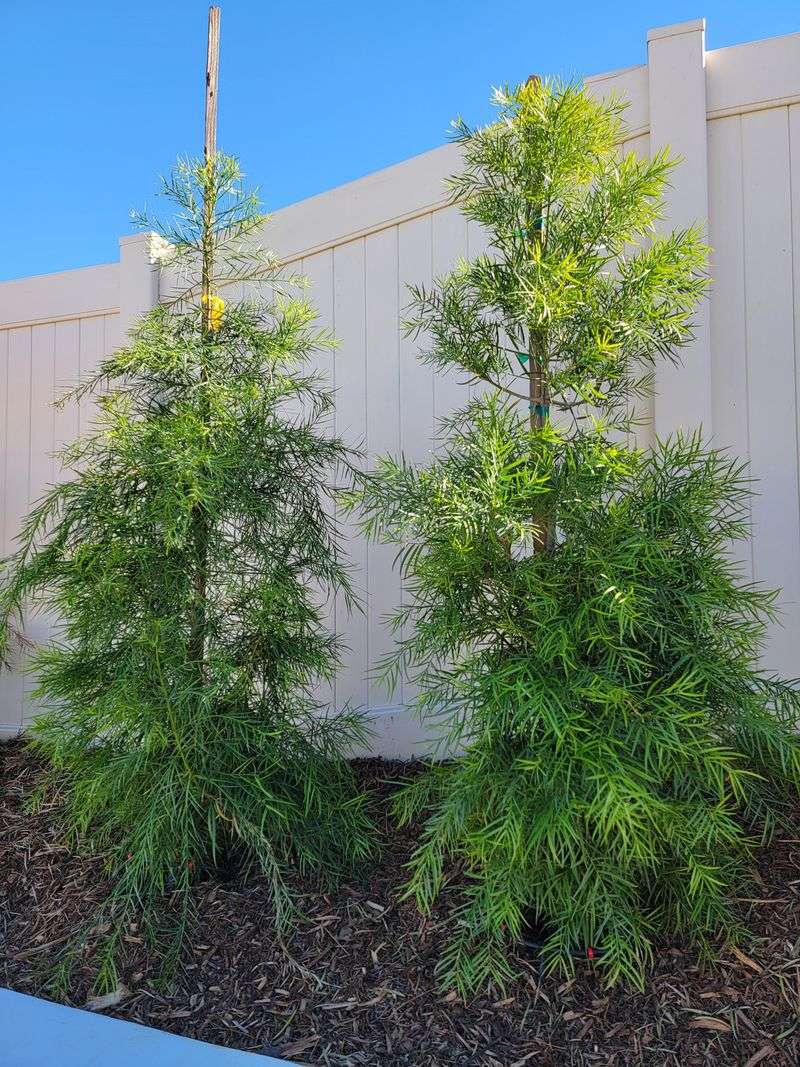
Podocarpus takes September shaping well, which makes it one of the easier calls this month.
Grown for foliage rather than flowers, there’s no bloom cycle to disrupt with a light trim.
The plant grows more slowly than ficus, which means less frequent maintenance and less risk of overdoing it.
Light shearing of soft outer growth works fine.
Avoid cutting deep into bare interior wood, since recovery from that is slow and the gaps stay visible for months.
Podocarpus tolerates a formal sheared look better than many Florida hedge plants, and it also holds a looser natural form if you prefer that.
Either approach works, and consistency matters more than which you choose.
Wider at the bottom than the top remains the right profile for light penetration.
Sooty mold sometimes appears on podocarpus, and it generally follows an insect problem rather than causing one.
Scale insects and aphids both produce the honeydew that mold grows on, so black coating means checking stems and leaf undersides.
Your Florida Garden Changes Every Week. Your Plan Should Too.
Gardening in Florida changes quickly throughout the season. Every Friday you’ll receive a simple weekly plan showing exactly what to plant, prune, fertilize, harvest, and protect so you never miss the right timing.
Drainage is worth noting too, since podocarpus dislikes consistently wet soil.
Trimming during a dry stretch beats working right after heavy rain, since wet foliage spreads fungal problems more readily.
Light work now, structural decisions in winter.
3. Viburnum
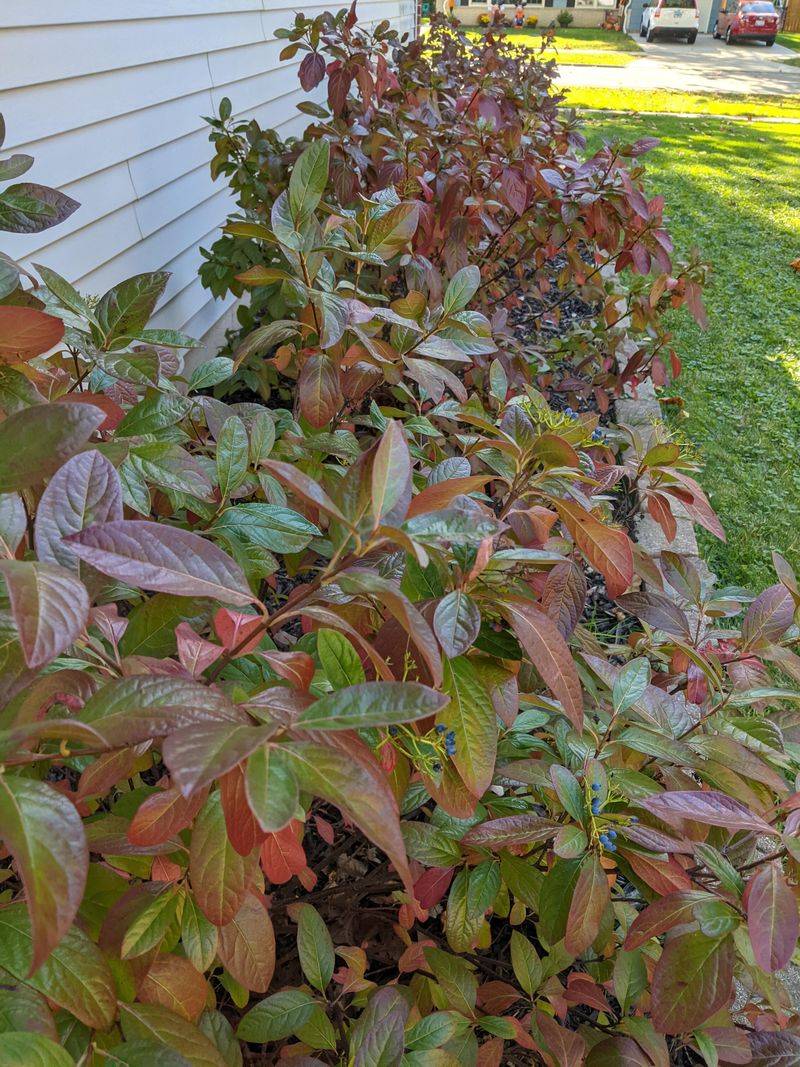
How you grow it determines whether September pruning is safe.
Sweet viburnum and Walter’s viburnum both appear constantly in Florida landscapes as privacy screens, and a hedge-maintained plant has already given up its flower display.
Light trimming costs nothing in that situation.
A viburnum grown as a specimen for spring bloom belongs on the wait list instead, since it sets buds on old wood like most spring-flowering shrubs.
Know which situation applies before reaching for shears.
For hedge use, shear the outer growth lightly and stop before hitting bare interior stems.
Viburnum recovers from cutting better than ficus or podocarpus, which gives you somewhat more margin for error.
Even with that tolerance, September heat argues for restraint rather than taking full advantage of it.
Airflow improves with a light trim, and Florida humidity makes that genuinely useful.
Dense viburnum holds moisture inside the canopy, which encourages leaf spot problems that spread through a hedge quickly.
Opening the outer surface slightly helps interior leaves dry after afternoon storms.
Downy mildew shows up on viburnum in humid conditions, appearing as pale patches on upper surfaces with fuzzy growth beneath.
Clearing fallen leaves from the base reduces the source considerably, since the pathogen persists in that debris.
Keep the profile wider at the bottom and the work light.
Note anything needing real reduction for a winter session instead.
4. Asiatic Jasmine
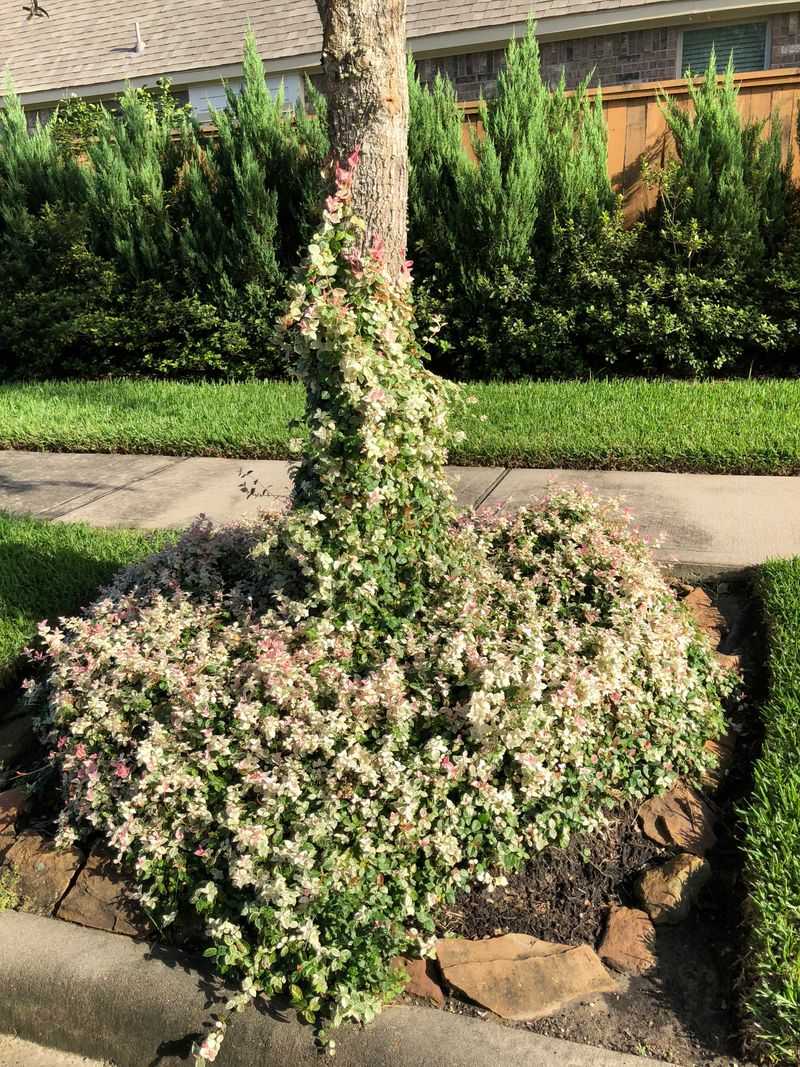
Asiatic jasmine turns into a green traffic jam by September.
Runners spill over paths, climb across edging, and smother whatever sits next to the bed.
A modest trim is safe here, since this groundcover is grown for foliage and tolerates cutting well.
Focus on the parts causing actual problems. Growth blocking walkways, crossing borders, or crowding neighboring plants all justify attention.
Hand shears work better than swinging a hedge trimmer in a small bed, since selective cuts keep the planting looking intentional.
Scalping creates bare spots that then bake in Florida sun, which takes weeks to fill back in.
Asiatic jasmine can also take a harder renewal cut when it gets thick and woody underneath, and that job belongs in late winter rather than now.
Airflow improves with thinning, which matters in humid conditions where dense mats stay damp for days.
Leaf spot problems decline when leaves dry faster after rain.
Rake trapped debris out while you’re working, since accumulated litter holds moisture against stems and shelters insects.
Runners rooting where they touch soil is how this plant spreads, so cutting those at the edge controls expansion.
A small trim and a cleaner bed keeps it manageable without creating patches you’ll be staring at until December.
5. Live Oak
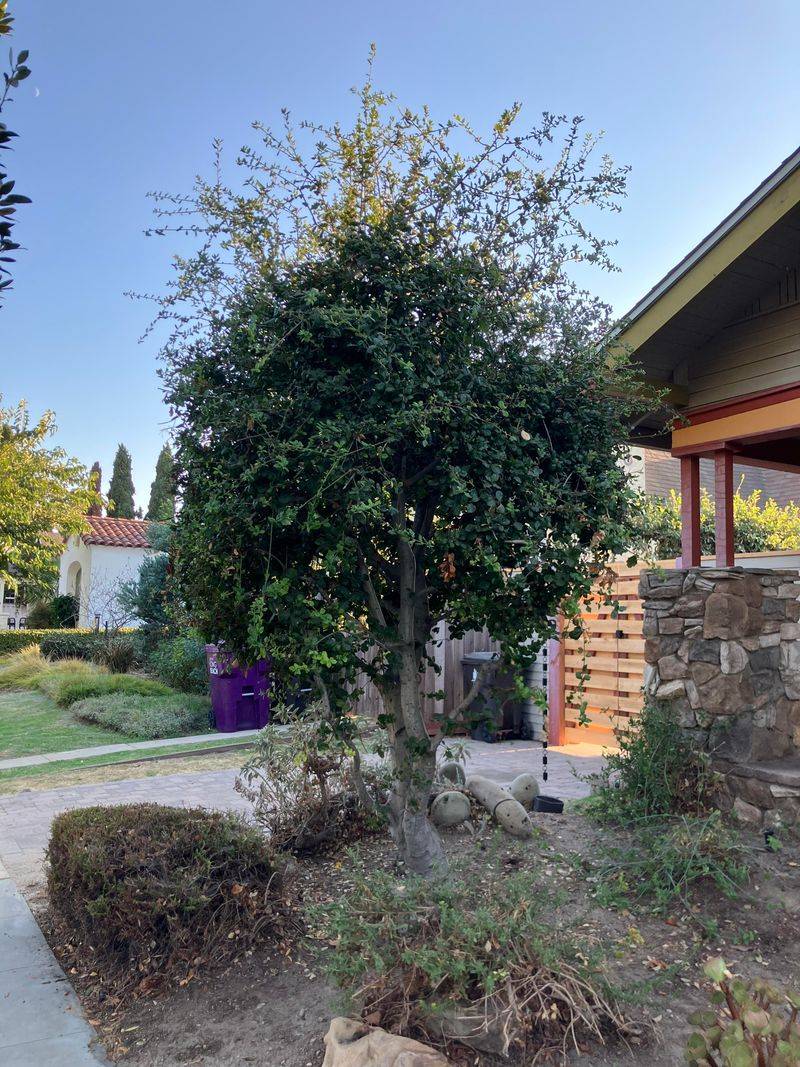
Safety puts this one on the September list, not appearance.
Florida sits deep in hurricane season, so storm-damaged limbs need prompt attention regardless of how the rest of the tree looks.
Cracked or hanging branches over driveways, sidewalks, play areas, or roofs top the priority list.
Fresh storm damage rarely improves with waiting.
Split branches tear farther into healthy wood, and jagged wounds hold moisture where decay establishes.
Remove loose or badly torn limbs with clean cuts back to sound wood, just outside the branch collar.
Scale determines who does the work.
Small branches within easy reach are a homeowner job. Large limbs, anything near power lines, and any cut requiring a ladder belong to a certified arborist.
Resist topping or heavily thinning the canopy after a storm.
Harsh pruning weakens structure and triggers numerous weakly attached shoots that become the next round of problems in a few years.
Live oaks rank among the more wind-resistant trees in Florida when their structure stays intact, which argues strongly for targeted cleanup over aggressive reduction.
Trees also need adequate leaf area to recover, especially with more storm season remaining.
Check for limbs under tension before cutting, since those release suddenly and unpredictably.
Gloves, eye protection, and sturdy footwear all matter here.
Note structural concerns for a winter arborist visit rather than attempting corrections now.
6. Azalea
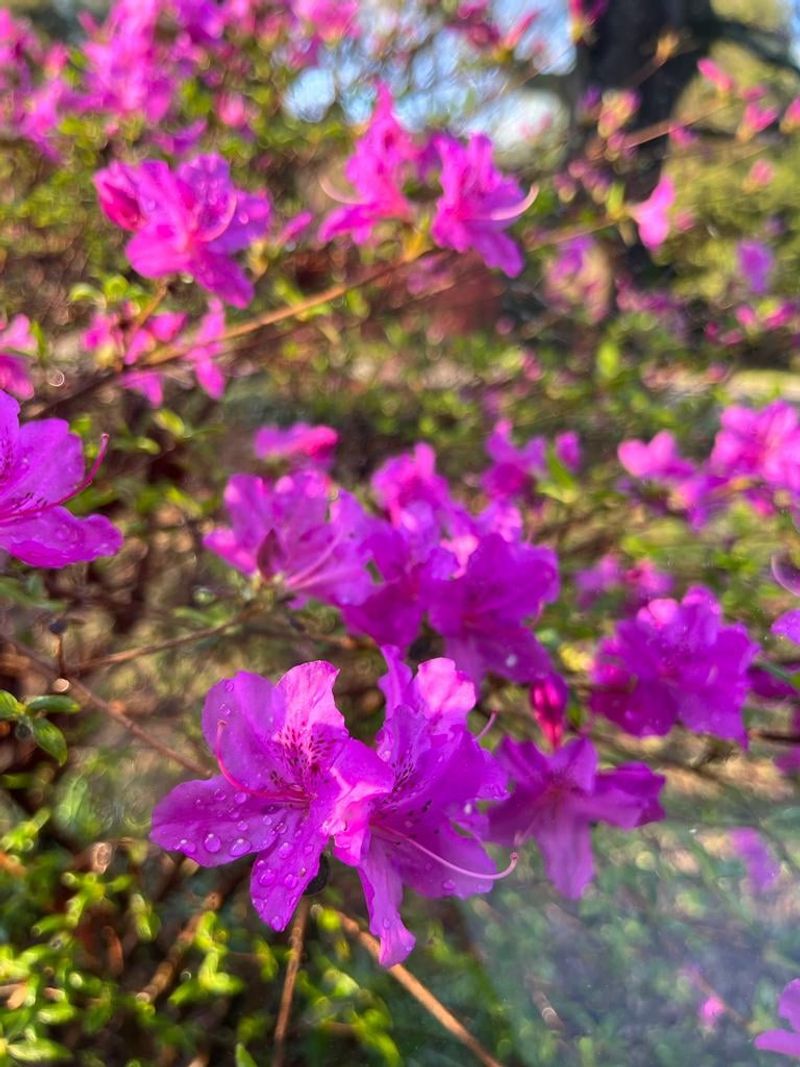
Next spring’s flowers are already sitting on those stems.
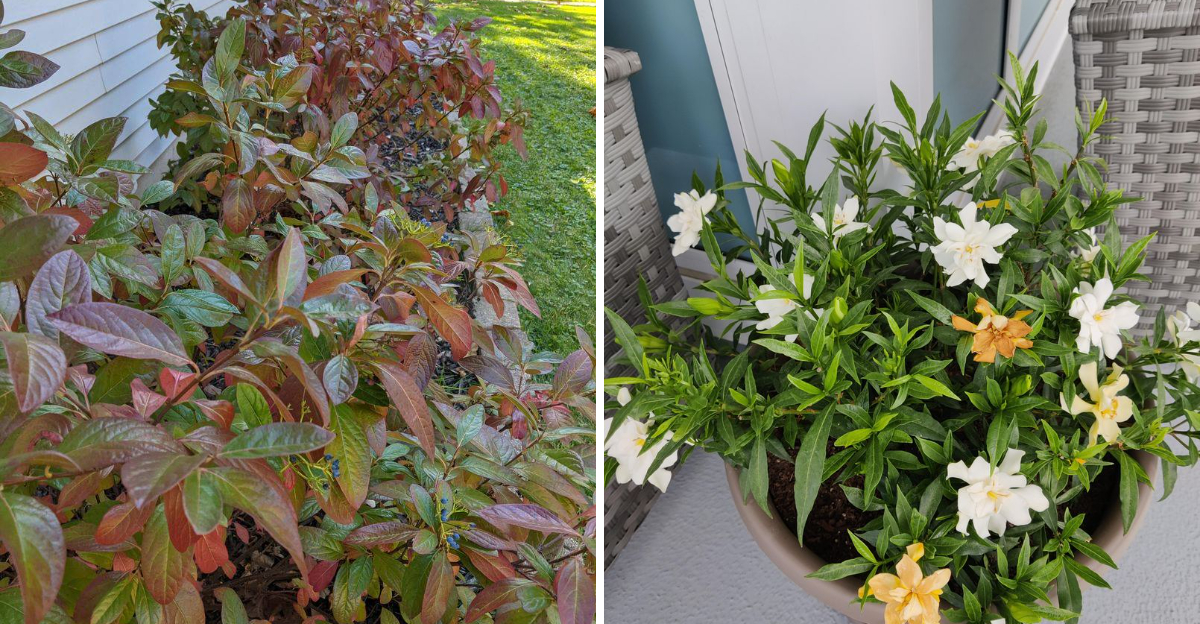
Azaleas form buds on old wood, which means anything you cut this month removes the display you were hoping for.
A September trim produces a tidier plant for a few weeks and a noticeably smaller flower show later.
That tradeoff rarely feels worth it once spring arrives.
Florida azaleas bloom late winter into early spring depending on variety and region, so pruning belongs immediately after flowering finishes.
That timing leaves the plant a full season to set buds for the following year.
Right now, limit yourself to removing clearly damaged or storm-broken pieces.
Plenty of useful attention is available without touching buds.
Pull weeds around the base, refresh mulch without piling it against stems, and confirm irrigation is reaching the root zone.
These shrubs have shallow roots and appreciate consistent moisture far more than they appreciate shaping.
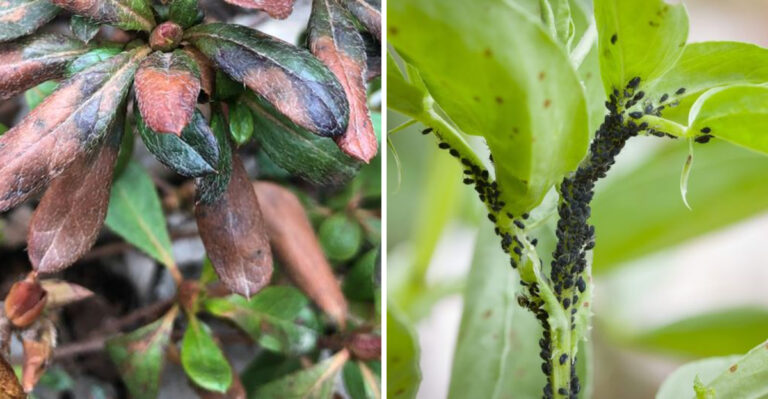
Lace bugs are worth checking for in September, since they cause stippled bronzed foliage and hide on leaf undersides where nobody looks.
Yellowing between leaf veins usually points to iron availability in alkaline soil rather than anything pruning addresses.
That distinction saves money on the wrong product.
Address those issues now and save the shears for spring.
A note on the calendar somewhere visible helps, since the plant will look shaggy again by February.
7. Camellia
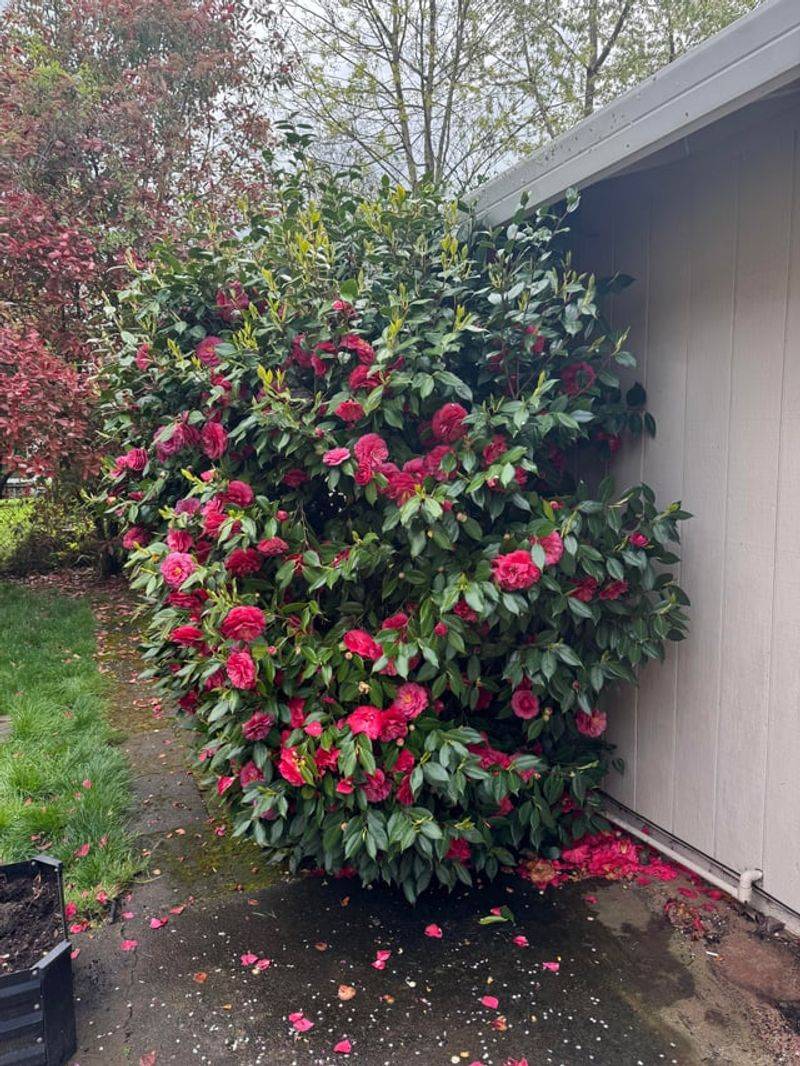
Summer already determined what happens this winter.
These shrubs set flower buds during the warm months for a bloom season running fall through spring depending on species.
Cutting in September removes buds already formed, which is a direct way to lose the display you’ve been anticipating.
Sasanqua types bloom earliest, often starting in October or November across much of Florida.
Japonica varieties follow, generally flowering from December into March.
Either way, September falls at exactly the wrong point in the cycle.
Prune after flowering finishes, which leaves a full summer for bud development again.
Camellias need very little pruning anyway, since the natural layered form is much of what makes them appealing.
Right now, restrict cuts to broken or diseased wood only.
Tea scale is the more productive thing to address this month.
It appears as white or brown bumps on leaf undersides with yellow mottling showing through on the upper surface, and it’s the most common camellia problem in Florida landscapes.
Sooty mold usually accompanies it, growing on the honeydew that scale insects produce.
Checking leaf undersides now and treating appropriately helps considerably more than any cosmetic work.
Soil pH matters here too, since camellias want acidic conditions and struggle in alkaline soil.
Mulch, consistent moisture, and patience cover the rest of September.
8. Gardenia
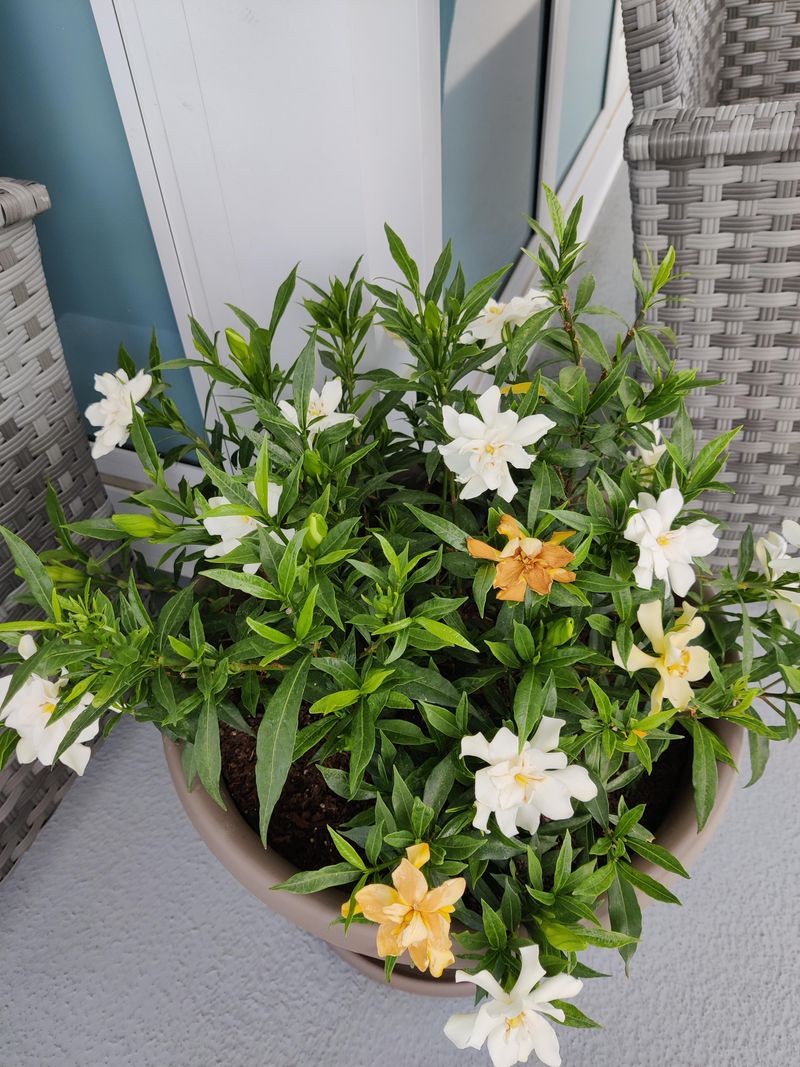
Few Florida shrubs get pruned at the wrong time more often than this one.
Gardenias bloom on old wood, setting buds for a late spring and summer display, and fall cutting removes them directly.
That explains plenty of gardenias that grow beautifully and flower sparsely year after year.
Prune right after the main bloom period finishes instead, generally midsummer, which leaves time for bud development before fall.
Outside that window, limit yourself to removing damaged wood.
September attention should go elsewhere entirely with this plant.
Whitefly is the common Florida gardenia problem, producing yellowing leaves, sticky honeydew, and black sooty mold across the foliage.
Check leaf undersides for the white insects and treat before the mold coating gets heavy enough to affect photosynthesis.
Scale insects cause similar symptoms and need similar handling.
Yellowing between leaf veins usually indicates iron or magnesium availability rather than anything shears would fix.
Gardenias want acidic soil, and alkaline conditions across parts of Florida cause chronic chlorosis that no amount of general fertilizer resolves.
Root knot nematodes affect gardenias in sandy Florida soil as well, showing as stunted growth and decline that fertilizer never improves.
Grafted plants on nematode-resistant rootstock handle that problem better, which matters for future planting.
Mulch, consistent moisture, and pest management accomplish more this month than pruning would.
Bookmark the shaping for after next year’s bloom.