Why You Should Stop Ignoring Pooling Water In Ohio Garden Beds Today
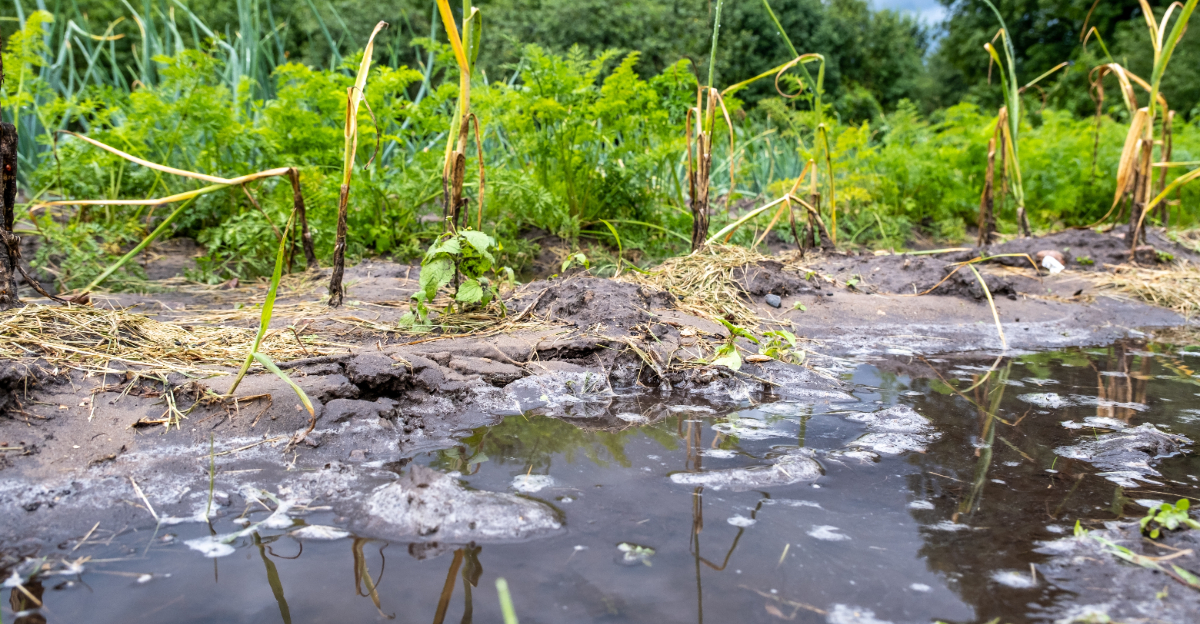
A rainstorm rolls through and by the next morning, there it is again, a puddle claiming its spot in your garden bed like it pays rent there. It looks harmless enough, especially once the sun comes out and the surface dries within an hour or two.
But the ground below tells a different story. Roots sitting in saturated soil are working overtime just to breathe, and that struggle rarely shows up right away.
Give it a few weeks and the signs start creeping in. Leaves lose their shine, growth slows to a crawl, and the whole bed starts looking tired for reasons that seem impossible to pin down.
The fix takes minutes, but the window to catch it before real damage sets in is smaller than it looks. Waiting until next spring is not really an option.
Standing Water Invites Root Rot And Fungal Disease
Soggy roots are miserable roots. When pooling water in Ohio garden beds sits too long, plant roots cannot get the oxygen they need to survive.
Roots need air pockets in the soil to breathe and absorb nutrients. Waterlogged soil closes off those pockets, suffocating the root system from below.
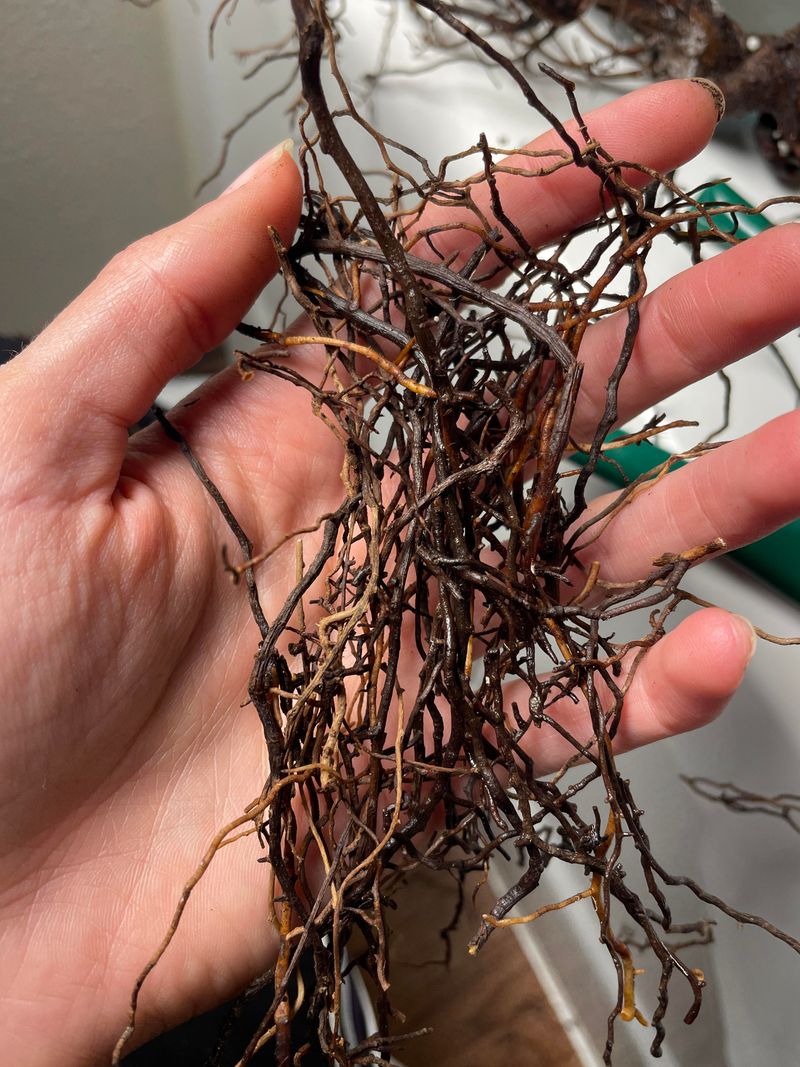
Root rot sets in fast once that happens. Caused by fungal pathogens like Phytophthora and Pythium, root rot turns healthy roots brown, mushy, and useless within days.
You might not notice it right away because the damage starts underground. By the time leaves turn yellow or stems collapse, the roots are already in bad shape.
Fungal disease spreads quickly in wet conditions. Spores travel through water, soil, and even on your gardening gloves, jumping from one plant to the next with ease.
Powdery mildew, gray mold, and crown rot all thrive when moisture lingers on leaves and at the soil line. These issues are not just cosmetic, they reduce yield and weaken plants over entire seasons.
Catching the problem early makes a big difference. Inspect your plants after every heavy rain and look for slimy stems, drooping leaves, or a sour smell coming from the soil.
Act quickly when you spot those signs. Removing affected plants and improving drainage can stop fungal spread before it takes out your whole bed.
Main Causes Of Standing Water In Ohio Garden Beds
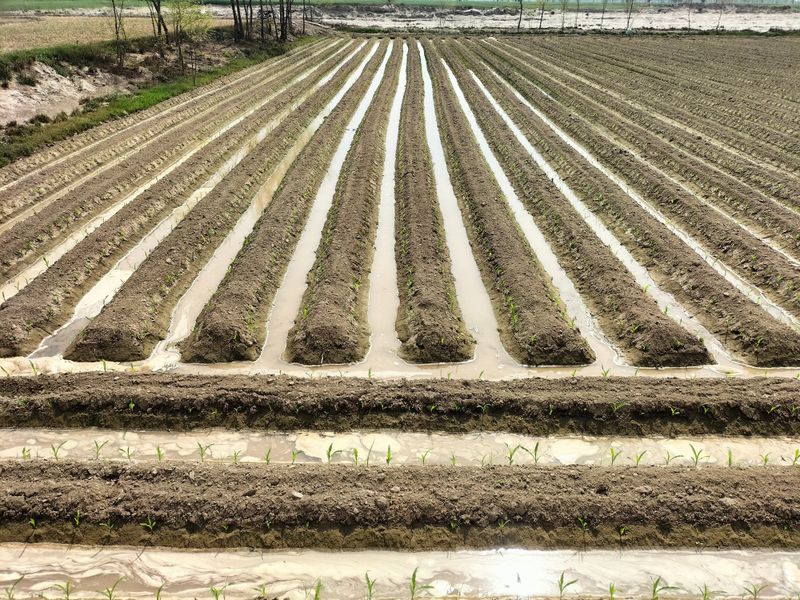
Clay soil is the main culprit here. Ohio has a lot of it, and clay drains so slowly that water pools on the surface instead of soaking through.
Compaction makes the problem worse. When soil gets packed down from foot traffic or heavy equipment, water has nowhere to go and just sits there.
Flat or low-lying garden beds collect water like a bowl. If your bed does not have a slight slope or proper grade, rainwater flows in and stays put.
Poor bed placement is another common issue. Beds positioned at the bottom of a slope or near downspouts receive runoff from surrounding areas during every storm.
Hardpan layers deep in the soil block drainage too. These dense layers, often found in older Ohio yards, act like an invisible barrier that water cannot pass through.
Your Ohio Garden Changes Every Week. Your Plan Should Too.
Gardening in Ohio changes quickly throughout the season. Every Friday you’ll receive a simple weekly plan showing exactly what to plant, prune, fertilize, harvest, and protect so you never miss the right timing.
Raised beds can develop drainage problems when the base material breaks down over time. Organic matter compacts, and the bed loses its ability to drain properly without being refreshed.
Overwatering is a surprisingly common cause. Even in a rainy season, some gardeners continue watering on a set schedule without checking if the soil actually needs it.
Understanding why water pools in your specific bed helps you choose the right fix. A drainage issue caused by clay soil needs a different solution than one caused by a hardpan layer or a flat grade.
Plant And Soil Damage Linked To Excess Moisture
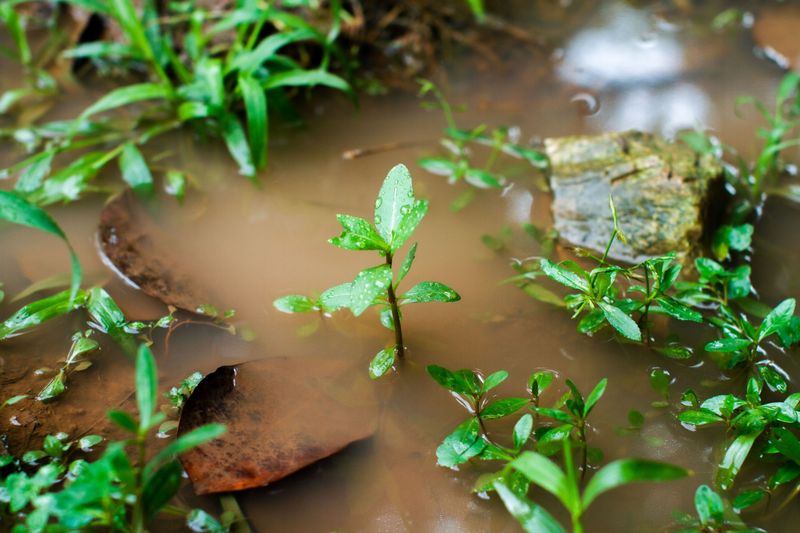
Excess moisture does not just hurt roots. It changes the entire chemistry of your soil in ways that are hard to reverse without serious effort.
Waterlogged soil becomes anaerobic, meaning it runs out of oxygen. Without oxygen, beneficial microbes that break down organic matter and feed your plants struggle to survive.
Nutrient loss happens fast in soggy conditions. Nitrogen, potassium, and other key minerals leach out of the soil and wash away with the standing water.
Plants growing in nutrient-depleted soil look pale, stunted, and weak. They struggle to fight off pests and disease because they simply do not have the resources to defend themselves.
Soil structure also takes a hit. When water saturates the ground and then dries, it creates a hard, crusty surface that blocks new roots from spreading out.
Earthworms and other helpful soil organisms abandon wet areas. Losing them slows decomposition and reduces the natural aeration that keeps garden soil loose and productive.
Erosion is another real concern, especially in raised beds. Heavy rain can wash topsoil away, leaving behind a compacted, nutrient-poor layer that is tough to garden in.
Rebuilding damaged soil takes time and money. Compost, cover crops, and soil amendments can help, but prevention is usually faster and cheaper than repair when it comes to moisture damage.
Ways To Improve Drainage In Affected Areas
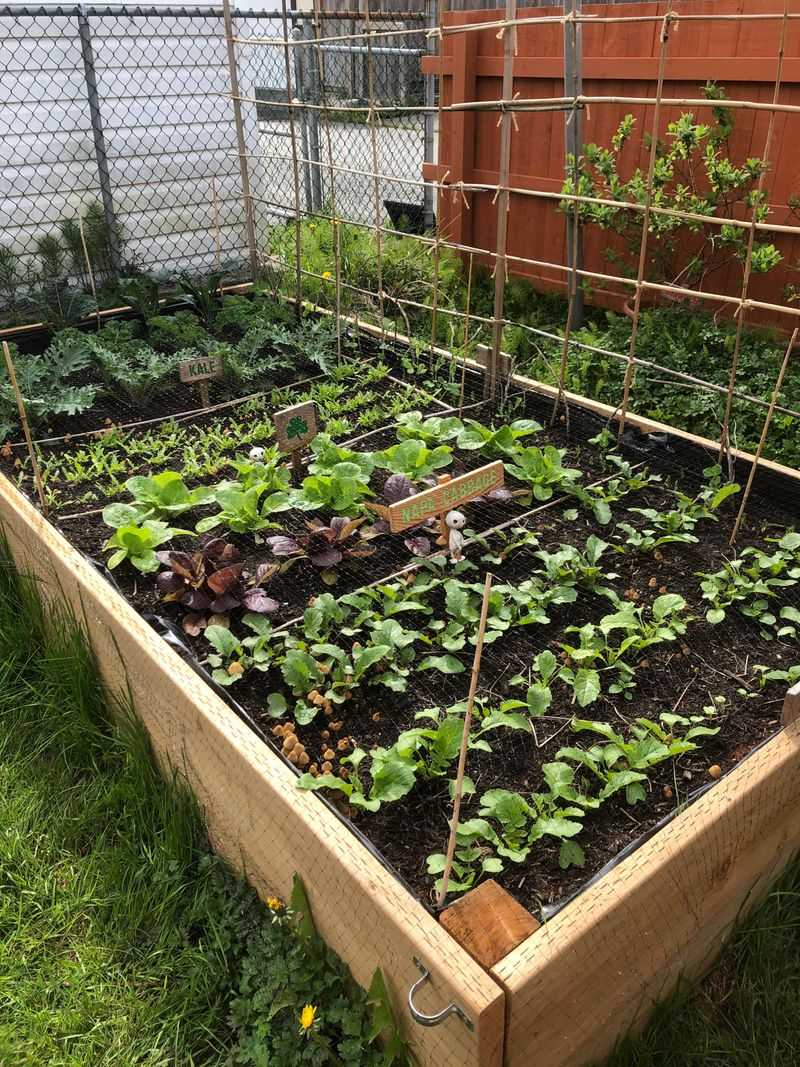
Bad drainage is not a permanent problem for your garden. There are practical fixes that work even in heavy clay soil, and most of them are weekend-friendly projects.
Start by adding organic matter to your beds. Compost, aged wood chips, and leaf mulch break up clay particles and create channels that let water move through the soil.
Raised beds are one of the fastest solutions. Building up the soil level by even six inches gives roots a dry zone above the waterlogged ground below.
French drains redirect water away from problem areas. You dig a trench, line it with gravel, and lay a perforated pipe that carries excess water to a safe outlet.
Gravel or coarse sand mixed into the top layer of soil can help in mild cases. Avoid fine sand though, because mixing it with clay creates a concrete-like texture that makes things worse.
Aerating compacted soil with a garden fork or broadfork opens up the surface. This simple step allows rainwater to penetrate instead of running off or pooling on top.
Swales are shallow channels dug along the edge of a bed to guide water away. They work well on sloped properties and require very little maintenance once installed.
Choosing the right fix depends on your specific situation. A French drain suits severe cases, while compost amendments work well for moderately slow-draining beds that just need a boost.
Choosing Plants That Tolerate Wet Conditions
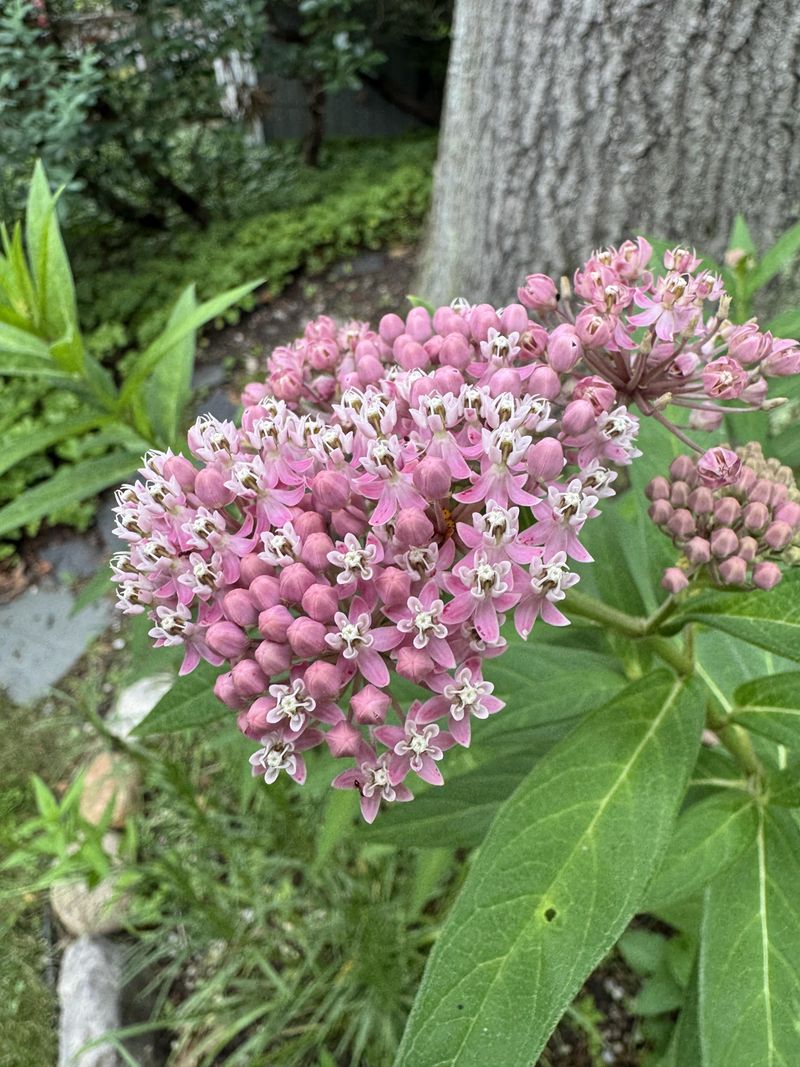
Sometimes the smartest move is to work with your wet conditions instead of against them. Choosing moisture-tolerant plants turns a drainage headache into a thriving, low-maintenance garden feature.
Swamp milkweed is a standout choice for wet Ohio beds. It handles soggy soil beautifully and doubles as a magnet for monarch butterflies all summer long.
Cardinal flower brings a punch of red to damp areas. It blooms in late summer and attracts hummingbirds, making it both functional and stunning in a wet corner of your yard.
Blue flag iris is a native plant that thrives near water. Its purple blooms are gorgeous in spring, and it spreads naturally over time without much help from you.
Joe-Pye weed grows tall and bold in moist conditions. It produces clusters of dusty pink flowers that pollinators love from midsummer through early fall.
Ostrich ferns are another reliable pick for shady, wet spots. They grow quickly, create a lush backdrop, and handle pooling water better than most ornamental plants.
For vegetable gardeners, watercress and mint both grow happily in consistently moist soil. Just keep mint contained, because it spreads aggressively and will take over a bed if left unchecked.
Matching the right plant to your actual soil conditions saves time, money, and frustration. Stop fighting your wet garden bed and start planting what actually belongs there.
Steps To Prevent Pooling Water In The Future
Prevention almost always beats repair. Once you understand what causes pooling water in Ohio garden beds, you can take steps to stop the problem before it starts next season.
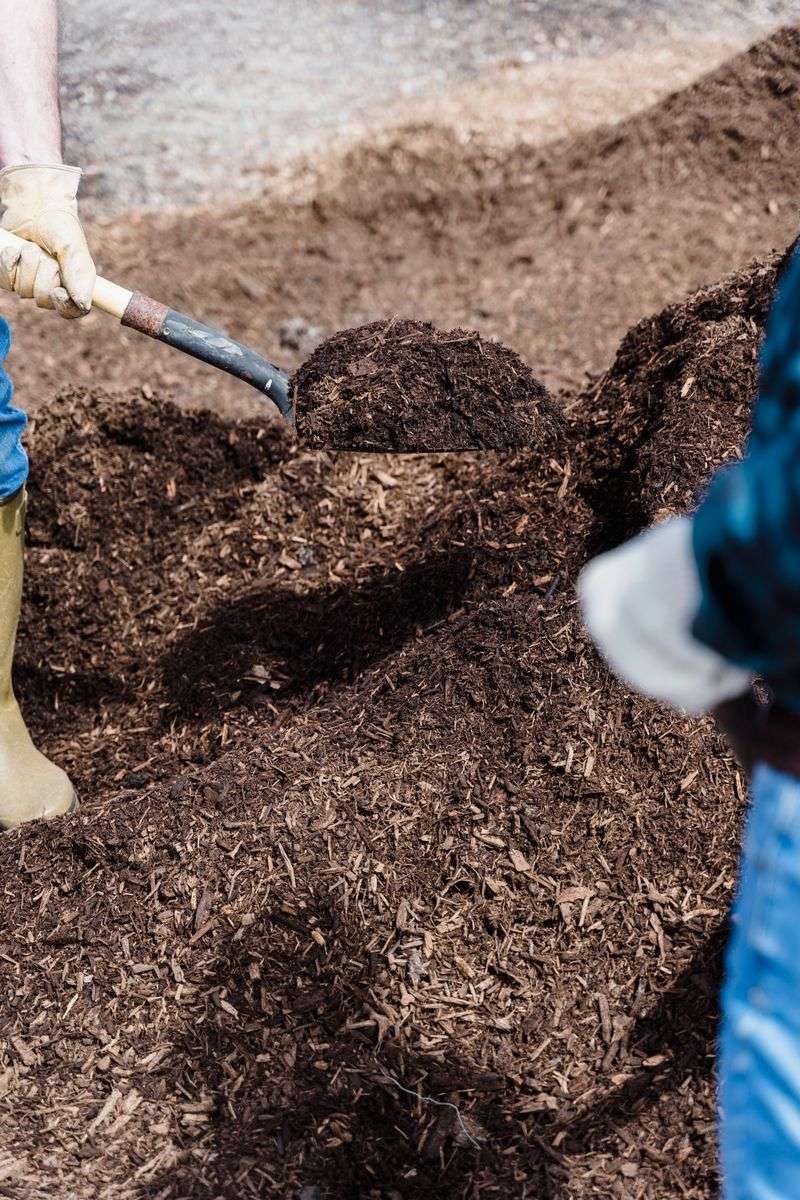
Mulching your beds consistently is one of the easiest preventive habits. A two-to-three-inch layer of wood chips or straw slows water runoff and helps soil absorb rain more evenly.
Test your soil every few years to track its health and drainage capacity. Knowing your soil type helps you choose the right amendments before problems show up.
Redirect downspouts away from garden areas whenever possible. A simple downspout extender costs very little and keeps roof runoff from flooding your beds during heavy storms.
Grade your yard so that water flows away from your beds, not toward them. Even a gentle slope of one inch per ten feet makes a noticeable difference in where water ends up.
Plant cover crops in the off-season to protect and improve soil structure. Plants like winter rye and clover keep roots in the ground, which prevents compaction and erosion.
Avoid walking on your garden beds whenever the soil is wet. Compaction happens quickly on saturated ground, and a few heavy footsteps can undo months of soil-building work.
Making small consistent changes now will protect your garden for years to come. Tackling pooling water in Ohio garden beds today means healthier plants, richer soil, and a lot less frustration down the road.