Never Let Oregon Hanging Baskets Dry Out Completely During A Heat Advisory
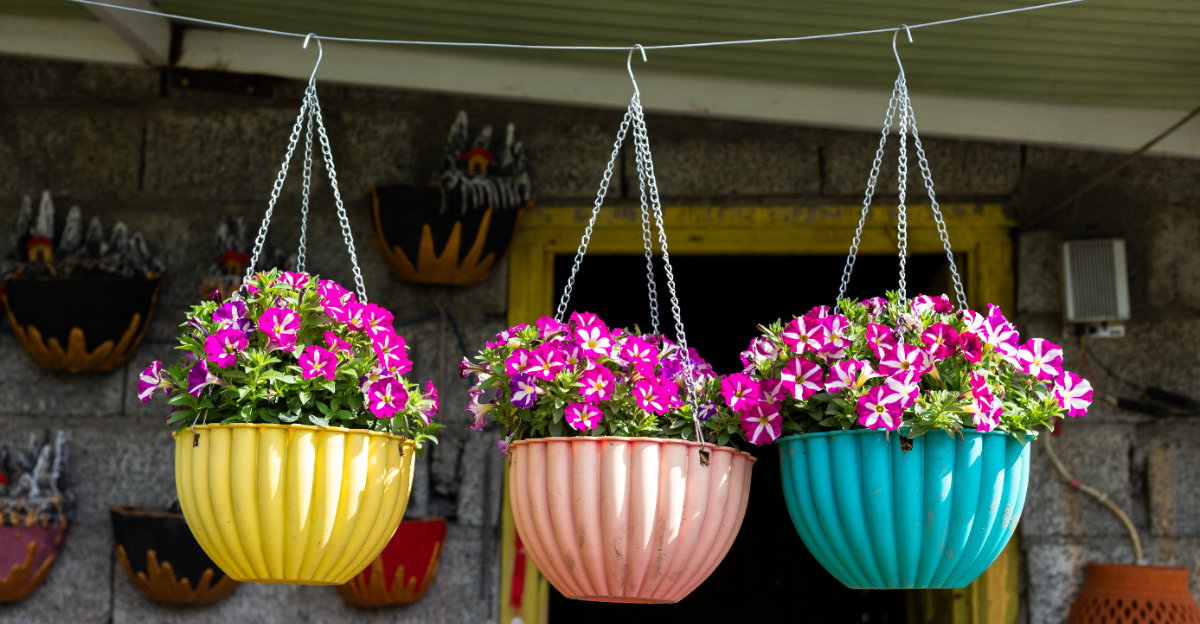
Oregon’s heat advisories don’t warn you twice. One afternoon of blazing sun and your hanging baskets can slip from lush to limp faster than you’d think, especially once temperatures push past ninety degrees.
Soil in a suspended container heats up on all sides at once, which means moisture disappears at a pace ground beds simply don’t experience.
Most gardeners catch the wilting only after the roots have already started struggling, and by then the fix takes longer than prevention would have. A few small signs show up well before the leaves start drooping, if you know where to look.
Dry Soil Causes Fast Root Damage In Hanging Baskets
Roots are fragile, and they panic fast when the soil dries out completely. Hanging baskets are especially vulnerable because they have limited soil volume.
A small container loses moisture much faster than a garden bed. Roots in a dry basket can start showing stress within just one afternoon of intense heat.
When soil dries out fully, it actually pulls away from the container walls. Water poured on top then runs straight down the sides without soaking in.
The roots often miss out on a drink, even when you think you watered. In Oregon, an active heat advisory speeds up this whole cycle even further. Hot wind pulls moisture out from every side of the basket at once.
Roots need consistent moisture to absorb nutrients properly. Without water, they often cannot pull in the minerals your plants need to grow.
Dry roots quickly become damaged roots, and damaged roots cannot recover easily. Compact, dried soil also hardens into a dense block.
That block resists rehydration and suffocates root systems. Breaking that cycle takes real effort and the right technique.
Prevention itself is simple. Watering before soil dries completely keeps roots healthy and active. Catching the problem early makes all the difference for your hanging baskets during a heat advisory.
Signs Your Hanging Basket Needs Water Immediately
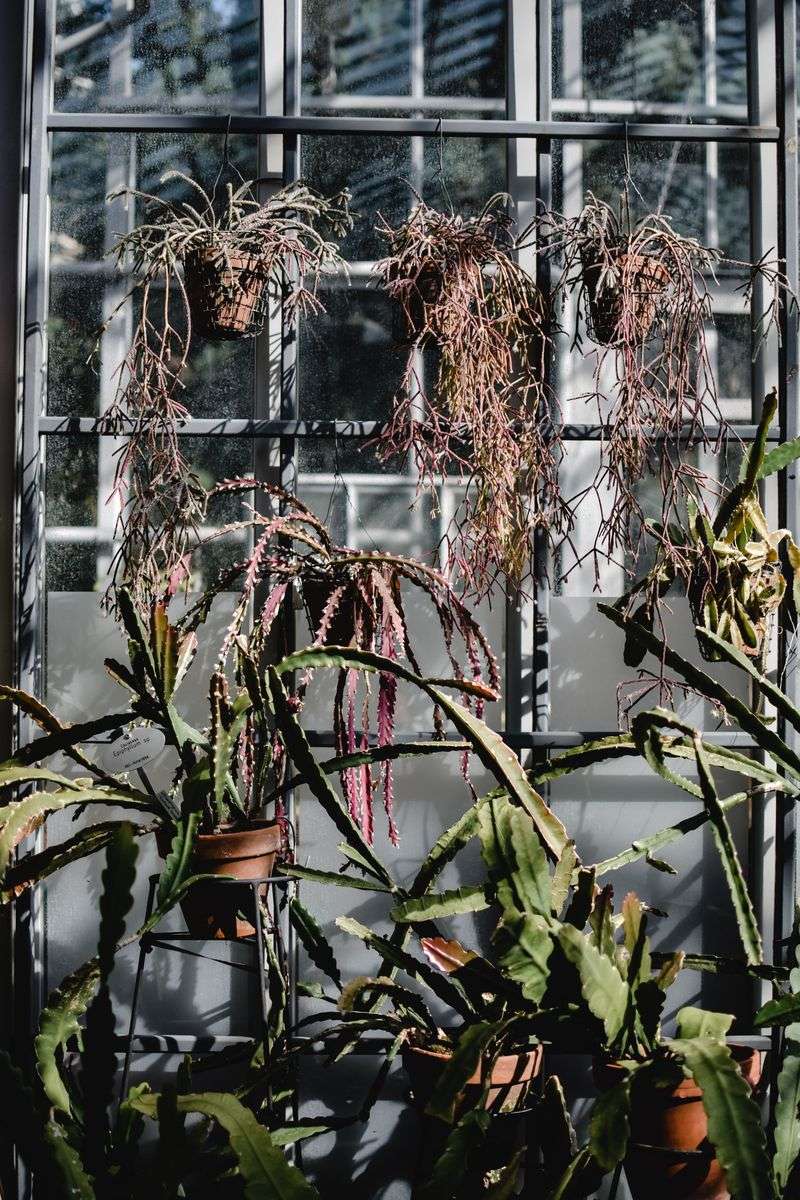
Your plants are always talking to you, even if you have not been listening yet. Wilting leaves are the most obvious signal. When foliage droops and looks limp, the plant is already stressed.
Do not wait for more signs before grabbing your watering can. Leaf edges turning brown or crispy are another urgent clue.
That browning means cells have already dried out and lost their moisture. Once leaf edges go crispy, that particular growth usually will not recover, even after watering.
Lift the basket with one hand. A lightweight basket almost always means dry soil. A well-watered container feels noticeably heavier, so the weight test is fast and reliable.
Soil pulling away from the container rim is a serious warning sign. That gap means the growing medium has shrunk from dehydration. Water will skip past the roots until you rehydrate the soil block properly.
Flower buds dropping before they open is a sneaky symptom many gardeners miss. Heat and drought stress trigger plants to drop buds as a survival response.
Your Oregon Garden Changes Every Week. Your Plan Should Too.
Gardening in Oregon changes quickly throughout the season. Every Friday you’ll receive a simple weekly plan showing exactly what to plant, prune, fertilize, harvest, and protect so you never miss the right timing.
Reaching that stage during a heat advisory can set blooming back by weeks. Check your baskets at least twice daily when temperatures climb above 90 degrees.
Morning and late afternoon checks catch problems before they spiral. Quick action keeps your blooms looking full and healthy all summer long.
Best Watering Schedule During Heat Advisories
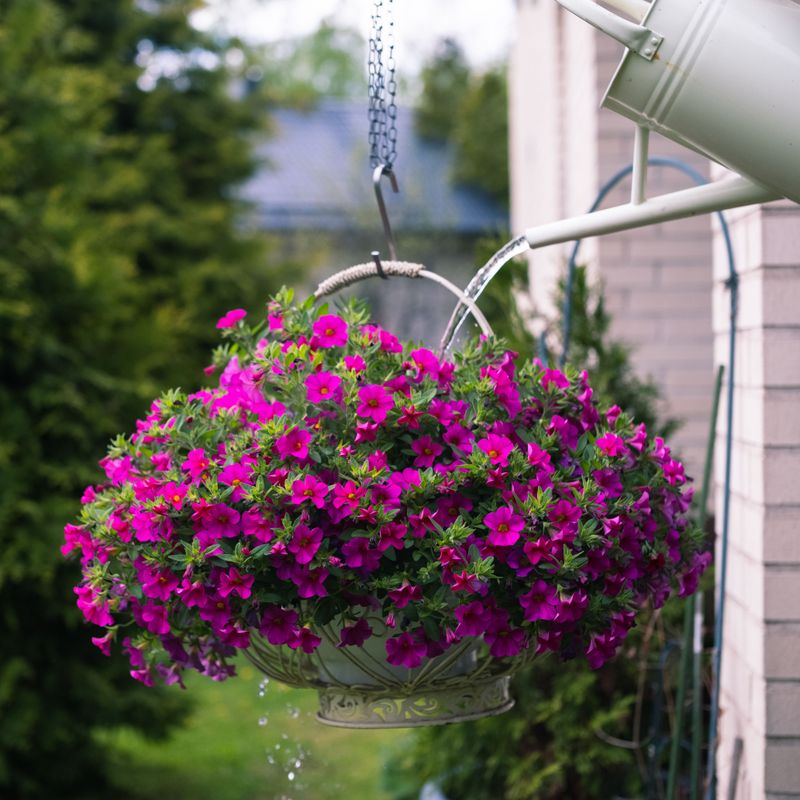
Timing your watering sessions correctly can mean the difference between thriving blooms and a crispy mess. Water early in the morning before temperatures climb.
Morning watering gives roots a full supply before peak heat arrives. Soil stays moist longer when it is not immediately baking under a midday sun.
A second watering in the late afternoon is often necessary during heat advisories. By 4 or 5 p.m., hanging baskets in full sun may already be dangerously dry.
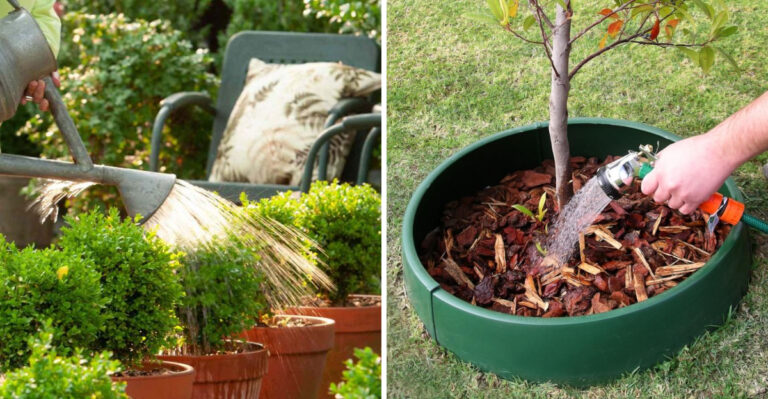
Checking soil moisture before sunset prevents overnight stress on roots. Slow, deep watering beats quick splashes every time. Hold the hose or watering wand on each basket for at least 30 seconds.
You want water to drip freely from the drainage holes at the bottom. Avoid watering during the hottest part of the day, between 11 a.m. and 3 p.m.
Watering in peak heat also increases evaporation before roots can absorb the moisture. Self-watering baskets with built-in reservoirs are a smart upgrade for hot Oregon summers.
They release moisture slowly, keeping roots consistently hydrated between your manual sessions. Pairing them with a regular check schedule gives your plants the best possible protection.
Skipping more than one day without checking during a heat advisory raises the risk significantly. Consistency is one of the most effective habits a gardener can rely on. Stick to your schedule and your plants will reward you generously.
Choosing Containers That Retain Moisture Longer
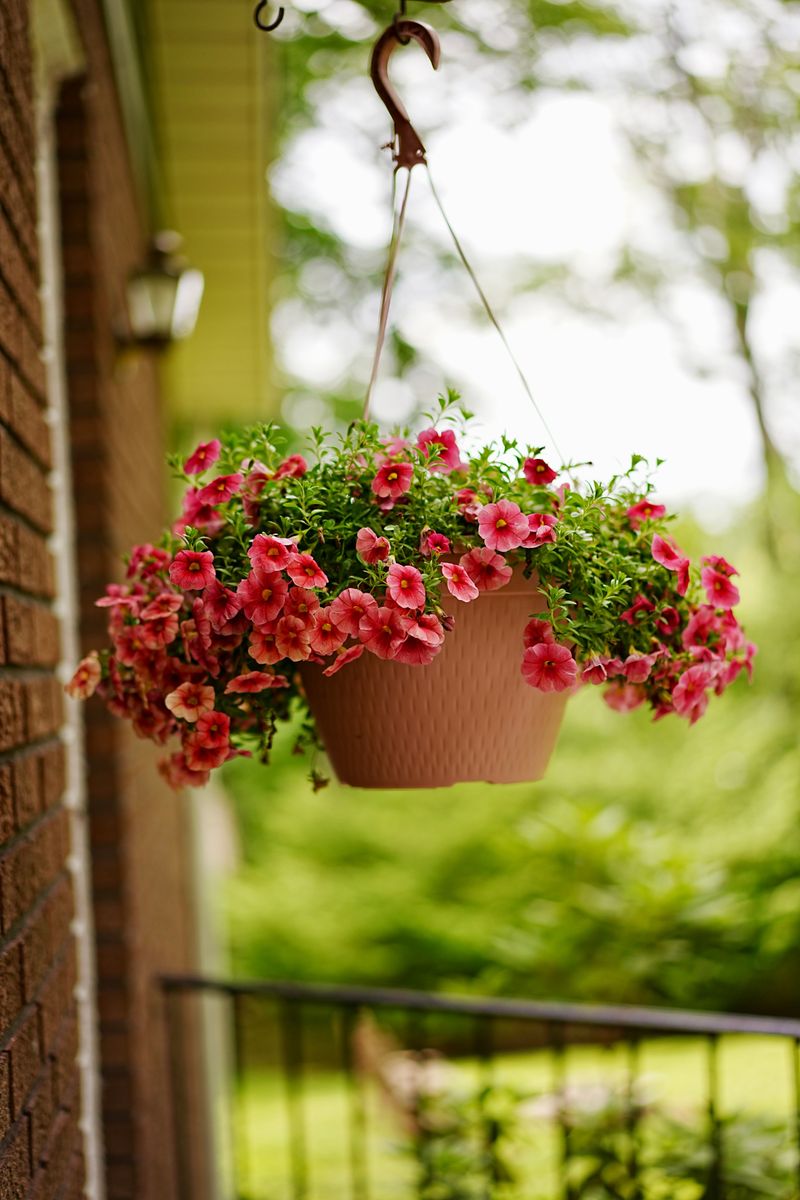
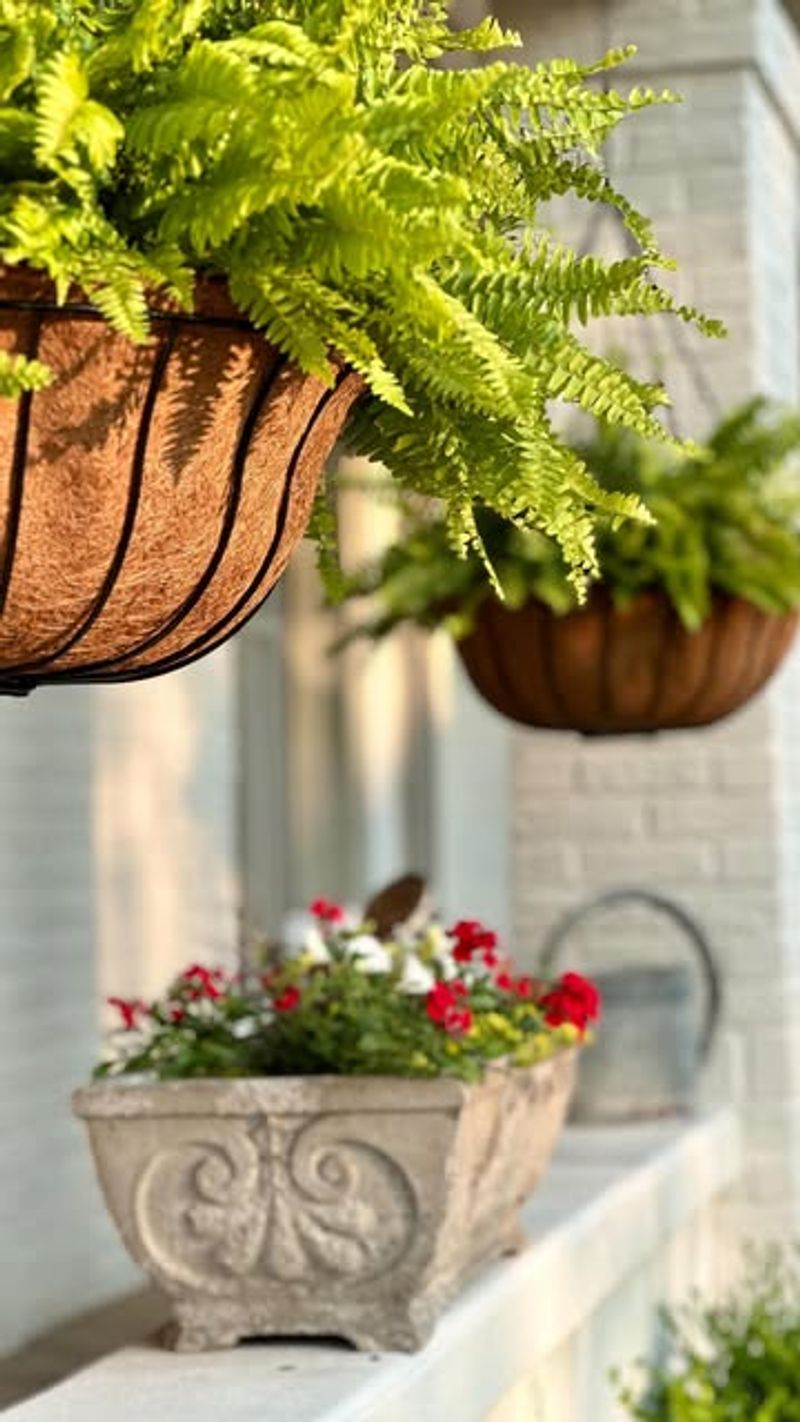
Not all hanging baskets are created equal, and the container you pick matters more than most people realize. Plastic containers retain moisture far better than traditional wire baskets with coco liners.
Wire baskets look beautiful, but they allow water to evaporate quickly from all sides. On a hot day, a coco liner basket typically needs watering more often than a plastic one.
Glazed ceramic pots hold moisture well and add a decorative touch to any porch. The glaze seals the surface and slows evaporation significantly.
Just make sure any ceramic container has adequate drainage holes to prevent root rot. Container size matters too.
Larger baskets hold more soil, which means more water storage capacity. A 14-inch or 16-inch basket will stay moist far longer than a compact 10-inch version during extreme heat.
Adding water-retaining gel crystals to your potting mix is a simple upgrade. These crystals absorb water and release it slowly back into the soil.
A small amount mixed in before planting can meaningfully extend the time between watering sessions. Lining wire baskets with burlap instead of coco fiber slows moisture loss noticeably.
Burlap is thicker and holds water closer to the root zone. It is an inexpensive fix that makes a real difference on scorching afternoons.
Choosing the right container from the start saves you hours of extra watering work. Smart choices now mean healthier plants all season long.
Shade And Placement Tips For Extreme Heat
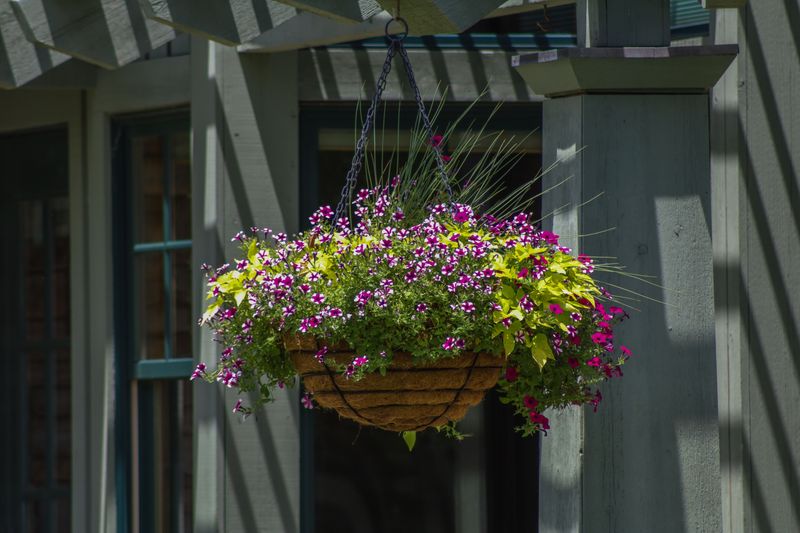
Where you hang your basket is just as important as how often you water it. Full sun placement works well in mild weather, but extreme heat changes everything.
Baskets in direct afternoon sun absorb intense radiant heat that dries soil noticeably faster. Moving baskets to a spot with afternoon shade can meaningfully reduce your watering needs.
East-facing spots are ideal during summer heat advisories. Plants there get gentle morning light and stay shaded during the brutal afternoon hours.
Morning sun is far less intense and much less damaging to roots and foliage. Pergolas and porch overhangs create natural shade that protects baskets without sacrificing beauty.
Hanging baskets look stunning framed under a pergola and stay cooler in filtered light. A simple shade cloth can also work if you do not have a covered structure.
Grouping baskets together helps them create a microclimate. Plants release moisture through their leaves, and nearby baskets benefit from that shared humidity.
Clustering several together reduces individual moisture loss during peak heat hours. Avoid hanging baskets directly against brick or concrete walls in summer.
Those surfaces absorb heat all day and radiate it back intensely at night. That extra heat accelerates soil drying and stresses roots even after the sun goes down.
Thoughtful placement is one of the easiest ways to protect your investment. A little repositioning during a heat advisory keeps blooms full and roots happy all season.
Reviving A Hanging Basket After Drought Stress
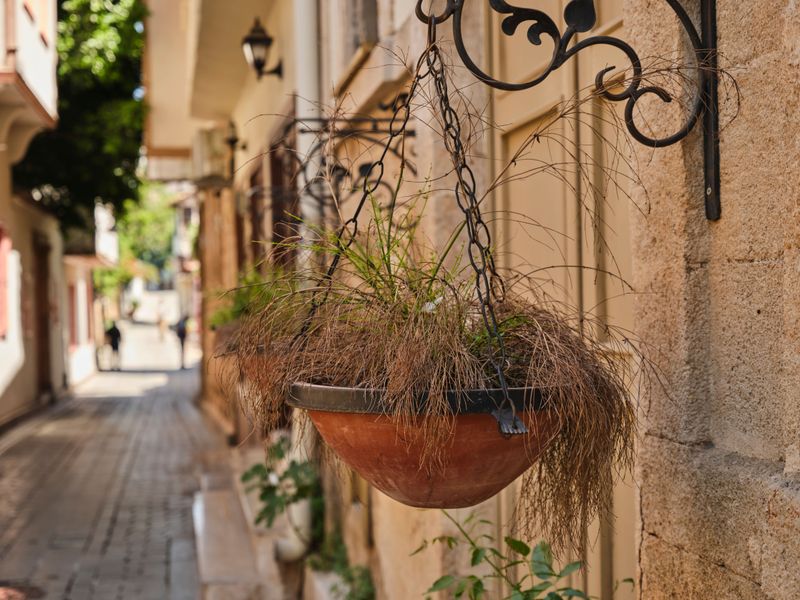
A shriveled, wilted basket is not always beyond saving. Start by moving the basket immediately to a shaded area.
Getting it out of direct sun stops further moisture loss while you work. Shade is the first and fastest step toward recovery.
Fill a large bucket or tub with room-temperature water. Submerge the entire basket, pot and all, for at least 30 minutes.
This soak method forces water back into the hardened soil block from all angles. Watch for air bubbles rising to the surface during soaking.
Those bubbles mean dry air pockets are being displaced by water. Keep the basket submerged until the bubbling stops completely.
After soaking, let the basket drain fully before rehanging it. Waterlogged soil with no drainage can cause root rot almost as fast as drought. Balance is key for a strong recovery.
Trim away any brown, crispy, or fully spent foliage after the soak. Removing spent material lets the plant focus all its energy on new growth.
Fresh cuts also reduce the moisture demand on already stressed roots. Feed the basket with a diluted liquid fertilizer about two days after rehydration.
Stressed plants need a gentle nutrient boost to rebuild strength. Avoid fertilizing a completely dry or freshly drought-stressed basket, since concentrated nutrients can burn fragile roots further.
Reaching full drought stress again is avoidable with consistent care. Prevention beats revival almost every time.