What It Means When Your Georgia Tomatoes Rot On The Bottom In August
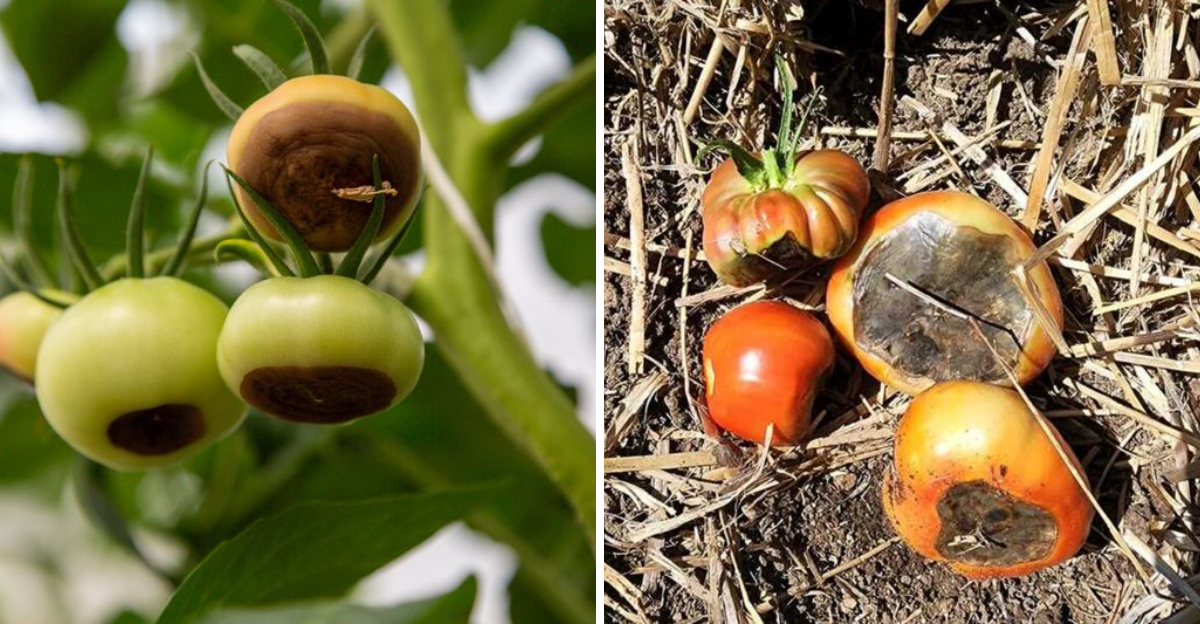
A Georgia tomato can look perfect until you turn it over.
The top may be glossy, red, heavy, and almost ready for a sandwich. Then the bottom tells a different story.
A dark, sunken patch spreads across the end of the fruit, and suddenly that tomato you watched all summer looks ruined before it ever reaches the kitchen counter.
It is frustrating, but it is not mysterious once you know the pattern.
August creates the exact conditions that make this problem show up in Georgia gardens. Heat dries soil quickly. Thunderstorms soak beds unevenly. Containers swing from wet to dry in a single day.
Roots struggle, fruit expands fast, and the plant cannot always move minerals where they are needed at the right speed.
The good news is that the whole plant is usually not lost.
So what does it mean when your Georgia tomatoes start rotting on the bottom in August?
It usually means blossom-end rot has shown up, and the fix starts with steadier moisture, healthier roots, and less panic fertilizing.
1. Blossom End Rot Is The Problem
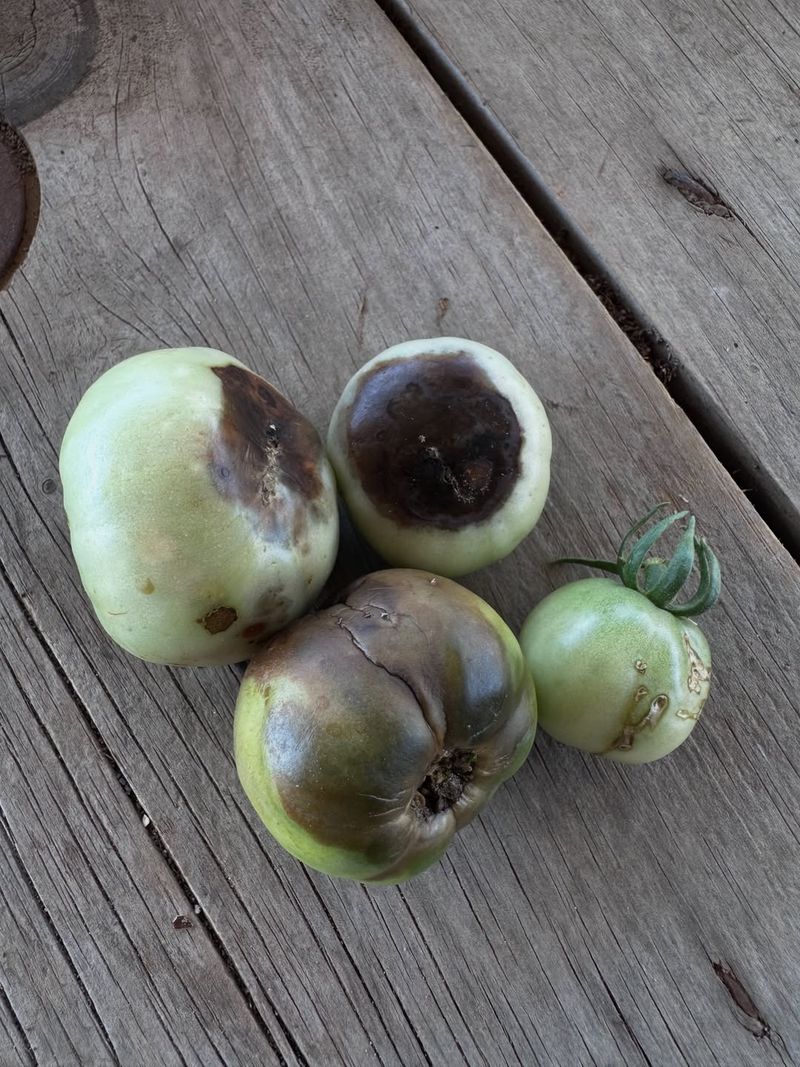
The dark patch at the bottom has a name.
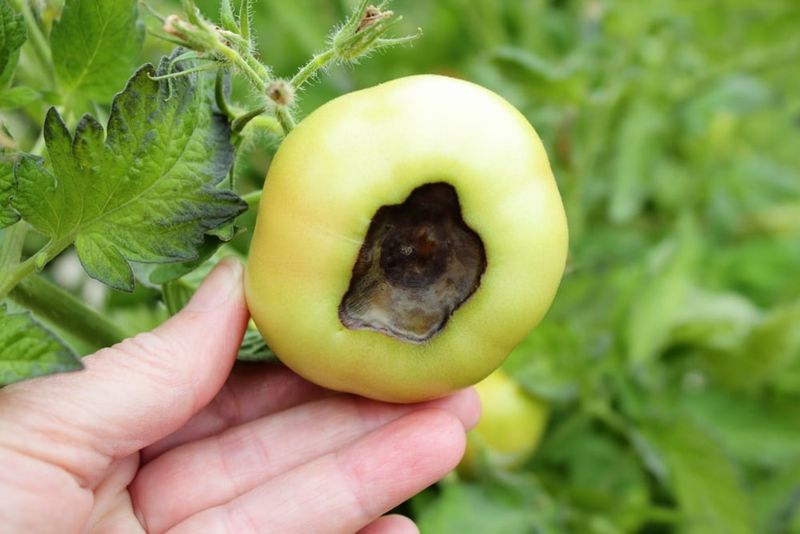
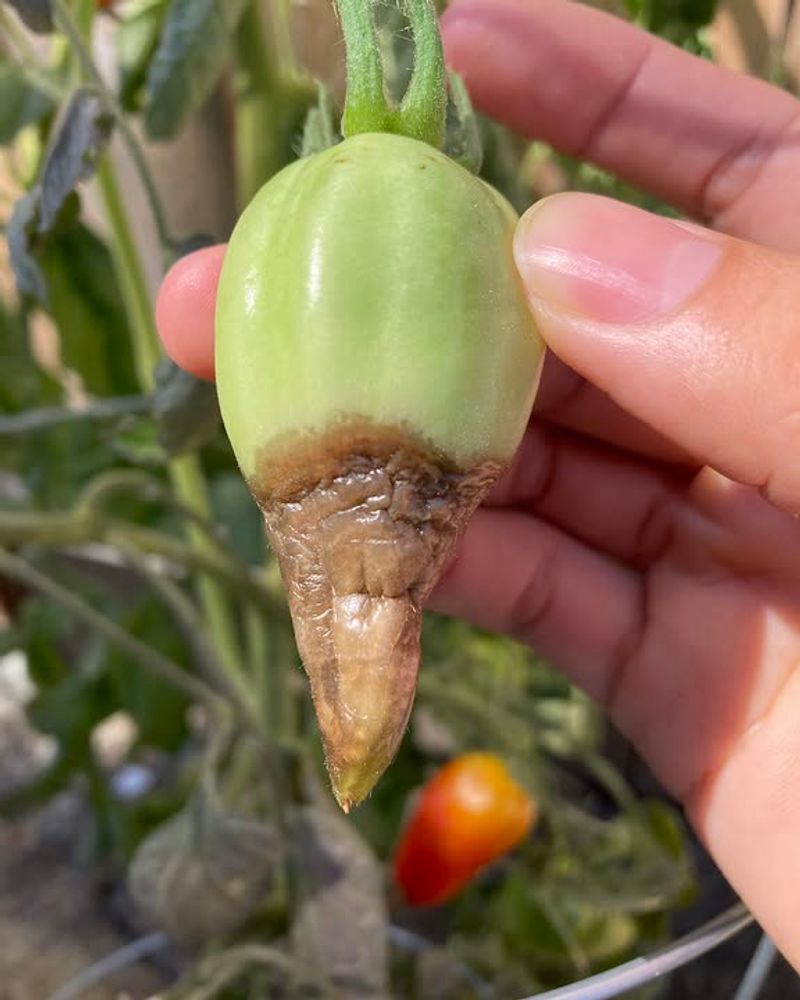
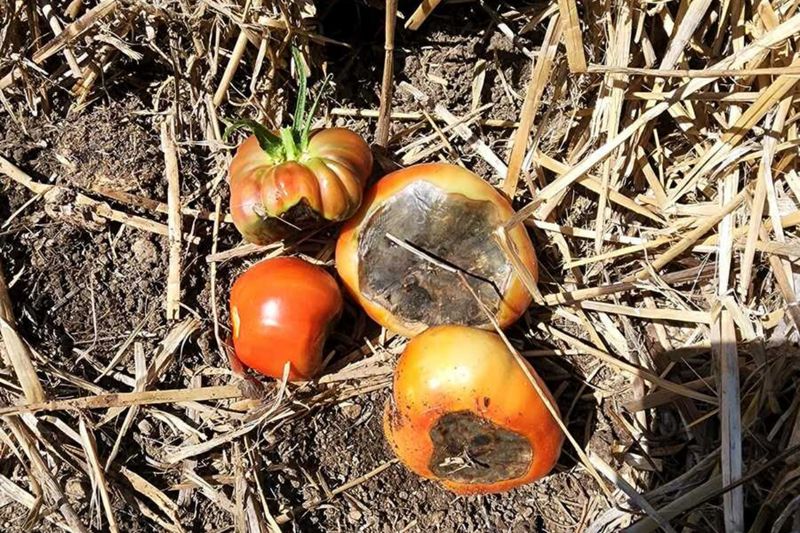
Blossom-end rot shows up on the blossom end of the tomato, which is the bottom tip of the fruit opposite the stem. That location is the biggest clue.
The damage does not begin as a bite, puncture, or fuzzy infection. It starts inside the fruit tissue, then becomes visible as the cells break down.
Early spots may look pale, gray-green, or slightly water-soaked. They can feel soft at first, almost like a bruise.
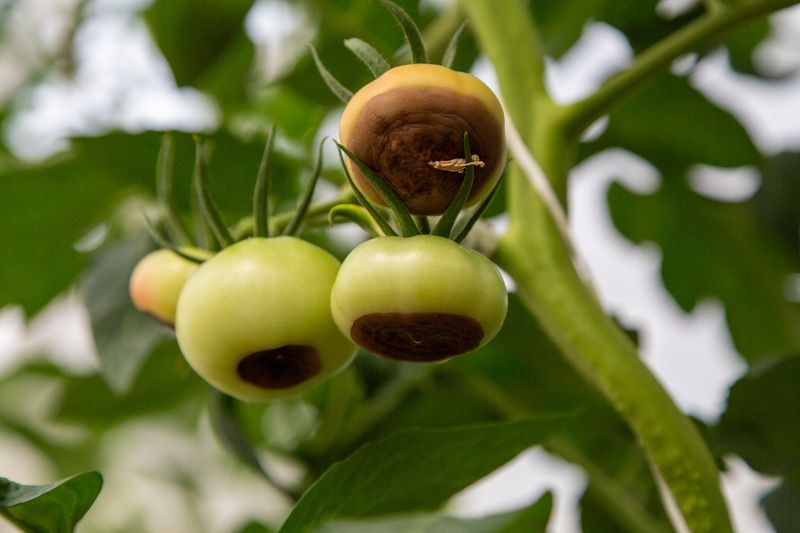
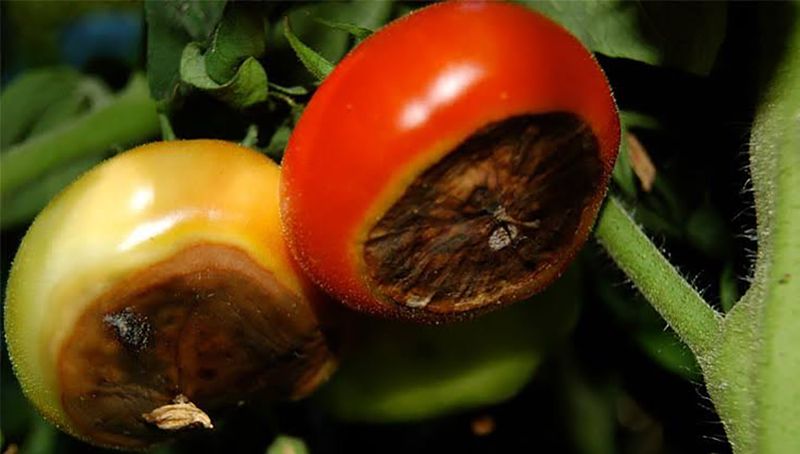
As the fruit grows, the spot darkens. It may turn brown or black and sink inward.
The texture often becomes leathery. A small patch can stay dime-sized, or the damage can spread across much of the bottom.
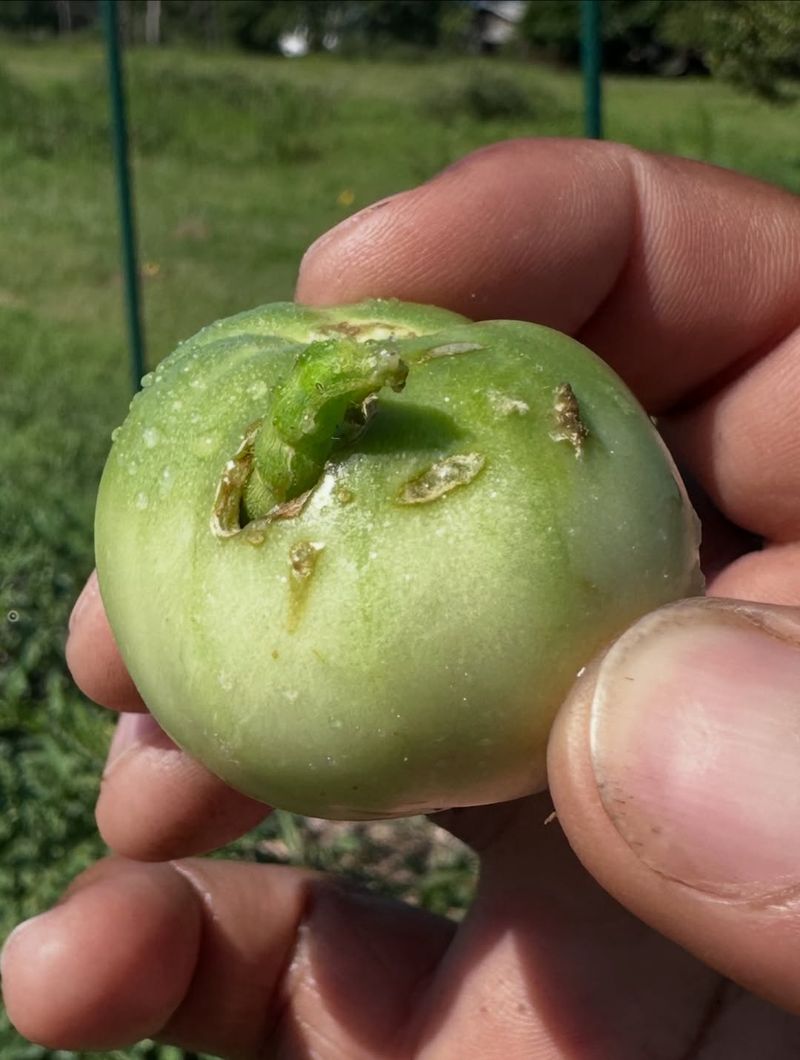
This is not a bug problem. No caterpillar or beetle caused the first injury.
It is not a contagious tomato disease either. It will not spread from one fruit to another like a fungal infection.
Blossom-end rot is a physiological disorder. The plant failed to deliver enough calcium to fast-growing fruit tissue at the right moment.
That distinction matters.
Once you recognize the location, texture, and pattern, you can stop treating it like a pest and start fixing the growing conditions that triggered it.
2. Calcium Is Not Reaching New Fruit
The fruit is short on calcium, but the soil may not be.
That sounds confusing at first. Gardeners often assume blossom-end rot means they need to add calcium immediately. In many Georgia gardens, calcium is already present in the soil. The real problem is movement.
Calcium travels through the plant with water. Roots absorb water, and that water carries dissolved calcium upward through the stems.
The pathway is slow. Calcium does not move freely from older leaves into new fruit whenever the plant wants it.
Young fruit sits at the end of the delivery line. The blossom end needs steady calcium while cells expand quickly.
Any interruption creates weakness. When calcium delivery slows, those new cells cannot build strong walls.
Your Georgia Garden Changes Every Week. Your Plan Should Too.
Gardening in Georgia changes quickly throughout the season. Every Friday you’ll receive a simple weekly plan showing exactly what to plant, prune, fertilize, harvest, and protect so you never miss the right timing.
That weak tissue collapses from the inside. The dark patch appears after the shortage has already happened.
Adding lime or calcium after symptoms appear does not repair affected fruit. The damaged area will not turn normal again.
Calcium sprays are not a reliable rescue. Leaves do not send calcium efficiently into developing fruit.
Soil testing still has value. It shows pH, calcium levels, and nutrient balance before you add anything.
The issue is usually delivery, not absence.
Steady water movement through healthy roots is the real key to getting calcium into future tomatoes.
3. Uneven Watering Triggers The Breakdown
Moisture swings are the main driver.
A tomato plant wants steady access to water, especially while fruit is expanding. Georgia August weather rarely makes that easy. Soil can dry hard during a hot spell, then receive a hard afternoon storm that changes the bed too quickly.
Dry soil slows uptake. Roots cannot move enough water or calcium when the root zone becomes too dry.
Sudden rain creates a different stress. The plant may surge with water, but calcium movement still lags behind.
Fast fruit expansion needs steady supply. The blossom end cannot keep up when growth speeds ahead of calcium delivery.
Containers are especially vulnerable. A pot can dry out by midafternoon, then become soaked after a storm.
Raised beds can swing too. They drain well, but they can lose moisture faster than in-ground clay.
Nearby tree roots make it worse. Trees can pull moisture away from tomato roots before gardeners notice.
A fixed watering schedule can fail. The plant’s needs shift with heat, rain, wind, and fruit load.
Check soil directly. Push a finger several inches into the root zone before deciding.
Cool, moist soil means wait. Dry soil at that depth means water deeply.
Blossom-end rot is often a watering rhythm problem.
The plant needs fewer extremes and more consistency from one day to the next.
4. August Heat Speeds Moisture Swings
Georgia heat makes every mistake bigger.
By August, soil surfaces warm fast, containers bake, and tomato leaves lose water quickly. Even a plant watered well in the morning may face stress by late afternoon when temperatures stay high.
Hot air increases water demand. Leaves release moisture faster as the day heats up.
Warm soil dries from the top down. Roots near the upper layer may lose access to steady moisture.
Afternoon wilt can be misleading. Leaves may droop in heat even when the soil is not completely dry.
Morning wilt is more serious. A plant that starts the day limp needs a closer root-zone check.
Piedmont clay holds moisture longer but can compact. Water may run off instead of soaking evenly.
Coastal Plain sandy soil drains quickly. Moisture may pass through before roots can use it for long.
Thunderstorms do not always solve the problem. Heavy rain can run off a dry or compacted surface.
A rain gauge helps. The amount that fell in the yard may be very different from what the plants received.
Mulch helps moderate heat. It keeps the root zone cooler and slows evaporation.
August does not cause blossom-end rot by itself.
It simply creates the fast moisture changes that make calcium delivery fail at the worst possible time.
5. Root Damage Makes Symptoms Worse
Roots control the whole delivery system.
A tomato plant with injured, crowded, or stressed roots cannot move water and calcium efficiently. That makes blossom-end rot more likely, even when the gardener waters regularly.
Hoeing too close can hurt. Fine feeder roots spread near the surface and can be sliced during weeding.
Those small roots matter. They absorb much of the water and nutrients the plant depends on.
Compacted soil limits expansion. Roots cannot explore enough volume to find steady moisture.
Foot traffic near plants creates trouble. Repeated steps can press clay or garden soil into a tighter layer.
Fertilizer placed too close can burn roots. Salt injury reduces uptake capacity.
Root diseases can mimic drought. A plant may wilt because damaged roots cannot move water well.
Container roots can become crowded. A pot that is too small dries quickly and limits the plant’s reach.
Transplant stress can linger. A plant that struggled early may still have a weaker root system in August.
Protect the root zone. Mulch, careful hand-weeding, and deep watering all help.
Avoid digging around mature tomato plants. Late-season root disturbance rarely pays off.
Blossom-end rot appears on the fruit, but the story often starts underground.
Healthy roots make steady calcium delivery possible.
6. Excess Nitrogen Raises The Risk
A lush tomato plant can still have weak fruit.
Too much nitrogen pushes rapid leafy growth. The plant may look powerful, with deep green leaves and thick stems, but that fast growth can increase demand for calcium faster than the roots can supply it.
Rapid growth stretches the delivery system. New leaves, shoots, and fruit all compete for water and minerals.
Fruit at the blossom end can lose that competition. The fastest-expanding tissue suffers first.
Heavy nitrogen in July or August is risky. By then, the plant should be supporting fruit, not chasing another big flush of leaves.
Soft growth also uses more water. That increases stress during hot, dry spells.
Do not fertilize after seeing blossom-end rot without checking the cause. More food may make the imbalance worse.
Avoid high-nitrogen lawn fertilizer near tomato beds. Runoff or drift can affect vegetable plants.
Use balanced nutrition earlier in the season. Steady support beats late panic feeding.
Compost can still be overdone. Rich beds may push too much vegetative growth.
A soil test gives better direction. Guessing often adds nutrients the soil already has.
The goal is not a greener jungle.
It is a plant with strong roots, steady growth, and fruit that receives calcium at the right pace.
7. Steady Moisture Protects Later Fruit
Mulch is one of the best immediate tools.
A good layer around tomato plants slows evaporation, reduces soil temperature swings, and helps rain soak more gently into the bed. That steadier root zone can protect later fruit from the moisture swings that trigger blossom-end rot.
Use straw, pine straw, shredded leaves, or clean grass clippings. Choose material that lets water pass through.
Aim for three to four inches. That is enough to protect soil without smothering the plant base.
Keep mulch away from the stem. Leave a small open ring around the main stem for airflow.
Apply before soil becomes bone dry. Mulch works best when it preserves existing moisture.
Water before mulching when needed. Covering dry soil can keep it dry longer.
Check beneath the mulch. The surface may look dry while soil below remains moist.
Refresh thin spots after storms. Heavy rain can move mulch away from the root zone.
Avoid thick mats. Compacted layers can shed water instead of letting it soak in.
Mulch containers too. A thin layer on large pots can reduce heat and evaporation.
Mulch does not cure affected fruit.
It helps protect the next wave by making the root zone less extreme.