The Common August Yard Mistake That Can Attract Roaches In Ohio
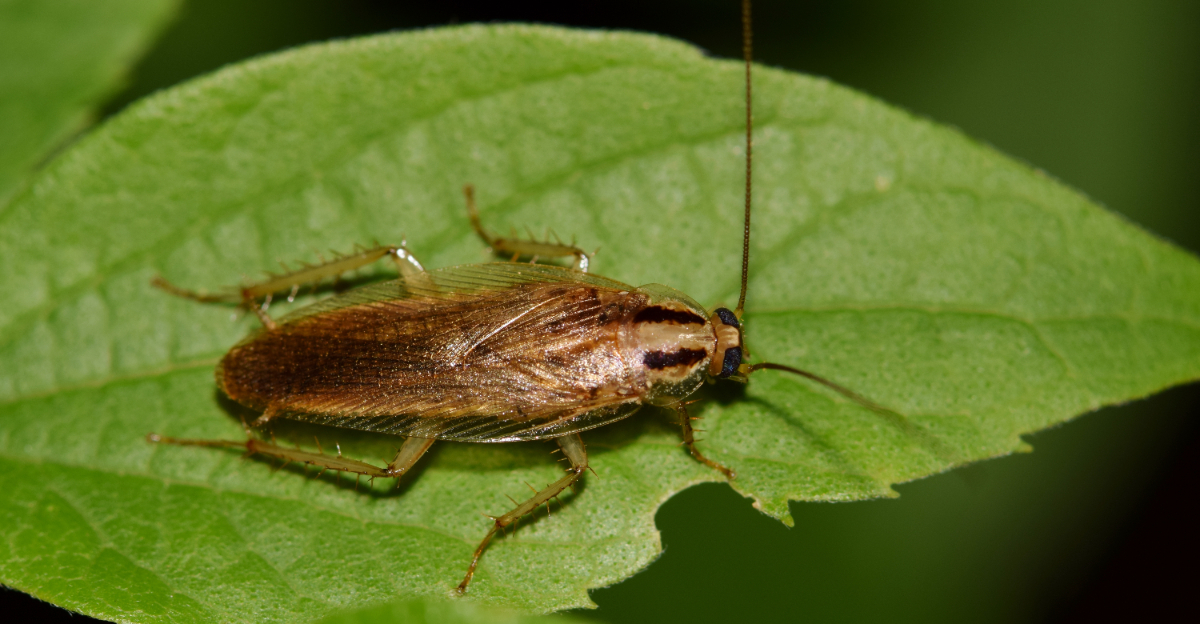
Roaches in Ohio are a problem most homeowners underestimate until they are not. Certain August yard habits create conditions that bring them closer to the house than anyone expects, and the timing feels coincidental every single time.
It is not. August accelerates the issue.
Heat pushes roaches to seek moisture and shelter. Certain yard habits create both in exactly the spots closest to the foundation.
One common mistake shows up in Ohio yards every August without anyone connecting it to the roach activity that follows weeks later. It looks like routine yard maintenance.
It produces results that routine pest control never fully reverses because nothing changed about what caused them. Roaches in an Ohio home in late summer almost always have a yard story behind them.
That story starts outside, close to the house, with a habit that seemed completely harmless at the time.
1. Overwatering Creates The Damp Shelter Roaches Seek
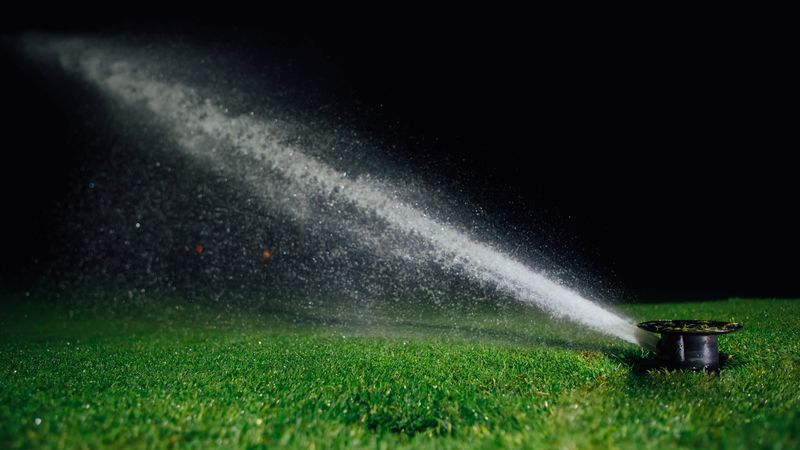
A sprinkler head pointed at a shaded strip beside the foundation can keep that soil wet for hours after the rest of the yard has dried. Repeated saturation in one spot changes the character of that area.
Soil that never fully dries stays cool, compact, and covered, which suits moisture-seeking insects like Oriental cockroaches far better than open, sunny ground does.
The concern here is not regular garden watering. Plants still need appropriate water during hot August days, especially in clay-heavy Ohio soils that can dry unevenly.
The real issue is irrigation that continues past what the plants actually need. It’s also sprinkler heads aimed at pavement, siding, or bare foundation soil instead of root zones.
Signs of excess include standing water that lingers after watering ends and soil that stays soft to the touch throughout the day. Another sign is greenish algae forming on concrete near a downspout or faucet.
Runoff heading toward the structure rather than away from it is another clue worth addressing right away.
Check soil moisture at the root zone before running the sprinklers again. Adjust the direction of any head aimed at the building.
Watering early in the morning allows surface soil to dry before nightfall, reducing the window when damp ground is most accessible to insects active after dark.
2. Thick Mulch Holds Moisture Against The Foundation
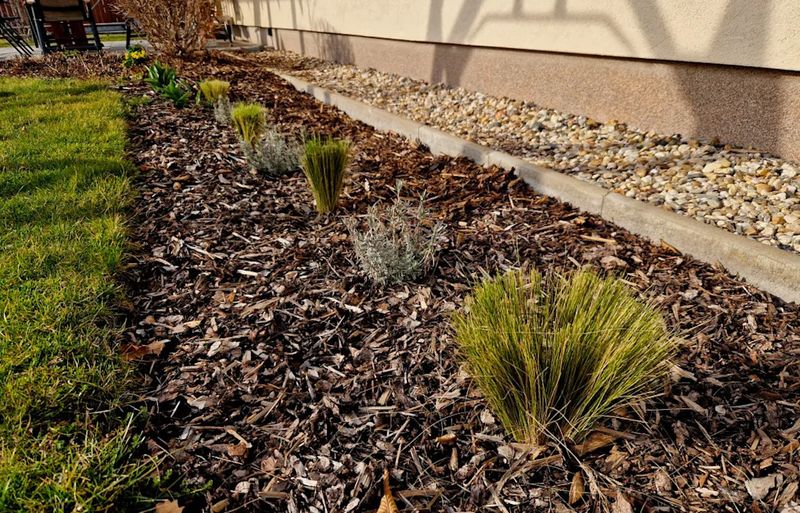
A dark band of bark mulch pressed tight against the siding is one of the more overlooked yard conditions that can create problems near a structure. Mulch itself is a genuinely useful material.
It conserves soil moisture, moderates root temperature, and reduces weeds in garden beds. The trouble starts when it is piled too deep, kept constantly saturated, or allowed to make direct contact with the building.
Moist organic material creates a humid microenvironment that certain outdoor cockroaches and other insects may use for cover during daylight hours.
Oriental cockroaches, which are documented in Ohio, are associated with dark, damp spaces and decaying organic matter.
Pennsylvania wood cockroaches may also shelter beneath bark or leaf litter. They are outdoor insects, though, and their presence there does not mean they are reproducing inside the home.
Your Ohio Garden Changes Every Week. Your Plan Should Too.
Gardening in Ohio changes quickly throughout the season. Every Friday you’ll receive a simple weekly plan showing exactly what to plant, prune, fertilize, harvest, and protect so you never miss the right timing.
Pulling mulch back a few inches from siding, door thresholds, and foundation vents creates a drier inspection strip beside the structure. Loosening compacted mulch in beds that stay wet after rain helps air reach the soil.
Avoid stripping all mulch from flower beds, since bare soil has its own moisture and erosion issues.
Check weep holes and low vents for blockage after adjusting the mulch. Keeping that border clear and dry is a straightforward step that preserves plant benefits while reducing covered, damp spaces against the wall.
3. Leaky Hoses Provide A Reliable Water Source
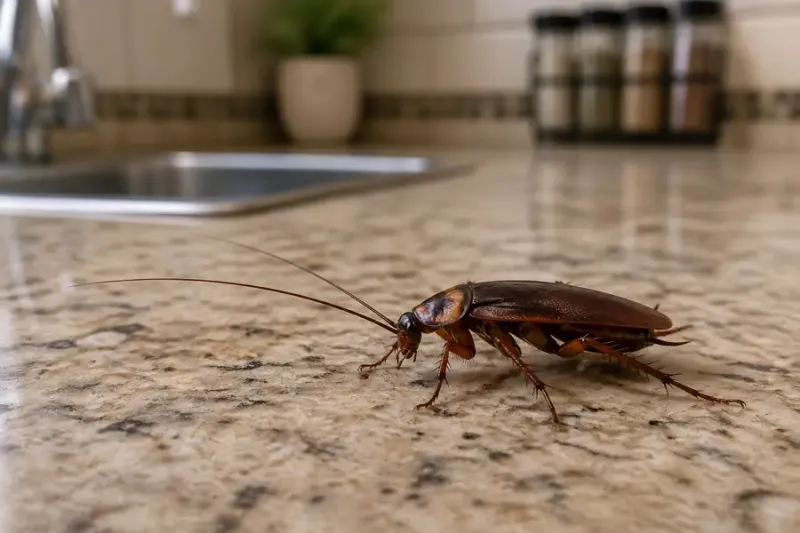
A hose connection that leaves a dark wet mark beneath the faucet every morning is easy to overlook. The drip seems minor, but a slow leak running through the day and into the night can maintain a reliably wet patch in a shaded, protected area.
That combination of shade, cover, and constant moisture is exactly what makes a space more usable to insects seeking a stable environment.
Leaking spigots, loose hose fittings, cracked irrigation lines, and dripping sprinkler heads are all worth inspecting. Air conditioner condensate lines that drain against the foundation can contribute to the same condition.
Even a hose left coiled and full of water beside the house can hold warmth and dampness in the area beneath it, especially when there is clutter nearby.
The correction is direct. Tighten or replace worn fittings, patch or swap out damaged lines, and redirect any drainage flowing toward the structure rather than away from it.
After making repairs, run the system through one full cycle and walk the perimeter to confirm the wet patches are gone.
Repeatedly spraying around a leaky faucet is far less useful than fixing the source. Removing a dependable water supply is a more lasting approach than trying to treat the symptoms of a condition that keeps renewing itself every time the hose runs.
4. Clogged Gutters Keep The Ground Wet After Rain
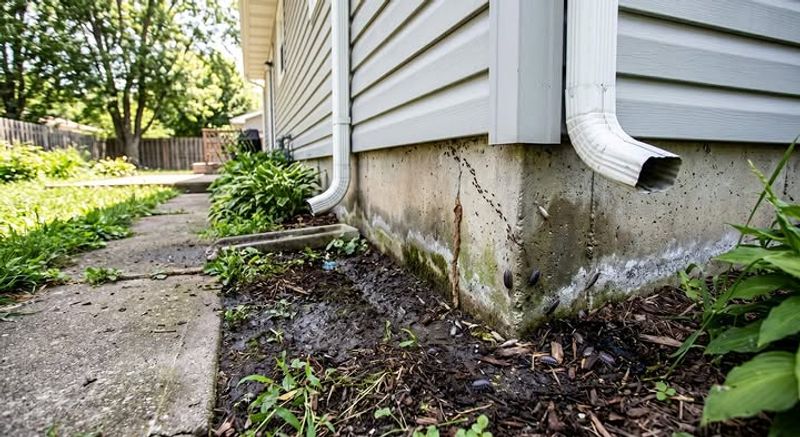
Water spilling over a blocked gutter edge lands in the same narrow strip of soil after every storm. That strip stays wetter than the surrounding yard, especially when the ground beside the foundation has poor drainage or sits in shade for much of the day.
Over time, the repeated soaking can soften soil, encourage organic debris to accumulate, and create covered spaces that outdoor insects may use.
A blocked downspout is often the hidden cause. When the pipe cannot carry roof water away, it backs up and overflows at the nearest low point.
A missing downspout extension can release water right beside the footing instead of directing it several feet away from the structure. Leaves and organic debris sitting in the gutter itself can also provide a moist, sheltered layer that some insects use for cover.
Clearing reachable debris from gutters and confirming that downspouts flow freely are practical first steps. Redirecting discharge away from the foundation, and filling low spots in the soil that collect runoff, addresses the underlying drainage issue.
Do not attempt to clean high or damaged gutters without proper equipment. A qualified professional can handle sections that are unsafe to reach.
After the next rain, walk the perimeter and check for new pooling. Dry ground beside the Ohio foundation is the goal, and correcting drainage is one of the most direct ways to reach it.
5. Open Trash Turns The Yard Into A Feeding Stop
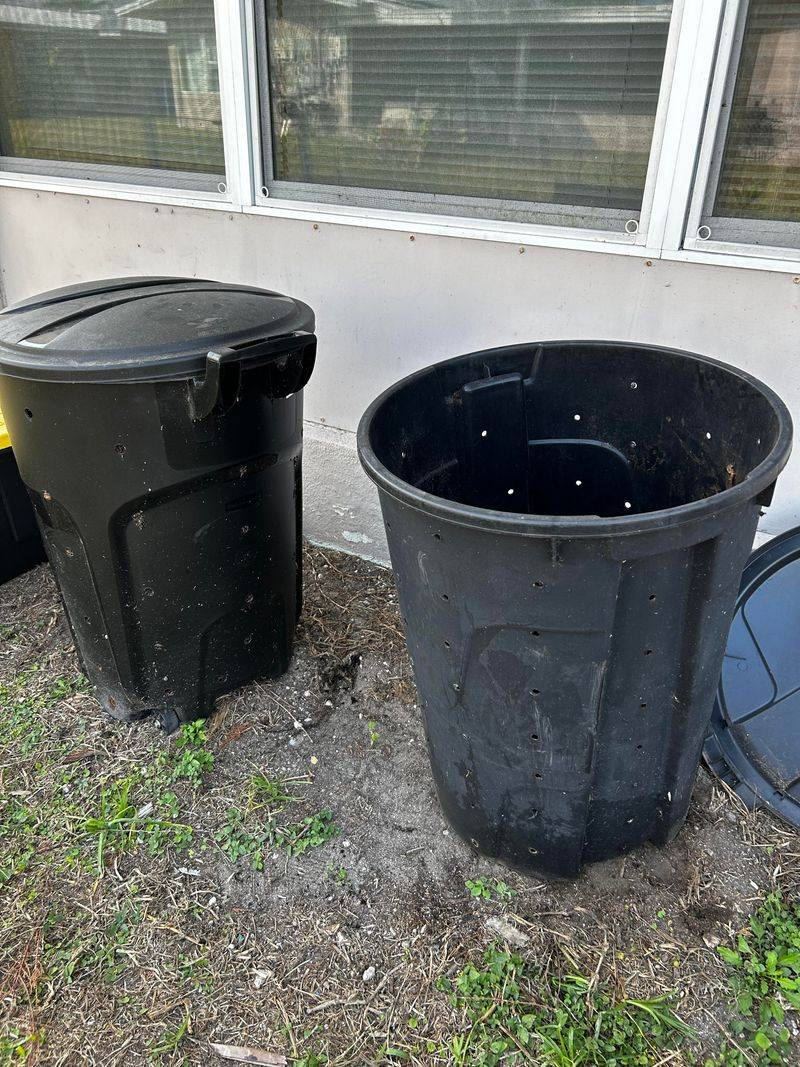
A trash lid sitting slightly open after a summer cookout leaves a range of food residue accessible through the night.
Cockroaches are capable of feeding on a wide variety of organic materials, including grease, food scraps, spilled drinks, unrinsed containers, and residue on packaging.
The bin itself does not need to be overflowing for this to be a factor.
Greasy grill trays left outside, recyclables with food residue, and spills around the base of a bin all contribute to the same condition. Odor alone does not confirm that cockroaches are present.
But accessible organic material near a sheltered entry point increases the resources available to insects already active in the area. Bin placement matters too.
A trash container sitting directly beside a door or low foundation vent is closer to a potential entry point than one positioned farther from the structure.
Using bins with secure, intact lids and cleaning spills around the base are straightforward improvements. Rinsing recyclable containers before placing them in the bin reduces residue when local guidelines allow it.
Compost piles managed with covered bins, proper layering, and adequate turning are far less accessible than open piles of food scraps left near the house.
Avoid applying strong-smelling repellents or homemade mixtures around bins. Removing accessible food is more reliable than trying to mask it.
6. Pet Bowls Invite Nighttime Foraging Near The House
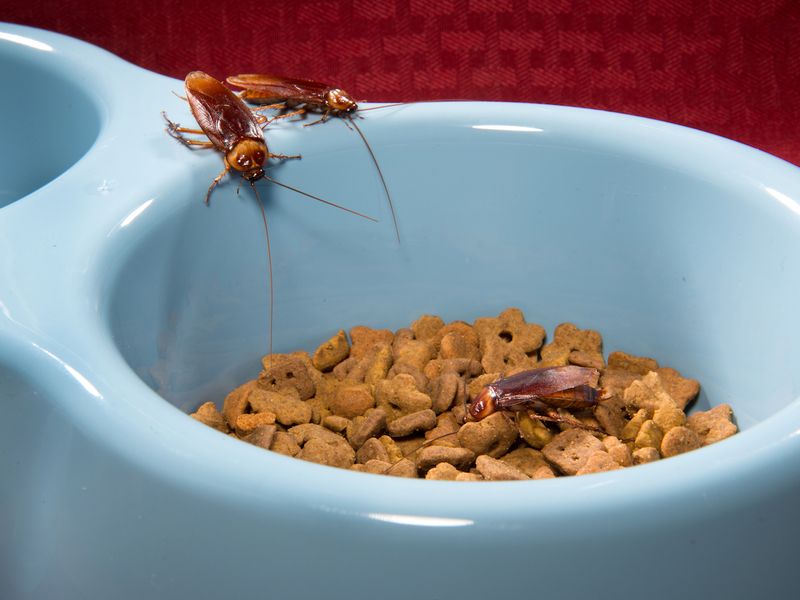
Scattered kibble beneath a bowl beside the back door is a small detail that becomes more significant after dark.
Outdoor cockroaches are most active at night, and accessible pet food left outside through the evening hours provides a food source close to the structure.
The risk is not from the bowl itself but from leaving food available in a shaded, sheltered spot near an entry point.
Bringing food bowls indoors after pets finish eating is the most direct correction. Sweeping or rinsing away spilled kibble beneath a porch, deck, mat, or feeding station removes the residue that can linger and accumulate.
Food that falls into cracks beneath a step or feeding platform is easy to miss but worth addressing during routine yard maintenance.
Water bowls require a different approach. Pets still need safe access to drinking water during hot weather, and withholding water is not a reasonable pest-control measure.
Refreshing the water daily and cleaning the bowl regularly are sensible adjustments. So is moving it away from the foundation when practical, and none of it compromises animal welfare.
Outdoor cats, working animals, and other pets may need feeding routines that differ from indoor animals. Keep the advice flexible.
The central point is simply to avoid leaving a reliable food source sitting unattended against the house each night. Never add repellents or cleaning chemicals to pet feeding areas.
7. Firewood And Debris Create Hidden Daytime Retreats

A stack of firewood resting against a shaded exterior wall creates a layered, protected space that outdoor insects can use during daylight hours.
Bark, decaying wood, and leaf litter trapped beneath and around the pile provide the kind of cover that certain cockroach species favor.
Pennsylvania wood cockroaches, which do occur in Ohio, are outdoor insects that live in and around decaying wood and organic debris.
Stumbling across a wood cockroach near a firewood pile is not proof of an indoor breeding population. These insects normally stay outside.
They may enter a home accidentally through gaps around doors, windows, or vents, or by riding in on firewood brought inside. A single accidental sighting indoors is different from repeated activity, egg cases, or small nymphs found in kitchens or bathrooms.
Storing firewood off damp ground and away from the building reduces the chances of insects using the pile as a daytime retreat.
Bring in only the amount needed for near-term use rather than stacking large quantities inside the home, basement, or attached garage.
Male wood cockroaches may be drawn to outdoor lighting at night, so porch lights near entry doors are worth considering during peak activity periods.
Stacked cardboard, empty plant pots, old boards, and dense leaf piles beside the structure create similar conditions. Clear unnecessary clutter and allow air to circulate around stored items.
8. Foundation Gaps Turn Outdoor Activity Into An Indoor Problem

A narrow opening beneath a worn door sweep or around an unsealed utility line is often where outdoor activity becomes an indoor sighting.
Cockroaches can move through surprisingly small gaps around doors, windows, pipes, conduit, dryer vents, and foundation cracks.
Reducing those openings is one of the most direct ways to separate what happens in the yard from what happens inside the house.
Repairing or replacing damaged door sweeps and installing tight-fitting thresholds address the most common entry routes. So does patching gaps around utility penetrations and fixing torn window screens.
The right repair method depends on the material and the size of the opening. Do not block required ventilation openings, drainage weep holes, or appliance exhausts.
A qualified contractor should handle repairs involving structural damage or signs of moisture intrusion inside the wall.
Indoor sticky traps, placed along baseboards and in corners near possible entry points, help show where insects are moving. Record the location, frequency, and approximate size of any insects caught.
Repeated indoor sightings, the presence of small nymphs, or egg cases found in kitchens and bathrooms may indicate a breeding population rather than accidental entry. Do not try to identify the species from color or size alone.
Contact a licensed pest management professional when evidence points to an established indoor population. The full approach connects naturally to everything covered in this article.
Dry the perimeter, remove food and organic debris, reduce covered resting spots, close suitable gaps, and identify the insect before choosing any treatment.