The Meaning Behind Spotting Butterflies On Your Florida Pentas
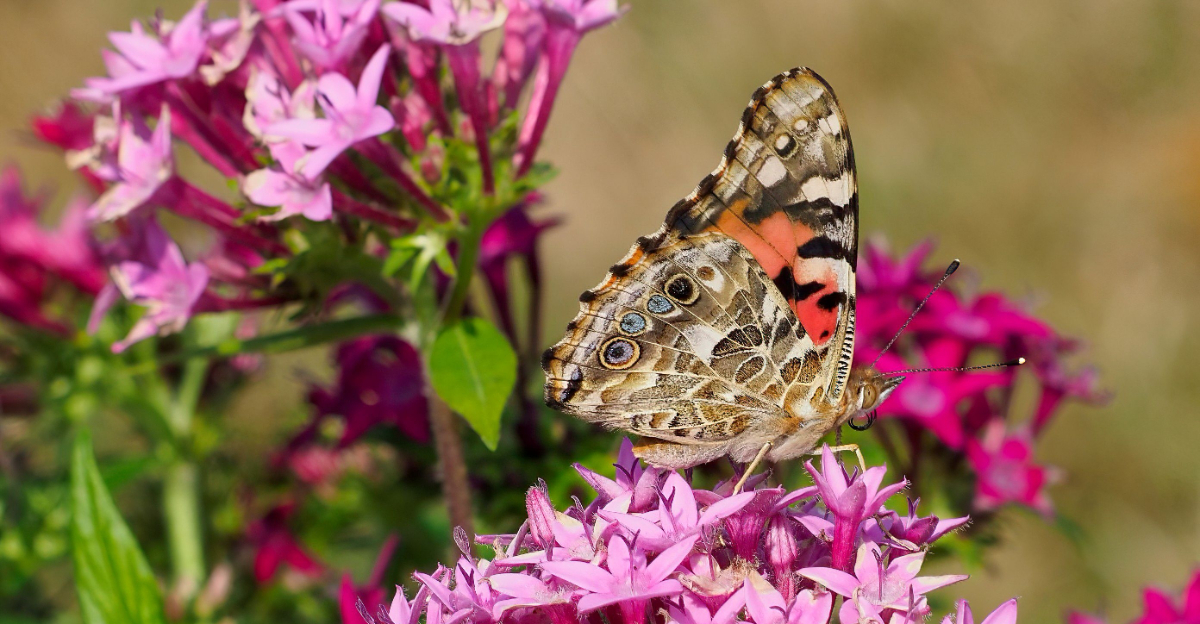
Pentas in a Florida yard covered in butterflies stops everything. The movement, the color, multiple species working the same plant at once.
It looks chaotic and purposeful at the same time. It is entirely purposeful.
Butterflies do not land on pentas by accident. The plant earned that visit through flower structure, nectar chemistry, and color that certain species have been tracking across Florida landscapes for a very long time.
What a butterfly gathering on pentas actually signals goes beyond a pretty scene. The species present, the time of day, the behavior while they feed.
All of it points to something real about the season and the local population health. A pentas covered in butterflies is worth looking at more carefully than most people do.
1. Follow The Nectar Trail To Your Pentas
A butterfly drifting across a Florida yard does not land randomly. When it settles onto a pentas cluster and begins moving steadily from one tiny bloom to the next, it is on a mission.
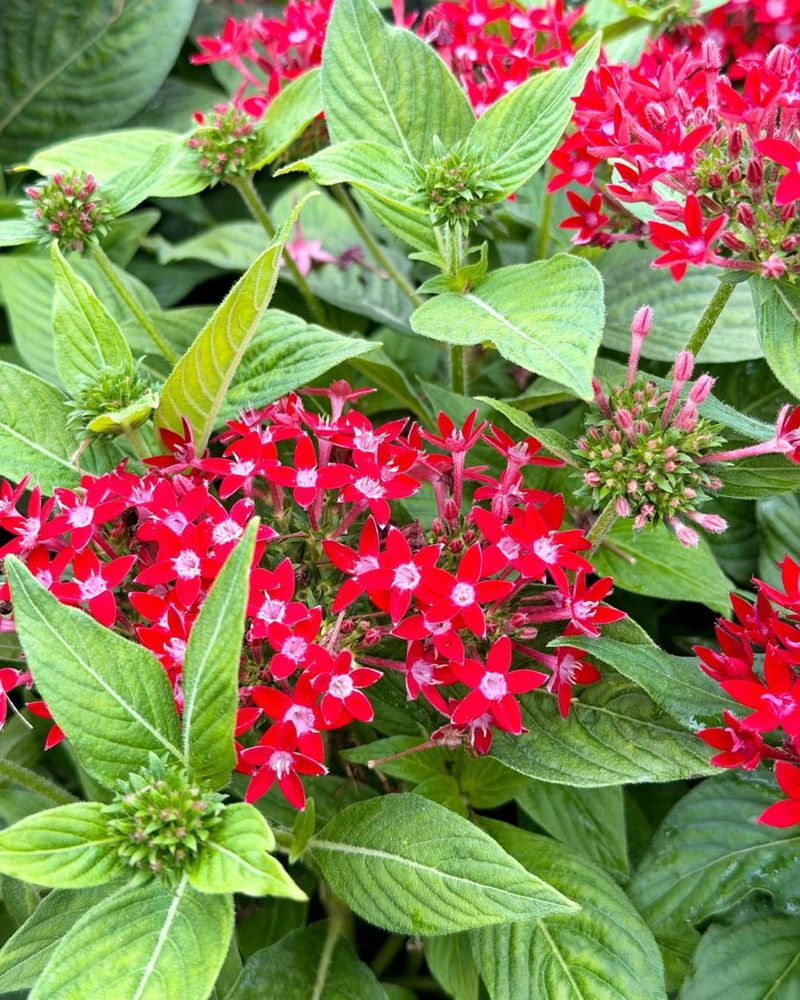
It’s following a chemical and visual trail straight to a reliable food source. Pentas produces nectar in each small floret, and a full flower head can hold dozens of individual blooms packed closely together.
To reach that nectar, the insect uncoils a slender tube-like mouthpart called a proboscis and inserts it into the base of a floret. The process takes only seconds per flower, which is why you may see rapid movement across a single cluster.
Grouped florets give feeding adults a stable platform to land on without expending extra energy searching between widely spaced plants.
Each visit is primarily a search for calories. Adult butterflies rely on liquid sugar from nectar to fuel flight, reproduction, and basic survival.
Pentas provides that resource efficiently because its flat-topped clusters hold multiple florets at a reachable depth. Watching one work through a flower head from edge to center is a practical feeding strategy, not a coincidence.
The plant and the insect are simply a well-matched pair in a straightforward energy exchange.
2. Take Butterfly Visits As A Sign Of Healthy Blooms
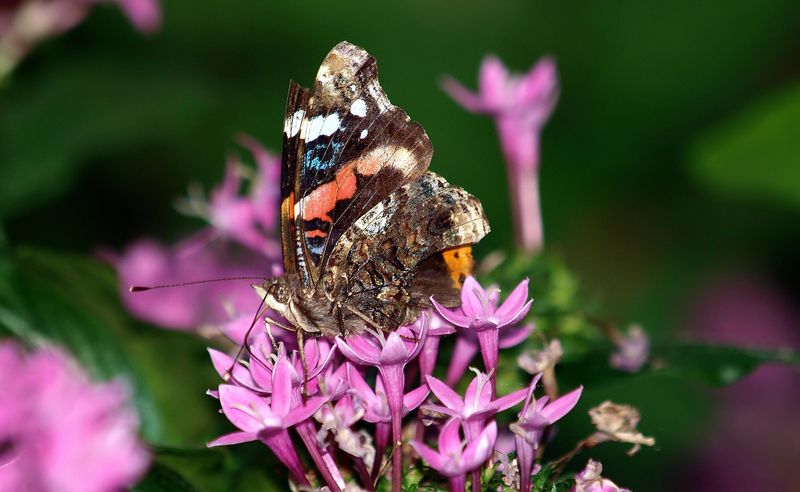
Full flower clusters with firm petals and no sign of wilting are often the first thing a careful gardener notices when checking on a pentas plant. When feeding adults keep returning to the same spot over several days, that pattern may suggest something.
The flowers are likely open, accessible, and still offering a worthwhile nectar supply. Repeated activity on a specific plant can be a useful prompt to take a closer look at how that plant is doing.
Check the flower heads for fullness and consistent color. Look at the foliage for signs of stress such as yellowing, browning edges, or unusual spotting.
Feel the soil to confirm it is neither waterlogged nor completely dry. These quick inspections give you more reliable information than butterfly activity alone.
Frequent visits do not confirm that a plant is in perfect condition. Weather patterns, the size of the local population, nearby competing nectar sources, and seasonal changes all affect how many insects appear on any given day.
Your Florida Garden Changes Every Week. Your Plan Should Too.
Gardening in Florida changes quickly throughout the season. Every Friday you’ll receive a simple weekly plan showing exactly what to plant, prune, fertilize, harvest, and protect so you never miss the right timing.
A plant can be blooming well and still attract few visitors if conditions outside the yard are not favorable. Use the visits as one piece of useful feedback, not as a complete plant health report.
3. Watch For Florida’s Most Frequent Fluttering Guests
The zebra longwing carries bold black and yellow stripes across narrow wings that make it one of the most recognizable species in warm-climate home landscapes. It is also the official state butterfly of Florida and a regular visitor to nectar plants including pentas.
Spotting one slowly gliding between flower clusters is a fairly common experience in shaded or semi-shaded yards across the region.
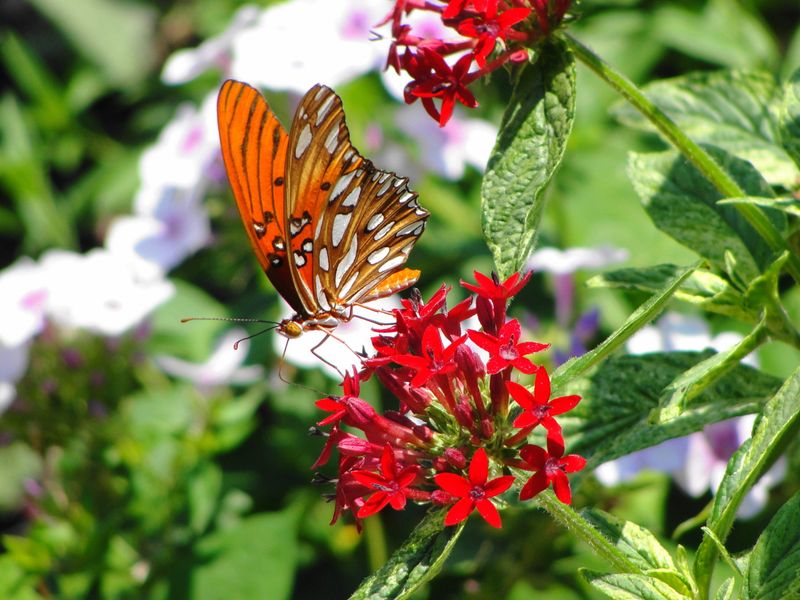
Gulf fritillaries show up frequently as well, flashing bright orange wings with silver spots on the underside. Monarchs pass through during migration periods, pausing on nectar sources to refuel.
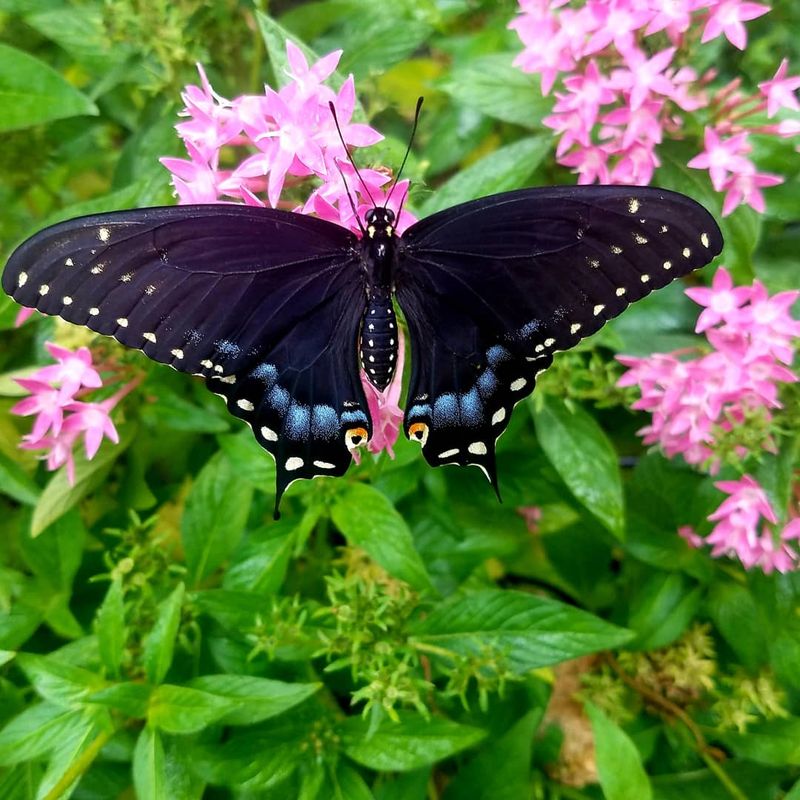
Several swallowtail species, including the giant swallowtail and the black swallowtail, are documented visitors to garden flowers across the state. Sulphurs and various skippers round out the list of species most likely to appear on a given afternoon.
Identification clues to watch for include wing shape, size, and flight style. Skippers tend to fly in quick darting bursts and hold their wings at an angle at rest.
Swallowtails are larger and often have tail-like projections on the hindwing. Keep in mind that pentas serves primarily as a nectar source for adult feeders.
Most of these species require entirely different plants as host sites for egg-laying and caterpillar development.
4. Catch The Hours When Butterflies Visit Most
Warm sunlight hitting a garden bed by mid-morning creates the conditions that bring the most activity to nectar plants. Butterflies are ectothermic, meaning they rely on external heat sources to warm their bodies enough to fly efficiently.
On a clear day with temperatures in the comfortable range for the region, you are most likely to observe feeding between mid-morning and early afternoon.
Cloud cover, rain, and strong wind reduce activity noticeably. Cool overnight temperatures can slow things down well into the morning, even on otherwise sunny days.
Extreme midday heat in summer may also push activity toward the slightly cooler hours of late morning or early afternoon rather than the hottest part of the day.
A practical way to understand the patterns in your own yard is to check the same plant at different times over several consecutive days. Note the temperature, cloud cover, and wind conditions each time.
You will likely find a window when the plants consistently draw the most visitors. That window varies by season, yard orientation, and local microclimate.
A south-facing bed that receives full morning sun will often see earlier activity than a spot that warms up later in the day. Observing these patterns takes only a few minutes and quickly reveals when your garden is at its most active.
5. Use Flower Color To Attract More Wings
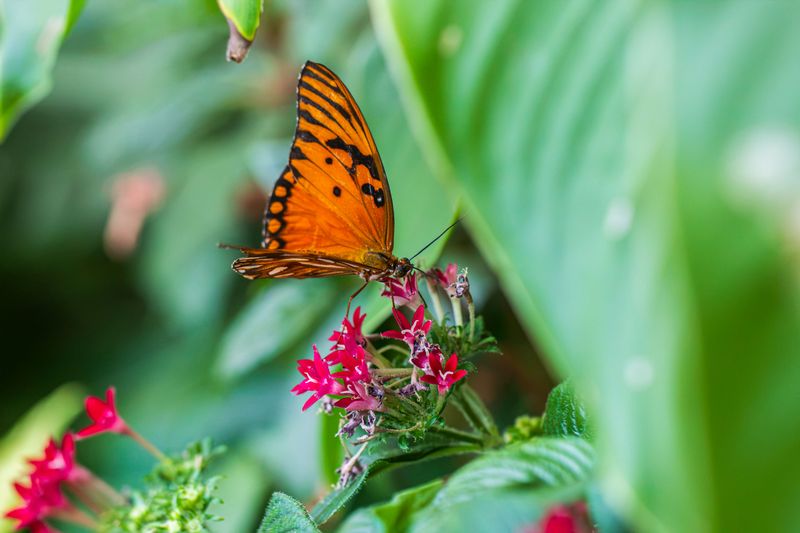
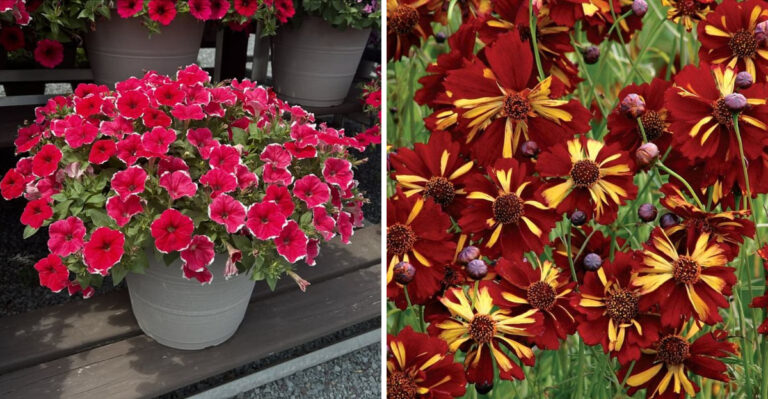
A vivid red pentas planted against dark green foliage creates a contrast that stands out from a distance. Butterflies use color and visual contrast as part of their search for feeding opportunities.
That’s why planting arrangement and color choice can influence how easily insects locate your flowers. Red, pink, lavender, and white are all available in standard pentas varieties and each offers a different level of visual contrast depending on surrounding plants.
Research from pollinator studies suggests that many butterfly species show preferences for certain colors, though no single color attracts every species equally. Red and pink shades tend to draw strong responses from several common visitors.
But the overall abundance of open flowers, nectar quality, sunlight, and plant placement matter just as much as color choice alone.
Grouping several plants together creates a larger feeding target that is easier to spot from above. A single plant tucked between tall shrubs may be overlooked, while a cluster of the same variety placed in an open sunny area is far more likely to draw regular traffic.
Mixing colors within that grouping adds visual variety and may appeal to a broader range of species. Avoid isolating individual plants in shaded corners if attracting consistent visitors is part of your goal.
6. Keep Your Pentas Blooming For Repeat Visitors
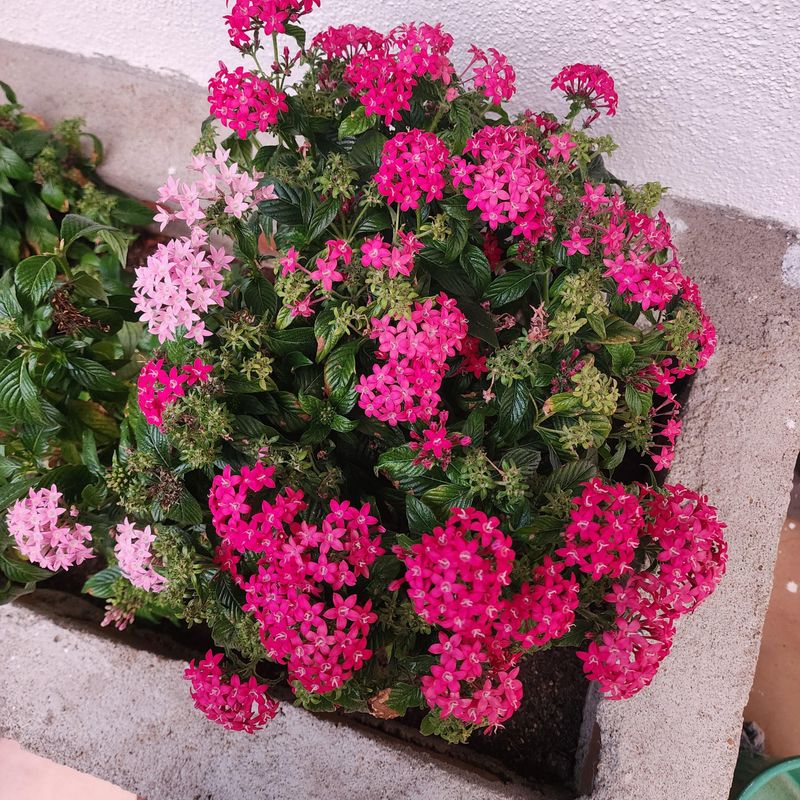
Removing spent flower clusters before they go to seed is one of the most direct actions you can take to encourage continued flower production on pentas.
UF/IFAS extension guidance notes that pentas performs best in full sun, meaning at least six hours of direct sunlight daily, with well-drained soil and moderate watering.
Soggy roots from poor drainage or overwatering can stress the plant and reduce flowering over time.
Water deeply but allow the soil to dry slightly between sessions rather than keeping it constantly moist. In container plantings, confirm that drainage holes are clear and that pots are not sitting in standing water.
A balanced slow-release fertilizer applied at the start of the growing season supports steady growth without pushing excessive leafy growth at the expense of flowers. Avoid heavy nitrogen applications, which tend to favor foliage over blooms.
Spacing matters as well. Plants crowded together may compete for light and airflow, which can reduce flower production and invite fungal issues in humid conditions.
Seasonal pruning to shape the plant and remove woody or damaged stems keeps growth productive. Care needs shift with rainfall and temperature, so adjust your routine rather than following a fixed schedule.
Consistent attention to these basics gives the plant its best chance of staying in bloom through the warm months.
7. Avoid The Mistakes That Send Butterflies Away
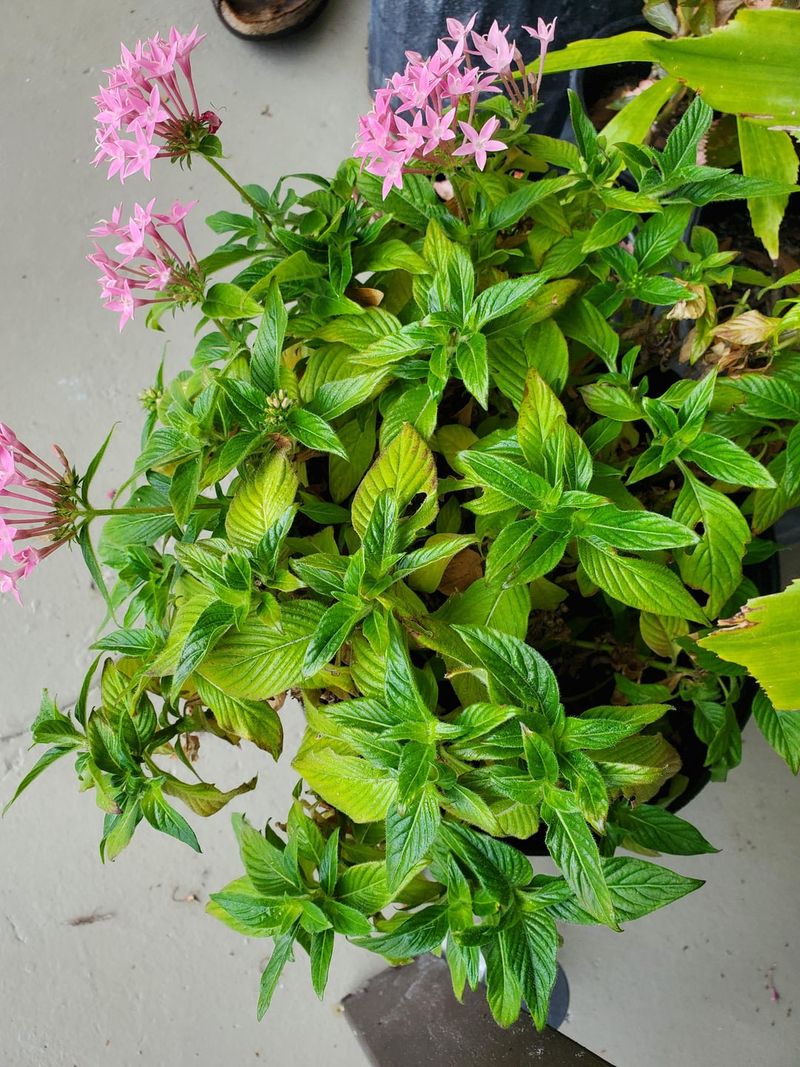
Spraying any insecticide on or near open pentas flowers while feeding adults are present is one of the most damaging mistakes a gardener can make.
Broad-spectrum insecticides and systemic products absorbed through plant tissue can harm or eliminate beneficial insects.
This happens when they contact treated surfaces or consume treated nectar. The Florida-Friendly Landscaping program consistently advises identifying a pest accurately before reaching for any chemical treatment.
Placing pentas in deep shade is another common error. These plants are sun-lovers, and a shaded location reduces both flower production and the visibility that draws insects in the first place.
Poor drainage and chronic overwatering weaken root systems over time, which limits the plant’s ability to sustain steady blooming through the season.
Removing nearby host plants is a less obvious but meaningful mistake. Many species that feed on pentas as adults need specific host plants nearby to complete their life cycle.
Cutting back every nectar source in the Florida yard at the same time removes the food supply entirely, even temporarily. Staggering any major pruning across different plants keeps something in bloom at all times.
When pest pressure does require treatment, choose a targeted product with the least impact on non-pest species. Apply it only to affected areas, avoiding open flowers entirely.
8. Turn Your Garden Into A Butterfly Hotspot
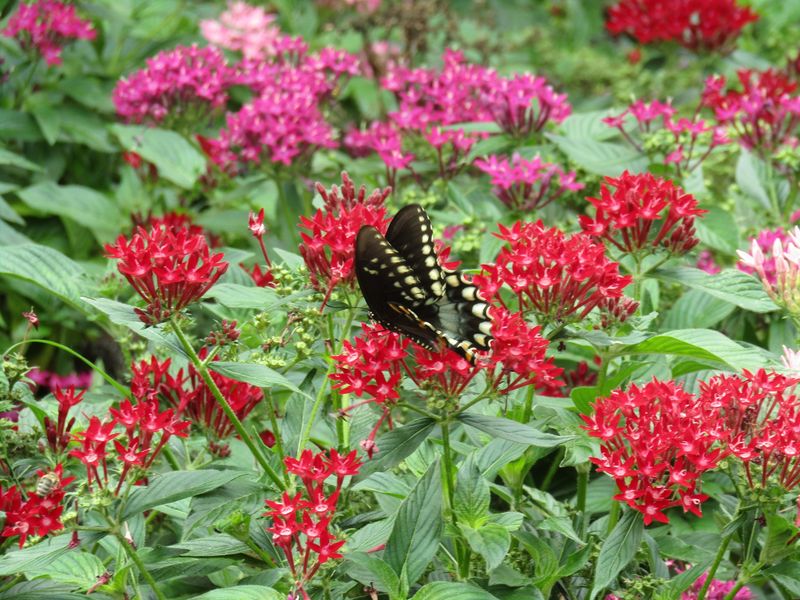
A yard that offers several different plant types arranged across sunny and semi-shaded areas provides far more than a single pentas bed ever could. Nectar plants feed adult butterflies, but host plants are where females lay eggs and caterpillars develop.
Passionvine supports Gulf fritillary and zebra longwing larvae. Milkweed is essential for monarch reproduction.
Wild lime and citrus species serve as host plants for several swallowtail species in the region.
Planting for seasonal variety keeps the yard productive across more of the year. Choose species that bloom at different times so the food supply does not disappear between flushes.
Native plants often provide both nectar and larval resources while requiring less supplemental watering and maintenance once established.
The Xerces Society and UF/IFAS both emphasize the value of plant diversity when supporting pollinator populations at the landscape level.
Sunny open areas with some protection from strong prevailing winds give adults a comfortable space to warm up and feed. Reducing pesticide use across the entire yard, not just near pentas, protects the insects you are working to attract.
Every choice you make, from plant selection to pruning timing to what you spray and when, shapes the habitat your yard provides. Consistent, thoughtful management is what turns a few flower clusters into a reliable and rewarding destination.