What Every Kentucky Gardener Should Consider Before Using Pebbles As Mulch
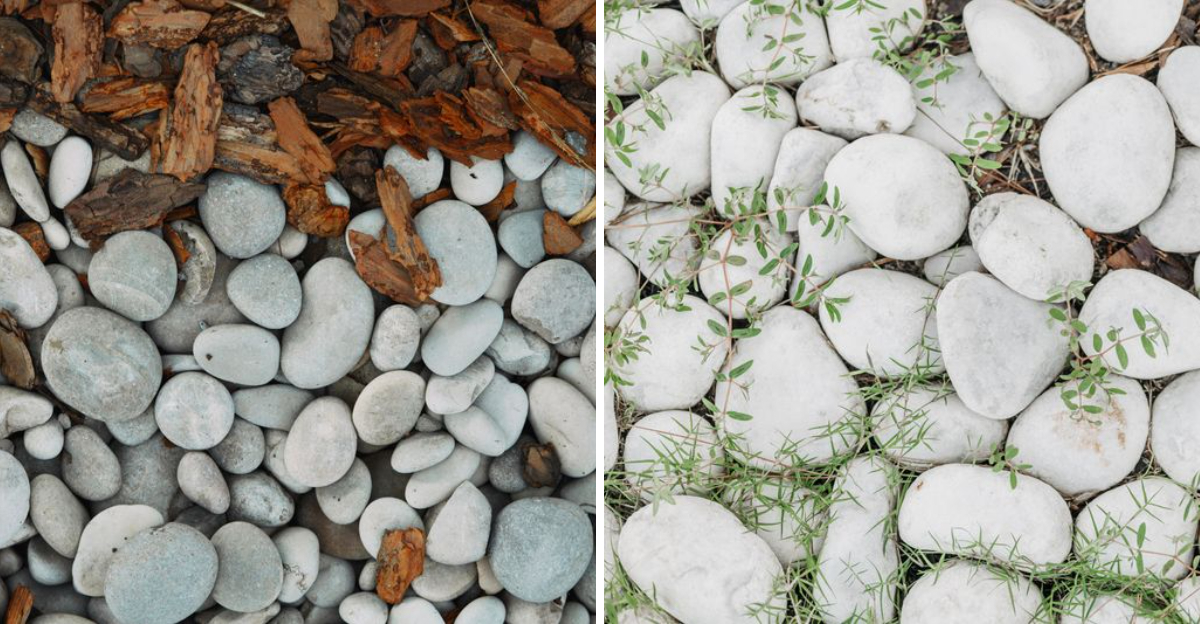
Would you trust a stone that gradually raises your garden soil’s temperature? Pebbles look effortless, but Kentucky heat treats them differently. Humidity clings to rock beds longer than you might expect here.
Rain arrives quite fast, and drainage always becomes your next concern. Kentucky clay traps moisture beneath your carefully placed pebble. Weeds slip through gaps you never even noticed existed.
Leaves settle into rock beds and refuse to budge. Cleaning becomes tedious once dust and algae move in. Moving pebbles later feels nearly impossible once frustration builds.
Costs can add up after delivery, labor, and edging fees. Shine fades faster than most gardeners ever truly expect. Every choice you make here shapes how your soil breathes for years to come.
Pebbles behave differently as summer heat sets in. Many gardeners discover this only after installation. You deserve the full picture before committing your soil, budget, and patience.
1. Pebbles Trap Heat And Can Stress Plant Roots
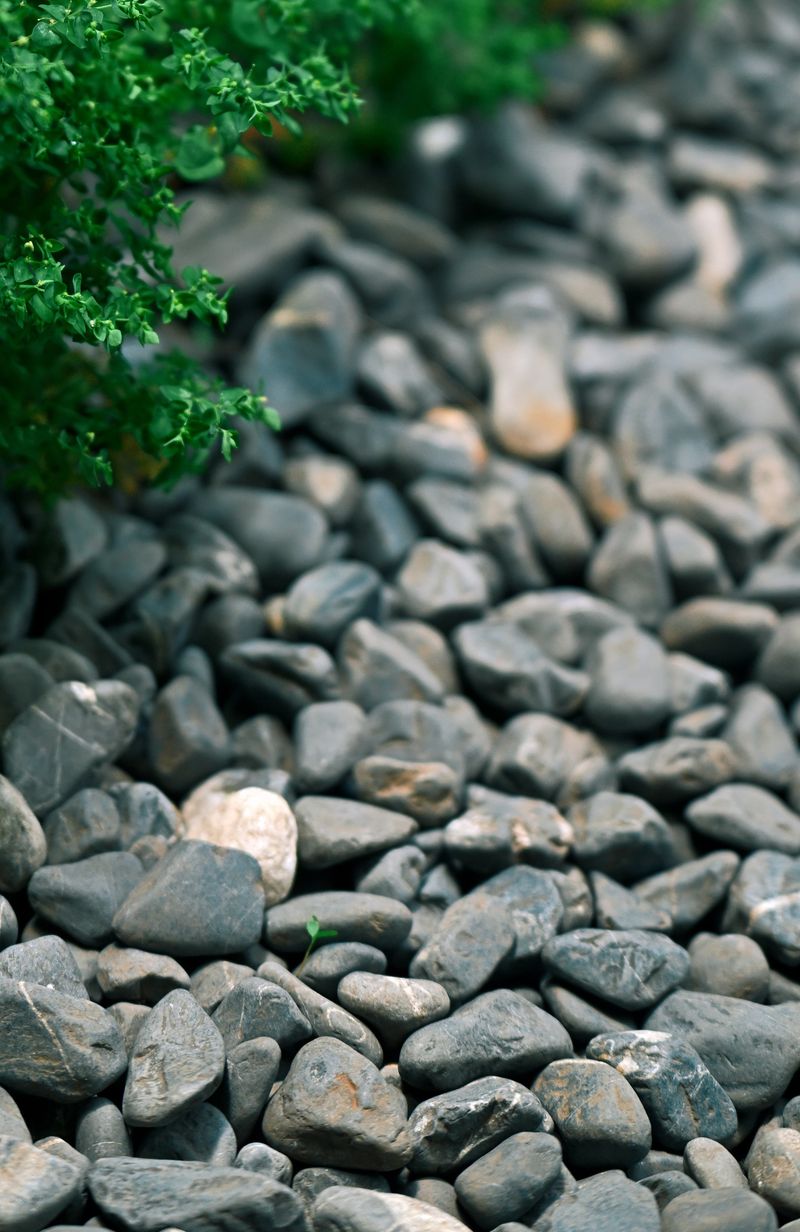
Touch a pile of dark pebbles on a July afternoon in Louisville. They feel like a skillet fresh off the stove.
Pebbles absorb solar energy all day long and release it slowly into the soil below. That stored heat pushes soil temperatures well above what most flowering plants can handle comfortably.
Roots sitting just a few inches underground feel that warmth in a big way. Unlike organic mulch, which insulates and cools the ground, pebbles act more like a radiator than a blanket.
Kentucky summers often bring stretches of days above 90 degrees Fahrenheit, especially in July and August.
When you add rock-absorbed heat on top of that, soil can reach temperatures that slow root function and reduce water uptake significantly.
Shallow-rooted plants like impatiens, hostas, and certain herbs are especially sensitive to this effect. They may look fine in the morning but show wilting and stress by mid-afternoon without any change in watering habits.
Darker colored stones absorb even more heat than lighter ones. If you love the look of black lava rock or charcoal pebbles, expect your soil to run noticeably hotter through the summer months.
Lighter gravel tones like white marble chips or tan river stones reflect more sunlight back into the air. That small difference can actually lower soil temperature by several degrees on peak summer days.
Choosing the right pebble color for your specific plants could mean the difference between a thriving bed and a struggling one all season long.
2. Drainage Slows Down When Pebbles Compact Into Soil
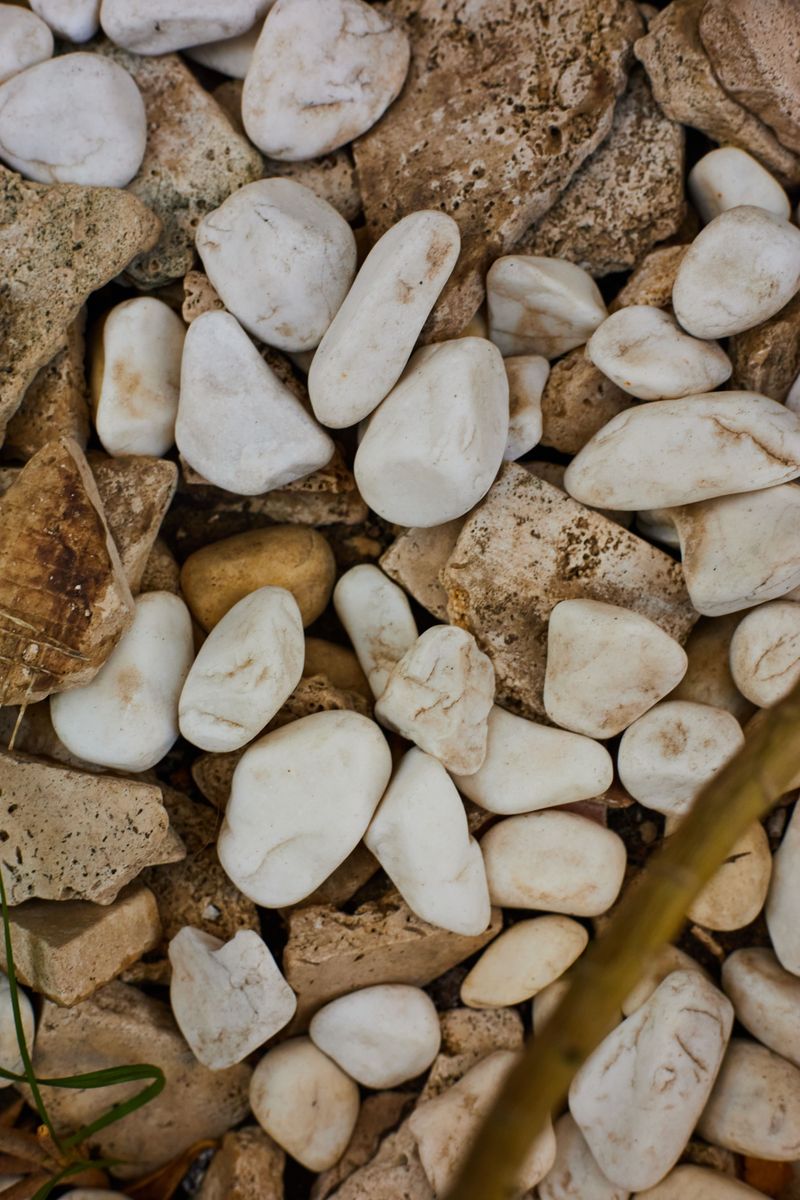
Pebbles seem like they would help water drain faster. The logic makes sense on paper. In practice, something sneaky happens over time.
Fine soil particles migrate upward through the gaps between stones, filling those spaces and creating a dense, compacted layer.
This process is called soil migration, and it is especially common in Kentucky’s clay-heavy soils. Clay particles are tiny, and they move easily with each rain event until they plug the space between your pebbles.
Once that layer forms, water cannot move through it efficiently. Instead of draining away from plant roots, moisture sits and pools, creating wet conditions that promote root rot and fungal problems.
Your Kentucky Garden Changes Every Week. Your Plan Should Too.
Gardening in Kentucky changes quickly throughout the season. Every Friday you’ll receive a simple weekly plan showing exactly what to plant, prune, fertilize, harvest, and protect so you never miss the right timing.
Notably, the material chosen for drainage can contribute to waterlogging. This is one of the most frustrating surprises gardeners report after their first full season with rock mulch.
Installing a landscape fabric barrier underneath the pebbles can slow this process down. However, fabric eventually breaks down and allows soil migration to resume after a few seasons.
Raised beds with amended, sandier soil tend to hold up better under pebble mulch. If your garden sits in a low-lying area or has heavy clay, drainage problems are almost guaranteed without intervention.
Testing your soil drainage before committing to a pebble setup could save you a lot of frustration. A simple percolation test costs very little and gives you real answers before you invest in rock.
3. Weeds Still Sprout Through Gaps Over Time
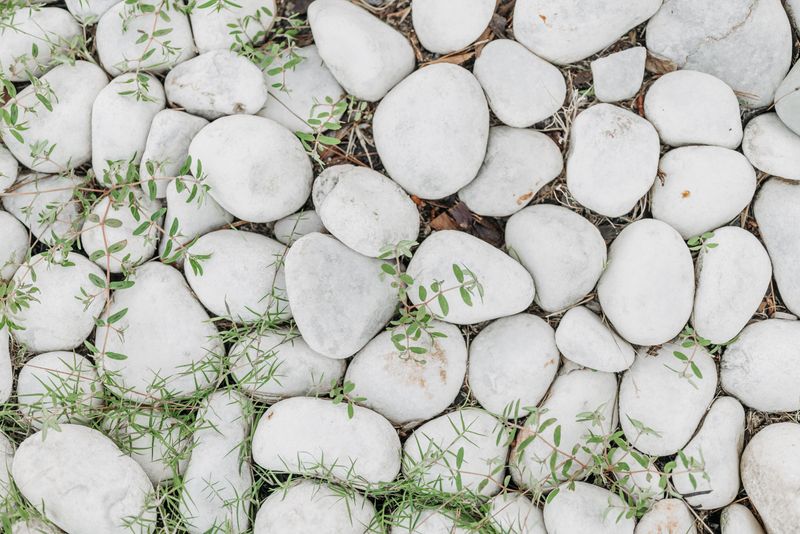
One of the biggest selling points of pebble mulch is weed control. Gardeners hear that and feel relief immediately.
The catch is that pebbles only suppress weeds for a limited time. Wind-blown seeds land in the gaps between stones and find just enough organic debris to sprout successfully.
Over a single growing season, dust, leaf fragments, and decomposed material collect between pebbles. That thin layer of organic matter acts like a seed bed sitting right on top of your rock mulch.
Kentucky has no shortage of aggressive weed species. Crabgrass, clover, and dandelions are especially talented at finding the smallest pockets of soil and pushing roots right through gravel layers.
Pulling weeds from pebble beds is more difficult than pulling them from bare soil. The stones hold root systems in place, making clean removal harder and leaving broken roots behind to regrow. But once the fabric degrades or shifts, weeds can push through quickly.
Some gardeners add a pre-emergent herbicide application in early spring to slow weed pressure. That extra step adds cost and maintenance time that many people did not originally plan for.
Pebbles reduce weeding compared to bare soil, but they do not remove it completely. Managing expectations before installation keeps frustration low when those first green sprouts appear between your carefully placed stones.
4. Moisture Evaporates Faster In Kentucky’s Summer Heat
Organic mulch works like a sponge. It holds moisture close to the soil surface and releases it slowly between rain events.
Pebbles often behave differently. They can leave the soil surface more exposed to air movement, which may accelerate evaporation, especially on hot and windy days.
Kentucky summers bring stretches of intense heat with little rainfall for days or even weeks at a time. During those dry spells, pebble-covered beds lose soil moisture much faster than beds covered with wood chips or straw.
Plants in pebble beds often need more frequent watering than their organically mulched neighbors. That means higher water bills and more time spent with the hose or adjusting irrigation schedules.
Drip irrigation helps offset this problem significantly. Running a drip line under the pebbles delivers water directly to root zones without relying on surface moisture retention.
Without a drip system, gardeners often resort to overhead watering. That method wastes water through evaporation before it even reaches the root zone on a hot afternoon.
The moisture issue becomes most critical for newly transplanted shrubs and perennials. Young plants have shallow roots and cannot pull water from deeper soil layers the way established plants can.
Pebbles as mulch in Kentucky require a more active watering strategy than most gardeners expect. Building that plan before installation makes the whole experience far less stressful during the hottest months of the year.
5. Certain Plants Prefer Mulch Over Mineral Cover
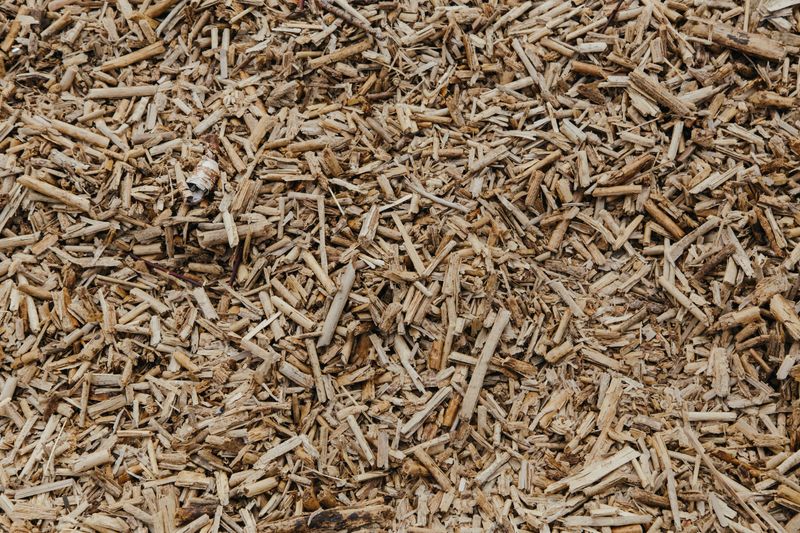
Not every plant in your yard wants to live under a layer of rock. Some species are deeply particular about what covers their roots.
Woodland plants like hostas, ferns, and astilbes evolved under a canopy of decomposing leaves. Their root systems expect cool, moist, organic-rich soil, not the warm mineral environment that pebbles create.
Acid-loving plants are another category that struggles with certain rock mulches. Limestone-based pebbles raise soil pH over time, which is the opposite of what blueberries, azaleas, and rhododendrons need to thrive.
On the other hand, some plants genuinely love pebble mulch. Lavender, sedum, thyme, and ornamental grasses all prefer well-drained, drier conditions that rock mulch naturally provides.
Mediterranean herbs like rosemary and oregano actually perform better in rocky environments. Their native habitats are dry, stony hillsides, so pebble mulch mimics home for them in a satisfying way.
Matching your mulch type to your plant selection is one of the smartest moves a gardener can make. Mixing pebbles in herb and succulent zones while keeping organic mulch for shade beds gives every plant what it actually needs.
Research each plant’s preferred growing conditions before deciding on mulch type. A quick look at a plant’s native habitat tells you almost everything about whether pebbles will help or harm its long-term health.
Your garden is not one environment. Treating it as a collection of microclimates leads to healthier plants and fewer frustrating mysteries during the growing season.
6. Soil pH Can Shift Depending On Pebble Type
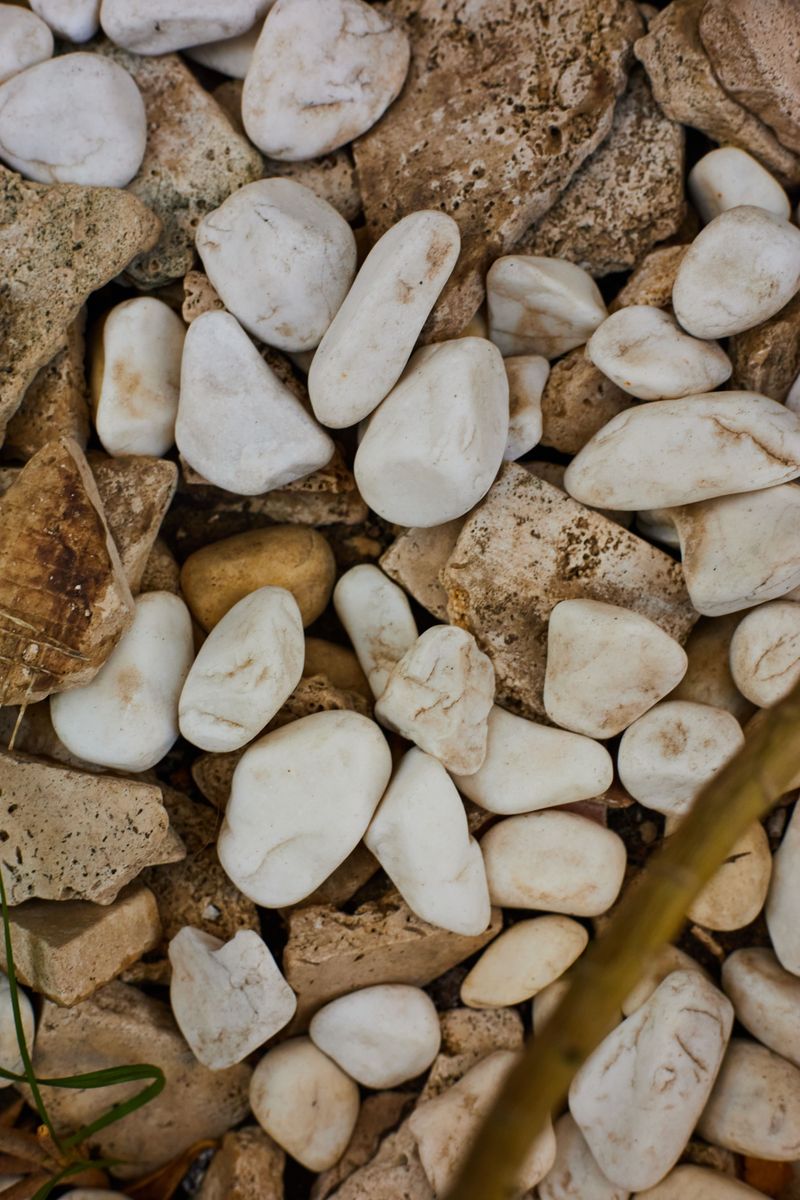
Most gardeners pick pebbles based on color and size. Few think about the chemistry hiding inside each stone.
Limestone-based rocks, including many white and cream-colored decorative pebbles, slowly release calcium carbonate into the soil as they weather. That process raises soil pH over several seasons.
A higher pH makes soil more alkaline. Many popular Kentucky garden plants, including blueberries, gardenias, and mountain laurel, require acidic soil to absorb nutrients properly.
When pH climbs too high, plants cannot access iron, manganese, or phosphorus even when those nutrients are present. Leaves turn yellow in a condition called chlorosis, and growth slows noticeably.
Granite-based pebbles are much more pH-neutral. They weather slowly and release very little chemistry into the surrounding soil, making them a safer choice for mixed garden beds.
Sandstone pebbles fall somewhere in between. Their effect on pH depends heavily on the mineral composition of the specific rock, which varies by quarry and region.
Testing your soil pH before installing pebbles gives you a baseline reading to track over time. The University of Kentucky Cooperative Extension Service offers local soil testing services.
Annual pH checks after installation help you catch any drift before it causes serious plant stress.
Adding sulfur amendments or acidic fertilizers can counteract pH creep from limestone pebbles. But that adds ongoing effort and cost that some gardeners prefer to avoid by simply choosing a different stone type from the start.
7. Rain Tends To Splash And Erode Soil Beneath Pebbles
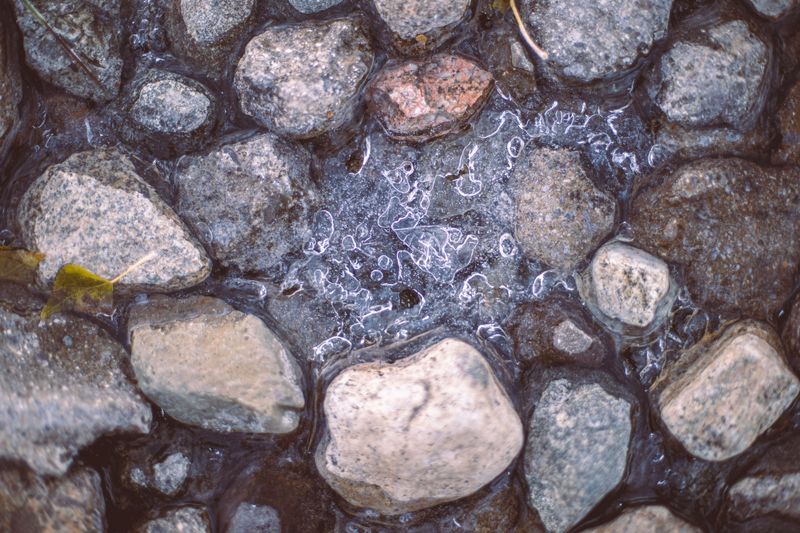
Heavy rain hits Kentucky hard. Spring storms here can bring intense, fast-moving downpours, and your garden beds feel every drop.
When rain strikes pebbles at high speed, the stones scatter the impact across the soil surface below. That splashing action loosens soil particles and sends them moving with the flow of runoff water.
Over time, this erosion process removes the fine topsoil that plants depend on for nutrition and root support. Pebbles end up sitting lower in the bed as the soil beneath them gradually washes away.
Organic mulch absorbs raindrop impact very differently. Wood chips and shredded bark act as a buffer, slowing water before it reaches the soil and preventing the splash erosion that pebbles can cause.
Sloped garden beds are especially vulnerable to this problem. Water moves faster on an incline, and pebbles provide little friction to slow it down compared to fibrous organic materials.
Installing edging around pebble beds helps contain the movement of both stones and soil during heavy rain. Raised borders made of stone, metal, or wood keep materials in place during intense downpours.
Checking your pebble beds after major rain events reveals whether erosion is occurring. If you notice pebbles shifting, low spots forming, or soil appearing at the surface, your bed needs attention soon.
Addressing erosion early prevents the kind of long-term soil loss that takes years of amendment work to fix. A small adjustment now protects the foundation your garden grows on.
8. Removing Pebbles Later Becomes A Difficult Chore
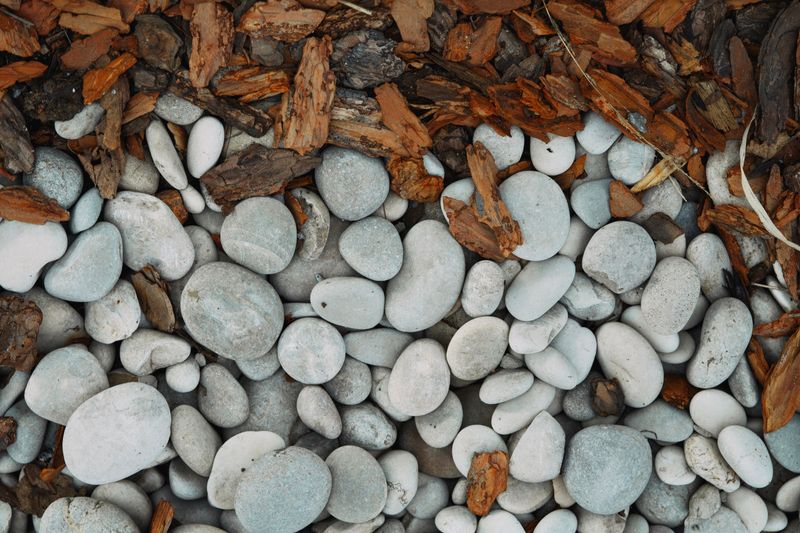
Pebbles feel like a permanent solution when you first install them. That permanence is exactly what makes them appealing to busy gardeners.
But gardens change. Plants fade, new ones get added, and sometimes a full bed redesign becomes necessary after a few seasons of growth and experimentation.
When that day comes, removing pebbles from a garden bed is exhausting work. Stones sink into the soil over time, mixing with roots, debris, and clay until separating them feels almost impossible.
A bed that took one afternoon to install can take an entire weekend to undo. Renting a soil sifter helps, but even that process is slow, labor-intensive, and hard on your back.
Pebbles as mulch in Kentucky often migrate deeper due to freeze-thaw cycles during winter. Each freeze pushes stones slightly downward, and after several winters, they can be several inches below the original surface level.
Hiring a landscaping crew to remove an established pebble bed can be costly, with prices varying widely depending on bed size, region, and labor rates. Contact a local landscaper for an accurate quote before budgeting.
That cost surprises many homeowners who originally chose pebbles because they seemed like a budget-friendly option.
Planning for eventual removal before you install pebbles is a smart protective move. Using a heavy-duty landscape fabric with clear edges makes future removal significantly easier and cleaner.
Thinking about the long game keeps your garden flexible and your future self grateful. Pebbles can be a great choice, but going in with eyes open makes all the difference.