What Fire Ants Reveal About Your Tennessee Garden’s Soil
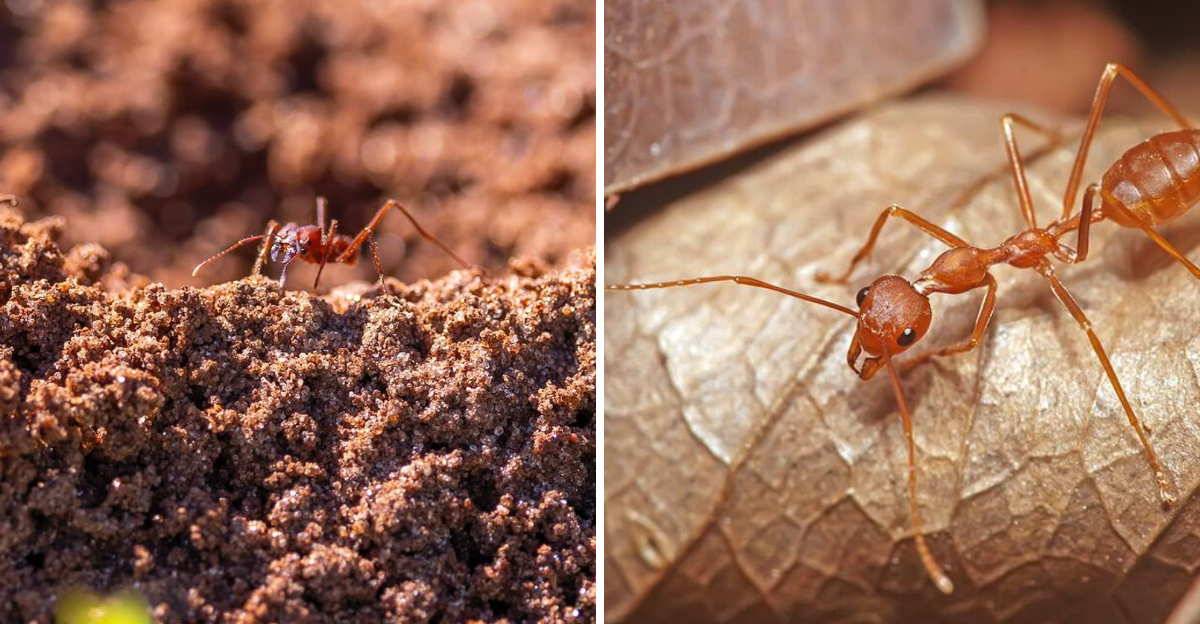
A mound appears overnight, and it captures your full attention. Tennessee soil hides secrets you cannot see with your eyes. Gardeners like you often mistake these insects for pure nuisance.
Every tunnel they dig reveals moisture patterns beneath your garden. Location matters far more than you might initially realize. Ants avoid healthy soil and gather toward your troubled spots instead.
Compacted soil, poor drainage, and decaying roots draw them to you. Gardens across Tennessee vary widely, and each one holds different clues for you.
Reading their placement gives you information no soil test can match. Overlooking them completely means you might miss real signals early. Watching them closely turns simple curiosity into real advantage for you.
Nothing about their sudden presence near you is ever random or without purpose. Curiosity alone won’t tell you what is happening below the surface. You need to know exactly what these mounds are revealing.
1. Soil Is Likely Dry And Well-Drained

Fire ants are not fans of soggy ground. When you spot a mound in your Tennessee garden, the first clue it gives you is about drainage.
These insects prefer soil that does not hold too much water. Wet, waterlogged ground is basically uninhabitable for their colonies.
If your mound pops up in a specific corner, that spot drains faster than the rest. That is actually useful information for planning what to plant there.
Drought-tolerant herbs like rosemary or lavender would thrive in that same patch. Vegetables that dislike wet feet, like carrots or beans, could do well there too.
Gardeners often overlook drainage until plants start struggling. A fire ant mound is basically a free drainage map of your yard.
Sandy or loamy soils drain quickly and tend to attract these insects more than clay-heavy ground does. You can test drainage by digging a small hole and filling it with water.
If the water disappears within a few hours, this is generally considered fast-draining soil. That may support what the ants’ presence suggests, though drainage varies by many factors.
Fast drainage also means nutrients can wash away more quickly after rain. Adding compost or mulch can slow that process and improve your soil over time.
Understanding your soil’s drainage pattern helps you water smarter. You stop guessing and start making decisions based on what is actually happening underground.
2. Compaction Levels Are Low Enough To Dig Easily
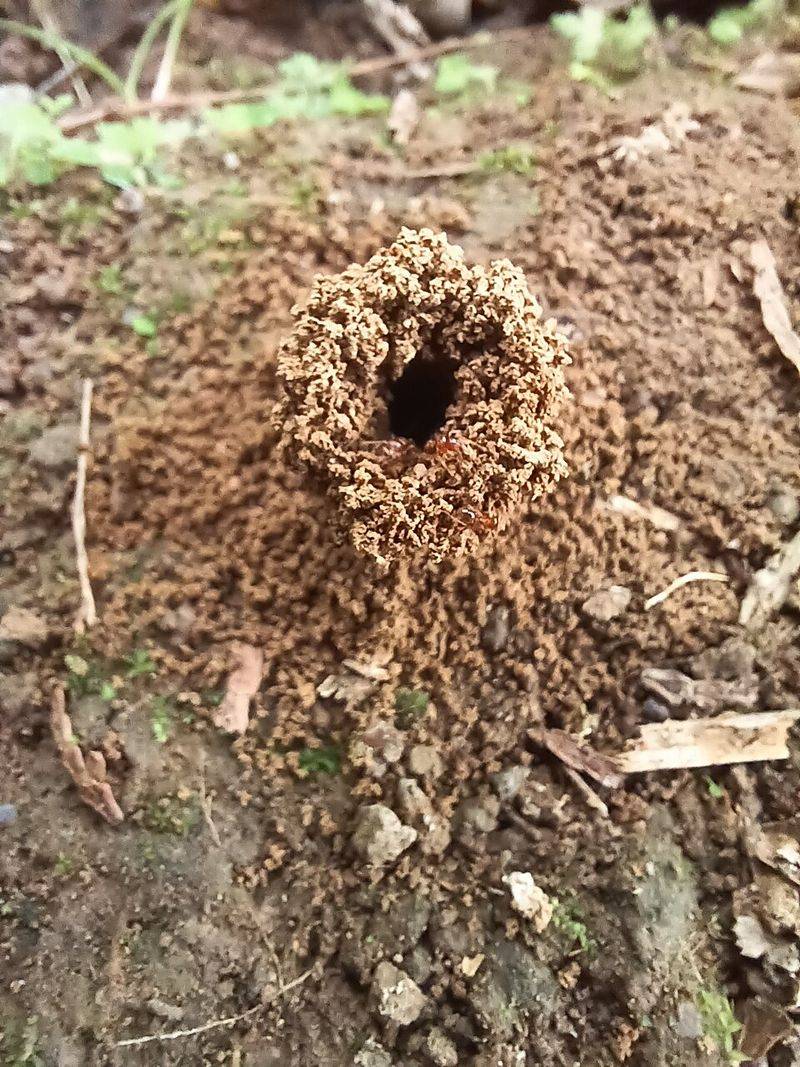
Loose soil creates favorable conditions for fire ants. These insects build elaborate tunnel networks that can go several feet deep underground.
Hard, compacted soil makes that kind of construction nearly impossible. If ants moved in, your soil is soft enough for them to work with.
This can also indicate favorable conditions for root growth. Low compaction means roots can spread freely and water can move through more easily.
Plants struggle in compacted ground because their roots hit a wall. Nutrients cannot move well, and oxygen levels drop below what most crops need.
So a fire ant mound, oddly enough, signals that your plant roots have room to grow. That is a helpful detail worth noting.
Your Tennessee Garden Changes Every Week. Your Plan Should Too.
Gardening in Tennessee changes quickly throughout the season. Every Friday you’ll receive a simple weekly plan showing exactly what to plant, prune, fertilize, harvest, and protect so you never miss the right timing.
You can confirm low compaction by pushing a screwdriver into the soil with your hand. If it slides in easily to about six inches, this informal test suggests low compaction in that area.
Heavily walked-on areas around garden paths often show high compaction. Those spots rarely attract fire ants because the ground is just too tough to tunnel through.
Raised beds and areas with regular compost additions tend to stay loose. Those are often the exact spots where mounds appear season after season.
Rather than seeing soft soil as a problem, use it as a guide. Build on that loose foundation by adding organic matter to keep the texture working in your favor.
3. Organic Matter May Be Breaking Down Nearby

Decomposing material is a magnet for all kinds of insect activity. Fire ants are no exception to that rule.
When organic matter breaks down, it generates warmth and releases nutrients. Both of those things make a spot very attractive for a growing colony.
If your mound is near a compost pile, old mulch, or a decaying log, that is not a coincidence. The ants are responding to biological activity happening right there.
Decomposing organic matter also loosens soil texture over time. That makes it easier for worker ants to excavate and build their tunnels.
On the bright side, active decomposition is exactly what healthy garden soil needs. The presence of ants near that activity shows your organic material is doing its job.
Earthworms, beetles, and fungi all work together in decomposing zones. Fire ants fit into that ecosystem as scavengers and predators of smaller insects.
In most cases, removing your compost pile is not necessary, though persistent infestations may require closer attention. Instead, turn your pile more often to disrupt nesting and keep the decomposition process moving faster.
Finished compost that gets worked into beds quickly is less likely to attract long-term colonies. Keeping organic matter actively cycling reduces the appeal of any one spot.
Healthy decomposition feeds your soil in ways that differ from store-bought fertilizer. Spot a mound near your mulch and see it as proof that your garden is alive and working.
4. Sunlight Exposure Is Warming That Spot Often

Fire ants are strongly drawn to warmth. Colonies build mounds in spots that absorb the most heat from the sun each day.
If a mound appears in a specific area of your garden, check how much direct sunlight that patch gets. Chances are it sits in full sun for much of the day.
Warm soil speeds up colony development and helps eggs hatch faster. That is why sunny, open garden beds are prime real estate for these insects.
Shaded spots under trees or near fences rarely attract mounds. The cooler ground temperature simply does not support their preferred environment.
For gardeners, this sunlight clue is useful. Full-sun crops like tomatoes, peppers, and squash would absolutely thrive in that same warm location.
Knowing your sunniest spots without doing a formal sun map saves time. The ants have already pointed you toward your hottest garden real estate.
You can use a soil thermometer to confirm what the ants already know. Soil temperatures above roughly 65 degrees Fahrenheit are generally favorable for many warm-season vegetables, though ideal ranges vary by crop.
Raised beds in open yards tend to warm up faster in spring. Those beds are often where the first mounds of the season appear after winter ends.
What fire ants reveal about your Tennessee garden’s soil includes where your sun falls hardest. Use that knowledge to plant your most heat-loving crops in the right place.
5. Underground Pests Could Be Present As A Food Source
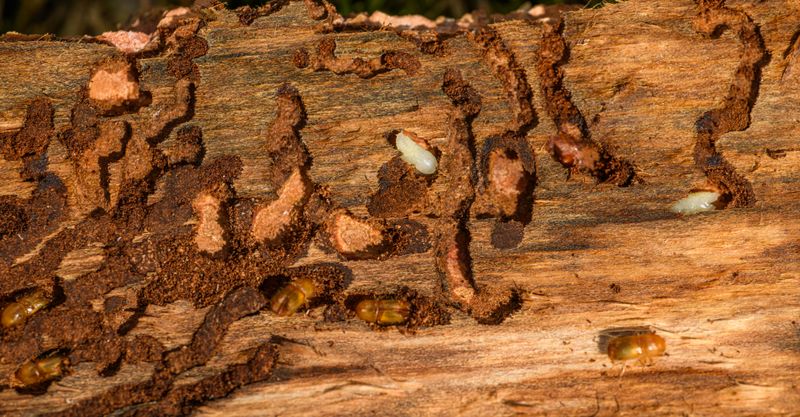
Fire ants often build their colonies near reliable food sources. A mound in your garden may mean something edible is living underground nearby.
Grubs, beetle larvae, and soil-dwelling insects are all fair game for foraging workers. If a colony sets up in your vegetable bed, check the surrounding soil for pest activity.
Japanese beetle grubs are a common underground resident in Tennessee gardens. They feed on plant roots and can cause serious damage before you even notice them.
Fire ants do prey on grubs, but their sting risk to people and pets still makes them worth managing carefully.
Dig around the mound carefully and look for white, C-shaped larvae in the top few inches. Finding several grubs confirms that the ants have a reliable food source nearby.
Treating for grubs with beneficial nematodes can remove one reason the ants are drawn to that area. Nematodes are microscopic organisms that target larvae without harming your plants.
Removing the food source does not guarantee the colony leaves right away. But it does reduce the appeal of that location over time.
Other soil pests like earwigs, springtails, and mole crickets also attract foraging scouts. A healthy, biodiverse garden can sometimes limit these populations naturally.
Spotting a mound near struggling plants is a reason to investigate the soil more closely. What fire ants reveal about your Tennessee garden’s soil often starts with what is hiding just below the surface.
6. Moisture Retention Is Lower Than Surrounding Areas
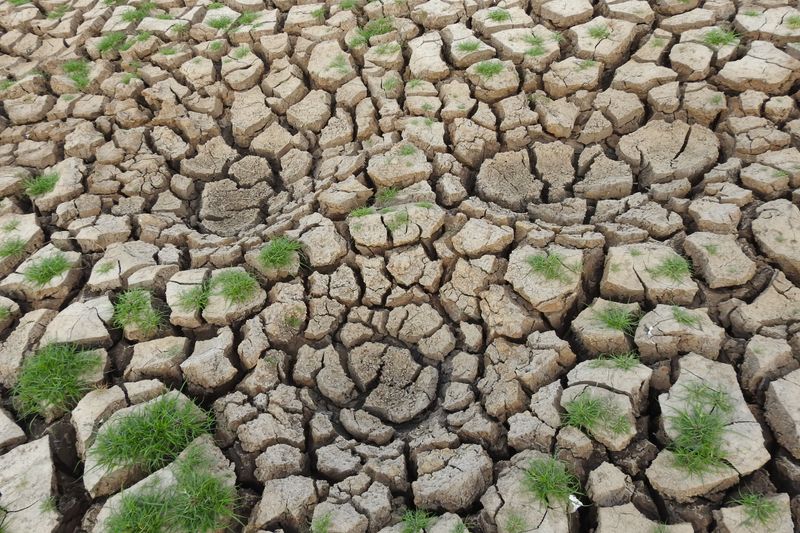
Pick up a handful of soil near a fire ant mound and compare it to soil a few feet away. The mound soil will almost always feel drier and looser.
Fire ants actively avoid areas where moisture sits for too long. Their tunnels can flood and seriously damage a colony if the ground stays wet.
Low moisture retention is a defining feature of fire ant territory. Sandy soils and slopes that shed water quickly are their favorite environments.
For gardeners, this means you may need to water that area more frequently. Plants in low-retention zones dry out faster and can wilt between irrigation cycles.
Adding organic matter like aged compost or peat moss can help the soil hold moisture longer. Even a thin layer of mulch on top makes a noticeable difference during hot summers.
Mulch reduces evaporation and keeps soil temperatures more stable. Both benefits help your plants and make the spot less ideal for ant colonies over time.
Drip irrigation is a smart choice for dry, low-retention patches in your garden. It delivers water directly to roots without flooding the surface or creating runoff.
A simple squeeze test tells you a lot about moisture retention. Squeeze a handful of soil tightly and release it.
If it crumbles instantly when squeezed, this informal test suggests lower moisture retention.
Improving moisture retention improves your entire growing season. Healthier, more balanced soil grows stronger plants and gradually becomes less hospitable to fire ant colonies.
7. Loose Soil Texture Makes Tunneling Easy For Them
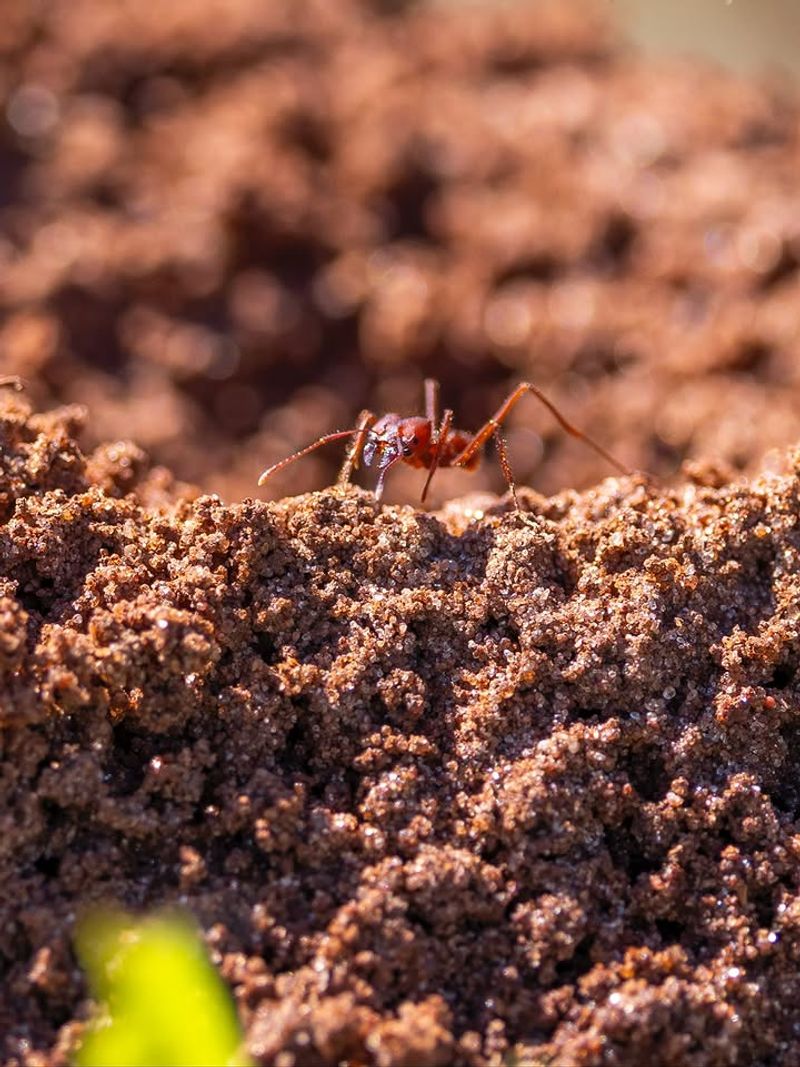
Soil texture is one of the biggest factors in where fire ants decide to build. Sandy loam and loose, crumbly soils are their top choice for a reason.
Moving through loose particles requires much less energy than pushing through dense clay. A colony can expand its tunnels faster and deeper when the ground cooperates.
Tennessee soils vary widely across the state, from heavy clay in some regions to sandier mixes in others. Wherever the texture skews loose and gritty, fire ants show up more reliably.
Loose texture is not necessarily a flaw in your garden soil. It often comes with excellent aeration, which benefits plant roots.
Aerated soil allows oxygen to reach root zones more easily. That supports stronger growth, better nutrient absorption, and more resilient plants overall.
The trade-off is that loose soil needs more attention to stay nutrient-rich. Nutrients can leach out faster when particles are spread apart and water moves through quickly.
Regular additions of compost help bind loose particles slightly without reducing airflow. That balance creates what gardeners call good tilth, the ideal texture for growing almost anything.
Cover crops like clover or buckwheat also improve texture over a full season. Their roots bind soil particles and add organic matter when tilled back in.
Fire ant mounds can help indicate where your sandiest, loosest soil patches are. Address the texture with amendments, and you improve both your harvest and your ant situation at the same time.
8. Nutrient Content May Be Attracting Other Insects Too

A busy garden is a healthy garden, but it also attracts a crowd. When nutrient content is high, more insects show up to take advantage of it.
Fire ants are opportunistic feeders that follow the activity of other insects. Where aphids cluster on plant stems or beetles gather near decaying roots, ants are not far behind.
Aphids produce a sugary substance called honeydew, which strongly attracts fire ants. Spotting ants climbing your plant stems is often a sign that aphids are already present.
Check the undersides of leaves whenever you notice ant trails going upward. Soft-bodied aphids tend to hide there in clusters that are easy to miss at first glance.
Nutrient-rich soil supports lush plant growth, which feeds more insects, which attracts more ants. It is a chain reaction that starts with good soil fertility.
High fertility is generally desirable for a productive garden. The insect activity it brings can be managed with the right approach and basic safety precautions around fire ant stings.
Encouraging beneficial insects like ladybugs and lacewings helps keep pest populations balanced. Both species feed on aphids and other soft-bodied insects that attract foraging ants.
Planting flowers like marigolds and yarrow near your vegetables draws beneficial insects in naturally. A diverse planting strategy reduces the pest load without chemicals.
What fire ants reveal about your Tennessee garden’s soil goes beyond just ants. A mound in a fertile bed is your reminder to look at the whole ecosystem you have built.