What It Means When A Box Turtle Shows Up In Your Connecticut Yard
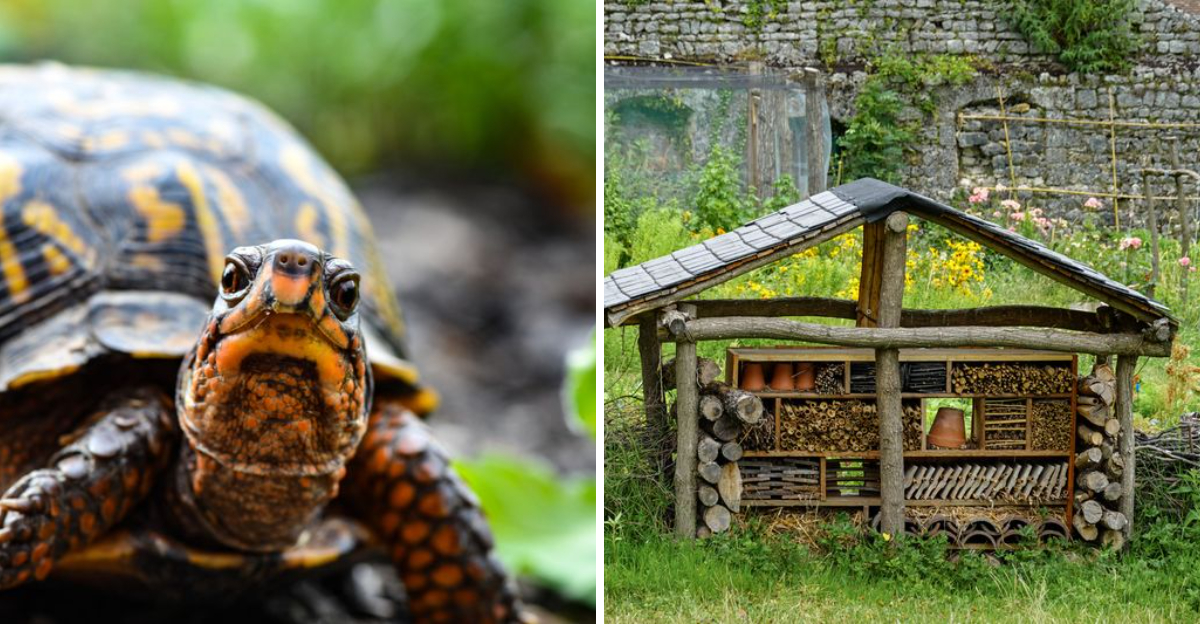
Something ancient just crossed your path, moving slowly, and it noticed you. Amber eyes study you calmly from inside an ancient, heavily armored shell. Rarely does a wild, cautious creature choose your ground this deliberately.
Connecticut hides some of the pickiest, most selective reptiles you will ever meet. Chemicals and sterile lawns push these creatures far from you.
Survival for this animal demands patience and undisturbed ground beneath your feet. Every slow step you witness reveals decades of quiet, patient observation.
Ecologists would say this Connecticut visitor reflects the health of your land. Statewide populations have declined significantly, so your sighting matters more than you think.
Nothing about this creature’s sudden arrival near you is truly accidental. Danger waits everywhere around you, from lawnmowers to highways to traffic.
Understanding why it stopped here changes how you see everything nearby. Ignore this moment, and you may never learn why it chose you.
Why Box Turtles Choose Certain Yards Over Others
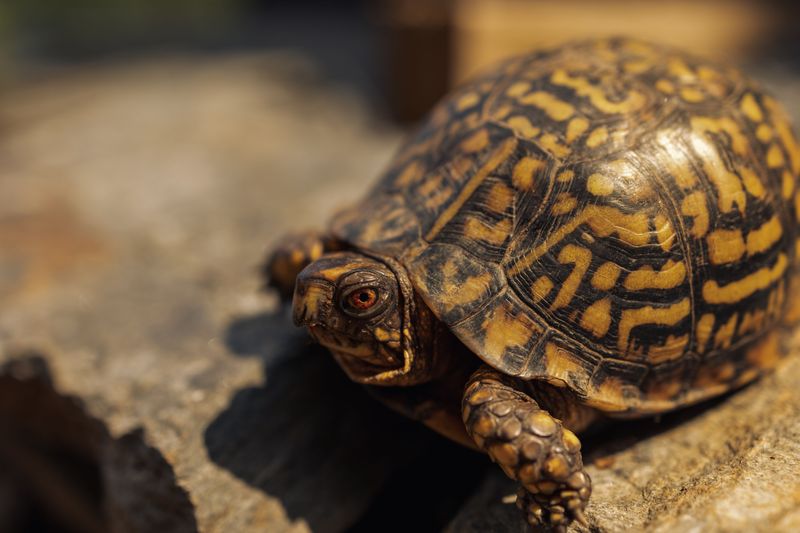
Not every yard earns a box turtle visitor. These reptiles are notoriously picky about where they spend their time, and a single sighting means your space has passed a serious, quiet test that most properties fail.
Box turtles prefer areas with a careful mix of open ground and dense cover. They feel safest where they can hide quickly and forage freely without ever crossing wide, exposed spaces that leave them vulnerable to predators and passing traffic.
Your yard likely borders a wooded area, a wetland edge, or a brushy hedgerow somewhere nearby. These turtles maintain surprisingly small home ranges of just a few acres, so they rarely travel far from familiar, trusted ground once they settle.
A turtle seen in your yard may have quietly lived nearby for decades already. They are fiercely loyal to their home territory and often return to the exact same spots year after year without fail.
Leaf litter is a major draw for them, more than most people realize. Piles of fallen leaves near garden beds or wooded edges offer both food and cover in one convenient, reliable spot.
Gardens with gentle slopes, partial shade, and low ground cover tend to attract these visitors far more than flat, sunny, manicured lawns ever could. Variety in your landscape is the real invitation extended.
A box turtle does not wander into just any yard by pure accident. If one showed up in yours, your outdoor space is quietly doing something right.
What Their Presence Says About Soil And Moisture

A box turtle in your yard is like a living soil report. These animals depend on moist, loamy ground for foraging, nesting, and staying hydrated during dry spells.
Their favorite meals, earthworms, slugs, and mushrooms, thrive in soil that holds moisture well. If a turtle is poking around your garden beds, your soil is probably healthy and biologically active.
Dry, compacted ground offers little to these reptiles. They will avoid lawns treated with synthetic fertilizers that strip the soil of the microbes and invertebrates they need to survive.
Your Connecticut Garden Changes Every Week. Your Plan Should Too.
Gardening in Connecticut changes quickly throughout the season. Every Friday you’ll receive a simple weekly plan showing exactly what to plant, prune, fertilize, harvest, and protect so you never miss the right timing.
When a turtle lingers in a specific patch of your yard, pay attention to that spot. Chances are the soil there drains well but stays consistently damp, which is exactly what these animals seek out.
Mushrooms are a strong signal too. Box turtles actively hunt fungi, and a yard that grows wild mushrooms after rain is a reliable food source for them.
Moisture-retaining features like rain gardens, low spots near downspouts, or areas shaded by mature trees tend to attract these turtles repeatedly. They remember where the good spots are.
Your yard’s soil and hydration levels tell a story, and a visiting box turtle is a strong indicator that both are healthy. That kind of feedback from nature is hard to beat.
Signs Your Garden Offers Safe Shelter And Food
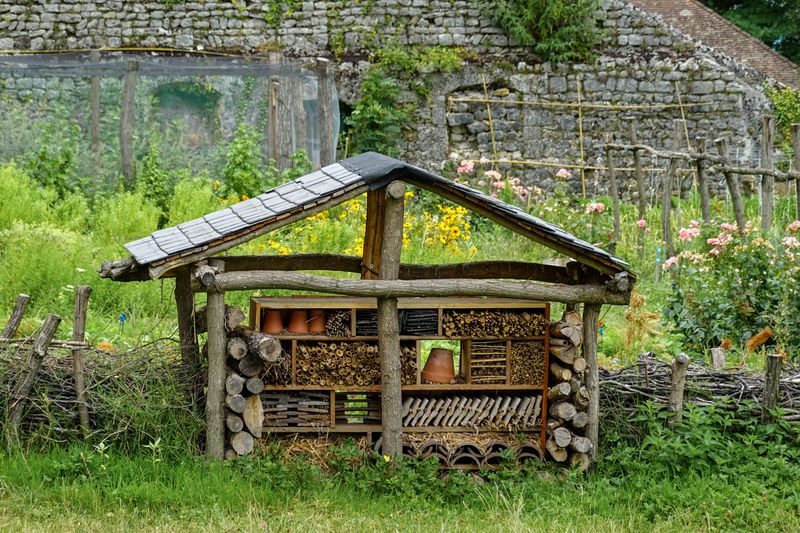
Spotting a box turtle nosing around your strawberry patch is not bad luck. It is a sign your garden is thriving in ways that go well beyond aesthetics.
These turtles eat a wide variety of foods: ripe berries, fallen fruit, wild mushrooms, earthworms, beetles, and even the occasional slug. A garden that offers several of these at once provides a reliable, varied food source.
Dense plantings of native shrubs like blueberry, elderberry, and serviceberry are especially appealing. These plants drop fruit at ground level, which is exactly where a turtle likes to forage.
Mulched beds are another strong draw. Thick organic mulch stays cool and moist underneath, sheltering the insects and worms that box turtles hunt throughout the day.
Brush piles and log stacks near garden edges serve as perfect resting spots. A turtle may tuck itself under a pile of branches for hours, regulating its body temperature in the shade.
Native groundcovers like wild ginger, ferns, and creeping phlox create the kind of low, sheltered microhabitat these reptiles prefer. Open grass offers nowhere to hide and little to eat.
If your garden has layers, from tall trees down to ground-level plants, you have built something special. A box turtle choosing your space means the habitat is working exactly as nature intended.
Pesticide-Free Practices That Attract These Visitors
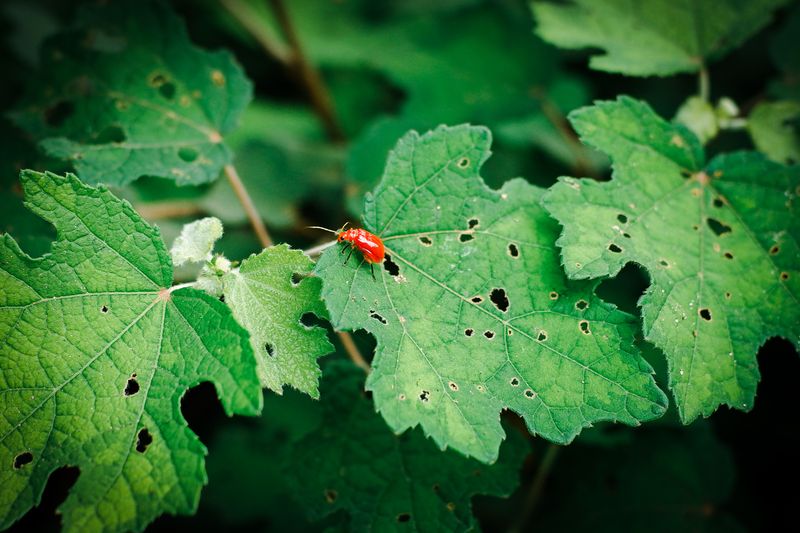
Box turtles and pesticides do not mix. These reptiles absorb chemicals through their skin and ingest them through contaminated prey, making toxic yards genuinely dangerous for them.
A turtle showing up in your yard is a strong signal that your outdoor space is relatively clean. Yards sprayed regularly with herbicides or insecticides rarely support healthy turtle populations.
Switching to organic compost instead of synthetic fertilizer feeds your soil’s biology. That biology, full of worms, beetles, and microbes, is exactly what a box turtle needs to find a meal.
Skipping the slug pellets is another big step. Slugs are a favorite food source for box turtles, so letting natural predators handle pest control keeps the food chain intact.
Hand-pulling weeds instead of spraying keeps the ground safe for foraging animals. It takes more effort, but the payoff is a yard that supports wildlife instead of repelling it.
Leaving some areas of your lawn unmowed creates refuge zones. Short patches of tall grass and clover harbor insects, hold moisture, and give turtles a place to move through safely.
Going pesticide-free is one of the most effective steps you can take for local wildlife. If a box turtle has already found your yard, you are clearly on the right path.
Legal Protections For Box Turtles In Connecticut

Before you pick up that turtle or decide to relocate it, know this: box turtles have legal protections in Connecticut that most homeowners are not aware of.
The eastern box turtle is a species of special concern under state law. That designation means harming, harassing, or collecting one from the wild is prohibited without a proper permit.
You cannot legally take a box turtle from your yard and keep it as a pet. Even well-meaning rescues can cause serious harm, since these animals are deeply tied to their home territory.
Moving a box turtle more than a short distance from where you found it can significantly harm its chances of survival.
These reptiles struggle to establish new home ranges and may spend the rest of their lives trying to return to familiar ground.
If a turtle appears injured, the right move is to contact a licensed wildlife rehabilitator. Connecticut DEEP can help connect you with someone trained to handle native reptiles safely.
Photographing a sighting and reporting it to a citizen science platform like iNaturalist helps researchers track populations. Your backyard observation can contribute to real conservation data.
Respecting the law around box turtles is not just a legal obligation. It is an act of stewardship for a species whose ancestral lineage stretches back millions of years, even as local populations now struggle to hold on.
Coexisting With Them Without Disturbing Their Habitat
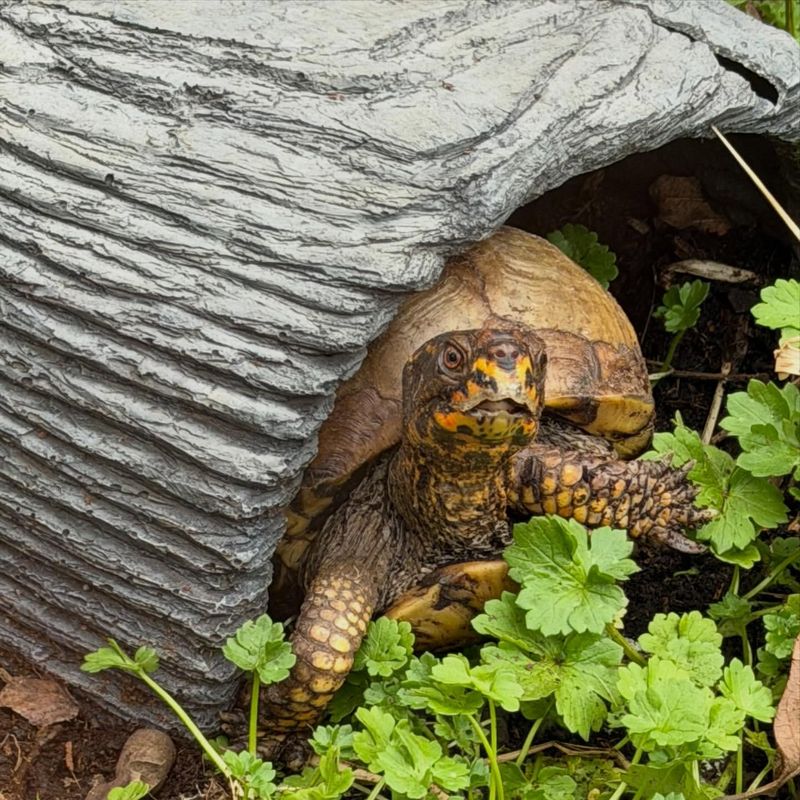
Sharing your yard with a box turtle is genuinely exciting, but the best thing you can do is mostly leave it alone. These animals thrive when humans resist the urge to intervene.
Keep dogs and cats indoors or supervised when a turtle is present. Unsupervised pets can injure a slow-moving turtle before it has any chance to retreat.
Avoid mowing near areas where a turtle has been spotted resting. Lawn mowers cause serious injuries to turtles that tuck into the grass during the heat of the day.
If a turtle is crossing your driveway, you can gently move it to the side it was already heading toward. Never move it in the opposite direction or carry it far from the original spot.
Installing small gaps in the base of wooden fences allows turtles to pass through freely. Solid fencing can trap them inside a yard or cut them off from essential habitat on the other side.
Keeping a shallow dish of fresh water near a shaded area gives visiting turtles a safe place to hydrate. Change the water regularly to prevent mosquito breeding.
Living alongside a box turtle in your Connecticut yard can be a genuinely rewarding experience. Treat the relationship with patience and respect, and this remarkable reptile may return season after season.