Why Nebraska Tomatoes Get Tough Skin, And What To Do About It
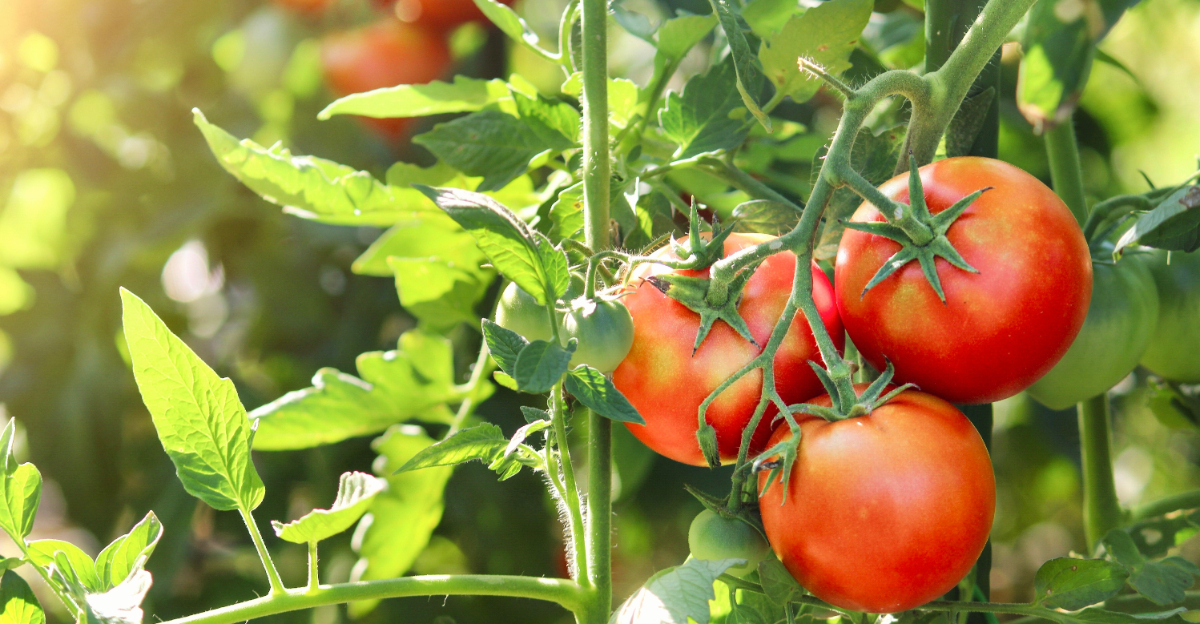
You sink your teeth into a tomato and feel resistance instead of juice. That toughness isn’t chance, and it isn’t your fault. Nebraska pushes intense heat straight at your tomato plants.
Rainfall swings from dry spells to sudden downpours confuse your roots. Stress signals your plants to thicken their skin. Sunscald exposes your fruit until the surface hardens.
Certain varieties you planted grow naturally tougher than others. Uneven watering sends your plants conflicting growth signals.
Gardening in Nebraska tests your patience constantly. Texture problems reveal themselves fast once fruit ripens. None of this means your garden faces failure forever.
Every cause behind your tomato’s tough skin has a clear fix. Fixing it starts with you knowing exactly what triggered it.
Nothing about your harvest has to stay this frustrating anymore. Once you understand the real trigger, you won’t want to stop.
Extended Heat Stress Thickens Skin As Protection
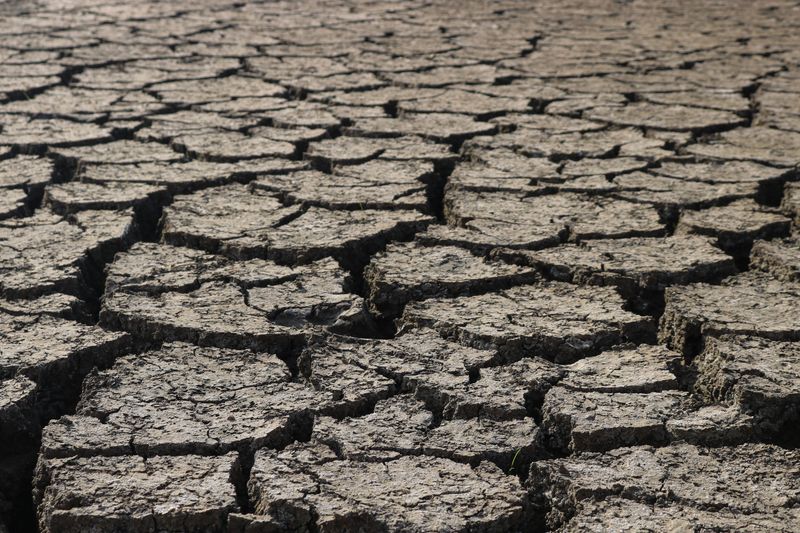
Your tomatoes are not being stubborn. They are surviving. When temperatures push past 90 degrees, tomato plants begin adjusting their growth to cope with heat. The skin thickens as a natural shield against moisture loss and sun damage.
Nebraska summers are intensely hot, which changes how plants respond. Weeks of high heat signal the plant to build tougher outer layers, almost like a sunburn callus forming on skin.
This response tends to intensify with sustained daytime heat, especially above 90 to 95 degrees. Once the plant starts thickening that outer layer, it does not stop until conditions cool down.
The toughening process happens gradually, so you may not notice until harvest. By then, the skin has already hardened through weeks of slow cellular change.
Heat stress also slows ripening, which keeps the fruit on the vine longer. That extra time adds even more toughness to an already thick exterior.
Reducing heat exposure is the most direct fix you can make. Shade cloth, mulch, and smart planting placement all work together to lower soil and air temperatures around your plants.
Tomatoes grown under 30 to 40 percent shade cloth during peak summer heat often develop softer skins at harvest. The plant stays productive without triggering that protective thickening response.
Nebraska gardeners who address heat stress early in the season end up with far better texture at the table. Getting ahead of the heat is always easier than recovering from it later.
Inconsistent Watering Causes Slow, Tough Growth
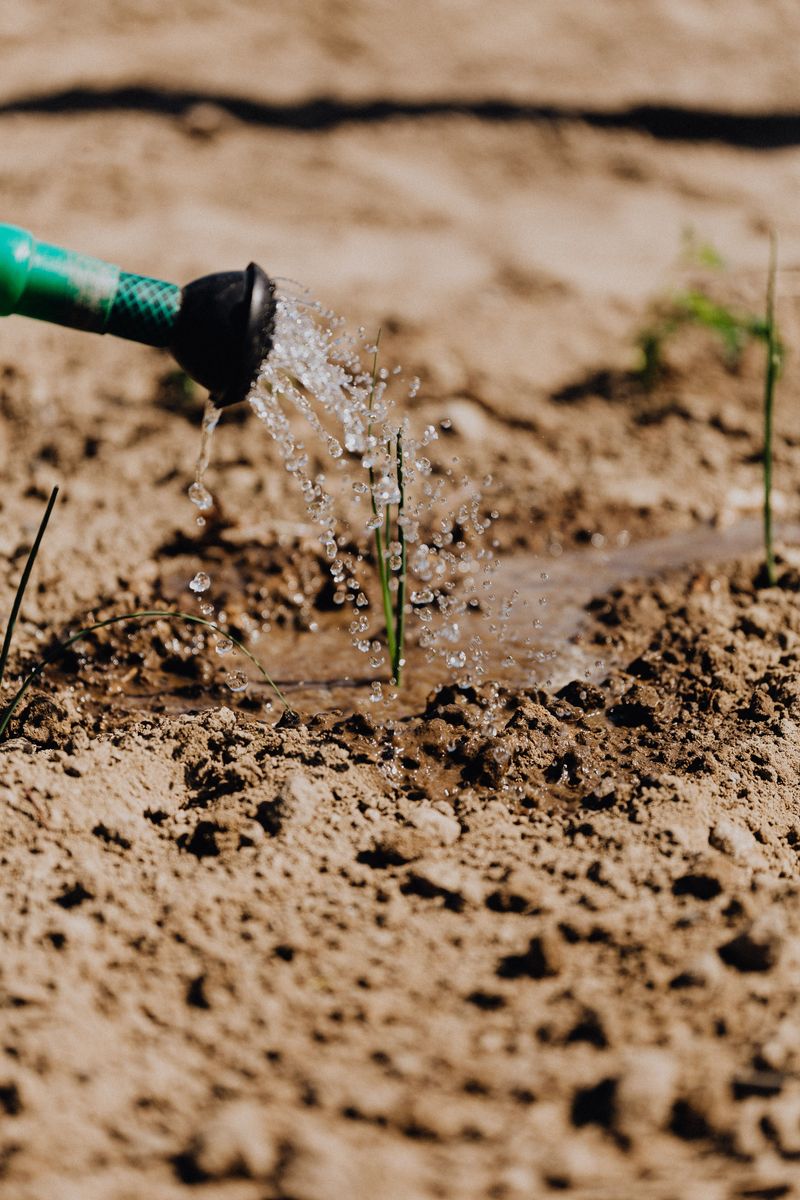
Feast and famine watering often leads to leathery tomatoes. When the soil swings from bone dry to soaking wet, the plant panics every single time.
During dry spells, the plant slows its growth to conserve resources, responding to the sudden shift in moisture. The skin stops expanding at the normal rate and starts to firm up instead.
Then a big rain hits and the fruit tries to grow fast again. That rapid expansion after a dry period actually causes the skin to crack or toughen further.
This stop-and-start cycle is one of the most common causes of tough Nebraska tomatoes. The plant never gets into a steady rhythm, and the fruit’s texture is affected by it.
Your Nebraska Garden Changes Every Week. Your Plan Should Too.
Gardening in Nebraska changes quickly throughout the season. Every Friday you’ll receive a simple weekly plan showing exactly what to plant, prune, fertilize, harvest, and protect so you never miss the right timing.
Consistent moisture keeps cell walls soft and pliable as the fruit develops. Irregular watering causes those walls to harden unevenly, which changes the final texture at harvest.
Drip irrigation is one of the best tools a home gardener can add to their setup. It delivers water slowly and steadily at the root zone, cutting out the guesswork entirely.
If drip systems are not in your budget, hand-watering deeply two to three times a week works well. The goal is to keep the top six inches of soil consistently moist, not soggy.
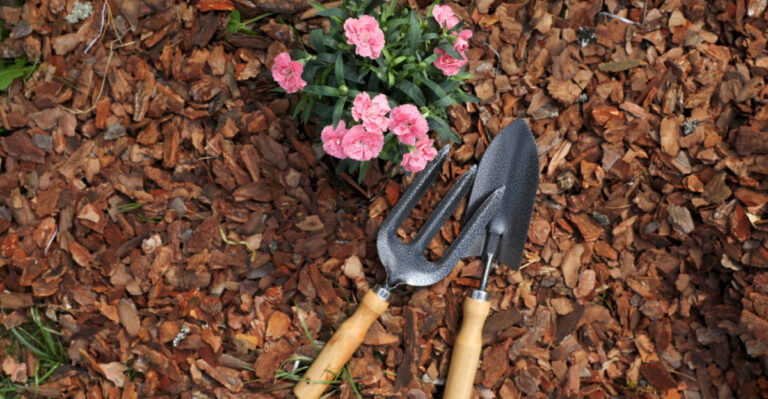
Mulching around the base of each plant also helps hold moisture between watering sessions. A two to three inch layer of straw or wood chips makes a big difference on hot days.
Steady water means steady growth, and steady growth means tender, juicy tomatoes worth all that summer effort.
Certain Varieties Naturally Have Thicker Skins
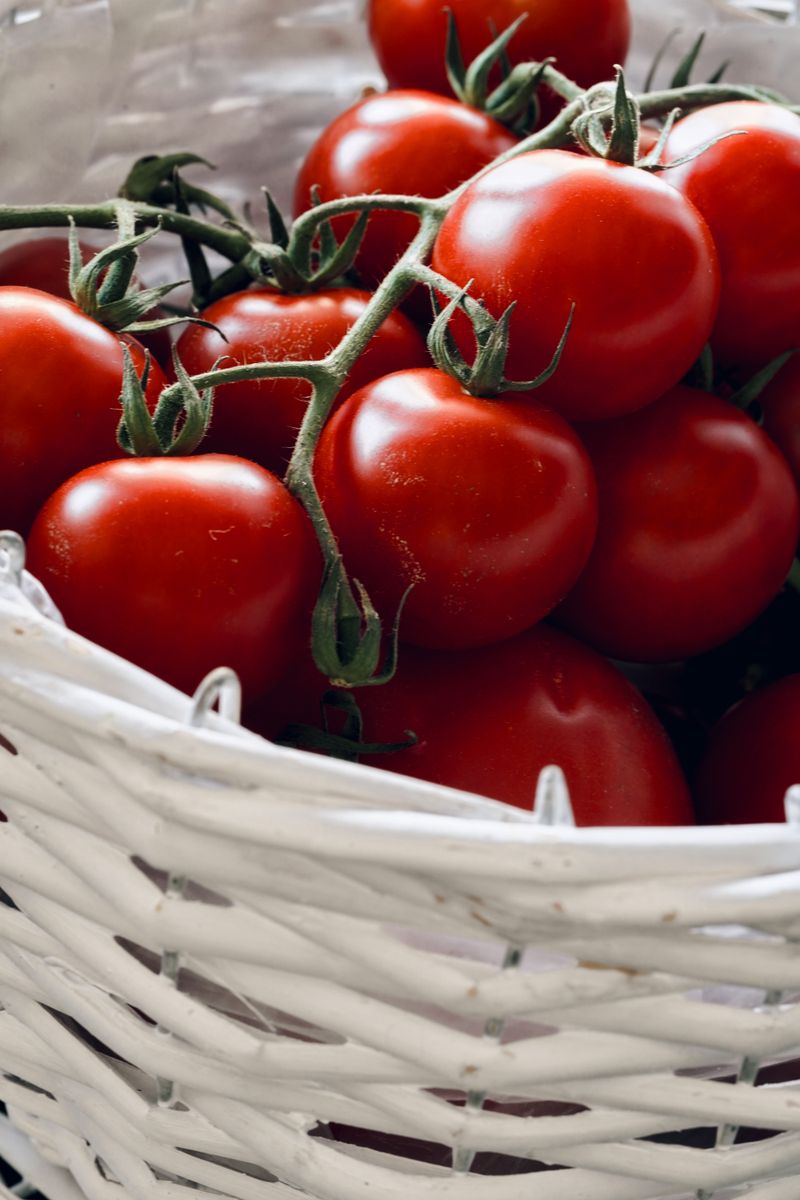
Not all tomatoes are built the same. Some varieties were bred specifically for shipping, storage, and shelf life, not for tender backyard eating.
Commercial tomato varieties like Roma and many paste types have naturally thicker skins. Those skins were designed to survive transport across hundreds of miles without bruising.
If you planted seeds from a grocery store packet or grabbed whatever was on sale at the hardware store, you may have chosen a tough-skinned type without knowing it. Seed choices matter more than most gardeners realize.
Heirloom varieties and specialty slicers tend to have much thinner, more delicate skins. Brandywine, Cherokee Purple, and Sun Gold are popular picks that stay tender even in warm conditions.
The genetic makeup of each variety controls how thick the outer layer grows during development. No amount of watering or shade will fully override what is built into the plant’s DNA.
Checking seed catalog descriptions before planting is a simple step that saves a lot of frustration. Look for words like thin-skinned, tender, or crack-resistant in the variety notes.
Crack-resistant does not always mean thick-skinned, though. Some varieties resist cracking by staying flexible, which actually keeps the skin soft and pleasant to eat.
Trying two or three new varieties each season is a smart way to discover what thrives in your specific yard. Nebraska gardeners often find their best results through a little friendly experimentation.
The right variety makes every other growing tip work even better, so start with good genetics from day one.
Overripe Tomatoes Left Too Long On The Vine
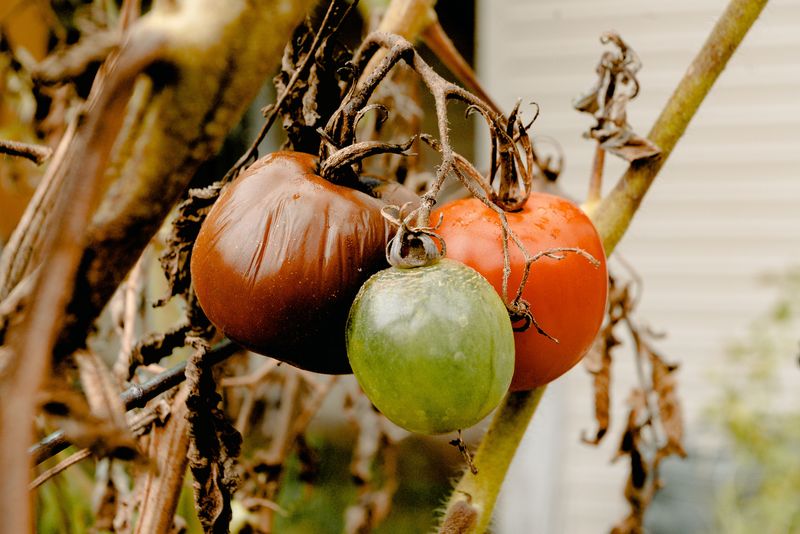
Leaving tomatoes on the vine past their prime seems harmless. But every extra day adds toughness you cannot undo once the fruit is in your hand.
As a tomato fully ripens and then moves past peak, the skin continues to firm up. The natural sugars break down and the cellular structure of the outer layer becomes less pliable.
Nebraska’s late-summer heat speeds up ripening significantly, often shortening the window before fruit turns overripe.
Overripe tomatoes also lose their bright, acidic flavor along with skin tenderness. You end up with something mealy and tough instead of juicy and satisfying.
Checking your plants every single day during peak season is not unnecessary. It is the only reliable way to catch fruit at exactly the right moment.
Color alone is not always a reliable harvest signal. Gently squeeze the tomato and look for a slight give, similar to the feel of a ripe peach in your palm.
Some gardeners mark the date when fruit first shows color so they can track ripening time. This simple habit removes the guesswork and reduces overripe losses dramatically.
Harvesting slightly early and letting tomatoes finish ripening on the counter actually produces better texture than vine-ripening past the peak. The flavor continues to develop beautifully at room temperature.
Catching that perfect window is what separates a good tomato from a great one, and it takes only a moment of daily attention.
Harvest Tomatoes Earlier Before They Overripen
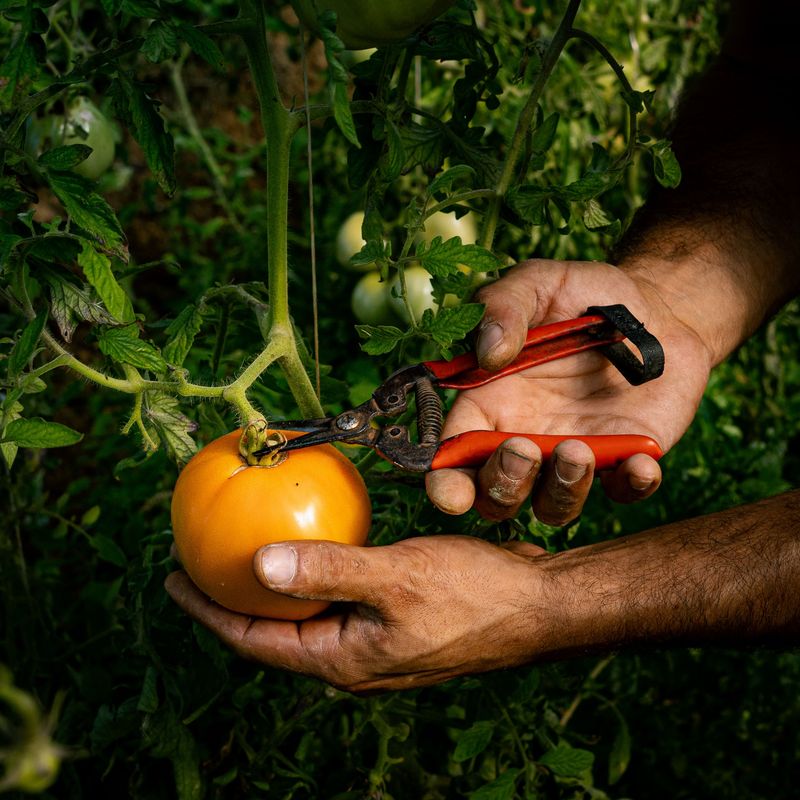
Pulling tomatoes before they hit full color feels wrong the first time you do it. But it is one of the smartest moves a Nebraska gardener can make.
Tomatoes continue to ripen after harvest thanks to a natural gas called ethylene. The fruit produces it on its own, so the process keeps going on your kitchen counter without any help.
Harvesting at the breaker stage, when the fruit is about half-colored, gives you full control over the final result. You bring the tomato inside before heat and time can toughen the skin further.
Counter-ripened tomatoes often end up with noticeably softer skins than those left on the vine through peak heat. The cool, shaded indoor environment slows that protective hardening process.
Never refrigerate tomatoes you are ripening at home. Cold temperatures stop the ripening process and create a mealy, flavorless texture that no gardener wants.
Set harvested tomatoes stem-side down on a counter away from direct sunlight. A spot near the window but out of afternoon sun works perfectly for most homes.
Tomatoes ripened this way are ready to eat in two to five days depending on how early you picked. The wait is short, and the improved texture makes it worthwhile.
Early harvesting also protects your remaining fruit on the vine. Removing mature tomatoes encourages the plant to put energy into the next round of developing fruit.
Once you try this method, leaving tomatoes to overripen outside will feel like a missed opportunity you will not repeat.
Water Deeply And Consistently Through Hot Spells
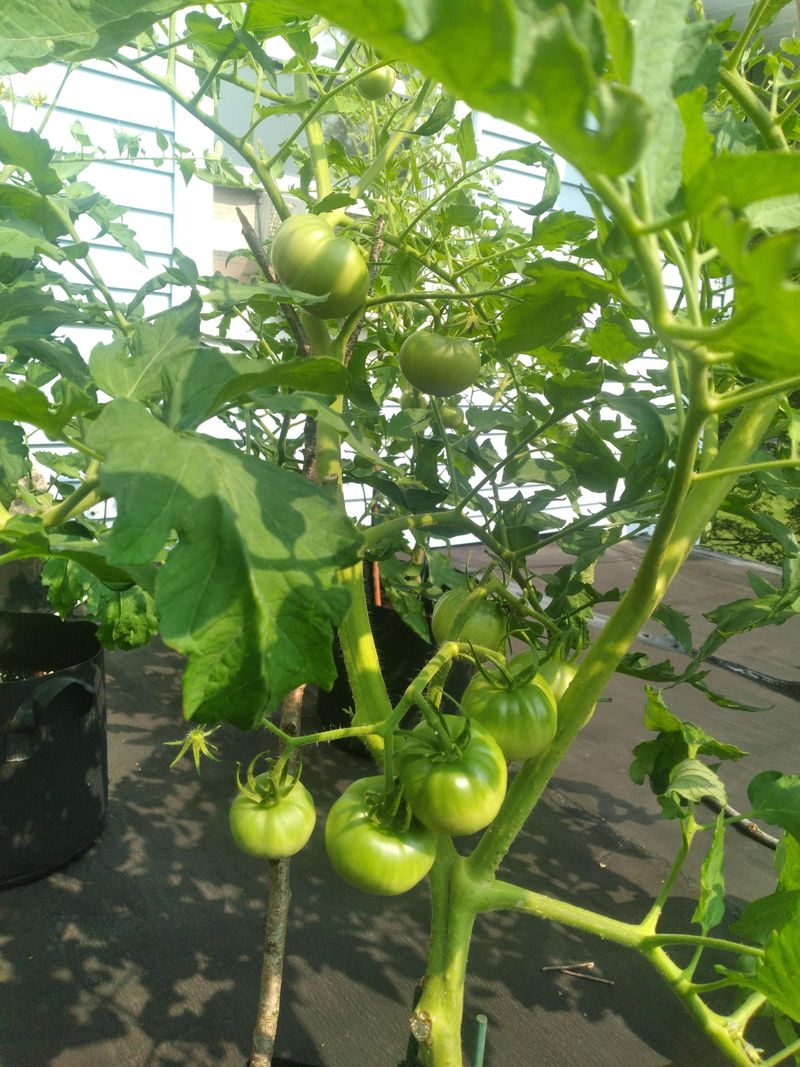
Shallow watering can be easy to miss. The soil surface looks wet, but the roots below are thirsty and stressed without you knowing it.
Deep watering means soaking the soil to at least six inches below the surface. This encourages roots to grow downward where moisture lasts longer between sessions.
During Nebraska’s hot spells, surface soil can dry out within hours. Roots that stay shallow because of light watering are constantly stressed, and that stress shows up in the skin of your tomatoes.
Watering deeply two to three times per week is far more effective than light daily sprinkles. Each session should run long enough to fully saturate the root zone.
A simple way to check depth is to push a wooden skewer or finger into the soil after watering. If it comes out dry past two inches, water longer next time.
Morning watering is ideal because it gives the soil time to absorb moisture before the afternoon heat peaks. Evening watering can work too, but wet foliage overnight sometimes encourages fungal issues.
Soaker hoses laid along the base of your rows are an affordable and efficient option. They deliver water directly to the soil without wasting any on leaves or pathways.
Pairing deep watering with a thick mulch layer creates a powerful moisture-retention system. The mulch slows evaporation so your watering sessions go further and last longer.
Tomatoes that receive steady, deep moisture through the hottest weeks of summer tend to develop tender, enjoyable skin texture.
Choose Thinner-Skinned Varieties Suited For Nebraska
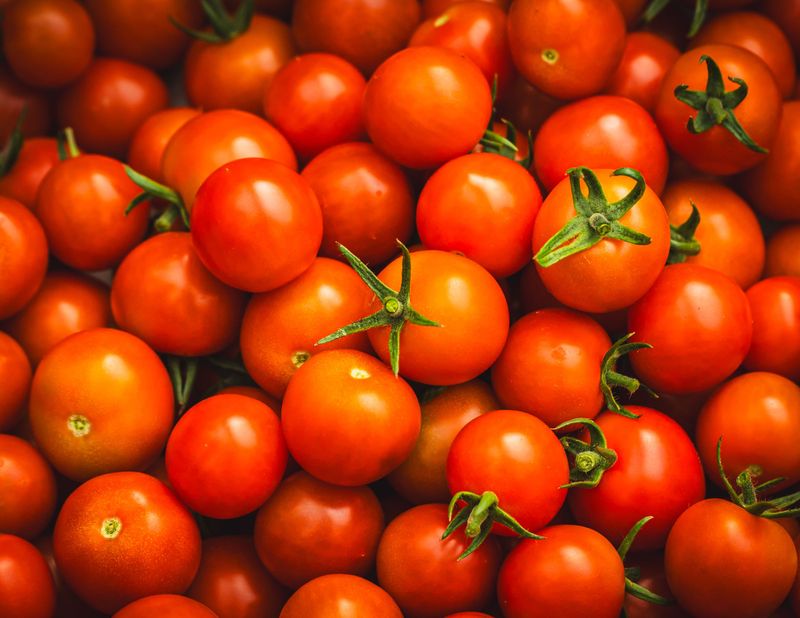
Picking the right tomato for your climate puts you ahead before you even break ground. Nebraska has specific growing conditions that not every variety handles well.
The state’s hot, dry summers and unpredictable moisture levels favor tomatoes bred for resilience. But resilience does not have to mean thick, chewy skin.
Brandywine is a classic heirloom choice that produces large, tender-skinned fruits with incredible flavor. It thrives in warm conditions and consistently delivers soft skin even during hot stretches.
Cherokee Purple is another excellent option, offering rich, complex flavor and a thin outer layer that cuts like butter. Gardeners across the Midwest have had great success with it in raised beds and in-ground plots alike.
Sun Gold cherry tomatoes are practically foolproof. They ripen fast, stay sweet, and have skins so thin they practically burst when you look at them the right way.
Celebrity and Early Girl are two reliable hybrids that balance disease resistance with thinner skin. Both perform well in Nebraska’s climate without sacrificing that tender bite you are after.
Visiting a local seed swap or talking to nearby gardeners is one of the best ways to find varieties proven in your exact zip code. Local knowledge beats any seed catalog description.
Ordering from regional seed companies that test varieties in similar climates also gives you a major advantage. Seeds adapted to Midwestern heat and humidity start with a built-in edge.
The right variety can meaningfully reduce tough skin issues in Nebraska tomatoes.
Provide Afternoon Shade During Peak Summer Heat
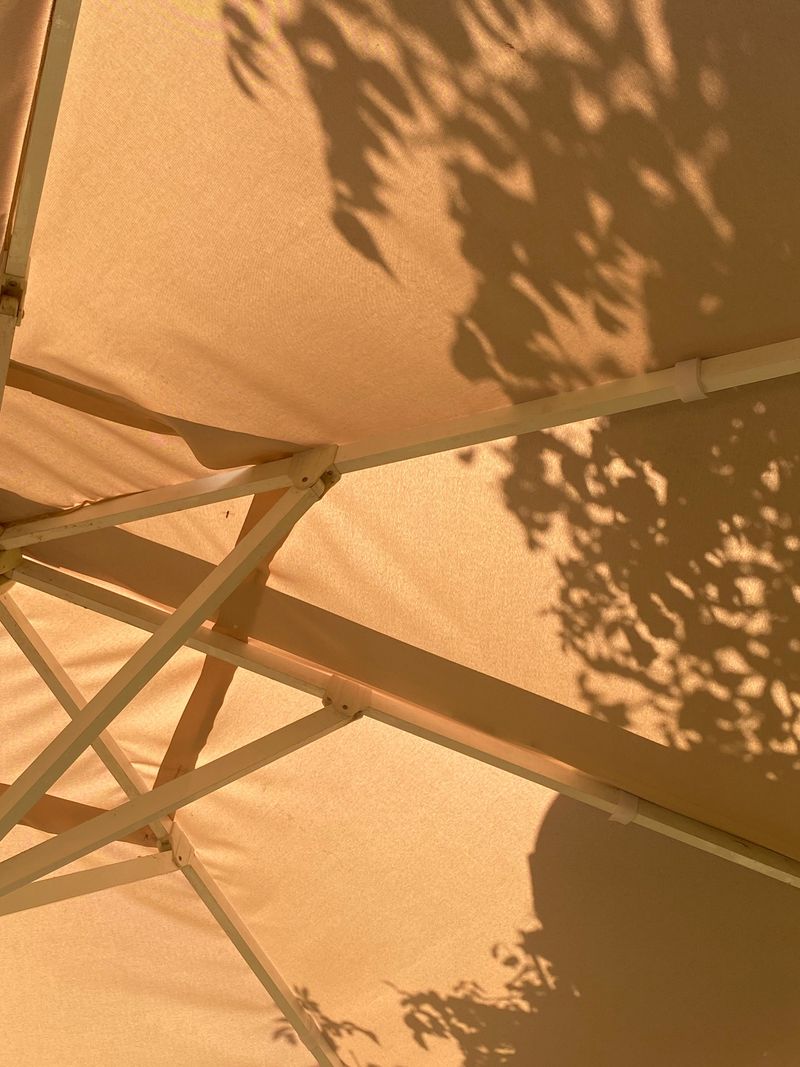
Afternoon sun in a Nebraska summer is especially intense. Between two and five in the afternoon, temperatures can spike enough to stress plants over the course of the afternoon.
Tomatoes need full sun, but full sun and scorching afternoon rays are two very different things. Too much intense heat triggers that protective skin-thickening response you are trying to avoid.
Installing a simple shade structure on the west side of your tomato rows blocks the harshest late-day sun. Even a temporary solution made from fabric and stakes can make a measurable difference.
Shade cloth rated at 30 to 40 percent is the sweet spot for tomatoes. It reduces heat stress without cutting off enough light to slow fruit production or ripening.
Positioning taller plants or trellised crops on the west side of your tomatoes works as a natural shade barrier. Sunflowers, corn, and pole beans are popular choices for this purpose.
Container gardeners have an even simpler option: just move the pots. Rolling planters into partial shade during the hottest hours and back into full sun in the morning is an easy seasonal routine.
Shade combined with mulch and consistent watering creates a microclimate around your plants that is noticeably cooler than the surrounding garden. Cooler roots mean calmer plants and better fruit.
Tomatoes grown with afternoon protection tend to ripen more evenly and hold their color longer without the skin hardening prematurely. The effort involved is minimal compared to the payoff.
Protecting your Nebraska tomatoes from tough skins starts with shading smartly, and that one change alone can meaningfully improve your harvest.